
Flours Compared: Which is Best for Crispy or Chewy Pizza Dough?

Welcome to BakeWithEase, your companion on the journey to baking brilliance!
Ever wondered if the secret to that perfect pizza crust lies in the right flour? We're diving deep into the world of different flours for pizza dough, exploring how each impacts texture, taste, and overall deliciousness. Prepare to unlock the secrets to achieving crispy or chewy perfection, and discover which flour will elevate your pizza game to the next level. Intrigued? Let's get started!
- Pizza Flour Comparison: Achieving Desired Crust Texture
- Selecting the Right Flour for Homemade Pizza Dough
- Understanding Flour's Impact on Pizza Dough
- Pizza Flour Comparison: Properties and Uses
- Flour Blends: Customizing Texture and Flavor
- Choosing Flour Based on Desired Crust
- Tips for Working with Different Pizza Dough Flours
- Mastering Pizza Dough Through Flour Selection
-
Frequently Asked Questions
- What are the main differences between flours that affect pizza dough texture?
- Which flour is specifically recommended for achieving a crispy pizza crust at BakeWithEase?
- Is it possible to use bread flour, typically for chewy dough, for a pizza crust?
- Can I substitute different flours in a pizza dough recipe from BakeWithEase?
- Where can I find more detailed information on flour types and their uses in baking on BakeWithEase.com?
- Final Reflection: The Flour Power of Pizza Perfection
- Unlock Your Perfect Pizza Crust!
Pizza Flour Comparison: Achieving Desired Crust Texture
Selecting the Right Flour for Homemade Pizza Dough
Crafting the perfect homemade pizza starts with understanding your ingredients, and flour is arguably the most crucial. The type of flour you choose dramatically influences the texture, flavor, and structure of your pizza dough. Whether you dream of a crispy, thin crust that crackles with every bite or a chewy, airy crust with a satisfying pull, selecting the right flour from the different flours pizza dough options available is key. This guide explores the properties of various flours and how they contribute to different pizza crust characteristics, helping you master your desired outcome.
Getting familiar with the characteristics of different flours for pizza dough is an exciting step in your baking journey. Each flour type brings unique qualities to the table, from protein content and gluten potential to absorption rates and flavor profiles. By understanding these differences, you can make informed decisions that elevate your pizza game from good to outstanding. Let's delve into how flour works its magic in pizza dough.
Understanding Flour's Impact on Pizza Dough
Gluten's Role in Pizza Dough: Texture Control
Gluten, a protein network formed when water is added to flour and kneaded, is the backbone of most pizza doughs. It provides elasticity, allowing the dough to be stretched thin without tearing, and contributes to the structure and texture of the baked crust. Flours with higher protein content generally develop stronger gluten networks, leading to chewier crusts. For instance, bread flour, with its typical 12-14% protein, is a prime example of a high-gluten flour favored for creating a substantial, chewy texture in pizza.
Conversely, flours with lower protein content, like some pastry flours (though less common for pizza), develop less gluten, resulting in a more tender crumb. The amount of gluten developed is also influenced by hydration levels and kneading time. A well-developed gluten structure traps the gases produced by yeast during fermentation, creating those desirable air pockets and contributing to the crust's rise and final texture. Understanding gluten's mechanics is fundamental when working with different flours pizza dough.
Wheat Flour Varieties for Pizza Making
The world of wheat flour offers a diverse palette for pizza makers. The primary distinction lies in the type of wheat used (hard or soft) and how finely it is milled. Hard wheat, rich in protein, yields flours like bread flour, ideal for strong doughs. Soft wheat, lower in protein, is used for cakes and pastries. Pizza flours often fall somewhere in between or are specifically milled for optimal performance.
Beyond the basic all-purpose and bread flours, variations like Italian 00 flour, semolina, and whole wheat flour present distinct characteristics. 00 flour, milled incredibly fine, is traditional for Neapolitan pizza, offering a unique balance of strength and tenderness. Semolina adds a rustic touch and crunch, while whole wheat brings nutrition and a nutty flavor. Exploring these different flours pizza dough options allows for endless experimentation to find your perfect crust.
Pizza Flour Comparison: Properties and Uses
All-Purpose Flour: Availability and Versatility
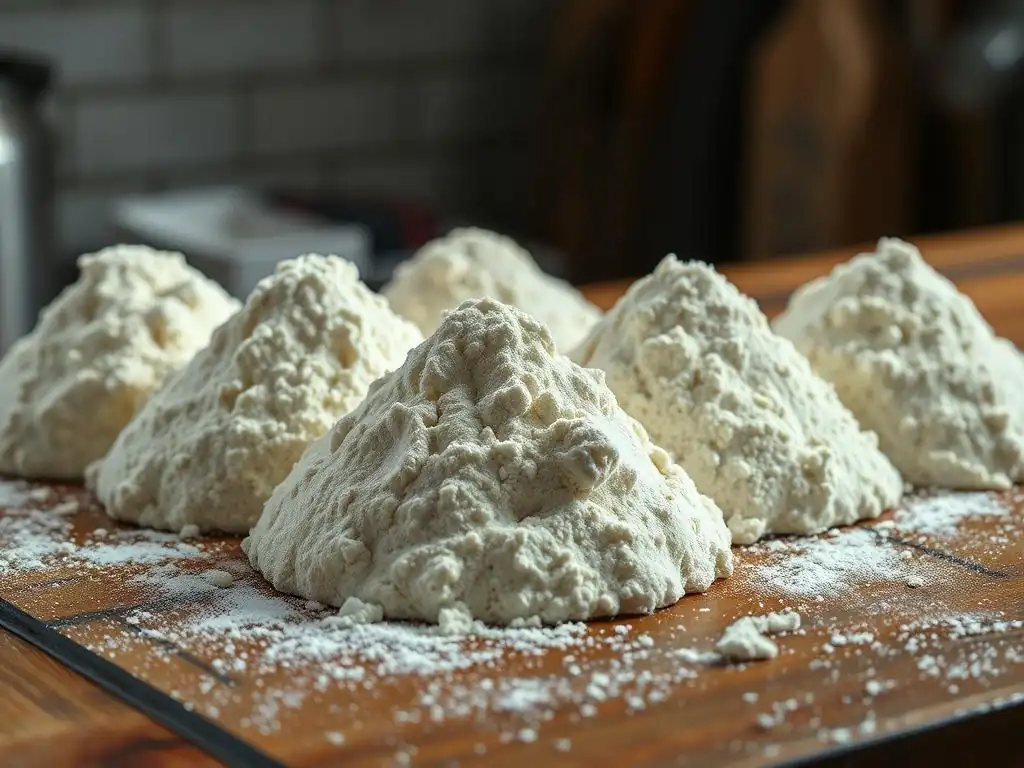
All-purpose flour is a staple in most kitchens and serves as a widely available option for pizza dough. It's a blend of hard and soft wheat, typically containing 10-12% protein. This moderate protein level provides enough gluten development for a decent crust, making it a versatile choice for home bakers just starting out or those seeking a reliable, easy-to-handle dough.
While not specialized for pizza, all-purpose flour's accessibility makes it a common starting point. It can produce a satisfactory crust that is neither excessively chewy nor overly crispy, depending on hydration and baking method. Its neutral flavor also allows other ingredients, like toppings and sauce, to shine.
All-Purpose Flour: Pros and Cons for Pizza
All-purpose flour offers several advantages, primarily its widespread availability and ease of use. It's forgiving and doesn't require specialized techniques like extensive kneading to achieve a workable dough. This makes it ideal for beginners experimenting with different flours pizza dough.
However, its moderate protein means it may not develop the strong gluten structure needed for extremely airy or very chewy crusts characteristic of professional pizzerias. It might result in a slightly tougher or less extensible dough compared to higher-protein flours.
- Pros:
- Widely available and affordable.
- Easy to work with, forgiving for beginners.
- Versatile for various pizza styles (though not optimal for all).
- Cons:
- May not achieve the desired texture (very chewy or very airy) of specialized flours.
- Gluten development can be inconsistent compared to bread or 00 flour.
Bread Flour: High Gluten for Chewy Crusts
Bread flour is milled primarily from hard wheat and boasts a higher protein content, typically ranging from 12% to 14%. This higher protein level translates to a greater potential for gluten development, making it an excellent choice for pizza doughs that require significant structure and chewiness. Think of classic New York-style pizzas with their substantial, foldable crust – bread flour is often the secret ingredient.
The robust gluten network formed by bread flour allows the dough to stretch thinly without tearing and holds up well under the weight of toppings. During baking, this strong structure helps create a chewy interior crumb while still allowing for a satisfying exterior crispness, especially when baked at high temperatures. It's a favorite among many home bakers aiming for a more substantial crust.
Bread Flour: Tips for Optimal Gluten Development
To fully leverage the high protein content of bread flour, proper kneading is essential. Kneading, whether by hand or machine, aligns the gluten proteins, creating a strong, elastic network. Aim for a dough that is smooth, elastic, and passes the "windowpane test" – you should be able to stretch a small piece thin enough to see light through it without it tearing.
Hydration is also crucial. Bread flour typically absorbs more water than all-purpose flour. Using a higher hydration percentage (often 65% or more) can help activate more gluten and contribute to a lighter, airier crumb, even with the inherent chewiness of the flour. Long, slow fermentation in the refrigerator can further enhance flavor and improve dough structure when using bread flour.
00 Flour: Fine Texture for Authentic Pizza
Italian 00 flour, also known as doppio zero, is a finely milled flour typically derived from hard wheat, though its protein content (often 11-12.5%) can be similar to or slightly lower than some all-purpose flours. The "00" designation refers to the fineness of the grind, which is the finest classification in Italy. This fine texture results in a silky, smooth dough that is a pleasure to work with.
Despite a protein content that isn't significantly higher than all-purpose, the specific quality of the protein and the fine milling of 00 flour contribute to a unique gluten structure. It develops gluten readily but results in a tender, pliable dough that is perfect for stretching into thin crusts, like those used for authentic Neapolitan pizza. It bakes up beautifully in very hot ovens, yielding a crust with characteristic charring (leoparding) and a light, airy cornicione (edge).
00 Flour: Texture and Flavor Profile
The primary appeal of 00 flour lies in its texture. The incredibly fine particles absorb water rapidly and create a smooth, non-gritty dough. When baked at high temperatures (ideally 800°F+ as in a traditional wood-fired oven, but achievable with specific home oven techniques), it produces a crust that is simultaneously crisp on the exterior and soft and airy within the cornicione. The flavor is typically clean and neutral, allowing the taste of the fermented dough and toppings to come through.
While it excels in high-heat environments, 00 flour can also be used successfully in standard home ovens. It still produces a tender crust, though the characteristic charring might be less pronounced. Its ease of stretching and pleasant dough handling characteristics make it a favorite for many seeking to replicate authentic Italian pizza textures. It's a key player when discussing different flours pizza dough for specific regional styles.
Semolina Flour: Adding Crunch and Flavor
Semolina flour is a coarse flour made from durum wheat, the hardest type of wheat. Unlike the finely ground flours discussed so far, semolina has a granular texture, similar to fine sand. It's often used for pasta, but a finer grind of semolina or a blend including semolina can add wonderful qualities to pizza dough, particularly texture and flavor.
Adding a small percentage of semolina to your regular pizza dough flour (like all-purpose or bread flour) can improve handling, preventing sticking and adding a pleasant, subtle crunch to the crust. Using pure semolina for pizza dough is less common, as it develops gluten differently and results in a very distinct, often denser, crust. However, it's fantastic for dusting the peel to help slide the pizza into the oven.
Semolina Flour: Mixing Techniques for Semolina Dough
When incorporating semolina into pizza dough, it's typically used as a partial substitute for the main flour, perhaps replacing 10-25% of the total flour weight. Due to its granular nature, semolina absorbs water more slowly than finely milled flours. This means you might need slightly higher hydration or a longer rest period (autolyse) before kneading to allow the semolina to fully hydrate.
Mixing semolina dough requires a bit more patience. The initial mix might feel a little rough or sandy. Continue kneading, and the dough will smooth out as the semolina hydrates and gluten develops. The resulting dough will have a slightly different feel – less elastic and more extensible in a unique way. When baked, this blend contributes a lovely golden hue and a desirable texture contrast, adding a rustic element to your exploration of different flours pizza dough.
Whole Wheat Flour: Nutritious and Flavorful Option
Whole wheat flour is milled from the entire wheat kernel, including the bran, germ, and endosperm. This inclusion provides more fiber, nutrients, and a distinctive, nutty flavor compared to refined white flours. Using whole wheat flour in pizza dough offers a healthier alternative and a more complex taste profile.
However, the presence of bran and germ affects gluten development. The sharp edges of the bran can cut the gluten strands, resulting in a dough that is less elastic and can be harder to stretch thinly. A crust made with 100% whole wheat flour can be denser and less airy than one made with white flour.
Whole Wheat Flour: Hydration Adjustments
Because whole wheat flour contains the bran and germ, it typically absorbs more water than white flour. When substituting whole wheat flour for white flour in a recipe, you'll likely need to increase the hydration level. Start by adding an extra 5-10% water relative to the flour weight and adjust as needed until the dough feels properly hydrated but not overly sticky.
Many bakers find success using a blend of whole wheat and white flour (e.g., 50/50 or 75% white/25% whole wheat). This allows you to incorporate the nutritional benefits and flavor of whole wheat while maintaining sufficient gluten development for a good crust structure and easier handling. Adjusting hydration is a key technique when working with different flours pizza dough, especially whole wheat.
Gluten-Free Flour Blends: Achieving Gluten-Free Crusts
For those with gluten sensitivities or celiac disease, achieving a satisfying pizza crust requires gluten-free flour blends. These blends are typically made from a combination of flours derived from grains like rice, corn, and sorghum, starches like potato or tapioca, and sometimes binders like xanthan gum or psyllium husk to mimic the properties of gluten.
The composition of gluten-free blends varies widely by brand, and each blend will behave differently. They do not develop a gluten network, so the structure relies on the starches and added binders. This means gluten-free doughs often feel less elastic and more like a thick batter or clay compared to wheat doughs.
Gluten-Free Dough: Texture and Structure Considerations
Working with gluten-free pizza dough requires a different approach. Since there's no gluten network to trap gases, the resulting crust can sometimes be denser or crumbly. Binders like xanthan gum are essential for providing structure and preventing the dough from falling apart. Hydration levels in gluten-free recipes are often higher than traditional wheat doughs to help create a pliable mixture.
Achieving a good texture in gluten-free pizza often involves techniques like pressing the dough into shape rather than stretching, par-baking the crust before adding toppings to give it structure, and using specific blend compositions designed for yeast-risen breads. Experimenting with different flours pizza dough in the gluten-free category means finding a blend that works for you and adjusting techniques accordingly.
Flour Blends: Customizing Texture and Flavor
Combining Flours: Experimenting with Pizza Dough
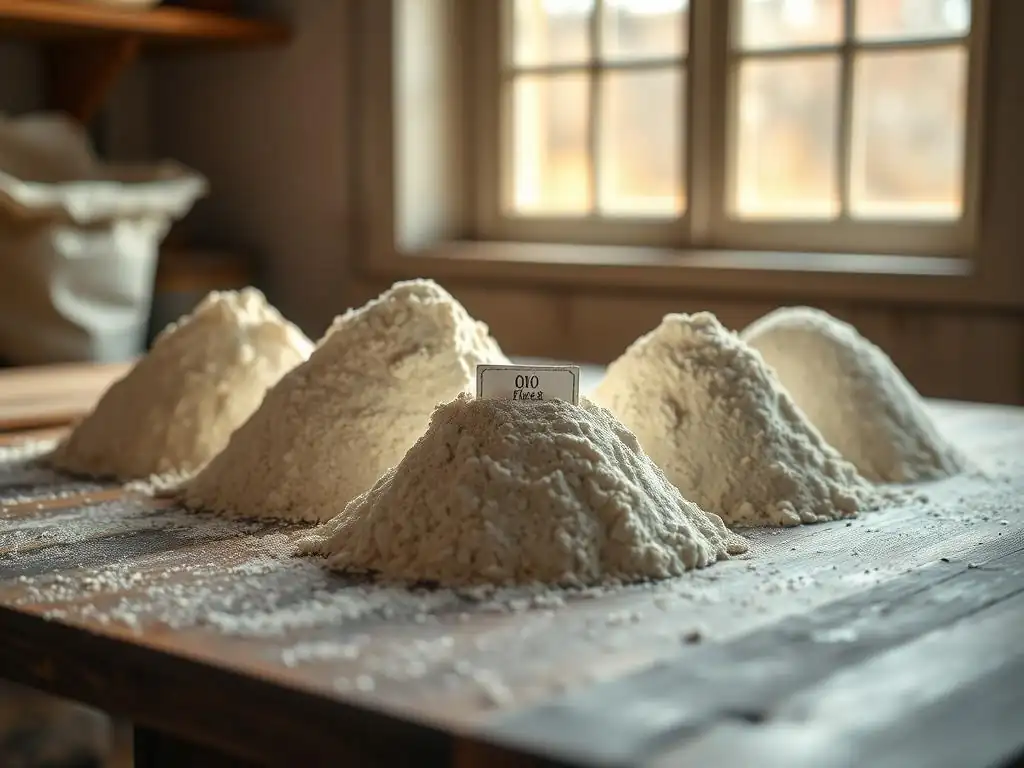
One of the most exciting aspects of working with different flours pizza dough is the ability to create custom blends. By combining flours, you can achieve textures and flavors that a single flour type can't provide. For example, blending bread flour with 00 flour can give you the chewiness of bread flour with the fine texture and ease of stretching of 00.
A common practice is blending a strong white flour (like bread or 00) with a smaller percentage of a flavorful or textural flour like semolina or whole wheat. This allows you to introduce new characteristics without compromising the fundamental dough structure. Experimenting with different ratios is encouraged to discover your perfect blend for different pizza styles.
[Recipe: Bread Flour and Semolina Blend for Crispy Crust]
Here is a basic concept for a blend designed for a crispy crust:
- Goal: Achieve a crust that is crisp on the bottom and edges with a pleasant texture.
- Flour Blend:
- 75% Bread Flour (for structure and some chew)
- 25% Fine Semolina Flour (for texture, crunch, and golden color)
- Typical Hydration: Around 60-65% (relative to total flour weight), potentially slightly higher to accommodate semolina.
- Process Outline:
- Mix flours, yeast, salt, and water.
- Knead until dough is relatively smooth.
- Allow for sufficient bulk fermentation, perhaps with a cold proofing stage for flavor.
- Shape dough, being careful not to overwork.
- Bake at a high temperature on a preheated pizza stone or steel.
This blend leverages the strength of bread flour while the semolina adds a unique texture that contributes to crispiness when baked. Adjust hydration and baking time based on your oven.
Choosing Flour Based on Desired Crust
Achieving a Crispy Crust: Flour Selection and Techniques
For a truly crispy pizza crust, flour choice plays a significant role, but technique is equally important. Flours with moderate protein like all-purpose can work, but often a blend is preferred. Using some 00 flour can contribute to a delicate crispness, while a touch of semolina adds a pleasant sandy texture that crisps up beautifully.
Techniques for crispiness include:
- Lower hydration doughs (within reason for the flour type).
- Using a very hot oven (500°F or higher).
- Baking on a preheated pizza stone or steel to transfer heat rapidly to the base.
- Stretching the dough thinly, especially the center.
- Avoiding excessive toppings that can steam the crust.
Selecting different flours pizza dough with lower protein or incorporating textural elements like semolina, combined with high-heat baking, is the path to crisp perfection.
If a chewy, substantial crust is your goal, focus on flours with high protein content and techniques that promote gluten development. Bread flour is the go-to choice here due to its robust gluten-forming capabilities. Using high-quality 00 flour with adequate protein can also yield a chewy cornicione in high-heat baking.
Techniques for chewiness include:
- Using high-protein flour like bread flour.
- Adequate kneading to develop a strong gluten network.
- Slightly higher hydration levels (can promote airiness within the chew).
- Long, slow fermentation (especially cold fermentation in the fridge) which develops both flavor and gluten structure.
- Baking at high temperatures helps the crust set quickly, trapping moisture for a chewy interior.
Mastering the chewy crust involves selecting the right different flours pizza dough and dedicating time to proper dough development and fermentation.
Tips for Working with Different Pizza Dough Flours
Hydration Levels: Flour Type and Water Ratio
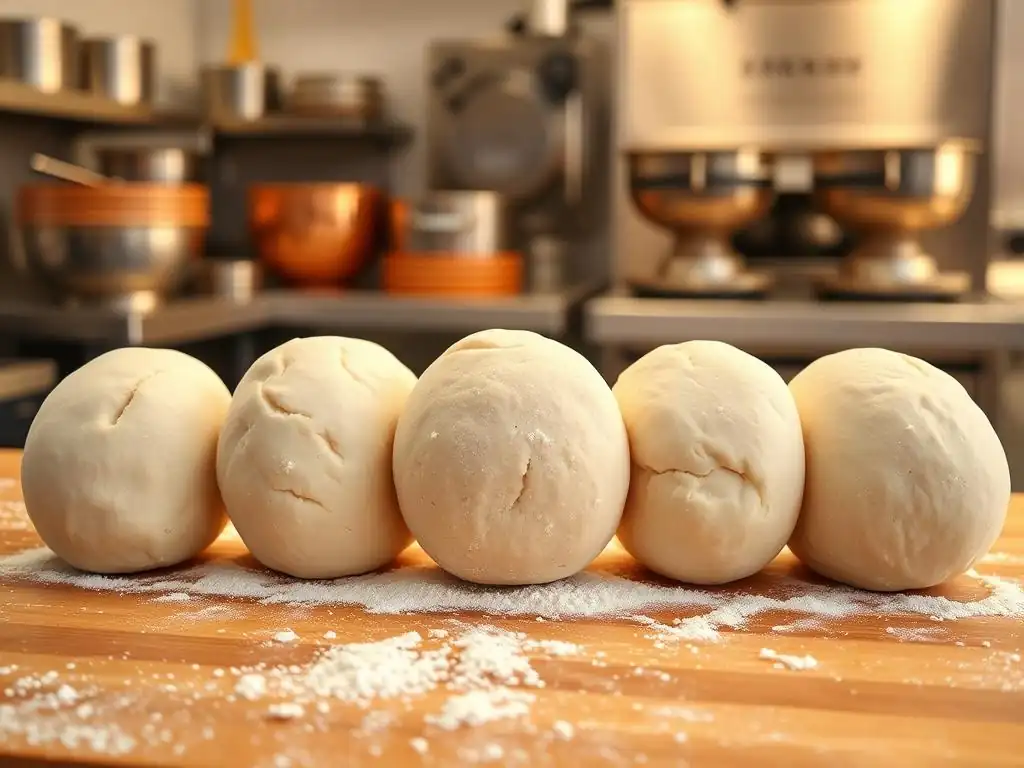
Understanding hydration is critical when working with different flours pizza dough. Hydration is the ratio of water to flour by weight, typically expressed as a percentage. A common hydration for many pizza doughs is between 60% and 70%. However, different flours absorb water differently.
- High-protein flours like bread flour often require and can handle higher hydration (65%+).
- Finely milled flours like 00 can absorb water quickly but might feel stickier at high hydration compared to bread flour.
- Whole wheat flour absorbs more water than white flour due to the bran.
- Gluten-free blends vary widely; follow the blend's specific recommendations, which often involve higher hydration.
Always adjust water slightly based on the flour brand and even environmental factors like humidity.
Kneading Techniques: Adapting to Flour Properties
Kneading develops the gluten structure, and the technique can be adapted for different flours pizza dough.
- High-Protein Flours (Bread Flour): Benefit from vigorous kneading to build a strong network. Long kneading times (8-15 minutes by machine, longer by hand) are often needed.
- 00 Flour: Develops gluten relatively quickly with moderate kneading, resulting in a smooth, elastic dough. Over-kneading is less common but still possible.
- All-Purpose Flour: Requires less intensive kneading than bread flour; knead until smooth and elastic, usually 5-10 minutes by machine.
- Whole Wheat Flour: Knead gently but thoroughly. The bran can impede gluten development, so avoid tearing the dough. Longer rest periods can help hydrate the bran.
- Gluten-Free Blends: Do not require kneading in the traditional sense to develop gluten. Mixing until combined and smooth is usually sufficient.
Pay attention to how the dough feels – it should become smoother and more elastic as you knead.
Proofing and Fermentation: Flour's Impact on the Process
The type of flour used influences how your dough proofs and ferments. The sugars available in the flour feed the yeast, and the gluten structure holds the gas produced.
- High-Protein Flours: Can support longer fermentation times, including cold fermentation, which develops complex flavors and improves texture. The strong gluten network holds gas well, leading to good rise.
- 00 Flour: Also performs well with fermentation, producing a light, airy crust when properly proofed and baked at high heat.
- Whole Wheat Flour: Ferments faster than white flour because the germ provides more readily available food for the yeast. Monitor carefully to avoid over-proofing.
- Gluten-Free Blends: Fermentation relies on the blend's starches and any added sugar. Proofing times can vary significantly depending on the blend and binders used.
Understanding how different flours pizza dough interact with yeast and time allows you to optimize your proofing schedule for the best flavor and texture.
Mastering Pizza Dough Through Flour Selection
Choosing the right flour is a fundamental step in mastering homemade pizza dough. By understanding the properties of different flours pizza dough – from the gluten potential of bread flour to the fine texture of 00 flour, the crunch of semolina, and the nutrition of whole wheat – you gain control over your final crust texture. Experiment with single flours and custom blends, paying close attention to hydration, kneading, and fermentation. Each flour offers a unique journey towards your perfect pizza crust, whether you crave crispy, chewy, or something in between. Happy baking!
Frequently Asked Questions
What are the main differences between flours that affect pizza dough texture?
The main differences impacting texture are the protein content and gluten development potential. High-protein flours create a chewier crust, while lower-protein flours result in a crispier one.
Which flour is specifically recommended for achieving a crispy pizza crust at BakeWithEase?
For a crispy pizza crust, BakeWithEase recommends using a lower-protein flour, such as all-purpose flour or "00" flour with a lower protein content. This limits gluten development.
Is it possible to use bread flour, typically for chewy dough, for a pizza crust?
Yes, bread flour can be used, but it's best for a chewier crust. Consider adding a little semolina flour for added texture if desired.
Can I substitute different flours in a pizza dough recipe from BakeWithEase?
Yes, but you should understand the impact on the final texture. Substituting a high-protein flour for a low-protein one, for example, will yield a chewier crust.
Where can I find more detailed information on flour types and their uses in baking on BakeWithEase.com?
BakeWithEase.com offers detailed guides on various flour types within our baking techniques section, along with specific recipes that highlight optimal flour choices.
Final Reflection: The Flour Power of Pizza Perfection
The quest for the perfect pizza dough—crispy, chewy, or somewhere in between—hinges on understanding the unique properties of different flours. This seemingly simple choice dramatically impacts the final product, influencing not only texture but also flavor and overall eating experience. The subtle nuances between bread flour, all-purpose flour, and even the addition of whole wheat flour, as explored in this article, highlight the artistry involved in pizza making.
The exploration of flour types for pizza dough isn't just about achieving a specific texture; it's a reflection of our evolving relationship with food and culinary traditions. The search for the "best" flour becomes a journey of discovery, revealing the interconnectedness of ingredients, techniques, and the resulting sensory experience. The simplest things are often the most profound,
a sentiment that rings true when considering the impact of a single ingredient on a beloved dish. Understanding the subtle differences between flours allows us to appreciate the complexity and artistry behind even the most seemingly straightforward recipes.
Now, consider your own pizza-making journey. What flour have you traditionally used? Are you ready to experiment with a new type, guided by the insights shared in this article? Perhaps you'll discover a newfound appreciation for the subtle differences between bread flour's strength and all-purpose flour's versatility. Embrace the opportunity to refine your technique, to explore the possibilities, and to craft a pizza dough that truly reflects your personal preferences and culinary aspirations. The perfect pizza awaits—all it takes is the right flour.
Unlock Your Perfect Pizza Crust!
Thanks for taking the time to explore the wonderful world of pizza dough flours with us! We hope you now feel empowered to create the crispiest, chewiest, most delicious pizza of your life. Ready to put your newfound knowledge into action?
- Experiment with different flour blends: This is your chance to truly master the art of pizza dough! Try a combination of 00 flour and whole wheat for a unique flavor and texture.
- Share your pizza-making journey: Show off your culinary creations and tag us on social media! Let's inspire each other with delicious pizza pics.
- Dive deeper into our recipe collection: Explore BakeWithEase.com for even more amazing pizza recipes and baking tips to take your skills to the next level.
So, what exciting flour blend will you try first to achieve your dream pizza crust?