
Quick Pizza Dough Recipe: From Zero to Pizza in Under 2 Hours

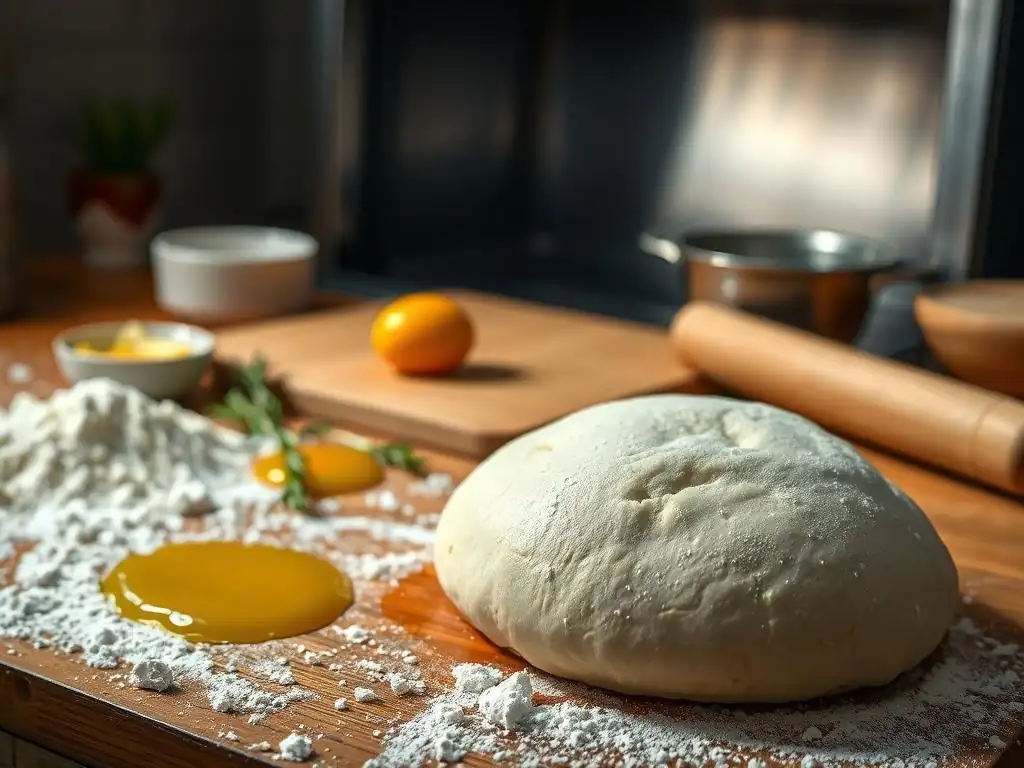
Welcome to BakeWithEase, your trusted companion in the delightful world of baking! Ever dreamt of crafting the perfect homemade pizza? Our easy pizza dough recipe unlocks a world of flavor and satisfaction, even if you're short on time. Discover the secrets to a crispy crust and airy texture, and prepare to be amazed at how simple it is to create pizzeria-quality pizza right in your own kitchen. Intrigued? Let's get baking!
- Introduction: Bake Homemade Pizza Tonight with Ease
- Preparing for Your Easy Pizza Dough: Ingredients and Equipment
-
Step-by-Step Guide: Crafting Your Pizza Dough in Under 2 Hours
- Step 1: Activating the Yeast Quickly
- Yeast Activation
- Step 2: Combining Dry Ingredients for the Pizza Dough
- Combining Dry Ingredients
- Step 3: Mixing the Dough for a Smooth Consistency
- Mixing the Dough
- Step 4: First Rise (Speeding Up the Process)
- First Rise
- Step 5: Dividing and Shaping the Pizza Dough
- Dividing and Shaping
- Pizza Baking Tips for a Perfect Crust
- Troubleshooting Common Pizza Dough Problems
- Storing Leftover Pizza Dough for Future Use
- Conclusion: Enjoy Your Delicious Homemade Pizza!
- Frequently Asked Questions
- Final Reflection: The Joy of Homemade, the Speed of Now
- Unleash Your Inner Pizzaiolo!
Introduction: Bake Homemade Pizza Tonight with Ease
Why This Quick Pizza Dough Recipe is Perfect for Weeknights
Finding the time to bake a delicious homemade pizza from scratch can feel like a daunting task, especially after a long day. Traditional pizza dough recipes often require hours of rising time, sometimes even overnight fermentation, making them impractical for spontaneous weeknight meals. This quick pizza dough recipe is specifically designed to drastically cut down on waiting, allowing you to go from mixing bowl to delicious, bubbly pizza in under two hours. It leverages specific techniques and ingredients to accelerate the process without sacrificing flavor or texture, making it an ideal solution for busy schedules.
This approach focuses on efficiency and speed, utilizing slightly warmer liquids and a bit more yeast than standard recipes to kickstart fermentation rapidly. The result is an easy pizza dough recipe that still yields a wonderfully soft yet slightly chewy crust, perfect for holding your favorite toppings. Instead of ordering takeout, you can enjoy the satisfaction and superior taste of a freshly baked, homemade pizza with minimal fuss and maximum speed. It's about making the joy of baking accessible, even when time is short.
Simple & Speedy Pizza Dough: A Weeknight Dinner Solution
Imagine deciding at 5 PM that you want homemade pizza for dinner, and actually having it ready to eat by 7 PM. That's the reality this simple and speedy pizza dough recipe offers. By focusing on a quick rise, we bypass the lengthy waiting periods typically associated with yeast doughs. This recipe is perfect for beginners and experienced bakers alike, proving that an easy pizza dough recipe doesn't have to compromise on quality or taste.
The process is straightforward, requiring minimal kneading and utilizing methods that speed up yeast activity safely. This means less time tied to your kitchen waiting for dough to double in size, and more time enjoying your evening. It's a practical, reliable method for anyone looking to add homemade pizza to their regular weeknight rotation without the usual time commitment. This easy pizza dough recipe truly transforms the idea of homemade pizza from a weekend project into a weeknight possibility.
Preparing for Your Easy Pizza Dough: Ingredients and Equipment
Essential Ingredients for a Fast Pizza Dough
To make a truly quick pizza dough, the quality and type of your ingredients matter, particularly the yeast and flour. Active dry yeast or instant yeast are both suitable, though instant yeast is often preferred for speed as it doesn't require proofing beforehand – you can mix it directly with the dry ingredients.
For a recipe aiming for under two hours, using instant yeast can shave off a few minutes and simplify the process. Flour type also plays a role; while all-purpose flour works well and is readily available, bread flour has a higher protein content (around 12-14% compared to 10-12% for all-purpose), which can contribute to a chewier crust texture.
Warm water is crucial for activating yeast quickly. Aim for a temperature between 105°F and 115°F (40°C to 46°C). Water hotter than 120°F (49°C) can kill the yeast, while cooler water will slow down fermentation. A small amount of sugar or honey provides food for the yeast, helping it become active faster. Salt is essential for flavor and controlling yeast activity, preventing the dough from rising too quickly (though in a quick recipe, this is less of a concern). Finally, a little olive oil adds richness, helps with handling, and contributes to a tender crust.
Ingredient List
- 1 ½ cups (355ml) warm water (105-115°F / 40-46°C)
- 2 teaspoons instant yeast (or 1 packet active dry yeast)
- 1 teaspoon sugar or honey
- 3 ¾ cups (450g) all-purpose or bread flour, plus more for dusting
- 2 teaspoons salt
- 2 tablespoons olive oil, plus more for the bowl
Must-Have Equipment for Making Quick Pizza Dough
Having the right tools can significantly streamline the pizza-making process, especially when you're aiming for speed. A large mixing bowl is essential for combining ingredients and allowing the dough to rise. While you can mix by hand, a stand mixer with a dough hook attachment will make kneading much faster and less labor-intensive, typically cutting kneading time down to 5-7 minutes compared to 8-10 minutes by hand. Measuring cups and spoons are necessary for accurate ingredient proportions, which are critical in baking.
For baking the pizza, a pizza stone or steel is highly recommended. These absorb and retain heat exceptionally well, transferring it directly to the dough for a rapid bake and a crispier crust. If you don't have one, a heavy-duty baking sheet preheated in the oven will also work, though the results might not be as crisp. A pizza peel is useful for transferring the pizza to and from the hot oven surface, but you can improvise with the back of a baking sheet dusted with cornmeal or parchment paper.
Essential Equipment
- Large mixing bowl
- Measuring cups and spoons
- Stand mixer with dough hook (optional, but recommended)
- Kitchen scale (for accuracy, recommended)
- Pizza stone or steel (recommended) or heavy-duty baking sheet
- Pizza peel (optional)
- Oven
Step-by-Step Guide: Crafting Your Pizza Dough in Under 2 Hours
Step 1: Activating the Yeast Quickly
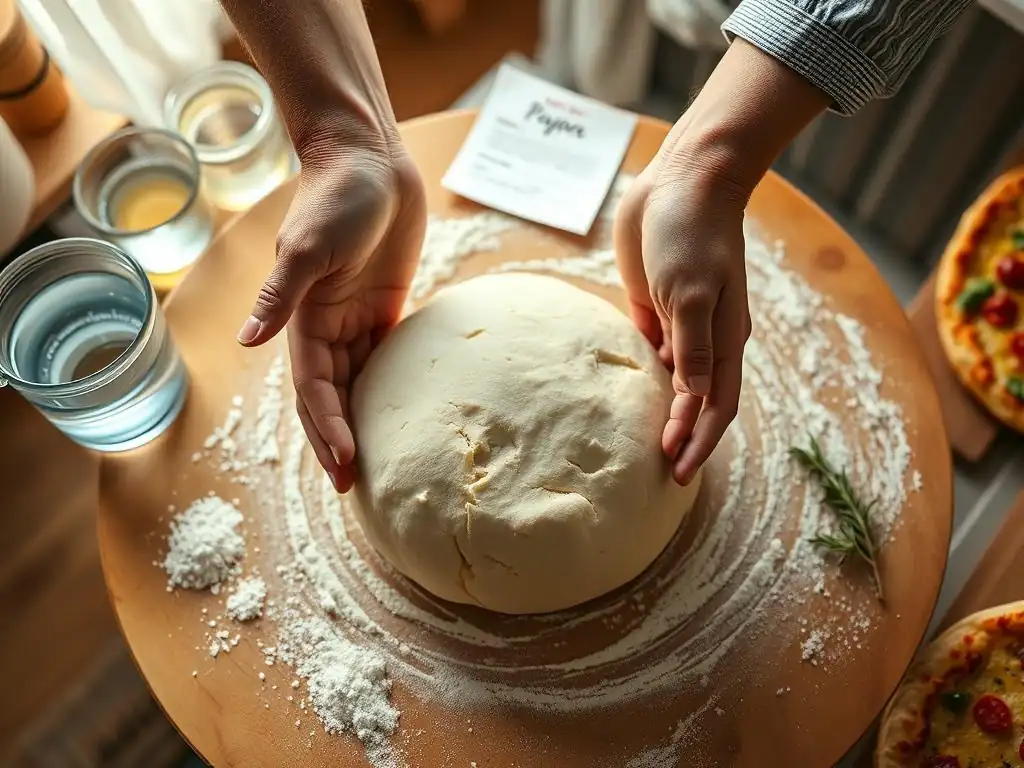
Even with instant yeast, starting with warm water gives the yeast a head start, crucial for a fast rise. Combine the warm water (105-115°F / 40-46°C) with the sugar or honey in your large mixing bowl. If using active dry yeast, sprinkle it over the water and let it sit for 5-10 minutes until it becomes foamy.
This indicates the yeast is active. If using instant yeast, you can skip the waiting step and proceed directly to adding the dry ingredients, though letting it bloom for a couple of minutes in the warm water won't hurt and confirms its viability.
The goal here is to create an optimal environment for the yeast to wake up and begin producing carbon dioxide quickly. The warm water and sugar provide the necessary hydration and food source. Within minutes, you should see visible signs of activity, like bubbling or foaming, confirming your yeast is ready to work its magic on this easy pizza dough recipe. This rapid activation is key to achieving a quick rise time.
Yeast Activation
- Combine warm water (105-115°F) and sugar/honey in the bowl.
- Sprinkle active dry yeast over water; let sit 5-10 mins until foamy.
- If using instant yeast, mix directly with dry ingredients in the next step, or let bloom for 1-2 mins.
Step 2: Combining Dry Ingredients for the Pizza Dough
In a separate bowl (or directly on top of the bloomed yeast mixture if using instant yeast), whisk together the flour and salt. The salt should not come into direct contact with the yeast initially if using active dry yeast, as it can inhibit its activity. By mixing it with the flour, you ensure it disperses evenly and only interacts with the yeast once the dough is being formed. Using a kitchen scale (450g flour) is highly recommended for accuracy, as scooping flour can result in significantly different weights (up to 20% variation) which impacts dough consistency.
Ensure the salt is well distributed throughout the flour. This step is simple but crucial for the overall flavor profile of the crust. Once combined, the dry ingredients are ready to be added to the wet ingredients to start forming the dough. This simple combination sets the stage for your easy pizza dough recipe.
Combining Dry Ingredients
- Whisk together flour and salt in a separate bowl.
- Ensure even distribution of salt throughout the flour.
Step 3: Mixing the Dough for a Smooth Consistency
Add the dry ingredients to the wet ingredients in the mixing bowl. If using a stand mixer, attach the dough hook. Start mixing on low speed until a shaggy dough forms, about 1-2 minutes. Then, increase the speed to medium and knead for 5-7 minutes. The dough should become smooth, elastic, and pull away from the sides of the bowl. If mixing by hand, combine with a spoon or spatula until a shaggy dough forms, then turn it out onto a lightly floured surface and knead for 8-10 minutes, until smooth and elastic.
During mixing, add the olive oil. Incorporate it gradually towards the end of the kneading process. The oil helps develop a tender crumb and makes the dough easier to handle. The goal is a dough that springs back slowly when poked. Avoid adding too much extra flour during kneading if mixing by hand; a slightly sticky dough is often better than a dry one.
Mixing the Dough
- Add dry ingredients to wet ingredients.
- Mix on low speed (stand mixer) or by hand until shaggy dough forms.
- Knead on medium speed (stand mixer) for 5-7 mins, or by hand for 8-10 mins, until smooth and elastic.
- Incorporate olive oil during kneading.
Step 4: First Rise (Speeding Up the Process)
This is where we significantly cut down the time compared to traditional recipes. Lightly grease a clean bowl with olive oil. Place the dough in the bowl, turning to coat. Cover the bowl tightly with plastic wrap or a clean kitchen towel. To speed up the rise, place the bowl in a warm spot. An oven with just the light on (creating a temperature around 80-90°F / 27-32°C) is ideal. Alternatively, place the bowl in a warm, draft-free spot in your kitchen.
The dough should nearly double in size in about 30-45 minutes in a warm environment. This rapid rise is facilitated by the slightly higher yeast quantity and warmer temperature. Don't expect it to fully double like a slow-risen dough; "nearly double" is sufficient for this quick method. While the dough rises, preheat your oven and pizza stone/steel to its highest temperature, typically 500-550°F (260-290°C). This preheating takes at least 30-45 minutes.
First Rise
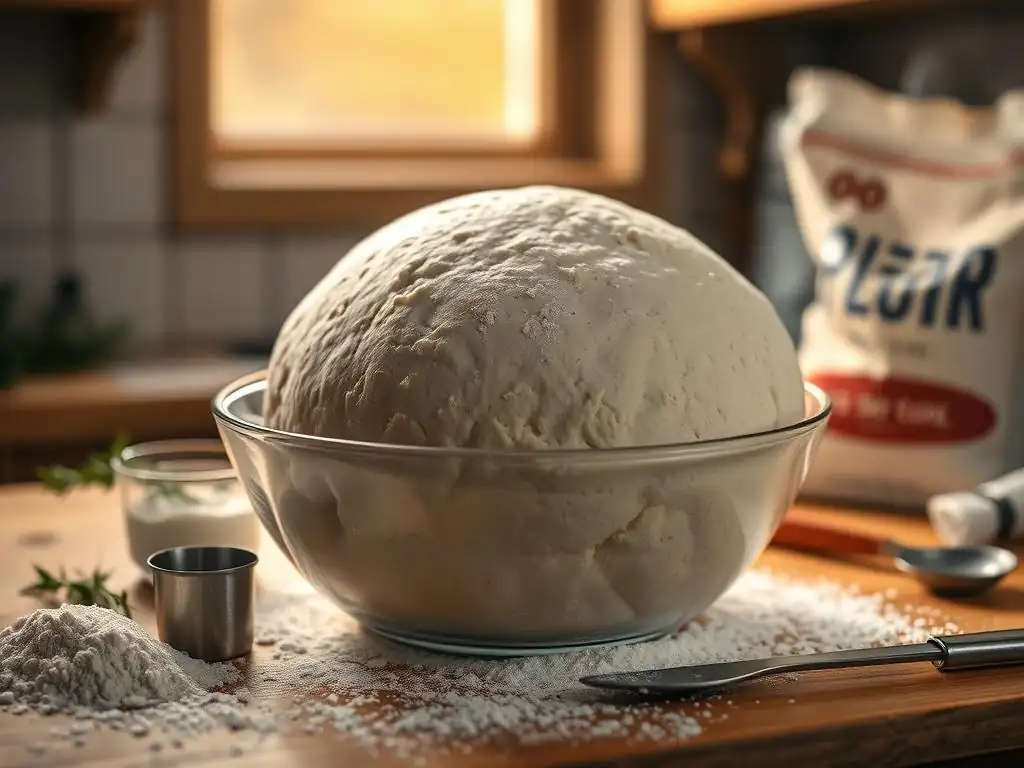
- Lightly grease a clean bowl with olive oil; place dough inside, turning to coat.
- Cover bowl tightly.
- Place in a warm spot (e.g., oven with light on) for 30-45 minutes, until nearly doubled in size.
- Preheat oven to highest temperature (500-550°F / 260-290°C) with pizza stone/steel inside during the last 30-45 mins of rise time.
Step 5: Dividing and Shaping the Pizza Dough
Once the dough has nearly doubled, gently punch it down to release the air. Turn the dough out onto a lightly floured surface. This recipe typically yields enough dough for two medium (10-12 inch) pizzas or one large (14-16 inch) pizza. Divide the dough accordingly. If making two pizzas, shape each piece into a smooth ball. Cover the dough balls and let them rest for 5-10 minutes. This brief rest allows the gluten to relax, making the dough much easier to shape without it springing back excessively.
To shape the dough, start by gently pressing the center of a dough ball with your fingertips, leaving a small border around the edge for the crust. Then, gently stretch the dough outwards, working your way around the circle. You can also lift the dough and let gravity help stretch it, or place it over your fists and gently rotate and stretch.
Aim for a thickness of about 1/8 to 1/4 inch. Avoid using a rolling pin if possible, as it can push out too much air, resulting in a dense crust. Place the shaped dough on a pizza peel or parchment paper dusted with cornmeal or semolina for easy transfer to the hot oven.
Dividing and Shaping
- Gently punch down risen dough.
- Turn onto a lightly floured surface.
- Divide into portions (e.g., two for medium pizzas).
- Shape each portion into a ball; cover and rest 5-10 minutes.
- Shape dough by pressing and stretching, leaving a border for the crust.
- Place shaped dough on a prepared pizza peel or parchment paper.
Pizza Baking Tips for a Perfect Crust
Oven Temperature and Baking Time for Homemade Pizza
Achieving a great pizza crust at home requires extremely high heat, mimicking the conditions of a professional pizza oven. Preheat your oven to its maximum temperature, ideally between 500°F and 550°F (260°C and 290°C). Ensure your pizza stone or steel has been in the oven for at least 30-45 minutes at this high temperature to be fully heated through. This intense heat is crucial for a rapid bake, which is essential for a crispy exterior and tender interior.
Once your pizza is topped, carefully slide it onto the preheated stone or steel. The high temperature means the pizza will bake very quickly, typically in just 8-12 minutes, depending on your oven and the thickness of your crust and toppings. Keep a close eye on it; the crust should be golden brown and the cheese should be bubbly and slightly browned in spots. Baking at a lower temperature will result in a longer bake time, which can dry out the crust and make it less appealing.
Achieving a Crispy Pizza Crust
Several factors contribute to a crispy crust when using this easy pizza dough recipe. First and foremost is the high oven temperature and the use of a preheated pizza stone or steel. The direct, intense heat from the stone or steel causes the moisture in the dough to rapidly turn to steam, puffing up the crust edges and creating air pockets, while simultaneously crisping the bottom. Using a relatively thin layer of toppings also helps, as excessive moisture from toppings can steam the crust instead of letting it crisp.
Another tip is to avoid overloading the pizza with sauce or cheese. A thin layer allows the heat to penetrate quickly. Some bakers brush the edge of the crust with a little olive oil before baking to enhance browning and crispiness. Using semolina or cornmeal on your pizza peel or parchment paper helps the pizza slide easily and adds a tiny bit of texture to the bottom of the crust, aiding crispiness. The goal is a quick, hot bake that sets the crust structure before the toppings release too much moisture.
Topping Ideas for Your Homemade Pizza
With your quick and easy pizza dough ready, the possibilities for toppings are nearly endless! For a classic Margherita, you'll need crushed San Marzano tomatoes, fresh mozzarella slices, fresh basil leaves, and a drizzle of olive oil. The simplicity highlights the quality of your easy pizza dough crust. A popular choice is pepperoni with mozzarella and a simple tomato sauce.
For something a bit more adventurous, consider a white pizza with a garlic-infused olive oil base, ricotta cheese, spinach, and perhaps some roasted garlic cloves. A meat lover's pizza could feature sausage, bacon, and ham alongside mozzarella and sauce. Vegetable options are vast: bell peppers, onions, mushrooms, olives, cherry tomatoes, and artichoke hearts all work wonderfully. Remember not to overload the pizza to ensure a crispy crust and even baking. Fresh herbs added after baking, like basil or oregano, can elevate the flavor significantly.
Pizza Topping Suggestions
- Classic Margherita: Tomato sauce, fresh mozzarella, basil, olive oil.
- Pepperoni: Tomato sauce, mozzarella, pepperoni slices.
- White Pizza: Olive oil base, garlic, ricotta, spinach, mozzarella.
- Meat Lover's: Tomato sauce, mozzarella, sausage, bacon, ham.
- Vegetable Medley: Tomato sauce, mozzarella, bell peppers, onions, mushrooms, olives.
Troubleshooting Common Pizza Dough Problems
Dough Too Sticky? Here's What to Do
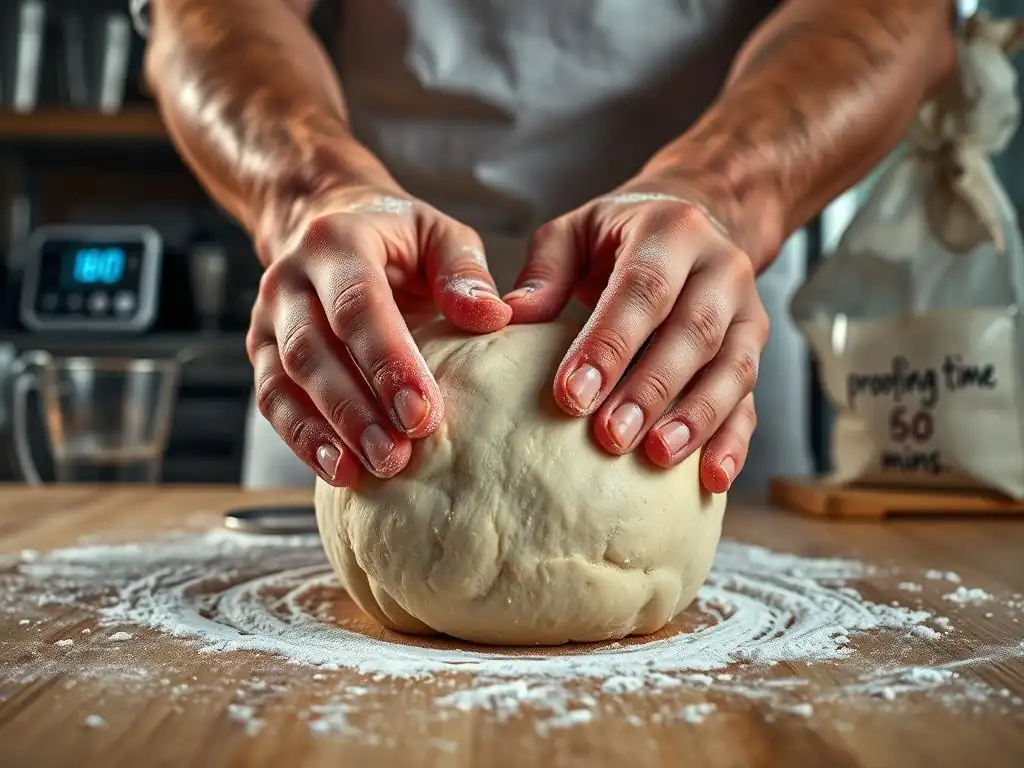
If your quick pizza dough feels excessively sticky and difficult to handle after kneading, it likely means you need to add a little more flour. This can happen due to variations in flour absorption or humidity levels. Resist the urge to dump in a large amount of flour at once. Instead, add flour one tablespoon at a time while kneading (or mixing on low speed in a stand mixer) until the dough is still slightly tacky but no longer sticks aggressively to your hands or the bowl.
Be cautious not to add too much flour, as this will result in a tough, dry crust. The dough should still feel soft and pliable. If mixing by hand, dust your hands and the work surface lightly with flour as needed. A bench scraper can be a useful tool for handling sticky dough. Remember, a slightly sticky dough is preferable to an overly dry one for a tender crust. This easy pizza dough recipe aims for a balance.
Dough Not Rising? Possible Causes and Solutions
If your easy pizza dough isn't rising sufficiently within the expected 30-45 minutes, there are a few potential culprits. The most common issue is inactive or dead yeast. This could be due to using expired yeast or using water that was too hot (over 120°F / 49°C), which kills the yeast. Ensure your yeast is fresh and your water temperature is within the recommended range (105-115°F / 40-46°C).
Another reason could be a cold environment. Yeast activity slows down significantly in cool temperatures. Make sure your dough is in a warm spot, like an oven with just the light on. Insufficient kneading can also hinder gluten development, which is necessary to trap the gases produced by the yeast. Ensure you've kneaded the dough until it's smooth and elastic. If after 45 minutes in a warm place there's minimal activity, your yeast might be dead, and you may need to start over with new yeast.
Pizza Crust Too Tough? Tips for a Softer Crust
A tough pizza crust can result from several factors, often related to overworking the dough or insufficient hydration. Over-kneading can develop the gluten too much, leading to a dense, chewy crust. While this recipe requires kneading for elasticity, avoid extending the kneading time significantly beyond what's recommended (5-7 mins by mixer, 8-10 mins by hand). Similarly, adding too much flour during mixing or shaping will dry out the dough and make it tough.
Ensure you're using accurate measurements, preferably by weight for flour. Allowing the shaped dough to rest for 5-10 minutes before topping and baking is also crucial; this brief rest allows the gluten to relax, preventing the crust from shrinking back and becoming dense. Baking at a sufficiently high temperature for a short time helps the crust set quickly without drying out. If your crust is consistently tough, try slightly increasing the water amount in your next batch, maybe by 1-2 tablespoons, ensuring it's still manageable.
Storing Leftover Pizza Dough for Future Use
Refrigerating Pizza Dough
If you've made more easy pizza dough than you need for one meal, it stores remarkably well in the refrigerator for a few days. After the initial quick rise (Step 4), gently punch down the dough. Divide it into portions you plan to use later. Lightly coat each portion with olive oil and place it in an airtight container or a resealable plastic bag, pressing out as much air as possible.
Refrigerating the dough slows down the yeast activity considerably, allowing for a longer, slower fermentation that can actually develop more flavor. Stored properly, the dough will keep in the refrigerator for 3-4 days. When you're ready to use it, take it out of the fridge about 30-60 minutes before shaping to allow it to come to room temperature, which makes it easier to handle and shape.
Freezing Pizza Dough for Long-Term Storage
For longer storage, freezing your quick pizza dough is an excellent option. After the initial quick rise and dividing into portions, shape each portion into a ball. Lightly coat each ball with olive oil. Wrap each dough ball tightly in plastic wrap, ensuring no air pockets. Then, place the wrapped dough balls in a freezer-safe bag or container.
Frozen easy pizza dough can be stored for up to 2-3 months. To use frozen dough, transfer it to the refrigerator the night before you plan to bake, allowing it to thaw slowly. Once thawed, take it out of the fridge about 60-90 minutes before shaping to bring it to room temperature. You may notice the dough is slightly less active after freezing, but it should still rise and bake well, giving you a head start on your next homemade pizza night.
Conclusion: Enjoy Your Delicious Homemade Pizza!
You've successfully transformed simple ingredients into a fantastic, quick pizza dough in under two hours! This easy pizza dough recipe proves that you don't need to spend hours waiting for dough to rise to enjoy authentic, homemade pizza. The speed and simplicity make it a perfect addition to your weeknight meal repertoire, allowing you to create delicious, customizable pizzas whenever the craving strikes.
From activating the yeast to shaping and baking, each step in this process is designed for efficiency without compromising the quality of the final product. You now have the knowledge and the tools to troubleshoot common issues and even store dough for future use, making homemade pizza more accessible than ever. So go ahead, top your creation with your favorite ingredients, bake it to perfection, and savor the incredible taste of pizza made from scratch in record time.
We love seeing what our community creates! If you make this quick and easy pizza dough recipe, share photos of your delicious homemade pizzas. What toppings did you choose? Did you discover any new tips or tricks along the way? Sharing your experiences inspires others and helps us all learn and grow as bakers. Happy baking and enjoy every bite of your speedy pizza!
Frequently Asked Questions
What makes this pizza dough recipe "easy"?
This recipe is considered easy because it uses simple ingredients and provides clear, step-by-step instructions. It also boasts a relatively short proofing time, getting you from ingredients to pizza quickly.
Can I make this pizza dough recipe if I'm a beginner baker?
Absolutely! The recipe is designed for all skill levels, including beginners. The focus is on straightforward techniques and easily accessible ingredients, ensuring a successful outcome.
What kind of flour is best for this easy pizza dough recipe?
For the best results, we recommend using bread flour. Bread flour has a higher protein content, which helps develop gluten and creates a chewy, sturdy crust.
Can I freeze this pizza dough for later use?
Yes, you can! After the dough has risen, punch it down, divide it into portions, and wrap each portion tightly in plastic wrap. It can be stored in the freezer for up to three months. Thaw it in the refrigerator overnight before using.
What toppings are recommended to complement this easy pizza dough?
The possibilities are endless! However, we suggest starting with classic combinations like margherita (tomato sauce, mozzarella, basil) or pepperoni. Feel free to get creative and use your favorite toppings!
Final Reflection: The Joy of Homemade, the Speed of Now
The quest for a quick and easy pizza dough recipe isn't just about convenience; it's about reclaiming the joy of homemade food in our increasingly fast-paced lives. This recipe, designed to get you from zero to pizza in under two hours, proves that delicious, from-scratch meals are entirely achievable, even on a busy weeknight. The simplicity of the method, combined with the satisfying results, makes this more than just a recipe; it's a gateway to culinary empowerment.
The impact of readily available, pre-made doughs has undeniably shaped our culinary habits, often prioritizing speed over the sensory experience of creating something from scratch. Yet, the act of kneading dough, the aroma of rising yeast, the satisfying crisp of a perfectly baked crust – these are experiences that connect us to a richer culinary heritage. As Julia Child wisely said, Find something you're passionate about and keep tremendously interested in it.
And for many, that passion lies in the simple pleasure of making pizza from the ground up. This recipe aims to reignite that passion, proving that even the most time-constrained individuals can find time for the rewarding process.
Now, I invite you to consider your own relationship with food. Will you embrace the challenge of making your own pizza dough? Will you savor the process, the aroma, and the taste of a truly homemade pizza? The recipe is just a starting point; let it inspire you to experiment, to adapt, and to discover the joy of creating something delicious and satisfying with your own two hands. The journey from flour to pizza is a rewarding one, and I hope this recipe has helped you take the first delicious step.
Unleash Your Inner Pizzaiolo!
Thanks for taking the time to explore our quick pizza dough recipe! We hope you gained some valuable tips and tricks to elevate your pizza-making game. Now it's time to put your newfound knowledge into action.
- Bake your masterpiece: Grab those ingredients and whip up a batch of this delicious dough today! You'll be amazed at how easy it is.
- Share your pizza journey: Show us your pizza creations on social media using #BakeWithEasePizza – we'd love to see them!
- Experiment with toppings: Don't be afraid to get creative! What unique topping combinations will you try with your homemade dough?
What unexpected flavor combination will you create with your freshly made pizza dough?