
The Maillard Reaction on Crust: Achieving That Perfect Advanced Bake

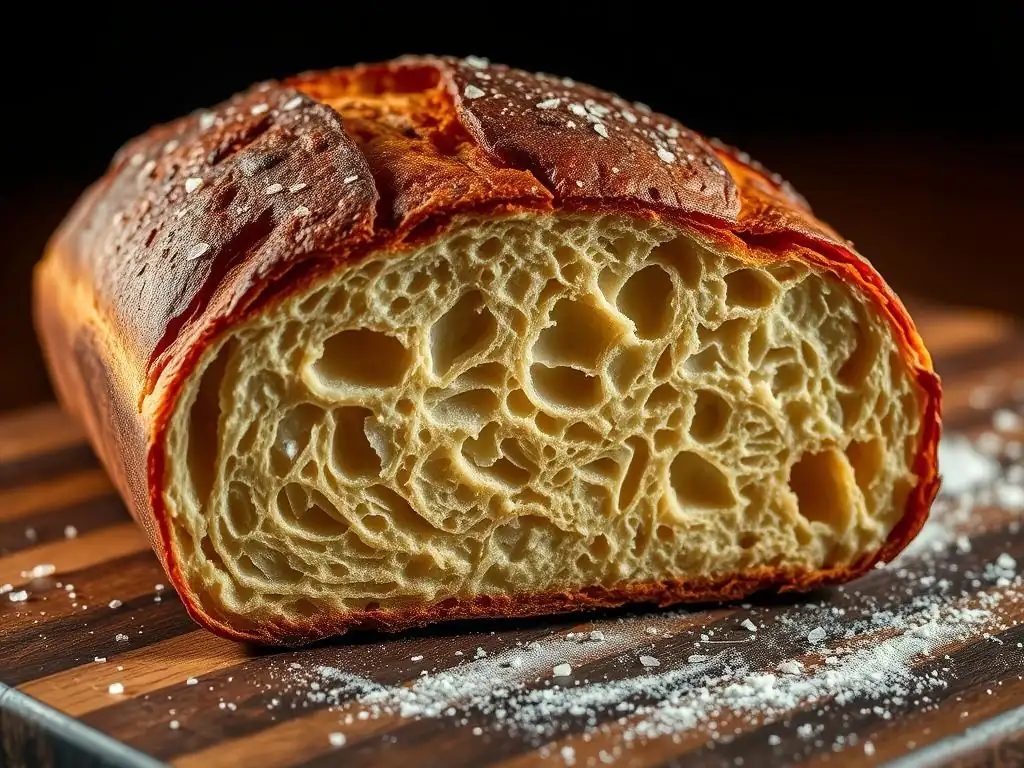
Welcome to BakeWithEase, your trusted companion on your baking journey! Ever wondered how to achieve that perfect, golden-brown crust on your bread? Uncover the secrets behind the Maillard reaction – the magic behind those irresistibly browned and flavorful baked goods. Dive in to discover our expert tips and techniques for achieving perfect crust browning secrets and elevate your bread baking to the next level. Ready to bake like a pro?
- Mastering Crust Browning: The Science and Art of the Maillard Reaction
- Understanding the Maillard Reaction: The Foundation of Perfect Crusts
- Key Factors Influencing the Maillard Reaction in Baking
- Advanced Techniques for Achieving Optimal Crust Browning
- Troubleshooting Common Crust Browning Problems
- Applying Maillard Reaction Principles to Pizza Dough
- Experimenting with the Maillard Reaction: Creative Baking Applications
- Resources for Further Exploration of the Maillard Reaction
- Frequently Asked Questions
- Final Reflection: The Golden Ratio of Crust Perfection
- Unlock Your Crust's Golden Potential: Master the Maillard Reaction!
Mastering Crust Browning: The Science and Art of the Maillard Reaction
Achieving that beautiful, golden-brown crust on your baked goods isn't just about aesthetics; it's a hallmark of flavor and texture development. This transformation is largely thanks to a fascinating chemical process known as the Maillard reaction. Understanding this reaction is one of the key perfect crust browning secrets that separates a good bake from a truly exceptional one. Whether you're perfecting a rustic loaf of sourdough or aiming for that ideal pizza crust, mastering the nuances of crust browning is essential.
Understanding the Maillard Reaction: The Foundation of Perfect Crusts
The Maillard reaction is a complex series of chemical interactions that occur when amino acids and reducing sugars react under heat. It's responsible for many of the rich colors and savory aromas we associate with cooked foods, from seared steaks to roasted coffee beans and, crucially, baked crusts. For bakers, leveraging this reaction is fundamental to unlocking deep flavors and achieving that desirable texture and appearance. It's a cornerstone in the pursuit of perfect crust browning secrets.
What is the Maillard Reaction and Why is it Crucial for Baking?
The Maillard reaction is not a single reaction but a cascade of complex chemical transformations that begin when amino acids (the building blocks of proteins) and reducing sugars are heated together. This process initiates a series of steps, including condensation, rearrangement, and polymerization, ultimately leading to the formation of hundreds of different flavor compounds and melanoidins, which are large, complex molecules responsible for brown colors.
In baking, this reaction is crucial because it develops the characteristic crust color, creates appealing aromas, and contributes significantly to the overall flavor profile and texture of the final product. Without sufficient Maillard reaction, a crust would remain pale, lack depth of flavor, and might feel less crisp.
Think about the difference between plain boiled dough and a beautifully baked bread crust. The boiled dough is soft and bland, while the baked crust is firm, crisp, aromatic, and flavorful. This dramatic difference is primarily due to the Maillard reaction occurring during baking, particularly on the surface where temperatures are highest and moisture levels drop, concentrating reactants.
Mastering the conditions that promote this reaction is vital for achieving perfect crust browning and enhancing the sensory experience of your baked goods. For instance, baking a baguette at a high temperature, around 230°C (450°F), ensures rapid moisture evaporation from the surface, allowing the Maillard reaction to proceed vigorously and develop a thin, shatteringly crisp crust with complex flavors.
The Chemistry of Crust Browning: Reducing Sugars, Amino Acids, and Heat
At its core, the Maillard reaction requires three main components: reducing sugars, amino acids, and heat. Reducing sugars are simple sugars like glucose, fructose, and maltose (common in flour due to enzymatic activity), which have a free aldehyde or ketone group capable of reacting. Amino acids are found in proteins, present in flour, milk, and eggs often used in doughs and washes.
When these two groups of molecules are heated together, typically above 140°C (284°F), a non-enzymatic browning process begins. The initial steps form colorless compounds, but as the reaction progresses through intermediate stages, it yields a vast array of volatile aroma compounds and non-volatile melanoidins.
Consider a simple lean bread dough made from flour, water, yeast, and salt. Flour contains proteins (like gluten) providing amino acids and starches which enzymes break down into reducing sugars, primarily maltose. When this dough bakes, especially in a hot oven, the surface quickly dries out and heats up.
As the temperature rises above 140°C, the maltose and amino acids on the surface begin to react. This chemical dance produces the golden-brown hue and the complex nutty, roasted, and slightly sweet aromas characteristic of a well-baked bread crust. The intensity of this reaction is directly proportional to the temperature and the concentration of the reactants on the crust surface, highlighting the importance of factors like oven temperature and baking time in achieving optimal crust browning.
Flavor Development Through the Maillard Reaction: Beyond Visual Appeal
While the visible browning is the most obvious sign of the Maillard reaction, its contribution to flavor is arguably even more significant. The reaction generates hundreds of different flavor compounds, many of which are volatile and contribute to the appealing aroma of freshly baked goods. These compounds range from nutty and malty notes to sometimes savory or even slightly bitter undertones, depending on the specific reactants and conditions. This complex interplay of flavors is what gives a perfectly baked crust its depth and character, going far beyond the simple taste of baked dough.
The specific amino acids and sugars present influence the types of flavor compounds produced. For example, proline, an amino acid abundant in wheat gluten, contributes to malty and bready flavors when it reacts with sugars. Lysine, often found in milk and eggs, is highly reactive in the Maillard reaction and can contribute to roasted notes.
The sheer variety of potential products means that even subtle changes in ingredients or baking parameters can lead to different flavor profiles in the crust. This makes experimenting with ingredients and techniques one of the most rewarding aspects of mastering the art of achieving perfect crust browning, allowing bakers to fine-tune the flavor of their final product.
Key Factors Influencing the Maillard Reaction in Baking
Several environmental and compositional factors play a critical role in how effectively the Maillard reaction proceeds during baking. Controlling these variables is essential for consistent and desired crust browning. Understanding how temperature, pH, moisture, sugar content, and amino acids interact provides the baker with powerful tools to influence the outcome. These factors are central to unlocking perfect crust browning secrets.
Temperature's Critical Role in Crust Development
Temperature is arguably the most critical factor influencing the rate and extent of the Maillard reaction. The reaction typically begins to occur at temperatures above 140°C (284°F), and its rate increases significantly with rising temperature. Higher temperatures accelerate the chemical processes, leading to faster browning and the production of a greater variety and concentration of flavor compounds. However, excessively high temperatures can lead to burning before the interior is cooked, resulting in a burnt crust with bitter flavors.
For example, baking a loaf of bread at 200°C (392°F) will result in moderate browning over a standard baking time (e.g., 30-40 minutes). Increasing the temperature to 230°C (450°F), often used for artisan breads or pizza, will cause the crust to brown much more rapidly, potentially achieving a darker color and more intense flavor development in a shorter period (e.g., 15-25 minutes for a pizza crust). The key is finding the right temperature balance for the specific product being baked, allowing the Maillard reaction to proceed optimally without scorching the surface.
The Impact of pH on Maillard Reaction Efficiency
The pH level of the dough or batter significantly impacts the rate of the Maillard reaction. The reaction proceeds more rapidly in slightly alkaline conditions (higher pH) and is slowed down in acidic conditions (lower pH). This is because alkaline environments favor the initial steps of the reaction between amino acids and reducing sugars.
Consider sourdough bread, which has a lower pH (typically ranging from 3.5 to 4.5) compared to commercial yeast breads (pH typically around 5.0 to 6.0). The acidic environment in sourdough slows down the Maillard reaction.
This is one reason why sourdough crusts might take longer to brown or achieve a less intense color compared to conventionally leavened breads baked under similar conditions, unless other factors like temperature or sugar content are adjusted. Conversely, adding a touch of baking soda (an alkaline ingredient) to a wash or dough can slightly increase the pH on the surface, promoting faster browning, though this needs to be done cautiously to avoid off-flavors.
Moisture Levels and their Influence on Crust Formation
Moisture plays a complex role in the Maillard reaction. Initially, some moisture is necessary for the reactants (sugars and amino acids) to dissolve and interact. However, as baking progresses, the surface moisture must evaporate for the temperature to rise above the boiling point of water (100°C or 212°F) and reach the temperatures required for significant Maillard browning (above 140°C). A moist surface will remain cooler due to evaporative cooling, inhibiting the reaction.
This is why techniques like baking with steam in the early stages are effective. Steam keeps the crust surface moist and flexible, allowing the bread to expand fully without cracking. It also delays crust formation and browning.
Once the steam is removed or dissipates, the surface dries out rapidly, and its temperature increases quickly, initiating vigorous Maillard browning. Similarly, a thick, wet wash applied just before baking can initially slow browning until the water evaporates, but the residual proteins and sugars from the wash then contribute significantly to color development. Controlling moisture is a critical aspect of achieving perfect crust browning.
Sugar's Contribution to Browning and Flavor
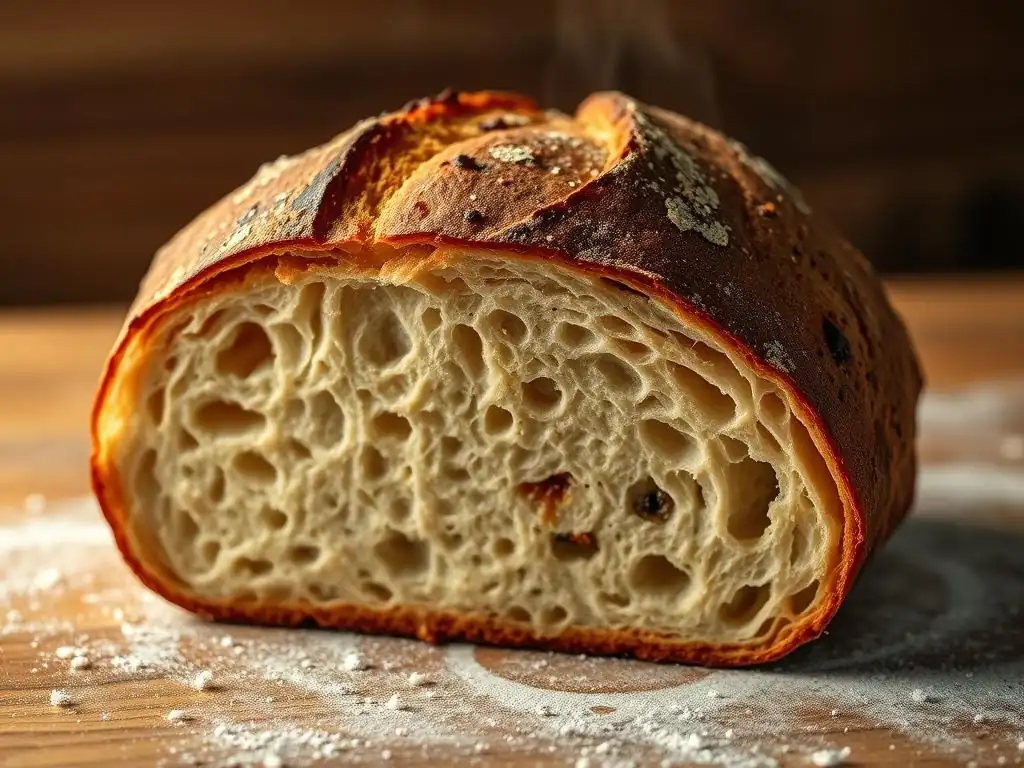
The type and amount of sugar in a recipe directly influence the extent and speed of the Maillard reaction and caramelization (another browning process involving only sugars). Reducing sugars like glucose, fructose, and maltose are key reactants in the Maillard reaction. Sucrose (table sugar) is not a reducing sugar, but it can be broken down into glucose and fructose by enzymes or acid during mixing and fermentation, thus contributing to browning indirectly.
Recipes with higher sugar content, such as enriched doughs for brioche or challah (which might contain 10-20% sugar by flour weight), will brown more readily and achieve a darker color than lean doughs (typically 0-2% added sugar). Different sugars also react differently; fructose browns faster than glucose.
Beyond the Maillard reaction, high sugar content also promotes caramelization, which occurs at higher temperatures than Maillard (typically above 160-170°C or 320-338°F) and contributes distinct sweet, sometimes slightly bitter, flavors and brown colors. Balancing sugar content is a key factor in controlling crust color and flavor, one of the subtle perfect crust browning secrets.
Amino Acids: The Precursors to Complex Aromas and Colors
Amino acids, the other key reactants in the Maillard reaction, are derived from the proteins present in flour and other ingredients like milk and eggs. The concentration and specific types of amino acids available influence the rate of the reaction and the particular flavor compounds formed. Wheat flour contains various proteins, primarily gluten, which break down to some extent during fermentation, releasing amino acids.
Ingredients like milk and eggs are particularly rich sources of reactive amino acids, such as lysine. When milk or eggs are used in doughs or as washes, they significantly boost the potential for Maillard browning. An egg wash, for example, provides a concentrated source of proteins and often some residual sugars, leading to a glossy, deeply browned crust. Similarly, using milk instead of water in a dough adds lactose (a reducing sugar) and milk proteins, enhancing both browning and flavor development. Understanding the protein sources in your ingredients is vital for predicting and controlling crust browning.
Advanced Techniques for Achieving Optimal Crust Browning
Beyond the basic understanding of the Maillard reaction, bakers employ several advanced techniques to enhance crust color, texture, and flavor. These methods often involve applying specific ingredients to the surface or manipulating the baking environment to optimize the conditions for browning. Implementing these techniques can unlock further perfect crust browning secrets.
Egg Washes: Enhancing Color, Shine, and Texture
Egg washes are a classic technique used to promote crust browning and add visual appeal. A typical egg wash is a mixture of beaten egg (whole, yolk only, or white only) and sometimes water, milk, or cream. Applying a thin layer to the surface of dough before baking provides a concentrated source of proteins and fats from the egg, along with any added sugars or lactose from milk.
- Whole Egg + Water/Milk: Provides good color and shine. The water/milk helps thin the wash for even application.
- Egg Yolk + Water/Milk: Richer in fat, resulting in a deeper golden color and higher shine.
- Egg White + Water: Primarily adds shine and a crispier texture; less browning than using yolks or whole eggs.
The proteins and sugars in the egg wash react vigorously during baking as the surface temperature rises, leading to rapid Maillard browning and coagulation of the egg proteins, which creates a glossy, slightly firm crust. For example, a brioche loaf brushed with an egg yolk wash before baking at 180°C (350°F) will develop a significantly darker, shinier crust than an unwashed loaf baked at the same temperature.
Dairy Products: Adding Richness and Promoting Browning
Incorporating dairy products like milk, butter, or cream into doughs or using them in washes can significantly enhance crust browning. Milk contains lactose, a reducing sugar, and milk proteins (casein and whey), which are excellent reactants for the Maillard reaction. Butter and cream contribute fats, which can also influence heat transfer and moisture retention on the surface, indirectly affecting browning.
Using milk instead of water in a bread dough, even in relatively small amounts (e.g., replacing 25% of the water with milk), will result in a dough with more reducing sugars and proteins available at the surface. This leads to a richer, more golden-brown crust. For example, a standard white bread recipe using milk will typically achieve a darker crust than one using only water when baked at the same temperature, say 190°C (375°F). Brushing the top of a pie crust with milk or cream before baking also promotes a beautiful, even golden color.
Sugar-Based Toppings: Creating Golden and Glazed Crusts
Adding sugar directly to the surface of a dough, either mixed into a wash or sprinkled on top, is a straightforward way to increase the reactants available for browning and caramelization. Washes containing sugar, syrup, or honey provide a concentrated source of reducing sugars (or sugars that break down into reducing sugars).
Consider a challah or brioche dough. Brushing it with a simple sugar wash (sugar dissolved in water or milk) or an egg wash with added sugar before baking ensures a high concentration of sugar on the surface. As the crust heats, this sugar readily participates in both Maillard reactions (if proteins are present, e.g., from an egg wash or milk) and caramelization, resulting in a darker, often glazed, crust. A common wash for sweet rolls might contain 1 part sugar to 2 parts liquid, providing ample sugar for browning at typical baking temperatures around 190-200°C (375-390°F).
Malt Extract: A Deep Color Enhancer for Breads and Pastries
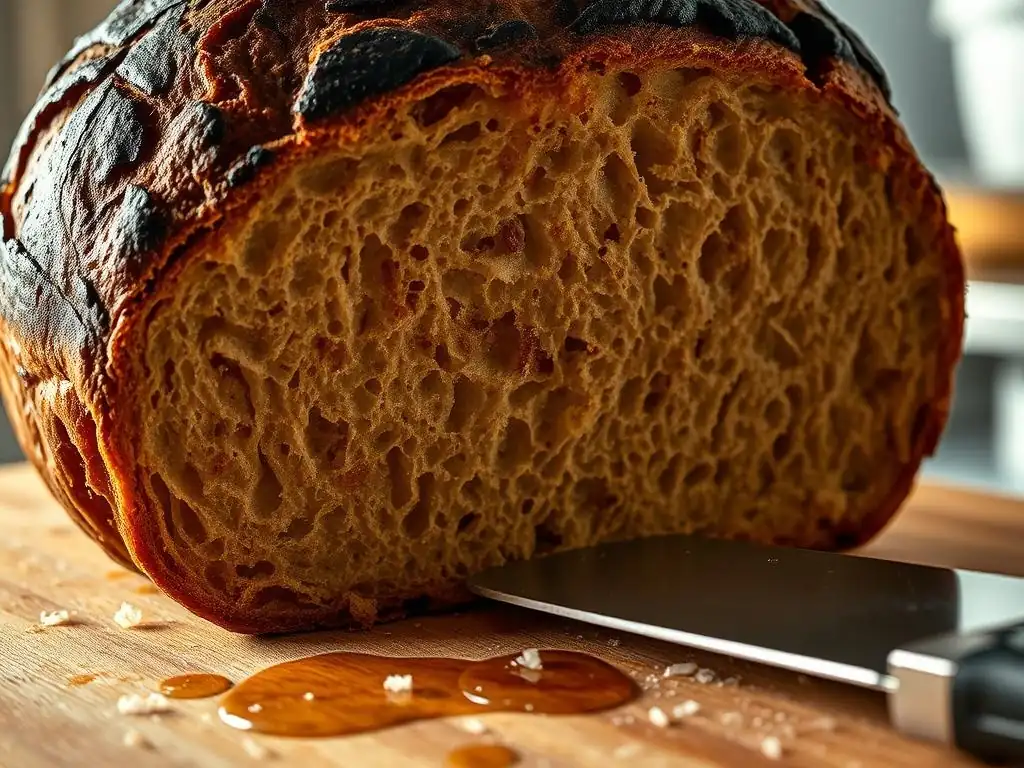
Malt extract, derived from sprouted barley, is a powerful ingredient for enhancing crust color and flavor, particularly in bread baking. It is rich in enzymes (like amylase) that break down starch into maltose (a reducing sugar) and other simple sugars, and it also contains amino acids. Using malt extract in a dough or wash significantly increases the pool of reactants available for the Maillard reaction.
A small amount of diastatic malt powder (which contains active enzymes) added to a bread dough (typically 0.5% to 1% of flour weight) will increase the production of maltose during fermentation, leading to more vigorous browning in the oven. Non-diastatic malt syrup or extract, while enzymes are deactivated, is still rich in maltose and other sugars and can be added to doughs or used in washes to promote a deeper, richer reddish-brown crust color and a slightly malty flavor.
For instance, adding 1-2% non-diastatic malt syrup to a bagel dough recipe contributes to their characteristic dark color and chewy texture after boiling and baking at high heat (around 230°C or 450°F).
Baking Surfaces: Ensuring Even Heat Distribution for Uniform Browning
The surface on which a dough is baked significantly impacts heat transfer to the bottom crust, influencing its browning. Materials that conduct heat efficiently and retain heat well promote more rapid and even browning on the bottom surface. This is crucial for achieving a uniformly colored crust, one of the often-overlooked perfect crust browning secrets.
Baking stones or steels are popular among bakers precisely for this reason. A preheated baking steel, for example, reaches and maintains a high temperature (often 200-260°C or 400-500°F) and transfers heat rapidly to the base of the dough.
This intense bottom heat quickly dries out the bottom crust and drives the Maillard reaction and caramelization, resulting in a crisp, well-browned base, essential for items like pizza or artisan bread. Baking directly on a thin metal sheet pan, which doesn't retain heat as well, might result in a paler, less developed bottom crust unless oven temperatures and times are carefully adjusted.
Troubleshooting Common Crust Browning Problems
Even with a solid understanding of the Maillard reaction, bakers sometimes encounter issues with crust browning. Identifying the cause of pale, burnt, or uneven crusts is the first step to correcting the problem and achieving consistent results. Troubleshooting is a key part of mastering perfect crust browning secrets.
Pale Crust: Identifying and Resolving Under-Browning Issues
A pale crust indicates that the Maillard reaction and caramelization did not proceed sufficiently. This can be due to several factors, often related to insufficient heat, time, or lack of available reactants on the surface.
- Possible Causes:
- Oven temperature too low.
- Baking time too short.
- Too much moisture on the surface throughout baking (e.g., excessive steam, dough too wet).
- Insufficient reducing sugars or amino acids in the dough or on the surface.
- Dough pH too low (too acidic).
- Insufficient heat transfer from the baking surface.
- Solutions:
- Verify oven temperature with an external thermometer; calibrate if necessary. Increase oven temperature if appropriate for the recipe.
- Extend baking time, keeping an eye on internal temperature for doneness (e.g., bread typically done around 90-98°C or 195-210°F).
- Reduce steam time or venting steam earlier. Ensure dough surface isn't excessively wet before baking.
- Consider adding a touch more sugar or malt to the dough, or using an egg or milk wash.
- For very acidic doughs (like some sourdoughs), consider a slightly longer bake or higher finishing temperature.
- Use a preheated baking stone or steel.
Burnt Crust: Strategies for Preventing Over-Browning
A burnt crust, characterized by a dark, often black appearance and bitter flavor, results from the Maillard reaction and caramelization progressing too far. This usually happens when temperatures are too high, baking time is too long, or there's too much sugar on the surface.
- Possible Causes:
- Oven temperature too high.
- Baking time too long.
- Too much sugar or other browning agents (like malt) in the recipe or wash.
- Dough piece is too small for the baking time/temperature.
- Hot spots in the oven.
- Solutions:
- Reduce oven temperature.
- Shorten baking time.
- Reduce the amount of sugar or malt in the recipe or wash.
- Cover the crust loosely with foil partway through baking once desired color is achieved.
- Place a baking sheet on a rack above the product to shield the top crust from direct radiant heat.
- Rotate the product during baking to address hot spots.
Uneven Browning: Achieving Consistent Color Across the Entire Crust
Uneven browning can leave some areas pale while others are perfectly colored or even burnt. This is often related to inconsistent heat distribution in the oven or uneven application of washes or toppings.
- Possible Causes:
- Hot spots or cool spots in the oven.
- Product placed too close to heating elements.
- Uneven application of egg washes, glazes, or toppings.
- Dough pieces touching each other on the baking sheet.
- Insufficient or uneven heat transfer from the baking surface.
- Solutions:
- Rotate the baking sheet or product halfway through baking.
- Avoid placing products too close to oven walls or heating elements.
- Ensure washes and toppings are applied evenly across the entire surface.
- Leave adequate space between dough pieces on the baking sheet to allow for even heat circulation.
- Use a preheated baking stone or steel for more uniform bottom heat.
Adjusting Baking Parameters for Ideal Results
Achieving the perfect crust involves fine-tuning baking parameters based on the specific recipe, oven, and desired outcome. It's an iterative process of testing and adjustment.
- Key Parameters to Adjust:
- Temperature: Start with the recipe's recommended temperature, but be prepared to adjust up or down by 10-20°C (25-50°F) based on initial browning speed.
- Time: Use the recipe's time as a guideline, but rely on visual cues (color) and internal temperature for doneness.
- Steam: Control steam introduction and venting time based on desired crust thickness and browning initiation.
- Rack Position: Lower racks generally provide more bottom heat; higher racks more top heat. Adjust based on where browning is lacking or excessive.
- Covering: Use foil or a baking sheet to shield parts of the crust that are browning too quickly.
Mastering these adjustments is part of the craft, allowing you to consistently achieve beautiful, flavorful crusts.
Applying Maillard Reaction Principles to Pizza Dough
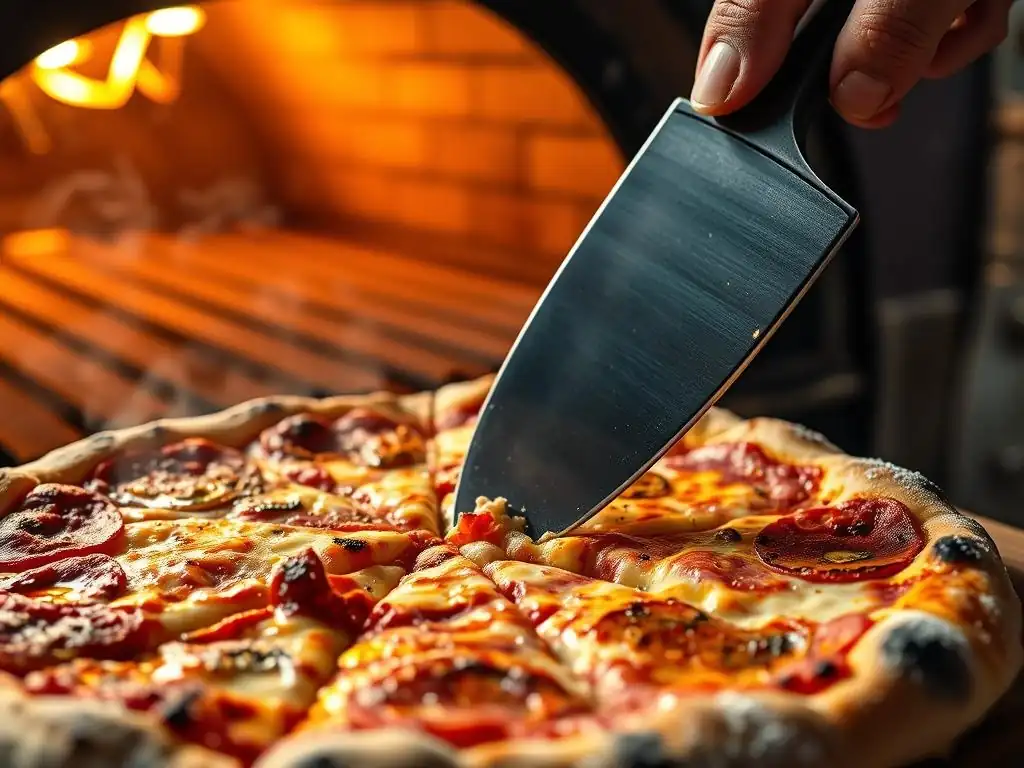
Pizza crust is a prime example of how manipulating the Maillard reaction and caramelization, often at very high temperatures, creates a unique texture and flavor profile. The goal is often a combination of overall golden brownness with desirable charring or "leopard spotting." Applying perfect crust browning secrets is essential for authentic pizza.
Optimizing Pizza Dough for Superior Crust Browning
Traditional Neapolitan-style pizza dough is relatively lean, made primarily from flour, water, yeast, and salt. However, the flour type is crucial. High-protein flours (like Italian "Tipo 00") often contain enzymes that help break down starch into sugars during a long fermentation period. This slow fermentation, often 24-72 hours or more in a cool environment (like a refrigerator), allows enzymes to generate a sufficient amount of reducing sugars, which are then available for the Maillard reaction during the rapid, high-heat bake.
Some pizza dough recipes might also include a small amount of sugar (1-2% of flour weight) or a touch of olive oil. While not strictly traditional for Neapolitan, these additions can further promote browning and add flavor, especially in home ovens that may not reach the extreme temperatures of a professional pizza oven. The balance of fermentation time, flour type, and potential minor additions of sugar or oil are key to optimizing the dough's browning potential for that sought-after perfect crust.
Achieving Char and Leopard Spotting on Neapolitan-Style Pizza
The characteristic "leopard spotting" or charring on a Neapolitan pizza crust is a result of intense, rapid Maillard browning and caramelization occurring at very high temperatures, typically 450-500°C (850-930°F) in a wood-fired oven. At these temperatures, small areas on the crust surface that are slightly drier or have a higher concentration of sugars and amino acids brown almost instantly, creating dark spots and bubbles.
Achieving a similar effect in a home oven (which typically maxes out around 250-260°C or 500°F) requires maximizing oven temperature and using a preheated baking steel or stone. The steel, heated for 45-60 minutes at the oven's highest temperature, provides the intense, direct heat needed to shock the bottom of the dough and initiate rapid surface browning and bubbling, mimicking the effect of a much hotter oven. While true leopard spotting may be harder to replicate perfectly at lower temperatures, maximizing heat transfer and having sufficient reducing sugars in the dough are key strategies.
High-Heat Baking for Authentic Pizza Crust Flavor and Texture
Baking pizza at high temperatures for a short time (often 60-90 seconds in a wood-fired oven, or 5-8 minutes in a home oven on a steel) is essential for developing the unique texture and flavor of the crust. The high heat ensures rapid moisture evaporation from the surface, quickly raising the surface temperature into the range where the Maillard reaction and caramelization proceed vigorously.
This rapid browning creates a thin, crisp exterior crust while the interior remains relatively soft and airy. The intense heat also contributes to the development of complex flavors through the accelerated Maillard reaction. Baking at lower temperatures for longer periods will result in a drier, cracker-like crust with less complex browning flavors. Utilizing the highest possible oven temperature, combined with a heat-radiating surface like a steel, is paramount for achieving authentic pizza crust texture and flavor development through optimized Maillard browning.
Experimenting with the Maillard Reaction: Creative Baking Applications
Understanding the principles of the Maillard reaction opens up exciting avenues for experimentation in your baking. By consciously manipulating ingredients and techniques, you can explore how to enhance flavor, color, and texture in novel ways, uncovering more perfect crust browning secrets.
Exploring the Impact of Different Sugars on Crust Color and Flavor Profiles
Different types of sugars participate in the Maillard reaction and caramelization at varying rates and contribute different flavor nuances. Experimenting with substituting or combining sugars can yield interesting results.
- Glucose/Dextrose: A reducing sugar, browns readily, often used in commercial baking for consistent color.
- Fructose: A reducing sugar, browns faster than glucose and sucrose, contributes to intense browning and sweetness. Found in honey and some syrups.
- Maltose: A reducing sugar, browns slower than glucose/fructose but contributes complex malty flavors. Produced during starch breakdown in flour.
- Sucrose (Table Sugar): Not a reducing sugar, but breaks down into glucose and fructose. Primarily contributes sweetness and participates in caramelization.
- Lactose (Milk Sugar): A reducing sugar, but reacts at higher temperatures than glucose/fructose. Contributes to the golden color of milk-based baked goods.
Try baking small test batches of cookies or rolls, varying only the type of added sugar (using equal weights). For example, compare results with 10% added glucose vs. 10% added fructose vs. 10% added sucrose in a simple dough baked at 180°C (350°F). Observe the differences in browning speed, final color depth, and subtle flavor variations.
Incorporating Umami-Rich Ingredients for Enhanced Savory Flavors
Beyond sweetness and traditional baked flavors, the Maillard reaction can also produce savory, umami-like compounds, especially when certain amino acids (like glutamic acid) are involved. While less common for typical crusts, this principle is used in savory applications.
Think about roasted vegetables or seared meat; the savory depth comes from the Maillard reaction. In baking, while the focus is usually on sweet or bready flavors, incorporating ingredients with natural glutamates, like aged cheese (in a cheese bread crust) or even a small amount of tomato paste (in some savory doughs), can potentially interact with other reactants during baking to add subtle layers of savory complexity alongside the typical browning flavors. This area offers interesting possibilities for savory baked goods.
Sourdough Bread: Harnessing the Maillard Reaction for Complex Flavors
Sourdough baking, with its long fermentation and lower pH, presents a unique case for the Maillard reaction. As mentioned, the acidity slows down the reaction. However, the extended fermentation time allows for more enzymatic activity, potentially breaking down more starch into reducing sugars and proteins into amino acids over time.
While the lower pH may initially inhibit rapid browning, the longer overall process and higher final baking temperatures (often 230-260°C or 450-500°F) used for artisan sourdoughs ensure that significant browning does occur, contributing to the complex, often tangy and malty flavor profile of the crust. The interplay between the specific microbial activity of the sourdough starter (which produces acids and enzymes) and the baking parameters is key to achieving the characteristic sourdough crust color, texture, and deep flavor.
It's a perfect example of how understanding and manipulating the Maillard reaction works within the unique ecosystem of sourdough to achieve a truly exceptional crust.
Resources for Further Exploration of the Maillard Reaction
Delving deeper into the science behind baking can be incredibly rewarding and help you elevate your skills. The Maillard reaction is a vast and fascinating topic with plenty more to explore. Continuing to learn is key to unlocking all the perfect crust browning secrets.
Recommended Reading and Online Resources
For those who wish to explore the chemistry and techniques in more detail, numerous resources are available.
- Books like "The Food Lab" by J. Kenji López-Alt or "On Food and Cooking" by Harold McGee provide excellent, accessible explanations of the Maillard reaction and other chemical processes in cooking and baking.
- Scientific papers and food science websites offer in-depth technical details, although they can be quite dense.
- Educational baking blogs and forums often discuss the practical application of these principles.
Look for resources that specifically address the chemistry of baking or the science of cooking to deepen your understanding of how ingredients transform under heat.
Joining Baking Communities for Sharing and Learning
Connecting with other bakers is an invaluable way to share experiences, troubleshoot problems, and learn new techniques related to achieving perfect crust browning and other baking goals.
- Online forums and social media groups dedicated to baking (bread baking, pastry, pizza, etc.) are great places to ask questions, share photos of your results (and maybe your troubleshooting woes! ), and learn from the collective knowledge of the community.
- Local baking classes or workshops can offer hands-on experience and personalized guidance.
- Joining a baking club, if one exists in your area, provides face-to-face interaction and shared baking sessions.
Learning from others' experiments and successes (and failures!) can significantly accelerate your own progress.
Staying current with new techniques, ingredient insights, and recipe variations is crucial for continuous improvement.
- Subscribing to baking newsletters from reputable websites, bakeries, or baking supply companies can provide a steady stream of tips, seasonal recipes, and news relevant to your interests, including advanced techniques for crust development.
- Following baking experts and food scientists on social media can offer quick insights and links to valuable resources.
Keeping yourself informed ensures you're always discovering new ways to perfect your crusts and explore the art and science of baking.
Frequently Asked Questions
What is the Maillard reaction and why is it important for baking?
The Maillard reaction is a chemical reaction between amino acids and reducing sugars that gives baked goods their distinctive flavor and brown color. It's crucial for achieving that desirable, appetizing look and taste.
What factors influence the Maillard reaction during baking?
Several factors affect the reaction, including temperature, pH levels, and the presence of sugars and proteins. A higher oven temperature generally leads to more browning.
How can I ensure my crust browns evenly?
Ensure even browning by rotating your baking sheet halfway through the baking process. Also, consider using a baking stone or steel for more even heat distribution.
What ingredients contribute most to the Maillard reaction and crust browning?
Ingredients rich in sugars and proteins, such as milk, eggs, and honey, significantly contribute to the Maillard reaction. Using a sugar wash on the crust can also boost browning.
What can I do if my crust is browning too quickly?
If your crust is browning too rapidly, you can lower the oven temperature slightly or tent the baked good with aluminum foil to slow down the process and prevent burning.
Final Reflection: The Golden Ratio of Crust Perfection
The quest for the perfect crust—that deeply browned, intensely flavorful exterior—is more than just a culinary pursuit; it's a testament to the power of understanding fundamental chemistry. The Maillard reaction, as we've explored, isn't merely a scientific process; it's the key to unlocking the magic behind a truly exceptional crust, whether on bread, pastries, or roasted meats. This understanding allows us to move beyond simple recipes and into the realm of controlled creation, achieving consistent, breathtaking results every time.
The impact of mastering the Maillard reaction extends far beyond the kitchen. It represents a deeper appreciation for the intricate processes that shape our sensory experiences. It's a reminder that even the most seemingly simple acts—like baking a loaf of bread—can be elevated to an art form through a deeper understanding of the underlying science. As Harold McGee eloquently puts it, Cooking is a form of applied chemistry, and the more you know about the chemistry, the better you can cook.
This understanding allows us to not only achieve technical perfection but also to connect more deeply with the creative process itself.
Now, consider your own culinary journey. What seemingly simple processes have you taken for granted? I challenge you to explore the science behind your favorite recipes, to experiment with different techniques, and to embrace the power of understanding. By applying the principles of the Maillard reaction, you can unlock a new level of culinary mastery, transforming your cooking from a routine task into a rewarding and deeply satisfying experience. The perfect crust awaits—go forth and create!
Unlock Your Crust's Golden Potential: Master the Maillard Reaction!
Thanks for taking the time to delve into the magic of the Maillard reaction and how it creates that perfect, deeply browned crust! You've gained valuable knowledge to elevate your baking. Now it's time to put it into practice.
- Try a side-by-side comparison: Bake two identical loaves, applying the Maillard reaction techniques to only one. Note the difference in color, texture, and flavor – you'll be amazed! This is your best chance to see the impact firsthand.
- Share your results: Post a picture of your deliciously browned creations on social media and tag #BakeWithEaseMaillard! Let's build a community of crust-obsessed bakers.
- Experiment with different flours and sugars: See how varying ingredients affect the Maillard reaction and find your perfect crust formula. This will open a new world of possibilities.
What unique ingredient will you use to enhance your next Maillard masterpiece?