
Designing Beautiful and Easy Toppings for Cream Pies

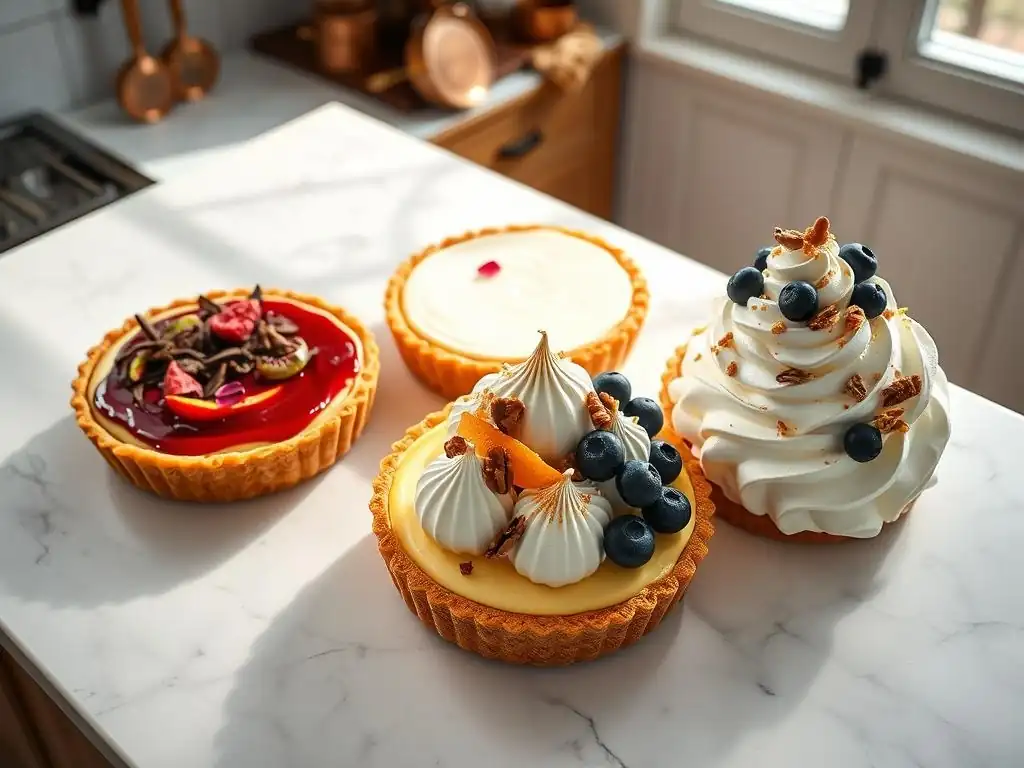
Welcome to BakeWithEase, where the joy of baking meets simplicity! Ever wondered how to transform your cream pies from delicious to absolutely stunning? This week, we're diving into the world of easy cream pie toppings, revealing the secrets to creating beautiful and effortless finishes that will impress your family and friends. Get ready to elevate your dessert game – your journey to pie perfection starts now!
- Designing Delicious and Visually Appealing Cream Pie Toppings: The Baker's Handbook
- Introduction to Creative Cream Pie Toppings
- Understanding the Fundamentals of Cream Pie Toppings
- Cream Pie Topping Ideas: A Baker's Compendium
- Step-by-Step Guide to Applying Cream Pie Toppings
- Tips and Tricks for Maintaining Cream Pie Topping Quality
- Advanced Cream Pie Topping Techniques
- Recipe Ideas: Flavorful Cream Pie Topping Combinations
- Conclusion: Mastering the Art of Exquisite Cream Pie Toppings
-
Frequently Asked Questions
- What makes a cream pie topping "easy" to create?
- What are some popular and visually appealing cream pie topping ideas mentioned in the article?
- Are there any topping options suitable for someone with dietary restrictions, like gluten intolerance?
- How can I prevent my cream pie topping from becoming soggy over time?
- Can I prepare cream pie toppings in advance, or are they best made right before serving?
- Final Reflection: The Sweet Simplicity of Cream Pie Toppings
- Unleash Your Inner Pie Artist: Create Stunning Cream Pie Toppings!
Designing Delicious and Visually Appealing Cream Pie Toppings: The Baker's Handbook
Introduction to Creative Cream Pie Toppings
Creating a truly memorable cream pie isn't just about a silky smooth filling or a perfectly flaky crust; the topping plays a crucial role in both flavor and presentation. A well-designed topping can elevate a simple pie into a showstopping dessert, adding layers of texture, aroma, and visual interest. Think beyond the basic dollop of whipped cream and explore the vast possibilities that await. From vibrant fresh fruit arrangements to decadent chocolate finishes and crunchy nut clusters, mastering easy cream pie toppings is a skill that every home baker can achieve and enjoy.
The right topping not only complements the pie's filling but also provides that essential final touch that makes guests say "wow." Whether you're aiming for a classic look or something more modern and artistic, understanding the principles of design and flavor pairing is key. This handbook will guide you through selecting the best ingredients, mastering fundamental techniques, and discovering creative ideas to make your cream pies not only taste incredible but look absolutely stunning. Let's dive into the world of delicious and beautiful easy cream pie toppings.
Elevate Your Cream Pie with Flavorful and Attractive Toppings
The visual appeal of a cream pie is often the first thing that captivates, and a thoughtfully designed topping is central to this. Imagine a classic banana cream pie; while delicious on its own, topping it with perfectly piped swirls of stabilized whipped cream and a sprinkle of toasted coconut flakes transforms it into a professional-looking dessert. Similarly, a simple chocolate cream pie becomes instantly more elegant with a scattering of fine chocolate shavings or a drizzle of glossy ganache. These visual elements hint at the flavors within, building anticipation before the first bite.
Beyond aesthetics, toppings significantly impact the overall flavor profile and texture experience. A crisp praline crumble adds a delightful contrast to a smooth vanilla cream filling, while a bright, tangy berry sauce cuts through the richness of a rich chocolate custard. Experimenting with different combinations allows you to fine-tune your pie's balance. Mastering simple cream pie toppings like flavored whipped cream or quick fruit compotes can dramatically enhance your baking repertoire without requiring complex techniques.
Baker's Handbook Tips for Stunning Cream Pie Presentation
Achieving a stunning presentation for your cream pie topping involves attention to detail and a few key techniques. Firstly, ensure your pie filling is completely set and chilled before applying any topping; this provides a stable base and prevents the topping from melting or sliding. Aim for clean lines and even distribution if covering the entire surface. For instance, when spreading whipped cream, use an offset spatula dipped in hot water (then wiped dry) for a smooth, professional finish.
Secondly, consider the scale and proportion of your topping elements. Large chunks of fruit or nuts can look clunky, while overly fine details might get lost. Aim for pieces that are appropriately sized for a single bite. Finally, don't underestimate the power of negative space; leaving some of the pie filling visible can highlight its color and texture, making the topping elements pop even more. Practicing easy cream pie topping ideas like simple swirls or strategic placement of garnishes will quickly build your confidence and skill.
Understanding the Fundamentals of Cream Pie Toppings
Creating successful cream pie toppings requires understanding how different components interact with the pie's filling and structure. The goal is to create harmony in flavor, texture, and visual appeal. This involves considering the richness of the filling, the sweetness level, and the desired overall effect – whether you're aiming for light and airy, decadent and rich, or fresh and vibrant. A topping should complement, not overpower, the pie itself.
Furthermore, stability is often a key consideration, especially for toppings like whipped cream that need to hold their shape. Understanding the role of ingredients like gelatin or cornstarch in stabilizing can make a significant difference in the longevity and presentation of your finished pie. This foundational knowledge is essential whether you're attempting elaborate designs or simply mastering quick cream pie toppings for everyday enjoyment.
Selecting the Optimal Cream Pie Filling for Your Topping
The choice of cream pie filling significantly influences which toppings will work best. A rich, dark chocolate cream filling pairs beautifully with lighter toppings like raspberry sauce or coffee-infused whipped cream, which provide contrast. Conversely, a delicate vanilla or banana cream filling can support heavier, more textural toppings like caramel-glazed nuts or a dense praline crumble. Consider the primary flavor of your filling – lemon, coconut, banana, chocolate, vanilla – and select toppings that either enhance that flavor or provide a pleasing counterpoint.
Texture is another vital factor. A very smooth, soft filling like a classic pastry cream benefits from a topping that offers crunch or chewiness, such as toasted nuts or meringue kisses. If your filling already has some texture (like a pudding with fruit pieces), a smoother topping like a simple ganache or a very fine crumble might be more suitable. Thinking about these interactions ensures that every bite of your pie is a delightful experience, making even easy cream pie toppings feel gourmet.
Essential Ingredients for Stable, Flavorful, and Texturally Pleasing Toppings
Building successful cream pie toppings relies on having a pantry stocked with essential ingredients that contribute to flavor, texture, and stability. For richness and body, heavy whipping cream (with at least 30% milk fat for optimal whipping), high-quality chocolate (dark, milk, or white), butter, and various nuts (pecans, walnuts, almonds, macadamias) are fundamental. Flavor extracts like vanilla, almond, or coffee, as well as citrus zests and spices like cinnamon, add depth.
To achieve desired textures, sugar (granulated, powdered, brown), flour (for crumbles), and ingredients like shredded coconut, cocoa powder, and crispy cereal pieces are important. For stability, especially with whipped cream, consider gelatin (either sheet or powdered), cornstarch, or commercial stabilizers. A pinch of salt is crucial in most toppings to balance sweetness and enhance other flavors. Having these staples on hand makes experimenting with easy cream pie topping ideas much more accessible and rewarding.
Cream Pie Topping Ideas: A Baker's Compendium
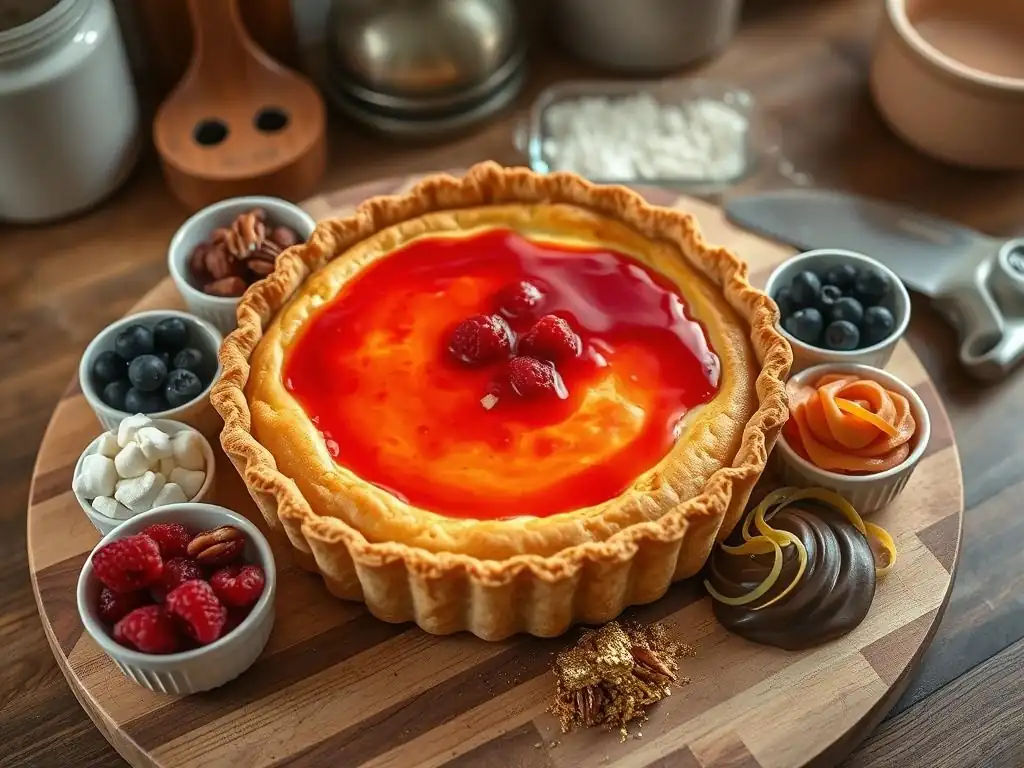
Exploring different categories of toppings opens up a world of possibilities for your cream pies. Each type brings its unique characteristics in terms of flavor, texture, and visual impact. From the classic elegance of whipped cream to the vibrant freshness of fruit, the decadent richness of chocolate, the satisfying crunch of nuts, and the tropical allure of toasted coconut, there's a topping perfect for every pie and every occasion. Mastering these categories provides a solid foundation for creating countless variations of easy cream pie toppings.
This compendium offers detailed guidance within each category, helping you understand the techniques and ingredients needed to create stunning and delicious results. Whether you're looking for a light finish or a complex layer of flavors and textures, these ideas will inspire your next baking project. Let's delve into the specifics of each popular topping type and discover how to make them shine.
Whipped Cream Toppings: A Foundation for Flavor
Whipped cream is arguably the most classic and versatile topping for cream pies. Its light, airy texture provides a beautiful contrast to dense fillings, and its neutral flavor base makes it incredibly adaptable. While seemingly simple, achieving perfect whipped cream requires attention to temperature and technique. It serves as an excellent canvas for adding other flavors or simply providing a cloud-like finish to your pie.
Mastering whipped cream is a fundamental step in creating easy cream pie toppings. Once you can consistently produce firm, glossy peaks, you can then explore various ways to enhance its flavor and stability for different applications. Whether piped into elegant swirls or spread in a rustic fashion, whipped cream is always a welcome addition.
Achieving Perfect Whipped Cream for Pies
To achieve perfect whipped cream that holds its shape beautifully on a pie, start with very cold heavy whipping cream and a very cold bowl and whisk (or beater attachments). Chill your bowl and whisk in the freezer for 10-15 minutes before you begin. This cold environment helps the fat molecules in the cream emulsify properly and incorporate air more effectively. Use a stand mixer or hand mixer on medium-high speed, whipping until stiff peaks form. This means that when you lift the whisk, the peaks stand straight up without drooping.
Be careful not to over-whip, or you'll end up with butter. Add powdered sugar and any flavorings (like vanilla extract) towards the end of the whipping process. Powdered sugar contains a small amount of cornstarch, which also aids stability. For best results, whip the cream just before assembling your pie to ensure maximum freshness and volume, making it one of the most satisfying quick cream pie toppings to execute.
Flavor Infusions: Coffee, Maple, and Citrus
Infusing whipped cream with different flavors is an easy cream pie topping idea that adds a sophisticated touch without much effort. For coffee-flavored whipped cream, dissolve 1-2 teaspoons of instant espresso powder in a tablespoon of hot water, let it cool completely, and then whip it into the cream along with the sugar and vanilla. This adds a lovely depth, perfect for chocolate or coffee cream pies.
Maple whipped cream is wonderful with pecan or sweet potato cream pies. Simply whip in 2-3 tablespoons of pure maple syrup and a pinch of cinnamon towards the end. For a bright, zesty flavor, whip in the finely grated zest of one lemon or lime. Citrus zest contains oils that provide intense flavor without adding excess liquid. These simple infusions transform basic whipped cream into a highlight of the pie.
Stabilizing Whipped Cream with Gelatin
While fresh whipped cream is delightful, it can weep or deflate over time, especially in warmer temperatures or if the pie needs to sit for a while. Stabilizing whipped cream is a key technique for creating easy cream pie toppings that maintain their structure. Gelatin is a common and effective stabilizer. For every 1 cup of heavy whipping cream, you typically need about 1 teaspoon of unflavored powdered gelatin.
Bloom the gelatin by sprinkling it over 2-3 tablespoons of cold water in a small bowl and letting it sit for 5 minutes. Then, gently heat the mixture (microwave for 10-15 seconds or use a double boiler) until the gelatin is fully dissolved and the liquid is clear. Let it cool slightly, but not set. Whip your cream to soft peaks, then slowly drizzle in the cooled, dissolved gelatin while the mixer is running on low speed. Increase speed to medium-high and whip until stiff peaks form. This stabilized whipped cream will hold its shape for hours.
Fruit Toppings: Freshness and Vibrancy
Fruit toppings bring a burst of freshness, vibrant color, and often a pleasant tang that balances the richness of cream fillings. They can range from simple arrangements of fresh berries to cooked sauces or glazes. Fruit is a fantastic way to add natural sweetness and visual appeal, making for beautiful and relatively easy cream pie toppings.
Whether you choose to use fruit raw, cooked into a compote, or glazed, the key is to select ripe, flavorful fruit that complements your pie's filling. The acidity in some fruits, like berries or citrus, can also help cut through the richness of very creamy or chocolaty pies.
Geometric Fruit Designs: Precision and Visual Appeal
Creating geometric designs with fruit adds a touch of elegance and precision to your cream pie topping. For a classic look, arrange sliced strawberries or kiwis in concentric circles or overlapping patterns on a smooth layer of cream. For a more modern feel, cut fruit into cubes or specific shapes and arrange them in grids or diagonal lines. Think of using different colored fruits like raspberries, blueberries, and mango cubes to create a visually dynamic pattern.
Ensure your fruit is uniformly sliced or cut for the neatest appearance. A sharp knife is essential for clean cuts. If using fruit that browns easily (like bananas or apples), brush them lightly with lemon juice diluted in water before placing them on the pie. This technique transforms fresh fruit into a deliberate design element, making for stunning yet easy cream pie toppings.
Berry Sauces: Sweet, Tangy, and Viscous
A simple berry sauce or compote is a quick and flavorful easy cream pie topping idea. It adds a lovely sweet-tart contrast and a beautiful glossy finish. To make a basic berry sauce, combine 2 cups of fresh or frozen berries (strawberries, raspberries, blueberries, or a mix) with 1/4 cup of sugar (adjust to taste) and 1 tablespoon of lemon juice in a saucepan. Heat over medium heat, stirring occasionally, until the berries break down and release their juices, about 5-10 minutes.
For a thicker sauce, dissolve 1 teaspoon of cornstarch in 2 tablespoons of cold water and stir it into the simmering berry mixture. Cook for another 1-2 minutes until thickened. Strain the sauce through a fine-mesh sieve for a smooth consistency, or leave it unstrained for a more rustic compote. Let it cool completely before drizzling or spreading it over your cream pie. A standard recipe yields about 1.5 cups of sauce, enough for one 9-inch pie.
Enhancing Fruit with Apricot Glaze
An apricot glaze adds a professional sheen and helps preserve the fresh look of fruit used as a topping. It also adds a subtle sweetness and sticky texture that can help hold fruit in place. This is a simple yet effective technique for enhancing easy cream pie toppings involving fresh fruit.
To make an apricot glaze, gently heat about 1/2 cup of apricot jam or preserves in a small saucepan over low heat until it becomes liquid and smooth. You can add a teaspoon of water or lemon juice if it's too thick. Strain the melted jam through a fine-mesh sieve to remove any fruit chunks. Let the glaze cool slightly until it's still liquid but not hot. Use a pastry brush to lightly brush the glaze over your arranged fruit on the pie. The glaze will set slightly as it cools, giving the fruit a beautiful glossy finish.
Chocolate Toppings: Richness and Decadence
Chocolate is a universally loved ingredient that brings richness, depth, and a touch of decadence to any dessert, making it a perfect candidate for easy cream pie toppings. From delicate shavings to luxurious ganache, chocolate offers a variety of textures and intensities to complement different cream fillings.
Working with chocolate requires understanding how it melts and sets, but even simple techniques can yield impressive results. Whether you choose dark, milk, or white chocolate, adding this element instantly elevates the perceived value and indulgence of your cream pie.
Fine Chocolate Shavings: Elegance in Simplicity
Fine chocolate shavings are perhaps the simplest yet most elegant easy cream pie topping. They add a hint of chocolate flavor and a lovely visual texture without being overpowering. This technique works best with a block of good quality chocolate that is slightly chilled but not rock hard.
To create shavings, hold the block of chocolate firmly and use a sharp knife, vegetable peeler, or cheese grater to scrape along one edge. The key is to use firm, even pressure to create delicate curls or flakes. For wider shavings, use the flat side of a knife or peeler. Scatter the shavings generously over a smooth layer of whipped cream or directly onto the pie filling. A standard 4-ounce bar of chocolate can yield enough shavings to cover a 9-inch pie.
Dark Chocolate Ganache: Luxurious and Intense
Dark chocolate ganache provides a rich, glossy, and intense chocolate layer that is both luxurious and relatively easy cream pie topping to make. It's a simple mixture of chocolate and hot cream. A common ratio for a pourable or spreadable ganache is equal parts by weight of chopped chocolate and hot heavy cream (e.g., 8 ounces chopped chocolate to 8 ounces hot cream).
Place the finely chopped chocolate in a heatproof bowl. Heat the heavy cream in a saucepan until it just begins to simmer around the edges. Pour the hot cream over the chopped chocolate. Let it sit undisturbed for 5 minutes to allow the chocolate to melt. Then, gently whisk or stir from the center outwards until the mixture is smooth and emulsified. Let the ganache cool slightly until it reaches a spreadable consistency before pouring or spreading over your chilled pie. For a thicker ganache (like for piping), use a ratio of 2 parts chocolate to 1 part cream.
Tempering Chocolate for Curls and Decorations
Tempering chocolate allows it to set with a glossy finish, a crisp snap, and prevents blooming (the formation of grayish streaks). While slightly more involved than simple melting, mastering tempering opens up possibilities for creating beautiful chocolate curls, shards, or molded decorations that make stunning easy cream pie toppings. The process involves heating and cooling chocolate to specific temperatures to stabilize the cocoa butter crystals.
Dark chocolate is typically heated to around 115°F (46°C), cooled to 88-90°F (31-32°C), and then slightly reheated to 88-90°F (31-32°C). Milk and white chocolate have lower temperatures. Once tempered, spread a thin layer of chocolate onto a clean surface (like a baking sheet or marble slab). Let it set slightly until firm but still pliable. Then, use a metal scraper or knife held at an angle to push along the chocolate, creating curls. These curls can be carefully transferred to your pie, adding a professional decorative touch.
Nut Toppings: Crunch and Aroma
Nut toppings offer a delightful textural contrast and rich, toasty aroma that complements many cream pie fillings. From simple chopped nuts to elaborate pralines, they add a satisfying crunch that elevates the eating experience. Nuts are versatile and can be used in various forms, making them excellent candidates for easy cream pie toppings.
Proper preparation, such as toasting, is key to maximizing their flavor. Nuts can be used alone or combined with other elements like caramel or sugar to create even more complex textures and flavors.
Dry-Toasted Nuts: Intense Flavor and Fragrance
Dry-toasting nuts is a simple yet crucial step that significantly enhances their flavor and aroma, turning plain nuts into a fragrant easy cream pie topping. Toasting brings out the natural oils in the nuts, deepening their taste and giving them a more prominent crunch. This technique works for almost any nut, including pecans, walnuts, almonds, hazelnuts, and macadamias.
Spread the nuts in a single layer on a dry baking sheet. Toast them in a preheated oven at 325-350°F (160-175°C) for 8-15 minutes, stirring halfway through. Alternatively, you can toast them in a dry skillet over medium heat, stirring constantly, for 5-10 minutes. Watch them carefully, as they can burn quickly. You'll know they're done when they are golden brown and fragrant. Let them cool completely before chopping or using them as a topping; cooling allows them to crisp up.
Salted Caramel Nuts: Sweet, Salty, and Addictive
Combining the sweetness of caramel with the richness of nuts and a hint of salt creates an incredibly addictive easy cream pie topping. This involves making a simple caramel and coating toasted nuts. To make the caramel, heat 1 cup of granulated sugar in a saucepan over medium heat, swirling occasionally, until it melts and turns an amber color. Be careful not to burn it.
Carefully stir in 1/4 cup of heavy cream and 2 tablespoons of butter (be cautious, as the mixture will bubble vigorously). Stir until smooth. Remove from heat and stir in 1/2 teaspoon of sea salt and 1 cup of dry-toasted chopped nuts (like pecans or walnuts). Spread the mixture onto a parchment-lined baking sheet and let it cool completely until hardened. Once cool, break the nut brittle into pieces or chop it coarsely to scatter over your pie.
Praline Crumble: A Delicate and Crunchy Texture
Praline crumble offers a delicate, buttery, and crunchy texture that is fantastic on smooth cream pies. It's essentially a simple streusel topping with the addition of nuts, making it a versatile easy cream pie topping. A typical recipe involves combining flour, sugar, butter, and nuts.
For a basic praline crumble, combine 1/2 cup all-purpose flour, 1/4 cup granulated sugar, 1/4 cup packed light brown sugar, and 1/2 teaspoon ground cinnamon in a bowl. Add 1/2 cup (1 stick) of cold unsalted butter, cut into small cubes. Use your fingertips, a pastry blender, or a food processor to cut the butter into the dry ingredients until the mixture resembles coarse crumbs.
Stir in 1/2 cup of finely chopped toasted nuts (like pecans or almonds). Spread the crumble on a baking sheet and bake at 350°F (175°C) for 15-20 minutes, or until golden brown and fragrant. Let it cool completely before sprinkling over your pie.
Toasted Coconut Toppings: Tropical Flavors and Textures
Toasted coconut brings a wonderful tropical flavor and a unique chewy-crisp texture to cream pies, especially those with coconut, banana, or even chocolate fillings. It's a simple ingredient that can be transformed into various easy cream pie toppings. Toasting intensifies its nutty flavor and turns it a beautiful golden brown.
Whether used as simple flakes, incorporated into a streusel, or infused into whipped cream, toasted coconut adds a distinct tropical dimension that is both aromatic and visually appealing. It's a quick way to add significant flavor and texture.
Golden Toasted Coconut Flakes: Aromatic and Visually Appealing
Simply toasting shredded or flaked coconut is one of the quickest and most aromatic easy cream pie topping ideas. It adds a lovely golden color and a sweet, nutty flavor that is far superior to untoasted coconut. You can use sweetened or unsweetened coconut, depending on your preference and the sweetness of the pie.
To toast coconut, spread a thin layer on a baking sheet. Bake in a preheated oven at 300°F (150°C) for 5-10 minutes, stirring frequently, until the flakes are golden brown and fragrant. Alternatively, toast it in a dry skillet over medium-low heat, stirring constantly, for 3-7 minutes. Be very careful, as coconut burns easily. Let the toasted coconut cool completely before sprinkling it generously over your pie. About 1 cup of shredded coconut is usually sufficient to cover a 9-inch pie.
Coconut Streusel: Buttery, Sweet, and Crunchy
A coconut streusel combines the buttery crunch of a classic streusel with the tropical flavor of toasted coconut, resulting in a delightful easy cream pie topping. It adds a wonderful texture contrast to smooth cream fillings. This is similar to the praline crumble but focuses on coconut flavor.
Combine 1/2 cup all-purpose flour, 1/4 cup granulated sugar, and 1/4 teaspoon salt in a bowl. Cut in 1/4 cup (1/2 stick) of cold unsalted butter until coarse crumbs form. Stir in 1/2 cup of toasted shredded coconut. Spread the mixture on a baking sheet and bake at 350°F (175°C) for 10-15 minutes, or until golden brown. Let it cool completely before scattering it over your pie.
Coconut Whipped Cream: Light, Airy, and Exotic
Infusing whipped cream with coconut flavor creates a light, airy, and exotic easy cream pie topping. You can achieve this in a couple of ways. One method is to add coconut extract to regular whipped cream (use about 1 teaspoon per cup of cream, adjusting to taste).
Another, richer method is to use chilled full-fat coconut milk or cream. Chill a can of full-fat coconut milk or cream in the refrigerator overnight. Open the can carefully, scoop out the thick, solid cream from the top, leaving the liquid behind. Whip this solid coconut cream with a mixer until fluffy. You can add powdered sugar and vanilla or coconut extract if desired. This creates a dairy-free option or a more intensely coconut-flavored topping for your pie.
Step-by-Step Guide to Applying Cream Pie Toppings
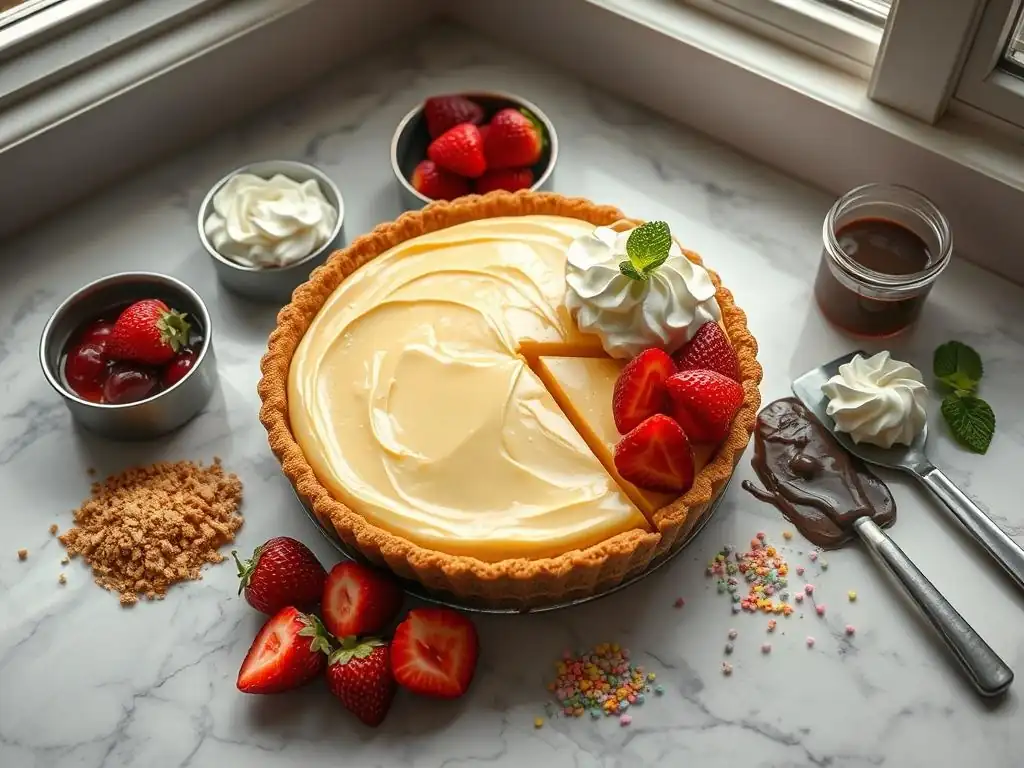
Applying your carefully prepared topping to your cream pie is the final step in the design process. Proper application ensures that your topping looks its best, adheres correctly, and provides the intended texture and visual appeal. Even with easy cream pie toppings, taking a moment to consider the best application technique can make a significant difference in the final presentation.
This section provides guidance on preparing the pie surface, applying the topping uniformly, and exploring decorative techniques to finish your creation with flair.
Preparing Your Cream Pie for Optimal Topping Adhesion
Before applying any topping, ensure your cream pie filling is fully set and thoroughly chilled. Most cream pies require at least 4-6 hours in the refrigerator, or ideally overnight, to firm up properly. A well-chilled, firm surface provides a stable base for your topping, preventing it from sinking, melting, or sliding off.
If your filling has developed a slight "skin" on top, you can gently smooth it with the back of a spoon or leave it as is, depending on the topping. For smooth toppings like whipped cream or ganache, a smooth surface is preferable. For crumb or nut toppings, the surface texture is less critical. Ensure the edges of your crust are clean and free of any drips before you start applying the topping. This preparation step is crucial for ensuring your easy cream pie toppings look neat and professional.
Techniques for Uniform Topping Application
Achieving a uniform application is key for many easy cream pie toppings, especially when covering the entire surface. For whipped cream or ganache, scoop a generous amount onto the center of the pie. Use an offset spatula to gently spread the topping outwards towards the edges, smoothing as you go. For a perfectly smooth surface, you can dip the offset spatula in hot water and wipe it dry before the final pass.
For crumb toppings (like streusel, nuts, or toasted coconut), sprinkle the topping evenly over the surface of the pie. You can use your hands or a spoon. For best coverage, start from the outside edge and work your way inwards. You can gently press the crumbs down slightly to help them adhere to the pie surface or any underlying layer (like a thin layer of jam or ganache). Aim for an even layer unless your design calls for specific placement.
Decorative Designs: Piping, Stenciling, and Freeform
Once the base layer of your topping is applied (if applicable), you can add decorative elements using various techniques. Piping is excellent for creating elegant swirls, rosettes, or borders with whipped cream or ganache. Use a piping bag fitted with a star tip (like a #1M or #2D) for classic swirls, or a round tip for dots and lines. Practice on a piece of parchment paper first to get the feel of the bag and tip.
Stenciling allows you to create intricate patterns using powdered sugar, cocoa powder, or finely ground nuts/chocolate. Place a stencil gently over the pie surface (or a smooth topping like whipped cream) and lightly dust the material over the stencil using a fine-mesh sieve. Carefully lift the stencil straight up. Freeform designs involve artfully arranging elements like fruit slices, chocolate curls, or nuts by hand or with tweezers for precision. These techniques, even simple piping or sprinkling, turn easy cream pie toppings into artistic statements.
Tips and Tricks for Maintaining Cream Pie Topping Quality
Ensuring your cream pie topping stays fresh, attractive, and texturally appealing after assembly is just as important as creating it. Factors like moisture, temperature, and storage conditions can affect the quality of your topping, potentially leading to issues like weeping, cracking, or melting. With a few simple tips, you can maintain the integrity of your easy cream pie toppings.
Understanding how different topping components react to moisture and air is key to preventing common problems. Proper storage is paramount, especially for pies made ahead of time or needing to be transported.
Preventing Moisture Migration: Barrier Layers and Techniques
Moisture migrating from the pie filling into the crust or topping is a common issue that can make a crisp crust soggy or cause whipped cream to weep. One effective technique is to create a barrier layer between the filling and the topping. For fruit-based cream pies, a thin layer of melted chocolate or a brush of egg wash baked onto the bottom crust can help prevent moisture from the filling from making the crust soggy.
For toppings like whipped cream on a fruit-heavy filling, a thin layer of jam, a sprinkle of cake crumbs, or even a very thin layer of stable ganache can act as a barrier on top of the filling before the whipped cream is added. This helps absorb or block moisture, keeping your whipped cream looking fresh and preventing the filling from "bleeding" into it. Considering these barriers is helpful even when using easy cream pie toppings.
Proper Storage of Topped Cream Pies: Temperature and Humidity Control
Proper storage is critical for maintaining the quality of your topped cream pie. Cream pies, especially those with dairy-based fillings and toppings, must be kept refrigerated at temperatures between 35°F and 40°F (1.7°C and 4.4°C). This prevents bacterial growth and helps maintain the structure of the filling and many toppings.
Humidity can be an enemy, especially for crispy or crunchy toppings like meringue, nuts, or streusel, causing them to soften. Store the pie loosely covered in the refrigerator. If using a pie carrier or plastic wrap, try to tent it slightly so it doesn't touch the topping directly. For toppings particularly sensitive to moisture, like meringue, it's best to add them just before serving if possible. Understanding these storage needs helps preserve the quality of your easy cream pie toppings.
Troubleshooting Common Topping Issues: Cracking, Weeping, and Melting
Even with care, sometimes issues arise with cream pie toppings. Cracking in a smooth topping like ganache or a set pudding layer often occurs if the pie is moved while the topping is still too warm or if the temperature changes drastically. Allowing toppings to set fully and chilling the pie gently can help prevent this. Small cracks can sometimes be masked with additional decorations.
Weeping in whipped cream is usually a sign it wasn't whipped enough, wasn't stabilized, or has been sitting too long, especially in warm or humid conditions. Using a stabilizer like gelatin (as discussed earlier) or whipping just before serving can mitigate this. Melting is typically a temperature issue; ensure the pie is kept cold. If a topping starts to melt, returning it to the coldest part of the refrigerator might help, though severely melted toppings may need to be redone. Addressing these issues helps ensure your easy cream pie toppings look their best.
Advanced Cream Pie Topping Techniques
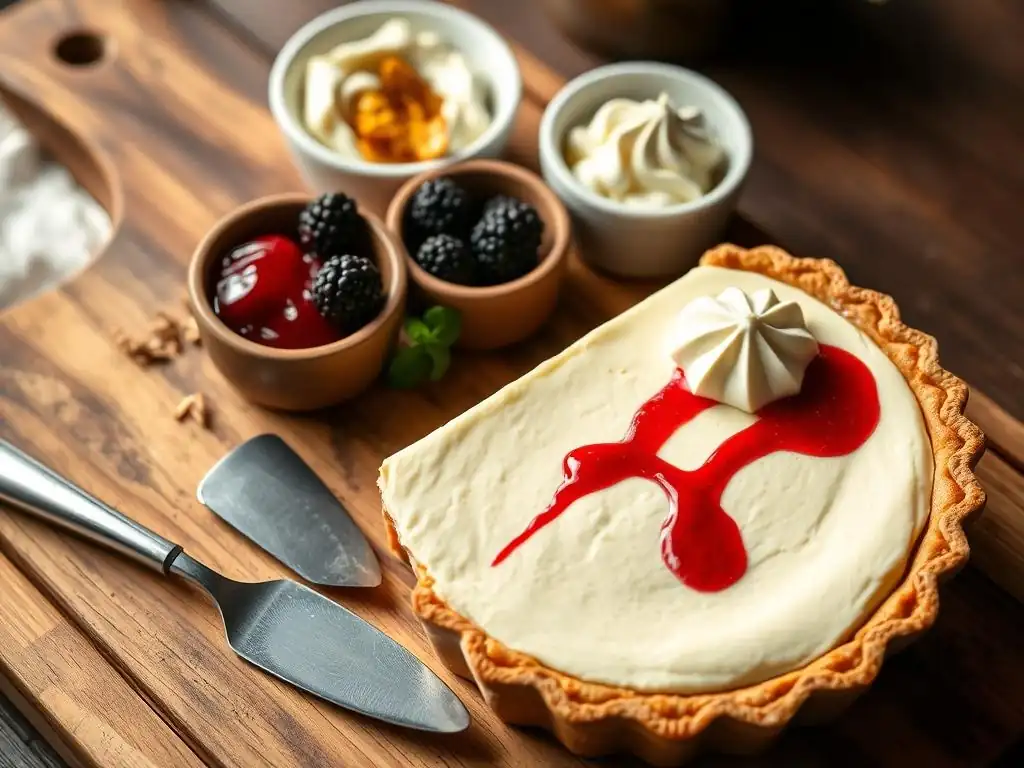
Once you've mastered the basics and feel comfortable with easy cream pie toppings, you might want to explore slightly more advanced techniques that add complexity and sophistication. These methods can take your cream pies to the next level, offering new textures, flavors, and visual elements.
While these techniques might require a little more practice or attention to detail, the results are often stunning and well worth the effort. They allow for greater creativity and a more professional finish on your homemade cream pies.
Swiss Meringue Toppings: Silky and Stable
Swiss meringue is a fantastic topping for cream pies, particularly lemon or chocolate, offering a silky texture and stable structure that can be beautifully toasted. Unlike French meringue (whipped egg whites and sugar), Swiss meringue involves gently heating egg whites and sugar over a double boiler until the sugar is dissolved before whipping, resulting in a more stable and glossy meringue. For a 9-inch pie, you might use 4 large egg whites and 1 cup of granulated sugar.
Whisk the egg whites and sugar together in a heatproof bowl set over a saucepan of simmering water (ensure the bottom of the bowl doesn't touch the water). Heat, whisking constantly, until the sugar is completely dissolved and the mixture reaches about 160°F (71°C).
Remove from heat and whip the mixture with a stand mixer or hand mixer on high speed until stiff, glossy peaks form and the meringue is cool, about 8-10 minutes. This stable meringue can be spread or piped onto the pie and then lightly toasted with a kitchen torch or under a broiler for a beautiful finish.
Salted Caramel Sauce: Deep Flavor and Glossy Finish
A homemade salted caramel sauce adds a deep, complex flavor and a beautiful glossy finish when drizzled or spread over a cream pie. While making caramel can seem intimidating, it's achievable with patience and attention. For a rich sauce, you might use 1 cup of granulated sugar, 1/4 cup water, 1/2 cup heavy cream, 3 tablespoons butter, and 1/2 teaspoon sea salt.
Combine sugar and water in a saucepan over medium heat, stirring until the sugar dissolves. Stop stirring and cook, swirling the pan occasionally, until the syrup turns a deep amber color. This takes about 8-15 minutes. Carefully remove from heat and whisk in the warm heavy cream (it will bubble vigorously). Stir in the butter until melted and smooth, then stir in the salt. Let the sauce cool slightly before using. Drizzled caramel is a versatile and delicious easy cream pie topping that adds instant sophistication.
Edible Flowers and Herbs: A Touch of Nature
For a sophisticated and natural touch, consider using edible flowers and fresh herbs as a final garnish on your cream pie topping. This adds vibrant color, delicate flavors, and an element of surprise. Ensure that any flowers or herbs you use are specifically labeled as edible and have not been treated with pesticides.
Edible flowers like violas, pansies, rose petals, or lavender buds can be delicately placed on whipped cream swirls or around the edge of the pie. Fresh herbs such as mint leaves (especially on chocolate or fruit pies), lemon balm, or even small sprigs of rosemary (used sparingly on fruit or caramel pies) can add a fragrant and visually appealing element. These natural touches turn even easy cream pie toppings into works of art.
Recipe Ideas: Flavorful Cream Pie Topping Combinations
Putting together different topping elements can create truly unique and flavorful cream pies. These recipe ideas combine various techniques and ingredients discussed earlier to inspire your own creations. They showcase how layering flavors and textures can result in spectacular desserts.
These are just starting points; feel free to mix and match elements based on your favorite flavors and the cream pie filling you are using. Experimentation is key to discovering your signature easy cream pie toppings.
Lemon Cream Pie with Toasted Meringue and Candied Lemon Peel
This combination is a classic for a reason. The bright, tangy lemon cream filling is perfectly balanced by the sweet, airy, and slightly caramelized notes of toasted Swiss meringue. Adding small pieces of homemade candied lemon peel provides bursts of intense citrus flavor and a chewy texture.
To prepare, make a classic lemon cream pie filling and let it chill completely. Top generously with Swiss meringue, piped or spread. Torch the meringue until golden brown peaks form. While the pie chills, make candied lemon peel by simmering strips of peel in sugar syrup until translucent, then drying and tossing in sugar. Scatter the candied peel over the toasted meringue just before serving. This layering of textures and flavors makes for a sophisticated yet achievable topping.
Chocolate Cream Pie with Espresso Whipped Cream and Chocolate Shavings
This pairing enhances the richness of chocolate with the complementary notes of coffee and adds an elegant chocolate finish. Start with a dark or milk chocolate cream pie filling, well-chilled. Prepare espresso-infused whipped cream (as described in the "Flavor Infusions" section) and spread or pipe it over the chocolate filling.
Finish the pie by scattering fine dark chocolate shavings over the whipped cream. The slight bitterness of the dark chocolate shavings contrasts beautifully with the sweetness of the whipped cream and the rich chocolate filling, while the espresso adds depth. This is a decadent and relatively easy cream pie topping combination.
Coconut Cream Pie with Toasted Coconut Flakes and Macadamia Nuts
This tropical-inspired combination layers coconut flavor and adds a delightful crunch. Make a creamy coconut cream pie filling (perhaps infused with coconut milk or extract). Top the chilled pie with regular or coconut-infused whipped cream.
Generously sprinkle golden toasted coconut flakes (as described earlier) over the whipped cream. For an added layer of flavor and crunch, scatter some chopped, dry-toasted macadamia nuts over the top as well. The creamy coconut, sweet toasted flakes, and buttery crunch of macadamias create a harmonious tropical symphony, making this a flavorful and easy cream pie topping idea.
Conclusion: Mastering the Art of Exquisite Cream Pie Toppings
Creating beautiful and delicious cream pie toppings is a rewarding part of the baking process. It allows you to add your personal touch, enhance the flavors and textures of your pies, and create stunning desserts that are sure to impress. From mastering the basics of whipped cream and fruit preparation to exploring more advanced techniques like meringue and caramel, the possibilities for easy cream pie toppings are vast and exciting.
Remember that the best toppings are those that not only look good but also perfectly complement the filling and crust. Pay attention to balance – balancing sweetness with acidity, richness with lightness, and smoothness with crunch.
Create Visually Stunning and Delicious Cream Pies for Any Occasion
Whether you're baking for a special holiday, a birthday celebration, or just a casual weeknight dessert, taking the time to design a thoughtful topping elevates the entire experience. A visually appealing pie is a joy to behold, and a delicious, well-executed topping makes the first bite even more memorable. Don't be afraid to experiment with different colors, textures, and arrangements to find what you love.
With the techniques and ideas presented in this handbook, you have the tools to transform simple ingredients into exquisite finishing touches. Practice your piping skills, experiment with fruit arrangements, or perfect your toasted nut game. Each attempt will build your confidence and expand your repertoire of easy cream pie topping ideas.
Develop Your Signature Style Through Topping Experimentation
The most exciting part of mastering cream pie toppings is developing your own signature style. Perhaps you become known for your perfectly toasted meringue, your vibrant fruit mosaics, or your decadent chocolate ganache drizzles. Experiment with different combinations of flavors and textures. Try adding a sprinkle of sea salt to a caramel topping, a pinch of cardamom to a whipped cream, or a layer of crumbled cookies under your fruit.
Keep a baking journal to note what works well and what combinations you enjoy most. Don't be afraid to combine elements from different categories – a layer of chocolate ganache topped with salted caramel nuts, or a whipped cream base adorned with fresh berries and mint. By continuously experimenting with easy cream pie toppings, you'll discover new favorites and refine your skills, making every cream pie you bake uniquely yours.
Frequently Asked Questions
What makes a cream pie topping "easy" to create?
An "easy" cream pie topping typically involves minimal cooking, readily available ingredients, and simple techniques. It focuses on quick assembly and visual appeal without requiring advanced baking skills.
What are some popular and visually appealing cream pie topping ideas mentioned in the article?
The article suggests toppings like fresh fruit arrangements, chocolate shavings, whipped cream rosettes, and a dusting of cocoa powder. These options are chosen for their aesthetic impact and ease of implementation.
Are there any topping options suitable for someone with dietary restrictions, like gluten intolerance?
Yes, gluten-free options can include using gluten-free cookie crumbs as a topping or focusing on fruit-based toppings with a gluten-free whipped cream. Be sure to check all ingredients for potential allergens.
How can I prevent my cream pie topping from becoming soggy over time?
To prevent sogginess, consider adding a thin layer of melted chocolate between the pie filling and topping, or wait to add the topping until just before serving. This acts as a barrier against moisture.
Can I prepare cream pie toppings in advance, or are they best made right before serving?
Some toppings, like chocolate shavings or fruit arrangements, can be prepared in advance. However, whipped cream toppings are best applied just before serving to maintain their texture and prevent deflation.
Final Reflection: The Sweet Simplicity of Cream Pie Toppings
The art of the perfect cream pie isn't just in the creamy filling; it's in the delightful dance of textures and flavors found in its topping. A simple, yet elegant topping can elevate a classic dessert from good to unforgettable, and in today's fast-paced world, the ease of creation is just as important as the final result. This is why mastering easy, yet beautiful, cream pie toppings is more relevant than ever.
The exploration of simple yet visually stunning toppings has profoundly impacted my own baking journey, reminding me that less can truly be more. The joy of creating something beautiful from readily available ingredients is incredibly rewarding. It's a testament to the power of creativity and resourcefulness in the kitchen. The best things in life are simple,
a sentiment that rings especially true when considering the perfect complement to a creamy, dreamy pie.
Now, it's your turn. Consider the cream pies you've enjoyed, and the toppings that made them special. What simple additions could you create to elevate your own baking? Don't be afraid to experiment, to play with textures and flavors, and to find your own signature topping that brings joy to you and those you share it with. The possibilities are as endless as your imagination, and the reward? A slice of pure, delicious happiness.
Unleash Your Inner Pie Artist: Create Stunning Cream Pie Toppings!
Thanks for joining us on this creamy journey! We hope you've discovered some delicious inspiration for elevating your pie game. Ready to transform your next dessert?
- Craft your masterpiece: Try one of the topping techniques we explored—from elegant swirls to vibrant fruit arrangements—and let your creativity shine! This is your chance to experiment and personalize your pies.
- Share your creations: Show us your stunning pie toppings! Use #BakeWithEaseToppings on social media to share your beautiful work and inspire others.
- Dive deeper: Explore our other pie recipes and techniques on BakeWithEase.com for even more delicious inspiration.
What unique topping will you create to wow your friends and family?