
Bake the Iconic French Opera Cake: An Easy Recipe

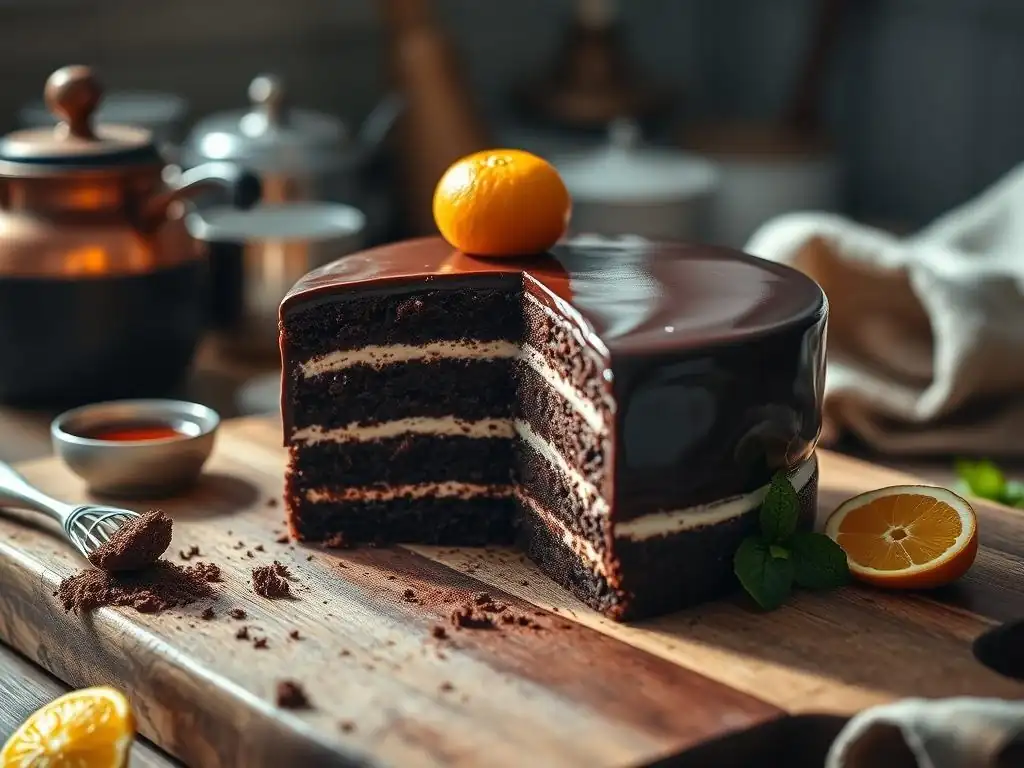
Welcome to BakeWithEase, your trusted companion on your baking journey! Ever dreamt of crafting that elegant, multi-layered masterpiece from Parisian patisseries? Today, we're demystifying the iconic French dessert with our guide to an Easy French Opera Cake. Curious how to achieve those delicate layers and intense coffee flavor without the fuss? Read on to unlock a surprisingly simple recipe and elevate your baking repertoire!
- Bake the Iconic French Opera Cake: An Easy Recipe for BakeWithEase
- Introduction to French Opera Cake Baking
- Understanding the Components of a French Opera Cake
- French Opera Cake Recipe: Step-by-Step Guide
- Assembling Your French Opera Cake
- Decorating Your Homemade Opera Cake
- Tips and Tricks for a Perfect French Opera Cake
- Variations and Adaptations of the Opera Cake Recipe
- Mastering French Baking Classics with BakeWithEase
- Conclusion: Enjoy Your Homemade French Opera Cake
- Frequently Asked Questions
- Final Reflection: The Enduring Allure of the Opera Cake
- Unleash Your Inner Pâtissier: Master the Opera Cake!
Bake the Iconic French Opera Cake: An Easy Recipe for BakeWithEase
Introduction to French Opera Cake Baking
Discover the Delights of the Classic Opera Cake
The French Opera Cake, known in France as Gâteau Opéra, is a true masterpiece of pastry art, renowned for its elegant layers and sophisticated flavor profile. Traditionally, it's composed of layers of almond sponge cake (Joconde), soaked in coffee syrup, layered with coffee buttercream, and finished with a rich chocolate ganache glaze. Its origins are debated, but it gained prominence in the mid-20th century, becoming a staple in Parisian patisseries.
Creating this classic dessert at home might seem daunting, but with the right approach and a clear, easy recipe, it's an achievable and incredibly rewarding baking project. The combination of intense coffee and chocolate flavors with the delicate almond sponge is simply unforgettable.
Mastering the French Opera Cake involves understanding each component and how they harmoniously come together. While some recipes can be overly complicated, focusing on simplifying the process without sacrificing authenticity is key. Our goal here is to guide you through creating a truly delicious Opera Cake that rivals those found in professional bakeries, making this classic French dessert accessible to home bakers. Whether you're looking to impress guests or simply indulge in a luxurious treat, this easy French Opera Cake recipe is designed to set you up for success, transforming your kitchen into a Parisian patisserie for an afternoon.
BakeWithEase Presents: A Simplified Opera Cake Recipe
At BakeWithEase, we believe that classic baking should be enjoyable, not intimidating. That's why we've developed an easy French Opera Cake recipe specifically designed for home bakers of all skill levels. This recipe breaks down the intricate process into manageable steps, focusing on techniques that simplify preparation without compromising on the authentic taste and texture of a traditional Opera Cake. We'll guide you through creating each layer – the delicate Joconde sponge, the smooth coffee buttercream, the rich chocolate ganache, and the essential coffee syrup – with clear, concise instructions.
Our simplified easy French Opera Cake recipe emphasizes practicality, suggesting common kitchen tools and readily available ingredients. For instance, while a traditional Joconde is often baked in a large sheet and cut, we might suggest baking in a standard rectangular pan and slicing, or even using slightly adjusted quantities for easier handling. We'll provide tips on achieving the perfect consistency for your buttercream and ganache, two elements that can sometimes be tricky.
Our aim is to demystify the process, empowering you to create a stunning and delicious French Opera Cake with confidence and, most importantly, with ease. Get ready to embark on a delightful baking adventure!
Understanding the Components of a French Opera Cake
Joconde Sponge: The Foundation of Your Opera Cake
The Joconde sponge, or Biscuit Joconde, is the traditional base for a French Opera Cake. It's a light and flexible almond sponge cake made with a paste of almond flour, powdered sugar, and eggs, combined with whipped egg whites and sometimes a little flour. What sets it apart is its characteristic moistness and slightly chewy texture, which holds up beautifully when soaked with syrup and layered with fillings.
A key technique in making a Joconde is folding the whipped egg whites just right to maintain airiness while ensuring the batter is homogenous. This delicate process is crucial for the cake's texture.
Baking the Joconde sponge thinly is also essential for the Opera Cake's signature multi-layered structure. Typically, the batter is spread onto a baking sheet lined with parchment paper and baked quickly at a relatively high temperature, often around 220°C (425°F), for only 5 to 8 minutes. This rapid baking prevents the sponge from drying out, keeping it pliable enough to handle and soak later.
The recipe usually calls for a specific ratio of almond flour to sugar and eggs, often around 1 part almond flour, 1 part powdered sugar, and 2 parts whole eggs by weight, plus the meringue from egg whites. Achieving the correct thickness, usually just a few millimeters, is key for easy layering in your easy French Opera Cake.
Coffee Buttercream: Achieving the Perfect Creamy Texture
Coffee buttercream is a vital layer in the French Opera Cake, providing a smooth, creamy contrast to the sponge and ganache, and, of course, a significant coffee flavor punch. While several types of buttercream exist (American, Swiss Meringue, Italian Meringue, French), a classic Opera Cake often uses a French or Italian Meringue buttercream infused with strong coffee or espresso. These meringue-based buttercreams are known for their incredibly smooth, silky texture and less sweet profile compared to American buttercream, which is essentially butter mixed with powdered sugar.
Creating a perfect coffee buttercream involves making a stable meringue by whipping egg whites (or yolks for French buttercream) with hot sugar syrup, then gradually incorporating softened butter. The coffee flavor is typically added by dissolving instant espresso powder in a small amount of hot liquid (like water or coffee liqueur) or by using a very concentrated coffee extract.
The key to a smooth buttercream is ensuring all ingredients are at the correct temperature, particularly the butter, which should be soft but not melted. Proper emulsification prevents the buttercream from separating, resulting in that desirable light and airy, yet rich, consistency crucial for your easy French Opera Cake.
Chocolate Ganache: Richness and Decadence in Every Layer
The chocolate ganache serves multiple purposes in a French Opera Cake: it acts as a layer between the sponge and buttercream, and it forms the iconic glossy glaze on top. A classic ganache is a simple emulsion of chocolate and cream. The ratio of chocolate to cream determines its consistency – a higher chocolate ratio yields a firmer ganache suitable for layering, while a higher cream ratio results in a pourable glaze. For the Opera Cake, two different consistencies are often used: a slightly firmer one for the internal layer and a more liquid one for the final glaze.
Using high-quality chocolate is paramount for a truly decadent ganache. A chocolate with around 60-70% cocoa content is often preferred for its balanced bitterness and richness, cutting through the sweetness of the buttercream and sponge. To make ganache, hot cream is poured over finely chopped chocolate, allowed to sit briefly to melt the chocolate, and then gently stirred until smooth and emulsified.
Overheating or stirring too vigorously can cause the ganache to break. Achieving a perfectly smooth and glossy finish for the top layer requires careful preparation and application, making it the crowning glory of your easy French Opera Cake.
Coffee Syrup: Infusing Flavor and Moisture
The coffee syrup is arguably the soul of the French Opera Cake, as it saturates the Joconde sponge layers, infusing them with intense coffee flavor and providing essential moisture. Without sufficient soaking, the sponge would be dry and the cake's textures wouldn't meld together properly. The syrup is typically made from a simple mixture of hot, strong coffee (often espresso) and sugar. The sugar not only sweetens the syrup but also helps keep the cake layers moist and prevents them from becoming soggy or falling apart.
The strength of the coffee used in the syrup directly impacts the final flavor of the cake. Many recipes call for brewing espresso or using a very concentrated instant coffee solution. The ratio of coffee to sugar can vary, but a common starting point is roughly equal parts sugar and liquid coffee by weight or volume.
The syrup is usually applied warm or at room temperature to the cooled sponge layers, allowing the cake to absorb the liquid effectively. Ensuring each layer is evenly and generously soaked is a critical step in assembling your easy French Opera Cake, guaranteeing that signature coffee punch in every bite.
French Opera Cake Recipe: Step-by-Step Guide
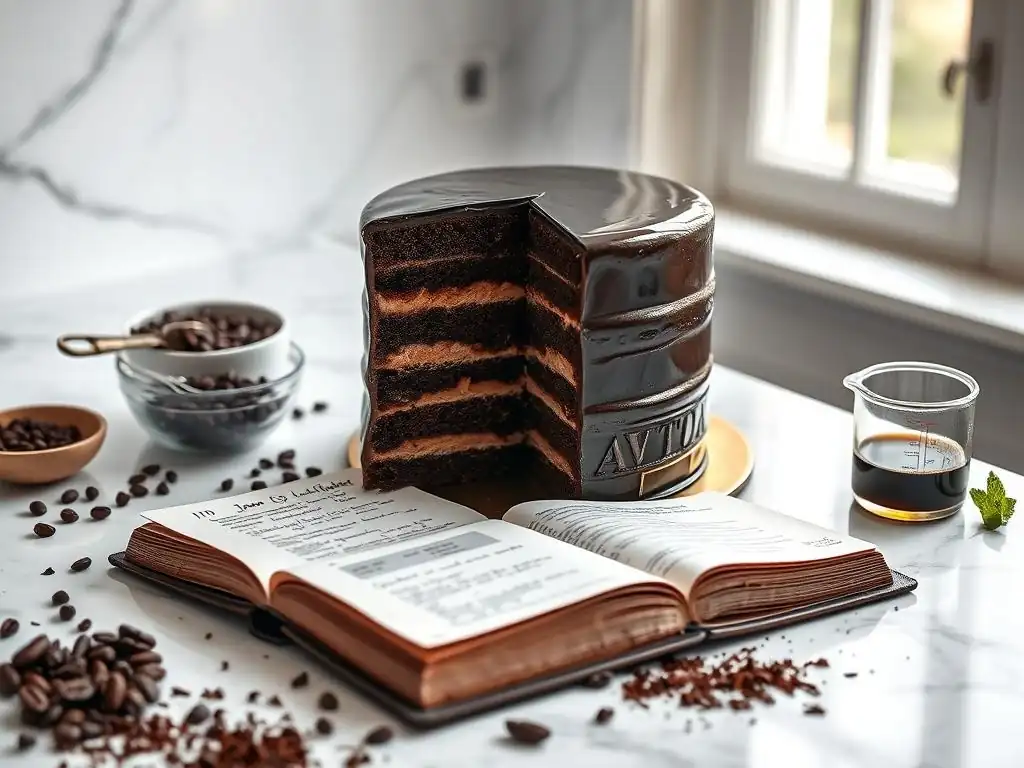
Preparing the Joconde Sponge Cake
Ingredients for the Joconde Sponge
Creating the delicate Joconde sponge requires precise measurements of specific ingredients to achieve the correct texture and flexibility. You'll need:
- 200 grams (about 1 and 3/4 cups) almond flour
- 200 grams (about 1 and 2/3 cups) powdered sugar
- 6 large whole eggs
- 50 grams (about 1/3 cup) all-purpose flour
- 50 grams (about 3 and 1/2 tablespoons) unsalted butter, melted and cooled
- 4 large egg whites (approximately 120 grams)
- 50 grams (about 1/4 cup) granulated sugar
These ingredients, particularly the combination of almond flour and whole eggs with the addition of a meringue from the egg whites and granulated sugar, are what give the Joconde its unique properties. The melted butter adds richness and helps keep the cake moist. Using weights for the dry ingredients is highly recommended for accuracy, as volumes can vary significantly based on how the ingredients are packed. This precise blend ensures your foundation layers for the easy French Opera Cake are perfect.
Baking the Perfect Joconde: Temperature and Timing
Baking the Joconde sponge requires high heat and a short bake time to keep it light and moist. Preheat your oven to 220°C (425°F). Line a large baking sheet (approximately 13x18 inches or larger) with parchment paper. Spread the prepared batter evenly over the parchment using an offset spatula, aiming for a thickness of about 4-5 millimeters (roughly 1/8 to 3/16 inch). Ensure the layer is as uniform as possible for even baking.
Bake the sponge for approximately 5 to 8 minutes. You'll know it's done when the edges are lightly golden brown and the center springs back gently when touched. Avoid overbaking, as this will result in a dry, brittle sponge that is difficult to handle and soak. Immediately upon removing from the oven, slide the parchment with the cake onto a wire rack to cool completely. Once cool, the sponge should be pliable enough to handle and cut into the required rectangles for your easy French Opera Cake assembly.
Making the Coffee Buttercream
Ingredients for Coffee Buttercream Perfection
A smooth and flavorful coffee buttercream is crucial for the Opera Cake. We'll use a simplified Italian Meringue buttercream base for stability and a silky texture. You will need:
- 6 large egg whites (approximately 180 grams)
- 300 grams (about 1 and 1/2 cups) granulated sugar, divided
- 80 ml (about 1/3 cup) water
- 450 grams (about 2 cups or 4 sticks) unsalted butter, softened but not melted, cut into cubes
- 3-4 tablespoons strong instant espresso powder, dissolved in 2 tablespoons hot water (or 4-6 tablespoons strong coffee extract)
The combination of a hot sugar syrup whipped into egg whites creates a stable meringue, which forms the base. Adding softened butter gradually creates the emulsion. The instant espresso powder or extract provides the intense coffee flavor needed to balance the richness of the butter and chocolate in your easy French Opera Cake. Ensure your butter is truly softened; it should yield easily to pressure but not be greasy.
Achieving a Smooth and Silky Buttercream
To make the buttercream, start by whipping the egg whites in a stand mixer on medium speed until soft peaks form. While the egg whites are whipping, combine 250 grams of the granulated sugar with the water in a small saucepan. Heat the mixture over medium-high heat, stirring until the sugar dissolves, then stop stirring and boil until the syrup reaches 118°C (245°F) on a candy thermometer.
Once the syrup reaches temperature, slowly and carefully pour it in a thin stream down the side of the mixer bowl into the whipping egg whites while the mixer is running on low speed. Increase the speed to high and whip until the meringue is thick, glossy, and has cooled to room temperature, about 10-15 minutes.
Once the meringue is cool, switch to the paddle attachment. Add the remaining 50 grams of granulated sugar (this helps smooth the buttercream) and beat for about 30 seconds. Then, add the softened butter cube by cube on medium speed, waiting until each piece is mostly incorporated before adding the next.
The mixture may look curdled at some point, but keep beating; it should come together into a smooth, fluffy buttercream. Finally, beat in the dissolved espresso or coffee extract until fully combined and the buttercream is uniformly flavored and colored. This process results in a stable, silky buttercream perfect for layering in your easy French Opera Cake.
Creating the Rich Chocolate Ganache
Ingredients for a Decadent Chocolate Ganache
The chocolate ganache provides intensity and richness to the Opera Cake. You will need ingredients for two different consistencies: one for the internal layer and one for the glaze.
For the internal layer:
- 200 grams (about 7 oz) high-quality dark chocolate (60-70% cocoa), finely chopped
- 200 ml (about 3/4 cup + 1 tablespoon) heavy cream (at least 35% fat)
For the glaze:
- 150 grams (about 5 oz) high-quality dark chocolate (60-70% cocoa), finely chopped
- 150 ml (about 1/2 cup + 2 tablespoons) heavy cream
- 30 grams (about 2 tablespoons) unsalted butter, cut into small pieces (optional, adds extra gloss)
Using finely chopped chocolate is essential as it helps the chocolate melt more evenly when the hot cream is added. The ratio of cream to chocolate affects the final texture; the 1:1 ratio for the internal layer creates a spreadable ganache, while the glaze often has a slightly higher liquid content or butter added for pourability and shine, crucial for the top finish of your easy French Opera Cake.
Tips for a Glossy and Smooth Ganache
To make both ganaches, place the finely chopped chocolate in separate heatproof bowls. Heat the heavy cream in separate saucepans until it just comes to a simmer; do not boil. Pour the hot cream over the chopped chocolate in each bowl. Let stand for 5 minutes to allow the chocolate to melt. Gently whisk the chocolate and cream together starting from the center and working outwards until completely smooth and emulsified. Avoid whisking too vigorously, as this can incorporate air bubbles, which you want to avoid, especially in the glaze.
For the glaze ganache, you can stir in the small pieces of butter after the chocolate and cream are smooth; the residual heat will melt the butter, and stirring will incorporate it, adding extra shine. For the internal layer ganache, let it cool slightly at room temperature until it reaches a spreadable consistency, similar to soft peanut butter. For the glaze, use it while it is still warm and pourable, but not hot enough to melt the buttercream layers. Achieving a smooth, lump-free ganache is key to the luxurious texture and appearance of your easy French Opera Cake.
Brewing the Aromatic Coffee Syrup
Ingredients for the Perfect Coffee Syrup
The coffee syrup is the key to infusing the Opera Cake sponge with moisture and that characteristic coffee flavor. It's a simple yet vital component. You will need:
- 250 ml (about 1 cup) very strong brewed coffee or espresso
- 100-150 grams (about 1/2 to 3/4 cup) granulated sugar
- Optional: 1-2 tablespoons coffee liqueur (like Kahlúa or Tia Maria) for extra depth of flavor
The strength of the coffee is crucial here. Using espresso or a very concentrated brew ensures the coffee flavor stands out against the rich chocolate and buttercream. The amount of sugar can be adjusted slightly based on your preference, but enough sugar is needed to create a syrup that moistens the cake without making it soggy. The optional coffee liqueur adds a sophisticated adult twist, often found in traditional recipes, enhancing the overall complexity of your easy French Opera Cake.
Infusing the Joconde with Coffee Flavor
To make the coffee syrup, combine the hot, strong coffee or espresso with the granulated sugar in a small saucepan. Heat over medium heat, stirring occasionally, until the sugar is completely dissolved. Bring the mixture just to a simmer, then remove from the heat. If using coffee liqueur, stir it in now. Let the syrup cool slightly; it's best used warm or at room temperature, not hot, when soaking the cake layers.
Once the Joconde sponge is completely cooled and cut into the required rectangles (you'll typically need 3 identical pieces about the size of your final cake), place one layer on your serving plate or assembly board. Using a pastry brush, generously and evenly brush the entire surface of the cake layer with the coffee syrup. Ensure the cake is well-saturated but not swimming in liquid. Repeat this process with the other layers as you assemble the cake. Proper soaking is essential for the moist texture and intense coffee flavor profile of your easy French Opera Cake.
Assembling Your French Opera Cake
Layering the Opera Cake: A Step-by-Step Assembly Guide
Assembling the French Opera Cake is where the magic happens, bringing all the components together into its iconic layered structure. You'll need your three equal-sized Joconde sponge rectangles, coffee syrup, coffee buttercream, and the slightly cooled internal layer chocolate ganache.
- Place the first sponge layer on your serving platter or a cake board. Ensure it is centered and stable.
- Generously brush this layer with coffee syrup, ensuring even coverage. Use about one-third of the total syrup.
- Spread half of the coffee buttercream evenly over the soaked sponge layer using an offset spatula. Aim for a smooth, consistent thickness.
- Carefully place the second sponge layer directly on top of the buttercream. Press gently to ensure it's level and adheres.
- Generously brush this second layer with coffee syrup, using the second third of the syrup.
- Spread the cooled internal layer chocolate ganache evenly over the second soaked sponge layer.
- Place the third and final sponge layer on top of the ganache. Press gently.
- Brush this top layer with the remaining coffee syrup.
- Spread the remaining coffee buttercream evenly over the top surface of the third soaked sponge layer. Use an offset spatula to make it as smooth and level as possible.
- Carefully scrape any excess buttercream from the sides to create relatively straight edges.
This layering process builds the classic structure of the easy French Opera Cake. Take your time to ensure each layer is as flat and even as possible before adding the next.
Achieving Even Layers and Perfect Alignment
Achieving even layers and perfect alignment is crucial for the elegant presentation of a French Opera Cake. Using a ruler or a straight edge when cutting your cooled Joconde sponge into rectangles helps ensure they are all the same size. When layering the cake, try to align the edges of each sponge layer precisely on top of the previous one. An offset spatula is your best friend for spreading the buttercream and ganache evenly across each layer, aiming for a uniform thickness across the entire surface.
Once all layers are assembled, gently pressing down on the top layer helps settle everything and can reveal any areas that need slight adjustment. Trimming the sides of the assembled cake before chilling can also help create crisp, straight edges, which are a hallmark of the Gâteau Opéra. Use a sharp knife dipped in hot water and wiped clean between cuts for the cleanest result. Taking these steps during assembly significantly contributes to the professional finish of your easy French Opera Cake.
Chilling the Opera Cake for Optimal Texture
Chilling the assembled Opera Cake is a non-negotiable step for several reasons. First, it allows the buttercream and ganache layers to firm up, making the cake stable and much easier to handle and trim. Second, chilling allows the flavors to meld together beautifully. The coffee syrup, sponge, buttercream, and ganache need time for their flavors to harmonize and deepen.
After assembling the cake and potentially trimming the sides, place it in the refrigerator for at least 2-4 hours, or ideally, overnight. This chilling period ensures that when you apply the final chocolate glaze, the layers beneath are firm enough to withstand the warmth and weight of the glaze without shifting or melting. A well-chilled cake also results in cleaner cuts when slicing. Don't rush this step; proper chilling is key to the structure, texture, and overall success of your easy French Opera Cake.
Decorating Your Homemade Opera Cake
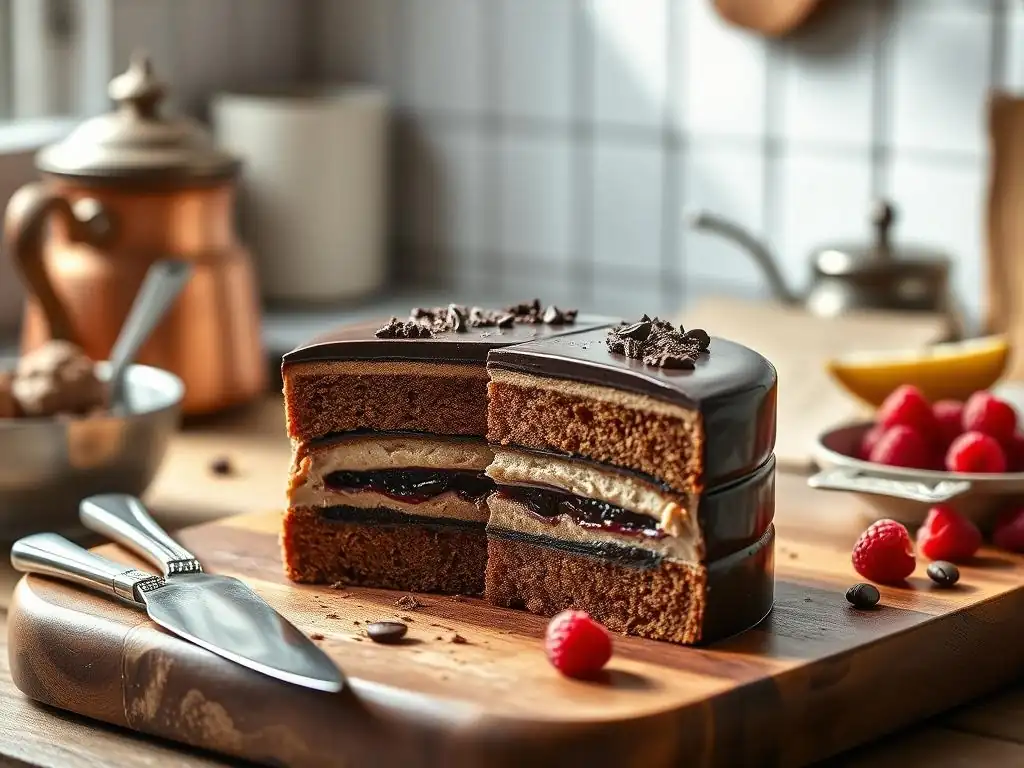
Mastering the Classic Opera Cake Glaze
The signature of the French Opera Cake is its flawless, glossy chocolate glaze. This is typically a pourable ganache applied over the chilled cake. Ensure your cake is thoroughly chilled before attempting to glaze it. Have your glaze ganache (the one with the slightly higher liquid/butter ratio) ready. It should be warm and pourable, around 30-35°C (85-95°F), but not hot enough to melt the buttercream.
Place the chilled cake on a wire rack set over a baking sheet to catch drips. Pour the warm ganache smoothly over the top center of the cake, allowing it to flow towards the edges. Use an offset spatula to gently guide the ganache and ensure it covers the entire top surface and flows down the sides. Work quickly but carefully to achieve a smooth, even coating without streaks or bare spots.
Avoid overworking the ganache once it starts to set. Let the excess ganache drip off, then use a spatula to clean up the bottom edge if needed. Allow the glaze to set at room temperature or in the refrigerator until firm and glossy before decorating further. This glossy finish is the final touch that elevates your easy French Opera Cake.
Creative Decoration Ideas for Your Opera Cake: Chocolate Drip and Gold Leaf
While the classic Opera Cake decoration is a simple, perfect glaze, you can add creative touches. The traditional finish involves writing "Opéra" on top in melted chocolate and sometimes adding edible gold leaf. To write "Opéra," melt a small amount of dark chocolate, transfer it to a piping bag fitted with a fine tip or a parchment cone, and carefully pipe the word onto the set glaze.
For a more modern or elaborate look on your easy French Opera Cake, consider:
- Chocolate Drip: Instead of a full pour, apply the glaze towards the center and use a spoon or piping bag to create controlled drips down the sides before covering the top.
- Gold Leaf: Edible gold leaf can be applied to the top or sides for a touch of luxury. Use tweezers to handle the delicate leaf and gently press it onto the set glaze or buttercream.
- Chocolate Decorations: Pipe small chocolate swirls or create tempered chocolate shards to place on top of the cake.
- Coffee Bean Garnish: A few chocolate-covered coffee beans can reinforce the coffee theme and add texture.
Remember to apply any additional decorations after the main glaze has set. These personal touches can make your homemade easy French Opera Cake truly unique.
Tips and Tricks for a Perfect French Opera Cake
Troubleshooting Common Opera Cake Baking Problems
Baking an Easy French Opera Cake can present a few challenges, but understanding common issues helps you troubleshoot.
- Dry Joconde: This often happens if the sponge is overbaked or not soaked enough with syrup. Ensure you bake for the minimum time until just set and generously soak the cooled layers.
- Buttercream Separation: If your buttercream looks curdled, it's usually a temperature issue. If too cold, gently warm the side of the bowl with a torch or hot towel while beating. If too warm, chill the bowl for a few minutes and re-beat. Keep beating; it often comes back together.
- Ganache is Too Thick/Thin: Adjust consistency by gently warming to thin (add a tiny bit more warm cream if needed) or chilling to thicken. Ensure chocolate is finely chopped for melting.
- Glaze is Streaky or Uneven: The cake wasn't cold enough, the glaze was too hot, or it was overworked. Ensure the cake is well-chilled, the glaze is the correct temperature (warm, not hot), and pour and spread quickly.
Patience and attention to detail are your best tools when tackling these potential issues with your easy French Opera Cake.
Pro Baking Secrets for an Opera Cake
Elevate your easy French Opera Cake with a few professional tips:
- Use High-Quality Ingredients: Especially for the chocolate and coffee. Their flavor is prominent and makes a significant difference.
- Measure by Weight: For accuracy in baking, particularly with ingredients like flour, sugar, and eggs, using a kitchen scale is highly recommended.
- Prepare Ahead: Make the components (Joconde, syrup, even ganache) a day in advance. This breaks down the work and allows chilling time, making assembly easier.
- Chill Between Steps: Chill the Joconde after baking, the assembled cake before glazing, and the glazed cake before slicing. Chilling is key to clean cuts and stability.
- Use Sharp Tools: A hot, sharp knife is essential for trimming and slicing the finished cake cleanly. Dip the knife in hot water and wipe dry between slices.
These small efforts can make a big difference in the final outcome of your easy French Opera Cake, giving it a polished, professional look and taste.
Storing and Serving Your Delicious Opera Cake
Once your easy French Opera Cake is assembled and glazed, it needs to be stored properly to maintain its freshness and texture. Keep the cake refrigerated in an airtight container. The buttercream and ganache layers help keep the cake moist. It will keep well in the refrigerator for 3-4 days. For longer storage, individual slices or the entire cake can be tightly wrapped in plastic wrap and then foil and frozen for up to 1 month. Thaw in the refrigerator overnight before serving.
To serve, remove the cake from the refrigerator about 15-20 minutes before slicing to allow the flavors to open up slightly and the textures to soften just a touch. Use a sharp knife dipped in hot water and wiped clean for each slice to ensure clean cuts. Serve slices at cool room temperature for the best experience. The combination of the cool, firm layers and intense flavors is best appreciated this way, making every bite of your easy French Opera Cake a moment to savor.
Variations and Adaptations of the Opera Cake Recipe
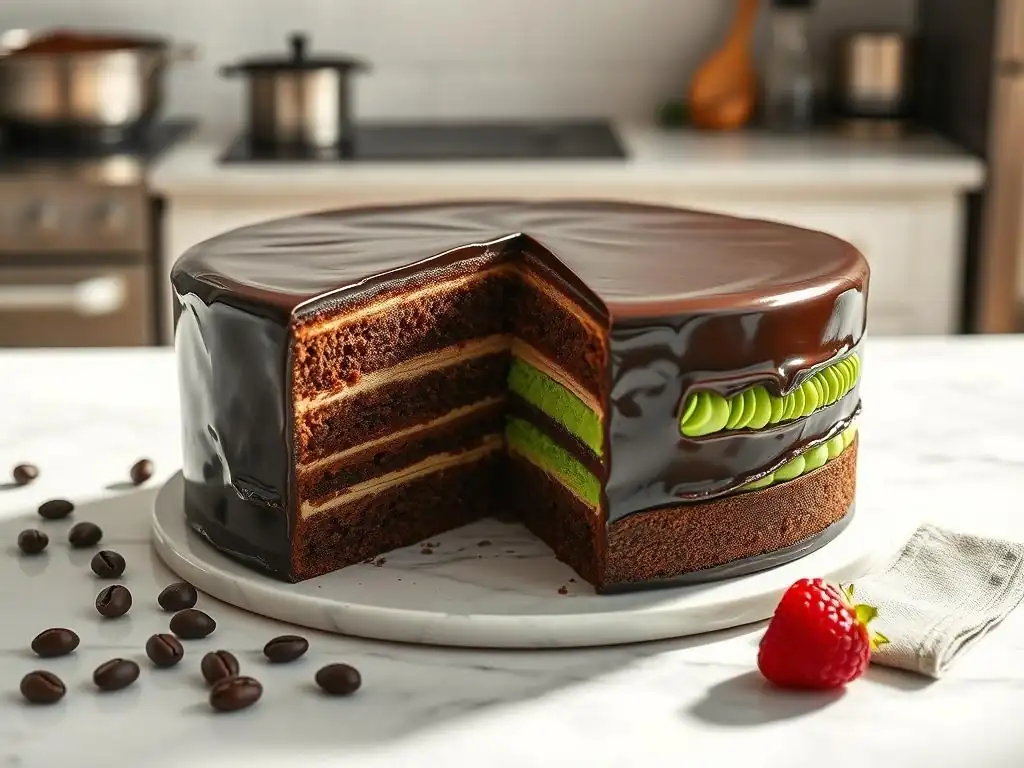
Raspberry Opera Cake
While the classic Opera Cake features coffee and chocolate, variations offer exciting new flavor profiles. A Raspberry Opera Cake is a popular adaptation, substituting the coffee elements with raspberry. The Joconde sponge can remain the same or be flavored slightly with almond extract. The coffee syrup is replaced with a raspberry syrup, often made from fresh raspberries, sugar, and water, sometimes with a touch of raspberry liqueur.
The coffee buttercream is swapped for a raspberry buttercream, which can be made by incorporating a concentrated raspberry puree or freeze-dried raspberry powder into a standard meringue-based buttercream. The chocolate ganache layer remains, providing a rich counterpoint to the fruit. Some versions also include a layer of fresh raspberries or a raspberry gelée between the cake layers. This adaptation provides a bright, fruity twist on the traditional easy French Opera Cake, perfect for those who love the structure but prefer fruit flavors over coffee.
Gluten-Free Opera Cake
Adapting the easy French Opera Cake recipe to be gluten-free is achievable, primarily by modifying the Joconde sponge. The traditional Joconde already relies heavily on almond flour, but typically includes a small amount of wheat flour. To make it gluten-free, the all-purpose flour can be replaced with a gluten-free flour blend or omitted entirely if using a higher proportion of almond flour. Ensure the gluten-free flour blend is suitable for cakes and contains a binder like xanthan gum, or add a small amount of xanthan gum yourself (e.g., 1/4 teaspoon per cup of flour).
The rest of the Opera Cake components – the coffee syrup, coffee buttercream, and chocolate ganache – are naturally gluten-free, provided all ingredients used are certified gluten-free (check labels on chocolate, extracts, etc.). Follow the standard instructions for these layers. The key challenge is ensuring the gluten-free Joconde sponge is still moist and pliable enough to soak and layer without breaking. Careful handling and proper soaking are even more important for a gluten-free easy French Opera Cake.
Mastering French Baking Classics with BakeWithEase
More French Baking Recipes to Explore
Once you've successfully baked your Easy French Opera Cake, a world of other French baking classics awaits! BakeWithEase.com is your resource for exploring these delightful pastries and breads. Consider tackling the delicate French Macarons, known for their crisp shells and creamy fillings, which require precision and patience. Or perhaps dive into the flaky layers of Croissants or Pain au Chocolat, a weekend baking project that is incredibly rewarding.
Other classics include the elegant Tarte au Citron (Lemon Tart), the rustic Tarte Tatin (Caramelized Apple Tart), or the simple yet perfect Madeleines. Each recipe offers unique techniques and challenges that build your baking skills. Exploring these recipes, from the complexity of layered pastries to the subtlety of classic tarts, deepens your appreciation for French patisserie and expands your repertoire beyond the easy French Opera Cake.
From Opera Cake to Macarons: Elevate Your Baking Skills
Moving from an easy French Opera Cake to other French baking classics like Macarons or Croissants represents a natural progression in developing your baking expertise. The Opera Cake teaches you precision in layering, temperature control for ganache and buttercream, and the importance of chilling. Macarons hone your skills in meringue making, precise mixing (macaronage), and controlled baking. Croissants teach you the art of lamination – creating countless thin layers of dough and butter through folding and rolling.
Each new French baking challenge introduces specific techniques and requires attention to detail. By practicing these recipes, you not only create delicious treats but also build a solid foundation in fundamental baking principles that apply to many other areas of pastry. Embrace the learning process, celebrate your successes, and learn from the attempts that don't go perfectly. With resources like BakeWithEase, mastering these techniques, starting with something like an easy French Opera Cake, is an exciting journey of culinary growth.
Conclusion: Enjoy Your Homemade French Opera Cake
Celebrate Your Baking Success with BakeWithEase
Congratulations! You've tackled the iconic French Opera Cake, following our easy recipe to create a stunning and delicious dessert right in your own kitchen. From mastering the delicate Joconde sponge and silky coffee buttercream to achieving a perfect glossy chocolate glaze, you've navigated the steps required for this classic French pastry. Baking an Opera Cake is a significant achievement, and you should be incredibly proud of your accomplishment.
Now is the time to slice into your masterpiece and savor the harmonious blend of coffee, chocolate, and almond flavors. Share it with friends and family, or simply enjoy a quiet moment appreciating your hard work. Remember that baking is a journey, and every recipe you successfully complete builds your confidence and skills. We hope this easy French Opera Cake recipe has inspired you to explore more French baking classics. Visit BakeWithEase.com for more recipes, tips, and techniques to continue your baking adventure!
Frequently Asked Questions
How difficult is the French Opera Cake recipe on BakeWithEase?
The recipe is designed to be easy to follow, even for beginner bakers. It breaks down each step with clear instructions and helpful tips.
What makes this Opera Cake recipe "easy"?
This recipe focuses on streamlined techniques and uses easy-to-find ingredients. We've simplified the traditional process without compromising on the authentic flavor.
What if I'm new to making pastries?
BakeWithEase provides step-by-step guides and detailed explanations for each component of the cake, making it accessible for all skill levels.
Can I substitute any ingredients in this Opera Cake recipe?
While we recommend sticking to the recipe for the best results, you can sometimes substitute ingredients based on dietary needs. However, this may alter the final texture and flavor. Always research substitutions before making them.
How long does it take to bake the Easy French Opera Cake?
The entire process, including preparation and baking, takes approximately 3-4 hours. This includes chill time for the cake layers and ganache.
Final Reflection: The Enduring Allure of the Opera Cake
The seemingly complex elegance of the French Opera cake is now within everyone's reach. This recipe demystifies a classic, proving that culinary mastery isn't reserved for professional pastry chefs. The accessibility of this recipe, coupled with the undeniable deliciousness of the final product, makes it a perfect example of how tradition can be both preserved and democratized.
The journey of creating this cake, from the delicate layers of almond sponge to the rich coffee buttercream, is a testament to the power of patience and precision in baking. It's a process that mirrors life itself, requiring careful attention to detail to achieve a truly satisfying result. The art of baking is not just about following a recipe; it's about understanding the science behind it and infusing it with your own creativity.
This sentiment resonates deeply, as the slight variations in technique and ingredient quality can dramatically affect the final outcome, highlighting the importance of mindful engagement in the process.
Now, it's your turn. Don't be intimidated by the seemingly intricate nature of the Opera cake. Embrace the challenge, savor the process, and experience the joy of creating something beautiful and delicious. The reward – a slice of Parisian elegance in your own kitchen – is well worth the effort. So, gather your ingredients, put on your apron, and bake your own piece of history. You might be surprised at what you discover about yourself along the way.
Unleash Your Inner Pâtissier: Master the Opera Cake!
Thanks for joining us on this delicious journey into the world of French patisserie! We hope you now feel confident tackling this iconic cake. Ready to take your baking skills to the next level?
- Bake your own Opera Cake: Gather your ingredients and follow the recipe again – you'll be amazed at how much easier it is the second time around! This is your chance to perfect your technique and impress your friends.
- Share your creation: Post a picture of your masterpiece on social media and tag us! We'd love to see your delicious results. #BakeWithEase #OperaCakeChallenge
- Explore other classic French desserts: Ready for a new challenge? Check out our recipe index for more delectable treats from France!
What unique twist will you add to your Opera Cake to make it truly your own? Let's hear about your baking adventures in the comments below!