
Your Guide to Baking Classic French Petits Fours

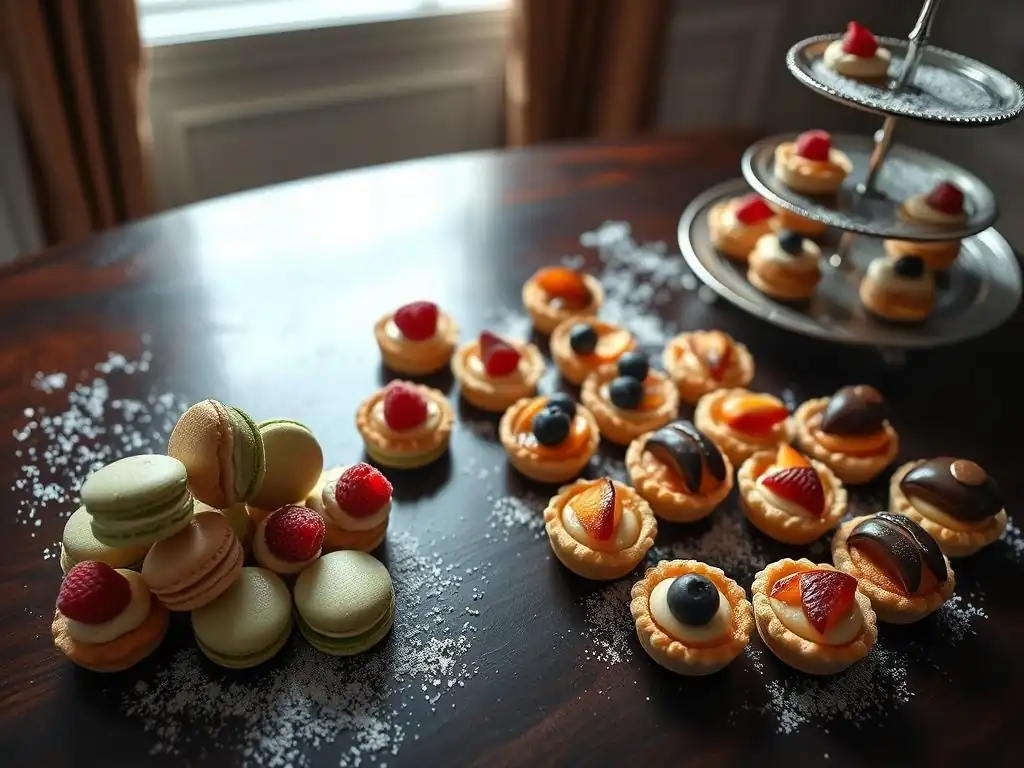
Welcome to BakeWithEase, where mastering the magic of baking becomes delightfully simple! Ever dreamt of recreating those elegant, bite-sized confections found in Parisian patisseries? Today, we unlock the secrets with our guide to a classic French petit fours recipe. Prepare to embark on a delectable journey, transforming simple ingredients into miniature masterpieces. What are you waiting for? Let's begin!
- Mastering French Macarons: A Comprehensive Guide | BakeWithEase.com
- Introduction to French Macarons
- Understanding the Essential Components of a Macaron Recipe
- Classic French Macaron Recipe: A Step-by-Step Baking Guide
- Coloring and Flavoring Your Homemade French Macarons
- Tips and Tricks for Baking Perfect Macarons Every Time
- Variations on the Classic Macaron Recipe
- Conclusion: Enjoying Your Exquisite Homemade Macarons
- Frequently Asked Questions
- Final Reflection: The Enduring Allure of the Petit Four
- Unleash Your Inner Pâtissier: Master the Art of Petits Fours!
Mastering French Macarons: A Comprehensive Guide | BakeWithEase.com
Introduction to French Macarons
Macarons are exquisite French confections, distinct from macaroons, which are typically dense coconut cookies. Parisian macarons, the focus here, are delicate sandwich cookies made from almond flour, powdered sugar, and egg whites, baked into smooth, light shells that are joined together with a flavorful filling. Their characteristic appearance includes a flat bottom and a ruffled edge, known as the "foot" or "pied," which lifts during baking. These elegant treats are a staple in French patisseries and are sometimes considered alongside other small, intricate items often found in a collection of classic French petit fours recipe creations.
The beauty of macarons lies in their textural contrast: a slightly crisp exterior shell yields to a soft, chewy interior, perfectly complemented by a creamy or jammy filling. While seemingly simple, achieving the perfect macaron shell requires precision and attention to detail. Mastering this delicate balance of ingredients and technique is a rewarding challenge for any home baker looking to elevate their skills and explore the world of classic French petit fours recipe techniques.
Why Perfect the Art of Macarons?
Perfecting the art of baking macarons is a journey that refines your precision and patience in the kitchen. It's a highly rewarding process that results in stunning, customizable treats. The ability to consistently produce macarons with smooth shells and prominent feet is a mark of baking skill and offers immense satisfaction. Sharing a batch of homemade macarons, perhaps as part of a classic French petit fours recipe assortment, is sure to impress friends and family with their beauty and delicate flavor.
Beyond the personal accomplishment, macarons offer unparalleled versatility. Once you master the basic technique, the possibilities for flavor and color combinations are virtually endless. This allows for creative expression and the ability to tailor treats for specific occasions, seasons, or personal preferences, making them a delightful addition to any baker's repertoire, much like exploring different styles within a classic French petit fours recipe collection.
BakeWithEase: Your Resource for Precision Baking
BakeWithEase is dedicated to guiding bakers of all levels through the nuances of baking, making even seemingly complex recipes accessible and achievable. We believe that with clear instructions and helpful tips, anyone can create beautiful and delicious baked goods. Mastering macarons, or any classic French petit fours recipe, requires a focused approach, and our resources are designed to provide you with the confidence and knowledge needed to succeed.
Our step-by-step guides break down intricate processes into manageable steps, ensuring you understand the 'why' behind each technique. Whether you're a beginner attempting your first batch or looking to refine your skills, BakeWithEase offers the support and information necessary to achieve consistently excellent results. Consider us your partner in exploring the delightful world of French baking, from simple cookies to ambitious projects like the classic French petit fours recipe variations.
Understanding the Essential Components of a Macaron Recipe
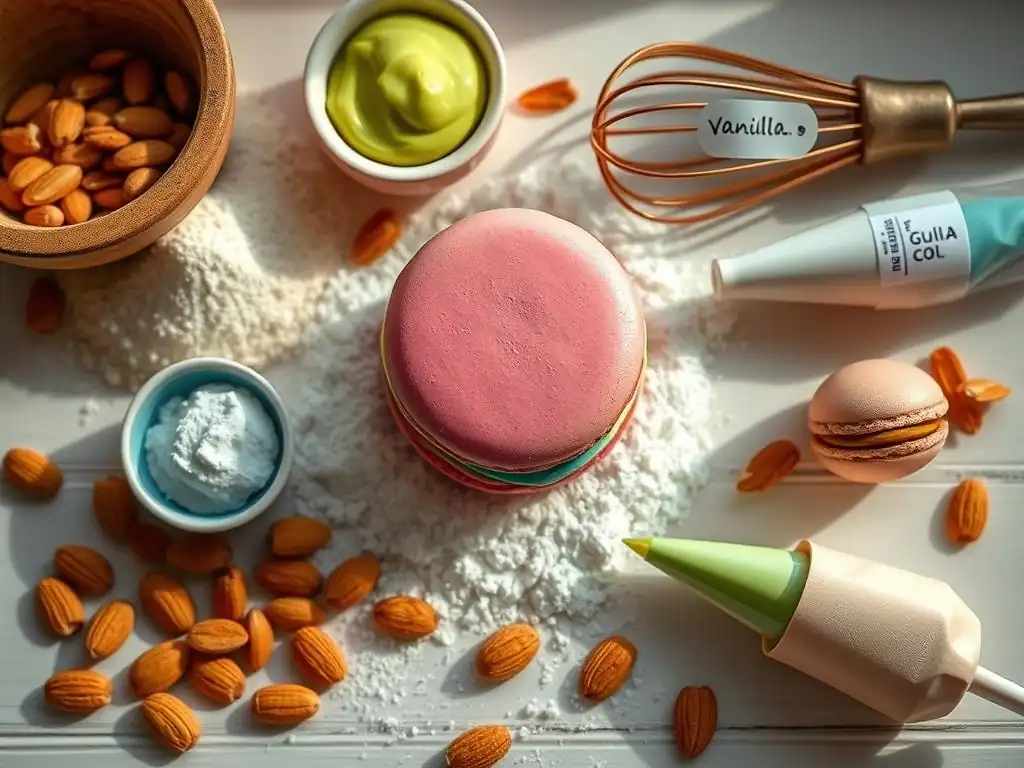
The Macaron Shell: Italian vs. French Meringue
The heart of a macaron shell is the meringue, which provides structure and lift. There are two primary methods for making macaron meringue: the French method and the Italian method. The French method involves whipping granulated sugar gradually into raw egg whites until stiff peaks form, then folding in the dry ingredients (almond flour and powdered sugar). This is often considered simpler but can be less stable, potentially leading to hollow shells or inconsistent feet, which are undesirable traits when aiming for a perfect classic French petit fours recipe presentation.
The Italian method, often favored for its stability, involves making a hot sugar syrup (typically reaching 118°C or 244°F) and pouring it into whipping egg whites to create a cooked meringue. This meringue is then mixed with a paste made from almond flour, powdered sugar, and some raw egg white. The Italian method generally produces more reliable results, including consistently full shells and well-defined feet, making it the preferred technique for many professional bakers and the one we will focus on for achieving reliable classic French petit fours recipe style macarons.
Filling Options: Buttercreams, Ganaches, and Jams
The filling is the perfect complement to the delicate macaron shell, adding moisture, flavor, and textural contrast. Classic fillings include French buttercream, Swiss meringue buttercream, or Italian meringue buttercream, which offer a smooth, rich texture and can be flavored in countless ways. Ganache, a mixture of chocolate and cream, provides a decadent option and sets firmly, making filled macarons easier to handle. Fruit jams or curds offer bright, tangy flavors that cut through the sweetness of the shells.
Choosing the right filling is crucial for balancing the overall taste and texture of your macarons. A firmer filling like ganache or a stable buttercream is generally recommended as it helps keep the shells together and provides structural integrity. Experimenting with different fillings allows for creative expression and the ability to pair flavors harmoniously, adding another layer of delight to your homemade classic French petit fours recipe inspired macarons.
Coloring: Achieving Vibrant and Consistent Colors
Achieving vibrant and consistent colors is key to the visual appeal of macarons. Gel or powder food colorings are highly recommended over liquid colorings, as liquid options can add too much moisture to the batter, negatively impacting texture and potentially preventing the formation of the characteristic "foot." Gel colors are concentrated and provide intense hues without significantly altering the batter consistency.
Add the coloring during the macaronage phase or slightly before, ensuring it is thoroughly and evenly mixed to avoid streaks. For deep colors, you may need a significant amount of gel color. Remember that colors can deepen slightly during baking. Using high-quality gel colors will ensure bright, true colors that make your macarons visually stunning, fitting for any collection of classic French petit fours recipe delights.
Equipment: Essential Tools for Macaron Success
Having the right tools is paramount when baking macarons, as precision is key. A digital kitchen scale is essential for accurately measuring ingredients; even small variations can affect the outcome. An electric mixer (stand mixer is ideal) is needed to whip the meringue to stiff peaks. A sugar thermometer is necessary for the Italian meringue method to ensure the sugar syrup reaches the correct temperature (118°C / 244°F).
Other important tools include sifting equipment for the almond flour and powdered sugar, piping bags and round tips (like an Ateco 805 or 806) for forming the shells, silicone baking mats or parchment paper for lining baking sheets, and flat baking sheets. Using silicone mats with pre-marked circles can help ensure uniform size and shape, contributing to a professional look for your classic French petit fours recipe macarons.
Classic French Macaron Recipe: A Step-by-Step Baking Guide
Ingredients List for Perfect Macarons
Creating beautiful and delicious macarons starts with precise measurements of quality ingredients. For this classic French petit fours recipe adaptation focusing on macarons, we'll use the Italian meringue method for reliability. Ensure your egg whites are aged (separated and left at room temperature for a few hours or in the fridge overnight) as this can improve stability.
Using superfine almond flour is crucial for smooth shells; if yours isn't superfine, pulse it briefly in a food processor with the powdered sugar before sifting. This recipe yields approximately 30-40 assembled macarons, perfect for sharing or adding to a classic French petit fours recipe platter.
Ingredients for the Shell (Italian Meringue)
- 150g Aged Egg Whites (divided into 2x 75g portions)
- 150g Fine Almond Flour
- 150g Powdered Sugar
- 150g Granulated Sugar
- 50ml Water
Ingredients for the Filling (Vanilla Bean Buttercream)
- 100g Unsalted Butter, softened
- 200g Powdered Sugar, sifted
- 2 tbsp Milk or Cream
- 1 tsp Vanilla Bean Paste or Extract
Ingredients for Coloring (Gel Food Coloring)
- Gel food coloring of your choice (e.g., a few drops of pink or blue)
Preparing the Macaron Batter
The preparation phase involves creating the meringue and then combining it with the dry ingredients through a process called macaronage. Each step requires careful execution to develop the correct batter consistency, which is key to forming smooth shells that bake correctly with the desired "feet," a hallmark of well-made macarons that distinguishes them from other classic French petit fours recipe items.
Accuracy in temperature for the syrup and technique in folding are non-negotiable. Don't rush any stage, especially the macaronage, as this is where the batter develops its flow and texture.
Step 1: Making the Italian Meringue
Begin by combining the granulated sugar and water in a small saucepan. Heat over medium heat, stirring until the sugar dissolves. Once boiling, stop stirring and monitor the temperature with a sugar thermometer. While the syrup heats, start whipping 75g of the aged egg whites in a clean stand mixer bowl until soft peaks form.
When the sugar syrup reaches 118°C (244°F), remove it from the heat. With the mixer on medium speed, slowly and carefully pour the hot syrup down the side of the bowl into the whipping egg whites. Increase the speed to high and continue whipping until the meringue is glossy, stiff, and has cooled significantly (the bowl should feel only slightly warm to the touch). This process can take 8-10 minutes.
Step 2: Macaronage: Achieving the Right Consistency
In a separate large bowl, combine the almond flour and powdered sugar. Add the remaining 75g of aged egg whites to this dry mixture and mix with a spatula until it forms a thick paste, sometimes called tant pour tant. If using gel food coloring, mix it into this paste now until the color is uniform.
Add about one-third of the Italian meringue to the almond paste mixture. Fold gently with a spatula to loosen the paste. Add the remaining meringue in two additions, folding carefully each time. The macaronage process involves folding and scraping the batter against the side of the bowl.
The goal is to deflate the meringue slightly and develop a lava-like consistency that flows slowly and smoothly off the spatula, forming ribbons. This is the trickiest step; over-mixing will result in flat, footless shells, while under-mixing will lead to lumpy shells that crack. Test the consistency by lifting the spatula; the batter should flow in a continuous ribbon and slowly reabsorb into the main batter within 10-15 seconds.
Step 3: Piping the Macarons
Transfer the macaron batter into a piping bag fitted with a round tip (e.g., Ateco 805). Hold the piping bag vertically and pipe small, uniform circles onto baking sheets lined with silicone mats or parchment paper. Leave about 2 cm (¾ inch) of space between each macaron to allow for spreading. Silicone mats with pre-printed circles are helpful for achieving consistent size, which is important for pairing shells later and ensures a professional presentation akin to other classic French petit fours recipe items.
Once piped, firmly tap the baking sheets on the counter several times to release any air bubbles trapped in the batter. This step is crucial for preventing cracked shells and achieving a smooth surface. Use a toothpick or scribe to pop any visible air bubbles on the surface of the piped circles.
Baking the Macarons
Baking macarons correctly is as much about preparation as it is about oven technique. The resting period allows a skin to form on the shells, which helps the 'feet' develop properly. The oven temperature and baking time need to be precise to achieve the desired texture – crisp on the outside, chewy on the inside – without browning the delicate shells.
Every oven is different, so it's important to know your oven's hot spots and potentially use an oven thermometer for accuracy. Consistent heat is key to preventing cracked or lopsided shells, issues that detract from the refined appearance expected of classic French petit fours recipe components.
Step 1: Resting the Macarons
After piping and tapping, the macarons need to rest uncovered at room temperature. This resting period, often called 'curing,' allows a thin skin to form on the surface of the shells. The duration of resting depends on the humidity of your environment but typically ranges from 30 minutes to 2 hours. The shells are ready to bake when you can lightly touch the surface without the batter sticking to your finger.
This skin formation is essential because it creates resistance against the expanding air inside the shell during baking. This forces the air downwards, creating the characteristic "foot" at the base of the macaron. Skipping or shortening this step is a common cause of cracked shells, undermining the effort put into preparing the batter for these classic French petit fours recipe style cookies.
Step 2: Baking Time and Temperature for Optimal Feet
Preheat your oven to 150°C (300°F). It's often recommended to use a convection setting if available, as it provides more even heat circulation, crucial for uniform baking and foot development across the entire batch. Place one baking sheet at a time in the center of the oven.
Bake for approximately 12-18 minutes. The exact time will vary depending on your oven and the size of your macarons. Macarons are done when they are stable on their feet and the shells don't wiggle when gently nudged. If they still move, bake for another 1-2 minutes. Be careful not to overbake, as this will result in dry, brittle shells instead of the desired crisp-chewy texture fundamental to a good classic French petit fours recipe macaron.
Step 3: Cooling and Removing the Macarons
Once baked, remove the baking sheet from the oven and let the macarons cool completely on the sheet before attempting to remove them. This cooling period is vital as warm macarons are fragile and prone to breaking. Allowing them to cool fully on the silicone mat or parchment paper ensures they release cleanly without damaging the delicate shell or foot.
Attempting to peel them off too soon will likely result in shells sticking or breaking. Once cooled, the macarons should lift easily from the mat or paper. If they are sticking, they may need a little more baking time in the next batch, or they weren't fully cooled. Proper cooling is the final step before filling, ensuring your classic French petit fours recipe macarons are ready for assembly.
Assembling and Filling Your Macarons
Assembling macarons is where your beautiful shells come together with delicious fillings to create the final product. This step is straightforward but contributes significantly to the finished look and taste. Patience is required, especially during the maturing phase, which enhances the texture.
Uniformity in shell size, achieved during piping, makes pairing much easier and results in a more professional presentation. Take care when handling the delicate shells during filling and assembly.
Step 1: Pairing the Shells
Once the macaron shells are completely cooled, gently peel them off the baking sheet liner. Arrange the shells in pairs of similar size and shape. Place one shell flat side up on your work surface. This ensures that when you pipe the filling, you have a matching top shell ready.
This pairing step is important for creating uniform, aesthetically pleasing macarons. It also helps you estimate how much filling you will need for the batch. Aim to match shells that are as close in diameter and height as possible for the best fit, contributing to the polished look of your classic French petit fours recipe macarons.
Step 2: Piping the Filling
Transfer your prepared filling (like the vanilla bean buttercream) into a piping bag. You can use a round tip or no tip, depending on the consistency of your filling and desired look. Pipe a dollop of filling onto the flat side of one of the paired macaron shells. The amount of filling should be generous enough to reach the edges when the top shell is added, but not so much that it overflows excessively.
Gently place the matching top shell onto the filling and press down lightly until the filling spreads to the edges. Avoid pressing too hard, as this can crack the delicate shells. Repeat for all paired shells until all your classic French petit fours recipe macarons are assembled.
Step 3: Maturing the Macarons
Assembled macarons are best enjoyed after a period of 'maturing' or 'resting' in the refrigerator. This allows the moisture from the filling to permeate the shells, softening the interior and creating the signature chewy texture while the exterior remains crisp. This process melds the flavors of the shell and filling beautifully.
Place the assembled macarons in an airtight container and refrigerate for at least 24 hours before serving. While tempting to eat them immediately, this maturing time significantly improves their texture and flavor. Properly matured classic French petit fours recipe macarons have a delightful balance of textures and intensified flavors.
Coloring and Flavoring Your Homemade French Macarons
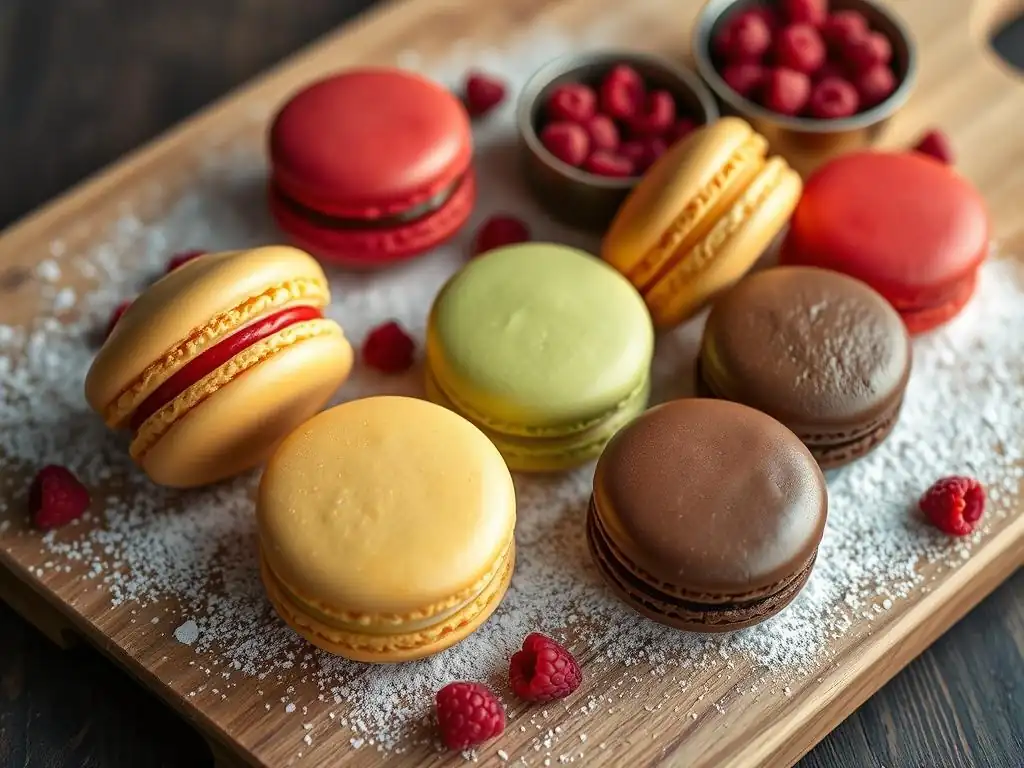
Achieving Vibrant Colors with Gel Food Coloring
As mentioned earlier, gel food coloring is the superior choice for macarons due to its concentration and minimal added moisture. To achieve vibrant colors, add the gel coloring to the almond paste mixture (the tant pour tant) before adding the meringue. This allows you to achieve a uniform base color.
You can add more color during the macaronage phase if needed, but be cautious not to overmix the batter while incorporating additional color. Start with a few drops and add more gradually until you reach the desired hue. Remember that the color may deepen slightly during baking. For example, achieving a deep red might require a significant amount of high-quality gel color, but the result will be stunning, making your classic French petit fours recipe macarons visually pop.
Infusing Flavors into the Shells and Fillings
Flavor can be added to both the macaron shells and the fillings, offering endless possibilities for customization. For shells, extract powders (like vanilla bean powder or freeze-dried fruit powder) can be added to the dry ingredients. Liquid extracts can be used sparingly in the almond paste phase, but too much can disrupt the batter consistency. Cocoa powder can replace a small portion of the almond flour for chocolate shells.
Fillings are the easiest place to incorporate flavor. Extracts, zests, fruit purees, melted chocolate, coffee powder, spice blends, or even finely chopped nuts can be mixed into buttercreams, ganaches, or jams. The key is to use concentrated flavorings that don't add excessive liquid, ensuring the filling maintains the right consistency to complement the shells of your classic French petit fours recipe macarons.
Creative Flavor Combinations for Stunning Macarons
Once you have the basic technique down, the fun begins with flavor combinations. Think about classic pairings or get creative with unexpected blends. Here are a few ideas popular in classic French petit fours recipe collections and beyond:
Salted Caramel Macarons
Shells infused with a hint of caramel extract or color, filled with a rich, buttery salted caramel sauce or a salted caramel buttercream. The balance of sweet and salty is incredibly satisfying.
Raspberry Rose Macarons
Delicate pink shells (colored with gel) often flavored subtly with rosewater or freeze-dried raspberry powder, filled with a vibrant raspberry jam or a rose-flavored white chocolate ganache. A classic floral and fruity pairing.
Pistachio Macarons
Light green shells (colored with gel), sometimes with finely ground pistachios added to the dry mix, filled with a creamy pistachio paste buttercream or ganache. Offers a nutty, sophisticated flavor popular in classic French petit fours recipe assortments.
Tips and Tricks for Baking Perfect Macarons Every Time
Baking macarons can be finicky, but armed with a few key tips, you can significantly increase your chances of success. Consistency, precision, and patience are your best friends in this endeavor, much like mastering any intricate classic French petit fours recipe. Don't be discouraged if your first batch isn't perfect; practice makes perfect!
Keep detailed notes of your process, ingredients, and oven settings. This helps you identify what works and what doesn't, allowing you to make adjustments for future batches.
Achieving a Perfectly Smooth Shell
A smooth shell is a sign of proper macaronage and effective tapping to remove air bubbles. Ensure your almond flour is extra fine and sifted thoroughly with the powdered sugar. Any larger particles will result in bumpy shells. Overmixing the batter during macaronage can also lead to a rough surface texture.
After piping, vigorous tapping of the baking sheet on the counter is crucial to bring any remaining air bubbles to the surface. Use a toothpick to pop any bubbles that appear. Allowing the shells to rest sufficiently to form a skin before baking also contributes to a smooth, unblemished surface, essential for the visual appeal of classic French petit fours recipe inspired macarons.
Preventing Cracked Shells and Hollows
Cracked shells and hollow interiors are common issues in macaron baking. Cracked shells are often caused by insufficient resting time, uneven oven temperature, or trapped air bubbles. Ensure the shells rest until a skin forms that can be gently touched without sticking. Use an oven thermometer to verify your oven's temperature is accurate and consistent. Tap the trays firmly after piping to eliminate air bubbles.
Hollow shells can result from under-macaronage (batter too thick), over-whipping the meringue, or sometimes oven temperature issues. Ensure your macaronage reaches the "lava-like" ribbon consistency. The Italian meringue method tends to produce fuller shells more reliably than the French method. Experimenting with slight variations in baking temperature (e.g., slightly lower and longer) can sometimes help with hollows. Achieving full, crack-free shells is a key indicator of successful classic French petit fours recipe macaron technique.
Storing Your Macarons for Maximum Freshness
Once assembled and matured, macarons are best stored in an airtight container in the refrigerator. This helps the flavors meld and maintains the desired texture. They will keep well in the fridge for 3-5 days.
For longer storage, macarons freeze exceptionally well. Place them in a single layer in an airtight container, separated by parchment paper if stacking. Freeze for up to 2-3 months. To thaw, transfer the container to the refrigerator overnight and let them come to room temperature for about 15-20 minutes before serving. Proper storage ensures your efforts in creating these classic French petit fours recipe macarons are preserved.
Variations on the Classic Macaron Recipe
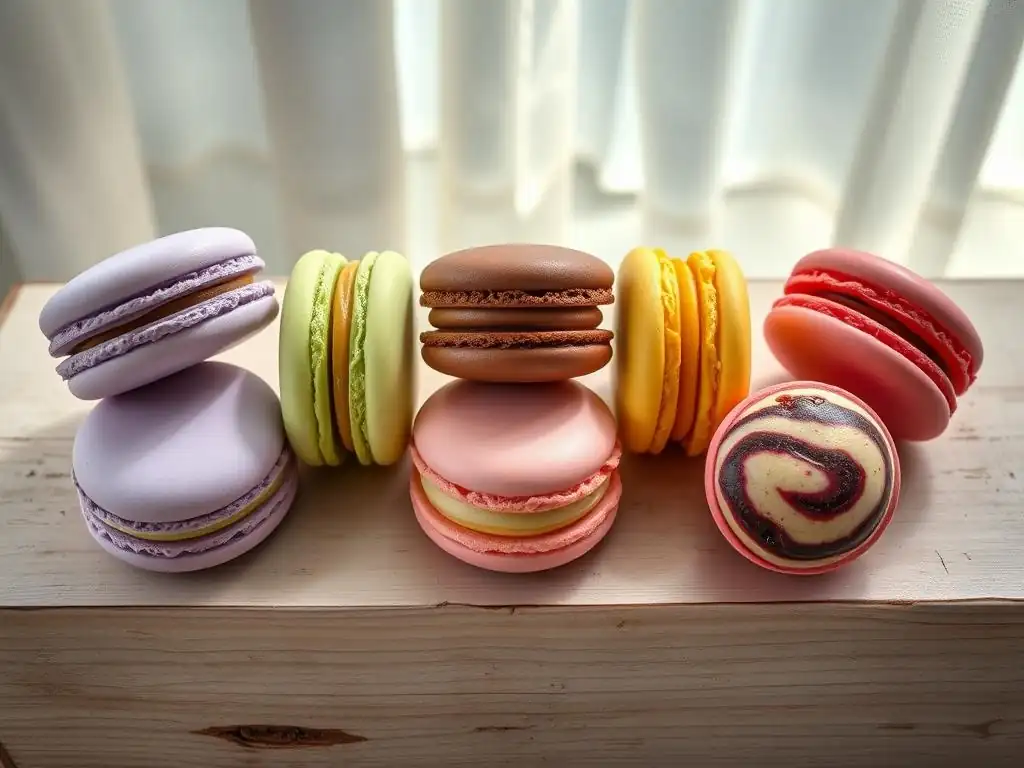
While the vanilla bean buttercream macaron is a classic, the basic macaron shell recipe can be adapted to create a multitude of flavors. These variations typically involve altering the flavor or color of the shell, adding inclusions, or changing the filling entirely. Exploring these variations allows you to expand your repertoire beyond the basic classic French petit fours recipe macaron.
Remember that adding powders (like cocoa or freeze-dried fruit) to the dry ingredients requires replacing an equal small amount of almond flour/powdered sugar to maintain the correct ratio. Adding liquids or extracts directly to the batter should be done sparingly, usually during the almond paste stage.
Chocolate Macarons Recipe
To make chocolate shells, replace about 10-15g of the sifted powdered sugar with high-quality unsweetened cocoa powder. Sift it thoroughly with the almond flour and remaining powdered sugar. Proceed with the Italian meringue method as usual. Pair these dark shells with fillings like chocolate ganache, raspberry buttercream, or coffee filling for rich flavor combinations, perfect additions to a classic French petit fours recipe assortment.
Coffee Macarons Recipe
Infuse shells with coffee flavor by adding a small amount of espresso powder (dissolved in a tiny bit of extract if needed, or added dry if superfine) to the almond paste mixture. Alternatively, pair classic shells with a coffee-flavored buttercream or ganache filling. A common approach is to use 1-2 teaspoons of finely ground espresso powder or instant coffee powder mixed into the dry ingredients.
Lemon Macarons Recipe
Lemon flavor is typically added through the filling. A bright lemon curd or a lemon-flavored buttercream made with lemon zest and juice (used sparingly) works beautifully with classic shells. For a subtle hint of lemon in the shell, you could try adding a tiny amount of lemon zest powder to the dry ingredients, though this is less common than flavoring the filling. These tangy treats offer a refreshing contrast within a sweet classic French petit fours recipe collection.
Conclusion: Enjoying Your Exquisite Homemade Macarons
Baking macarons is a rewarding challenge that yields incredibly beautiful and delicious results. By following a precise recipe, understanding the key techniques like macaronage and meringue preparation, and paying attention to detail, you can create these delicate French cookies in your own kitchen. Whether you stick to classic flavors or experiment with creative combinations, the process of mastering macarons is a fulfilling one, adding a touch of Parisian elegance to your baking skills and expanding your knowledge of classic French petit fours recipe techniques.
Remember that practice is key. Don't be discouraged by imperfections in early batches. Each attempt is a learning opportunity that brings you closer to achieving macaron perfection. Enjoy the process, savor the results, and take pride in your ability to create these exquisite treats.
We love seeing what you bake! Once you've successfully created your classic French petit fours recipe macarons, snap some photos and share your baking journey and results with the BakeWithEase community. Connect with fellow bakers, share tips, ask questions, and celebrate your successes. Your experience can inspire others who are just starting their macaron journey or exploring other challenging bakes. Let's bake together with ease!
Frequently Asked Questions
What exactly are petit fours?
Petit fours are small, bite-sized confectionery or savory appetizers. The name translates to "small oven" in French, referring to their original baking process. They are often elegantly decorated and enjoyed as dessert delicacies.
What makes a petit four "French" and "classic"?
A classic French petit four typically involves multiple layers, intricate decoration, and a focus on high-quality ingredients. Common components include genoise sponge, buttercream, marzipan, and a glacé icing.
Are petit fours difficult to make at home?
While they require patience and attention to detail, petit fours are achievable for home bakers. BakeWithEase.com provides step-by-step guides and simplified recipes to make the process easier.
What are some common variations of petit fours?
Variations include petit fours secs (dry cookies), petit fours glacés (iced cakes), petit fours frais (fresh pastries), and petit fours déguisés (disguised; fruits or nuts covered in chocolate or marzipan). The "classic" refers to glacé.
Where can I find the ingredients needed for a classic French petit fours recipe?
Most ingredients, such as flour, sugar, eggs, butter, and almond paste, are readily available in most grocery stores. Specialty ingredients like glacé icing may be found at baking supply shops or online retailers.
Final Reflection: The Enduring Allure of the Petit Four
The meticulous art of crafting classic French petits fours remains surprisingly relevant today, a testament to the enduring power of exquisite detail and timeless elegance. In a world increasingly dominated by fast food and convenience, the dedication required to create these miniature masterpieces offers a powerful counterpoint – a reminder of the joy found in slowing down, focusing on quality, and savoring the fruits of patient labor. These tiny cakes are not just desserts; they are miniature works of art, each bite a celebration of skill and tradition.
The influence of French pastry, and the petit four in particular, on the global culinary landscape is undeniable. Its delicate balance of flavors and textures has inspired countless variations and reinterpretations, demonstrating its adaptability and enduring appeal. The very act of creating these tiny treats fosters a connection to a rich culinary history, a lineage stretching back centuries. The most beautiful things in the world cannot be seen or even touched - they must be felt with the heart.
This sentiment, though not directly about petits fours, perfectly encapsulates the emotional resonance these delicate confections evoke.
Now, I invite you to embrace the challenge. Don't just bake these petits fours; experience them. Feel the cool silkiness of the ganache, the crisp snap of the sugar work, the subtle dance of flavors on your tongue.
Let this guide be more than just a recipe; let it be a journey into a world of refined taste and meticulous craftsmanship. The next time you face a challenge, remember the patience and precision required to create a perfect petit four – and apply that same dedication to your own endeavors. The rewards, both tangible and intangible, will be well worth the effort.
Unleash Your Inner Pâtissier: Master the Art of Petits Fours!
Thanks for joining us on this delightful journey into the world of classic French Petits Fours! We hope you've gained the confidence and knowledge to create these elegant treats. Now it's time to put your newfound skills to the test!
- Bake your own batch of Petits Fours: Use the recipes and techniques we’ve shared to create your masterpiece. Don't be afraid to experiment with flavors and decorations!
- Share your creations: Post a picture of your Petits Fours on social media and tag us – we'd love to see your baking success!
- Challenge a friend to a Petits Fours baking duel: Spread the joy of baking and see who can create the most stunning pastries!
Ready to transform your kitchen into a Parisian patisserie? What unique flavor combination will you try first?