
GlutenFree & EggFree: Combining Diet Restrictions for Perfect Pastries

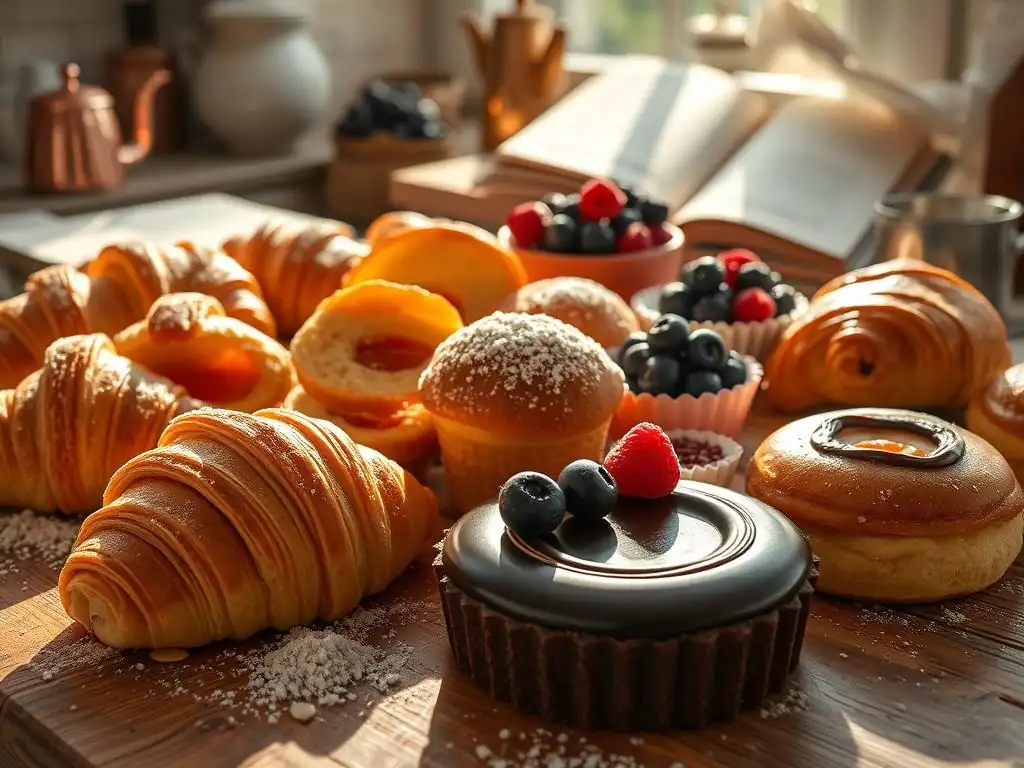
Welcome to BakeWithEase, your guide to delectable, stress-free baking! Ever thought achieving pastry perfection while navigating dietary restrictions was impossible? Think again. This week, we're diving into the surprisingly simple world of Glutenfree eggfree pastry recipes. Discover how to create flaky, flavorful pastries that cater to both gluten and egg sensitivities, unlocking a world of baking possibilities you never knew existed. Curious to learn the secrets? Let's get started!
- Introduction to Gluten-Free and Egg-Free Baking
- Understanding Gluten and Its Role in Baking
- The Importance of Eggs in Traditional Pastry
- Gluten-Free Egg-Free Pastry Recipes: Mastering the Techniques
- Troubleshooting Common Problems in Gluten-Free and Egg-Free Pastry Baking
- Tips for Achieving Perfect Gluten-Free Egg-Free Pastries
- Storing Your Gluten-Free and Egg-Free Pastries
- Conclusion: Enjoying Delicious Gluten-Free and Egg-Free Pastries
-
Frequently Asked Questions
- What makes gluten-free and egg-free baking so challenging?
- What are some common gluten-free flour blends used in egg-free pastry recipes?
- What can I use as an egg substitute in gluten-free pastry?
- Are gluten-free and egg-free pastries always dry and crumbly?
- Where can I find reliable gluten-free and egg-free pastry recipes?
- Final Reflection: Baking Beyond Limitations: A Flourishing Future for Gluten-Free and Egg-Free Baking
- Unlock Your Gluten-Free & Egg-Free Baking Potential!
Introduction to Gluten-Free and Egg-Free Baking
The Challenge of Combining Gluten and Egg Restrictions in Pastry
Embarking on the journey of creating gluten-free and egg-free pastries can feel like navigating a culinary minefield. Traditional pastry recipes heavily rely on both gluten for structure and eggs for binding, leavening, moisture, and richness. Gluten, a protein found in wheat, barley, and rye, forms an elastic network when mixed with liquid, providing the chewy texture and structural integrity needed for flaky pie crusts or airy cakes.
Eggs, on the other hand, perform multiple crucial functions, acting as a binder to hold ingredients together, providing moisture, contributing to leavening (especially when whipped), and adding richness and color. Removing one of these pillars is challenging enough; removing both simultaneously requires a complete rethinking of ingredients and techniques.
The absence of gluten means losing that elastic network that gives pastries their shape and prevents crumbling. Replacing it requires a careful balance of alternative flours and binders. Without eggs, bakers lose a primary source of binding, moisture, and leavening.
This necessitates finding substitutes that can replicate these functions without negatively impacting texture or flavor. The combination of these two restrictions presents a unique puzzle, often resulting in baked goods that are either too dry, too dense, too crumbly, or simply lack the desired texture and rise of their traditional counterparts. Mastering glutenfree eggfree pastry recipes involves understanding the science behind these ingredients and finding innovative ways to achieve delicious results.
Why Gluten-Free and Egg-Free Pastries Can Be Delicious
Despite the inherent challenges, crafting delicious gluten-free and egg-free pastries is entirely achievable and incredibly rewarding. The key lies in embracing the unique properties of alternative ingredients and employing specific techniques tailored to this type of baking. By using a thoughtful blend of gluten-free flours, natural binders like psyllium husk or chia seeds, and effective egg replacers, it's possible to create pastries with wonderful textures – from delightfully chewy cookies to moist cakes and tender scones. Many alternative ingredients also bring their own subtle flavors and nutritional benefits, adding new dimensions to familiar treats.
Furthermore, the focus shifts from relying on the standard functions of gluten and eggs to understanding how different starches, gums, and plant-based fats interact. This opens up a world of creative possibilities. For instance, using almond flour can add a lovely richness and tenderness, while tapioca starch contributes to a desirable chewiness and crisp exterior. When executed correctly, glutenfree eggfree pastry recipes can rival, or even surpass, traditional versions in flavor and texture, proving that dietary restrictions don't have to mean sacrificing taste or enjoyment.
Understanding Gluten and Its Role in Baking
What is Gluten and Why is it Important for Pastry?
Gluten is a complex protein structure formed when two proteins, gliadin and glutenin, found in wheat, barley, and rye, are hydrated and manipulated (like kneading dough). Gliadin provides extensibility, allowing dough to stretch, while glutenin provides elasticity and strength, allowing dough to spring back and hold its shape. This network is crucial in many traditional baked goods.
In bread, it traps gases from leavening agents, causing the dough to rise and creating that characteristic airy crumb. In pastries like croissants or puff pastry, the gluten network works with layers of fat to create flakiness. For cakes and muffins, a weaker gluten network provides structure while maintaining tenderness.
For pastry in particular, gluten provides the necessary structure to hold delicate shapes, contributes to flakiness by interacting with fat layers, and gives certain pastries their characteristic chew. Without this gluten network, baked goods tend to be fragile, crumbly, and may not rise as effectively. When developing glutenfree eggfree pastry recipes, the challenge is finding alternative ingredients and techniques that can mimic these structural properties without the actual gluten. This often involves using a combination of starches, alternative flours, and gums like xanthan gum or guar gum to help bind ingredients and provide some semblance of structure.
Gluten-Free Flour Alternatives for Pastry Baking
Creating successful gluten-free egg-free pastries starts with selecting the right flour base. A single gluten-free flour rarely replicates the properties of wheat flour on its own. Instead, a blend of different flours and starches is typically used to achieve a balanced texture, flavor, and structure. Each alternative flour brings unique characteristics to the mix.
Rice Flour for Gluten-Free Pastries
Rice flour, available in white and brown varieties, is a staple in many gluten-free blends. White rice flour is finely ground and relatively neutral in flavor, making it versatile for cakes, cookies, and lighter pastries. Brown rice flour retains more nutrients and has a slightly nuttier flavor and denser texture. It provides structure but can make baked goods a bit grainy if not finely milled or combined with other flours. Using rice flour is common in glutenfree eggfree pastry recipes as a foundational component of the flour blend.
Tapioca Starch for Gluten-Free Pastries
Tapioca starch, extracted from the cassava root, is a light, powdery starch that is excellent for providing chewiness and helping to create a crisp exterior crust on baked goods. It also acts as a binder and helps lighten the texture of denser gluten-free flours. Tapioca starch is often used in combination with other flours to improve the overall texture and structure of gluten-free and egg-free pastries, contributing to that desirable slightly chewy quality.
Almond Flour for Gluten-Free Pastries
Almond flour, made from ground blanched almonds, adds richness, moisture, and a slightly sweet, nutty flavor to pastries. It's higher in fat and protein than grain flours, which can result in a tender crumb. However, it doesn't provide much structure on its own and needs to be combined with other flours or binders. Almond flour is particularly popular in cookies, muffins, and cakes in glutenfree eggfree pastry recipes for the moisture and flavor it imparts.
The Importance of Eggs in Traditional Pastry
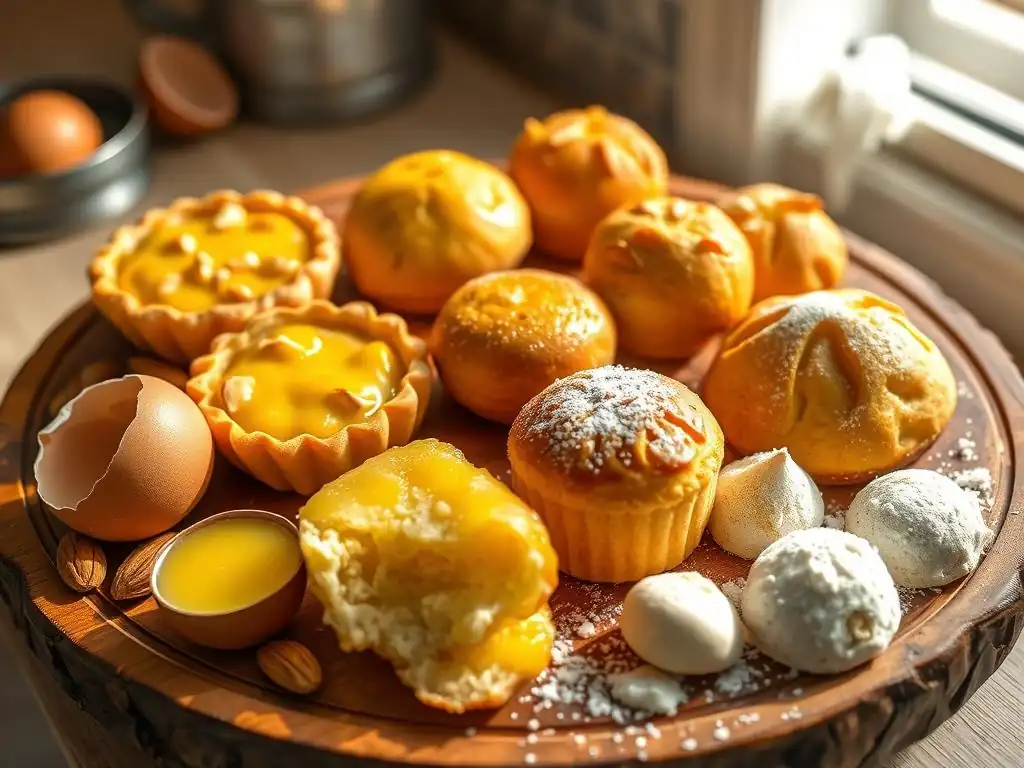
The Functions of Eggs in Baking: Binding, Moisture, and Structure
Eggs are multi-talented ingredients in traditional baking, performing several vital roles simultaneously. They act as a primary binder, helping to hold ingredients together and prevent baked goods from crumbling. The proteins in eggs coagulate when heated, creating a stable structure. Eggs also contribute significant moisture, keeping cakes and muffins from drying out. The fat in the yolk adds richness and tenderness, contributing to a desirable mouthfeel.
Furthermore, eggs play a key role in leavening. When eggs are whipped, they trap air, which expands during baking, causing the batter or dough to rise. This is particularly important in recipes like sponges or meringues but also contributes to the lift in cakes and muffins. In some pastries, like custards or quiches, eggs are the main structural component, setting the mixture as they cook. Removing eggs requires finding substitutes that can replicate these diverse functions in glutenfree eggfree pastry recipes.
Egg Replacers for Gluten-Free Egg-Free Pastry Recipes
Replacing eggs effectively in gluten-free egg-free pastries is critical for achieving the right texture and structure. Different egg replacers work better for different functions (binding, moisture, leavening), so sometimes a combination is needed. The goal is to mimic the binding, moisture, and sometimes leavening properties that eggs provide.
Flaxseed Meal as an Egg Substitute
Flaxseed meal, when mixed with water (typically 1 tablespoon of flaxseed meal with 3 tablespoons of water, left to sit for 5-10 minutes), forms a gelatinous mixture often called a "flax egg." This mixture is an excellent binder in glutenfree eggfree pastry recipes, helping to hold ingredients together much like an egg would. It adds a slightly nutty flavor and some fiber but doesn't contribute to leavening or richness. It works particularly well in cookies, muffins, and quick breads.
Applesauce as an Egg Substitute
Unsweetened applesauce can be used as an egg replacer, primarily providing moisture and some binding due to its pectin content. It's typically used at a ratio of about 1/4 cup per egg. While it adds moisture and a little sweetness, it can make baked goods dense and doesn't help with leavening. Applesauce works best in recipes where moisture is key, like cakes, muffins, and some types of brownies, and where a slight apple flavor is acceptable in glutenfree eggfree pastry recipes.
Commercial Egg Replacers for Baking
Numerous commercial egg replacer products are available, specifically formulated to mimic the functions of eggs in baking. These products often contain a blend of starches (like potato or tapioca), leavening agents (like baking soda or cream of tartar), and binders (like cellulose gum). They are designed to provide binding, some leavening, and structure. Following the package instructions is crucial, as ratios vary. Commercial replacers can be very convenient for glutenfree eggfree pastry recipes and are often formulated to be relatively neutral in flavor.
Gluten-Free Egg-Free Pastry Recipes: Mastering the Techniques
Key Techniques for Successful Gluten-Free Egg-Free Baking
Mastering glutenfree eggfree pastry recipes involves more than just substituting ingredients; specific techniques are crucial for success. Without the forgiving nature of gluten and eggs, precision and careful handling become paramount.
Proper Measurement of Ingredients
Accuracy in measuring ingredients is arguably more important in gluten-free, egg-free baking than in traditional baking. Using too much or too little flour, liquid, or leavening can drastically alter the outcome. It's often recommended to weigh dry ingredients using a kitchen scale for the most consistent results, as scooping flour can result in varying amounts. Liquids should be measured at eye level. Precise measurements ensure the delicate balance of ingredients needed for structure and texture in gluten-free and egg-free pastries.
Avoiding Overmixing the Batter
Unlike wheat flour dough where kneading develops gluten, overmixing gluten-free batter can result in tough or dense baked goods. Once the wet and dry ingredients are combined, mix only until just incorporated. Continuing to mix can overdevelop the binders (like gums or starches) and lead to a gummy texture. Gentle handling preserves the tender crumb desired in glutenfree eggfree pastry recipes.
Using the Right Baking Temperature
Correct oven temperature is vital. If the oven is too hot, the outside of the pastry might brown too quickly while the inside remains underbaked and dense. If it's too cool, the pastry might spread too much or fail to rise properly. It's advisable to use an oven thermometer to ensure your oven is heating accurately. Baking at the temperature specified in glutenfree eggfree pastry recipes allows the leavening agents to work effectively and the structure to set correctly.
Let's put some of these principles into practice with a classic: chocolate chip cookies! These are a great example of a simple yet satisfying glutenfree eggfree pastry recipe.
Ingredients for Chocolate Chip Cookies
- 1 cup gluten-free all-purpose flour blend (ensure it contains a binder like xanthan gum)
- 1/2 teaspoon baking soda
- 1/4 teaspoon salt
- 1/2 cup dairy-free butter, softened
- 1/2 cup brown sugar, packed
- 1/4 cup granulated sugar
- 1 flax egg (1 tablespoon flaxseed meal + 3 tablespoons water, rested)
- 1 teaspoon vanilla extract
- 1 cup dairy-free chocolate chips
Step-by-Step Instructions for Chocolate Chip Cookies
- Preheat your oven to 350°F (175°C). Line baking sheets with parchment paper.
- In a medium bowl, whisk together the gluten-free flour blend, baking soda, and salt.
- In a large bowl, cream together the softened dairy-free butter, brown sugar, and granulated sugar until light and fluffy.
- Beat in the prepared flax egg and vanilla extract until well combined.
- Gradually add the dry ingredients to the wet ingredients, mixing on low speed or with a spatula until just combined. Do not overmix.
- Fold in the dairy-free chocolate chips.
- Drop rounded tablespoons of dough onto the prepared baking sheets, leaving about 2 inches between cookies.
- Bake for 10-12 minutes, or until the edges are lightly golden and the centers look set but still slightly soft.
- Let the cookies cool on the baking sheet for a few minutes before transferring them to a wire rack to cool completely.
Tips and Variations for Chocolate Chip Cookies
For chewier cookies, add 1-2 tablespoons of tapioca starch to the flour blend. For crispier edges, bake for a minute or two longer. You can substitute chocolate chips with chopped nuts, dried cranberries, or dairy-free white chocolate chips. Ensure your gluten-free flour blend is fresh for best results in these glutenfree eggfree pastry recipes.
Gluten-Free Egg-Free Pastry Recipe: Apple Crumble
Apple crumble is another delightful glutenfree eggfree pastry recipe that showcases how simple ingredients can create comforting desserts.
Ingredients for Apple Crumble
- For the Filling:
- 6-8 medium apples, peeled, cored, and sliced (about 6 cups)
- 1/4 cup granulated sugar (adjust to apple sweetness)
- 1 tablespoon gluten-free flour blend or cornstarch
- 1 teaspoon ground cinnamon
- 1/4 teaspoon ground nutmeg
- 1 tablespoon lemon juice
- For the Crumble Topping:
- 1 cup gluten-free all-purpose flour blend
- 1/2 cup rolled oats (certified gluten-free)
- 1/2 cup brown sugar, packed
- 1/2 teaspoon ground cinnamon
- 1/4 teaspoon salt
- 1/2 cup dairy-free butter, chilled and cubed
Step-by-Step Instructions for Apple Crumble
- Preheat oven to 375°F (190°C). Lightly grease a 9-inch square baking dish or similar.
- In a large bowl, combine the sliced apples, sugar, gluten-free flour or cornstarch, cinnamon, nutmeg, and lemon juice. Toss gently to coat the apples evenly. Pour the apple mixture into the prepared baking dish.
- In a separate bowl, combine the gluten-free flour blend, rolled oats, brown sugar, cinnamon, and salt for the topping.
- Cut in the chilled, cubed dairy-free butter using a pastry blender, fork, or your fingertips until the mixture resembles coarse crumbs.
- Sprinkle the crumble topping evenly over the apple filling.
- Bake for 35-45 minutes, or until the topping is golden brown and the apple filling is bubbling around the edges.
- Let the crumble cool for at least 10-15 minutes before serving.
Tips and Variations for Apple Crumble
Add other fruits like berries or pears to the apple filling. Include chopped nuts like pecans or walnuts in the crumble topping for extra crunch. A pinch of ginger or cardamom can enhance the spice flavor. Ensure your oats are certified gluten-free if you have celiac disease. This glutenfree eggfree pastry recipe is wonderful served warm with dairy-free ice cream or custard.
Troubleshooting Common Problems in Gluten-Free and Egg-Free Pastry Baking
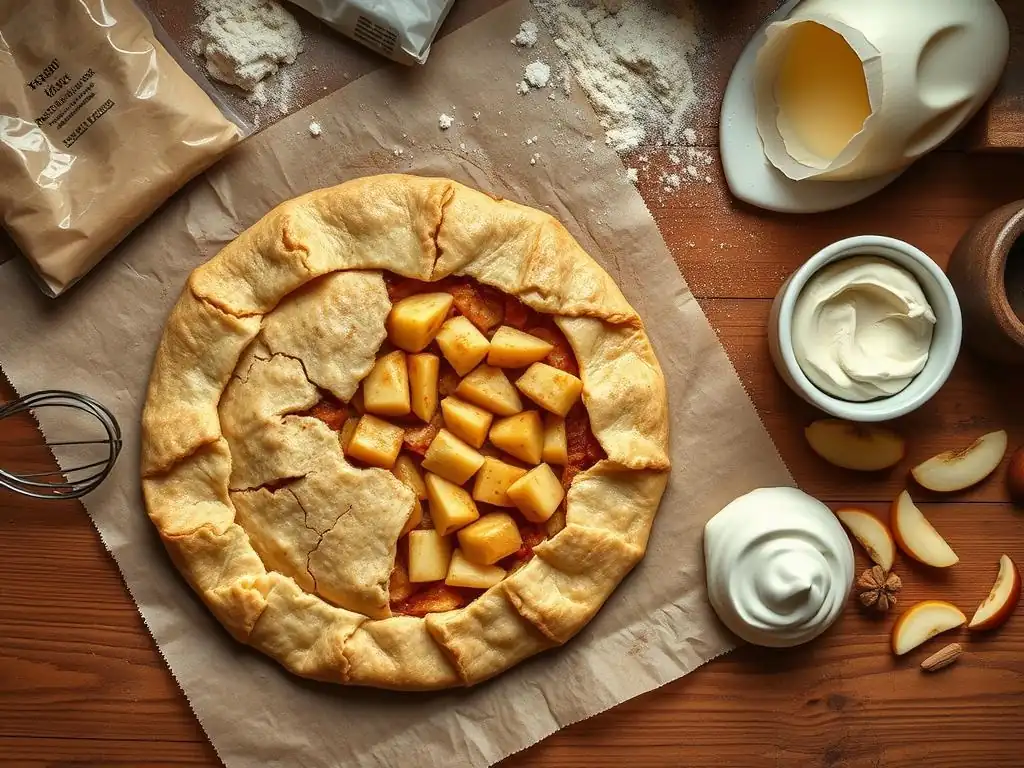
Even with careful preparation, issues can arise when baking gluten-free and egg-free pastries. Understanding common problems and their solutions is key to improving your results.
Dry and Crumbly Pastries: Solutions
A common issue with gluten-free egg-free pastry recipes is a dry, crumbly texture. This often happens because alternative flours absorb liquid differently than wheat flour, and without eggs, there's less moisture and binding.
- Solutions: Ensure you are using enough liquid in your recipe. Check your flour blend – some blends are drier than others. Adding a bit more fat (like dairy-free butter or oil) can increase moisture. Using ingredients like applesauce, mashed banana, or dairy-free yogurt as part of the liquid component can also help. Ensure adequate binding agents like xanthan gum, psyllium husk, or a robust egg replacer are used. Sometimes, simply letting the baked goods cool completely helps the moisture redistribute.
Dense and Heavy Pastries: Solutions
Conversely, pastries can turn out dense and heavy. This can be due to insufficient leavening, overmixing, or using a flour blend that is too heavy without enough starch or lighter flours.
- Solutions: Check your leavening agents (baking soda, baking powder) to ensure they are fresh. Make sure you're using the correct amount specified in the glutenfree eggfree pastry recipes. Avoid overmixing the batter once wet and dry ingredients are combined. Ensure your flour blend includes a good proportion of lighter starches like tapioca or cornstarch. Sometimes, adding a little extra liquid can help create a lighter batter that rises better.
Pastries That Don't Hold Their Shape: Solutions
If your cookies spread too much or your cakes sink, it often points to issues with structure and binding, which are typically provided by gluten and eggs.
- Solutions: Ensure you are using enough binder, whether it's a commercial egg replacer, flax egg, or added gum like xanthan gum (typically 1/4 to 1 teaspoon per cup of flour blend, depending on the recipe and whether the blend already contains it). Chilling cookie dough before baking can help prevent excessive spreading. For cakes, ensure proper measurement of flour and leavening, and avoid opening the oven door too early during baking, which can cause them to collapse. Using the correct pan size is also important. These adjustments are crucial for successful glutenfree eggfree pastry recipes.
Tips for Achieving Perfect Gluten-Free Egg-Free Pastries
Beyond troubleshooting, incorporating a few key tips can consistently elevate your gluten-free and egg-free baking results.
Using High-Quality Gluten-Free Flour Blends
The quality and composition of your gluten-free flour blend significantly impact the outcome of your pastries. Not all blends are created equal, and some are better suited for certain types of baking than others.
- Look for blends that contain a mix of different flours (like rice, sorghum, millet) and starches (like tapioca, potato, corn). Many good blends also include a binder like xanthan gum or guar gum. Experiment with different brands to find one you like, or try making your own custom blend tailored to specific glutenfree eggfree pastry recipes. A good blend provides a better foundation for texture and structure.
Experimenting with Different Egg Replacers
As discussed, different egg replacers function differently. Relying on just one type for all recipes might not yield the best results.
- Don't be afraid to experiment. Flax eggs are great binders for cookies and muffins. Applesauce adds moisture to cakes. Commercial replacers can offer a good balance of binding and leavening. For richer pastries, consider using mashed banana (though it imparts flavor) or a blend of silken tofu. Keep notes on what works best for different types of glutenfree eggfree pastry recipes.
Adding Moisture-Rich Ingredients
Since eggs contribute moisture, their absence can lead to dry results. Incorporating other moisture-rich ingredients is a simple way to combat this.
- Ingredients like applesauce, mashed banana, pureed pumpkin, dairy-free yogurt, vegetable oil, or melted dairy-free butter can add essential moisture to your batter or dough. Using liquid sweeteners like maple syrup or agave in place of some granulated sugar can also increase moisture. This is particularly important in recipes like cakes and muffins to ensure a tender crumb in your gluten-free and egg-free pastries.
Storing Your Gluten-Free and Egg-Free Pastries
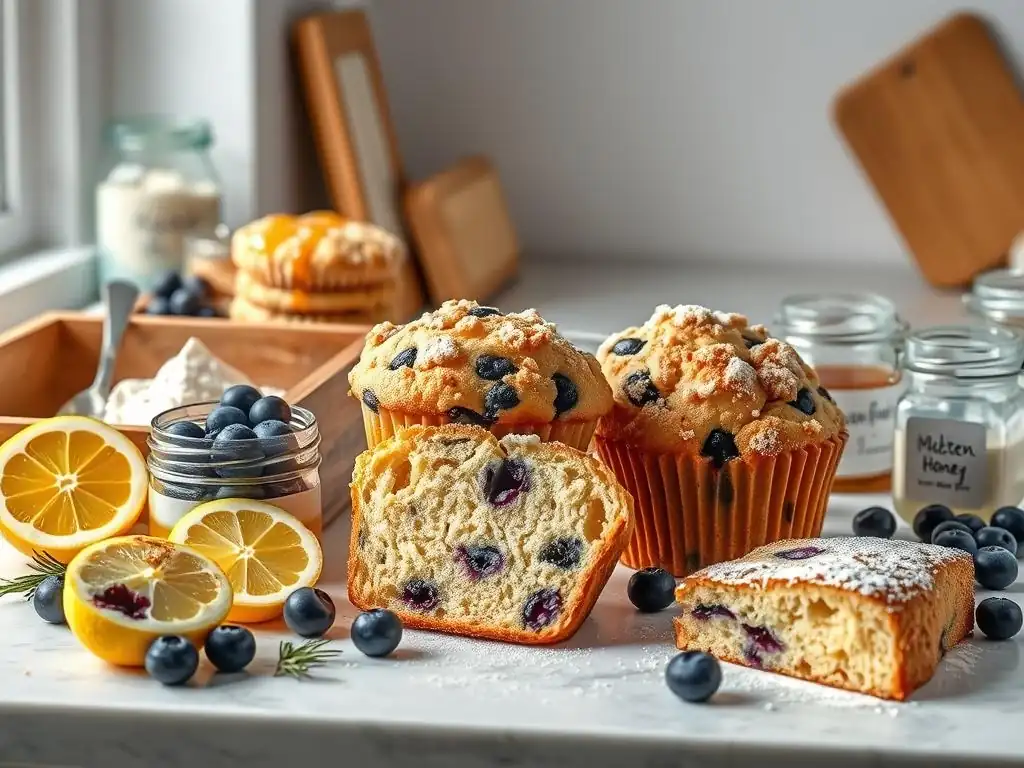
Proper storage is essential to maintain the texture and freshness of your delicious gluten-free egg-free pastries.
Best Practices for Maintaining Freshness
Due to the lack of gluten and eggs, gluten-free and egg-free baked goods can sometimes dry out faster than traditional ones.
- Store pastries in an airtight container at room temperature for 2-3 days. For longer storage, refrigeration is often recommended, especially for items containing fresh fruit or perishable ingredients, extending their life to about a week. Ensure items are completely cooled before storing to prevent condensation, which can make them soggy. Cookies are best stored in a container with a slice of bread to help them retain moisture, although this can sometimes impact texture.
Freezing Gluten-Free Egg-Free Baked Goods
Freezing is an excellent way to extend the shelf life of gluten-free egg-free pastry recipes and have treats readily available.
- Most baked goods, including cookies, muffins, cakes, and crumbles, freeze well. Ensure they are completely cooled. Wrap individual items or portions tightly in plastic wrap, then place them in a freezer bag or airtight container to prevent freezer burn. Cookie dough can also be frozen. Label with the date. Frozen pastries can typically be stored for 2-3 months. Thaw at room temperature or gently reheat in a low oven for a "freshly baked" feel.
Conclusion: Enjoying Delicious Gluten-Free and Egg-Free Pastries
The Possibilities of Gluten-Free and Egg-Free Baking.
Creating gluten-free and egg-free pastries may present a unique set of challenges, but it also opens up a world of delicious possibilities. By understanding the roles that gluten and eggs play and learning how to effectively substitute them with alternative ingredients and techniques, you can bake a wide array of delightful treats suitable for those with dietary restrictions or allergies. From chewy cookies and moist muffins to tender cakes and comforting crumbles, glutenfree eggfree pastry recipes prove that flavor and texture need not be compromised.
Embracing this style of baking is a journey of experimentation and discovery. Each ingredient substitution and technique adjustment refines the process, leading to increasingly satisfying results. The ability to bake delicious gluten-free and egg-free pastries allows everyone, regardless of dietary needs, to enjoy the simple pleasure of freshly baked goods. So don't be intimidated; dive in, experiment with different glutenfree eggfree pastry recipes, and savor the sweet rewards of your efforts.
Frequently Asked Questions
What makes gluten-free and egg-free baking so challenging?
Gluten and eggs provide structure and binding in traditional baking. Removing them requires careful substitution to replicate these properties, often leading to challenging texture and stability issues.
What are some common gluten-free flour blends used in egg-free pastry recipes?
Popular blends often include rice flour, tapioca starch, and potato starch. Combining these creates a texture closer to wheat flour, improving the overall pastry structure.
What can I use as an egg substitute in gluten-free pastry?
Common egg substitutes are flaxseed meal mixed with water, applesauce, or mashed banana. These create the needed binding and moisture essential for pastries.
Are gluten-free and egg-free pastries always dry and crumbly?
Not necessarily! Using the right combination of flours, starches, and egg substitutes, along with sufficient moisture, can result in tender and delicious pastries.
Where can I find reliable gluten-free and egg-free pastry recipes?
Websites like BakeWithEase.com provide tested recipes and tips. Look for recipes with detailed instructions and reviews to ensure the best possible outcome.
Final Reflection: Baking Beyond Limitations: A Flourishing Future for Gluten-Free and Egg-Free Baking
The demand for inclusive and delicious gluten-free and egg-free pastries is not just a trend; it's a vital necessity for a growing population with dietary restrictions. These recipes aren't just substitutions; they represent a commitment to creating enjoyable and accessible treats for everyone. The ability to craft delectable pastries without compromising taste or texture is a testament to culinary innovation and inclusivity.
The journey of developing and perfecting gluten-free and egg-free pastries has been a deeply rewarding one, highlighting the creativity and resilience of the baking community. It's a testament to the power of adaptation and the unwavering pursuit of deliciousness, regardless of dietary needs. The best things in life are worth fighting for, and delicious, inclusive baking is certainly one of them.
This sentiment encapsulates the spirit of innovation and compassion that drives the creation of these recipes, ensuring that no one is left out of the joy of indulging in a perfectly crafted pastry.
Now, it's your turn. Consider the recipes explored in this article – not just as solutions to dietary restrictions, but as springboards for your own culinary exploration. Experiment with different flours, binders, and techniques. Don't be afraid to adapt and innovate, to create your own signature gluten-free and egg-free masterpieces. The possibilities are endless, and the rewards – both in taste and in the satisfaction of creating something truly special – are immeasurable. Embrace the challenge, and let your baking flourish!
Unlock Your Gluten-Free & Egg-Free Baking Potential!
Thanks for joining us on this delicious journey into the world of gluten-free and egg-free baking! We hope you've gained valuable insights and inspiration for creating amazing pastries without compromise. Now it's time to put your newfound knowledge into practice!
- Try one of the recipes: Dive in and bake your favorite pastry with our tested gluten-free and egg-free adaptations. We're confident you'll be amazed by the results!
- Share your creations: Post a picture of your masterpiece on social media and tag us – we’d love to see what you create!
- Explore more egg-free substitutes: Delve deeper into the world of baking alternatives and discover new possibilities in your kitchen.
What exciting gluten-free and egg-free pastry will you bake first?