
The Art of Macerating Fruit for Better Baking

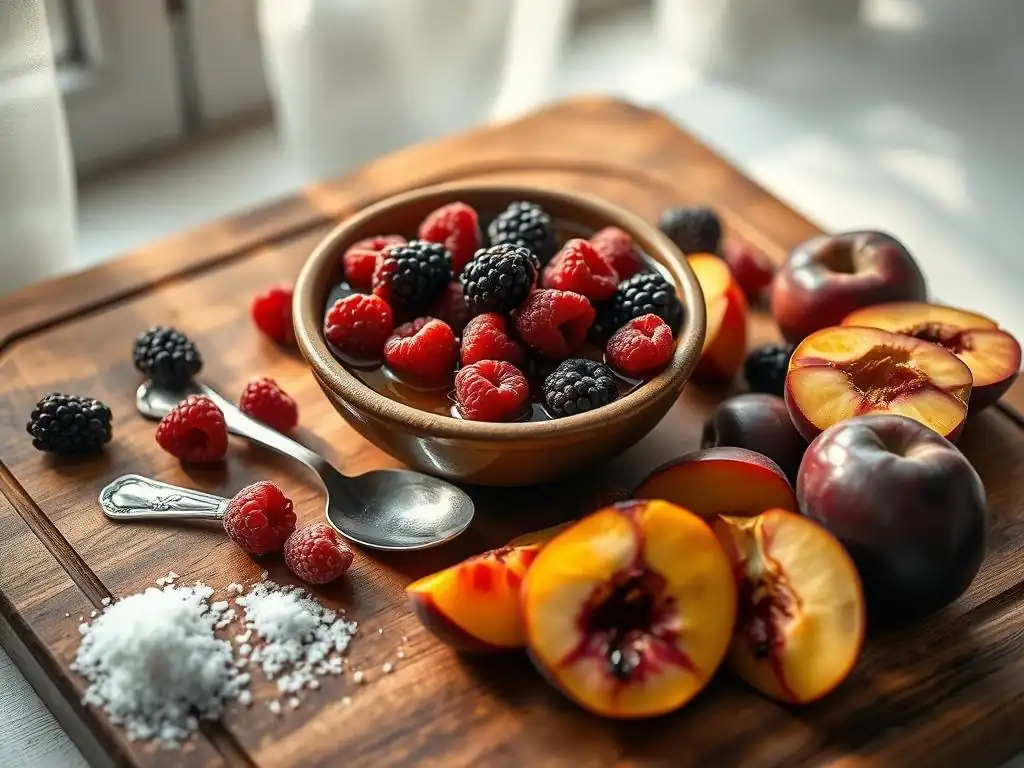
Welcome to BakeWithEase!
Ever wondered how to unlock intense flavor and irresistible texture in your baked goods? This week, we're diving deep into the secrets of fruit maceration. Discover how this simple technique can transform ordinary recipes into extraordinary treats. Prepare to elevate your baking with our guide to fruit maceration baking recipes, and learn how to unlock the hidden potential within your favorite fruits. Ready to get started?
- Mastering Fruit Maceration for Baking
- Introduction to Fruit Maceration in Baking
- The Science of Fruit Maceration
- Selecting Fruits for Maceration
- Essential Maceration Ingredients
- Step-by-Step Maceration Guide
- Macerated Fruit Baking Recipes
- Tips for Fruit Maceration
- Applications of Macerated Fruit in Baking
- Advanced Maceration Techniques
- Conclusion: Elevate Your Baking with Maceration
-
Frequently Asked Questions
- What exactly is fruit maceration, and why is it beneficial for baking?
- How does macerating fruit affect the moisture content of baked goods?
- What are some popular liquids or ingredients used for macerating fruit in baking recipes?
- Can I macerate frozen fruit, and will the results be the same as with fresh fruit?
- How long should I macerate fruit for the best results in baking recipes?
- Final Reflection: The Sweet Science of Maceration and Baking's Future
- Unlock the Flavor: Elevate Your Baking with Maceration!
Mastering Fruit Maceration for Baking
Introduction to Fruit Maceration in Baking
Enhancing Flavor and Texture Through Maceration
Maceration is a simple yet powerful technique that transforms fresh fruit, making it even more delightful for use in baked goods. At its core, it involves letting sliced or chopped fruit sit with sugar and sometimes a liquid like juice, liqueur, or vinegar, often with added spices or herbs.
This process draws out the fruit's natural juices through osmosis, creating a flavorful syrup while simultaneously softening the fruit's texture. For instance, macerating strawberries with sugar for just 30 minutes can yield a vibrant, sweet syrup perfect for drizzling, and the berries themselves become tender and intensely flavored, ideal for a fruit maceration baking recipe like a strawberry shortcake.
The impact of maceration on flavor is significant. By concentrating the fruit's natural sugars and mingling them with added sugar and other ingredients, the resulting syrup is a concentrated essence of the fruit's taste. This syrup, along with the softened fruit, integrates more smoothly into batters, fillings, and toppings than raw fruit might.
Consider a peach crumble; using macerated peaches ensures the fruit is tender throughout the baking process and releases its delicious juices to meld with the crumble topping, preventing dry pockets and enhancing the overall moistness and flavor profile of the dessert. This technique is a cornerstone in many successful fruit maceration baking recipes.
A Baker's Guide to Macerating Fruit
For bakers, understanding fruit maceration opens up a world of possibilities. It's a low-effort, high-reward technique that can rescue slightly underripe fruit, enhance the natural sweetness of perfectly ripe fruit, or add complex layers of flavor with the addition of spirits or spices. The basic process involves combining prepared fruit (washed, hulled, pitted, peeled as needed, and sliced or chopped) with sugar and letting it sit. The time required varies greatly depending on the fruit type, ripeness, and desired outcome, typically ranging from 15 minutes for soft berries up to several hours for firmer fruits like apples or pears.
Incorporating macerated fruit into baking requires considering both the softened fruit and the resulting syrup. The syrup can be used as a glaze, a soak for cake layers, or reduced into a thicker sauce. The fruit itself is perfect for pies, tarts, crumbles, muffins, and cakes. For example, when making a blueberry muffin, macerating the blueberries first can help prevent them from sinking to the bottom and distribute their flavor more evenly, contributing to a moister crumb. Mastering fruit maceration baking recipes begins with this fundamental understanding of how the process alters the fruit's state.
The Science of Fruit Maceration
Osmosis and its Impact
The primary scientific principle at play in fruit maceration is osmosis. Fruit cells contain water and natural sugars, enclosed within cell membranes. When you surround the fruit with a higher concentration of sugar (by adding granulated sugar), water is drawn out of the fruit cells and into the surrounding sugary environment to equalize the concentration. This movement of water carries some of the fruit's natural sugars and flavor compounds with it, creating the flavorful syrup. Simultaneously, the loss of water from the fruit cells causes them to soften and become less rigid.
This osmotic process is quite efficient. For example, placing 1 cup of sliced strawberries with 2 tablespoons of sugar can yield several tablespoons of flavorful syrup within 30-60 minutes at room temperature. The rate of osmosis is affected by temperature (warmer temperatures speed it up slightly) and the concentration difference (more sugar draws out water faster). Understanding osmosis helps bakers predict how much syrup might be produced and how soft the fruit will become, allowing for better planning in fruit maceration baking recipes.
Sugar's Effect on Fruit Texture
Beyond driving osmosis, sugar also directly interacts with the fruit's cellular structure, particularly the pectin. Pectin is a polysaccharide in plant cell walls that provides structure and firmness. Sugar, especially when heated, can interact with pectin chains, weakening their structure. While maceration is typically done at room temperature, the presence of sugar over time helps to break down the cell walls slightly, contributing further to the softening effect initiated by osmosis.
Consider how sugar affects the texture of fruit preserves; boiling fruit with sugar significantly breaks down cell walls and pectin, creating a jam-like consistency. While maceration is less aggressive, the sugar still works to tenderize the fruit gently without cooking it. This results in fruit that holds its shape better in baking than fully cooked fruit might, yet is significantly softer and more pliable than raw fruit. This textural change is crucial for achieving the desired consistency in many fruit maceration baking recipes.
Alcohol's Role in Macerated Fruit
Adding alcohol, such as a liqueur, brandy, or rum, to the maceration mixture serves multiple purposes. First, alcohol can act as a solvent, helping to extract fat-soluble flavor compounds from the fruit that water alone might not access efficiently. This can intensify the fruit's natural aroma and taste. For example, macerating cherries with a splash of kirsch (cherry brandy) significantly deepens their flavor profile.
Secondly, alcohol contributes its own flavor to the mix. A rum added to macerated bananas or a Cointreau with oranges introduces complementary notes. Alcohol also doesn't freeze solid, which can be beneficial if the macerated fruit is intended for frozen desserts, though less relevant for traditional baking. However, using alcohol requires caution regarding the amount, as too much can overpower the fruit's flavor or affect the texture negatively. A typical ratio might be 1-2 tablespoons of liqueur per cup of fruit.
Selecting Fruits for Maceration
Best Fruits for Baking
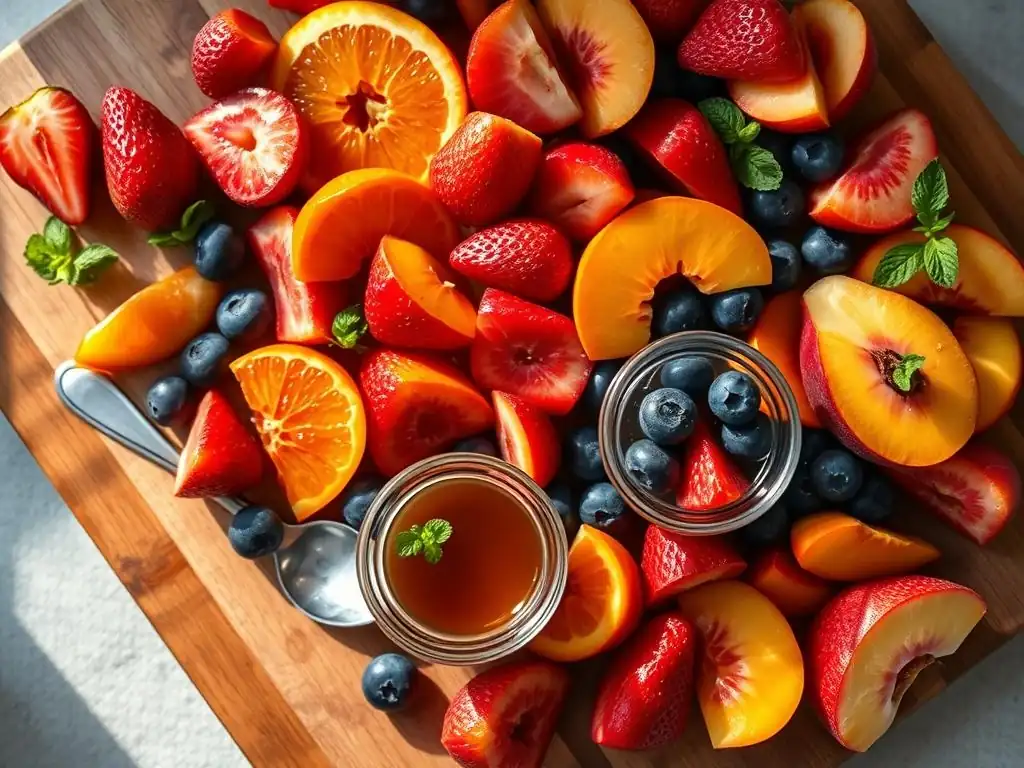
Many fruits benefit greatly from maceration before baking, particularly those that release a lot of juice and have a good balance of sweetness and acidity. Berries are prime candidates: strawberries, raspberries, blueberries, and blackberries all macerate beautifully, yielding flavorful syrups and tender fruit perfect for pies, tarts, crumbles, and muffins. Stone fruits like peaches, plums, cherries, and apricots also work exceptionally well. Slicing them allows the sugar to draw out juices, resulting in soft, juicy pieces ideal for cobblers, galettes, and cakes.
Other fruits that lend themselves well to maceration include rhubarb (often treated as a fruit in baking), which becomes less stringy and more palatable, and sometimes even apples or pears, though they require longer maceration times due to their firmer texture. The goal is often to enhance the fruit's natural sweetness and create a juicy component that integrates seamlessly into the baked good, a key element for successful fruit maceration baking recipes.
Fruits to Avoid
While maceration is versatile, not all fruits are ideal candidates, especially for baking applications. Fruits with very high water content but less structural integrity, like watermelon or cantaloupe, don't typically benefit from maceration in the context of baking; they can become excessively mushy and release too much water, potentially making baked goods soggy. Tropical fruits like pineapple also require consideration; while they can be macerated, their high enzyme content (specifically bromelain in pineapple) can sometimes break down proteins in adjacent ingredients, though this is less of a concern in most typical baked goods compared to, say, dairy fillings.
Fruits that are very low in moisture or very firm may not yield significant syrup through maceration alone or require excessively long times. For these, other preparation methods like stewing or roasting might be more effective before baking. Essentially, fruits where the goal is to create tender pieces and a flavorful syrup are the best fits for the maceration technique in baking.
Seasonal Fruit Maceration
Maceration is an excellent technique for making the most of seasonal fruit when it's at its peak flavor and ripeness. During the summer, an abundance of berries and stone fruits makes them perfect candidates. Macerating ripe strawberries or peaches enhances their already vibrant flavor, capturing the essence of the season. This prepared fruit can be used immediately in pies or shortcakes, or even frozen (often with the syrup) for later use, preserving that peak flavor.
In the fall, apples, pears, and cranberries can be macerated, perhaps with warming spices like cinnamon or star anise. Macerated spiced apples are wonderful in galettes or turnovers, while cranberries can be macerated with orange zest and sugar for a tart, flavorful filling or topping. Focusing on seasonal produce not only ensures the best flavor but also makes the maceration process more rewarding and cost-effective.
Essential Maceration Ingredients
Sugar Varieties
The type of sugar used in maceration influences both the flavor and the resulting syrup. Granulated sugar is the most common choice as it dissolves easily and provides clean sweetness. A typical ratio is 1-3 tablespoons of sugar per cup of fruit, depending on the fruit's natural sweetness and desired outcome. For example, tart rhubarb might need more sugar than sweet strawberries.
Other sugars can add complexity. Brown sugar, light or dark, imparts a subtle molasses flavor that pairs wonderfully with apples, pears, or peaches. Confectioners' sugar dissolves very quickly, making it suitable for fast maceration, though it can sometimes lead to a slightly cloudy syrup. Honey or maple syrup can also be used, offering distinct flavor profiles, but they may not draw out as much liquid as granulated sugar due to their different sugar compositions and viscosities.
Liquid Choices
While sugar alone draws out juice from the fruit, adding an external liquid can enhance the process and add flavor. Fruit juices, like orange juice with berries or apple cider with apples, can amplify the fruit's natural taste. Wine, especially dessert wine or a complementary red or white, can add sophisticated notes. Liqueurs and spirits, as mentioned earlier, introduce specific flavors and aromas – rum with bananas, brandy with cherries, or orange liqueur with berries or stone fruits.
Even acidic liquids like lemon juice or vinegar (such as balsamic vinegar) can be used in small amounts. Acid helps brighten the fruit's flavor and can aid in breaking down pectin, further softening the fruit. A splash of lemon juice with strawberries or balsamic vinegar with peaches are classic pairings that benefit from maceration. The choice of liquid should complement the fruit and the intended fruit maceration baking recipe.
Spice and Herb Pairings
Incorporating spices and herbs during maceration infuses the fruit and syrup with additional layers of flavor. Vanilla bean or extract is a classic pairing for many fruits, adding warmth and sweetness. Cinnamon, nutmeg, cloves, and star anise are excellent with fall fruits like apples, pears, and plums. Ginger can add a gentle warmth and spice to stone fruits or berries.
Fresh herbs like mint, basil, or thyme can add a surprising freshness. Mint pairs well with berries, basil with strawberries or peaches, and thyme with stone fruits. Zest from citrus fruits (lemon, orange, lime) adds bright, aromatic notes. Simply add the desired spices, herbs, or zest to the fruit and sugar mixture before letting it sit. A general guideline might be 1/4 to 1/2 teaspoon of ground spice or a small sprig of herb per cup of fruit, adjusted to personal preference.
Step-by-Step Maceration Guide
Fruit Preparation
Begin by selecting ripe, but not overly soft, fruit. Wash the fruit thoroughly under cool water. Depending on the fruit, you will need to hull (strawberries), pit (cherries, peaches, plums), peel (peaches, apples), or core (apples, pears). Once cleaned and prepped, slice or chop the fruit into evenly sized pieces. The size of the pieces will affect the maceration time; smaller pieces will macerate faster. For example, thin slices of peaches will soften quicker than large chunks.
Ensure all fibrous or undesirable parts are removed. For instance, with rhubarb, trim the ends and remove any tough strings. Uniform pieces ensure that the fruit softens and releases juice consistently. Place the prepared fruit in a non-reactive bowl, such as glass, ceramic, or stainless steel, to prevent any metallic taste from developing.
Combining Ingredients
Once the fruit is in the bowl, sprinkle the desired amount of sugar over the fruit. A good starting point is 2 tablespoons of granulated sugar per cup of fruit, but adjust based on the fruit's natural sweetness and your preference. If using other sugars like brown sugar or honey, adjust the amount slightly based on sweetness intensity.
Add any chosen liquids, spices, herbs, or zest at this stage. Gently toss the fruit with the sugar and other ingredients to ensure everything is evenly coated. This step helps the sugar begin dissolving and initiates the osmotic process immediately.
Maceration Time
The time required for maceration varies significantly. Soft fruits like strawberries or raspberries may only need 15-30 minutes at room temperature to release sufficient juice and soften. Firmer fruits such as peaches, plums, or rhubarb might require 1-2 hours. Very firm fruits like apples or pears could take several hours, or even overnight in the refrigerator.
Observe the fruit and the amount of syrup collecting at the bottom of the bowl. The fruit should look slightly shrunken and glossy, and a noticeable amount of liquid should be present. Taste a piece of the fruit to assess its texture and flavor. For most fruit maceration baking recipes, you want the fruit to be tender but still hold its shape somewhat.
Storage
Macerated fruit is best used shortly after it reaches the desired tenderness and syrup level. However, if you prepare it in advance or have leftovers, it can be stored. Transfer the macerated fruit and its syrup to an airtight container. It can be kept in the refrigerator for 2-3 days. The fruit will continue to soften slightly over time in the fridge.
For longer storage, macerated fruit can be frozen. Pack the fruit and syrup into freezer-safe containers or bags, leaving a little headspace as liquids expand when frozen. Label with the date and contents. Frozen macerated fruit can last for several months. Thaw in the refrigerator before using in fruit maceration baking recipes.
Macerated Fruit Baking Recipes
Macerated Strawberry Shortcake
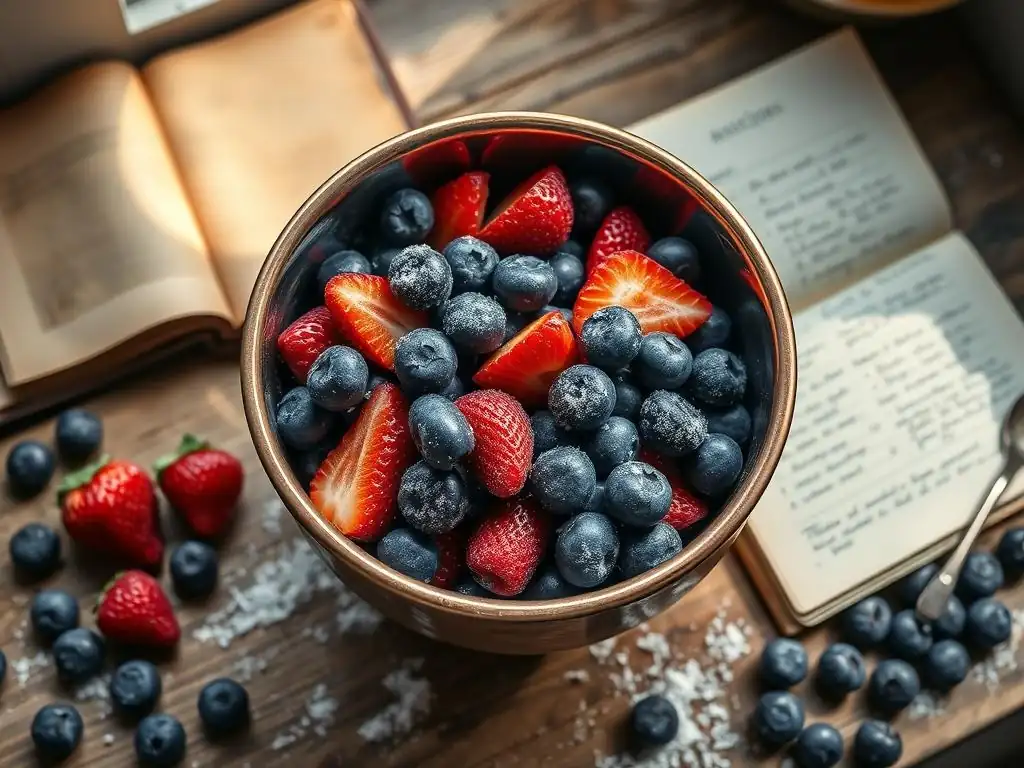
Using macerated strawberries for shortcake elevates this classic dessert. Instead of just sliced raw berries, the macerated fruit is tender and incredibly juicy, creating a rich, flavorful syrup that soaks beautifully into the shortcake layers. To make it, macerate sliced strawberries with sugar and a splash of lemon juice for at least 30 minutes. The resulting sweet, slightly tangy berries and their vibrant syrup are then layered with split biscuits and whipped cream. The tenderness of the macerated fruit contrasts wonderfully with the fluffy shortcake, making every bite burst with concentrated strawberry flavor.
Peach and Blueberry Crumble
A peach and blueberry crumble benefits immensely from macerated fruit. Peaches can be sliced and macerated with brown sugar, a touch of cinnamon, and a splash of bourbon or vanilla extract for about an hour. Blueberries can be added to the mix, or macerated separately with just sugar and lemon zest for a shorter time (around 20 minutes).
Combining the macerated peaches and blueberries creates a juicy, flavorful filling that bubbles up beautifully under the crumble topping. The maceration ensures the fruit is tender and releases its full flavor potential, preventing the crumble from being dry or having undercooked fruit pieces. This is a prime example of how fruit maceration baking recipes enhance texture and taste.
Spiced Apple Galette
While apples are firmer, a longer maceration can still improve their texture and flavor for a galette. Thinly slice apples (like Honeycrisp or Granny Smith) and toss them with sugar, brown sugar, cinnamon, nutmeg, and a squeeze of lemon juice. Let this mixture sit for 1-3 hours, or even longer in the fridge, allowing the apples to release some liquid and absorb the spice flavors.
The resulting apples are slightly softened and infused with spice, and the small amount of syrup helps create a luscious filling without making the galette crust soggy if drained slightly before assembling. The macerated apples bake up tender yet still hold their shape within the rustic freeform crust.
Cherry Clafoutis
Cherry clafoutis is traditionally made with fresh, unpitted cherries, but using macerated cherries can intensify the flavor and create a richer, more uniform texture within the custard. Pit cherries (though some traditionalists keep them in) and macerate them with sugar and a hint of almond extract or a splash of kirsch for 30-60 minutes. The cherries will become plump and release a dark, flavorful juice. Drain the cherries slightly, reserving the syrup.
Place the macerated cherries in the bottom of a baking dish, pour the clafoutis batter over them, and bake. The reserved cherry syrup can be drizzled over the finished clafoutis. The macerated cherries distribute their intense flavor throughout the custard, making each bite a burst of cherry goodness.
Tips for Fruit Maceration
Adjusting Sweetness
The amount of sugar used in maceration is flexible and should be adjusted based on the natural sweetness of the fruit and your personal preference. Very ripe fruit will require less sugar than slightly underripe or naturally tart varieties like rhubarb or cranberries. Start with a general guideline (e.g., 2 tbsp per cup) and taste the fruit after a short period of maceration.
If the mixture is too sweet, a squeeze of lemon or lime juice can add balancing acidity. If not sweet enough, add a bit more sugar and toss gently, allowing it time to dissolve. Remember that some sweetness will be diluted when the fruit is incorporated into a larger recipe, so the macerated fruit mixture itself might taste slightly sweeter than you want the final baked good to be.
Troubleshooting
Occasionally, maceration might not go exactly as planned. If the fruit isn't releasing much juice, ensure you've used enough sugar and that the fruit is cut into adequately sized pieces. Warmer room temperature can speed up the process slightly. If the fruit is becoming too soft or mushy, it might be over-macerated or the fruit was too ripe to begin with. For baking, slightly under-macerating is often safer than over-macerating.
If the fruit is too watery after maceration, you can drain some of the excess syrup. This syrup can be reduced on the stovetop to make a thicker sauce or glaze. If the fruit seems dry, you might need to add a splash of complementary liquid or ensure the fruit was sufficiently ripe. Patience is key; check the fruit periodically during the maceration time.
Achieving Ideal Texture
The ideal texture for macerated fruit for baking is tender but not mushy. It should still have some structural integrity to hold up during mixing and baking. For example, you want strawberry slices that are soft and juicy, but not falling apart. The size you cut the fruit pieces into will significantly impact the final texture after maceration. Smaller pieces soften faster and more completely.
Pay close attention to the maceration time for different fruits. Berries soften quickly, while firmer fruits need longer. Checking the fruit's texture periodically is the best way to determine when it's ready. A piece should yield easily when gently pressed with a fork but not disintegrate. This texture is crucial for ensuring the fruit performs well in various fruit maceration baking recipes.
Applications of Macerated Fruit in Baking
Cake Batter Incorporation
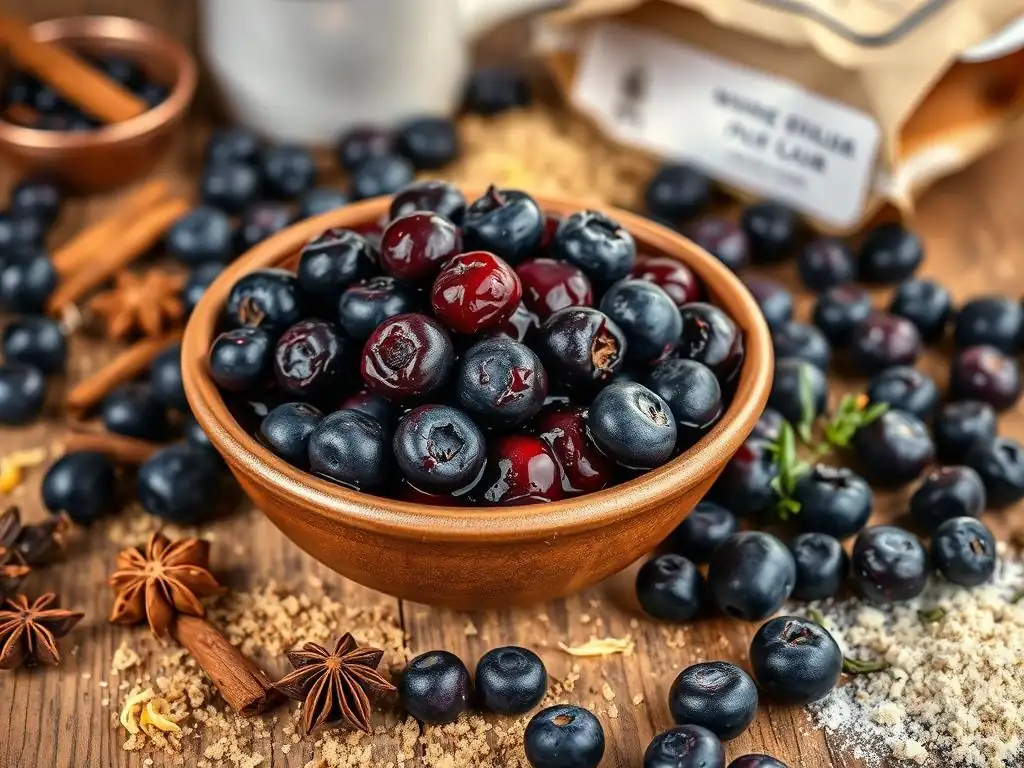
Macerated fruit can be gently folded into cake batters, especially those with a relatively sturdy crumb like muffins, quick breads, or loaf cakes. Draining off some of the excess syrup before adding the fruit is often recommended to prevent the batter from becoming too wet or dense. The fruit, being already softened and juicy, distributes its flavor more evenly and bakes up tenderly within the cake matrix.
For example, adding macerated blueberries (drained) to a muffin batter results in moist muffins with bursts of intense blueberry flavor throughout. The fruit's pre-softened state means it won't create hard spots in the baked cake. The reserved syrup can be used as a glaze or soaked into the cake after baking for extra moisture and flavor.
Toppings and Fillings
This is perhaps the most common use for macerated fruit. The combination of tender fruit and flavorful syrup is perfect as a topping for cheesecakes, pancakes, waffles, or ice cream. For pies, tarts, cobblers, and crumbles, macerated fruit makes an ideal filling. The process ensures the fruit softens adequately during baking and contributes ample juice to create a cohesive filling.
When using macerated fruit as a pie or tart filling, you might need to thicken the syrup slightly with a starch like cornstarch or flour, especially if the fruit was very juicy, to prevent a runny filling. However, the amount of natural pectin released during maceration can sometimes help thicken the mixture naturally as it bakes.
Bread and Pastry Doughs
Macerated fruit can also be incorporated into certain bread and pastry doughs. For sweet breads or rolls, like cinnamon rolls with a fruit swirl, macerated fruit can be used in the filling. The softened texture makes it easier to spread or swirl into the dough.
In pastries like turnovers or hand pies, macerated fruit provides a ready-to-use filling. Again, draining excess syrup might be necessary to prevent the pastry from becoming soggy. The concentrated flavor of the macerated fruit ensures that even a small amount delivers a significant impact within the baked pastry. This technique is versatile across many fruit maceration baking recipes.
Advanced Maceration Techniques
Infusing Liquids
Taking maceration a step further involves infusing the resulting syrup or using it to infuse other liquids. The flavorful syrup drained from macerated fruit can be reduced on the stovetop to create a thicker, more intense sauce or glaze. This reduced syrup is excellent for drizzling over the final baked good or incorporating into frostings or glazes.
Alternatively, the macerated fruit syrup can be used to infuse simple syrups for cocktails, spirits for flavored liqueurs, or even vinegars for culinary use. For example, strawberry maceration syrup can be added to a simple syrup for lemonade, or peach syrup can be used to infuse bourbon. This extends the use of the maceration process beyond just the fruit itself.
Vacuum Sealing
For a faster and more efficient maceration process, especially for firmer fruits or when seeking deeper flavor penetration, vacuum sealing can be employed. Placing the fruit and macerating ingredients (sugar, liquids, spices) in a vacuum seal bag and removing the air creates pressure differences that force the liquid and dissolved sugar into the fruit cells more rapidly.
This method can significantly cut down maceration time, potentially reducing hours to minutes for some fruits. It's a technique often used in professional kitchens but is accessible with home vacuum sealing equipment. The resulting fruit is often more uniformly flavored and softened.
Experimenting with Sugars and Acids
Beyond the basic granulated sugar and lemon juice, advanced maceration involves experimenting with a wider range of sugars and acids to create complex flavor profiles. Using less common sugars like muscovado, demerara, or even unique syrups like agave or date syrup can introduce distinct notes. Combining different sugars can also yield interesting results.
Exploring various acids, such as lime juice, orange juice, balsamic vinegar, red wine vinegar, or even specialty vinegars like champagne vinegar, can dramatically alter the flavor. A touch of acid brightens sweetness and adds complexity. Experimenting with different combinations of fruit, sugar types, liquids, spices, and acids allows bakers to create truly unique macerated fruit preparations tailored to specific fruit maceration baking recipes.
Conclusion: Elevate Your Baking with Maceration
Achieving Baking Excellence
Macerating fruit is a simple technique that yields impressive results, transforming ordinary fruit into a flavorful, tender ingredient perfectly suited for baking. By understanding the science behind it – osmosis, sugar's effect on texture, and the role of liquids – bakers can predict and control the outcome. Selecting the right fruits, using complementary ingredients like sugars, liquids, and spices, and following a few simple steps ensures successful maceration every time.
Incorporating macerated fruit into fruit maceration baking recipes, whether it's for a rustic galette, a classic crumble, or a simple muffin, results in baked goods with enhanced flavor, ideal texture, and a delightful juiciness. The technique minimizes common baking challenges like dry fruit or uneven cooking, leading to consistently delicious outcomes.
Further Exploration
The world of fruit maceration is vast and ripe for exploration. Don't hesitate to experiment with different fruits, sugar levels, liquids, and spice combinations. Try macerating unexpected fruits or pairing traditional fruits with novel flavorings like chili flakes or black pepper (excellent with strawberries! ).
Consider how the reserved syrup can be utilized creatively – perhaps reduced into a thick glaze for a cake or used as a base for a vibrant fruit sauce. By embracing the art of maceration, you unlock a powerful tool in your baking arsenal, allowing you to elevate your fruit-based desserts and pastries to new heights of flavor and texture. Happy baking, and enjoy the juicy rewards of macerated fruit!
Frequently Asked Questions
What exactly is fruit maceration, and why is it beneficial for baking?
Maceration is the process of soaking fruit in liquid, usually sugar, alcohol, or juice. This draws out the fruit's natural juices, intensifying its flavor and softening its texture, which is ideal for baking.
How does macerating fruit affect the moisture content of baked goods?
Macerating fruit releases its juices, adding extra moisture to your batter or dough. This can result in a more tender and moist final product, preventing dryness in cakes, muffins, or breads.
What are some popular liquids or ingredients used for macerating fruit in baking recipes?
Common choices include sugar, fruit juice, liquors like rum or brandy, and citrus zest. The specific liquid depends on the desired flavor profile and the type of fruit being used.
Can I macerate frozen fruit, and will the results be the same as with fresh fruit?
Yes, you can macerate frozen fruit, but the texture may be slightly softer after thawing. Frozen fruit often releases more liquid during maceration compared to fresh fruit.
How long should I macerate fruit for the best results in baking recipes?
The maceration time varies, but generally 30 minutes to a few hours is sufficient. For richer flavor and softer texture, you can macerate overnight in the refrigerator.
Final Reflection: The Sweet Science of Maceration and Baking's Future
The art of macerating fruit isn't just a culinary technique; it's a gateway to unlocking deeper flavors and textures in our baking. This seemingly simple process profoundly impacts the final product, transforming ordinary fruit into extraordinary ingredients that elevate even the simplest recipes. The subtle nuances of maceration, from the choice of liquid to the duration of the process, directly influence the final taste and texture, proving that sometimes, the most impactful changes come from the smallest details.
Macerating fruit has been a quiet revolution in my own baking journey. It's not just about enhancing the flavor profile; it's about understanding the interplay between ingredients and achieving a harmonious balance. The process itself is meditative, a moment of mindful preparation that adds a layer of intentionality to the baking process. The best things in life are simple, but not easy.
This quote perfectly encapsulates the essence of maceration – a simple technique that yields extraordinary results through careful attention and patience.
Now, it's your turn to explore the possibilities. Don't be afraid to experiment with different fruits, liquids, and maceration times. Try infusing your macerated fruits with spices or herbs for an extra layer of complexity. The journey of mastering fruit maceration is a continuous one, filled with delicious discoveries and the satisfaction of creating something truly special. Embrace the process, savor the results, and let the sweet science of maceration transform your baking.
Unlock the Flavor: Elevate Your Baking with Maceration!
Thanks for exploring the wonderful world of fruit maceration with us! You've now learned a secret weapon for creating unbelievably flavorful baked goods. Ready to put your new skills to the test?
- Craft your signature macerated fruit: Experiment with different fruits and flavor combinations to create your perfect recipe. Consider unusual pairings like figs and balsamic vinegar, or blood oranges and cardamom.
- Share your creations: Post a picture of your masterpiece on social media and tag us – we'd love to see what you bake!
- Join our baking community: Head over to our forum to discuss your maceration experiences and get inspired by fellow bakers!
What unexpected fruit and flavor combinations will you explore next?