
How to Gently Fold Ingredients Without Deflating Your Batter

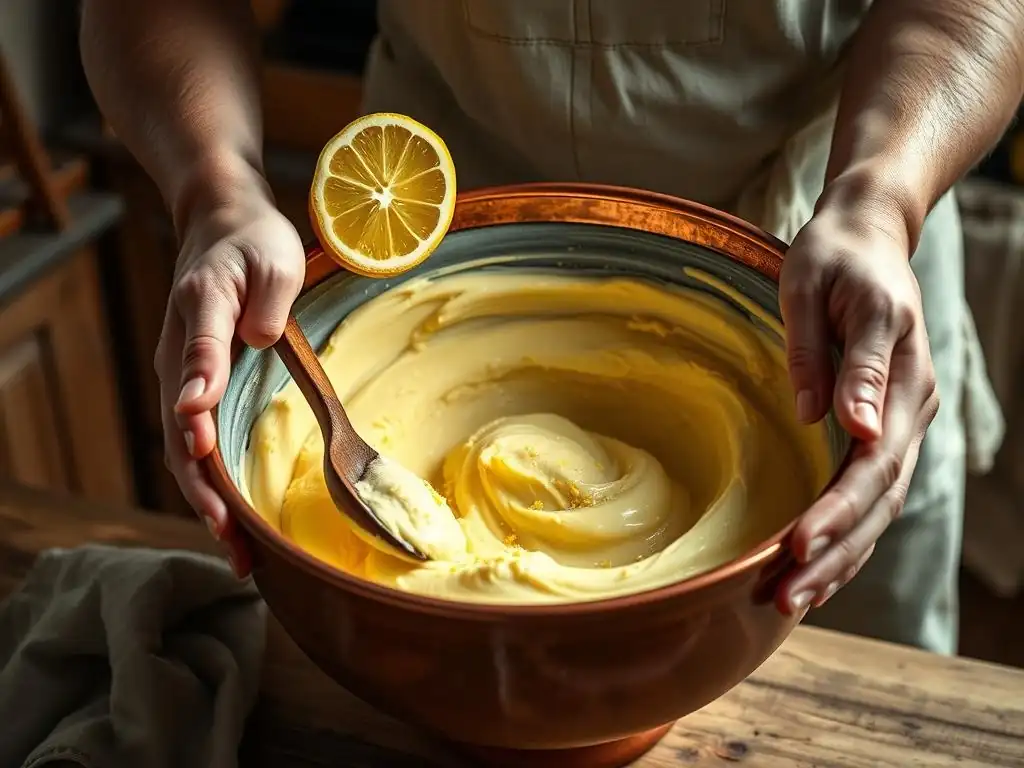
Welcome to BakeWithEase, your ultimate destination for mastering the delightful world of baking! Whether you're a novice eager to whip up your first cake or a seasoned baker perfecting your sourdough, we have something for everyone. In our featured article, “How to Gently Fold Ingredients Without Deflating Your Batter,” we’ll unlock the secrets behind this essential technique, ensuring your baked goods rise to perfection. Ready to elevate your baking game? Dive in and discover how simple methods can transform your kitchen creations!
- How to Gently Fold Ingredients Without Deflating Your Batter: BakeWithEase Guide
- Understanding the Importance of Gentle Folding in Baking
- Mastering the Gentle Fold: A Step-by-Step Guide
- Common Mistakes to Avoid When Folding Batter (and How to Fix Them)
- Tips and Tricks for Folding Batter Like a Pro
- Troubleshooting Deflated Batter: Rescue Techniques and Prevention
- Recipes That Benefit from Gentle Folding
- Conclusion: Baking with Confidence Through Gentle Folding
- Frequently Asked Questions
- Final Reflection: The Art of Gently Folding Batter
- Unlock Your Baking Confidence: Master the Gentle Fold!
How to Gently Fold Ingredients Without Deflating Your Batter: BakeWithEase Guide
Understanding the Importance of Gentle Folding in Baking
Why Folding Matters: Preserving Air and Texture in Your Baked Goods
In baking, folding is a crucial technique used to combine a light, airy mixture (like whipped egg whites or whipped cream) with a heavier base (like a batter, ganache, or puree) without losing the volume and air incorporated into the lighter component. This process is distinct from stirring or beating, which would quickly collapse the delicate air bubbles.
The primary purpose of folding is to preserve this air, which acts as a leavening agent, giving baked goods their desired light, tender, and airy texture. Recipes for items like soufflés, mousses, chiffon cakes, meringues, and specific types of sponge cakes rely heavily on proper folding technique.
Successful gentle folding results in baked goods with significant height, a delicate crumb, and a melt-in-your-mouth texture. For instance, folding whipped egg whites into a chocolate base for a soufflé is what causes it to rise dramatically in the oven, often doubling or tripling in height. Similarly, incorporating whipped cream into a fruit puree for a mousse creates a light, airy dessert rather than a dense, heavy one. Mastering how to gently fold batter ensures your efforts in whipping are not undone, leading to consistently successful and delightful results.
The Science Behind Deflation: How Overmixing Affects Batter
Deflation occurs when the delicate air bubbles, painstakingly created through whipping egg whites or cream, are popped or collapsed. These bubbles are held within a fragile protein matrix (from egg whites or dairy). When you mix too vigorously, too quickly, or for too long, the physical force breaks down this matrix and bursts the bubbles. Think of it like popping a balloon – once the air is gone, the structure is lost. This is why techniques like stirring or beating are detrimental when the goal is to maintain lightness.
Overmixing a batter that contains a folded-in airy component will inevitably lead to a denser, heavier final product. Instead of rising high and having an open, tender crumb, the baked good will be flat, potentially tough, and lack the intended delicate texture. For example, over-folding whipped egg whites into a cake batter can reduce the final cake volume by as much as 40-50% compared to a correctly folded one, resulting in a significantly shorter, sadder cake. Understanding this science underscores the importance of learning to gently fold ingredients without deflating your batter.
Mastering the Gentle Fold: A Step-by-Step Guide
Step 1: Preparing Your Ingredients for Folding
Before you begin folding, ensure both components are ready and in the right state. The lighter mixture (like whipped egg whites or cream) should be whipped to the consistency specified in the recipe – usually soft or stiff peaks for egg whites, and soft to medium peaks for cream. Over-whipping can make these mixtures difficult to fold and more prone to deflation. The heavier base mixture should also be prepared according to the recipe, often at room temperature unless otherwise specified.
A helpful technique is to "lighten" the heavier base mixture before attempting to fold in the bulk of the lighter component. Take about one-quarter to one-third of the whipped mixture and stir it relatively vigorously into the heavier base. While this step sacrifices some air in that initial portion, it significantly loosens the base, making it much easier to incorporate the remaining, crucial portion of the airy mixture gently and effectively, minimizing overall air loss.
Step 2: The Correct Technique: How to Gently Fold Batter
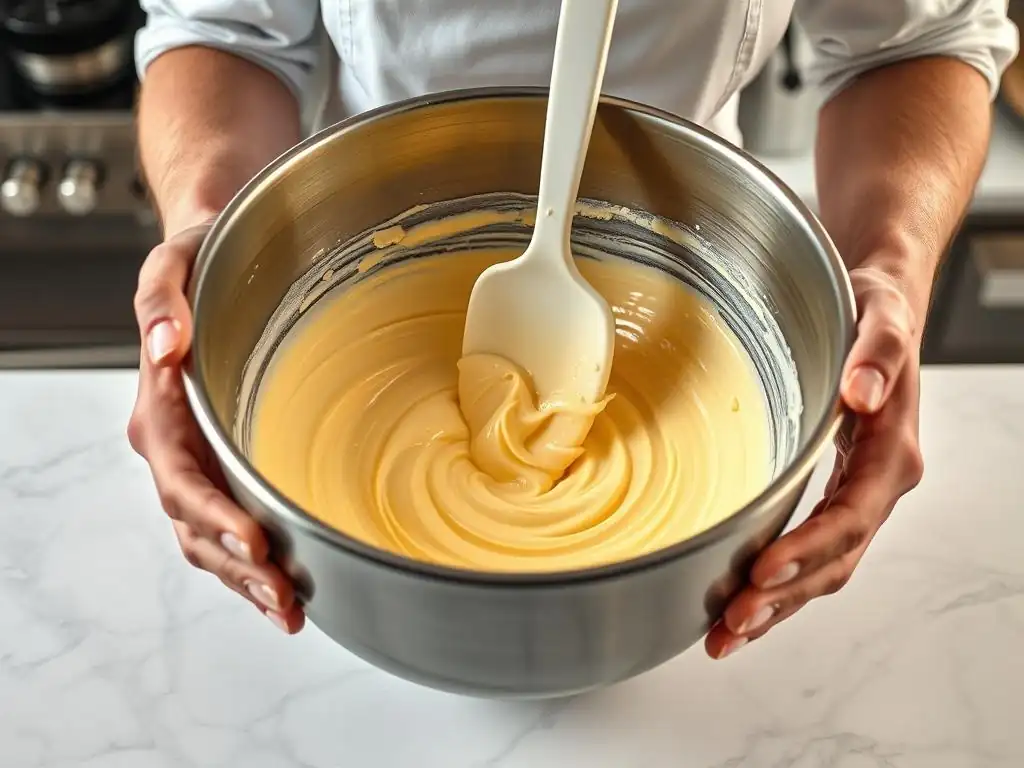
The core principle of gentle folding is to incorporate ingredients with a motion that cuts through the mixture while lifting and turning it over, rather than stirring in circles. The most common and effective method is the "cut and fold" technique, performed with a flexible spatula. Hold the spatula vertically and slice it down through the center of the bowl, reaching the bottom.
Once at the bottom, sweep the spatula along the curve of the bowl, then lift the mixture from the bottom up and over the mixture on top. Gently rotate the bowl slightly with your other hand after each fold. This motion ensures that ingredients from the bottom are brought to the top and combined with minimal disruption to the air bubbles. Repeat this motion, turning the bowl, until the mixtures are just combined.
The "Cut and Fold" Method Explained
As detailed above, the "cut and fold" method involves a specific spatula movement designed to integrate mixtures efficiently while preserving air. Imagine dividing your bowl visually in half. You bring your spatula down through the center line, like cutting through dough.
Then, once you hit the bottom of the bowl, you sweep the spatula along the bottom edge and bring the mixture from the bottom up and over the top layer. This action effectively "folds" the bottom layer over the top. Rotating the bowl after each stroke ensures even incorporation throughout the batch. For a typical bowl size (around 8-10 inches in diameter), each fold might cover roughly one-quarter of the bowl's circumference before you rotate.
Minimizing Movement: Keeping Air Bubbles Intact
The key to preventing deflation when you gently fold batter is to use the fewest possible strokes to achieve a homogenous mixture. Every time you pass the spatula through the batter, there is a risk of popping air bubbles. Therefore, your movements should be deliberate and efficient.
Avoid unnecessary stirring or beating motions. The goal is to bring the ingredients together, not to agitate them. Watch the mixture closely; as soon as you no longer see distinct streaks of the lighter or heavier components, stop folding. A few extra strokes "just to be sure" are often the culprit behind a deflated result. For example, folding whipped cream into a ganache might take only 15-20 gentle folds to reach the right consistency in a medium bowl.
Step 3: Knowing When to Stop: Recognizing the Right Batter Consistency
Knowing when to stop folding is as critical as the technique itself. The mixture is ready when the lighter and heavier components are just combined, and there are no significant visible streaks of either ingredient. The overall color and texture should appear uniform. The mixture should still look and feel airy and voluminous, retaining much of the height from the whipped component.
If you continue folding past this point, the mixture will start to lose its volume, becoming thinner and more liquid. Under-folded batter, on the other hand, will clearly show unmixed portions, like large white streaks of egg white or pockets of heavier batter. A correctly folded batter, for something like a sponge cake, will look homogenous but still feel light and airy when you lift the spatula, perhaps with one or two tiny, quickly disappearing streaks remaining.
Common Mistakes to Avoid When Folding Batter (and How to Fix Them)
Overmixing: The Biggest Enemy of Light and Airy Cakes
Overmixing is the most common pitfall when learning to gently fold batter. It happens when you continue the folding motion beyond the point where the ingredients are just incorporated. This excessive movement collapses the air cells, leading to a significant loss of volume and a dense, heavy texture in the final baked good. The batter will visibly deflate and become runnier.
To avoid overmixing, pay close attention to the batter's appearance. Stop folding as soon as streaks of unmixed ingredients disappear and the mixture is uniform. Unfortunately, once a batter is significantly overmixed and deflated, it's very difficult to fully recover the lost air. For instance, an overmixed angel food cake batter will bake up short and rubbery. While you might still bake it and use the result in another way (like crumbs for a parfait), you cannot reinflate the batter itself. Prevention is key.
Under-mixing: Dealing with Streaks of Flour
Under-mixing occurs when you stop folding too soon, before the ingredients are fully combined. This is often evident by visible streaks of dry flour, unmixed egg white, or pockets of the heavier base mixture within the batter. Baking an under-mixed batter can result in uneven texture, dense spots where ingredients weren't incorporated, or ingredients (like flour) that don't cook properly.
If you notice streaks of unmixed ingredients, the fix is straightforward: continue folding gently using the correct technique for a few more strokes. The challenge is to do this carefully enough to finish incorporating the ingredients without then falling into the trap of overmixing. Aim to fold just until the streaks vanish, then stop immediately. For example, if you see dry flour pockets in your sponge batter, continue folding very gently until they disappear, which might only take 3-5 more strokes.
Using the Wrong Tools: Best Utensils for Gentle Folding
Using the wrong tool can sabotage even the most careful folding technique. Whisks are designed to incorporate air and are too aggressive for folding delicate mixtures, as they will pop air bubbles. Stiff, narrow spatulas or spoons don't have the flexibility or surface area to effectively scrape the bowl and lift the mixture properly, requiring more strokes and increasing the risk of deflation.
The ideal tool for gentle folding is a flexible rubber or silicone spatula with a wide head. The flexibility allows it to conform to the curves of the bowl, ensuring you can scrape all the way to the bottom and sides to incorporate ingredients efficiently with minimum effort. A spatula head that is roughly 3-4 inches wide is often effective for most home baking quantities, allowing you to gather a good amount of mixture with each sweep and lift.
Tips and Tricks for Folding Batter Like a Pro
Incorporating Delicate Ingredients: Berries, Chocolate Chips, and More
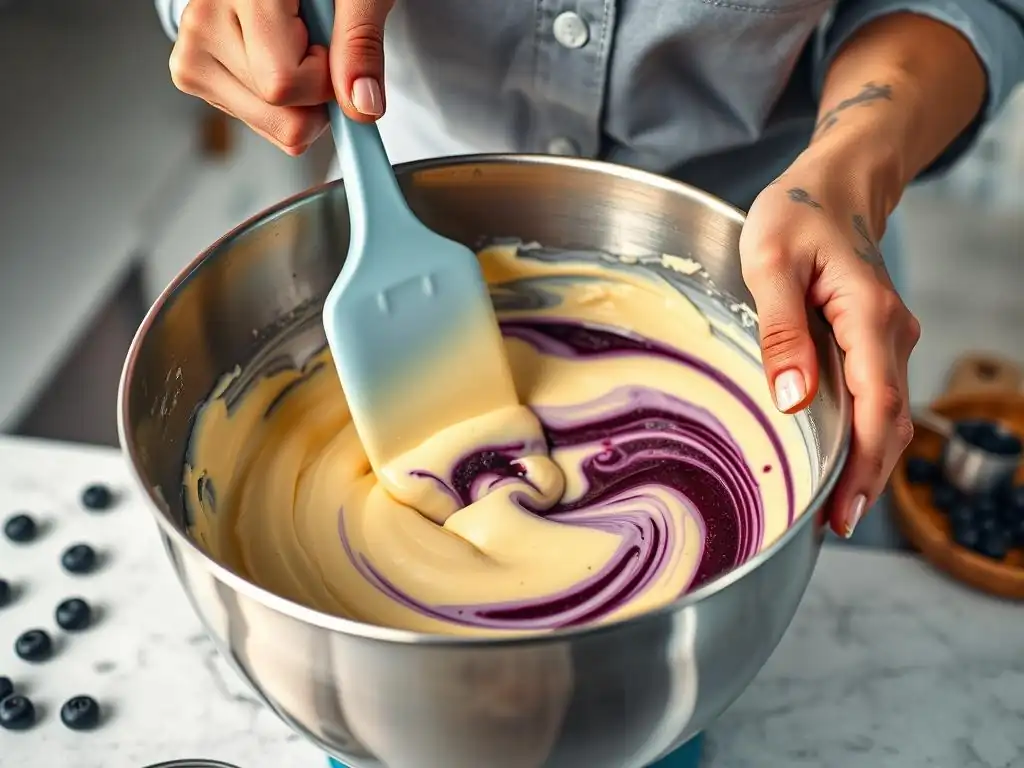
When a recipe calls for adding delicate ingredients like fresh berries, chocolate chips, or nuts to a batter that requires folding (like muffins or quick breads where you've creamed butter and sugar for air), it's best to add them towards the very end of the mixing process. After you've folded in the dry ingredients until just combined, gently fold in the solid additions.
To prevent delicate items like berries from sinking or bruising, you can lightly toss them in a tablespoon or two of the dry ingredient mix (usually flour) before adding them to the batter. Fold them in using the same gentle cut-and-fold motion, just until they are evenly distributed. Avoid overmixing, as this can crush berries or develop gluten unnecessarily in flour-based batters. For example, when adding blueberries to muffin batter, fold them in with only 3-4 strokes after the dry ingredients are incorporated.
Folding Different Types of Batter: Cake Batter vs. Mousse
While the core principle of gentle folding remains constant, the specific application can vary slightly depending on the consistency of the base mixture. Folding whipped egg whites into a relatively thin cake batter (like for a chiffon or sponge cake) requires care to avoid collapsing the fragile foam with the heavier liquid. Adding a portion of the whites to lighten the batter first is crucial here.
Conversely, folding whipped cream or meringue into a thicker base like a dense chocolate ganache for a mousse requires a slightly more deliberate (though still gentle) motion to integrate the thicker and lighter components. Again, lightening the base with a portion of the whipped mixture first is highly recommended.
The key is to adapt your folding motion to the resistance of the mixture, always prioritizing minimum strokes to preserve air. For instance, incorporating whipped cream into a chilled chocolate ganache might require slightly firmer sweeps along the bottom of the bowl than folding whites into a fluid egg yolk mixture.
Practicing Makes Perfect: Developing Your Folding Skills
Folding is a technique that often feels awkward at first, but it becomes intuitive with practice. Don't be discouraged if your first attempts don't yield perfectly airy results. Start with recipes where the folding step is relatively simple, like incorporating whipped cream into a fruit puree or a simple sponge cake. Pay attention to the feel of the mixture as you fold.
Observe how the batter changes in appearance and texture with each stroke. Notice how it lightens in color and becomes more homogenous. Learn to recognize the visual cues that indicate the mixture is just combined. With practice, you'll develop a feel for the right amount of resistance and the moment to stop folding, allowing you to confidently gently fold batter for a variety of recipes.
Troubleshooting Deflated Batter: Rescue Techniques and Prevention
Identifying the Cause of Batter Deflation
If your batter has deflated, take a moment to consider where things might have gone wrong. Was the lighter component (whipped egg whites or cream) whipped to the correct stage? Over-whipped egg whites can be brittle and collapse easily during folding. Was the heavier base mixture too hot or too cold, affecting the stability of the whipped component?
Most commonly, deflation is caused by using an aggressive stirring motion instead of the gentle cut-and-fold, or simply by overmixing – continuing to fold past the point of incorporation. Did you see clear streaks disappear and then keep folding? Were you using a whisk or a rigid spoon instead of a flexible spatula? Pinpointing the cause helps you avoid repeating the mistake in future baking endeavors.
Can You Save a Deflated Batter? [Possible Rescue Methods]
Realistically, once a batter requiring significant aeration (like for a soufflé or angel food cake) has deflated, the air is largely lost, and it's very difficult to fully "re-inflate" it. The structure that held the air has been compromised. A soufflé base with deflated meringue will not rise properly. A sponge cake batter that has lost its volume will bake up flat and dense.
For slightly deflated batters, you might still bake them, but accept that the result will be denser than intended. For some mixtures like mousse, if the whipped cream hasn't been fully incorporated, you might be able to salvage it by gently folding in a small amount of freshly whipped cream, but this is often a risky maneuver and doesn't fully restore the original texture. In many cases of severe deflation, the best "rescue" is to repurpose the ingredients if possible (e.g., use a failed cake batter for cake pops or a dense sponge in a trifle).
Preventing Deflation: Best Practices for Baking Success
Preventing deflation is far easier and more effective than attempting a rescue. Always ensure your whipped components are prepared correctly – whipped to the right consistency but not over-whipped. Have all your ingredients measured and ready before you start whipping and folding, as letting whipped mixtures sit for too long can also cause them to lose air.
Use the recommended tool: a large, flexible rubber or silicone spatula. Remember to "lighten" the heavier base by incorporating a portion of the whipped mixture first. Use the gentle cut-and-fold motion, rotating the bowl. Most importantly, learn to recognize when the batter is just combined and stop folding immediately. Working efficiently once the batter is folded, getting it into the prepared pan and into the oven promptly, also helps prevent air loss. Mastering how to gently fold batter without deflate significantly improves your baking success rate.
Recipes That Benefit from Gentle Folding
Angel Food Cake
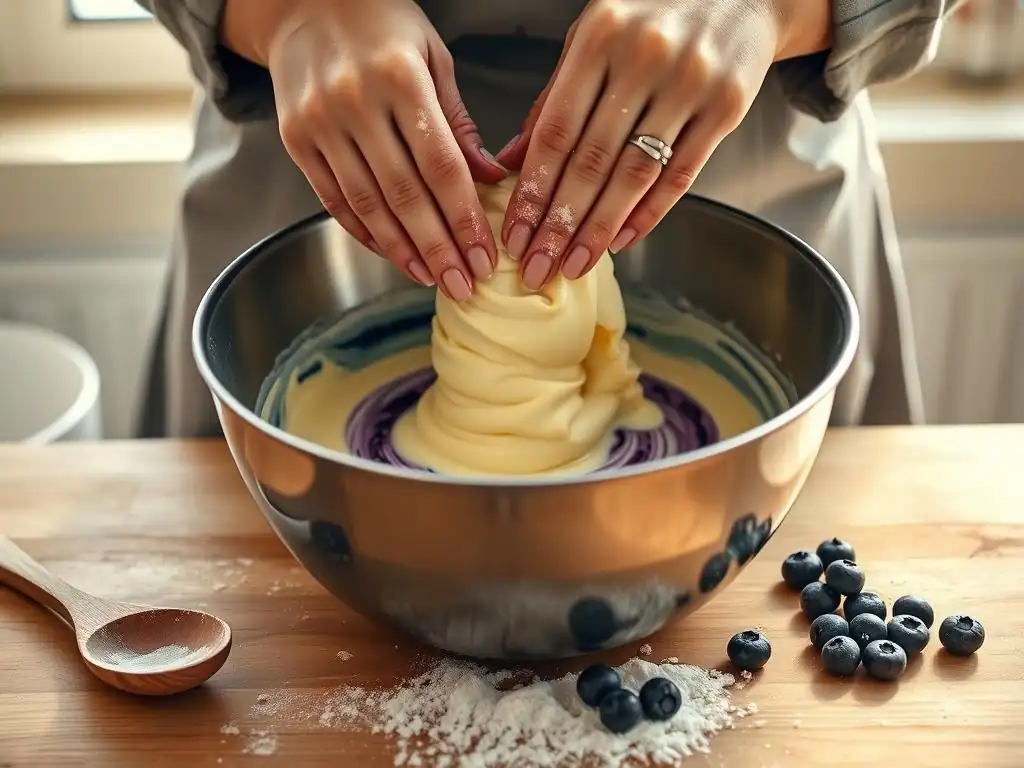
Angel food cake is a prime example of a recipe that lives and dies by the gentle fold. Its entire structure and signature cloud-like texture come from the air incorporated into a large quantity of egg whites, with no chemical leavening or fat. The dry ingredients (usually cake flour and sugar) must be folded into the stiffly whipped egg whites with extreme care to preserve every precious air bubble.
The process typically involves sifting the dry ingredients multiple times and then gently folding them into the whipped whites in several additions. The goal is to distribute the flour and sugar evenly without collapsing the delicate foam. This meticulous folding is what allows the cake to rise dramatically in its special pan, achieving that tall, airy, and tender crumb that defines a perfect angel food cake.
Chocolate Soufflé
Chocolate soufflé is another classic example where gentle folding is absolutely essential for achieving the desired dramatic rise and airy interior. The soufflé relies on folding a stable meringue (whipped egg whites with sugar) into a flavored base, often a rich chocolate pastry cream or ganache. The expansion of the air within the meringue during baking provides almost all of the lift.
The standard technique involves folding about one-third of the meringue into the chocolate base first to lighten it, making the base more receptive to the remaining meringue. Then, the remaining two-thirds of the meringue are folded in very gently using the cut-and-fold method until just combined. This careful incorporation ensures that the maximum amount of air is retained, allowing the soufflé to puff up impressively in the oven and create that wonderfully light texture.
Raspberry Mousse
Making a light and airy raspberry mousse involves folding a whipped component, typically whipped cream or meringue, into a raspberry puree base. The air in the whipped cream or meringue transforms the potentially dense puree into a light, ethereal dessert. Gentle folding is necessary to maintain this airy texture.
For a raspberry mousse, you would prepare your raspberry base and whip your cream or meringue separately. Then, you would gently fold the whipped component into the base until just combined, ensuring no streaks remain but stopping before the mixture loses its volume. This technique not only keeps the mousse light but also helps maintain the vibrant color and fresh flavor of the raspberries without overworking the mixture. Using chilled ingredients often aids in keeping the whipped component stable during the folding process.
Conclusion: Baking with Confidence Through Gentle Folding
Recap: Key Takeaways for Folding Success
Mastering the art of gentle folding is a fundamental skill that unlocks a world of delicate and impressive baked goods. The key takeaways are simple yet crucial: understand that folding is about preserving air, not just mixing ingredients. Always use a flexible spatula and employ the cut-and-fold technique, rotating the bowl. Prepare your ingredients correctly, ensuring whipped components are at the right stage.
Most importantly, know when to stop – fold only until the ingredients are just combined, with no significant streaks remaining. Avoid the temptation to overmix. By following these principles, you can confidently gently fold batter without deflate, ensuring your soufflés rise, your cakes are airy, and your mousses are light.
More Baking Resources from BakeWithEase
Learning to gently fold batter without deflate is just one step on your baking journey. At BakeWithEase, we provide simple, step-by-step guides for bakers of all levels. Explore our extensive collection of Beginner Baking Recipes to put your new folding skills to practice in delicious ways, from light sponge cakes to airy mousses.
Dive deeper into other essential Basic Baking Techniques to build your foundation for baking success. We offer easy-to-follow instructions and tips to help you master everything from creaming butter and sugar to whipping egg whites perfectly. Visit BakeWithEase.com for all the resources you need to bake with ease and confidence!
Frequently Asked Questions
How crucial is it to gently fold ingredients in baking?
It's extremely important, as aggressive mixing can knock out the air that creates a light and airy texture in many baked goods. This leads to a dense and undesirable final product.
What's the best tool to use when gently folding batter?
A large rubber spatula is ideal. Its flexible edge allows you to scoop and fold without overmixing or damaging the delicate air bubbles.
Can you describe the "folding" motion in more detail?
Imagine you're scooping from the bottom of the bowl, bringing the mixture up and over the top. Then, rotate the bowl a quarter turn and repeat. Avoid stirring!
What happens if I don't gently fold the batter?
You risk deflating the batter, resulting in a flat, tough, or gummy baked good. The air incorporated during the initial creaming or whisking stages is lost.
How can I tell if I've over-folded my batter?
Over-folded batter will appear flat and lifeless, losing its volume. It may also look stringy or develop a tough consistency.
Final Reflection: The Art of Gently Folding Batter
Mastering the technique of gently folding ingredients is more relevant today than ever, as the culinary world increasingly emphasizes the importance of texture and finesse in baking. The delicate balance between incorporating air and maintaining the integrity of the batter can make or break a recipe, highlighting the significance of this skill in achieving the perfect rise and lightness in baked goods. In a time where home baking has surged in popularity, understanding how to gently fold batter without deflating it is essential for both novice and experienced bakers alike.
Cooking and baking are not just about following recipes; they are about connecting with the ingredients and the process. The technique of folding is a beautiful metaphor for life itself—requiring patience, care, and a gentle touch. As we navigate our daily routines, the lessons learned in the kitchen can resonate beyond the mixing bowl. Cooking is like love; it should be entered into with abandon or not at all.
This quote encapsulates the passion that should accompany every culinary endeavor, reminding us that the care we put into our baking reflects our approach to life.
As you reflect on your baking journey, I invite you to embrace the art of gently folding ingredients with intention and mindfulness. Consider how this technique can inspire you to approach challenges in your life with the same gentle touch, fostering growth and creativity. Whether you’re whipping up a cake for a special occasion or simply experimenting in your kitchen, remember that every fold is an opportunity to create something beautiful—both in your baking and in your life.
Unlock Your Baking Confidence: Master the Gentle Fold!
Thanks for taking the time to learn about the gentle fold—a technique that can elevate your baking to the next level! You've just unlocked a secret weapon against deflated cakes and uneven textures. Now, let's put your newfound knowledge into action:
- Practice the perfect fold: Try it out with your next recipe! Focus on those slow, under-the-fold motions for truly light and airy results. This is your key takeaway!
- Share your success (or questions!): Show off your perfectly folded creations or share any questions you have in the comments below. We’d love to see (and help)!
- Explore other BakeWithEase techniques: Check out our other articles on essential baking skills – you might discover a new favorite technique!
What's your go-to method for incorporating delicate ingredients into your batters, and what challenges have you faced? Let's discuss!