
Is Vanilla Bean Worth the Splurge? Bean vs. Extract Cost & Taste Comparison

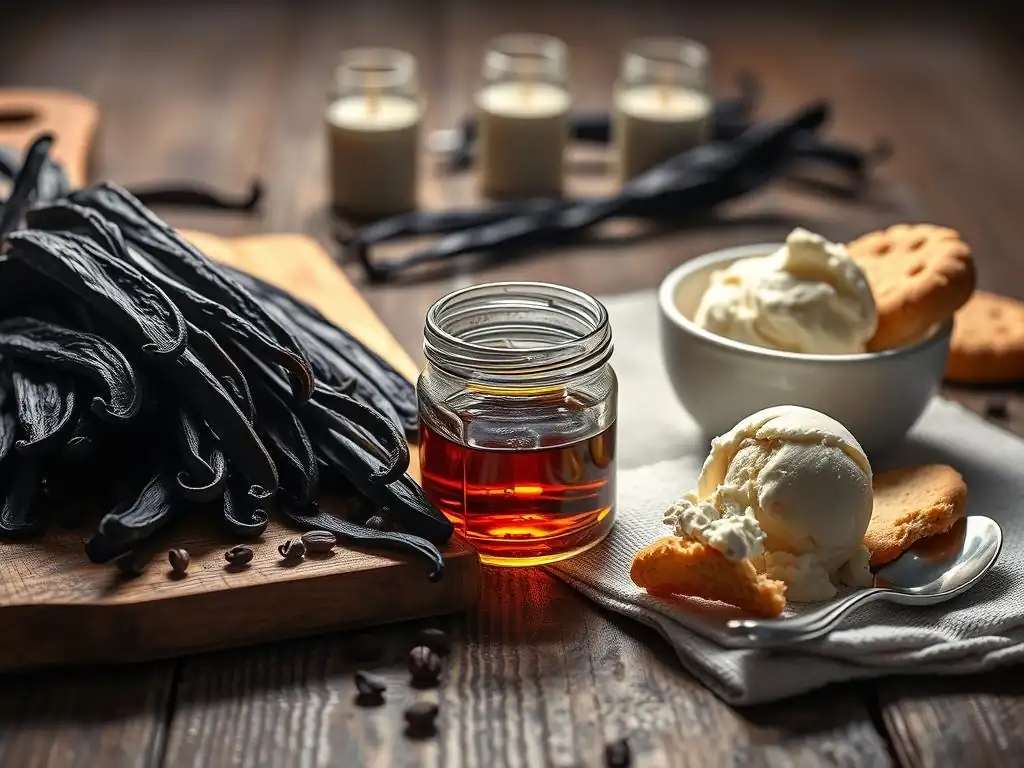
Welcome to BakeWithEase, your trusted guide to baking brilliance! Ever wondered if that delicate vanilla bean is truly worth the hype (and the price tag) compared to humble vanilla extract? Dive into our ingredient deep dive and unlock the secrets to flavor, cost, and the best applications for each. Prepare to be amazed as we unravel the mystery and help you decide which vanilla powerhouse reigns supreme in your kitchen!
- Madagascar Vanilla Bean vs. Extract: Cost & Taste Comparison for Baking Excellence
- Introduction: Exploring the Vanilla Bean vs. Extract Debate for Discerning Bakers
- Understanding Vanilla: A Baker's Key Ingredient
- Vanilla Bean vs. Extract: A Detailed Comparison for Your Baking Needs
- The Baking Experiment: Side-by-Side Vanilla Bean vs. Extract Recipes
- Maximizing Vanilla Flavor: Tips and Techniques for Baking Success
- Vanilla Bean Extract Alternatives: Exploring Other Options
- Making Your Own Vanilla Extract: A DIY Guide for Home Bakers
- Environmental and Ethical Considerations: Sourcing Sustainable Vanilla
- Conclusion: Making the Right Choice for Your Baking Projects - Vanilla Bean or Extract?
-
Frequently Asked Questions
- What is the main difference between using vanilla bean and vanilla extract in baking?
- Is using vanilla bean significantly more expensive than vanilla extract?
- How does the flavor profile of vanilla bean compare to that of vanilla extract?
- When is it best to use vanilla bean instead of vanilla extract?
- How do I properly use a vanilla bean in a baking recipe?
- Final Reflection: The Sweet Truth About Vanilla
- Unlock the Secrets of Vanilla: Elevate Your Baking!
Madagascar Vanilla Bean vs. Extract: Cost & Taste Comparison for Baking Excellence
Introduction: Exploring the Vanilla Bean vs. Extract Debate for Discerning Bakers
Welcome, fellow baking enthusiasts, to a deep dive into one of the most flavorful decisions you'll make in the kitchen: choosing between vanilla bean and vanilla extract. Both promise that signature warm, aromatic sweetness we adore, but they are far from identical. Understanding the nuances of vanilla bean vs extract is key to elevating your baked goods from good to truly exceptional. This article will explore their origins, costs, flavors, and best uses, helping you decide which is the perfect fit for your next baking adventure.
Whether you're whipping up a delicate custard, a rich cake, or classic cookies, the form of vanilla you choose can significantly impact the final result. We'll break down the pros and cons, look at real-world costs, and even touch upon sustainability, giving you all the information needed to make an informed choice about vanilla bean vs extract for your specific baking needs.
Understanding Vanilla: A Baker's Key Ingredient
Vanilla is derived from orchids of the genus Vanilla, primarily Vanilla planifolia. It's a spice renowned globally for its complex aroma and flavor, essential in countless sweet and savory dishes, especially in baking. The journey from a delicate orchid flower to the potent vanilla we use is long and labor-intensive, contributing to its value.
The distinct flavor comes from vanillin, the primary phenolic aldehyde, but the true magic of high-quality vanilla lies in the hundreds of other aromatic compounds that contribute to its depth and complexity. This intricate profile is what makes the vanilla bean vs extract debate so interesting, as different processing methods capture these compounds differently.
What is Vanilla Extract? Production and Flavor Profile
Vanilla extract is made by macerating chopped vanilla beans in a solution of alcohol and water. According to the U.S. Food and Drug Administration (FDA) standard of identity, pure vanilla extract must contain at least 35% alcohol by volume and 13.35 ounces of vanilla beans per gallon. This process extracts the flavor compounds from the bean into a liquid form, making it easy to measure and incorporate into recipes. The extraction process typically takes several months to achieve optimal flavor.
The flavor profile of vanilla extract is generally more singular and potent in terms of pure vanillin punch compared to the bean itself. It provides a consistent, reliable vanilla flavor that distributes evenly throughout batters and doughs. While it captures the main essence of vanilla, some of the subtle, more volatile aromatic notes present in the whole bean might be less prominent or altered during the extraction process. The quality of the beans used and the extraction method significantly influence the final flavor of the extract.
What is a Vanilla Bean? Origin, Types, and Characteristics
A vanilla bean is the cured fruit (pod) of the vanilla orchid. The process of producing a vanilla bean is incredibly labor-intensive, involving hand-pollination of the flowers, followed by a curing process that can take several months, including sun-drying and sweating the beans. This complex process develops the bean's rich aroma and flavor compounds. The tiny black specks inside the bean pod are often referred to as "vanilla caviar" and are packed with intense flavor.
Vanilla beans are primarily grown in a few regions around the world, each offering a slightly different flavor profile. Madagascar (Bourbon) beans are the most common, known for their classic sweet, creamy, and rich flavor. Mexican beans often have smoky or spicy undertones, Tahitian beans are more floral and fruity, and Ugandan beans are bold and chocolatey. The quality of a vanilla bean is judged by its moisture content, aroma, and plumpness; a good bean should be pliable and glossy.
Vanilla Bean vs. Extract: A Detailed Comparison for Your Baking Needs
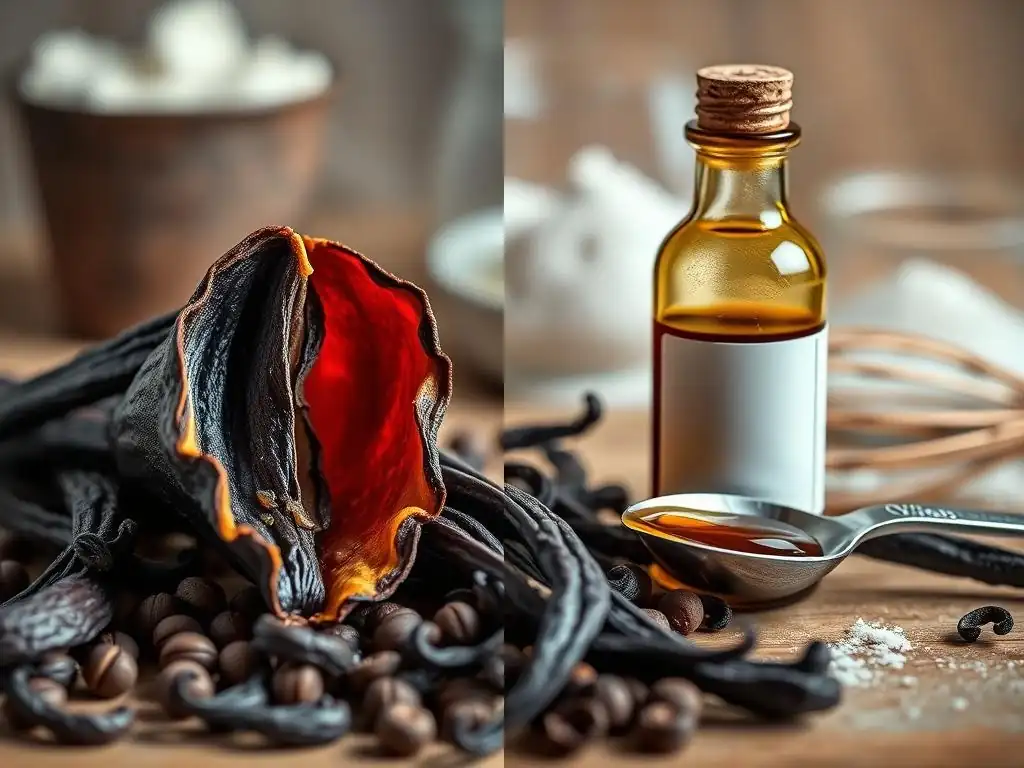
Deciding between vanilla bean vs extract often comes down to balancing desired flavor intensity, visual appeal, cost, and convenience. Each form has its strengths and weaknesses, making one potentially better suited than the other depending on the specific baking project. Let's break down the key differences.
Understanding these distinctions is crucial for any baker looking to optimize their use of vanilla. The choice isn't just about adding a sweet flavor; it's about contributing complexity, aroma, and sometimes even visual cues to your finished product. Comparing vanilla bean vs extract helps clarify when to reach for which option.
Flavor Showdown: Vanilla Bean vs. Extract Taste Differences
The most significant difference between vanilla bean vs extract lies in their flavor profiles. While both deliver vanilla, they do so in distinct ways that impact the overall taste experience of your baked goods.
The Nuance of Vanilla Bean Flavor
Vanilla beans offer a more complex and layered flavor profile than extract. Because they contain the full spectrum of aromatic compounds developed during the curing process, they impart a richer, more nuanced taste. When you use a vanilla bean, you're not just getting the prominent vanillin; you're also getting subtle floral, fruity, smoky, or spicy notes depending on the bean's origin.
The tiny seeds (caviar) also contribute a visual element and can provide tiny bursts of intense flavor. Think of it as the difference between listening to a full orchestra versus a solo instrument. Using vanilla bean is often preferred in recipes where vanilla is the star, like custards, panna cotta, or crème brûlée, where its full complexity can shine.
Furthermore, the intensity of flavor from a vanilla bean can vary slightly depending on the bean's freshness and quality. A plump, moist bean will release more flavor than a dry, brittle one. The flavor also infuses differently into mixtures, often requiring steeping or cooking to fully extract the compounds. This process allows the more delicate aromas to develop and meld with other ingredients, creating a deeper, more integrated vanilla presence in the final dish.
The Simplicity of Vanilla Extract Flavor
Vanilla extract provides a more consistent and straightforward vanilla flavor. It's primarily focused on the vanillin compound, delivering that classic, recognizable vanilla taste. While high-quality extracts made with good beans will have more depth than artificial vanilla, they generally lack the subtle complexities found in the whole bean. Vanilla extract is excellent for adding reliable vanilla flavor to a wide range of baked goods without overpowering other ingredients. It's particularly effective in cookies, cakes, and muffins where vanilla plays a supporting role.
The convenience of extract is also a factor in its flavor delivery. It's a liquid that disperses easily throughout batters and doughs, ensuring even flavoring. Because the flavor compounds are already extracted into the alcohol solution, extract doesn't typically require cooking or steeping to release its flavor, though adding it earlier in the baking process can help mellow the alcohol notes. Its consistent potency makes it the go-to for many bakers following standard recipes.
Cost Analysis: Vanilla Bean Price vs. Extract Affordability
The price difference is often the most significant factor when considering vanilla bean vs extract. Vanilla beans are considerably more expensive per unit of flavor compared to vanilla extract, reflecting the intensive labor required for their production.
Understanding why vanilla beans carry a higher price tag and how vanilla extract is priced helps explain the cost disparity and guides purchasing decisions based on budget and recipe needs. A single high-quality vanilla bean might cost anywhere from approximately $5 to $10 USD or more, depending on the type, origin, size, and market fluctuations. Compare this to a 2-ounce bottle of pure vanilla extract, which might range from $5 to $15 USD, but contains the equivalent flavor of several beans.
Factors Influencing Vanilla Bean Costs
The high cost of vanilla beans is directly linked to their labor-intensive cultivation and curing process. Vanilla orchids are difficult to grow outside their native tropical climate, and the flowers must be hand-pollinated within a specific window of opportunity on the day they bloom. After harvesting, the green beans undergo a complex curing process involving drying, sweating, and conditioning, which takes months and requires constant monitoring. Natural disasters like cyclones in Madagascar or political instability in growing regions can also significantly impact supply and cause prices to skyrocket.
Furthermore, the yield from a vanilla orchid is relatively low, and the global demand for natural vanilla is high, driven not just by home bakers but also by the food and fragrance industries. These factors combine to make vanilla beans one of the most expensive spices by weight globally. The specific origin also plays a role; for instance, Tahitian beans, while less common, can sometimes command higher prices due to their unique flavor profile and limited production.
Understanding Vanilla Extract Pricing
The price of vanilla extract is influenced by the cost of the vanilla beans used in its production, the alcohol content, the brand's reputation, and the volume purchased. Pure vanilla extract, as defined by regulatory standards, requires a significant quantity of beans per gallon, meaning its price is tied directly to the volatile cost of vanilla beans. When bean prices rise, extract prices typically follow suit, albeit sometimes with a delay.
Lower-priced "vanilla flavor" or imitation vanilla extracts are made using synthetic vanillin (often derived from lignin, a component of wood pulp, or petrochemicals) and are significantly cheaper because they bypass the complex agricultural process. While they provide a basic vanilla note, they lack the hundreds of other flavor compounds found in pure vanilla extract or beans. The price difference between pure and imitation extract is substantial and reflects the quality and source of the flavoring compounds. A higher price for pure extract often indicates better quality beans were used or a more careful extraction process was employed.
Usage and Versatility: When to Choose Bean or Extract
The choice between vanilla bean vs extract also depends heavily on how vanilla is used in a recipe and the desired outcome. Some applications benefit greatly from the visual appeal and intense, layered flavor of the bean, while others are perfectly suited for the ease and consistent flavor of the extract.
Think about the texture and temperature of your recipe. Recipes that involve simmering liquids, like puddings, sauces, or creams, are excellent candidates for using a vanilla bean, as the heat helps to fully extract the flavor compounds. For quick-mixing recipes like cookies or cakes, extract might be more convenient.
Vanilla Bean Uses in Baking
Vanilla beans are ideal for recipes where vanilla is a prominent flavor and where you want the visual appeal of the seeds. Think classic desserts like:
- Crème brûlée (the black specks are a hallmark)
- Panna cotta
- Custards and pastry creams
- Ice cream bases
- Simple syrups for cocktails or soaking cakes
To use a vanilla bean, you typically slice it lengthwise and scrape out the tiny seeds (the "caviar") with the back of a knife. Both the seeds and the scraped pod can be used to infuse flavor. The pod can be steeped in milk or cream and then removed, or even stored in sugar to create vanilla sugar. One whole vanilla bean is roughly equivalent in strength to 1 to 2 teaspoons of pure vanilla extract, though this can vary based on the bean's size and quality.
Vanilla Extract Applications in Baking
Vanilla extract is incredibly versatile and is the go-to choice for the vast majority of baking recipes. Its liquid form makes it easy to measure accurately and incorporate evenly into batters and doughs. It's perfect for:
- Cakes and cupcakes
- Cookies and brownies
- Muffins and quick breads
- Buttercreams and glazes
- Pancake and waffle batters
Extract is typically added along with other liquid ingredients. While some flavor might evaporate during baking, a significant amount of the vanillin remains, providing that essential vanilla note. For recipes that are baked at high temperatures or for long periods, using extract can sometimes be more practical than a bean, as the delicate aromas of the bean might be diminished by prolonged heat. The standard conversion is 1 teaspoon of vanilla extract.
Availability and Storage: Accessibility and Shelf Life
Another practical consideration when comparing vanilla bean vs extract is how easy they are to find and how long they last.
Finding Quality Vanilla Beans
Finding high-quality vanilla beans can be more challenging than locating vanilla extract. While some grocery stores carry them, they are often expensive and may not be the freshest. Specialty spice shops, online retailers, and international markets are often better sources for a variety of origins and better quality beans. Look for beans that are plump, moist, flexible, and have a strong aroma. Avoid beans that are dry, brittle, or show signs of mold.
Proper storage is crucial for vanilla beans to maintain their flavor and moisture. They should be stored in an airtight container (like a glass tube or a small zip-top bag with air removed) in a cool, dark place, away from direct sunlight and heat. Do not store them in the refrigerator, as this can dry them out and cause mold.
Stored correctly, vanilla beans can last for several months, though their flavor is best within the first few months. If they dry out, they can sometimes be rehydrated slightly by warming them gently or steeping them in a liquid, but some flavor complexity may be lost.
Storing Vanilla Extract Properly
Vanilla extract is widely available in most grocery stores, making it a convenient option. It is also very stable and has a long shelf life. Pure vanilla extract, due to its alcohol content, does not require refrigeration and should be stored in a cool, dark place, like a pantry or cupboard.
Stored properly in a tightly sealed bottle, pure vanilla extract can last for years, sometimes even improving in flavor over time as the compounds continue to marry in the alcohol solution. While it doesn't necessarily "go bad" in a harmful way, its flavor intensity might diminish slightly after 2-3 years. Imitation vanilla extract, lacking the alcohol content, may have a shorter shelf life but is still generally stable for a year or two. The ease of storage and long shelf life make extract a staple ingredient in many home kitchens.
The Baking Experiment: Side-by-Side Vanilla Bean vs. Extract Recipes
To truly understand the difference between vanilla bean vs extract, a side-by-side comparison is invaluable. Let's imagine baking two identical pound cakes, with the only difference being the form of vanilla used. This kind of experiment highlights the subtle (or not-so-subtle) impacts on taste, texture, and aroma.
For this hypothetical experiment, we'll use a simple pound cake recipe, which relies heavily on basic ingredients and provides a neutral base for the vanilla flavor to shine. We'll prepare two batches of batter simultaneously.
Recipe 1: Vanilla Bean Infused Pound Cake
For the vanilla bean version, we would split and scrape the seeds from one high-quality Madagascar vanilla bean. The seeds would be added directly to the batter, perhaps creamed with the butter and sugar to help disperse them and release their oils. The scraped pod could even be warmed gently in the liquid ingredients (like milk or cream, if the recipe includes them) and then removed before adding to the batter, adding an extra layer of infusion.
Ingredients (Example):
- 1 cup (2 sticks) unsalted butter, softened
- 2 cups granulated sugar
- 3 large eggs
- 1 teaspoon baking powder
- 1/2 teaspoon salt
- 3 cups all-purpose flour
- 1 cup milk
- Seeds from 1 vanilla bean
Method: Cream butter and sugar with vanilla bean seeds until light and fluffy. Beat in eggs one at a time. Whisk together dry ingredients. Alternate adding dry ingredients and milk to the butter mixture, beginning and ending with dry. Mix until just combined. Pour into a greased and floured loaf pan. Bake at 325°F (160°C) for 60-70 minutes, or until a toothpick inserted into the center comes out clean.
Recipe 2: Vanilla Extract Enhanced Pound Cake
For the vanilla extract version, we would use the standard equivalent amount of pure vanilla extract. Assuming one bean is roughly equivalent to 1.5 teaspoons of extract, we would add that quantity to the batter, typically incorporated with the wet ingredients.
Ingredients (Example):
- 1 cup (2 sticks) unsalted butter, softened
- 2 cups granulated sugar
- 3 large eggs
- 1 teaspoon baking powder
- 1/2 teaspoon salt
- 3 cups all-purpose flour
- 1 cup milk
- 1.5 teaspoons pure vanilla extract
Method: Cream butter and sugar until light and fluffy. Beat in eggs one at a time. Whisk together dry ingredients. Combine milk and vanilla extract. Alternate adding dry ingredients and milk mixture to the butter mixture, beginning and ending with dry. Mix until just combined. Pour into a greased and floured loaf pan. Bake at 325°F (160°C) for 60-70 minutes, or until a toothpick inserted into the center comes out clean.
Comparing Results: Taste, Texture, and Aroma
After baking and cooling both cakes, a sensory comparison would reveal the differences between vanilla bean vs extract.
- Appearance: The vanilla bean cake would have visible black specks distributed throughout the crumb, a clear indicator of using the whole bean. The extract cake would have a uniform color.
- Aroma: The vanilla bean cake would likely have a more complex, perhaps slightly more floral or fruity aroma when sniffed closely, reflecting the bean's full profile. The extract cake would have a strong, classic vanilla scent.
- Taste: The vanilla bean cake would offer a deeper, more layered vanilla flavor that lingers on the palate. You might detect subtle notes beyond just "sweet vanilla." The extract cake would deliver a clean, bright, and consistently vanilla flavor throughout each bite. It might taste more overtly "vanilla" but perhaps less nuanced.
- Texture: While primarily influenced by other ingredients and baking technique, some argue that the tiny seeds from the bean can add a negligible textural element, though this is minimal in a cake crumb.
This side-by-side test vividly demonstrates the distinct contributions of vanilla bean vs extract to a baked good.
Maximizing Vanilla Flavor: Tips and Techniques for Baking Success
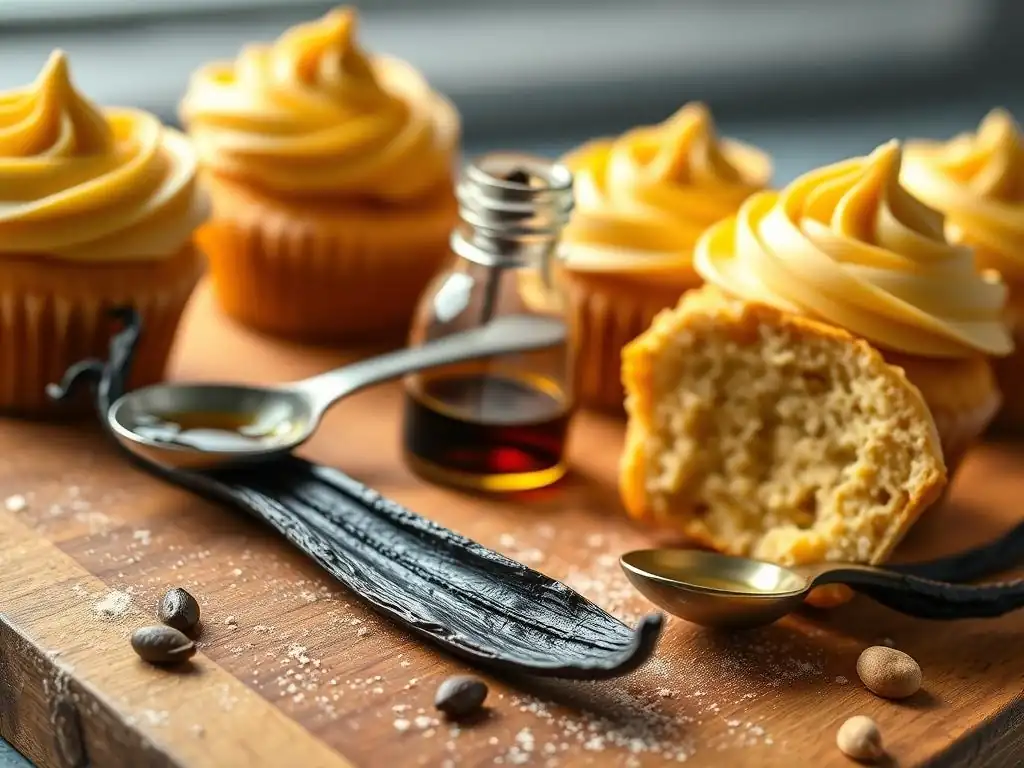
Regardless of whether you choose vanilla bean vs extract, there are techniques to ensure you get the most flavor out of your precious vanilla.
Extracting Vanilla Bean Flavor: Best Practices
To get the most out of a vanilla bean, always slice it lengthwise with a sharp knife to expose the inner seeds. Use the back of the knife or a small spoon to scrape out the vanilla caviar. These seeds are potent! Don't discard the scraped pod; it still contains significant flavor. You can:
- Add the pod to liquids like milk, cream, or sugar syrups and gently heat to infuse the flavor. Remember to remove the pod before using the liquid in your recipe.
- Rinse and dry the used pod and store it in a jar of sugar to make vanilla sugar.
- Add dried, used pods to a bottle of neutral alcohol (like vodka) to make your own vanilla extract.
When adding the seeds directly to a batter or dough, creaming them with butter and sugar helps to distribute them evenly and allows the fat to absorb the fat-soluble flavor compounds.
Enhancing Vanilla Extract Flavor: Simple Tricks
While vanilla extract is straightforward to use, a few tips can help maximize its impact.
- Add at the right time: For recipes that don't involve much cooking or high heat (like frostings, no-bake desserts, or whipped cream), add the extract towards the end of mixing to preserve its volatile aromas. For baked goods, adding it with other liquid ingredients is standard, though some bakers hold back a small amount to add right before baking for a fresh vanilla burst.
- Use quality extract: As mentioned in the cost section, pure vanilla extract made with good beans will always provide better flavor than imitation vanilla. Look for extracts that list only vanilla bean extractives, water, and alcohol.
- Consider doubling: In some recipes, especially those with strong competing flavors, you might consider slightly increasing the amount of vanilla extract (e.g., from 1 tsp to 1.5 tsp) to make the vanilla presence more noticeable. However, too much can introduce a bitter or alcoholic note.
Vanilla Bean Extract Alternatives: Exploring Other Options
Beyond whole beans and liquid extract, the market offers other vanilla products that fall somewhere in between vanilla bean vs extract in terms of form, flavor, and price. These can be useful alternatives depending on your needs.
Vanilla Paste: A Middle Ground?
Vanilla paste is a thick, syrupy product made from concentrated vanilla extract and suspended vanilla bean seeds, often thickened with a natural gum. It offers a good balance: the convenience of a liquid/paste form combined with the visual appeal and some of the complex flavor of the vanilla bean seeds.
- Flavor: Provides a flavor profile closer to vanilla extract but with added depth from the seeds.
- Appearance: Contains visible vanilla bean specks, which are desirable in many finished dishes.
- Usage: Easy to measure and mix into batters, creams, and sauces. It's excellent for recipes where you want the look of vanilla bean but the ease of extract, such as ice cream, custards, or white cakes. The general substitution is 1 teaspoon of vanilla paste for 1 teaspoon of vanilla extract or the seeds from half a vanilla bean.
- Cost: Typically more expensive than vanilla extract but less costly than purchasing an equivalent amount of whole vanilla beans for their seeds. It represents a convenient compromise between vanilla bean vs extract.
Vanilla Powder: Another Vanilla Option
Vanilla powder is made from finely ground, dried vanilla beans. Since it contains no alcohol or water, it's a pure, concentrated form of vanilla.
- Flavor: Offers a strong, pure vanilla flavor. Because it's dried and ground, some of the delicate top notes might be less prominent than in fresh beans or extract, but it provides a robust base note.
- Usage: Ideal for dry mixes, rubs, or applications where you don't want to add liquid, such as dusting on baked goods or mixing into coffee or tea. It's also heat-stable, making it suitable for recipes baked at high temperatures. However, the texture might be slightly gritty if not fully dissolved or dispersed. Substitution is generally 1/2 teaspoon of vanilla powder for 1 teaspoon of vanilla extract.
- Cost: Usually quite expensive due to being a concentrated product made from whole beans.
Making Your Own Vanilla Extract: A DIY Guide for Home Bakers
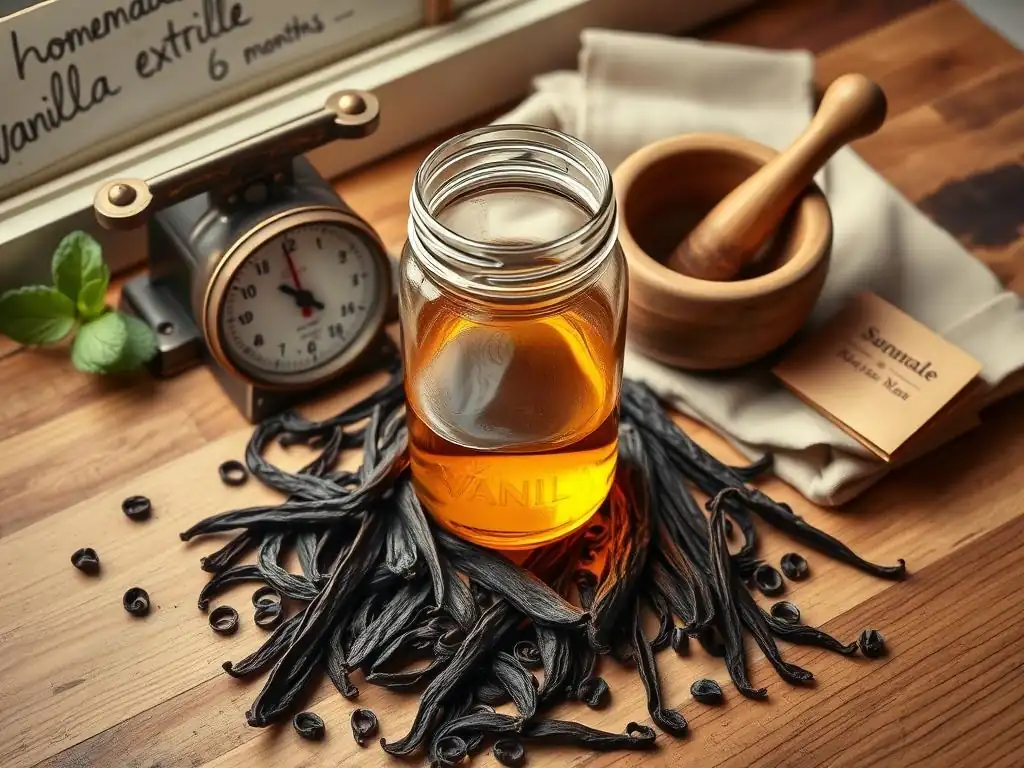
If you find yourself frequently using vanilla extract and want to ensure quality while potentially saving money in the long run, making your own pure vanilla extract is a rewarding project. It also gives you control over the type and quality of beans used, influencing the final flavor profile. This process clarifies the relationship between vanilla bean vs extract.
Step-by-Step Instructions for Homemade Vanilla Extract
Making vanilla extract is simple but requires patience, as it takes several months to develop full flavor.
- Gather your supplies:
- Vanilla beans (approximately 1 ounce, or about 6-8 beans, per cup of alcohol). Use good quality beans, ideally plump and moist.
- Neutral alcohol (Vodka is common, but bourbon, rum, or brandy can also be used for different flavor profiles). Needs to be at least 70 proof (35% alcohol).
- A clean, airtight glass bottle or jar.
- Prepare the beans: Slice the vanilla beans lengthwise, leaving about an inch attached at the top, or chop them into smaller pieces (about 1-2 inches). Slicing exposes more surface area for extraction.
- Combine: Place the prepared vanilla beans into the clean glass bottle or jar. Pour the alcohol over the beans, ensuring they are completely submerged.
- Seal and Shake: Seal the bottle tightly. Store in a cool, dark place, like a cupboard. Shake the bottle gently at least once a week.
- Patience is Key: Allow the mixture to steep for at least 6 months, and ideally 1 year or longer, for the best flavor. The liquid will gradually turn a dark amber or brown color. The longer it steeps, the more intense the flavor will become.
- Topping Up (Optional): As you use the extract, you can "top up" the bottle with more alcohol if the beans are still submerged. Over time, you may need to add a new bean every few refills to maintain flavor potency.
Tips for the Best Homemade Vanilla Extract Flavor
- Bean Quality Matters: Start with high-quality, moist vanilla beans. Poor quality or dry beans will yield a weaker extract. Experiment with beans from different origins (Madagascar, Mexican, Tahitian, etc.) to create unique extracts.
- Alcohol Choice: Vodka is neutral and lets the vanilla flavor shine. Bourbon adds a smoky, caramel note, while rum adds sweetness. Choose an alcohol whose flavor profile complements the vanilla and your intended baking uses.
- Dark Storage: Keep the extract away from light, which can degrade the flavor compounds.
- Don't Rush: The flavor develops over time. While technically usable after a couple of months, waiting 6+ months makes a significant difference.
- Filtering (Optional): Some people filter the extract through a coffee filter or cheesecloth before bottling for a smoother liquid, but leaving the beans in can allow the flavor to continue developing.
Environmental and Ethical Considerations: Sourcing Sustainable Vanilla
Beyond cost and flavor, conscious bakers are increasingly considering the environmental and ethical impacts of their ingredient choices, including vanilla. The complex supply chain and labor-intensive production of vanilla beans raise important questions about sustainability and fair labor practices. The choice between vanilla bean vs extract can sometimes involve these considerations.
Understanding Vanilla Bean Farming Practices
Vanilla cultivation is often carried out by smallholder farmers in tropical regions. Traditional methods are often sustainable, involving hand-pollination and natural curing processes. However, pressure to increase yield and meet global demand can sometimes lead to less sustainable practices. Issues include deforestation for new growing areas, reliance on pesticides (though vanilla is often grown without heavy pesticide use), and the energy required for artificial curing methods used by some larger producers.
The long and complex supply chain also makes it difficult to trace vanilla from farm to consumer. Ensuring environmental sustainability requires supporting practices that protect forests, conserve biodiversity, and minimize chemical use.
Choosing Ethically Sourced Vanilla
Ethical sourcing is a critical concern in the vanilla industry. The labor-intensive nature of vanilla farming means fair wages and safe working conditions for farmers and laborers are paramount. Unfortunately, the fluctuating global price of vanilla can make it challenging for farmers to earn a stable income, sometimes leading to exploitation. Child labor is also a potential issue in some regions.
Look for vanilla products (beans or extract) that are certified Fair Trade or come from companies with transparent sourcing practices and stated commitments to paying fair prices and supporting farmer communities. Building direct relationships with vanilla producers is a model used by some companies to ensure ethical practices. While these ethically sourced options might come at a higher price, they support the well-being of the people who dedicate their lives to cultivating this precious spice.
Conclusion: Making the Right Choice for Your Baking Projects - Vanilla Bean or Extract?
Navigating the world of vanilla involves more than just grabbing the first bottle you see. The decision between vanilla bean vs extract significantly impacts the flavor, appearance, and cost of your baked goods. Both have their place in a baker's pantry, and the "right" choice often depends on the specific application, desired outcome, and budget.
Summarizing the Vanilla Bean vs. Extract Comparison
Let's quickly recap the key differences:
- Flavor: Vanilla beans offer complex, nuanced flavor with subtle notes beyond vanillin. Extract provides a consistent, potent, primarily vanillin-focused flavor.
- Cost: Vanilla beans are significantly more expensive per use than vanilla extract.
- Usage: Beans are best for recipes where vanilla is the star and you want visual appeal (custards, ice cream). Extract is versatile and convenient for most baked goods (cakes, cookies, muffins).
- Form: Beans are whole pods with seeds. Extract is a liquid solution.
- Availability: Extract is widely available. Beans may require sourcing from specialty stores or online.
- Storage: Beans need careful airtight storage. Extract is very stable and long-lasting in a cupboard.
- Alternatives: Vanilla paste offers a compromise (seeds + extract). Vanilla powder is a dry, concentrated option.
Final Recommendations Based on Baking Needs and Budget
So, should you splurge on vanilla bean or stick with vanilla extract?
- For everyday baking (cakes, cookies, muffins): Pure vanilla extract is usually the most practical and cost-effective choice. It provides reliable flavor and is easy to use.
- For special occasion desserts where vanilla is the star (custards, ice cream, crème brûlée): Using a vanilla bean is often worth the splurge for its superior depth of flavor and beautiful visual specks.
- If budget is a major constraint: Use good quality pure vanilla extract. Avoid imitation vanilla if possible, as the flavor quality is significantly lower.
- If you want some bean flavor and visual appeal without the full cost/effort of whole beans: Consider vanilla paste as a good alternative.
- If you bake frequently and use a lot of extract: Making your own extract can be a cost-effective option over time and allows customization.
Ultimately, the best approach for many bakers is to keep both vanilla bean vs extract on hand. Use the high-quality extract for most recipes and save the precious vanilla beans for those special dishes where their unique characteristics can truly shine. Happy baking!
Frequently Asked Questions
What is the main difference between using vanilla bean and vanilla extract in baking?
The primary difference lies in the source of flavor. Vanilla extract is a liquid infused with vanilla flavor, while a vanilla bean provides pure, unadulterated vanilla essence directly from the pod.
Is using vanilla bean significantly more expensive than vanilla extract?
Yes, typically. Vanilla beans are considerably more expensive than vanilla extract due to the intensive labor involved in cultivation and processing. Extract is more cost-effective.
How does the flavor profile of vanilla bean compare to that of vanilla extract?
Vanilla bean offers a more complex and nuanced flavor, often described as richer and creamier. Vanilla extract, while offering a consistent vanilla taste, can sometimes be one-dimensional.
When is it best to use vanilla bean instead of vanilla extract?
Use vanilla bean when you want a strong, sophisticated vanilla flavor to be a highlight of your recipe, such as in custards or ice cream. Extract is suitable for everyday baking where the vanilla is a background note.
How do I properly use a vanilla bean in a baking recipe?
Split the bean lengthwise, scrape out the seeds with the back of a knife, and add them to your recipe. The empty pod can also be infused in milk or cream for added flavor.
Final Reflection: The Sweet Truth About Vanilla
The quest for the perfect vanilla flavor is a journey many home bakers and culinary enthusiasts undertake, and the choice between bean and extract often presents a significant hurdle. The price difference is stark, but our exploration reveals that the superior taste of vanilla bean isn't always worth the considerable extra cost, depending on the application. This isn't a simple "bean is better" conclusion, but rather a nuanced understanding of how to best utilize each option for optimal flavor and budget.
The impact of vanilla, both bean and extract, on our culinary landscape is undeniable. It's a flavor that transcends cultures and generations, a comforting aroma associated with home-baked goods and cherished memories. Vanilla is the queen of flavors, the most versatile and beloved spice in the world.
While this might be a slightly hyperbolic statement, it underscores the pervasive influence of vanilla in our lives. My own journey through this comparison has deepened my appreciation for the subtle nuances of flavor, reminding me that sometimes, the simpler, more affordable option can be just as satisfying.
Consider your own baking and cooking habits. Are you creating a show-stopping dessert where the intense, complex flavor of vanilla bean is truly essential? Or are you whipping up a simple batch of cookies where the subtle sweetness of extract will suffice? The choice, ultimately, is yours. But armed with the knowledge gained from this comparison, you can now make an informed decision, savoring the sweet taste of vanilla, whatever form it may take, with a newfound appreciation for its versatility and enduring appeal.
Unlock the Secrets of Vanilla: Elevate Your Baking!
Thanks for diving into the world of vanilla with us! You now have the knowledge to make informed decisions about this key ingredient. Ready to put your new expertise to the test?
- Bake a batch of your favorite vanilla recipe, using either bean or extract depending on your preference, and compare the results. Notice the subtle differences in flavor and aroma.
- Share your vanilla baking adventures with our community! Post photos of your creations on social media using #BakeWithEaseVanilla. Let’s see those delicious results!
- Explore our other articles on baking essentials to further enhance your culinary skills. Perhaps you're ready to tackle another ingredient mystery?
So, are you ready to embrace the rich complexity of real vanilla bean, or will you continue to trust the convenience of extract? Let's hear your thoughts!