
The Science of Long Fermentation: Developing Complex Flavors in Pizza Dough

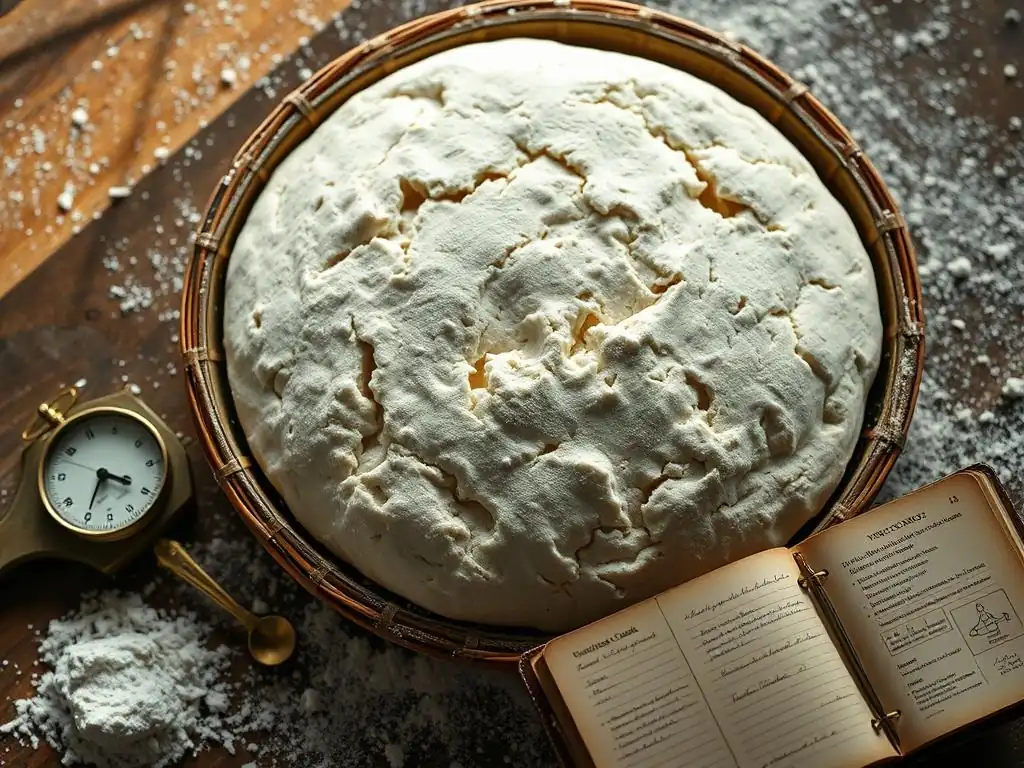
Welcome to BakeWithEase, your trusted guide to baking brilliance! Ever wonder how to unlock extraordinary flavor in something as simple as pizza dough? This week, we're diving deep into the science of long fermentation pizza dough, revealing the secrets behind those complex, nuanced flavors that elevate a simple pizza to a culinary masterpiece. Discover how extended fermentation not only enhances taste but also improves digestibility and texture. Ready to transform your pizza nights forever? Let's get baking!
- Mastering Long Fermentation for Pizza Dough: Flavor, Texture, and Digestibility
- Understanding Long Fermentation in Pizza Dough
- The Science Behind Long Fermentation
- Long Fermentation Pizza Dough: A Practical Guide
- Troubleshooting Long Fermentation
- Advanced Long Fermentation Techniques
- Long Fermentation vs. Short Fermentation: A Detailed Comparison
- Long Fermentation Pizza Dough Recipes
- Achieving Excellence in Long Fermentation
-
Frequently Asked Questions
- What exactly is long fermentation in pizza dough making?
- Why is long fermentation better than a quick rise for pizza dough?
- What are the benefits of using long fermentation for pizza dough?
- How does long fermentation affect the gluten in pizza dough?
- What are some tips for successfully using long fermentation with pizza dough?
- Final Reflection: The Enduring Magic of Time in Pizza Dough
- Unleash Your Inner Pizzaiolo: Craft the Perfect Dough!
Mastering Long Fermentation for Pizza Dough: Flavor, Texture, and Digestibility
Understanding Long Fermentation in Pizza Dough
What is Long Fermentation?
Long fermentation is a process where pizza dough is allowed to rise slowly over an extended period, often ranging from 12 hours to several days, typically in a cool environment like a refrigerator. This contrasts with standard fermentation methods that might take only a few hours at room temperature. The prolonged resting time allows for complex biochemical reactions to occur within the dough, driven primarily by yeast and beneficial bacteria naturally present in the flour.
During this extended period, enzymes break down complex starches and proteins into simpler sugars and amino acids. The yeast consumes these simpler compounds, producing carbon dioxide, alcohol, and a variety of organic acids. This slow activity is key to developing the dough's structure, flavor profile, and digestibility, setting long fermentation pizza dough apart from its quickly-risen counterparts. The cooler temperature significantly slows yeast activity, preventing the dough from over-proofing too quickly while maximizing the time available for flavor development.
Benefits of Long Fermentation for Pizza
Enhanced Flavor: Complexity and Nuance
One of the most significant advantages of utilizing long fermentation for pizza dough is the profound impact on flavor. As the dough ferments slowly over hours or days, yeast and lactic acid bacteria (LAB) produce a wide array of aromatic compounds. These compounds, including esters, aldehydes, and organic acids like lactic and acetic acid, contribute layers of flavor that are simply not present in dough fermented quickly.
Think of the difference between a quickly made bread and a sourdough loaf that has fermented for 24 hours; the latter has a depth and tanginess that is unmistakable. This same principle applies to long fermentation pizza dough. The extended time allows these subtle, nuanced flavors to develop, resulting in a crust that is not just a vehicle for toppings but a flavorful component of the pizza itself, often exhibiting hints of sweetness, nuttiness, and a pleasant sourness.
Improved Texture: Lightness and Airiness
Beyond flavor, long fermentation dramatically improves the texture of the pizza crust. The slow action of yeast produces smaller, more evenly distributed gas bubbles throughout the dough. Furthermore, the prolonged rest allows enzymes to break down the gluten network, making the dough more extensible and easier to handle without tearing.
When baked, this structure translates into a crust that is incredibly light and airy with a satisfying chew. The cell structure is more open, leading to a beautiful crumb pattern within the crust. Compared to short-fermented dough, which can sometimes result in a dense or chewy crust, long fermentation pizza dough typically yields a crust with a delicate crispness on the outside and a wonderfully soft, airy interior.
Increased Digestibility: Breaking Down Complex Carbohydrates
Another crucial benefit, often overlooked, is the increased digestibility of long fermentation pizza dough. During the extended fermentation period, enzymes naturally present in the flour and produced by the yeast and bacteria work to break down complex carbohydrates and proteins, including some components of gluten.
This pre-digestion process means that when you consume pizza made with long-fermented dough, your body has less work to do to break down the food. For many people, particularly those with mild sensitivities to gluten or issues digesting certain starches, long-fermented dough can be significantly easier on the digestive system compared to quick doughs. While it's not a solution for Celiac disease, the breakdown of complex compounds makes the final product more digestible for a wider range of people.
The Science Behind Long Fermentation
Yeast Activity and Temperature Control
Yeast are microscopic fungi responsible for fermentation. They consume sugars and produce carbon dioxide gas (which makes dough rise) and ethanol. The rate at which yeast performs these functions is highly dependent on temperature. At typical room temperatures (around 20-24°C or 68-75°F), yeast is quite active, causing dough to rise relatively quickly, often doubling in size within 1-3 hours depending on the amount of yeast used.
However, in long fermentation pizza dough, the process is deliberately slowed down by using a much cooler temperature, typically refrigeration temperatures (around 4°C or 40°F). At these low temperatures, yeast activity is significantly inhibited but not completely stopped. This dramatically slower rate of fermentation means the dough can rest for 24, 48, or even 72 hours without becoming excessively proofed. This extended time is crucial not just for slow gas production, but also for allowing other enzymatic and bacterial processes to contribute to flavor development and gluten modification.
Gluten Development and Strength Through Time
Gluten is a network of proteins (gliadin and glutenin) that forms when flour is mixed with water and kneaded. This network provides the structure and elasticity necessary for dough to trap gas and rise. In short fermentation, kneading is essential to quickly develop this gluten network. However, in long fermentation pizza dough, time itself becomes a powerful tool for gluten development.
Even with minimal initial kneading, the long resting period allows water to fully hydrate the flour, facilitating the natural formation and alignment of the gluten network. Enzymes called proteases, present in flour, slowly break down some of the protein bonds, which can actually make the dough more extensible and less prone to tearing. This long, slow process results in a well-developed, strong, yet pliable gluten structure that is capable of trapping gas efficiently during proofing and baking, leading to that desirable airy crust texture.
Organic Acid Production: Flavor Development Mechanisms
A key component of the complex flavor profile in long fermentation pizza dough comes from the production of organic acids, primarily lactic acid and acetic acid. While commercial yeast produces some volatile compounds, much of the nuanced flavor, especially the pleasant tanginess found in some long-fermented doughs, is a result of the activity of Lactic Acid Bacteria (LAB). These bacteria are often naturally present in flour and can thrive in the same conditions as yeast, particularly during extended fermentation.
LAB ferment sugars into lactic acid (which provides a milder, yogurt-like tang) and acetic acid (which contributes a sharper, more vinegary note). The ratio of these acids, influenced by factors like hydration level, temperature, and fermentation time, dictates the specific flavor profile. For example, a wetter dough fermented at slightly higher temperatures might favor lactic acid production, while a stiffer dough fermented colder might produce more acetic acid. This complex interplay between yeast and LAB over a long period is what builds the characteristic depth of flavor in well-made long fermentation pizza dough.
Influence of Lactobacillus on Flavor Profiles
Lactobacillus are the primary group of bacteria responsible for producing lactic acid, and along with other LAB like Pediococcus and Leuconostoc, they play a vital role in long fermentation pizza dough flavor. While commercial yeast focuses on CO2 production for rise, Lactobacillus contribute significantly to the dough's acidity and aroma compounds. They consume different sugars than yeast and produce a range of metabolites beyond just lactic and acetic acid, including diacetyl (buttery notes) and other volatile organic compounds.
The activity of Lactobacillus is often enhanced in longer, colder fermentation periods, especially in doughs made with less refined flours which contain more nutrients for them. Their presence helps lower the pH of the dough, which not only contributes to flavor but also helps preserve the dough and affects the activity of enzymes. The balance between yeast fermentation and bacterial fermentation is delicate and is the secret to achieving the signature complex, slightly tangy flavor profile highly sought after in authentic long fermentation pizza dough.
Long Fermentation Pizza Dough: A Practical Guide
Ingredients for Optimal Long Fermentation
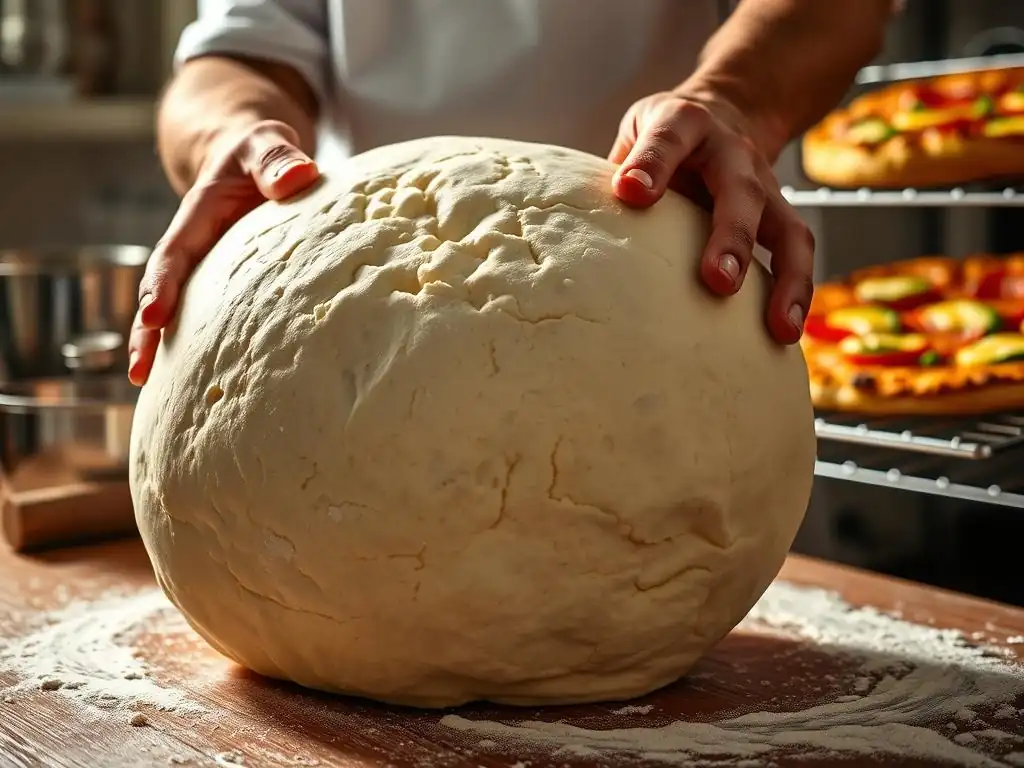
Using the right ingredients is foundational for successful long fermentation pizza dough. High-quality flour is paramount; a bread flour or 00 flour with a protein content typically ranging from 11% to 13% is ideal, as it provides the necessary gluten structure to withstand the long fermentation period. The protein content ensures the dough has the strength to hold onto the gas produced over many hours.
Water quality also matters. Filtered water is often recommended to avoid chlorine or other chemicals that can inhibit yeast activity. The hydration level (ratio of water to flour) is crucial and can range from 60% to over 70%, significantly impacting the dough's handling and the final texture.
Salt is essential for flavor and controlling fermentation rate (usually around 1.5-2.5% of the flour weight). Finally, the amount of yeast used is significantly lower than in quick recipes – often as little as 0.1% to 0.5% of the flour weight for long, cold fermentation. This minimal amount ensures a slow, controlled rise over the extended period.
Mixing and Initial Autolyse
The process for long fermentation pizza dough often begins with mixing the flour and water first, without the salt or yeast, and letting it rest. This technique is called autolyse. An autolyse typically lasts from 20 minutes to an hour, though longer times are sometimes used. The purpose is to allow the flour to fully hydrate and for enzymes to begin breaking down starches and proteins, which helps with gluten development and makes the dough easier to mix and handle later.
After the autolyse period, the salt and yeast (often dissolved in a small amount of water) are added. The dough is then mixed until all ingredients are incorporated and a shaggy dough forms. Minimal kneading is required at this stage, as the extended fermentation time will develop the gluten structure. The goal is just to bring everything together into a cohesive mass before moving to the bulk fermentation stage.
Bulk Fermentation: Process and Techniques
Bulk fermentation is the initial, and often longest, rise of the dough after mixing and before dividing and shaping. For long fermentation pizza dough, this stage typically takes place in a refrigerator and can last anywhere from 12 hours to several days. The dough is placed in a lightly oiled container (like a large bowl or proofing box) with plenty of room for expansion, covered tightly to prevent drying, and placed in the fridge.
During this cold bulk fermentation, the yeast and bacteria slowly work, producing gas and flavor compounds. The dough will gradually increase in volume, often doubling or more over the fermentation period, depending on the exact temperature and duration. Monitoring the dough's activity and temperature is key to knowing when it's ready.
Temperature Management During Bulk Fermentation
Precise temperature management is critical for successful long fermentation pizza dough, especially during the bulk fermentation phase. The goal is to significantly slow down yeast activity while still allowing enzymatic and bacterial processes to occur. A consistent refrigerator temperature, ideally between 4°C and 5°C (39°F and 41°F), is perfect for achieving a slow, controlled rise and maximizing flavor development over 24-72 hours.
Fluctuations in refrigerator temperature can impact the fermentation rate. If the fridge is too warm, the dough might over-proof quickly; if too cold, fermentation could stall. Using a dedicated proofing box with temperature control offers the most precision, but a standard kitchen refrigerator works well if its temperature is stable. Allowing the dough to sit at room temperature for a short period before or after refrigeration (known as a "warm up" or "come to temperature") can also be used to fine-tune the fermentation process.
Stretch and Folds: Developing Dough Strength
While long fermentation helps develop gluten over time, performing stretch and folds during the initial stages of bulk fermentation can significantly improve dough strength and structure. After the initial mixing, and perhaps after a short rest (like 30-60 minutes at room temperature before refrigeration), the dough can be gently stretched and folded over on itself. This process aligns the gluten strands, builds tension, and redistributes the yeast and nutrients.
Typically, 2-4 sets of stretch and folds are performed within the first few hours of bulk fermentation, often before the dough goes into cold storage or during the very beginning of its time in the fridge. The dough should be handled gently to avoid degassing it completely. As the fermentation progresses, the dough will become smoother, stronger, and more elastic with each set of folds.
Shaping and Proofing: Preparing for Baking
After the long bulk fermentation, the dough needs to be divided into individual pizza dough balls. This should be done gently to preserve as much of the gas structure as possible. The dough is typically portioned into desired sizes (e.g., 250g for a 12-inch pizza) and then shaped into tight, smooth balls. A good technique involves gently pulling the edges of the dough underneath itself to create surface tension.
Once shaped, the dough balls need a final proofing period before baking. This can be done at room temperature or in a slightly warmer environment. The duration depends on how long the dough was cold-fermented and the ambient temperature, but it typically ranges from 1 to 3 hours at room temperature. The dough balls should be placed in individual containers or a proofing box, lightly oiled and covered, to prevent sticking and drying. They are ready when they are visibly relaxed, slightly puffy, and have increased in size, but are not overly airy or fragile.
Baking for the Perfect Crust
Baking is the final crucial step in transforming long fermentation pizza dough into a delicious pizza. Achieving the perfect crust requires high heat and the right technique. Pizza ovens, whether wood-fired, gas, or electric, often reach temperatures between 400°C and 500°C (750°F and 930°F). A standard home oven can also work, though it requires preheating to its maximum temperature, usually 250°C to 290°C (480°F to 550°F), often with a pizza stone or steel placed inside for at least 30-60 minutes to absorb and radiate heat.
The pizza should be quickly transferred from the peel onto the hot baking surface. The high heat causes the dough to rapidly expand (oven spring) and the crust to brown and crisp up. Baking time is typically very short in a high-temperature pizza oven (90 seconds to 3 minutes) and slightly longer in a home oven (5-10 minutes), depending on the toppings and desired crust color.
Achieving Optimal Oven Spring and Crust Color
Optimal oven spring is the rapid expansion of the pizza dough when it hits the high heat of the oven, resulting in a light, airy, and well-risen crust edge (the cornicione). This is achieved when the dough is properly fermented, has a strong gluten structure capable of trapping gas, and is placed onto a very hot surface. The sudden heat causes the water in the dough to turn to steam, which rapidly expands the gas cells created during fermentation.
Simultaneously, the high temperature promotes the Maillard reaction and caramelization on the crust's surface. The Maillard reaction is a complex chemical process between amino acids and reducing sugars that creates hundreds of flavor compounds and contributes to the browning of the crust. Caramelization is the browning of sugars. Together, these reactions give the crust its appealing golden-brown color and delicious, slightly sweet, and savory flavor notes. A properly fermented and proofed long fermentation pizza dough, baked at high heat, will exhibit excellent oven spring and develop beautiful, complex crust colors with characteristic char spots.
Troubleshooting Long Fermentation
Over-Proofing: Identification and Prevention
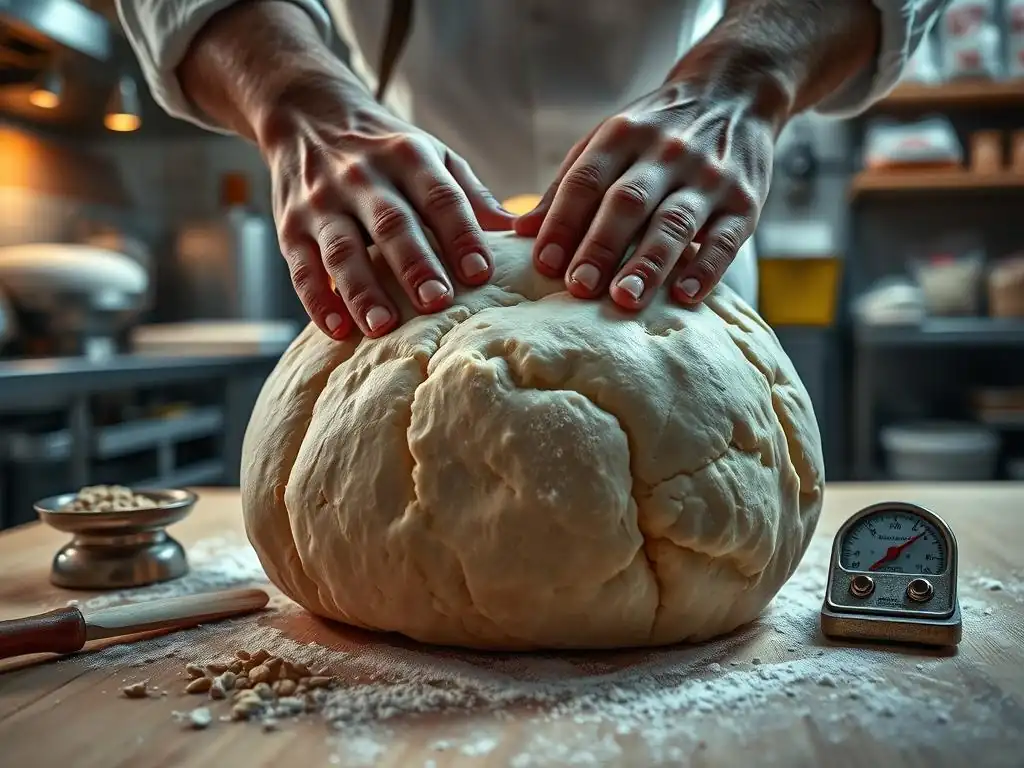
Over-proofing occurs when long fermentation pizza dough has risen for too long or at too warm a temperature, causing the gluten structure to weaken and collapse. Signs of over-proofing include dough that is extremely fragile and difficult to handle, tears easily when stretching, smells strongly of alcohol, and has a flat, dense appearance after baking with little to no oven spring. The dough might also have a very sticky or gummy texture.
To prevent over-proofing, precise temperature control is key. Using the refrigerator (4-5°C) is the most effective method for slowing down fermentation. Using a very small amount of yeast (0.1-0.3% of flour weight for long cold ferments) is also crucial.
Monitoring the dough is important; if it seems to be rising too quickly in the fridge, your fridge might be too warm, or you might need to reduce the yeast amount further on your next batch. If you catch over-proofing early, you might be able to salvage the dough by gently degassing it, reshaping, and giving it a very short final proof, but the texture will likely be compromised.
Under-Proofing: Signs and Solutions
Under-proofing happens when long fermentation pizza dough has not fermented long enough or is too cold, resulting in insufficient gas production and gluten relaxation. Signs of under-proofing include dough that is tight, difficult to stretch without snapping back (high elasticity, low extensibility), and results in a dense, heavy crust with poor oven spring and a uniform, pale color. The crust might also have a raw or yeasty flavor.
If your long fermentation pizza dough appears under-proofed after its time in the fridge, the easiest solution is to allow it to sit at room temperature for a longer final proofing period before shaping and baking. Giving it an extra hour or two at room temperature (around 20-24°C) can often allow the yeast to become more active and produce the necessary gas and relaxation.
Ensure the dough is covered to prevent a skin from forming. Next time, consider using a slightly warmer spot in the fridge, slightly increasing the yeast amount, or extending the cold fermentation time by another 12-24 hours.
Adjusting for Ambient Temperature Variations
Ambient temperature significantly impacts the fermentation rate of long fermentation pizza dough, even when primarily using cold fermentation. If your kitchen is very warm, the dough will warm up faster when you handle it or during the final proofing stage, potentially speeding up fermentation beyond what is desired. Conversely, a very cold kitchen will slow everything down.
When working in a warm environment, you might need to reduce the final proofing time at room temperature or move the dough balls back to the fridge briefly if they are proofing too quickly. You might also consider starting with slightly colder water when mixing.
In a cold environment, you might need to extend the final proofing time or find a slightly warmer spot (like near a window away from direct sun, or in a turned-off oven with the light on) to encourage the dough to proof properly before baking. Being aware of your kitchen's temperature and adjusting proofing times accordingly is key to consistent results with long fermentation pizza dough.
Advanced Long Fermentation Techniques
Flour Selection: Impact on Flavor and Texture
The type of flour used has a profound impact on the characteristics of long fermentation pizza dough. High-protein bread flours (around 12-14% protein) or Italian 00 flour (specifically milled for pizza, often 11-13% protein) are standard choices because their strong gluten network can withstand the extended fermentation time without collapsing. These flours provide the structure needed for a light, airy crust with good oven spring.
However, experimenting with different flours can introduce new dimensions to the flavor and texture. Using a blend of flours, for instance, combining a strong bread flour with a softer all-purpose flour, can slightly alter the chewiness and crispness. The origin and milling process of the flour also play a role; minimally processed or stone-ground flours often retain more of the wheat germ and bran, which can contribute nuttier, more complex flavors to the final long fermentation pizza dough crust.
Utilizing High-Protein Flour for Strength
High-protein flour, typically containing 12% to 14% protein, is particularly well-suited for long fermentation pizza dough. The higher protein content means there is a greater potential to form a robust gluten network when hydrated and manipulated. This strong network is essential for supporting the dough structure over an extended fermentation period, especially when subjected to the enzymatic activity that breaks down proteins over time.
A strong gluten structure is crucial for trapping the carbon dioxide gas produced by the yeast and bacteria during fermentation. This leads to better oven spring and a more open, airy crumb structure in the final crust. While a very high-protein flour might require slightly more hydration and longer mixing or resting times to fully develop, it provides the necessary resilience to prevent the dough from collapsing during a 24-hour or 72-hour cold ferment, ensuring your long fermentation pizza dough achieves optimal texture.
Incorporating Ancient Grains for Complex Flavors
Incorporating flours made from ancient grains like Einkorn, Spelt, Kamut (Khorasan wheat), or Emmer can add remarkable complexity and depth to the flavor profile of long fermentation pizza dough. These grains often have distinct nutty, earthy, or slightly sweet characteristics that differentiate them from modern wheat. While some ancient grains have weaker gluten structures than modern bread wheat, they can be used in blends (e.g., 10-30% ancient grain flour mixed with strong bread flour) to impart their unique flavors while maintaining adequate dough structure for long fermentation.
Working with ancient grain flours in long fermentation requires some adjustment, as their hydration needs and fermentation rates can differ. However, the enzymes and microbial populations naturally present in these less-processed flours can sometimes further enhance the complexity of the long fermentation process, contributing to a truly unique and flavorful long fermentation pizza dough crust that stands out from those made with only refined flour.
Pre-Ferments: Poolish, Biga, and Sourdough
Adding a pre-ferment is another advanced technique to boost the flavor and structure of long fermentation pizza dough. Pre-ferments are portions of flour, water, and a small amount of yeast or starter that are mixed and allowed to ferment for several hours or overnight before being added to the main dough ingredients. Common types include poolish (equal parts flour and water, often with commercial yeast), biga (a stiffer dough with less water, also typically with commercial yeast), and sourdough starter (a live culture of wild yeast and bacteria).
Using a pre-ferment kickstarts fermentation and allows specific flavor compounds to develop in a controlled environment before the main dough is mixed. It also adds complexity and often contributes to a more open crumb structure. Incorporating a pre-ferment into your long fermentation pizza dough recipe means you are essentially combining two fermentation stages, layering flavor upon flavor for a truly exceptional crust.
Creating and Maintaining a Poolish
A poolish is a highly liquid pre-ferment (typically 100% hydration, meaning equal weight of flour and water) initiated with a very small amount of commercial yeast. It is usually mixed several hours (e.g., 4-12 hours) before the main dough, often at room temperature, or for a longer period (e.g., 12-24 hours) in the refrigerator. The goal is to allow it to become bubbly and active, almost foamy on top, indicating peak fermentation activity.
To create a poolish, simply whisk together equal weights of flour and water with a tiny pinch of instant or active dry yeast. Cover it loosely and let it ferment until it is bubbly and smells slightly alcoholic – a sign the yeast has been hard at work. The amount of poolish used can vary, but it often represents 20-50% of the total flour in the final long fermentation pizza dough recipe. Using a poolish contributes elasticity and a subtle sweetness to the crust.
Advantages of Using a Biga
A biga is a much stiffer pre-ferment compared to a poolish, typically made with a hydration of 50-60% (meaning 50-60g of water per 100g of flour) and a small amount of commercial yeast. Like a poolish, it's fermented for several hours or overnight, often at cooler temperatures to slow down the process. The stiffer consistency results in a different fermentation profile, promoting slightly different enzymatic activity and flavor development compared to a wet poolish.
The main advantage of using a biga in long fermentation pizza dough is its contribution to structure and strength. The lower hydration leads to tighter gluten development in the pre-ferment itself. When incorporated into the main dough, the biga adds significant structure and chewiness to the final crust. It also imparts a complex, slightly nutty flavor and helps create a more open, irregular crumb structure, desirable in many artisan pizza styles.
Cold Fermentation: Slowing Down the Process
Cold fermentation, typically conducted in a refrigerator at temperatures between 4°C and 5°C (39°F and 41°F), is the cornerstone of achieving truly complex flavors and textures in long fermentation pizza dough. At these low temperatures, the activity of commercial yeast is significantly slowed down. While yeast still produces some gas and alcohol, the reduced pace prevents the dough from over-proofing rapidly.
Crucially, cold temperatures allow time for the slower-acting enzymes in the flour and the naturally present lactic acid bacteria (LAB) to do their work. Enzymes break down complex starches and proteins, making the dough more extensible and the final crust more digestible. LAB produce organic acids, which contribute significantly to the depth of flavor, adding pleasant tanginess and aroma. This slow, cold process is what distinguishes long fermentation pizza dough from quick, warm-fermented dough, resulting in a crust with superior flavor, texture, and digestibility after 24, 48, or even 72 hours in the fridge.
Long Fermentation vs. Short Fermentation: A Detailed Comparison
Flavor Profiles: Depth vs. Simplicity
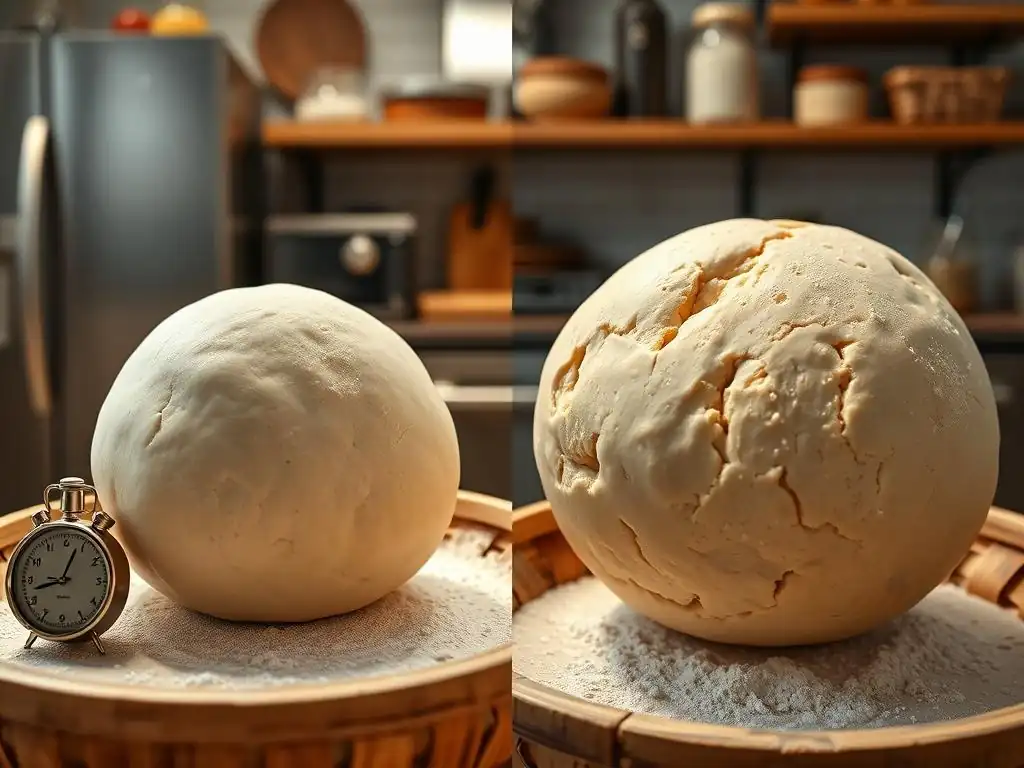
The most striking difference between long fermentation pizza dough and short fermentation dough lies in their flavor profiles. Short fermentation, typically taking only a few hours at room temperature, results in a dough where yeast activity is rapid and primarily focused on gas production. The resulting flavor is often simple, yeasty, and relatively one-dimensional, serving mainly as a neutral base for toppings.
In contrast, long fermentation pizza dough, especially when cold-fermented over 24-72 hours, develops a complex tapestry of flavors. The slow action of yeast combined with the metabolic activity of lactic acid bacteria creates a wide range of aromatic compounds and organic acids. This results in a crust with nuanced notes of sweetness, nuttiness, and a pleasant tang, making it a flavorful element of the pizza rather than just a plain base. The depth of flavor achieved through long fermentation is simply unattainable with a quick rise.
Dough Structure: Strength and Airiness
The fermentation time also profoundly affects the dough's structure and the resulting crust texture. Short fermentation relies heavily on vigorous kneading to quickly develop a gluten network. While this creates structure, the rapid fermentation might result in a less extensible dough that can be slightly tougher or more uniform in crumb.
Long fermentation pizza dough, benefiting from the slow enzymatic breakdown and time-based gluten development, typically results in a more extensible and pliable dough. The slow gas production creates smaller, more evenly distributed bubbles. When baked, this translates to a superior texture: a crust that is lighter, more airy, with a more open and irregular crumb structure, and a delightful combination of crispness on the outside and chewiness within. The extended time allows the dough to relax and develop strength simultaneously, leading to a more desirable final texture.
Time Investment: Planning and Execution
Perhaps the most obvious difference is the time investment required. Short fermentation pizza dough can be mixed, proofed, and ready to bake within a few hours, making it convenient for spontaneous pizza nights. This requires minimal planning ahead of time.
Long fermentation pizza dough, by its very nature, requires significant advance planning. The dough needs anywhere from 12 hours to 3 days or more to ferment properly, mostly in the refrigerator. While the active hands-on time is often minimal (mixing, a few sets of folds, shaping), the overall process demands foresight. You need to start the dough a day or two before you plan to bake. This makes long fermentation less suitable for last-minute decisions but ideal for those who can plan ahead and appreciate the superior results that come with patience.
Long Fermentation Pizza Dough Recipes
Classic Neapolitan Long Fermentation Recipe
A classic Neapolitan-style long fermentation pizza dough emphasizes simplicity in ingredients and purity in execution. The basic formula often uses only four ingredients: high-quality Italian 00 flour, water, salt, and a tiny amount of fresh or instant yeast. A typical hydration level is around 60-65%. The dough is mixed minimally, perhaps with a short autolyse, and then undergoes a very long cold fermentation, often 24 to 72 hours, at 4°C.
After the cold ferment, the dough is portioned into balls and proofed at room temperature for 1-3 hours. The resulting dough is incredibly soft, extensible, and develops a complex flavor. When baked rapidly at very high temperatures (450-500°C) in a wood-fired oven or on a pizza steel, it yields the characteristic soft, airy, and slightly charred cornicione (crust edge) with a thin base, the hallmark of authentic Neapolitan pizza. The long fermentation is crucial for achieving this texture and the delicate, nuanced flavor profile.
New York Style Long Fermentation Recipe
New York-style long fermentation pizza dough differs from Neapolitan primarily in flour type, hydration, and baking method. It typically uses a high-gluten bread flour (12-14% protein) and often a slightly higher hydration level, around 65-70%. Some recipes might include a small amount of sugar or olive oil, though traditionalists often omit these. The fermentation process also involves a long cold ferment, usually 24-48 hours in the refrigerator, similar to Neapolitan.
The higher protein flour and hydration contribute to a dough that is strong yet pliable, capable of being stretched into large, thin rounds characteristic of New York pizza. The long fermentation still develops complex flavors and improves digestibility.
When baked in a deck oven or on a pizza steel at slightly lower temperatures than Neapolitan (around 260-315°C or 500-600°F), the crust becomes crispy on the bottom and around the edges while remaining chewy and foldable – the defining texture of New York style. The long fermentation is key to achieving both the flavor depth and the necessary dough handling characteristics for this style.
Achieving Excellence in Long Fermentation
Tips for Consistent Results
Consistency in long fermentation pizza dough comes down to controlling the variables. First, use precise measurements, preferably by weight, for all ingredients, especially yeast. Second, maintain a consistent temperature for cold fermentation – a reliable refrigerator is essential. Avoid placing the dough container directly against the cold back wall if it causes freezing.
Third, learn to read your dough, not just rely on the clock. Fermentation times are guides; the dough's appearance, feel, and smell (visual cues like bubbling, increase in volume, and tactile cues like extensibility, along with a pleasant fermented aroma) tell you if it's ready. Fourth, handle the dough gently after cold fermentation to preserve the gas. Lastly, keep detailed notes about your ingredients, temperatures, times, and results; this will help you identify what works and troubleshoot issues over time, leading to consistently excellent long fermentation pizza dough.
Experimenting with Toppings and Crust Styles
Once you've mastered the basic long fermentation pizza dough, the possibilities for experimentation are vast. The well-developed flavor of the crust provides a fantastic base for a wide range of toppings, from simple marinara and mozzarella to complex gourmet combinations. Consider how the crust's flavor interacts with the toppings – a tangy long-fermented crust pairs beautifully with rich or slightly sweet toppings.
You can also experiment with different crust styles. While you might start with Neapolitan or New York, slight adjustments to hydration, flour type, or baking temperature can yield results closer to Roman-style (thinner, crispier) or even pan pizza (thicker, chewier). Try using different flours or pre-ferments as mentioned earlier to alter the crust's character. The beauty of long fermentation pizza dough is its versatility and the superior foundation it provides for countless pizza variations.
The Patience and Rewards of Long Fermentation
Embracing long fermentation for your pizza dough is a journey that requires patience. You cannot decide on pizza an hour before dinner; you need to plan ahead, often a day or two in advance. There will likely be trials and errors as you learn to manage fermentation times and temperatures in your specific environment.
However, the rewards are immense. The deep, complex flavors, the wonderfully light and airy texture, and the increased digestibility of long fermentation pizza dough are truly transformative. It elevates homemade pizza from a simple meal to a culinary experience. The process itself can become a rewarding practice, connecting you more deeply with the craft of baking. The patience invested in long fermentation is paid back tenfold in the superior quality and enjoyment of the final pizza.
Frequently Asked Questions
What exactly is long fermentation in pizza dough making?
Long fermentation refers to a process where pizza dough is allowed to rise slowly for an extended period, typically 12-72 hours in the refrigerator. This slow rise allows for complex flavor development.
Why is long fermentation better than a quick rise for pizza dough?
Long fermentation gives yeast more time to break down starches and proteins, creating complex flavors and a more digestible dough. Quick rises often result in a bland, less developed taste.
What are the benefits of using long fermentation for pizza dough?
Aside from improved flavor, long fermentation also enhances the dough's texture, creating a lighter, airier crust. It also increases the digestibility and nutritional value of the pizza.
How does long fermentation affect the gluten in pizza dough?
The long fermentation process helps to relax the gluten, resulting in a more extensible and easier-to-handle dough. This makes it easier to stretch and shape into a pizza crust.
What are some tips for successfully using long fermentation with pizza dough?
Use a smaller amount of yeast, control the temperature (refrigeration is key), and allow the dough to warm up slightly before shaping. Also, be patient; the longer the fermentation, the better the flavor!
Final Reflection: The Enduring Magic of Time in Pizza Dough
The science of long fermentation isn't just a niche pursuit; it's the key to unlocking a depth of flavor and texture in pizza dough that simply can't be replicated with faster methods. This isn't just about making a better pizza; it's about understanding the transformative power of time and patience in the culinary arts. The subtle shifts in flavor profiles, the improved digestibility, and the enhanced elasticity of the dough all speak to the profound impact of this often-overlooked process.
The journey of long fermentation has profoundly changed my own approach to baking, shifting my focus from speed to intentionality. It's a process that demands respect for the natural rhythms of yeast and flour, a lesson that extends far beyond the kitchen. The best things in life are worth waiting for,
a sentiment perfectly encapsulates the rewards of long fermentation. The slow, deliberate process allows for a deeper connection with the ingredients and the craft itself, resulting in a final product that reflects this mindful approach. The subtle nuances of flavor, the airy texture, the satisfying chew – these are the hallmarks of a dough nurtured by time.
Now, consider your own approach to baking, or even to life's challenges. What if you embraced the power of slow, deliberate processes in other areas? What if you allowed more time for the things that truly matter, nurturing them with patience and attention? Long fermentation is more than just a technique; it's a philosophy that encourages us to slow down, appreciate the process, and savor the results. Let the enduring magic of time inspire you to cultivate depth and complexity in all that you undertake.
Unleash Your Inner Pizzaiolo: Craft the Perfect Dough!
Thanks for diving deep into the science of long fermentation with us! You've now unlocked the secrets to creating truly exceptional pizza dough. Ready to put your newfound knowledge to the test?
- Master the Art of Slow Ferment: Try our recommended long fermentation method this week and experience the incredible flavor difference. Note down your results for comparison next time.
- Share Your Pizza Journey: Show off your perfectly fermented pizza creations on social media using #BakeWithEaseLongFerment. We can’t wait to see what you bake!
- Join the BakeWithEase Community: Have questions or want to share your tips? Join our online forum to connect with other passionate bakers!
What unique flavor profile will you create with your perfectly fermented pizza dough?