
Bake Flavorful Vegan Herb & Garlic Bread

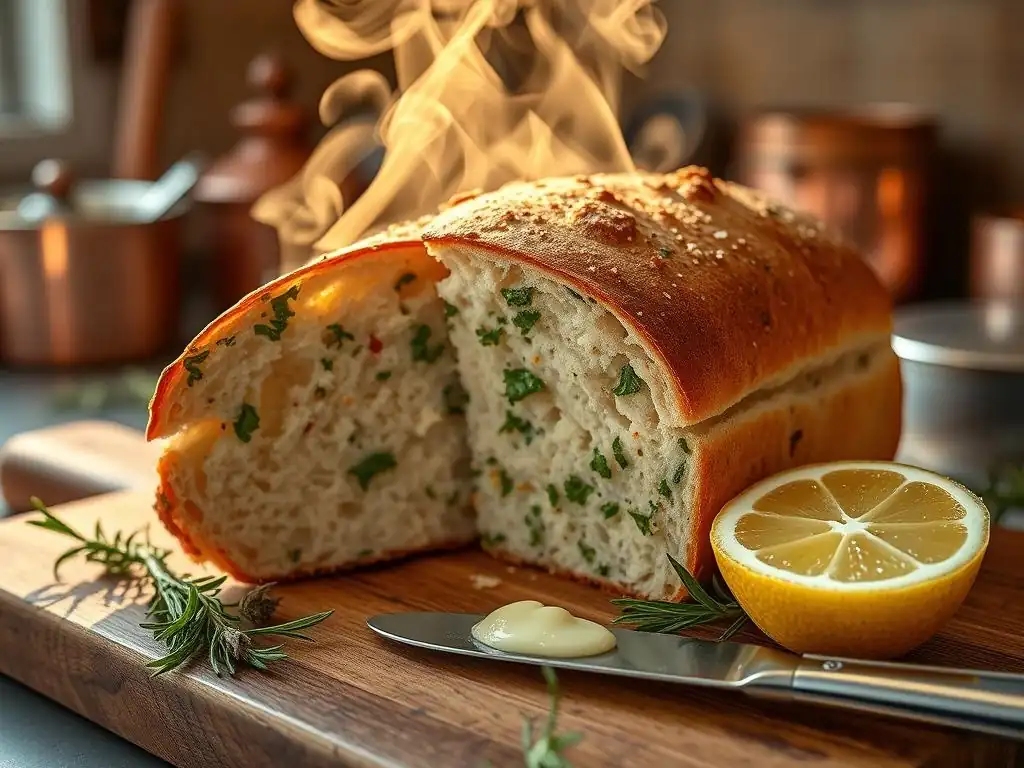
Welcome to BakeWithEase, where delicious baking becomes effortlessly achievable! Ever dreamt of sinking your teeth into a perfectly crusty, aromatic loaf of bread, bursting with flavor? Then you're in the right place. Dive into our Vegan Herb & Garlic Bread recipe below and discover how to create this unbelievably tasty treat, even if you're new to bread baking. But what makes this vegan version so irresistibly good? Keep reading to unlock the secrets and elevate your baking skills today!
- Bake Flavorful Vegan Rosemary & Garlic Bread: An Easy Recipe
- Introduction to Vegan Rosemary Garlic Bread Baking
- Mastering the Vegan Rosemary & Garlic Bread Recipe: Ingredients and Equipment
-
Step-by-Step Guide: Baking Your Vegan Rosemary & Garlic Bread
- Step 1: Preparing the Vegan Dough for Rosemary & Garlic Bread
- Step 2: Infusing Garlic & Rosemary into the Vegan Bread Dough
- Step 3: First Proofing: Allowing the Vegan Dough to Rise
- Step 4: Shaping the Vegan Rosemary & Garlic Bread
- Step 5: Second Proofing: Preparing for Baking
- Step 6: Baking the Vegan Rosemary & Garlic Bread to Golden Perfection
- Step 7: Cooling and Serving Your Homemade Vegan Bread
- Tips and Tricks for the Perfect Vegan Rosemary Garlic Bread
- Vegan Rosemary & Garlic Bread Recipe Variations
- Serving Suggestions for Your Vegan Rosemary & Garlic Bread
- Storing Your Vegan Rosemary & Garlic Bread for Freshness
- Conclusion: Enjoy Your Homemade Vegan Rosemary & Garlic Bread
-
Frequently Asked Questions
- What makes this vegan herb garlic bread different from traditional garlic bread?
- What kind of herbs work best in this vegan herb garlic bread recipe?
- Can I use store-bought vegan bread dough for this recipe?
- Is there a substitute for garlic in this vegan herb garlic bread recipe?
- How do I ensure the garlic doesn't burn while baking this vegan herb garlic bread?
- Final Reflection: The Unexpected Joy of Vegan Herb & Garlic Bread
- Unleash Your Inner Baker: Craft the Perfect Vegan Herb & Garlic Bread!
Bake Flavorful Vegan Rosemary & Garlic Bread: An Easy Recipe
Introduction to Vegan Rosemary Garlic Bread Baking
Why Choose This Vegan Rosemary & Garlic Bread Recipe?
Choosing a vegan herb garlic bread recipe is a fantastic way to enjoy warm, fragrant bread while adhering to a plant-based lifestyle or exploring new baking possibilities. This specific recipe simplifies the process, making it accessible even for novice bakers. Unlike some complex bread methods that might require multiple rises over many hours, this approach focuses on straightforward steps and readily available ingredients, allowing you to achieve a delicious loaf with minimal fuss. It typically requires about 2-3 hours from start to finish, including rising times, which is considerably faster than traditional sourdoughs that can take 12-24 hours.
Furthermore, baking your own vegan garlic bread from scratch often results in a product that is not only fresher but also more cost-effective than store-bought alternatives. A typical loaf of artisan vegan bread in a bakery might cost upwards of \$5-\$7, whereas the ingredients for this recipe, using roughly 3-4 cups of flour, about 1 cup of warm water, yeast, salt, olive oil, and fresh herbs, often total less than \$2-\$3, depending on ingredient prices.
This recipe offers a delightful balance of savory garlic and aromatic rosemary, creating a truly satisfying bread that's perfect for sharing or enjoying on your own.
BakeWithEase's Guide to Delicious Vegan Bread
At BakeWithEase, we believe that baking should be an enjoyable and rewarding experience for everyone, regardless of dietary choices or skill level. This guide to delicious vegan bread, specifically our vegan rosemary garlic bread recipe, embodies that philosophy. We break down each step with clarity, providing helpful tips and explanations to ensure your baking success. Our aim is to demystify the process of working with yeast and developing flavor in plant-based doughs.
Our approach focuses on understanding the fundamentals: using the correct temperature for yeast activation (usually around 105-115°F or 40-46°C), the importance of kneading to develop gluten (which gives bread its structure), and recognizing the signs of a well-proofed dough. We provide visual cues and timing guidelines, though we always emphasize that baking is also intuitive – learning to feel the dough and observe its changes is part of the journey. This vegan herb garlic bread recipe is designed to build your confidence in vegan baking, encouraging you to explore further recipes and techniques on BakeWithEase.
Mastering the Vegan Rosemary & Garlic Bread Recipe: Ingredients and Equipment
Essential Ingredients for Flavorful Vegan Garlic Bread
Crafting truly flavorful vegan garlic bread starts with selecting quality ingredients. The foundation is typically strong bread flour, providing the necessary protein (around 12-14%) for good gluten development. You'll also need active dry or instant yeast – about 1 to 2 teaspoons usually suffice for a standard loaf, ensuring a reliable rise. Warm water is crucial for activating the yeast, ideally within the 105-115°F (40-46°C) range; water that is too hot can kill the yeast, while water that is too cold will slow it down significantly.
The signature flavors in this vegan rosemary garlic bread recipe come from fresh rosemary and garlic. For optimal aroma and taste, use fresh herbs rather than dried whenever possible. Approximately 1-2 tablespoons of finely chopped fresh rosemary and 2-3 cloves of minced fresh garlic are typically recommended for a single loaf, though you can adjust these amounts to your preference.
Good quality olive oil adds richness and helps keep the bread moist, both in the dough (usually 1-2 tablespoons) and potentially brushed on top before baking. Don't forget fine sea salt or kosher salt (about 1 teaspoon) to enhance all the other flavors.
Equipment You'll Need for Baking Vegan Rosemary Bread
Having the right tools can make the process of baking your vegan rosemary bread much smoother and more enjoyable. While you don't need a professional bakery setup, a few key pieces of equipment are highly beneficial. A large mixing bowl is essential for combining ingredients and allowing the dough to rise; choose one with enough capacity to accommodate the dough doubling in size during proofing, perhaps a 4-6 quart bowl. Accurate measuring cups and spoons are critical for consistent results, ensuring you use the correct ratios of flour, water, yeast, and salt.
For kneading the dough, you can use a stand mixer with a dough hook attachment, which makes the process significantly easier and faster (typically kneading for 6-8 minutes). Alternatively, you can knead by hand on a lightly floured surface, which usually takes a bit longer, around 8-12 minutes, but provides a great feel for the dough's development.
A kitchen scale is highly recommended for measuring flour accurately by weight (grams or ounces) rather than volume, as this leads to more consistent bread results – a cup of flour can vary significantly in weight depending on how it's scooped. Finally, a baking sheet or a Dutch oven is needed for baking the loaf, and parchment paper can be helpful to prevent sticking and make cleanup easier.
Step-by-Step Guide: Baking Your Vegan Rosemary & Garlic Bread
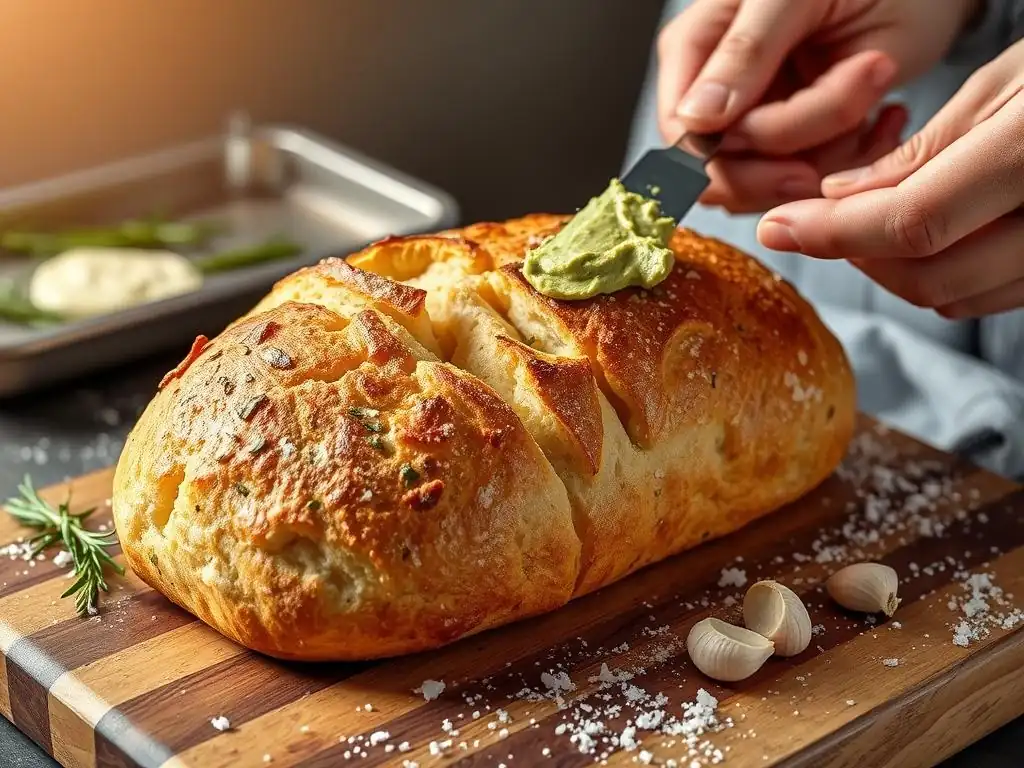
Step 1: Preparing the Vegan Dough for Rosemary & Garlic Bread
The first step in this vegan herb garlic bread recipe is preparing the dough. Begin by activating the yeast. In a large mixing bowl, combine the warm water (around 105-115°F or 40-46°C) with the yeast and a pinch of sugar (optional, but helps activate yeast quickly). Let this mixture sit for 5-10 minutes until it becomes foamy, indicating the yeast is alive and active. If it doesn't foam, your water might have been too hot or cold, or the yeast is old, and you'll need to start this step over.
Once the yeast is bubbly, add the salt and olive oil to the bowl. Gradually add the flour, one cup at a time, mixing with a wooden spoon or spatula until a shaggy dough forms that pulls away from the sides of the bowl. The exact amount of flour needed can vary based on humidity and how you measure, so be prepared to add a little more or less than the recipe specifies. The dough should be sticky but manageable.
Step 2: Infusing Garlic & Rosemary into the Vegan Bread Dough
Now it's time to add the key flavors to your vegan dough for rosemary & garlic bread. Finely mince the fresh garlic cloves and chop the fresh rosemary leaves. Once your dough has come together in Step 1, incorporate the minced garlic and chopped rosemary into the dough. You can do this by adding them during the final stages of mixing, or by gently folding them in after the dough has formed.
If using a stand mixer, add the herbs and garlic and mix on low speed for another minute or two until evenly distributed. If kneading by hand, sprinkle the herbs and garlic over the shaggy dough in the bowl, then turn the dough out onto a lightly floured surface and begin kneading, incorporating the herbs as you go. Ensure the garlic and rosemary are spread throughout the dough, not just clumped in one area, for consistent flavor in every slice of your finished vegan garlic bread.
Step 3: First Proofing: Allowing the Vegan Dough to Rise
The first proofing is crucial for developing flavor and texture in your vegan rosemary garlic bread. After incorporating the herbs and garlic and lightly kneading the dough until it's relatively smooth and elastic (it should spring back slowly when poked), form it into a ball. Lightly grease the mixing bowl with olive oil and place the dough ball inside, turning it to coat all sides.
Cover the bowl tightly with plastic wrap or a damp kitchen towel. Place the bowl in a warm, draft-free place. This could be a warm oven that's been turned off (not on! ), near a sunny window, or on top of a warm appliance. The dough needs to rise until it has roughly doubled in size. This typically takes anywhere from 60 to 90 minutes, depending on the temperature of your environment. A warmer spot will speed up the rise, while a cooler spot will slow it down but can sometimes develop more complex flavors.
Step 4: Shaping the Vegan Rosemary & Garlic Bread
Once your dough has doubled in size during the first proofing, it's ready to be shaped into your desired loaf for baking vegan rosemary bread. Gently turn the dough out onto a lightly floured surface. Be careful not to punch it down too forcefully, as you want to retain some of the air pockets created during the rise.
Gently shape the dough into a round or oval loaf. You can achieve this by gently pulling the edges of the dough towards the center and pinching them together on the bottom to create surface tension. Alternatively, you can divide the dough into smaller portions to create rolls or a baguette shape. The key is to create a relatively smooth surface on top and a taut 'skin' which will help the loaf hold its shape and contribute to a good crust.
Step 5: Second Proofing: Preparing for Baking
After shaping, your vegan rosemary & garlic bread dough needs a second proofing. This shorter rise allows the dough to relax and increase slightly in volume again before baking, resulting in a lighter texture. Place the shaped loaf (or loaves) onto a baking sheet lined with parchment paper, or into a proofing basket if you have one.
Cover the loaf loosely with plastic wrap or a light kitchen towel to prevent it from drying out. Let it proof in a warm place for another 30 to 45 minutes. The dough should look visibly puffier and feel light when gently poked – if it springs back quickly, it needs more time; if it collapses, it's over-proofed. While the dough is undergoing its second rise, preheat your oven to the recommended temperature, typically between 400°F and 450°F (200°C and 230°C), depending on your oven and desired crust.
Step 6: Baking the Vegan Rosemary & Garlic Bread to Golden Perfection
Preheating your oven is crucial for a good bake. Ensure your oven has been preheated with your baking sheet or Dutch oven inside for at least 20-30 minutes to reach and maintain the desired temperature (usually 400-450°F or 200-230°C). If using a Dutch oven, carefully transfer the proofed loaf into the hot pot using the parchment paper. If baking on a sheet, gently place the sheet in the oven.
Bake the vegan rosemary garlic bread for the initial time, typically 20-25 minutes, often covered if using a Dutch oven to create steam for a better crust. After the initial baking period, remove the cover (if used) and continue baking for another 15-25 minutes, or until the crust is a deep golden brown and the internal temperature of the bread reaches about 200-210°F (93-99°C) when measured with an instant-read thermometer. Tapping the bottom of the loaf should produce a hollow sound, another sign of a well-baked loaf.
Step 7: Cooling and Serving Your Homemade Vegan Bread
Patience is key after baking! Once your homemade vegan bread is baked to golden perfection, carefully remove it from the oven and transfer it to a wire cooling rack immediately. This allows air to circulate around the loaf, preventing the bottom crust from becoming soggy due to trapped steam.
Allow the bread to cool completely on the rack before slicing. This is a critical step that many bakers skip, but it makes a significant difference in the texture and flavor. As the bread cools, the internal structure sets, and the flavors continue to develop. Slicing into a hot loaf can result in a gummy texture. Cooling can take anywhere from 30 minutes to 1 hour for a standard loaf. Once fully cooled, slice your delicious vegan rosemary & garlic bread with a serrated knife and enjoy its wonderful aroma and taste!
Tips and Tricks for the Perfect Vegan Rosemary Garlic Bread

Achieving the Perfect Crust on Your Vegan Garlic Bread
A perfect crust is the hallmark of great bread, and achieving one on your vegan garlic bread is absolutely possible. One of the most effective methods is creating steam in your oven during the initial baking phase. If you're using a Dutch oven, baking the bread with the lid on for the first 20-25 minutes traps the moisture released by the dough, creating steam that keeps the crust soft and pliable, allowing the loaf to expand fully before hardening.
If you're baking on a baking sheet, you can create steam by placing a pan of hot water on the bottom rack of your oven when you preheat it, or by carefully pouring about a cup of hot water into a preheated cast iron pan or oven-safe dish placed on the bottom rack just as you put the bread in. Be cautious of steam escaping when you open the oven door.
Another tip is to brush the surface of the loaf with a little olive oil or a cornstarch wash (1 tsp cornstarch dissolved in 1/2 cup cold water, heated until thickened) just before baking for a crispier, golden finish.
Enhancing the Rosemary & Garlic Flavor in Your Vegan Bread
To make your vegan rosemary garlic bread truly sing with flavor, consider how you incorporate the herbs and garlic. Using fresh ingredients is paramount; dried herbs and pre-minced garlic often lack the potency of fresh. For a more intense garlic flavor, you can roast the garlic cloves before mincing them and adding them to the dough – roasting mellows the sharpness and brings out a sweeter, deeper garlic note. Use about 4-5 roasted cloves per loaf.
You can also infuse olive oil with rosemary and garlic to use in the dough or as a brush-on. Gently heat olive oil with sliced garlic cloves and rosemary sprigs over low heat for 10-15 minutes, then let it cool and strain before using.
Brushing the top of the proofed loaf with this infused oil before baking, and potentially again immediately after it comes out of the oven, will add another layer of aromatic flavor. Don't be shy with the quantities of fresh herbs and garlic if you love a strong flavor profile – adding an extra tablespoon of chopped rosemary or an extra clove of garlic can make a noticeable difference.
Troubleshooting Common Vegan Bread Baking Issues [e.g., Dense Bread, Uneven Baking]
Encountering issues like dense bread or uneven baking is common when learning any new recipe, including this vegan herb garlic bread recipe. If your bread turns out dense, it's often due to insufficient kneading or under-proofing. Ensure you knead the dough long enough to develop gluten (it should pass the windowpane test – a small piece stretched thinly should be somewhat translucent) and allow it to rise fully in both proofing stages. Cold temperatures can slow yeast activity, so make sure your proofing environment is warm enough (around 75-80°F or 24-27°C is ideal).
Uneven baking can be caused by hot spots in your oven. Try rotating your baking sheet or Dutch oven halfway through the baking time (e.g., after 20 minutes). Ensure your oven is properly preheated; using an oven thermometer can verify that your oven's internal temperature matches the setting.
If the top is browning too quickly, you can loosely tent the loaf with aluminum foil for the remainder of the baking time. If the bottom crust is too dark, try placing the baking sheet on a higher rack or using a baking stone or steel on a lower rack to distribute heat more evenly.
Vegan Rosemary & Garlic Bread Recipe Variations
Vegan Rosemary & Garlic Bread with Olives
Adding olives is a popular and delicious variation to your vegan rosemary garlic bread. Salty, briny olives pair wonderfully with the aromatic rosemary and pungent garlic. Use pitted olives such as Kalamata, Castelvetrano, or a mix of your favorites. Chop them roughly – about 1/2 to 1 cup of chopped olives is a good starting point for a standard loaf.
Incorporate the chopped olives into the dough during Step 2, along with the rosemary and garlic. Ensure they are distributed relatively evenly throughout the dough during the final stages of kneading or mixing. The olives will add bursts of flavor and a slightly different texture to each slice. Be mindful that the saltiness of the olives might mean you need to slightly reduce the amount of salt added to the dough, perhaps by a quarter teaspoon, but this is often unnecessary as the overall volume of olives is small relative to the dough.
Vegan Rosemary & Garlic Focaccia
Transforming this vegan herb garlic bread recipe into a focaccia is simple and creates a wonderfully versatile flatbread. Instead of shaping the dough into a loaf, gently press the dough into a well-oiled baking pan (a 9x13 inch pan or a 10-12 inch round pan works well) after the first proofing (Step 3). Let it rest for about 10 minutes to relax.
Then, using oiled fingertips, press dimples all over the surface of the dough. Drizzle generously with olive oil, sprinkle with extra chopped fresh rosemary, minced garlic (or thin slices of garlic), and flaky sea salt. Allow it to proof for the second time in the pan for 30-45 minutes. Bake at a slightly lower temperature, around 375-400°F (190-200°C), for 20-30 minutes, or until golden brown and cooked through. This variation results in a tender interior and a delightfully crisp, oily crust.
Gluten-Free Vegan Rosemary & Garlic Bread Adaptation
Adapting this vegan rosemary garlic bread recipe for gluten-free diets requires substituting the wheat flour with a gluten-free flour blend. Look for a blend specifically designed for bread baking, which often contains a mix of flours like rice flour, sorghum flour, millet flour, and starches like tapioca starch or potato starch, often with added binders like xanthan gum or psyllium husk powder (typically 1-2 teaspoons per cup of flour blend).
The hydration level (amount of water) might need adjustment, as gluten-free flours absorb liquids differently; you might need slightly more liquid. The kneading process will also differ as there's no gluten to develop; simply mix until the ingredients are well combined. Gluten-free doughs are often stickier and may not double in size as dramatically as wheat doughs during proofing. Follow the steps for adding herbs and garlic, proofing, shaping (often more like scooping and shaping with wet hands), and baking, but be prepared for variations in timing and texture. Baking temperatures and times are usually similar, but monitor closely.
Serving Suggestions for Your Vegan Rosemary & Garlic Bread
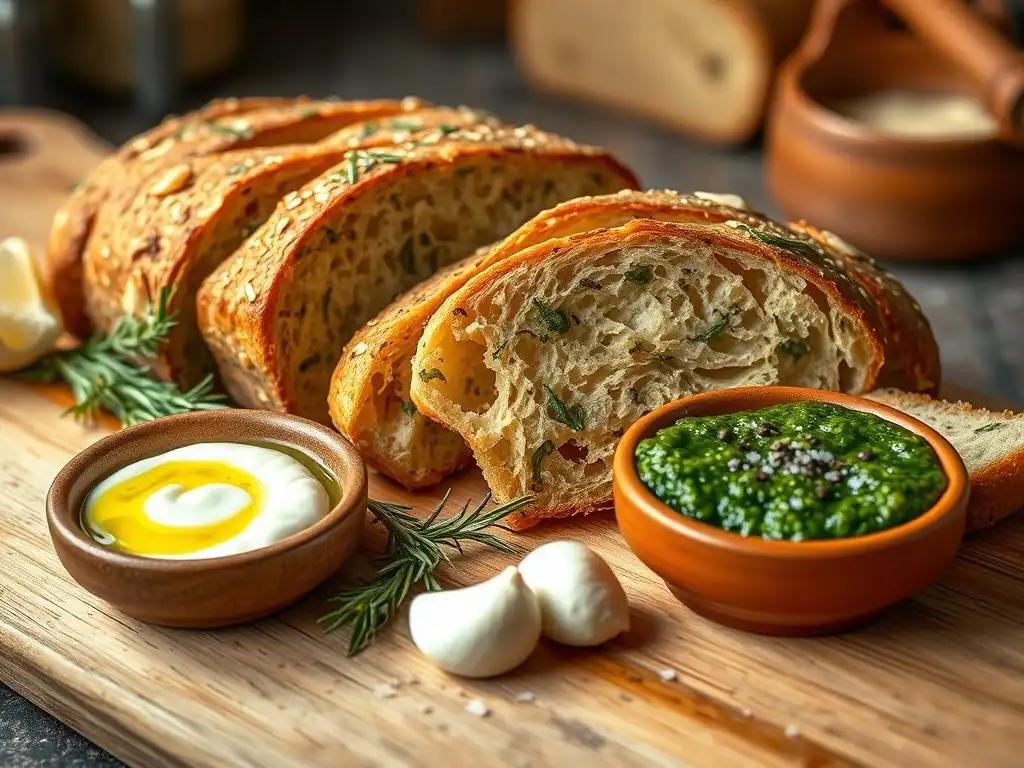
Pairing Your Vegan Bread with Soups and Salads
Your freshly baked vegan rosemary & garlic bread is the perfect accompaniment to a variety of soups and salads. Its robust, savory flavor profile makes it an excellent pairing for hearty, rustic dishes. Think about dipping a slice into a warm bowl of lentil soup, tomato basil soup, or a creamy mushroom soup. The bread's crust provides a satisfying crunch, while the soft interior soaks up the delicious broth.
For salads, a side of this flavorful vegan garlic bread elevates a simple green salad into a more substantial meal. It complements the freshness of leafy greens and vegetables and pairs particularly well with salads that include Mediterranean flavors, like those with sun-dried tomatoes, artichokes, or a lemon vinaigrette. You could also cube slightly stale bread and toast it to make incredibly flavorful croutons for your salads.
Vegan Rosemary & Garlic Bread as an Appetizer
This vegan rosemary & garlic bread shines as a standalone appetizer. Serve warm slices on a platter, perhaps with a small dish of high-quality olive oil for dipping. The aroma alone is enough to whet appetites. You can also turn it into a simple bruschetta by topping toasted slices with chopped tomatoes, fresh basil, and a drizzle of balsamic glaze.
For a slightly more involved appetizer, slice the bread horizontally, spread with a vegan butter alternative mixed with extra minced garlic and rosemary, wrap in foil, and warm in the oven. This creates a pull-apart style garlic bread that's incredibly moreish. Consider serving it alongside other vegan appetizers like hummus, baba ghanoush, or a colorful vegetable platter for a delightful spread.
Delicious Vegan Dips for Your Homemade Bread
Pairing your homemade vegan bread with delicious vegan dips enhances the flavors and adds variety. Hummus is a classic choice, with its creamy texture and earthy chickpea flavor providing a lovely contrast to the bread's garlicky notes. A smooth white bean dip, perhaps blended with lemon and herbs, also works beautifully.
Another excellent option is a roasted red pepper dip or muhammara (a walnut and roasted red pepper dip). The sweetness of the peppers and richness of the nuts complement the savory bread. For something lighter, a simple blend of balsamic vinegar and olive oil is always a winner. Experiment with different dips to find your favorite combinations and enjoy your delicious vegan herb garlic bread recipe creation!
Storing Your Vegan Rosemary & Garlic Bread for Freshness
Properly Storing Baked Vegan Bread
To keep your baked vegan rosemary & garlic bread fresh and delicious, proper storage is key. Once the bread has cooled completely (this is vital! ), store it at room temperature. Avoid refrigerating bread, as it tends to make it stale faster.
The best way to store a loaf is often in a paper bag, which allows the crust to remain somewhat crisp while keeping the interior relatively soft. If you need to store it for more than a day or two, or if you live in a humid climate, you can place the paper-bagged loaf inside a bread box or a loosely tied plastic bag to prevent it from drying out too quickly, though this may soften the crust.
For sliced bread, storing it in an airtight container or a resealable plastic bag will help keep the interior soft, but the crust will soften. Most homemade bread is best enjoyed within 2-3 days of baking.
Freezing Vegan Rosemary & Garlic Bread for Later Enjoyment
Freezing is an excellent option if you won't eat the entire loaf of vegan rosemary & garlic bread within a few days. Freezing helps preserve the bread's quality much better than refrigeration. Ensure the loaf is completely cooled before freezing.
You can freeze the entire loaf or slice it first. If freezing the whole loaf, wrap it tightly in plastic wrap, then wrap it again in aluminum foil or place it in a freezer-safe bag. If freezing slices, stack them with a small piece of parchment paper between each slice (to prevent sticking) before wrapping the stack tightly or placing in a freezer bag.
Proper wrapping prevents freezer burn, which can dry out the bread and affect its flavor. Frozen vegan garlic bread can last for up to 2-3 months. To thaw, unwrap the loaf or slices and let them sit at room temperature for a few hours, or reheat slices directly from frozen in a toaster or oven.
Conclusion: Enjoy Your Homemade Vegan Rosemary & Garlic Bread
We hope you enjoyed baking this vegan herb garlic bread recipe and that your kitchen is now filled with its wonderful aroma! There's immense satisfaction in pulling a warm, golden loaf from the oven, especially when it's packed with the savory flavors of rosemary and garlic. We love seeing the results of our community's baking endeavors.
Please share photos of your finished vegan rosemary & garlic bread! Tag us or mention BakeWithEase on your social media posts. Tell us about your experience – did you add olives? How did you serve it? Your success stories and variations inspire other bakers to try this delicious vegan garlic bread recipe for themselves. Happy baking!
Further Vegan Bread Baking Recipes on BakeWithEase
Mastering this vegan rosemary garlic bread recipe is just the beginning of your plant-based baking adventure! BakeWithEase offers a wide array of other vegan bread baking recipes for you to explore. From simple no-knead loaves and fluffy dinner rolls to more adventurous challenges like vegan brioche or whole wheat sourdough, we have guides and recipes suitable for all skill levels.
Dive into our collection to discover new textures and flavors. Learn how to work with different flours, incorporate various seeds and grains, or experiment with new shaping techniques. Each recipe is crafted with the same friendly, educational approach as this vegan herb garlic bread recipe, designed to help you build your baking skills and confidence one delicious loaf at a time. Keep baking with ease!
Frequently Asked Questions
What makes this vegan herb garlic bread different from traditional garlic bread?
This vegan version replaces butter with a plant-based alternative, and often uses nutritional yeast for a cheesy flavor. The core flavors of herb and garlic remain.
What kind of herbs work best in this vegan herb garlic bread recipe?
A blend of fresh herbs like parsley, chives, and oregano typically works best. You can also use dried herbs, but use less as their flavor is more concentrated.
Can I use store-bought vegan bread dough for this recipe?
Yes, using store-bought vegan dough is a convenient shortcut. Just be sure to check the ingredients to confirm it is truly vegan.
Is there a substitute for garlic in this vegan herb garlic bread recipe?
While garlic is a key component, you could try using garlic powder or roasted garlic cloves for a different flavor profile. However, the result won't be quite the same.
How do I ensure the garlic doesn't burn while baking this vegan herb garlic bread?
Use a lower oven temperature and keep an eye on the bread while it bakes. You can also tent the bread with foil if it starts to brown too quickly.
Final Reflection: The Unexpected Joy of Vegan Herb & Garlic Bread
The simple act of baking vegan herb and garlic bread transcends mere culinary creation; it's a testament to the boundless possibilities of plant-based cooking. This recipe, designed to be accessible and delicious, highlights how easily we can transform everyday staples into flavorful, satisfying meals that are both kind to our bodies and the planet. The growing demand for vegan options isn't just a trend; it's a reflection of a conscious shift towards more sustainable and ethical food choices.
The journey of creating this recipe, from experimenting with different herb combinations to perfecting the garlic's subtle pungency, has been a deeply rewarding one. It underscores the power of simple ingredients to create something extraordinary. The process itself became a meditation on mindful cooking, a connection to the earth through the herbs and the transformative power of heat. Food is symbolic of love when words are inadequate.
- Alan D. Wolfelt. This sentiment rings true, especially when sharing this bread with loved ones, regardless of their dietary preferences.
Now, I invite you to step into your kitchen and recreate this magic. Don't be afraid to experiment, to add your own personal touch, to let the aroma of baking bread fill your home with warmth and comfort. This recipe is more than just a guide; it's a gateway to exploring the vast and exciting world of vegan cooking. Embrace the challenge, savor the process, and share the joy of this flavorful vegan herb and garlic bread with those you cherish.
Unleash Your Inner Baker: Craft the Perfect Vegan Herb & Garlic Bread!
Thanks for joining us on this flavorful journey into the world of vegan baking! We hope you've gained some delicious inspiration and new techniques. Ready to transform your kitchen into a culinary haven?
- Bake your own masterpiece: Try our recipe today! Let us know how it turns out—we'd love to see your creations!
- Share the love: Post your finished bread on social media and tag us @BakeWithEase (imaginary social media handle). Let's inspire other vegan bakers!
- Explore our other amazing vegan recipes: Discover more plant-based delights on our website, ready to tantalize your taste buds.
What unique herb or spice blend will you add to your next loaf of vegan herb & garlic bread? Let's hear your ideas in the comments below!