
Master LowSugar Baking: Your Easy Start Guide

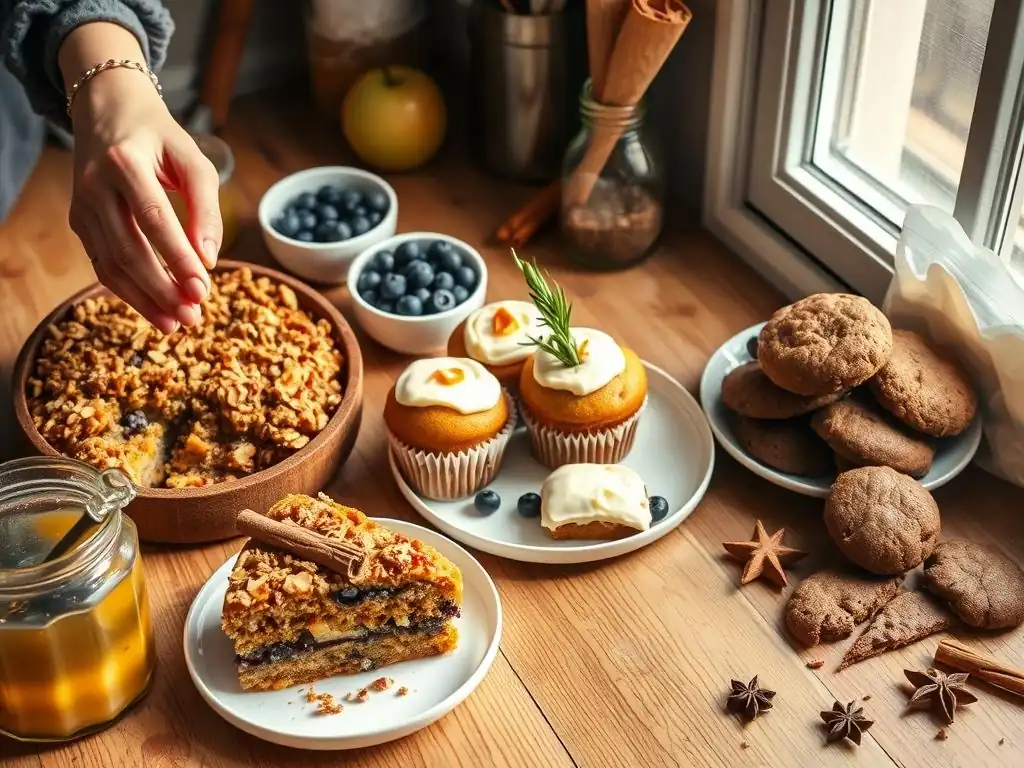
Welcome to BakeWithEase!
Are you ready to indulge in delicious treats without the guilt? Discover the secrets to creating mouthwatering desserts with our easy-to-follow low sugar baking recipes. We'll guide you through simple techniques and ingredient swaps that transform your favorite baked goods into healthier, guilt-free delights. Curious about how to achieve the perfect sweetness balance? Dive in and let's start baking!
- Introduction to Low-Sugar Baking
- Understanding Sugar's Role in Baking
- Essential Ingredients for Low-Sugar Baking Recipes
- Low-Sugar Baking Techniques: Tips and Tricks
- Easy Low-Sugar Baking Recipes to Get You Started
- Troubleshooting Common Low-Sugar Baking Problems
- Advanced Low-Sugar Baking: Next Steps
- Conclusion: Enjoy Delicious and Guilt-Free Baking
-
Frequently Asked Questions
- What exactly is low sugar baking and why is it becoming so popular?
- Can I really achieve the same taste and texture in baked goods with low sugar ingredients?
- What are some common sugar alternatives used in low sugar baking, and which are best for different recipes?
- Are low sugar recipes more difficult to follow than traditional baking recipes?
- Where can I find reliable low sugar baking recipes and tips to get started?
- Final Reflection: The Sweetness of Conscious Baking
- Unlock Your Low-Sugar Baking Potential!
Introduction to Low-Sugar Baking
Discover Delicious and Healthier Baking Options
Embarking on a journey into low-sugar baking opens up a world of delightful treats that don't compromise on flavor while offering significant health benefits. Many people believe that reducing sugar means sacrificing taste or texture, but this couldn't be further from the truth.
With the right ingredients and techniques, you can create everything from moist cakes and chewy cookies to fluffy muffins and tender breads that satisfy your sweet tooth without the sugar overload. This approach is not just about cutting calories; it's about using alternative sweeteners and ingredients that offer nutritional advantages, such as fiber, protein, and healthy fats, making your baked goods more wholesome.
Exploring low sugar baking recipes allows you to enjoy your favorite treats more frequently or include them as part of a balanced diet. Imagine biting into a perfectly baked muffin that's sweet and satisfying but contains a fraction of the sugar found in traditional recipes. Or sharing a batch of cookies that everyone loves, knowing they're made with healthier alternatives. This guide will walk you through the fundamentals, showing you how accessible and rewarding it is to start baking with less sugar, proving that healthier options can be incredibly delicious.
Why Choose Low-Sugar Baking? Benefits for Your Health
Choosing to bake with less sugar offers a multitude of health advantages, impacting everything from blood sugar levels to overall energy. Excessive sugar consumption is linked to various health issues, including weight gain, increased risk of type 2 diabetes, heart disease, and dental problems. By reducing the sugar in your baked goods, you actively mitigate these risks. For instance, replacing refined sugar with natural, low-calorie sweeteners or incorporating ingredients like applesauce or mashed banana can significantly lower the glycemic load of your treats, helping to prevent sharp spikes and crashes in blood sugar.
Beyond managing blood sugar, low-sugar baking can contribute to better weight management and improved energy levels. Sugar provides quick energy but often leads to an energy slump afterward. Using alternative sweeteners or natural fruit purees can provide sustained energy.
Furthermore, many low sugar baking recipes incorporate ingredients like almond flour or coconut flour, which are higher in fiber and protein compared to traditional white flour. A typical cup of almond flour might contain around 6 grams of fiber and 6 grams of protein, while a cup of all-purpose flour has about 3 grams of fiber and 13 grams of protein (though the glycemic impact differs significantly). This increased fiber and protein content helps you feel fuller for longer, reducing the likelihood of overeating and supporting digestive health.
Understanding Sugar's Role in Baking
Sugar's Functions: Sweetness, Moisture, and Structure
Sugar plays a surprisingly complex and vital role in traditional baking beyond just providing sweetness. It's a multi-talented ingredient that affects texture, moisture, color, and even leavening. Granulated sugar, for example, helps to create a tender crumb in cakes and muffins by interfering with gluten development. In cookies, it contributes to spread and crispness. Sugar is also hygroscopic, meaning it attracts and retains moisture, which is crucial for keeping baked goods from drying out too quickly and ensuring a moist texture over time.
Furthermore, sugar aids in browning through a process called caramelization (when heated alone) and the Maillard reaction (when heated with proteins). These reactions contribute significantly to the appealing golden-brown crusts on breads, cakes, and cookies, as well as developing complex flavors. Sugar also feeds yeast in bread making, enabling fermentation and leavening. Understanding these functions is key to successfully adapting or creating low sugar baking recipes, as simply removing sugar without replacement will drastically alter the final product's characteristics.
The Impact of Sugar Reduction on Baking
Reducing sugar in a recipe without making adjustments can lead to a host of textural and structural problems. As sugar contributes moisture, reducing it can result in dry, dense, or crumbly baked goods. Without sugar's tenderizing effect, cakes and muffins might be tough. Cookies might not spread properly or achieve the desired crisp-chewy balance. The lack of sugar also impacts browning, resulting in pale crusts, and can affect the overall volume and rise, especially in recipes relying on sugar to cream with butter for aeration or to activate yeast.
For instance, a standard chocolate chip cookie recipe might call for 1 cup of granulated sugar and 1/2 cup of brown sugar for about 2 1/4 cups of flour. Simply cutting the sugar by half would likely result in cookies that are less sweet, drier, thicker, and paler. Successfully creating low sugar baking recipes requires addressing these lost functions by using alternative sweeteners that mimic some of sugar's properties, incorporating ingredients that add moisture or structure, and adjusting baking times or temperatures to achieve desired browning.
Essential Ingredients for Low-Sugar Baking Recipes
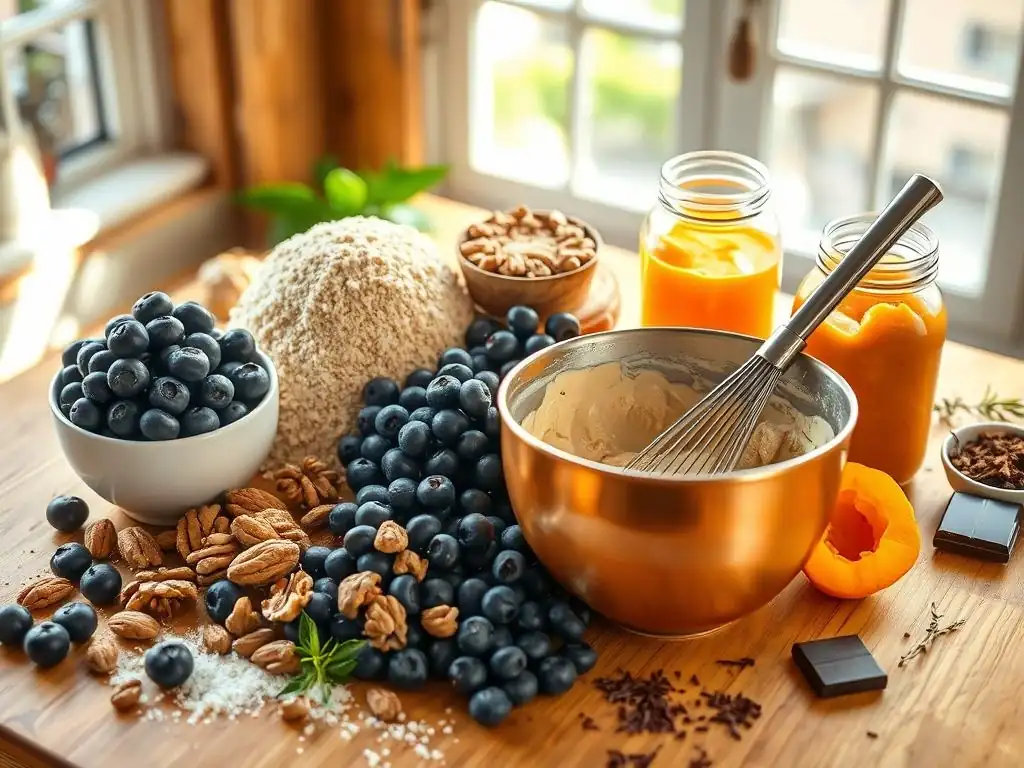
Natural Sweeteners: A Comprehensive Guide
Natural sweeteners offer fantastic alternatives to refined sugar in low sugar baking recipes. They vary in sweetness level, taste profile, and how they behave when heated, so choosing the right one for your specific recipe is crucial. Understanding their properties helps you achieve the desired results without the high sugar content.
Stevia: Pros, Cons, and Baking Tips
Stevia is derived from the leaves of the Stevia rebaudiana plant and is significantly sweeter than sugar, often cited as 200-400 times sweeter. It contains virtually no calories and does not impact blood sugar levels. Available in liquid, powder, or granulated forms, it's a popular choice for those focused on calorie reduction. However, Stevia can sometimes have a slightly bitter or licorice-like aftertaste, particularly in larger quantities.
When baking with Stevia, it's important to use it sparingly due to its intense sweetness. Many granulated Stevia products are blended with other ingredients like erythritol to provide bulk, making them easier to measure as a 1:1 sugar substitute by volume, though the actual sweetness can still vary. Because Stevia provides sweetness but none of sugar's bulk, moisture, or browning capabilities, you'll often need to add ingredients to compensate for these lost functions. For example, adding extra liquid, applesauce, or yogurt can help maintain moisture and structure in low sugar baking recipes using Stevia.
Monk Fruit: A Versatile Sugar Alternative
Monk fruit sweetener, extracted from the monk fruit (luo han guo), is another zero-calorie natural sweetener. Like Stevia, it is intensely sweet, often cited as 150-200 times sweeter than sugar. It has a clean sweetness profile for many people, with less of the aftertaste sometimes associated with Stevia. Monk fruit is available in various forms, including pure extract and blends, often with erythritol, designed to measure like sugar.
Monk fruit is quite stable under heat, making it suitable for baking. Blended versions that measure cup-for-cup like sugar simplify adapting existing low sugar baking recipes. However, as with Stevia, pure monk fruit extract provides only sweetness and no bulk, moisture, or browning. When using pure extract, you'll need to adjust other ingredients. Blends help with bulk but still don't provide the moisture or browning of sugar. Consider adding ingredients like mashed banana or pumpkin puree for moisture and color.
Erythritol: Baking with Erythritol Effectively
Erythritol is a sugar alcohol that is about 60-80% as sweet as sugar but contains very few calories (around 0.2 calories per gram compared to sugar's 4 calories per gram). It is not metabolized by the body, so it does not raise blood sugar levels. Erythritol is often used in blends with Stevia or monk fruit to add bulk and a more sugar-like texture. It has a crystalline structure similar to sugar and can contribute some bulk to baked goods.
A key characteristic of erythritol is that it can cause a cooling sensation in the mouth, which might be noticeable in recipes using large amounts. It also doesn't brown like sugar. When baking with erythritol, you might need to use slightly more than the amount of sugar being replaced to achieve the same level of sweetness. Because it doesn't retain moisture as well as sugar, baked goods made solely with erythritol can sometimes be drier. Combining it with other sweeteners or moistening agents is often effective in low sugar baking recipes.
Allulose: A Promising Low-Calorie Sweetener
Allulose is a "rare sugar" found naturally in small amounts in foods like wheat, maple syrup, and figs. It has about 70% of the sweetness of sugar but only about 10% of the calories (around 0.4 calories per gram). What makes allulose particularly promising for low sugar baking recipes is its similar behavior to sugar in several aspects: it caramelizes and browns, provides bulk, and retains moisture better than many other alternative sweeteners like erythritol. It also generally lacks an aftertaste.
While not yet as widely available or inexpensive as some other options, allulose is gaining popularity. When substituting sugar with allulose, you'll typically use slightly more than a 1:1 ratio for equivalent sweetness, perhaps 1.2 to 1.3 parts allulose for 1 part sugar, depending on the desired sweetness level and specific product. Its ability to contribute to browning and moisture makes it an excellent choice for cakes, cookies, and sauces where these properties are important.
Other Natural Sweeteners: Maple Syrup, Honey, Dates
While not low-calorie or zero-glycemic, other natural sweeteners like maple syrup, honey, and date paste can be used in reduced sugar baking, offering different flavor profiles and nutrients compared to refined sugar. Maple syrup and honey are liquid sweeteners, adding moisture but also requiring adjustments to the overall liquid content in a recipe. They are sweeter than sugar by volume (honey is roughly 1.2x sweeter), and both have a glycemic index lower than refined sugar (around 55-79 for honey, 54 for maple syrup vs. 65 for sugar), although they still impact blood sugar.
Date paste, made from blended dates, is a whole-food sweetener that provides fiber, vitamins, and minerals. It's less sweet than sugar and adds considerable bulk and moisture, making it suitable for dense baked goods like muffins or energy bars. Using these in low sugar baking recipes means using them sparingly or in combination with other low-calorie sweeteners, focusing on the flavor and moisture they impart rather than relying on them for significant sweetness reduction alone.
Flour Alternatives for Lower Sugar Impact
Choosing the right flour alternative can significantly impact the glycemic load and nutritional profile of your low sugar baking recipes. While these flours don't directly replace sugar, they often pair well with low-sugar sweeteners and can add fiber, protein, and healthy fats, contributing to a more balanced treat.
Almond Flour: Adding Nutrients and Reducing Sugar
Almond flour, made from ground blanched almonds, is a popular choice in low sugar baking. It's significantly lower in carbohydrates than wheat flour and higher in healthy fats, protein, and fiber. A quarter cup of almond flour contains about 6 grams of carbs (with 3 grams of fiber), 6 grams of fat, and 2.5 grams of protein, compared to all-purpose flour's roughly 23 grams of carbs (less than 1 gram fiber), negligible fat, and 3.5 grams of protein. This profile contributes to a lower glycemic impact.
Baking with almond flour often results in moist, tender baked goods. However, it behaves differently than wheat flour; it doesn't contain gluten, so it requires binders like eggs or xanthan gum for structure. It also absorbs less liquid than wheat flour. When adapting traditional low sugar baking recipes using almond flour, you'll typically need to use less liquid and potentially more eggs. Almond flour can also brown more quickly due to its fat content, so baking at slightly lower temperatures or covering with foil might be necessary.
Coconut Flour: Baking with Coconut Flour Tips
Coconut flour, made from dried and ground coconut meat after the milk has been extracted, is another excellent low-carb, high-fiber option for low sugar baking recipes. It is extremely absorbent, much more so than wheat or almond flour. A quarter cup of coconut flour can contain around 16 grams of carbs, but 10 grams of that is fiber, resulting in a lower net carb count (about 6g) and about 4 grams of protein and 2 grams of fat. Its high fiber content contributes to a lower glycemic impact.
Due to its high absorbency, you use much less coconut flour than other flours in a recipe. A general rule of thumb is to substitute about 1/4 to 1/3 cup of coconut flour for 1 cup of wheat flour, while also adding more eggs (often 1-2 extra per 1/4 cup) to provide structure and moisture. Baked goods made with coconut flour can sometimes be dense or dry if not enough liquid or binder is used. It has a distinct, subtle coconut flavor that works well in many low sugar baking recipes but might not be suitable for all.
Oat Flour: A Healthy and Wholesome Choice
Oat flour, simply ground rolled oats, is a whole-grain flour that offers more fiber and nutrients than refined wheat flour, making it a healthier base for low sugar baking recipes. While not as low in carbs as almond or coconut flour, its high fiber content (about 4 grams per 1/4 cup) helps to slow sugar absorption and contributes to a lower glycemic index than white flour. It also contains some protein and healthy fats.
Baking with oat flour often results in moist and slightly chewy baked goods. It contains some gluten-like proteins but not true gluten, so it can be used in gluten-free baking if certified gluten-free oats are used. When substituting for wheat flour, you can often use a 1:1 ratio by weight, though you might need slightly more by volume as it's less dense. Oat flour absorbs a fair amount of liquid, so ensure your batter isn't too thick. It adds a lovely, wholesome flavor to muffins, cookies, and quick breads.
Healthy Fats and Binders: Replacing Sugar's Structural Role
When sugar is reduced in low sugar baking recipes, you lose not just sweetness but also moisture, tenderness, and structure. Incorporating healthy fats and natural binders helps compensate for these lost functions, ensuring your baked goods are moist, tender, and hold together well.
Applesauce: A Natural Sweetener and Binder
Unsweetened applesauce is a fantastic ingredient for low sugar baking. It adds moisture, a touch of natural sweetness (about 10-11 grams of sugar per 1/2 cup, but with accompanying fiber), and acts as a binder due to its pectin content. It can often replace some or all of the oil or butter in a recipe, significantly reducing fat and calorie content while boosting moisture.
Using applesauce works particularly well in quick breads, muffins, and some cake recipes. As a general guideline, you can substitute applesauce for up to half of the fat in a recipe. For example, if a recipe calls for 1/2 cup of oil, you could use 1/4 cup oil and 1/4 cup applesauce. Using more might make the baked goods too dense or rubbery. It can also replace some of the egg in certain recipes (about 1/4 cup applesauce per egg), though this works best when multiple eggs are used.
Greek Yogurt: Adding Moisture and Protein
Plain Greek yogurt is another excellent addition to low sugar baking recipes. It provides moisture, richness, and a boost of protein (around 11 grams per 1/2 cup), contributing to a tender crumb. Its slight tang can also complement the flavors of fruits or spices. Like applesauce, it can replace some of the fat or other liquids in a recipe, making the final product lighter while maintaining a pleasant texture.
Greek yogurt works beautifully in muffins, cakes, and scones. You can often substitute it for some of the oil, butter, or milk. For example, replacing half the butter with an equal amount of Greek yogurt can reduce fat and add moisture. Its acidity can also react with baking soda, aiding in leavening. Ensure you use plain, unsweetened Greek yogurt to keep the sugar content low.
Mashed Banana: Natural Sweetness and Texture
Ripe mashed banana is a beloved ingredient in low sugar baking, especially for muffins, quick breads, and some cookies. It provides significant natural sweetness (around 14-15 grams of sugar per medium banana, but again, with fiber and nutrients), moisture, and acts as a binder. Its distinct flavor pairs wonderfully with spices like cinnamon and nutmeg, often allowing you to reduce added sweeteners even further.
Using mashed banana is a great way to add moisture and tenderness while cutting back on added sugars and fats. A medium mashed banana can often substitute for one egg or a portion of the fat in many recipes. It's particularly effective in dense, moist baked goods like banana bread (naturally!) or pumpkin muffins. Ensure the bananas are very ripe (skins should be spotted or almost black) for maximum sweetness and easy mashing.
Low-Sugar Baking Techniques: Tips and Tricks
Adjusting Recipes for Less Sugar
Successfully converting traditional recipes into low sugar baking recipes involves more than just swapping out sugar. You need to consider how the alternative sweeteners and ingredients will impact the final product's texture, moisture, and browning. Start by reducing the sugar gradually in recipes you know well. If a recipe calls for 1 cup of sugar, try using 1/2 cup of a sugar substitute blend that measures like sugar, or an equivalent amount of a concentrated sweetener plus added bulk/moisture.
When using concentrated sweeteners like pure Stevia or monk fruit extract, remember they provide no bulk. You'll need to add other ingredients to make up the volume. For every cup of sugar removed, you might need to add a few tablespoons of extra flour, a bit more liquid (like milk or yogurt), or a fruit puree (like applesauce or pumpkin). Pay attention to the batter consistency; it should be similar to the original recipe's batter. It often takes a few tries to get the balance right when creating your own low sugar baking recipes.
The Importance of Moisture Balance
Maintaining adequate moisture is one of the biggest challenges when reducing sugar, as sugar is a humectant (draws and holds water). Without it, baked goods can easily become dry and crumbly. This is where ingredients like applesauce, mashed banana, pumpkin puree, yogurt, or even extra eggs become essential in low sugar baking recipes.
If your low-sugar baked goods are consistently dry, try increasing the amount of moistening ingredients slightly in your next batch. For example, add an extra tablespoon or two of applesauce or yogurt. Using liquid sweeteners like small amounts of maple syrup or honey (if your goal allows for some natural sugar) can also contribute moisture. Baking for slightly less time or at a slightly lower temperature can also help prevent moisture loss. Overmixing can also lead to dryness by developing gluten too much, so mix just until combined.
Achieving the Right Texture Without Sugar
Sugar contributes significantly to the texture of baked goods, from the spread of cookies to the tenderness of cakes. Replicating these textures in low sugar baking recipes requires strategic ingredient choices and techniques. For tenderness, using alternative flours like almond flour or incorporating fats like butter or oil (in moderation) or moistening agents like yogurt helps prevent toughness.
To achieve spread in cookies without sugar, which helps them flatten and crisp, you might need to slightly increase the fat content or use sweeteners like allulose that mimic sugar's behavior more closely. For cakes and muffins, the creaming method (beating butter/fat with sweetener) still works with granulated sugar substitutes to incorporate air, which aids in leavening and creating a lighter texture. Using appropriate leavening agents (baking powder and soda) correctly is also vital for a good rise and tender crumb in low sugar baking recipes.
Easy Low-Sugar Baking Recipes to Get You Started
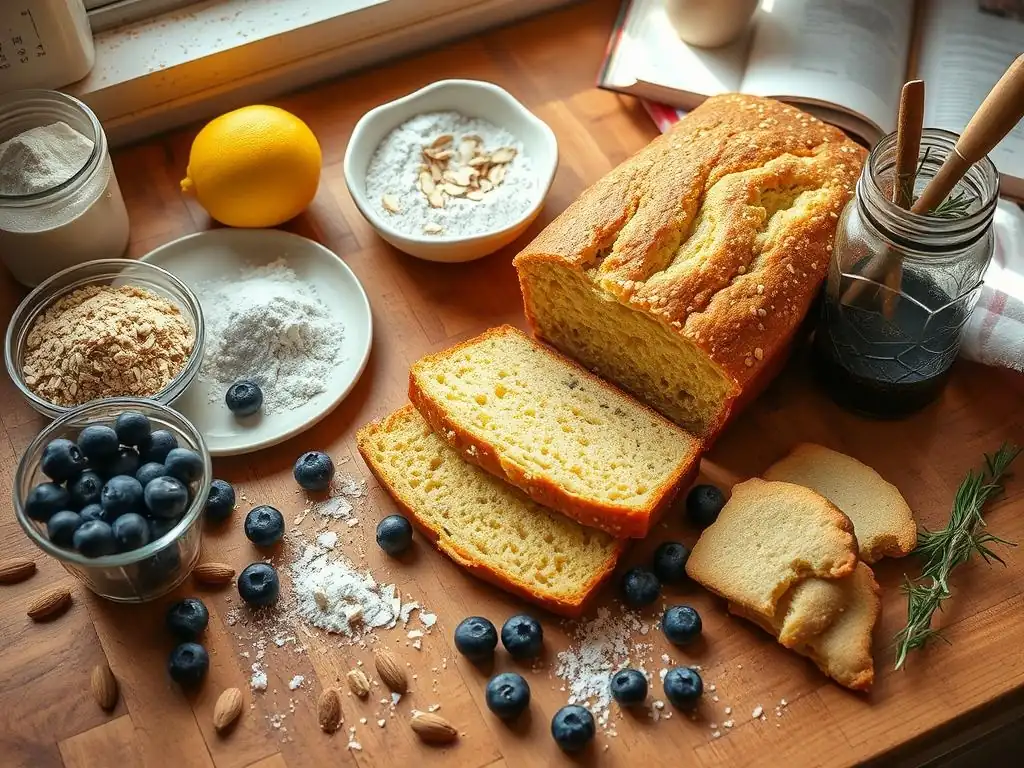
Getting started with low sugar baking is easier than you think! Here are a few simple low sugar baking recipes to build your confidence and enjoy delicious, healthier treats.
These simple cookies are naturally lower in carbs and sugar due to the main ingredient: peanut butter!
Ingredients for Low-Sugar Peanut Butter Cookies
- 1 cup natural peanut butter (check label for no added sugar)
- 1/2 cup granulated low-calorie sweetener blend (like erythritol/monk fruit blend that measures 1:1)
- 1 large egg
- 1 teaspoon vanilla extract
- 1/2 teaspoon baking soda
- Pinch of salt (if peanut butter is unsalted)
Step-by-Step Baking Instructions
Here's how to make these easy low sugar baking recipes cookies:
- [ ] Preheat oven to 350°F (175°C).
- [ ] Line baking sheets with parchment paper.
- [ ] In a medium bowl, combine peanut butter and sweetener. Mix until well combined.
- [ ] Beat in the egg and vanilla extract until smooth.
- [ ] Stir in baking soda and salt (if using).
- [ ] Roll dough into 1-inch balls. Place on prepared baking sheets, about 2 inches apart.
- [ ] Flatten each cookie with a fork, creating the classic criss-cross pattern.
- [ ] Bake for 10-12 minutes, or until edges are lightly golden and centers look set.
- [ ] Let cool on the baking sheet for 5 minutes before transferring to a wire rack to cool completely.
Tips for Perfect Low-Sugar Cookies
- Use natural, no-stir peanut butter for the best texture. Avoid brands with added sugars or hydrogenated oils.
- Do not overbake! These cookies can go from perfectly soft to hard quickly. They should look slightly soft in the center when you take them out; they will firm up as they cool.
- For extra flavor, add a tablespoon of sugar-free chocolate chips or a sprinkle of flaky sea salt before baking. These are great low sugar baking recipes for customization.
Low-Sugar Zucchini Bread Recipe
A moist and flavorful quick bread that sneaks in a vegetable while keeping sugar low.
Ingredients for Low-Sugar Zucchini Bread
- 1 and 1/2 cups all-purpose flour (or a 1:1 gluten-free blend)
- 1 teaspoon baking soda
- 1/2 teaspoon baking powder
- 1/4 teaspoon salt
- 1 teaspoon ground cinnamon
- 1/4 teaspoon ground nutmeg
- 1/2 cup granulated low-calorie sweetener blend
- 1/4 cup packed brown low-calorie sweetener (optional, for flavor/moisture)
- 1/3 cup melted coconut oil or vegetable oil
- 2 large eggs
- 1/4 cup unsweetened applesauce or plain Greek yogurt
- 1 teaspoon vanilla extract
- 1 and 1/2 cups grated zucchini (about 1-2 medium zucchini), squeezed dry
- Optional: 1/2 cup chopped nuts or sugar-free chocolate chips
Step-by-Step Baking Instructions
Follow these steps for a delicious low sugar baking recipes quick bread:
- [ ] Preheat oven to 350°F (175°C).
- [ ] Grease and flour a 9x5 inch loaf pan.
- [ ] In a large bowl, whisk together flour, baking soda, baking powder, salt, cinnamon, and nutmeg.
- [ ] In a separate medium bowl, whisk together granulated and brown sweeteners (if using), melted oil, eggs, applesauce/yogurt, and vanilla extract.
- [ ] Add the wet ingredients to the dry ingredients and stir just until combined. Do not overmix.
- [ ] Gently fold in the grated zucchini (and nuts/chocolate chips, if using).
- [ ] Pour batter into the prepared loaf pan and spread evenly.
- [ ] Bake for 50-60 minutes, or until a toothpick inserted into the center comes out clean.
- [ ] Let the loaf cool in the pan for 10 minutes before transferring to a wire rack to cool completely.
Variations and Add-ins for Zucchini Bread
- Add 1/2 cup of chopped walnuts or pecans for crunch.
- Stir in 1/2 cup of sugar-free chocolate chips for a richer treat.
- Replace some of the cinnamon and nutmeg with ginger or cardamom for a different spice profile.
- Swirl in a few tablespoons of sugar-free cream cheese frosting before baking for a cheesecake-like swirl. These simple additions make great low sugar baking recipes even better.
Low-Sugar Lemon Poppy Seed Muffins Recipe
Bright and flavorful muffins perfect for breakfast or a snack, made healthier.
Ingredients for Low-Sugar Lemon Poppy Seed Muffins
- 1 and 3/4 cups all-purpose flour (or a 1:1 gluten-free blend)
- 1 tablespoon poppy seeds
- 1 teaspoon baking powder
- 1/2 teaspoon baking soda
- 1/4 teaspoon salt
- 3/4 cup granulated low-calorie sweetener blend
- Zest of 1 large lemon
- 1/2 cup unsweetened almond milk or buttermilk
- 1/4 cup melted unsalted butter or coconut oil
- 1 large egg
- 1/4 cup plain Greek yogurt or unsweetened applesauce
- 2 tablespoons fresh lemon juice
- 1 teaspoon vanilla extract
Step-by-Step Baking Instructions
Whip up these delightful low sugar baking recipes muffins:
- [ ] Preheat oven to 375°F (190°C).
- [ ] Line a 12-cup muffin tin with paper liners or grease the cups.
- [ ] In a large bowl, whisk together flour, poppy seeds, baking powder, baking soda, and salt.
- [ ] In a separate medium bowl, rub the granulated sweetener and lemon zest together with your fingertips until fragrant. This helps release the lemon oils.
- [ ] Whisk the almond milk/buttermilk, melted butter/oil, egg, Greek yogurt/applesauce, lemon juice, and vanilla extract into the sweetener/zest mixture.
- [ ] Pour the wet ingredients into the dry ingredients and stir with a spoon or spatula just until combined. A few lumps are okay. Do not overmix.
- [ ] Divide the batter evenly among the prepared muffin cups, filling each about two-thirds full.
- [ ] Bake for 18-22 minutes, or until the tops are golden and a toothpick inserted into the center comes out clean.
- [ ] Let the muffins cool in the tin for a few minutes before transferring them to a wire rack to cool completely.
Customizing Your Muffins with Different Flavors
- Add 1/2 cup of fresh or frozen blueberries (do not thaw frozen berries before adding).
- Replace lemon zest and juice with orange zest and juice for orange poppy seed muffins.
- Stir in a tablespoon of finely chopped fresh rosemary along with the lemon zest for a sophisticated twist.
- Add a crumble topping made from a tablespoon of melted butter, 2 tablespoons almond flour, and a teaspoon of sweetener before baking. These simple tweaks create delightful low sugar baking recipes variations.
Troubleshooting Common Low-Sugar Baking Problems
Even with the best low sugar baking recipes, you might encounter issues. Knowing how to identify and fix common problems will save your bakes!
Dryness and Crumbliness: How to Fix It
Dryness is perhaps the most frequent complaint when transitioning to low sugar baking. As discussed, sugar holds moisture. Without it, baked goods can feel like sawdust. This often happens when simply reducing sugar without adding alternative moistening agents. It can also be caused by overbaking or using too much dry ingredient relative to wet.
To combat dryness, evaluate your recipe:
- Ingredient Ratio: Are you using enough liquid, eggs, or moistening ingredients like applesauce, yogurt, pumpkin puree, or mashed banana? Try adding a tablespoon or two more of one of these in your next attempt.
- Sweetener Choice: Some sweeteners, like erythritol, can have a drying effect. Consider blending sweeteners or using one like allulose that retains moisture better.
- Baking Time/Temperature: Are you baking too long or at too high a temperature? Reduce the baking time by 2-3 minutes or lower the oven temperature by 25°F (15°C). Use a toothpick test to check for doneness rather than relying solely on the clock.
- Overmixing: Overdeveloping gluten makes baked goods tough and dry. Mix batter just until ingredients are combined.
My low-sugar muffins came out like hockey pucks!
- A common frustration. This is often due to a lack of moisture and/or overmixing. Increase yogurt or applesauce slightly and mix just until the flour disappears.
Lack of Browning: Techniques for Golden-Brown Results
Sugar caramelizes and contributes to the golden-brown color of baked goods. Low-sugar sweeteners often don't brown in the same way, leaving your cookies pale or your cakes lacking that appealing crust. This doesn't necessarily affect the taste or texture dramatically, but presentation is part of the enjoyment!
Here are techniques to help achieve better browning in your low sugar baking recipes:
- Sweetener Choice: Allulose browns similarly to sugar. Using a blend that includes allulose can help. Small amounts of liquid sweeteners like maple syrup or honey (if acceptable for your sugar level) can also aid browning.
- Egg Wash: For breads or scones, brushing the top with a little egg wash (beaten egg mixed with a tablespoon of water or milk) before baking encourages a golden crust.
- Milk or Cream Brush: Similarly, brushing the top of muffins or quick breads with milk or cream before baking can help promote browning.
- Baking Time/Temperature: While overbaking causes dryness, slightly extending the baking time at a lower temperature after the item is cooked through can encourage surface browning without drying the interior. Be cautious and monitor closely.
- Convection Oven: If your oven has a convection setting, using it can improve air circulation and lead to more even and enhanced browning.
Off Flavors: Balancing Sweeteners and Ingredients
Some alternative sweeteners, particularly Stevia and erythritol, can have a distinct aftertaste or a cooling sensation. This can be off-putting and affect the overall flavor of your low sugar baking recipes. Balancing these flavors is key to delicious results.
Strategies for managing off-flavors:
- Blend Sweeteners: Instead of relying on a single sweetener, use a blend. Combining Stevia or monk fruit with erythritol (which is common in commercial blends) or using a mix of these with a touch of allulose or even a tiny amount of real sugar or maple syrup can often mask unwanted tastes.
- Add Flavor Enhancers: Ingredients like vanilla extract, almond extract, cinnamon, nutmeg, cocoa powder, lemon zest, or coffee can help mask sweetener aftertastes. A pinch of salt also balances sweetness and enhances overall flavor.
- Consider the Recipe: Some recipes and flavor profiles work better with certain sweeteners. Strong flavors like chocolate, spices, or citrus tend to hide sweetener aftertastes more effectively than delicate vanilla or plain bases. Low sugar baking recipes for things like spice cake or chocolate brownies might be more forgiving than a simple vanilla cake.
- Quality Matters: The quality and purity of your sweetener can impact the taste. Experiment with different brands to find ones with the cleanest flavor profile.
Advanced Low-Sugar Baking: Next Steps
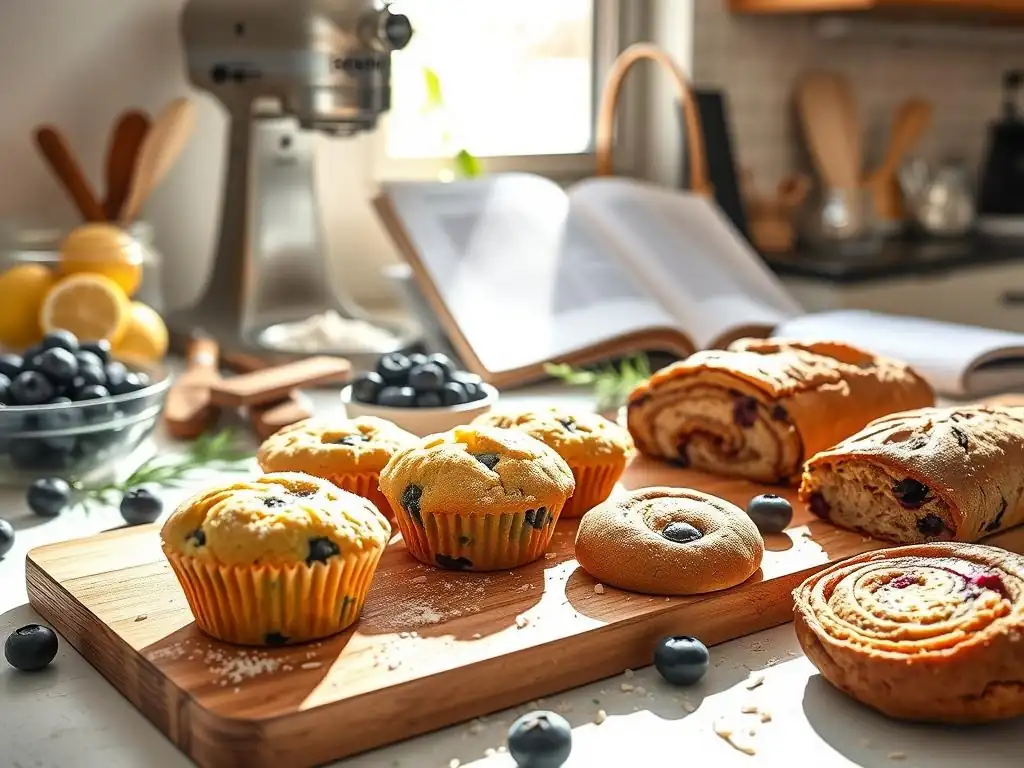
Once you're comfortable with basic low sugar baking recipes, you might want to explore more complex options or even create your own.
Exploring Vegan and Gluten-Free Low-Sugar Options
Combining low-sugar baking with other dietary restrictions like veganism or gluten-free can add layers of complexity, but it's entirely possible and rewarding. Many low sugar baking recipes naturally lean towards gluten-free by using flours like almond or coconut flour. For vegan options, you'll need to replace eggs and dairy.
- Gluten-Free: Use certified gluten-free oat flour, almond flour, coconut flour, or a commercial gluten-free blend. Be mindful of the different liquid absorption rates and binding needs. Xanthan gum or psyllium husk powder are often used as binders in gluten-free low sugar baking recipes.
- Vegan: Replace eggs with binders like flax eggs (1 tbsp flax meal + 3 tbsp water, let sit 5 min), chia eggs, mashed banana, applesauce, or commercial egg replacers. Replace dairy milk with plant-based milk (almond, soy, oat). Replace butter with vegan butter sticks or coconut oil. Ensure your low-sugar sweetener is also vegan (most are, but check blends).
Combining restrictions requires careful balancing. For example, a low-sugar, gluten-free, and vegan cookie might need a combination of almond flour (for texture), a binder like flax egg, and a sweetener blend that works well without dairy or eggs. Experimentation is key!
Creating Your Own Low-Sugar Baking Recipes
Ready to invent? Creating your own low sugar baking recipes is the ultimate mastery. Start by adapting a favorite traditional recipe. Analyze the original recipe's sugar content and function. Decide which low-sugar sweetener(s) you want to use and how you will compensate for the lost bulk, moisture, and structure.
Here's a basic process:
- Choose a Base Recipe: Select a simple recipe you're familiar with (like muffins or simple cookies).
- Calculate Sugar Reduction: Decide how much sugar you want to remove. Don't cut it all out at once on your first try.
- Select Sweeteners: Choose your alternative sweetener(s) based on desired sweetness, taste, and how they bake (browning, bulk). Estimate the equivalent amount needed.
- Add Bulk/Moisture: For every cup of sugar removed, consider adding 2-4 tablespoons of extra liquid, a fruit puree, yogurt, or a tablespoon or two of extra flour (depending on the flour type).
- Adjust Leavening: Sometimes, slight adjustments to baking powder or soda are needed, especially if adding acidic ingredients like yogurt or applesauce.
- Test and Tweak: Bake a small batch. Note the texture, sweetness, moisture, and browning. Is it dry? Add more moisture next time. Not sweet enough? Increase sweetener slightly. Too flat? Reduce liquid or add a bit more binder. Keep notes on your adjustments!
// Example Adjustment Idea:
// Original: 1 cup sugar, 1/2 cup butter, 2 eggs, 1 cup flour
// Low-Sugar Try 1: 1/2 cup sugar blend (1:1), 1/2 cup butter, 2 eggs, 1 cup flour -> Might be dry/pale
// Low-Sugar Try 2: 1/2 cup sugar blend, 1/4 cup butter, 1/4 cup applesauce, 2 eggs, 1 cup flour + 1 tbsp flour -> Better moisture, maybe less spread
// Low-Sugar Try 3: 1/2 cup sugar blend, 1/4 cup butter, 1/4 cup applesauce, 2 eggs, 1 cup flour + 1 tbsp flour, increase baking powder slightly -> Adjusting for lift
Resources for Continued Learning in Low-Sugar Baking
The world of low sugar baking is constantly evolving with new ingredients and techniques. To continue your learning journey:
- Follow Blogs & Websites: Many food bloggers and websites specialize in low-sugar, keto, or diabetic-friendly baking and share their low sugar baking recipes and tips.
- Cookbooks: Look for cookbooks specifically focused on low-sugar, sugar-free, or diabetic baking. These often contain tested low sugar baking recipes and detailed explanations of ingredients.
- Online Communities: Join online forums or social media groups dedicated to low-carb or low-sugar eating and baking. Ask questions, share your successes and failures, and learn from others' experiences with low sugar baking recipes.
- Experimentation: The best resource is often your own kitchen! Don't be afraid to try new ingredients or adapt existing low sugar baking recipes. Keep a baking journal to track your results.
Conclusion: Enjoy Delicious and Guilt-Free Baking
Low-Sugar Baking: A Sustainable and Delicious Choice.
Mastering low-sugar baking is an incredibly rewarding skill that allows you to enjoy delicious treats while prioritizing your health. It's about making conscious choices about ingredients and understanding how they work together. By exploring different sweeteners, flours, and moistening agents, you can create a wide variety of baked goods that are satisfying, flavorful, and lower in added sugar.
Embrace the process of experimentation. Not every low sugar baking recipe will be perfect on the first try, but each attempt is a learning opportunity. The knowledge you gain about ingredient interactions will empower you to adapt more recipes and eventually create your own. Low-sugar baking isn't a restriction; it's an expansion of your baking repertoire, offering sustainable and delicious options for you and your loved ones to enjoy guilt-free. Happy baking!
Frequently Asked Questions
What exactly is low sugar baking and why is it becoming so popular?
Low sugar baking involves using less refined sugar or sugar alternatives in your baked goods. It's becoming popular due to a growing awareness of the health risks associated with high sugar intake.
Can I really achieve the same taste and texture in baked goods with low sugar ingredients?
While the taste and texture might be slightly different, yes! With the right low sugar baking techniques and sugar substitutes, you can create delicious and satisfying treats.
What are some common sugar alternatives used in low sugar baking, and which are best for different recipes?
Common alternatives include erythritol, stevia, and monk fruit. The best choice depends on the recipe; some alternatives bake better than others in specific applications.
Are low sugar recipes more difficult to follow than traditional baking recipes?
Not necessarily! BakeWithEase provides simple, step-by-step low sugar recipes that are designed to be easy to follow, even for beginner bakers.
Where can I find reliable low sugar baking recipes and tips to get started?
BakeWithEase.com is your go-to resource! We offer a wide range of easy-to-find low sugar recipes, techniques, and tips for bakers of all levels, including our "Master Low Sugar Baking: Your Easy Start Guide".
Final Reflection: The Sweetness of Conscious Baking
The pursuit of healthier baking isn't just a trend; it's a revolution in how we approach indulgence. We've explored the surprisingly simple world of low-sugar baking, proving that delicious treats don't require mountains of refined sugar. This shift towards mindful baking offers a pathway to enjoying sweeter moments without compromising our well-being.
The journey into low-sugar baking has been a personal revelation, highlighting the subtle nuances of flavor that are often masked by excessive sweetness. It's a journey of rediscovering the natural sweetness of fruits, spices, and even vegetables. This approach allows for a deeper appreciation of the ingredients themselves, moving beyond simple sugar rushes to a more holistic and satisfying experience. The best things in life are not things.
– Unknown. This quote resonates deeply, as it applies not only to material possessions but also to the simple pleasure of a thoughtfully crafted, low-sugar dessert.
Now, it's your turn. Consider the ingredients you use, the flavors you crave, and the impact your food choices have on your body and mind. Experiment with the recipes and techniques outlined in this guide, and don't be afraid to adapt them to your own preferences. Embrace the challenge of creating delicious, low-sugar treats that nourish your body and soul. The journey towards healthier baking is a rewarding one, filled with delicious discoveries and a newfound appreciation for the art of mindful indulgence.
Unlock Your Low-Sugar Baking Potential!
Thanks for joining us on this delicious journey into the world of low-sugar baking! We hope you've gained valuable insights and recipes to help you create healthier, equally satisfying treats. Ready to take the next step?
- Dive into our exclusive low-sugar recipe collection: We've curated a selection of our most popular recipes just for you, designed to make the transition to low-sugar baking effortless and fun!
- Share your baking triumphs (and challenges!): Connect with our vibrant community on social media and inspire others with your low-sugar creations. Use #BakeWithEaseLowSugar to share your photos and stories.
- Try a surprising substitution today: Experiment with one of the low-sugar alternatives mentioned in the article. What unexpected flavor combinations will you discover?
So, what delicious low-sugar treat will you bake first? Let us know in the comments below!