
Recipe Matchmaking: Pairing the Right Vanilla with Cakes, Cookies, and Custards

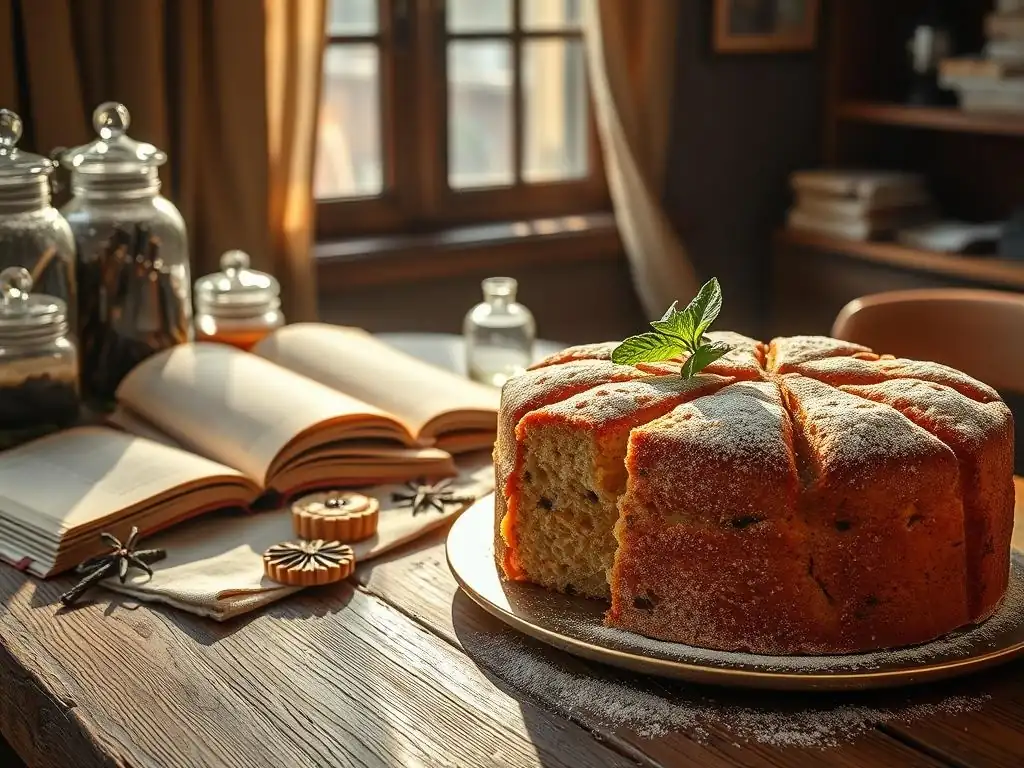
Welcome to BakeWithEase, your trusted guide to baking bliss! Ever wondered if you're truly unlocking the full potential of your vanilla extract cake recipes? Unlock the secret to baking perfection! Join us as we delve into the fascinating world of premium baking ingredients, and discover how the right vanilla can elevate your creations from simply delicious to utterly unforgettable. Prepare to be inspired!
- Unlocking Flavor: The Importance of Vanilla in Baking
- Vanilla Extract Cake Recipes: Finding the Perfect Match
- Beyond Extract: Using Vanilla Beans in Cake Recipes
- Vanilla and Cookies: Creating the Perfect Bite
- Vanilla in Custards: Achieving Creamy Perfection
- Choosing the Right Vanilla: A BakeWithEase Decision Guide
- Mastering Vanilla: Tips and Tricks for Baking Success
- Conclusion: Elevate Your Baking with the Right Vanilla
-
Frequently Asked Questions
- What makes vanilla extract so important in vanilla extract cake recipes?
- Are there different types of vanilla extract that are better suited for vanilla extract cake recipes?
- Can I substitute vanilla extract with vanilla essence in vanilla extract cake recipes?
- How much vanilla extract should I use in a vanilla extract cake recipe?
- What are some tips for storing vanilla extract to maintain its quality for vanilla extract cake recipes?
- Final Reflection: The Sweet Science of Vanilla Selection
- Unlock Your Vanilla's Full Potential!
Unlocking Flavor: The Importance of Vanilla in Baking
Why Vanilla Matters: Elevating Your BakeWithEase Creations
Vanilla is far more than just a sweet aroma; it's a foundational flavor enhancer in countless baking applications. Its complex profile, containing hundreds of aromatic compounds, has the unique ability to mellow acidic notes, round out sweetness, and amplify other flavors like chocolate, fruit, and nuts. Think of a simple sugar cookie or a classic sponge cake – without the depth and warmth provided by good vanilla, these treats would taste flat and less inviting. It acts as a bridge, connecting different flavor components and creating a harmonious, well-rounded taste experience that is essential for truly memorable baked goods.
Using a quality vanilla product can significantly impact the final outcome of your recipes. A poor-quality or artificial vanilla might impart a one-dimensional, sometimes even chemical, taste. In contrast, a premium vanilla extract or the seeds from a plump vanilla bean introduce layers of flavor, from creamy and sweet to subtly floral, spicy, or smoky, depending on its origin. Mastering the art of selecting and using the right vanilla is a crucial step for any baker looking to elevate their creations from good to truly exceptional, ensuring that every bite delivers a rich and satisfying flavor.
Vanilla Extract Cake Recipes: Finding the Perfect Match
Exploring Vanilla Extract Varieties for Cakes: A BakeWithEase Guide
When diving into vanilla extract cake recipes, understanding the nuances between different types of vanilla extract is key to achieving your desired flavor profile. While all pure vanilla extracts originate from cured vanilla beans, their geographical source dramatically influences their aroma and taste. The Vanilla planifolia species, commonly known as Bourbon vanilla, is the most widespread and originates primarily from Madagascar.
Other significant varieties come from regions like Tahiti ( Vanilla tahitensis) and Mexico ( Vanilla pompona or Vanilla planifolia). Each offers a distinct set of characteristics that can either complement or contrast with other ingredients in your cake batter.
Selecting the right extract can transform a standard cake recipe into something truly special. For example, a dense butter cake might benefit from the rich, classic notes of a Madagascar vanilla, while a delicate angel food cake could be beautifully enhanced by the floral and fruity undertones of Tahitian vanilla. Many beloved vanilla extract cake recipes specify a particular type of vanilla, guiding bakers towards the intended flavor outcome. Experimenting with different extracts in your favorite vanilla extract cake recipes is a delightful way to discover new flavor dimensions and personalize your baking.
Madagascar Bourbon Vanilla Extract: The Classic Choice for Cake Baking
Madagascar Bourbon vanilla extract is arguably the most popular and widely used vanilla in vanilla extract cake recipes around the world. Its flavor profile is often described as classic vanilla: sweet, creamy, and rich, with familiar undertones. This versatility makes it an excellent all-purpose choice for a vast range of cakes, from simple vanilla sponges and pound cakes to more complex chocolate or fruit-based cakes where vanilla serves as a harmonious background note. Its robust flavor holds up well during the baking process, ensuring that the distinct vanilla taste is present in the finished product.
For anyone starting out with vanilla extract cake recipes or looking for a reliable, consistent flavor, Madagascar vanilla is a safe and superb option. It pairs beautifully with dairy-heavy batters like butter cakes and cheesecakes, enhancing their richness without overpowering other flavors. Approximately 70-80% of the world's vanilla supply comes from Madagascar, highlighting its prominence and availability. Using a high-quality Madagascar extract ensures that your vanilla extract cake recipes yield a familiar, comforting, and delicious result every time.
Tahitian Vanilla Extract: A Floral Twist for Unique Cake Flavors
Tahitian vanilla extract, derived from the Vanilla tahitensis bean, offers a distinctly different flavor profile compared to its Madagascar counterpart. It is often characterized by fruity, floral, and sometimes cherry or anise-like notes. This unique bouquet makes Tahitian vanilla extract particularly well-suited for vanilla extract cake recipes that benefit from a brighter, more aromatic touch. It's less about the deep, creamy sweetness of Bourbon vanilla and more about adding a light, fragrant complexity that can elevate specific cake types.
Consider using Tahitian vanilla extract in vanilla extract cake recipes that feature fruit, such as lemon cake, berry shortcake, or even a delicate almond cake. Its floral notes can beautifully complement citrus and stone fruit flavors, adding an unexpected layer of sophistication. While less common than Madagascar vanilla, Tahitian extract is prized by gourmet bakers for its unique characteristics. It's a wonderful choice when you want your vanilla to contribute a more nuanced and aromatic dimension to your cake, moving beyond the traditional vanilla profile.
Mexican Vanilla Extract: A Bold Spice for Rich Cake Experiences
Mexican vanilla extract comes from the Vanilla pompona or Vanilla planifolia beans grown in Mexico, the birthplace of the vanilla orchid. This vanilla offers a bolder, spicier flavor profile often featuring smoky, woody, and chocolatey undertones. It's a more robust and complex vanilla that can stand up to richer ingredients and darker flavors in vanilla extract cake recipes. Unlike the sweet creaminess of Madagascar or the floral notes of Tahitian, Mexican vanilla brings a warm, slightly peppery depth.
This extract is an excellent pairing for vanilla extract cake recipes that incorporate spices like cinnamon or nutmeg, or those made with dark chocolate, coffee, or caramel. A chocolate fudge cake, for instance, can have its richness enhanced by the smoky notes of Mexican vanilla. It's also a fantastic choice for baked goods with a rustic or comforting feel, like a spice cake or a traditional Bundt cake. While some lower-quality Mexican vanillas may contain coumarin (which is toxic), reputable suppliers sell pure, safe Mexican vanilla extract that provides this distinct, bold flavor profile to your cakes.
Beyond Extract: Using Vanilla Beans in Cake Recipes
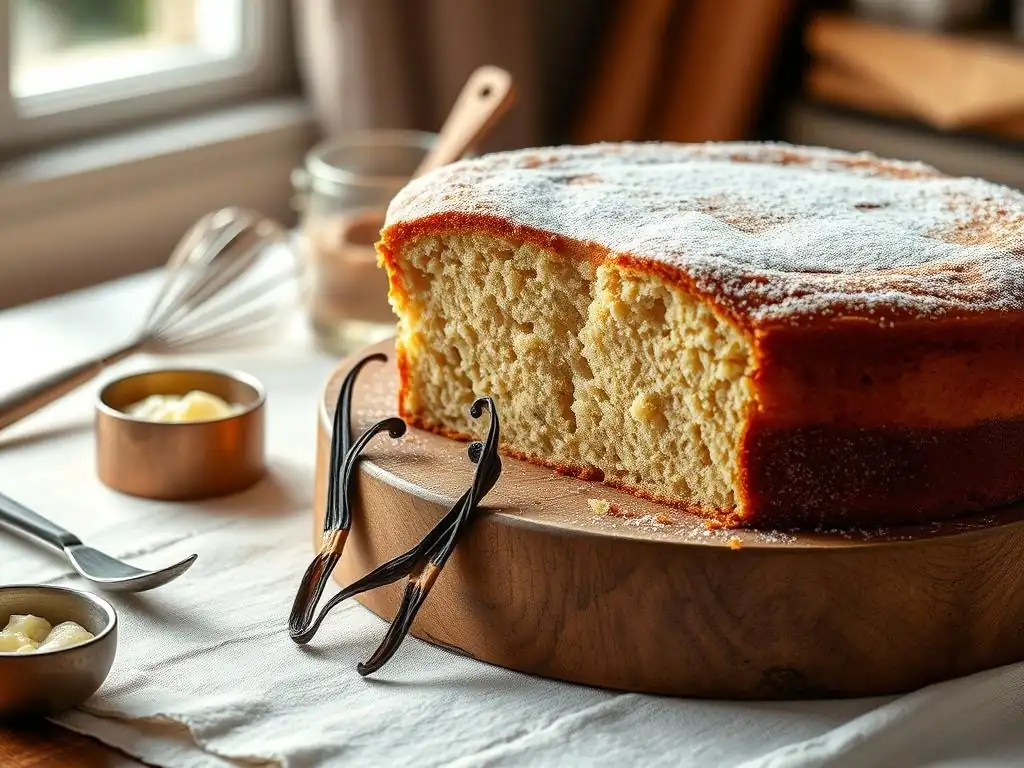
The Luxurious Touch: Incorporating Vanilla Beans into Your Cakes
Using whole vanilla beans or vanilla bean paste in your cake recipes introduces a level of purity and visual appeal that extract alone cannot match. The tiny black specks, often referred to as "vanilla caviar," are packed with intense flavor compounds.
When you scrape the seeds from a bean and infuse them directly into a liquid component of your cake batter, such as milk, cream, or eggs, you unlock a depth of flavor that is incredibly rich and complex. This method is particularly effective in recipes where vanilla is the star flavor, allowing its full spectrum of aromas to shine.
Incorporating vanilla beans requires a bit more effort and cost than using extract, as high-quality beans can be relatively expensive. However, the resulting flavor payoff is significant. The process typically involves splitting the bean lengthwise and scraping out the seeds with the back of a knife. These seeds, along with the scraped pod sometimes, are then heated gently with a liquid to infuse before being added to the batter. This technique is often reserved for special occasion cakes or recipes where the purity and intensity of vanilla are paramount.
Vanilla Bean Cake Recipe Highlight: BakeWithEase's Vanilla Bean Pound Cake
One exemplary use of vanilla beans is in a classic vanilla bean pound cake, a signature recipe type often featured on BakeWithEase.com. This cake relies heavily on the quality of its few core ingredients: butter, sugar, eggs, flour, and, crucially, vanilla. In a traditional vanilla extract cake recipe for pound cake, you might use a tablespoon or two of extract. However, for a vanilla bean version, you'd typically use the seeds scraped from one or two premium vanilla beans, often infused into milk or cream before being incorporated into the batter.
The result is a pound cake with a remarkably pure, deep vanilla flavor and the beautiful visual scattering of vanilla bean specks throughout the crumb. This approach allows the creamy, sweet, and sometimes subtly spicy notes of the vanilla bean itself to dominate, creating a truly luxurious texture and taste. Unlike some vanilla extract cake recipes where vanilla plays a supporting role, here it's the main event, showcasing the exquisite quality that only real vanilla beans can provide.
Just as with cakes, the type of vanilla you choose can significantly influence the final taste and aroma of your cookies. Cookies often have fewer ingredients than cakes, meaning the flavor of the vanilla is more prominent. Whether you're baking a simple sugar cookie, a rich chocolate chip cookie, or a delicate shortbread, selecting the right vanilla extract or bean can enhance its specific characteristics. The goal is to find a vanilla that complements the other flavors in the cookie without overpowering them, contributing to that perfect bite.
For cookies with a clean, sweet base, like sugar cookies or shortbread, a high-quality extract or vanilla bean that offers a pure, creamy vanilla flavor is often preferred. For cookies with stronger flavors, such as gingerbread or chocolate cookies, a vanilla with spicier or bolder notes might be a better match. Considering the fat content, sugar level, and primary flavorings of your cookie recipe will help guide your vanilla choice.
Chocolate chip cookies are a beloved classic, and vanilla extract plays a crucial role in their signature flavor. While chocolate is the star, vanilla provides essential background notes that round out the sweetness and enhance the chocolate's complexity. For traditional chocolate chip cookies, a good quality Madagascar Bourbon vanilla extract is often the preferred choice. Its creamy, classic vanilla flavor pairs beautifully with both milk and dark chocolate, adding depth without competing with the cocoa notes.
Typically, a standard batch of chocolate chip cookies calls for 1 to 2 teaspoons of vanilla extract. Using slightly more can intensify the vanilla presence, while using a premium extract ensures a clean, pure flavor that elevates the overall cookie experience. Experimenting with different extracts, perhaps a Mexican vanilla for a chocolate chip cookie with darker, richer chocolate, can also lead to exciting variations on this timeless treat.
For simple sugar cookies, where the flavor profile is clean and straightforward, using vanilla bean or vanilla bean paste can add a touch of elegance and a more pronounced, pure vanilla flavor. While vanilla extract is perfectly acceptable and widely used, the visual appeal of the black vanilla bean specks and the intense, unadulterated vanilla taste provided by the beans can elevate a basic sugar cookie to something truly special.
Using vanilla bean paste, which contains both extract and suspended vanilla bean seeds, is a convenient way to incorporate the visual and flavor benefits of the bean. For a recipe calling for 1 teaspoon of extract, you might substitute 1 teaspoon of vanilla bean paste or the seeds scraped from about half a vanilla bean, depending on the desired intensity. The result is a sugar cookie with a beautiful appearance and a deep, sweet vanilla flavor that truly shines.
Vanilla in Custards: Achieving Creamy Perfection
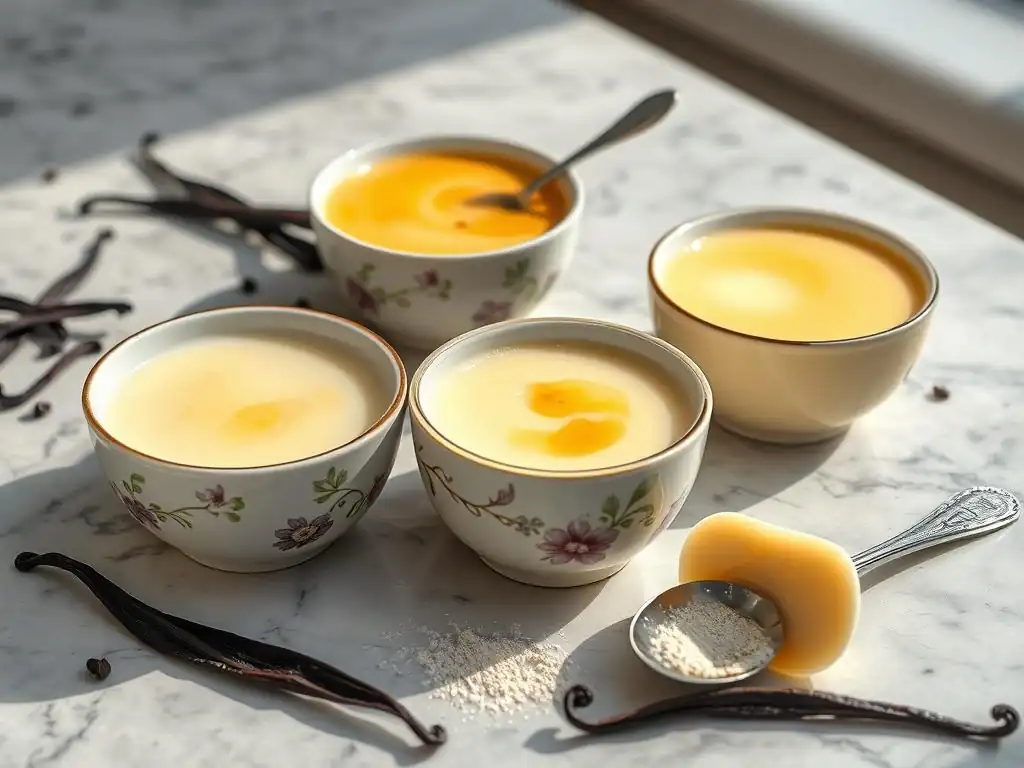
The Secret Ingredient: Vanilla's Role in Custard Creations
Vanilla is arguably the most essential ingredient in many classic custard recipes, from crème brûlée and panna cotta to pastry cream and ice cream bases. Its role is twofold: first, it provides a fundamental, creamy sweetness that forms the base flavor; and second, it enhances the richness of the dairy and eggs, creating a smoother, more luxurious texture and taste. In custards, where the flavors are often subtle and delicate, the quality and type of vanilla are paramount.
Because custards are typically cooked gently and often served chilled, the delicate aromatic compounds in vanilla are beautifully preserved. Using real vanilla – either beans or high-quality extract – is crucial. Artificial vanilla simply won't provide the depth and complexity needed for a truly exceptional custard. The slow infusion of vanilla flavor into the dairy base during the cooking process is key to achieving that signature creamy perfection.
Vanilla Bean Custard Recipe: The BakeWithEase Signature Custard
For the ultimate in rich, pure vanilla flavor in a custard, a vanilla bean custard recipe is the gold standard, often highlighted as a signature technique on BakeWithEase.com. This approach typically involves infusing a liquid base, usually milk or cream, with the seeds and often the scraped pod of one or more vanilla beans. The milk is heated gently with the vanilla, allowing the flavors to meld before the mixture is tempered into egg yolks and sugar.
A typical recipe might use the seeds from 1-2 vanilla beans per 2 cups of cream or milk. The spent pod can also be left in the liquid during the initial heating to extract maximum flavor before being discarded. The resulting custard is undeniably luxurious, with a deep, complex vanilla flavor and the characteristic speckling of black seeds. This method is ideal for dishes like crème brûlée or rich pastry cream where vanilla is the star.
Vanilla Extract Custard: A Simple and Delicious Alternative
While vanilla bean custard offers unparalleled depth, using high-quality vanilla extract is a perfectly viable and delicious alternative for many custard recipes. It's more convenient and often more cost-effective than using whole beans. For recipes like a basic stovetop custard, ice cream base, or even a simple pudding, adding a good pure vanilla extract towards the end of the cooking process ensures a lovely vanilla flavor.
The key when using extract in custards is to use a pure extract and add it after the mixture has been removed from direct heat or is cooling. This helps preserve the delicate aromatic compounds, which can evaporate if heated too aggressively or for too long. A common ratio might be 1-2 teaspoons of extract per 2 cups of liquid. While it won't have the visual appeal of the seeds, a well-made vanilla extract custard can still be incredibly creamy, smooth, and full of delightful vanilla flavor.
Choosing the Right Vanilla: A BakeWithEase Decision Guide
Factors to Consider: Price, Flavor Profile, and Recipe Requirements
Choosing the right vanilla for your baking project involves weighing several factors.
- Price: Vanilla, especially high-quality beans and pure extracts, can be expensive. Vanilla extract is generally more budget-friendly than whole beans or pure paste. Consider your budget for the recipe.
- Flavor Profile: As discussed, different vanillas offer different tastes. Do you want a classic creamy flavor (Madagascar), a floral note (Tahitian), or a bold, spicy depth (Mexican)? Think about how the vanilla will interact with other ingredients.
- Recipe Requirements: Does the recipe specifically call for beans, paste, or extract? Is vanilla the main flavor (like in a vanilla extract cake recipe or custard) or a background enhancer (like in chocolate chip cookies)? Recipes where vanilla is prominent often benefit most from beans or high-quality paste/extract.
Consider the desired outcome and the prominence of the vanilla flavor in your final product. For simple vanilla extract cake recipes or cookies, a good quality extract might be sufficient. For a show-stopping vanilla bean custard or pound cake, the investment in beans might be worthwhile. Don't be afraid to experiment to find your personal preference for different applications.
Accessing high-quality vanilla is essential for achieving the best results in your baking. While many grocery stores carry vanilla extract, for premium pure extracts, vanilla beans, and pastes, you often need to seek out more specialized sources. Reputable spice shops, gourmet food stores, and dedicated online retailers specializing in baking ingredients are excellent places to find a wider selection and higher quality products.
When purchasing vanilla beans, look for plump, moist, and slightly oily beans that are flexible, not brittle. For extracts, ensure they are labeled "pure vanilla extract" and ideally list vanilla bean extractives and alcohol as the main ingredients. Avoid anything labeled "imitation vanilla extract." Many online suppliers provide detailed information about the origin and flavor profile of their vanilla, allowing you to make an informed choice for your vanilla extract cake recipes and other bakes.
Mastering Vanilla: Tips and Tricks for Baking Success
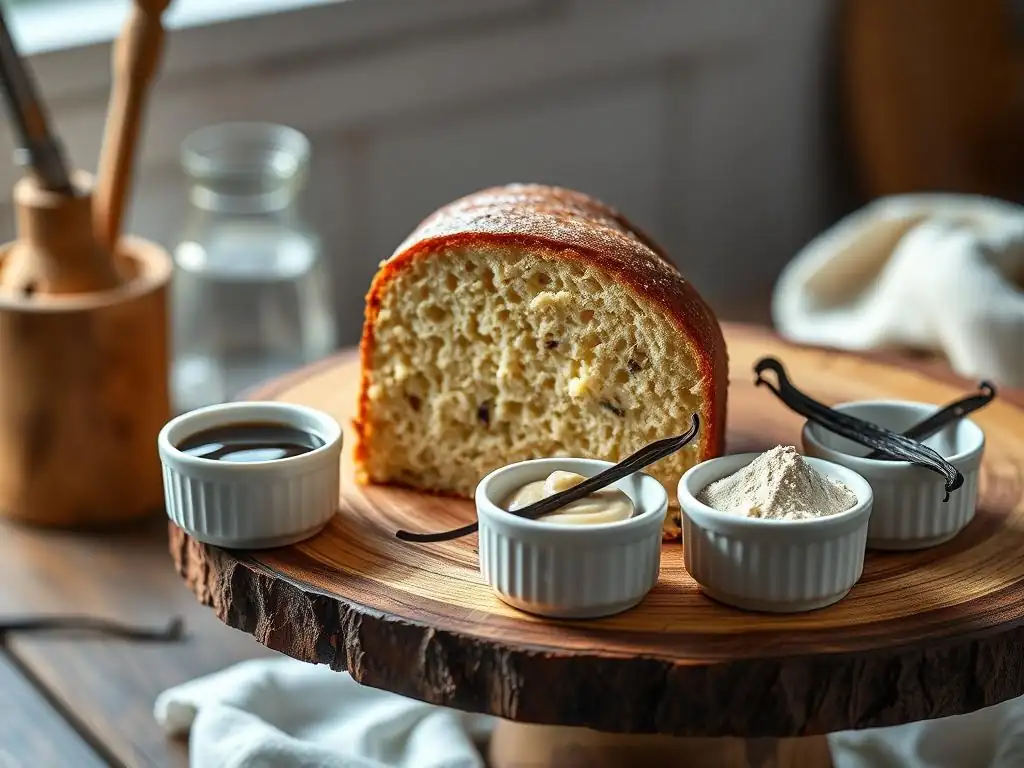
Storing Vanilla for Optimal Flavor: A BakeWithEase Guide
Proper storage is crucial for preserving the potent flavor and aroma of your vanilla products. Vanilla extract should be stored in a cool, dark place, away from direct sunlight and heat. A pantry or cupboard is ideal. While vanilla extract does not technically expire due to its alcohol content, its flavor can diminish over time, typically remaining potent for 1-2 years once opened. Ensure the cap is tightly sealed after each use.
Vanilla beans require different storage. They should be kept in an airtight container (like a glass tube or jar) in a cool, dark place, away from heat and light. Do not refrigerate vanilla beans, as this can dry them out and cause mold. Properly stored beans can last for several months, sometimes even longer, though their moisture content may decrease over time. If beans seem a bit dry, you can sometimes "rehydrate" them slightly by placing them in a jar with a piece of damp paper towel for a day, but be cautious of mold development.
Vanilla Extract vs. Vanilla Bean Paste vs. Vanilla Powder: Understanding the Differences
Beyond extract and whole beans, you might encounter vanilla bean paste and vanilla powder. Understanding their differences helps you choose the right one for your recipe.
- Vanilla Extract: Made by macerating vanilla beans in alcohol and water. It's a liquid and the most common form used in vanilla extract cake recipes and other bakes. It provides flavor but no visual specks.
- Vanilla Bean Paste: A thick, syrupy mixture containing vanilla extract and suspended vanilla bean seeds. It offers the flavor of extract plus the visual appeal and intense flavor burst of the seeds. It can often be substituted 1:1 for extract in recipes.
- Vanilla Powder: Finely ground dried vanilla beans. It's a dry ingredient that can be useful in dry mixes or rubs, or for dusting. Since it contains no alcohol or water, its flavor is very concentrated. However, it doesn't dissolve as readily as extract or paste in liquid-heavy recipes.
Choose based on the recipe's liquid content, desired flavor intensity, and whether you want the visual presence of vanilla bean specks. For many vanilla extract cake recipes, extract is standard, but paste is an excellent upgrade for both flavor and appearance.
Conclusion: Elevate Your Baking with the Right Vanilla
Mastering the art of baking involves paying attention to every ingredient, and vanilla is certainly no exception. By understanding the different types of vanilla extracts – from classic Madagascar and floral Tahitian to bold Mexican – and knowing when to use pure vanilla beans or paste, you can significantly elevate the flavor profile of your cakes, cookies, and custards.
Whether you're following a specific vanilla extract cake recipe or adapting a family favorite, choosing the right vanilla is a simple step that yields truly remarkable results. So, explore the wonderful world of vanilla and add that perfect touch to your next BakeWithEase creation!
Frequently Asked Questions
What makes vanilla extract so important in vanilla extract cake recipes?
Vanilla extract enhances flavor, adding warmth and depth to the cake. It complements other ingredients and elevates the overall taste profile.
Are there different types of vanilla extract that are better suited for vanilla extract cake recipes?
Yes, there are. Mexican vanilla is often bolder and spicier, while Madagascar vanilla is sweeter and creamier. Choose based on your desired flavor profile.
Can I substitute vanilla extract with vanilla essence in vanilla extract cake recipes?
While possible, it's not recommended. Vanilla essence is often artificial and lacks the complexity and richness of pure vanilla extract.
How much vanilla extract should I use in a vanilla extract cake recipe?
Typically, recipes call for 1-2 teaspoons of vanilla extract per cake. Adjust to taste, but too much can overpower other flavors.
What are some tips for storing vanilla extract to maintain its quality for vanilla extract cake recipes?
Store vanilla extract in a cool, dark place in an airtight container. Avoid direct sunlight and extreme temperatures to preserve its flavor and potency.
Final Reflection: The Sweet Science of Vanilla Selection
The perfect vanilla extract isn't just a detail; it's the secret ingredient that elevates a simple cake into a culinary masterpiece. Choosing the right vanilla, as we've explored, significantly impacts the final flavor profile, transforming a good bake into an exceptional one. This isn't just about following recipes; it's about understanding the nuances of flavor and how they interact to create a harmonious whole.
The journey through the world of vanilla has been a fascinating one, revealing the surprising depth and complexity hidden within this seemingly simple ingredient. It's a journey that underscores the importance of quality ingredients in achieving culinary excellence. The subtle differences between Madagascar Bourbon, Mexican, and Tahitian vanillas, as highlighted in this article, are a testament to the artistry involved in both vanilla production and baking. The best things in life are simple, but not easy.
This quote perfectly encapsulates the effort required to select and utilize the right vanilla, yet the simple pleasure derived from the result.
Now, it's your turn to embark on your own vanilla adventure. Don't just follow recipes blindly; experiment! Explore the different types of vanilla extracts, noting the subtle shifts in flavor they bring to your cakes, cookies, and custards. Become a connoisseur of vanilla, appreciating the unique character each variety offers. The next time you bake, remember the power of a well-chosen vanilla extract – it's the key to unlocking truly unforgettable flavor.
Unlock Your Vanilla's Full Potential!
Thanks for joining us on this delicious journey into the world of vanilla! We hope you've learned how to elevate your baking with the perfect vanilla pairing. Ready to put your newfound knowledge to the test?
- Craft your dream dessert: Experiment with a new recipe using the vanilla-baking pairing we discussed – try that Tahitian vanilla in your next custard, for example!
- Share your baking triumphs (and challenges!): Tell us about your experience in the comments below. What did you create? What did you learn?
- Challenge a friend: Dare a fellow baker to try a new vanilla-recipe combination – let's see who can create the most impressive masterpiece!
So, what incredible vanilla-infused creation will you bake next?