
Maillard Reaction in Pastries: Achieving Flaky, Flavorful Layers

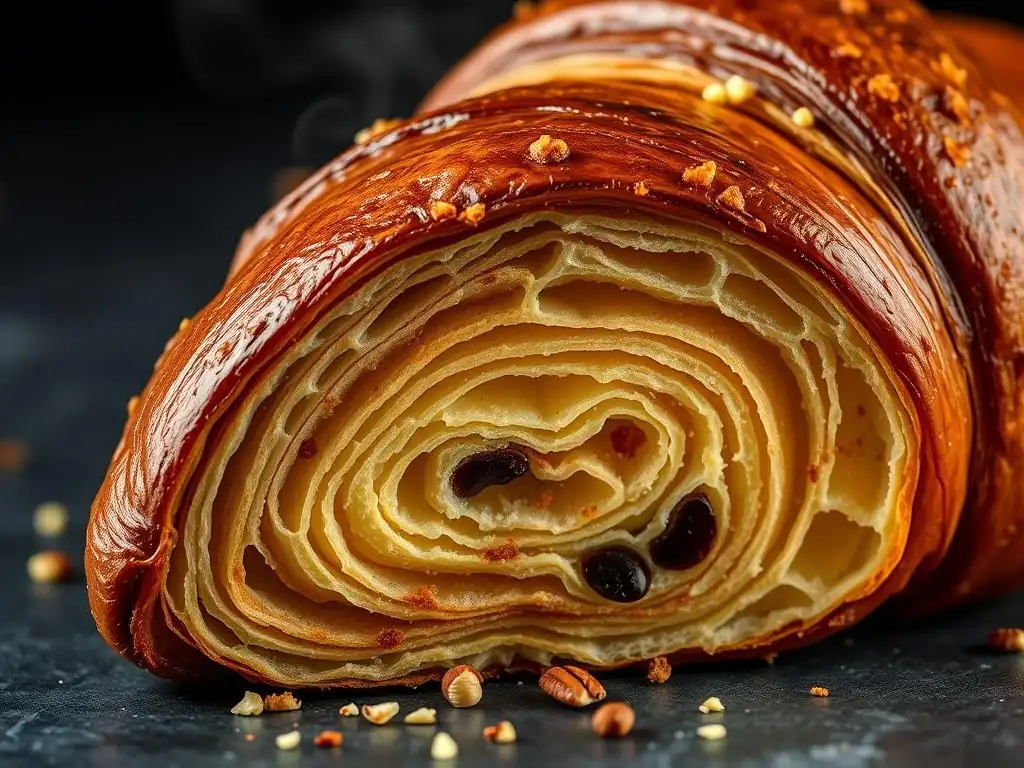
Welcome to BakeWithEase, your kitchen companion for unlocking baking brilliance! Ever wondered what secret ingredient transforms a humble pastry into a masterpiece of golden, flaky perfection? Prepare to be amazed as we delve into the fascinating science behind the Maillard reaction and how it's the key to achieving irresistibly flaky pastry. Discover the magic that happens when heat meets dough, and learn how to harness this powerful reaction to elevate your baking skills. Intrigued? Let's unlock the secrets to creating pastry perfection!
- Mastering the Maillard Reaction in Pastries: Flavor and Flakiness
- The Baker's Secret: Unlocking Flavor and Texture with the Maillard Reaction
- Understanding the Maillard Reaction in Baking
- Maillard Reaction and Flaky Pastry: A Synergistic Relationship
- Factors Influencing the Maillard Reaction in Pastry Dough
- Techniques to Maximize the Maillard Reaction in Your Pastries
- Troubleshooting the Maillard Reaction in Pastry
- Recipes Highlighting the Maillard Reaction in Pastry
- Elevating Your Pastry Baking: Mastering the Maillard Reaction
-
Frequently Asked Questions
- What is the Maillard reaction and why is it important in baking flaky pastry?
- How does the Maillard reaction contribute to the flakiness of pastry?
- What ingredients promote the Maillard reaction in pastry?
- How can I ensure my pastry achieves a good Maillard reaction?
- Does the type of fat used in pastry affect the Maillard reaction?
- Final Reflection: The Golden Alchemy of Pastry
- Unlock Your Pastry Potential: Bake Brilliantly!
Mastering the Maillard Reaction in Pastries: Flavor and Flakiness
The Baker's Secret: Unlocking Flavor and Texture with the Maillard Reaction
Every baker knows the magic that happens in the oven: dough transforms into golden, aromatic delights. Much of this magic is thanks to a complex chemical process known as the Maillard reaction. It's not just about the color; it's the primary driver behind the rich, savory, and complex flavors that make baked goods, especially a perfectly executed flaky pastry, so irresistible. Understanding and controlling this reaction is key to elevating your baking from good to truly exceptional.
Achieving that ideal balance in a flaky pastry involves more than just technique and ingredients; it requires harnessing the power of heat to trigger these crucial chemical changes. The Maillard reaction creates hundreds of different flavor compounds, contributing nutty, roasted, and even slightly meaty notes that provide depth and complexity to the relatively simple base flavors of flour and fat. For a Maillard reaction flaky pastry, this means a beautifully bronzed crust that crackles and offers a symphony of developed flavors.
Understanding the Maillard Reaction in Baking
What is the Maillard Reaction? The Science of Browning
The Maillard reaction is a complex series of chemical reactions that occur when amino acids and reducing sugars react under heat. Discovered by French chemist Louis-Camille Maillard in the early 20th century, this process is responsible for the characteristic browning and flavor development in countless cooked foods, from seared steaks to toasted bread and, crucially, baked pastries. It typically begins to occur noticeably at temperatures above 285°F (approximately 140°C).
Unlike simple browning from dehydration, the Maillard reaction involves a cascade of steps, producing a wide array of molecules including melanoidins, which are responsible for the brown coloration, and numerous volatile compounds that contribute to aroma and flavor. These flavor notes are far more intricate than those present in the raw ingredients. In pastry, this reaction is essential for developing the deep, satisfying taste of the crust, creating a perfect counterpoint to the delicate layers within a flaky pastry.
Key Components: Amino Acids, Reducing Sugars, and Heat
The Maillard reaction requires three primary components to take place: amino acids, reducing sugars, and sufficient heat. Amino acids are the building blocks of proteins, and they are present in ingredients like flour and milk. Reducing sugars include glucose (dextrose), fructose, lactose (found in dairy), and maltose. Sucrose (table sugar) is not a reducing sugar itself, but it can break down into glucose and fructose under heat, allowing it to participate indirectly.
When these components are heated together, a chemical dance begins. The amino group of an amino acid reacts with the carbonyl group of a reducing sugar, initiating a complex series of reactions including rearrangement, fragmentation, and polymerization. These steps lead to the formation of intermediate compounds and eventually the final brown melanoidin pigments and flavor molecules. The intensity and nature of the flavors and colors produced are heavily dependent on the specific amino acids and sugars present, as well as the temperature and duration of heating.
Maillard Reaction vs. Caramelization: Distinguishing the Processes
While both the Maillard reaction and caramelization cause browning and produce appealing flavors in baking, they are distinct chemical processes. Caramelization involves the browning of sugars alone when heated to high temperatures, typically starting around 320°F (160°C) for sucrose. It does not involve amino acids. Caramelization produces distinct flavors like nutty, buttery, and slightly bitter notes, often associated with burnt sugar candies or caramelized onions.
In contrast, the Maillard reaction involves the interaction of sugars and amino acids, occurring at slightly lower temperatures, starting around 285°F (140°C). The flavor compounds produced are far more numerous and complex, ranging from savory and meaty to roasted, nutty, and even bread-like. While both reactions can occur simultaneously in baked goods, especially on surfaces with high sugar content like a pastry glaze, the deep, rich browning and complex flavor of a baked flaky pastry crust are primarily the result of the Maillard reaction.
Maillard Reaction and Flaky Pastry: A Synergistic Relationship
Flavor Enhancement: How Maillard Compounds Elevate Pastry Taste
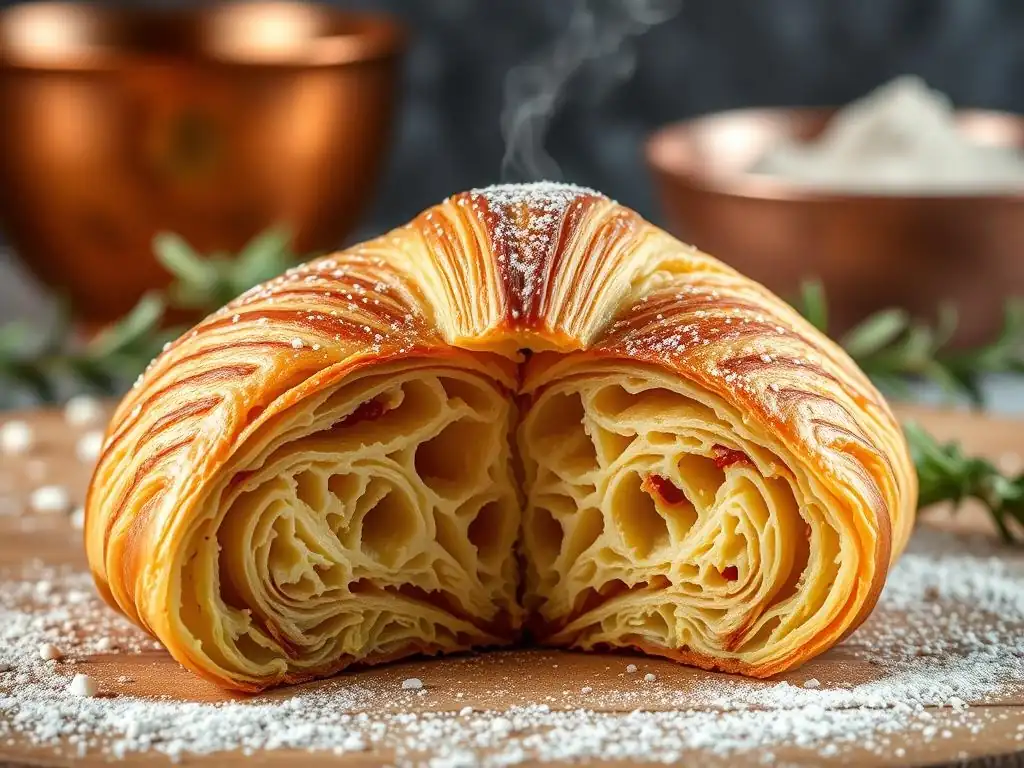
The Maillard reaction is the secret weapon for adding depth and complexity to the flavor profile of flaky pastry. As the crust browns in the oven, hundreds of new flavor compounds are generated. These include pyrazines, which contribute roasted and nutty notes, and furans, which add sweet, caramel-like, and sometimes fruity aromas. Melanoidins, the brown pigments, also contribute to flavor with slightly bitter or roasted characteristics.
Think about the difference between raw dough and a baked croissant. The raw dough is relatively bland, tasting mostly of flour and fat. Once baked, the crust develops a rich, toasted flavor that complements the buttery layers within. This transformation is the Maillard reaction at work, turning simple ingredients into a complex tapestry of tastes that make each bite of a Maillard reaction flaky pastry a truly satisfying experience.
Heat and Time: Controlling Maillard Development in Pastry
Controlling the Maillard reaction in pastry is a delicate balance of heat and time. The reaction proceeds faster at higher temperatures. Baking pastries at temperatures typically between 350°F and 425°F (175°C to 220°C) provides sufficient heat for the reaction to occur. However, too high a temperature can cause the surface to brown too quickly before the interior is cooked, leading to a burnt exterior and raw center.
The duration of baking is equally important. A longer baking time allows the Maillard reaction to progress further, developing deeper colors and more intense flavors. For example, a pie crust baked for 45-60 minutes at 375°F (190°C) will develop significantly more Maillard flavor than one baked for only 20-30 minutes. Bakers must monitor both temperature and time carefully, often adjusting based on the specific pastry size and oven characteristics, to achieve the desired level of Maillard browning and flavor development in their flaky pastry.
Crust Color: Achieving the Ideal Golden-Brown Hue
The visible result of a successful Maillard reaction in pastry is the beautiful golden-brown color of the crust. This color is primarily due to the formation of melanoidins. The intensity of the color is a good indicator of the extent of flavor development. A pale crust often suggests insufficient Maillard reaction, resulting in a less flavorful outcome.
The ideal crust color is subjective and depends on the specific pastry, but generally, a rich golden-brown indicates optimal flavor and texture. This color signifies that the amino acids and sugars on the surface have reacted sufficiently to produce a complex array of flavor compounds and a pleasing crispness. For a perfect Maillard reaction flaky pastry, aim for a color that promises both delicious flavor and a delightful crunch.
Factors Influencing the Maillard Reaction in Pastry Dough
Fat Content: Impact on Flakiness and Maillard Development
Fat plays a crucial role in both the flakiness and the Maillard reaction development in pastry. High fat content, particularly in laminated doughs like puff pastry or croissant dough (which can be upwards of 30-50% fat by weight), creates the distinct layers that define flaky pastry. As the fat melts during baking, it separates the dough layers, allowing steam to lift them.
While fat itself doesn't directly participate in the Maillard reaction, it affects heat transfer within the dough and on the surface. Fat can help distribute heat more evenly, promoting consistent browning. A well-rendered, crisp exterior fat layer also contributes to the overall texture and flavor experience that complements the Maillard browning. Furthermore, ingredients often incorporated with fat, like butter (containing lactose and milk proteins), directly contribute reactants for the Maillard reaction on the surface.
Sugar Content: Balancing Sweetness and Browning
Sugar content is a primary driver of the Maillard reaction in pastry. Doughs with higher levels of reducing sugars will brown more readily and intensely. While sucrose (table sugar) is commonly used in sweet pastries, its ability to participate in the Maillard reaction relies on its breakdown into glucose and fructose during baking. Pastries containing ingredients with inherent reducing sugars, such as milk (lactose), honey (glucose and fructose), or certain fruits, will often brown more easily.
Balancing sugar content is key. Too little sugar might result in a pale crust with underdeveloped flavor. Too much sugar can lead to excessive, rapid browning or even burning before the pastry is cooked through. For instance, a sweet tart dough with 20-25% sugar might brown much faster than a savory pie crust with only 5-10% sugar. Bakers must adjust baking times and temperatures based on the sugar content to achieve the desired Maillard reaction flaky pastry outcome.
pH Levels: Optimizing the Reaction Environment
The pH level of the pastry dough significantly influences the rate and outcome of the Maillard reaction. The reaction proceeds fastest in slightly alkaline conditions (higher pH) and is slowed down in acidic conditions (lower pH). This is why adding a pinch of baking soda (alkaline) to certain cookie recipes can promote faster and deeper browning.
Conversely, acidic ingredients like lemon juice, vinegar, or even acidic fruits can inhibit the Maillard reaction. For example, a pie filling that bubbles onto the crust and is highly acidic might prevent that spot from browning properly. While most pastry doughs are slightly acidic or neutral, understanding the impact of pH allows bakers to troubleshoot browning issues or intentionally modify recipes to control the Maillard reaction.
Moisture Content: Achieving the Right Dough Hydration
Moisture content is critical for the Maillard reaction to occur, as it requires a certain level of water activity to facilitate the movement and interaction of reactants. However, too much surface moisture can initially cool the surface through evaporation, delaying the onset of browning. As the surface dries out during baking, the temperature can rise sufficiently for the reaction to proceed rapidly.
A dough that is too dry might not have enough available water for the reaction to occur efficiently, leading to weak browning. Conversely, a dough that is too wet on the surface might take longer to brown or result in a less crisp crust, even if the Maillard reaction eventually occurs. Achieving the right hydration level and managing surface moisture (e.g., through washes) is crucial for optimal Maillard development and achieving that desired Maillard reaction flaky pastry texture.
Techniques to Maximize the Maillard Reaction in Your Pastries
Egg Washes: Enhancing Color, Shine, and Browning
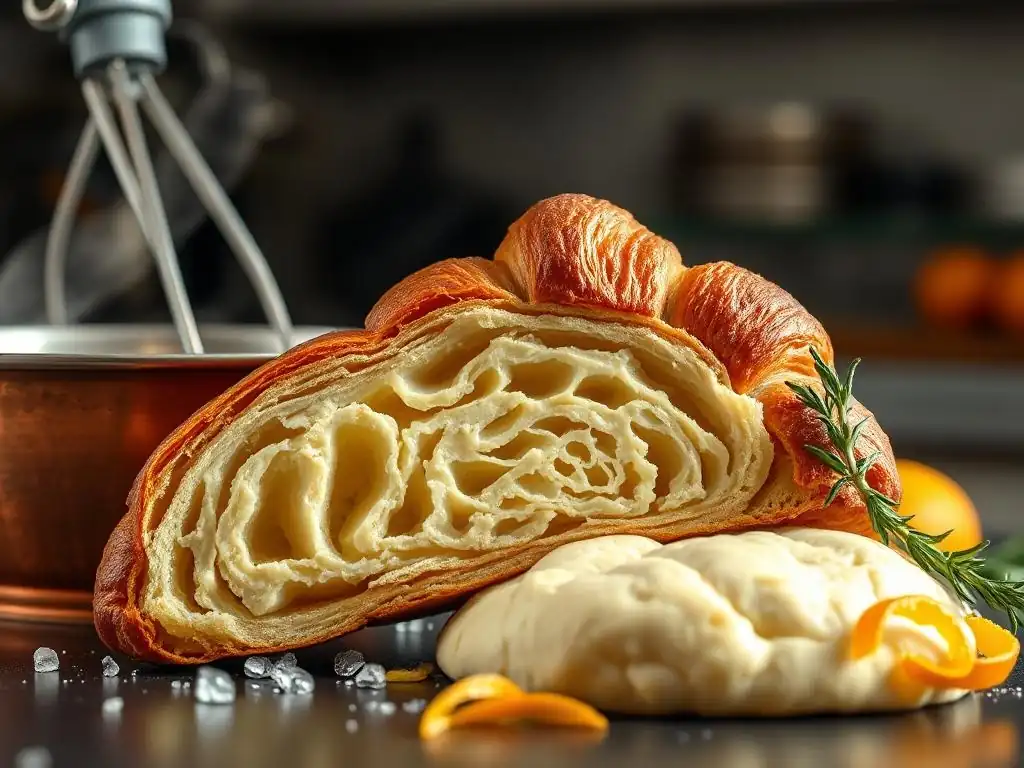
An egg wash is one of the most common and effective techniques for promoting the Maillard reaction on the surface of pastries. A typical egg wash is made from a whole egg, egg yolk, or egg white, often mixed with a little water or milk. Egg yolks are rich in proteins (amino acids) and some fats, while egg whites contain proteins and water.
Applying a thin, even layer of egg wash to the pastry surface before baking provides a concentrated source of protein that readily participates in the Maillard reaction when heated. This results in a significantly deeper golden-brown color and a beautiful shine compared to an unwashed pastry. For instance, croissants are almost always brushed with egg wash to achieve their characteristic deep bronzed hue and crisp crust, perfectly showcasing the Maillard reaction flaky pastry appeal.
Milk and Cream Washes: Adding Richness and Maillard Potential
Milk and cream washes offer another way to enhance browning and add richness. Dairy products contain lactose, a reducing sugar, and whey proteins, which are a source of amino acids. Brushing a pastry with milk or cream before baking provides these reactants directly to the surface.
While a milk or cream wash might not produce as deep a brown as an egg wash, it contributes to a lovely, softer golden color and can add subtle dairy-based flavor notes from caramelized lactose. A wash made with heavy cream will also add fat, contributing to crispness. This technique is often used on scones, biscuits, or rustic tarts to achieve a gentle, inviting golden crust through the Maillard reaction.
Sugar Glazes: Creating a Sweet, Crisp, and Golden Crust
Applying a sugar glaze or sprinkle to the pastry surface before baking can dramatically accelerate browning. Sugar, particularly if it's a reducing sugar like glucose or fructose (or breaks down into them), readily participates in both the Maillard reaction (if proteins are present) and caramelization (on its own).
A simple sprinkle of granulated sugar on top of a pie crust or a brush of sugar syrup can lead to intense browning and a crisp, slightly caramelized texture. For example, dusting sugar on puff pastry palmiers results in beautifully browned, crisp spirals where the sugar has caramelized and reacted with the dough's proteins via the Maillard reaction. This creates a sweet, golden crust that perfectly complements the flaky interior.
Baking Temperatures: Finding the Ideal Range for Maillard Reactions
Selecting the correct baking temperature is paramount for controlling the Maillard reaction. As noted earlier, the reaction begins around 285°F (140°C) but becomes rapid at typical baking temperatures, often ranging from 350°F to 425°F (175°C to 220°C). Lower temperatures within this range allow for slower, more controlled browning, giving the pastry time to cook through before the surface burns.
Higher temperatures accelerate the reaction, which is useful for achieving a very crisp crust quickly, but requires careful monitoring. For example, puff pastry is often baked at a relatively high temperature, like 400°F (200°C), to ensure rapid lift and browning before the fat melts completely out. Finding the "sweet spot" temperature for your specific pastry and oven is crucial for achieving the ideal Maillard reaction flaky pastry outcome – golden color, developed flavor, and perfect texture.
Troubleshooting the Maillard Reaction in Pastry
Insufficient Browning: Identifying and Resolving Issues
If your pastry crust is consistently pale and lacks that desirable golden-brown hue, several factors could be at play.
- Issue: Low oven temperature. The oven thermometer might be inaccurate, or the oven simply isn't reaching the required temperature range (above 285°F or 140°C).
- Resolution: Use an oven thermometer to verify the temperature. Preheat the oven thoroughly, perhaps for 15-20 minutes after it indicates it's reached temperature. Increase the baking temperature slightly if necessary, monitoring closely.
- Issue: Insufficient baking time. The pastry might be removed from the oven before the Maillard reaction has had enough time to fully develop.
- Resolution: Extend the baking time. Rely on visual cues (golden-brown color) and internal temperature (if applicable, e.g., fillings are bubbling or reaching a set temperature) rather than just the clock.
- Issue: Lack of surface reactants. The dough might be low in protein or reducing sugars on the surface, or no wash was applied.
- Resolution: Use an egg wash, milk wash, or sprinkle of sugar before baking. Ensure your recipe includes ingredients like flour, butter (for lactose), or milk that contribute reactants.
- Issue: High moisture or acidity on the surface. A very wet dough surface or acidic filling bubbling over can inhibit browning.
- Resolution: Allow wet dough surfaces to dry slightly before baking, or use a wash to create a browning-friendly layer. Protect the crust from acidic fillings bubbling over using a pie shield or adjusting filling consistency.
Excessive Browning: Adjusting Baking Parameters
Sometimes the Maillard reaction works too well, resulting in a crust that darkens too quickly or even burns while the interior is still raw.
- Issue: Oven temperature is too high. The surface is reaching temperatures that cause rapid browning before heat penetrates the interior.
- Resolution: Lower the oven temperature. Try reducing the temperature by 25-50°F (15-30°C) and extending the baking time.
- Issue: Baking too close to the heat source. Placing the pastry too high or low in the oven can expose it to excessive radiant heat.
- Resolution: Move the pastry to a different rack position, typically the middle rack. If the top is browning too fast, move it lower; if the bottom is browning too fast, move it higher.
- Issue: High sugar content on the surface. Sugar browns much faster than other components.
- Resolution: If using a wash or sprinkle, reduce the amount of sugar or dilute the wash slightly. If the dough itself is very sweet, you must rely on lower temperatures and potentially covering the pastry.
- Issue: Pastry is too thin or small. Smaller pastries cook faster, meaning the surface can brown excessively before the inside is done.
- Resolution: Reduce baking time and potentially temperature for smaller items. Consider covering them loosely with foil partway through baking if they brown too quickly.
Consider using a pie shield or loosely tenting the pastry with aluminum foil if the edges or top start browning too quickly before the rest is ready. This protects the already-browned areas from further heat while allowing the interior to finish cooking and the rest of the surface to catch up.
Uneven Browning: Achieving Consistent Color and Flavor
Uneven browning can result in some parts of the pastry being perfectly golden while others are pale or burnt, leading to inconsistent flavor and texture in your Maillard reaction flaky pastry.
- Issue: Uneven oven temperature. Hot spots within the oven are a common culprit, causing certain areas of the pastry to receive more heat than others.
- Resolution: Rotate the pastry halfway through the baking time. This helps expose all sides equally to the heat. If you suspect severe hot spots, consider getting an oven thermometer to map them out.
- Issue: Inconsistent dough thickness. Thinner parts of the dough will cook and brown faster than thicker parts.
- Resolution: Ensure the pastry dough is rolled out to an even thickness. When shaping, try to maintain consistent dimensions.
- Issue: Uneven application of washes or toppings. If an egg wash or sugar is applied unevenly, the areas with more reactants will brown more intensely.
- Resolution:* Apply washes and toppings as evenly as possible using a pastry brush or sifter. Ensure the entire surface intended to brown is covered consistently.
- Issue: Overcrowding the oven. Placing too many items in the oven can obstruct airflow and lead to uneven heating and browning.
- Resolution: Bake fewer items at once, leaving space between them for air circulation.
Achieving uniform Maillard browning requires attention to detail in both preparation and baking. Taking the time to roll dough evenly, apply washes consistently, and manage oven conditions will result in a beautifully and evenly browned, flavorful, flaky pastry.
Recipes Highlighting the Maillard Reaction in Pastry
All-Butter Croissants: Lamination and Maillard Development
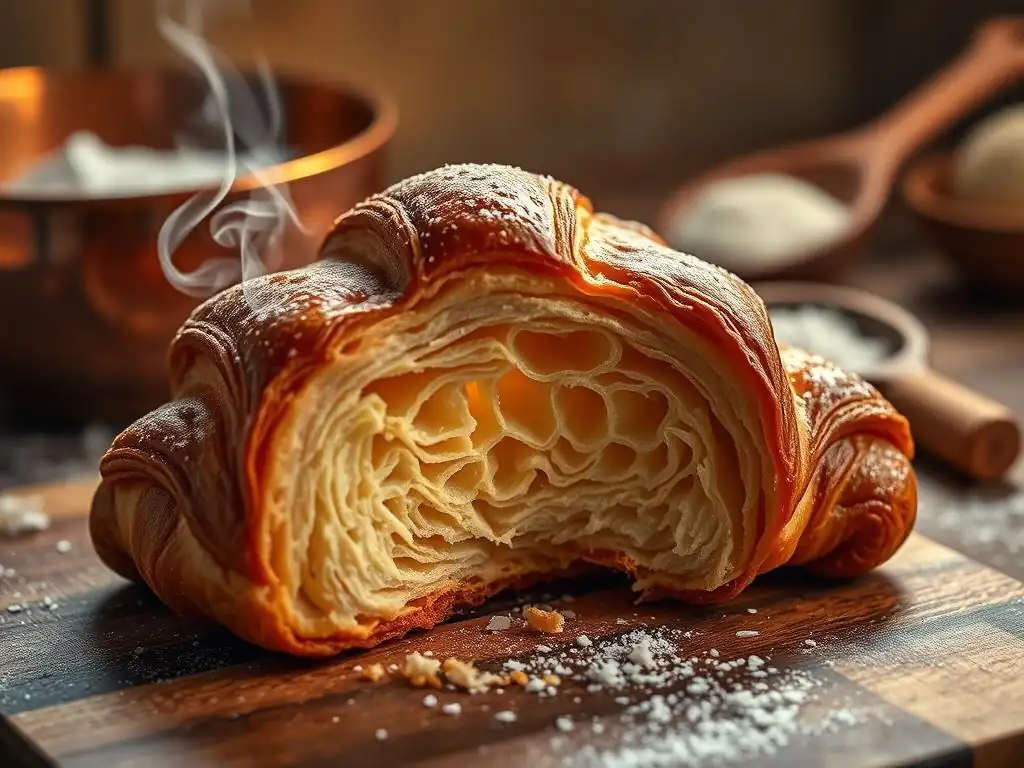
All-butter croissants are a prime example of how the Maillard reaction contributes to a truly exceptional flaky pastry. The dough is a simple mixture of flour, water, yeast, salt, and a small amount of sugar, with a significant amount of butter folded in through a process called lamination. During baking, typically at around 375-400°F (190-200°C), the butter melts, creating steam that separates the layers, resulting in incredible flakiness.
Simultaneously, the Maillard reaction occurs on the surface, particularly if an egg wash is applied. The proteins from the flour, yeast, and any wash, combined with the lactose from the butter and small amount of sugar in the dough, react under the high heat. This process develops the signature deep golden-brown color and complex, slightly nutty, roasted flavor of the croissant crust, which perfectly complements the airy, buttery interior layers. A perfectly baked croissant is the epitome of a successful Maillard reaction flaky pastry.
Classic Apple Pie: Achieving a Deep Golden-Brown Crust
A classic double-crust apple pie relies heavily on the Maillard reaction for its visual appeal and depth of flavor. The pie dough, typically made from flour, fat (butter, shortening, or lard), water, and salt, contains proteins from the flour and potentially lactose from butter. A small amount of sugar is often added to the dough itself, and the filling is rich in sugars from the apples (fructose, glucose, sucrose added).
As the pie bakes, often starting at a higher temperature like 425°F (220°C) for the first 15-20 minutes to set the crust, then reduced to 375°F (190°C) for the remaining 30-40 minutes, the crust undergoes the Maillard reaction. Sugars from the dough and any wash (like an egg or milk wash, or a sugar sprinkle) react with proteins, creating the golden-brown color and delicious baked flavor.
Any apple juices or sugars that bubble onto the crust also contribute to browning (via both Maillard and caramelization), adding sweet, intensified flavor spots. The goal is a crust that is both beautifully golden-brown and wonderfully flaky, showcasing the Maillard reaction flaky pastry synergy.
Caramelized Onion and Gruyere Tart: Savory Maillard Flavors
The Maillard reaction isn't just for sweet pastries; it's equally vital in savory applications like a caramelized onion and Gruyere tart. The pastry base, often a Pâte Brisée or puff pastry, provides the necessary proteins from flour and potential lactose from butter. The star of the filling, caramelized onions, are a powerful source of Maillard flavors themselves, having been slowly cooked to develop their inherent sugars and amino acids.
When the tart bakes, typically at around 375-400°F (190-200°C), the pastry crust browns beautifully through the Maillard reaction, developing nutty, toasted notes. The cheese (Gruyere contains proteins and lactose) on top also undergoes browning, contributing its own savory, roasted, and slightly nutty Maillard flavors. The combination of the flaky, browned crust and the deeply flavored filling creates a complex, savory profile that highlights the versatility of the Maillard reaction in creating delicious, savory flaky pastry.
Elevating Your Pastry Baking: Mastering the Maillard Reaction
Experimentation: Exploring Variations and New Flavors
Mastering the Maillard reaction in flaky pastry is an ongoing journey of experimentation. Once you understand the core principles – the role of heat, time, amino acids, sugars, pH, and moisture – you can begin to intentionally manipulate these factors to achieve specific results. Try varying the type of sugar used (e.g., adding a touch of honey or brown sugar to a dough or wash for different flavor notes), experimenting with different washes (egg yolk vs. whole egg vs. milk), or adjusting baking temperatures and times.
Consider how different flours (varying protein content) or fats (butter vs. shortening, which has no lactose) might subtly change the Maillard outcome. Document your results – note the temperature, time, wash used, and the resulting color and flavor. This systematic approach will help you understand cause and effect and empower you to consistently achieve the desired Maillard reaction flaky pastry for any recipe.
Future Trends: Innovations in Maillard-Focused Baking
The scientific understanding of the Maillard reaction continues to evolve, and this research occasionally influences baking practices. While the fundamental principles remain the same, there's increasing interest in using specific ingredients or techniques to enhance or modify the Maillard reaction for novel flavors and textures.
For example, some research explores using specific enzymes or pre-treating ingredients to optimize reactant availability. While these are more common in large-scale food production, the home baker can stay informed and perhaps adapt simpler techniques. The growing appreciation for complex flavors means that intentionally harnessing the Maillard reaction to its full potential in creating rich, flavorful flaky pastry will remain a key focus for bakers seeking to create truly exceptional goods.
Conclusion: The Maillard Reaction - Essential for Exceptional Pastry
The Maillard reaction is far more than just surface browning; it's the cornerstone of flavor development and crust formation in baked goods, playing a particularly vital role in creating truly exceptional flaky pastry. It's the chemical artistry that transforms simple dough into a complex sensory experience – the deep golden hue, the enticing aroma, and the rich, toasted flavors that complement the delicate, buttery layers within.
By understanding the key components (amino acids, sugars, heat), distinguishing it from caramelization, and recognizing the factors that influence its development in dough, you gain the power to control this crucial process. Employing techniques like washes and adjusting baking parameters allows you to troubleshoot issues and consistently achieve the perfect Maillard reaction flaky pastry. Embrace the science, experiment in your kitchen, and unlock a new level of flavor and texture in all your pastry creations.
Frequently Asked Questions
What is the Maillard reaction and why is it important in baking flaky pastry?
The Maillard reaction is a chemical reaction between amino acids and reducing sugars that occurs when heated. It's crucial for developing flavor and color, especially in the crust of flaky pastries.
How does the Maillard reaction contribute to the flakiness of pastry?
While the Maillard reaction primarily affects flavor and color, the high heat needed for it to occur also helps evaporate moisture within the pastry layers, contributing to a crispier, flakier texture.
What ingredients promote the Maillard reaction in pastry?
Ingredients containing reducing sugars and amino acids, such as milk, eggs, and certain flours, are key. Adding a small amount of sugar can also help boost the reaction.
How can I ensure my pastry achieves a good Maillard reaction?
Bake at a sufficiently high temperature (usually above 300°F/150°C) and ensure the pastry surface is relatively dry. Avoid overcrowding the baking sheet to ensure even heat distribution.
Does the type of fat used in pastry affect the Maillard reaction?
While the fat itself doesn't directly participate in the Maillard reaction, the type of fat influences the overall texture and structure. This indirectly affects how the heat is conducted and how the reaction proceeds.
Final Reflection: The Golden Alchemy of Pastry
The Maillard reaction isn't just a scientific process; it's the heart of what makes a truly exceptional pastry. Understanding its intricacies allows bakers to move beyond simply following recipes and to truly master the art of creating flaky, flavorful layers, a skill increasingly valued in today's culinary landscape. The demand for artisanal, high-quality baked goods continues to rise, making a deep understanding of this fundamental reaction more relevant than ever.
The journey through the Maillard reaction's impact on pastry has been a fascinating one, revealing how a seemingly simple chemical process can have such profound effects on texture, aroma, and overall taste. It's a testament to the power of understanding the science behind the art. The best things in life are simple, but not easy.
This quote perfectly encapsulates the challenge and reward of mastering the Maillard reaction in pastry making – the process may be based on fundamental chemistry, but achieving perfection requires skill, patience, and a deep understanding of the interplay of heat, time, and ingredients.
Now, consider your own baking journey. What techniques have you used to enhance the Maillard reaction in your pastries? What experiments will you undertake to further explore this transformative process? Don't be afraid to experiment with different sugars, temperatures, and baking times to unlock the full potential of this golden alchemy. The path to creating truly exceptional pastries lies in understanding and mastering the Maillard reaction – a journey of continuous learning and delicious discovery.
Unlock Your Pastry Potential: Bake Brilliantly!
Thanks for diving deep into the Maillard reaction and its magic in creating flaky, flavorful pastries! You've now unlocked a key to baking excellence. Ready to put your new knowledge into practice?
- Master the Maillard Reaction: Experiment with different sugars and baking times to fine-tune your pastry recipes, paying close attention to color and texture changes. This is your primary goal!
- Share Your Success: Post a picture of your delicious creation on social media and tag us @BakeWithEase – we’d love to see your results!
- Deepen Your Knowledge: Try researching the impact of different types of flour on the Maillard reaction. This will open up new flavor profiles for your baking.
So, what innovative pastry will you create next, using the secrets of the Maillard reaction?