
Classic Czech Kolach: A Beginner's Guide to Baking

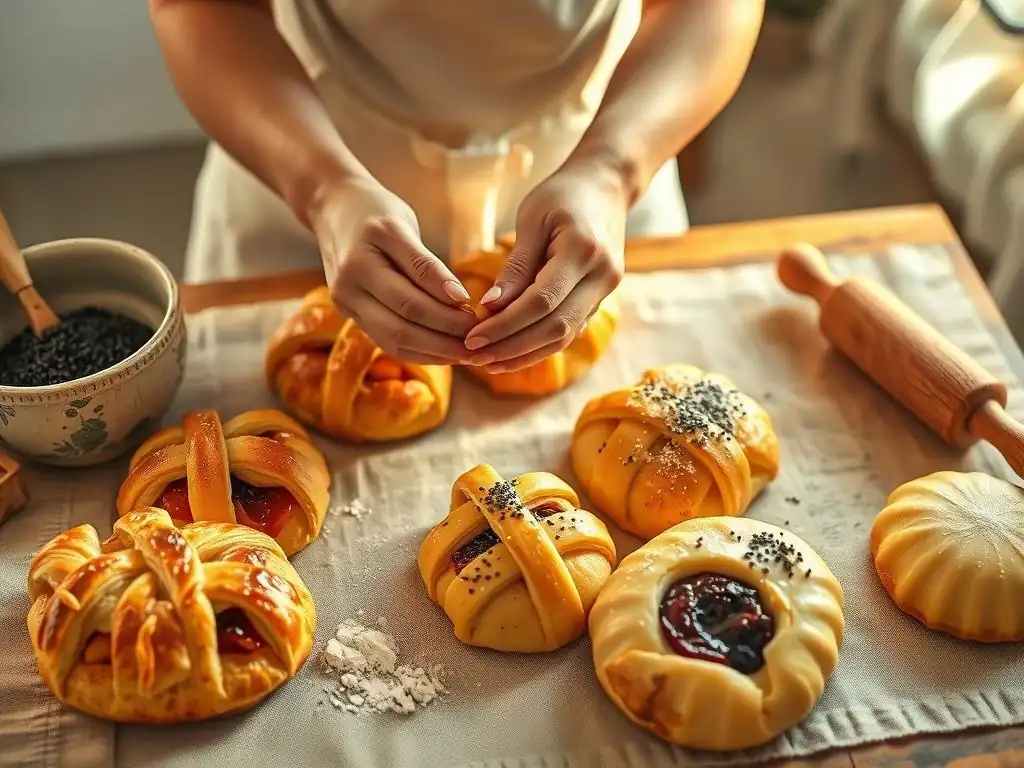
Welcome to BakeWithEase, where we unlock the secrets to delightful baking! Ever dreamt of creating those pillowy, fruit-filled pastries you see in bakeries? Our Easy Czech Kolache Recipe for Beginners is your gateway to mastering this classic treat. Discover the surprisingly simple steps to crafting these regional delights and embark on a baking adventure that's both rewarding and delicious. What are you waiting for? Let's get baking!
- Classic Czech Kolache: A Beginner's Guide to Baking
- Introduction to Baking Authentic Czech Kolaches
- Essential Ingredients for Perfect Kolaches
- Step-by-Step Kolache Recipe
- Mastering Kolache Fillings: Recipes and Techniques
- Baking Kolaches to Golden Perfection
- Tips and Tricks for Perfect Kolaches
- Variations and Adaptations: Exploring Kolache Recipes
- Serving and Enjoying Homemade Kolaches
- Conclusion: You've Mastered Kolache Baking!
-
Frequently Asked Questions
- What exactly is a Czech kolach, and why should I try this recipe?
- Are the ingredients in this Easy Czech Kolache Recipe readily available?
- How long does it take to make this Classic Czech Kolach from start to finish?
- What if I don't have the exact filling ingredients listed in the "Easy Czech Kolache Recipe Beginners"?
- What are some key tips for ensuring a successful baking experience with this "Classic Czech Kolach: A Beginner's Guide to Baking" recipe?
- Final Reflection: The Sweet Legacy of Kolache, Baked with Love
- Unleash Your Inner Baker: Craft the Perfect Kolach!
Classic Czech Kolache: A Beginner's Guide to Baking
Introduction to Baking Authentic Czech Kolaches
The Delight of Homemade Kolaches
Baking a batch of classic Czech kolaches is more than just following an easy Czech kolache recipe for beginners; it's about connecting with a rich tradition. These delightful pastries, originating from the Czech Republic, are a staple at celebrations, holidays, and everyday family gatherings. They are characterized by a soft, slightly sweet yeast dough and a depression in the center filled with various sweet fillings like poppy seed, prune, or cream cheese.
The aroma that fills your kitchen as they bake is utterly comforting, a promise of the delicious treat to come. Sharing warm, homemade kolaches with loved ones creates cherished memories, making the effort truly rewarding.
Historically, kolaches were often served at weddings, symbolizing happiness and good fortune. While the fillings and shapes can vary slightly by region within the Czech Republic and among communities that brought the tradition elsewhere, the core concept of a yeasted pastry with a sweet filling remains constant. Mastering this easy Czech kolache recipe beginners can follow allows you to partake in this beautiful cultural practice and bring a taste of Eastern Europe into your home.
Why This Recipe is Beginner-Friendly
Embarking on your first kolache baking journey can feel daunting, but this easy Czech kolache recipe for beginners simplifies the process considerably. We focus on clear, step-by-step instructions that break down each stage, from activating the yeast to shaping and baking. Unlike some complex pastry recipes, kolache dough is quite forgiving, making it ideal for those new to working with yeast. Common pitfalls like overmixing or underproofing are addressed with simple visual cues and timing guidelines.
This beginner Czech kolache recipe emphasizes foundational techniques that are transferable to many other baking projects. You'll learn how to handle yeast dough, understand the importance of proofing, and practice basic shaping methods. We avoid overly complicated fillings or techniques, sticking to classic options that are straightforward to prepare. By starting with this simple kolache recipe for beginners, you build confidence and skill, paving the way for more adventurous baking in the future.
Your Guide to Mastering Czech Baking
This article serves as your comprehensive guide to successfully baking your very first batch of authentic Czech kolaches. We will walk you through selecting the right ingredients, understanding the nuances of yeast dough, preparing traditional fillings, and achieving that perfect golden bake. Think of this as your friendly mentor in the kitchen, offering tips and insights at every turn.
Our aim is to demystify the process, making this easy Czech kolache recipe beginners can confidently tackle. We'll provide detailed explanations for each step, ensuring you understand not just what to do, but why. By the end of this guide, you'll have the knowledge and confidence to bake beautiful, delicious kolaches that taste just like those from a traditional Czech bakery. Get ready to fill your home with the wonderful scent of freshly baked pastries!
Essential Ingredients for Perfect Kolaches
Key Ingredients for Authentic Flavor
The foundation of a great kolache is its sweet yeast dough. Achieving that classic soft, slightly rich texture relies on a few key ingredients working in harmony. All-purpose flour is typically used, providing structure while allowing for a tender crumb.
Active dry yeast or instant yeast is essential for leavening, giving the kolaches their light and airy quality; about 2 ¼ teaspoons (or one standard packet) is commonly used for a batch yielding 12-16 pastries. Whole milk or a mix of milk and a bit of cream adds richness and helps activate the yeast properly when warmed to around 105-115°F (40-46°C).
Butter and eggs contribute to the dough's tenderness, flavor, and golden color. Unsalted butter, melted and slightly cooled, integrates smoothly into the dough, while eggs add richness and help create a soft, cake-like interior. Sugar provides sweetness to the dough itself and also feeds the yeast, aiding in fermentation. A touch of salt is crucial for balancing the sweetness and enhancing the overall flavor profile. Using these simple, high-quality ingredients is the first step towards an easy Czech kolache recipe beginners will find successful.
Exploring Traditional Filling Options
Kolaches are defined by their generous, often vibrant fillings. The three most traditional and popular options are poppy seed, prune, and sweet cream cheese. Poppy seed filling, or maková náplň, is perhaps the most iconic. It's made from ground poppy seeds cooked with milk, sugar, and sometimes spices like cinnamon or lemon zest until thick and spreadable. A classic recipe might use about 1 cup of ground poppy seeds cooked with ½ cup milk and ¼ cup sugar.
Prune filling, or povidla, uses prune butter or dried prunes cooked and thickened, often with a hint of rum or lemon. It offers a deep, slightly tangy sweetness. Cream cheese filling ( tvarohová náplň) is simple yet incredibly popular, made from farmer's cheese or cream cheese mixed with sugar, egg yolk, and sometimes vanilla or lemon zest.
A typical cream cheese filling might combine 8 ounces of cream cheese with ¼ cup sugar and 1 egg yolk. While many other fruit fillings exist (like apricot, cherry, or apple), these three form the core of traditional Czech kolaches and are excellent starting points for an easy Czech kolache recipe beginners can master.
Sourcing Quality Ingredients
Using fresh, quality ingredients makes a noticeable difference in the final taste and texture of your kolaches, even with an easy Czech kolache recipe for beginners. For the yeast, ensure it's fresh and active; check the expiration date on the package. If using active dry yeast, proof it in warm milk with a pinch of sugar before adding it to the dry ingredients to ensure it's alive and ready to work. Instant yeast can usually be added directly to the dry ingredients.
When selecting flour, all-purpose flour from a reputable brand works well. For dairy, whole milk offers the best richness. Choose unsalted butter so you can control the salt level in the dough. For fillings, look for quality ground poppy seeds (specifically for baking) and good quality cream cheese or farmer's cheese. If using dried prunes for povidla, select plump ones. While this is an easy Czech kolache recipe beginners can follow, starting with good ingredients sets you up for the best possible results.
Step-by-Step Kolache Recipe
Preparing the Sweet Yeast Dough
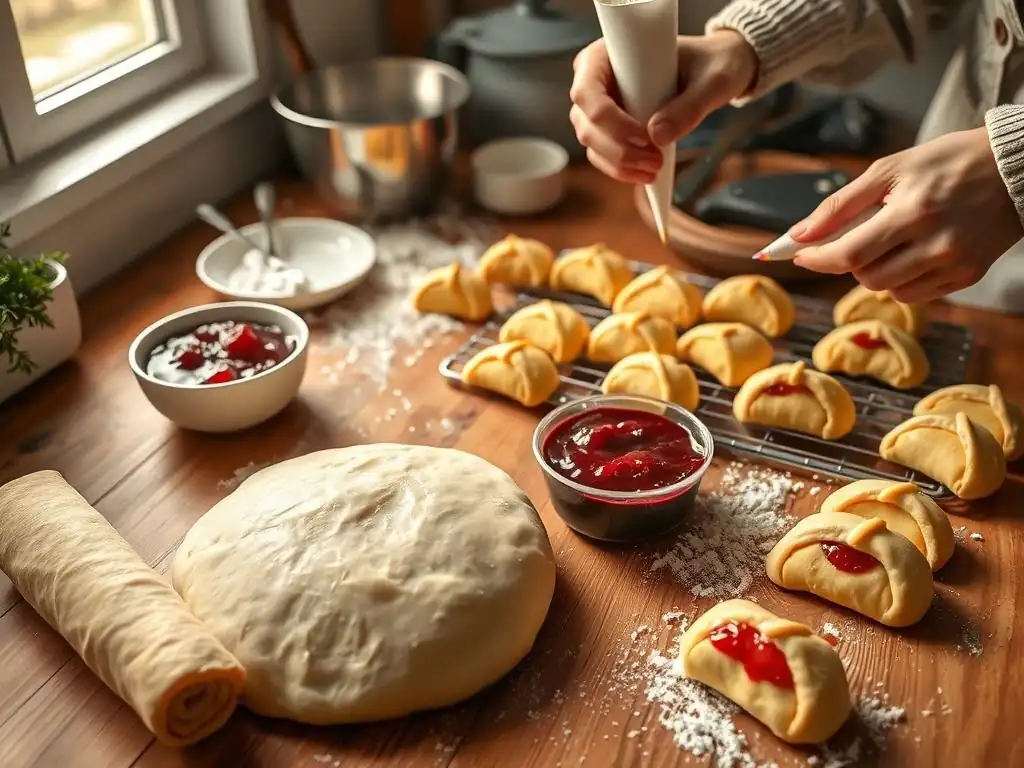
Creating the sweet yeast dough for your easy Czech kolache recipe for beginners begins with activating the yeast. If using active dry yeast, warm the milk to about 105-115°F (40-46°C), then stir in a teaspoon of sugar and sprinkle the yeast over the top. Let it sit for 5-10 minutes until it becomes foamy, indicating the yeast is active. If using instant yeast, you can skip this proofing step and add it directly to your dry ingredients. In a large bowl, whisk together the flour, sugar, and salt.
Once the yeast is foamy (or if using instant yeast, proceed directly), add the warm milk mixture, melted butter, and beaten eggs to the dry ingredients. Mix everything together with a wooden spoon or in a stand mixer fitted with a dough hook until a shaggy dough forms. Turn the dough out onto a lightly floured surface and knead for about 5-8 minutes, or mix in a stand mixer for 5-7 minutes on medium speed, until the dough is smooth, elastic, and no longer sticky.
It should spring back slowly when gently poked. This tactile check is a great way for beginners to gauge the dough's readiness.
Proofing for a Light and Airy Texture
Proofing is a critical step in this easy Czech kolache recipe for beginners, allowing the yeast to produce carbon dioxide and make the dough rise, resulting in a light and airy texture. Lightly grease a clean bowl with butter or oil. Place the kneaded dough in the bowl, turning it once to coat the surface. Cover the bowl tightly with plastic wrap or a clean kitchen towel.
Place the covered bowl in a warm, draft-free place to rise until it has doubled in size. This typically takes between 60 to 90 minutes, depending on the warmth of your kitchen. A good spot is often a slightly warm oven (turned off) or on a countertop away from open windows. The dough should look significantly larger and feel soft and puffy. This first rise develops flavor and texture, making your beginner Czech kolache recipe a success.
Shaping Traditional Kolaches
Once the dough has doubled, gently punch it down to release the air. Turn the dough out onto a lightly floured surface. Divide the dough into equal portions. For standard-sized kolaches, aim for portions weighing about 1.5 to 2 ounces each, which should yield approximately 12-16 kolaches from a typical batch of dough made with 3-4 cups of flour.
Roll each portion into a smooth ball. Place the balls about 2 inches apart on baking sheets lined with parchment paper. Now comes the shaping: using the bottom of a small glass or a measuring cup (about 2-3 inches in diameter), gently press a deep indentation into the center of each dough ball, leaving a border of dough around the edge. This creates the well for your filling. Be careful not to press all the way through the dough. This indentation technique is characteristic of Czech kolaches and is simple for beginners to execute effectively.
Mastering Kolache Fillings: Recipes and Techniques
Making Poppy Seed Filling
Poppy seed filling ( maková náplň) is a beloved classic and straightforward to prepare for this easy Czech kolache recipe for beginners. You'll need finely ground poppy seeds, specifically sold for baking (unground seeds won't work). In a saucepan, combine about 1 cup of ground poppy seeds with ½ cup of milk, ¼ cup of sugar, and optional additions like a pinch of cinnamon, a tablespoon of honey, or a teaspoon of lemon zest.
Heat the mixture over medium heat, stirring constantly, until it thickens into a spreadable paste. This usually takes 5-10 minutes. The goal is a consistency thick enough to stay in the kolache indentation but not so dry it's crumbly. Remove from heat and let it cool completely before using. A well-made poppy seed filling offers a unique, slightly nutty flavor that is distinctly Czech.
Preparing Apricot Filling
While prune ( povidla) is traditional, apricot filling is a popular and easy alternative for a beginner Czech kolache recipe. You can use canned apricot filling, apricot preserves, or make your own from dried apricots. To make it from dried apricots, soak about 1 cup of dried apricots in hot water for 30 minutes until plump. Drain the apricots and transfer them to a saucepan with ¼ cup of water and ¼ cup of sugar.
Cook over medium heat, stirring, until the apricots soften and the mixture thickens into a jam-like consistency. You can mash the apricots with a fork or immersion blender if you prefer a smoother texture. Add a splash of lemon juice for brightness if desired. Cool completely before filling the kolaches. Apricot filling provides a lovely tangy-sweet contrast to the rich dough.
Creating a Cream Cheese Filling
The sweet cream cheese filling ( tvarohová náplň) is perhaps the easiest and most universally loved for a simple kolache recipe for beginners. It requires no cooking. Simply combine 8 ounces of softened cream cheese (or farmer's cheese if you can find it) with ¼ cup of granulated sugar, 1 large egg yolk, and a teaspoon of vanilla extract or lemon zest in a bowl.
Beat the ingredients together with a spoon or electric mixer until smooth and creamy. Ensure the cream cheese is well softened to avoid lumps. This filling is ready to use immediately after mixing. The cream cheese filling provides a delightful creamy texture and sweet, slightly tangy flavor that pairs wonderfully with the soft dough.
Baking Kolaches to Golden Perfection
Setting the Oven Temperature
Proper oven temperature is key to achieving beautifully baked kolaches with a golden crust and a fully cooked, tender interior. For most easy Czech kolache recipe beginners will follow, a standard baking temperature is 350°F (175°C). It's helpful to use an oven thermometer to verify your oven's actual temperature, as they can sometimes vary by as much as 25-50°F from the dial setting.
Preheat your oven for at least 15-20 minutes before placing the kolaches inside. This ensures the oven reaches and maintains the correct temperature throughout the baking process. Placing the kolaches in a properly preheated oven allows them to rise evenly and bake through without becoming dry or burning on the bottom before the top is golden.
Achieving Golden Brown Kolaches
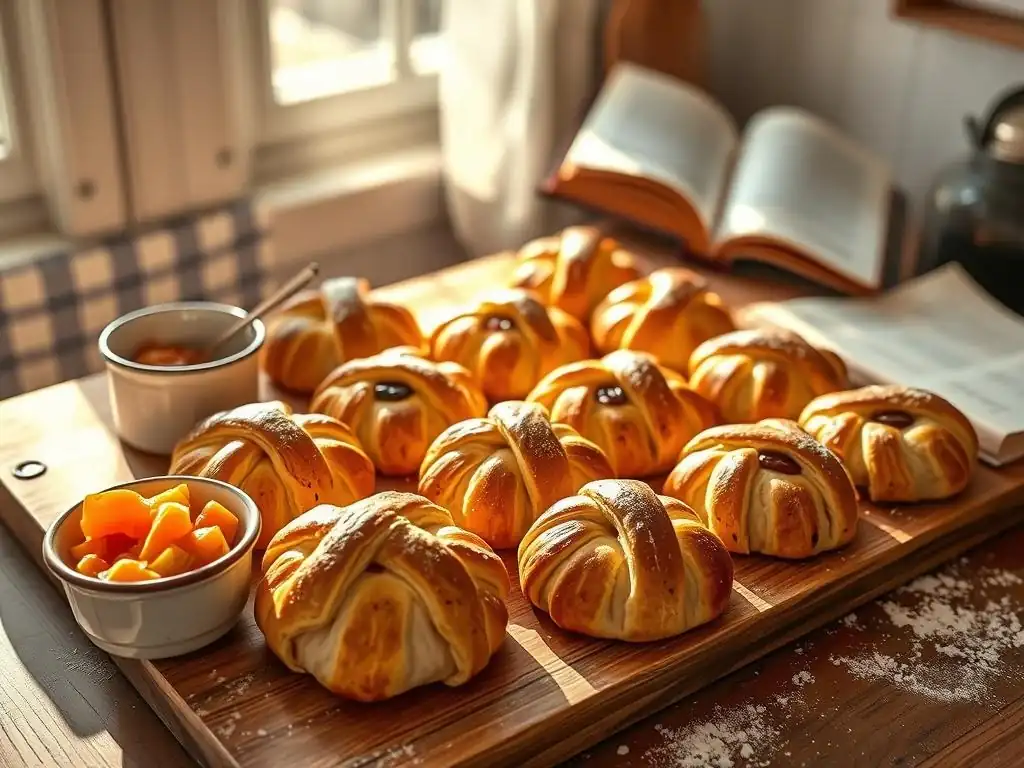
Before baking, many recipes recommend brushing the edges of the kolaches (the dough border around the filling) with an egg wash. An egg wash is simply one egg beaten with a tablespoon of milk or water. This wash helps the dough brown beautifully and gives it a slight sheen. Brush the wash gently, avoiding the filling.
Bake the kolaches in the preheated oven for typically 15-20 minutes. Baking time can vary depending on your oven and the size of your kolaches. Start checking around the 15-minute mark. Kolaches are done when the dough edges are puffed up and a lovely golden brown color. The filling might look set or slightly bubbly. Avoid opening the oven door too frequently during baking, especially in the first 10 minutes, as this can cause the kolaches to deflate slightly.
Cooling and Glazing
Once baked, carefully remove the kolaches from the oven. They will be hot! Let them cool on the baking sheet for 5-10 minutes before transferring them to a wire rack to cool completely. Cooling on a wire rack allows air to circulate around the kolaches, preventing the bottoms from becoming soggy.
While still warm (but not hot), you can brush the kolaches with a simple glaze if desired. A traditional glaze is often just melted butter brushed over the warm dough edges, adding richness and shine. Another option is a simple powdered sugar glaze made by whisking powdered sugar with a little milk or lemon juice until drizzling consistency. Apply the glaze after they've cooled slightly on the rack. Allow the glaze to set before serving.
Tips and Tricks for Perfect Kolaches
Troubleshooting Common Baking Issues
Even with an easy Czech kolache recipe for beginners, you might encounter small challenges. If your dough isn't rising, the most common culprits are inactive yeast or the milk being too hot or cold. Ensure your yeast is fresh and the milk temperature is between 105-115°F (40-46°C). If your kolaches are dry, you might have added too much flour, kneaded too long, or overbaked them. Measure flour accurately (spooning it into the measuring cup and leveling) and keep an eye on baking time.
If the filling sinks or spreads too much, it might be too thin or you might have pressed the indentation too deeply. For creamy fillings, ensure the cream cheese is firm enough, and for cooked fillings like poppy seed, ensure they are cooked down to a thick consistency and cooled completely before using. Overfilling can also cause spillage during baking. Practice makes perfect with this beginner Czech kolache recipe!
Achieving a Soft and Tender Dough
The secret to a soft and tender kolache dough lies in proper kneading and proofing. Kneading develops the gluten structure, which gives the dough strength and elasticity, but over-kneading can result in tough kolaches. Knead just until the dough is smooth and elastic, typically 5-8 minutes by hand or 5-7 minutes in a mixer.
Adequate proofing allows the yeast to work, creating air pockets and a light texture. Ensure your rising environment is warm and draft-free. The dough should truly double in size; don't rush this step. The richness from the butter and eggs also contributes significantly to the dough's tenderness, so don't skimp on these ingredients in your simple kolache recipe for beginners.
Storing Kolaches for Freshness
Freshly baked kolaches are best enjoyed the day they are made, especially warm. However, they can be stored to maintain freshness. Once completely cooled, store kolaches in an airtight container at room temperature for 2-3 days. Layer them with parchment paper to prevent sticking.
For longer storage, kolaches freeze beautifully. Wrap individual kolaches tightly in plastic wrap, then place them in a freezer-safe bag or container. They can be frozen for up to 2-3 months. To reheat, thaw frozen kolaches at room temperature or gently warm them in a low oven (around 300°F / 150°C) for 10-15 minutes until heated through. This makes it easy to enjoy your beginner Czech kolache recipe creations later!
Variations and Adaptations: Exploring Kolache Recipes
Exploring Seasonal Fruit Fillings
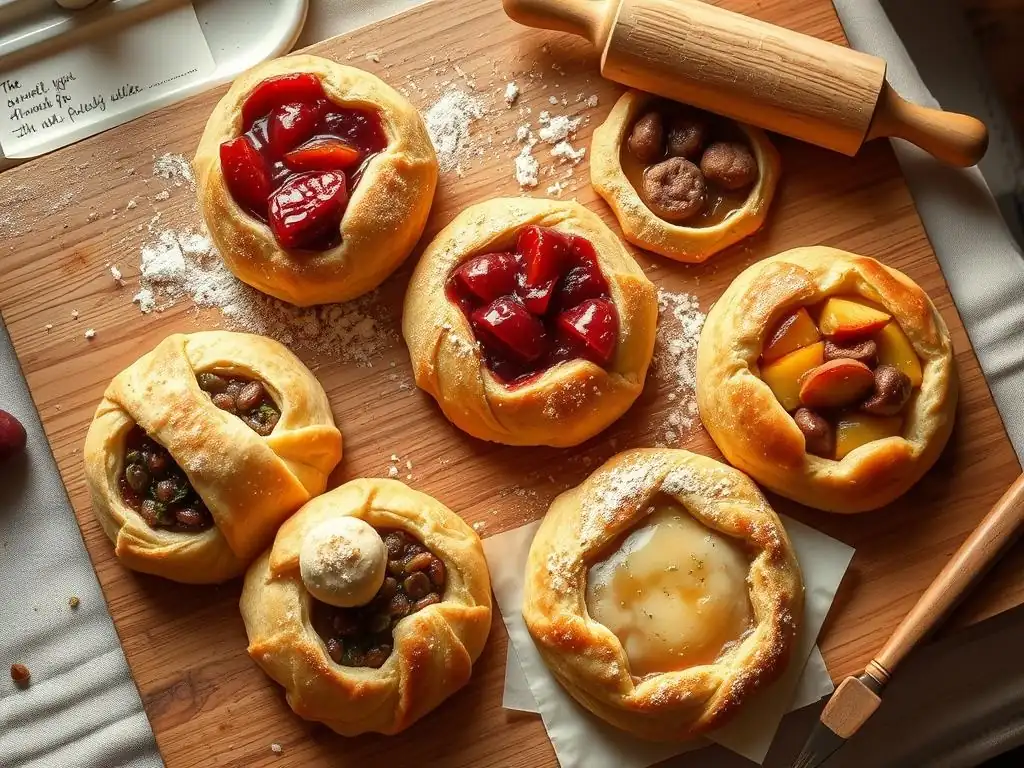
While traditional fillings are wonderful, part of the joy of baking is experimentation. Once you're comfortable with this easy Czech kolache recipe for beginners, try seasonal fruit fillings. In summer, fresh berries like blueberries or raspberries, cooked down slightly with sugar, make vibrant fillings. Peaches or cherries (pitted and halved) are also excellent choices.
Autumn brings apples and plums. Cook chopped apples with cinnamon and a touch of butter until soft, or use halved plums with a sprinkle of sugar. These seasonal adaptations allow you to enjoy your beginner Czech kolache recipe throughout the year, using the freshest ingredients available. Remember to cook fruit fillings until they are thick enough not to run out during baking.
Savory Kolaches
Kolaches aren't always sweet! In some regions, savory kolaches exist, though they are less common than their sweet counterparts. The dough is often the same sweet yeast dough, but the fillings are savory. Examples include fillings made with sauerkraut, smoked meats like bacon or sausage, or potato and cheese mixtures.
Adapting your easy Czech kolache recipe for beginners to a savory version simply requires preparing a savory filling instead of a sweet one. The baking process remains the same. This offers a fascinating way to explore the versatility of the kolache dough and expand your baking repertoire beyond sweet pastries.
Gluten-Free Kolache Options
For those with dietary restrictions, adapting this beginner Czech kolache recipe to be gluten-free is possible, though it requires substituting the flour. Using a high-quality gluten-free all-purpose flour blend that is designed for yeast baking is crucial. These blends often contain a mix of rice flours, starches, and a binder like xanthan gum.
Follow the recipe instructions, but be aware that gluten-free doughs can be stickier and require less kneading than wheat-based doughs. Proofing times might also vary slightly. While achieving the exact same texture as a traditional kolache can be challenging without gluten, a good gluten-free blend can yield delicious results, allowing everyone to enjoy this easy Czech kolache recipe beginners can follow.
Serving and Enjoying Homemade Kolaches
Pairing Suggestions
Homemade kolaches are delightful on their own, perhaps with a simple dusting of powdered sugar. However, they pair wonderfully with various beverages. A classic choice is a cup of coffee or tea, perfect for breakfast or an afternoon treat. The sweetness of the kolache complements the warmth and slight bitterness of these drinks.
For a more indulgent pairing, especially with fruit-filled kolaches, consider a glass of milk or a light fruit juice. At celebrations, they might be served alongside other pastries or desserts. Regardless of the pairing, the star is the kolache itself, a testament to your success with this easy Czech kolache recipe beginners can feel proud of.
Traditional Serving Customs
In Czech culture, kolaches are deeply intertwined with social gatherings and celebrations. They are a staple at weddings, christenings, and holidays like Christmas and Easter. It's traditional to offer a variety of fillings when serving, allowing guests to choose their favorites.
Kolaches are typically served at room temperature, though a slightly warm kolache is often considered a special treat. They are usually arranged on a platter or in a basket, inviting guests to help themselves. Sharing these homemade pastries is an act of hospitality and a way to pass down culinary traditions. Your easy Czech kolache recipe for beginners allows you to participate in these lovely customs.
Baking is often a way to connect with others, and sharing your freshly baked kolaches is one of the most rewarding parts of this process. Take pride in the kolaches you've created using this easy Czech kolache recipe for beginners. Share them with family, friends, neighbors, or bring them to a potluck or gathering.
Explain that you made them yourself using a beginner Czech kolache recipe. The effort and care you put into baking will be evident in the taste and appearance of these traditional pastries. Sharing your success not only spreads joy but also encourages others who might be hesitant to try baking yeast dough.
Conclusion: You've Mastered Kolache Baking!
Celebrate Your Baking Journey
Congratulations! By following this guide, you have successfully baked classic Czech kolaches. You navigated working with yeast dough, prepared traditional fillings, and achieved a beautiful golden bake. This easy Czech kolache recipe for beginners has equipped you with fundamental baking skills and introduced you to a wonderful cultural tradition.
Take a moment to appreciate your accomplishment. From simple ingredients, you've created something truly special and delicious. This first batch of kolaches is a milestone in your baking journey, proving that even seemingly complex pastries are accessible with the right guidance and a bit of practice.
Continue Exploring Czech Baking
Mastering this easy Czech kolache recipe for beginners is just the beginning! Czech baking offers a wealth of other delightful treats, from vánočka (Christmas bread) to buchty (yeast buns often filled with jam or farmer's cheese). Many of these recipes build upon the same foundational yeast dough techniques you've learned here.
As you gain confidence, explore variations of kolaches themselves – perhaps trying different fruit fillings, adding streusel topping, or experimenting with slightly richer dough formulations. Your success with this beginner Czech kolache recipe opens the door to a world of delicious possibilities in Eastern European baking.
Enjoy the Taste of Homemade Kolaches
Finally, savor the fruits of your labor. Bite into a warm, soft kolache with its sweet, generous filling. Experience the comforting taste that has been enjoyed for generations. There's a unique satisfaction in eating something you've created from scratch.
Whether you enjoy them with a morning coffee, as an afternoon snack, or share them with loved ones, these homemade kolaches are a delicious reward. This easy Czech kolache recipe beginners can follow has brought a taste of tradition and the joy of baking into your home. Enjoy every bite!
Frequently Asked Questions
What exactly is a Czech kolach, and why should I try this recipe?
A Czech kolach is a type of sweet pastry traditionally filled with fruit, cheese, or poppy seeds. This recipe is designed specifically for beginners, ensuring a fun and achievable baking experience.
Are the ingredients in this Easy Czech Kolache Recipe readily available?
Yes, the recipe uses easy-to-find ingredients commonly available in most grocery stores. You won't need any specialized or hard-to-source items for this beginner-friendly recipe.
How long does it take to make this Classic Czech Kolach from start to finish?
The total time, including preparation, proofing, baking, and cooling, is approximately 3-4 hours. However, the active baking time is relatively short, making it manageable for beginners.
What if I don't have the exact filling ingredients listed in the "Easy Czech Kolache Recipe Beginners"?
Feel free to substitute fillings with your favorite jams, preserves, or even sweetened cream cheese. The dough is versatile, allowing for creative variations based on your preferences.
What are some key tips for ensuring a successful baking experience with this "Classic Czech Kolach: A Beginner's Guide to Baking" recipe?
Pay close attention to the proofing time; the dough needs to double in size for the best results. Also, ensure your oven is properly preheated for even baking.
Final Reflection: The Sweet Legacy of Kolache, Baked with Love
The enduring appeal of the Czech kolache transcends mere culinary delight; it's a testament to the power of simple recipes to connect us to our heritage and create lasting memories. This beginner's guide aimed to demystify the process, proving that crafting these delightful pastries is accessible to everyone, regardless of baking experience. The ease of the recipe, coupled with the rich rewards of a perfectly golden, fruit-filled kolache, makes it a perfect entry point into the world of Czech baking.
The kolache's influence extends far beyond the kitchen; it's a symbol of community, tradition, and the comforting warmth of shared experiences. These little pockets of sweetness have been passed down through generations, carrying with them stories and memories. They represent a tangible link to our past, a delicious reminder of family gatherings and cherished moments. Food is symbolic of love when words are inadequate.
- Alan D. Wolfelt. This quote perfectly encapsulates the emotional resonance of baking and sharing kolaches.
Now, I invite you to roll up your sleeves, gather your ingredients, and embark on your own kolache adventure. Don't be intimidated by the seemingly complex swirls and folds; embrace the process, savor the aroma of baking dough and sweet fruit, and most importantly, share the joy of your creations with those you love. The legacy of the kolache is not just in its taste, but in the connections it fosters and the memories it creates. Let your own kolache story begin.
Unleash Your Inner Baker: Craft the Perfect Kolach!
Thanks for joining us on this delicious journey into the world of classic Czech Kolaches! We hope you’ve gained the confidence to tackle this seemingly complex treat. Now it's time to put your new skills to the test!
- Bake your own Kolaches! Use the recipe we’ve provided and experiment with different fillings – the possibilities are endless! This is your chance to shine.
- Share your creations! Post pictures of your beautiful Kolaches on social media and tag us – we’d love to see your baking triumphs!
- Consider trying a variation. Perhaps adding a unique twist to the recipe by experimenting with different fruits or nuts?
Ready to transform your kitchen into a Kolach haven? What unique filling will you try first?