
Classic Flapjacks: Chewy, Oaty British Goodness

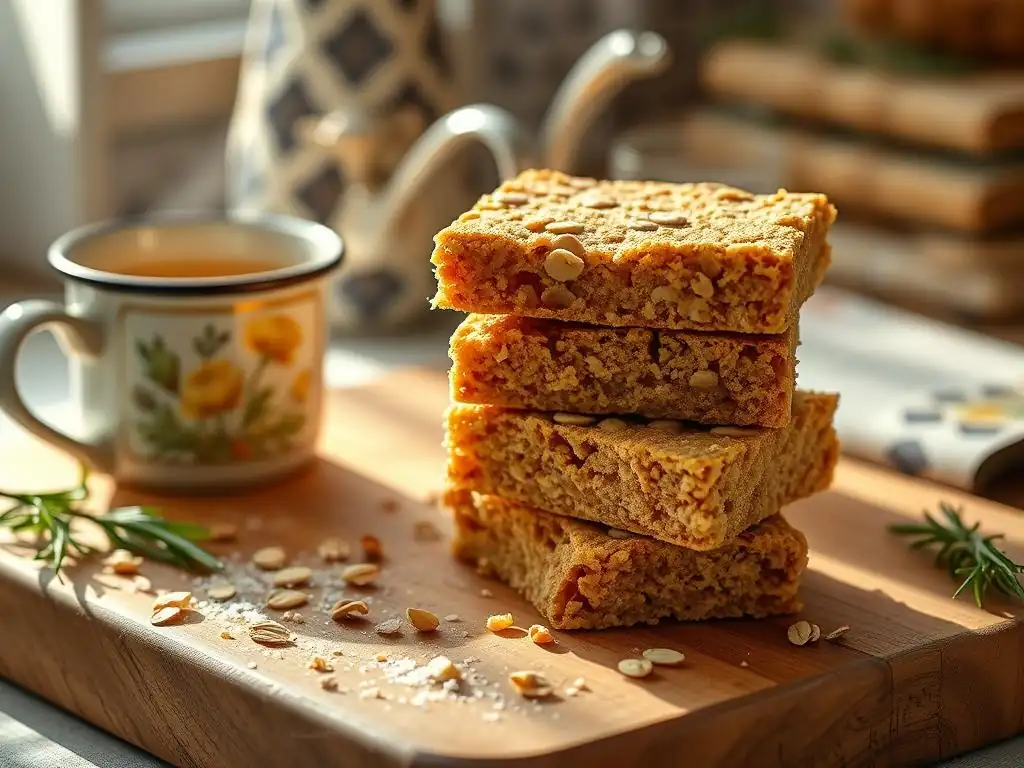
Welcome to BakeWithEase, where baking becomes a joy, not a chore! Ever dreamt of creating that perfectly chewy, golden treat that transports you straight to a cozy British tea room? Discover the secrets behind our classic flapjack recipe and unlock a world of simple techniques that will elevate your baking game. Ready to embark on a deliciously oaty adventure? Let's get baking!
- BakeWithEase Presents: The Ultimate Chewy Oat Flapjack Recipe
- Why This Chewy Oat Flapjack Recipe is a Must-Try
- Mastering the Chewy Oat Flapjack: Key Ingredients
-
Step-by-Step Guide: Baking Your Own Chewy Oat Flapjacks
- Preparing Your Baking Tin: Greasing and Lining with Parchment Paper
- Melting the Ingredients: Achieving the Perfect Consistency
- Combining the Oats and Wet Ingredients: Even Distribution is Key
- Pressing the Mixture into the Tin: Firmly Press Down for a Dense Flapjack
- Baking to Golden Perfection: Bake at 350°F (175°C) for 20-25 Minutes
- Cooling and Cutting: Achieving Clean, Even Slices
- Tips for the Perfect Chewy Flapjack Texture
- Variations on the Classic Chewy Oat Flapjack
- Storing Your Chewy Oat Flapjacks
- Troubleshooting Common Flapjack Problems
- Enjoy Your Homemade Chewy Oat Flapjacks!
- Frequently Asked Questions
- Final Reflection: The Enduring Charm of the Chewy Flapjack
- Unleash Your Inner Baker: Flapjack Fun Awaits!
BakeWithEase Presents: The Ultimate Chewy Oat Flapjack Recipe
Welcome to BakeWithEase, where we demystify baking one delicious recipe at a time! Today, we're diving into a true British classic: the humble yet incredibly satisfying flapjack. Forget those hard, dry versions; we're focusing on crafting the perfect chewy oat flapjack recipe that delivers on texture, flavor, and pure comfort. These aren't just snacks; they're little bars of joy, packed with wholesome oats and a delightful sweetness.
Learning how to make a truly chewy oat flapjack recipe is a game-changer. It's a simple process, requiring minimal ingredients and effort, making it ideal for bakers of any skill level. Whether you're looking for an easy afternoon treat, a lunchbox filler, or something substantial to enjoy with your tea, this recipe is guaranteed to become a firm favorite in your baking repertoire. Let's get started on creating flapjacks that are wonderfully soft, golden, and irresistibly chewy.
Why This Chewy Oat Flapjack Recipe is a Must-Try
Perfect Texture: Achieve Chewy Flapjacks Every Time
The hallmark of a truly exceptional flapjack lies in its texture – specifically, that coveted chewy bite. Many recipes can result in hard, brittle bars, but our approach is specifically designed to lock in moisture and create a wonderfully soft, yielding center with slightly crisp edges. This is achieved through careful attention to ingredient ratios and, crucially, the baking time.
By following this specific chewy oat flapjack recipe, you'll find that the balance of butter, sugar, and syrup is optimized to create a moist matrix that holds the oats together without turning them into a solid brick. The key is allowing the mixture to remain slightly soft in the center when it comes out of the oven, as it will continue to set as it cools, achieving that perfect balance of chewiness and structure.
Simple Ingredients: A Pantry Staple Recipe
One of the most appealing aspects of a classic chewy oat flapjack recipe is its simplicity, both in method and ingredients. You won't need any fancy equipment or exotic items; everything required is likely already sitting in your pantry or easily found at any local supermarket. This makes it an incredibly accessible recipe for spontaneous baking urges.
The core components typically include rolled oats, butter, sugar (often brown sugar for added moisture and depth of flavor), and golden syrup. These are staples in most baking households, meaning you can whip up a batch of delicious, chewy flapjacks almost anytime the craving strikes. The ease of sourcing ingredients makes this chewy oat flapjack recipe a fantastic go-to for quick treats.
British Baking at Its Best: A Taste of Tradition
Flapjacks hold a special place in the heart of British baking. They are a traditional treat, commonly found in bakeries, cafes, and home kitchens across the UK. Often associated with school lunchboxes, tea time, or energy boosts for outdoor activities, they represent a simple, comforting piece of culinary heritage. Mastering a chewy oat flapjack recipe connects you to this rich tradition.
Sharing a plate of homemade chewy flapjacks is a classic gesture of British hospitality. They embody the spirit of straightforward, delicious baking that prioritizes flavor and texture using simple, honest ingredients. Whether you have British roots or are simply exploring international baking, creating these chewy treats offers a genuine taste of a beloved tradition.
Mastering the Chewy Oat Flapjack: Key Ingredients
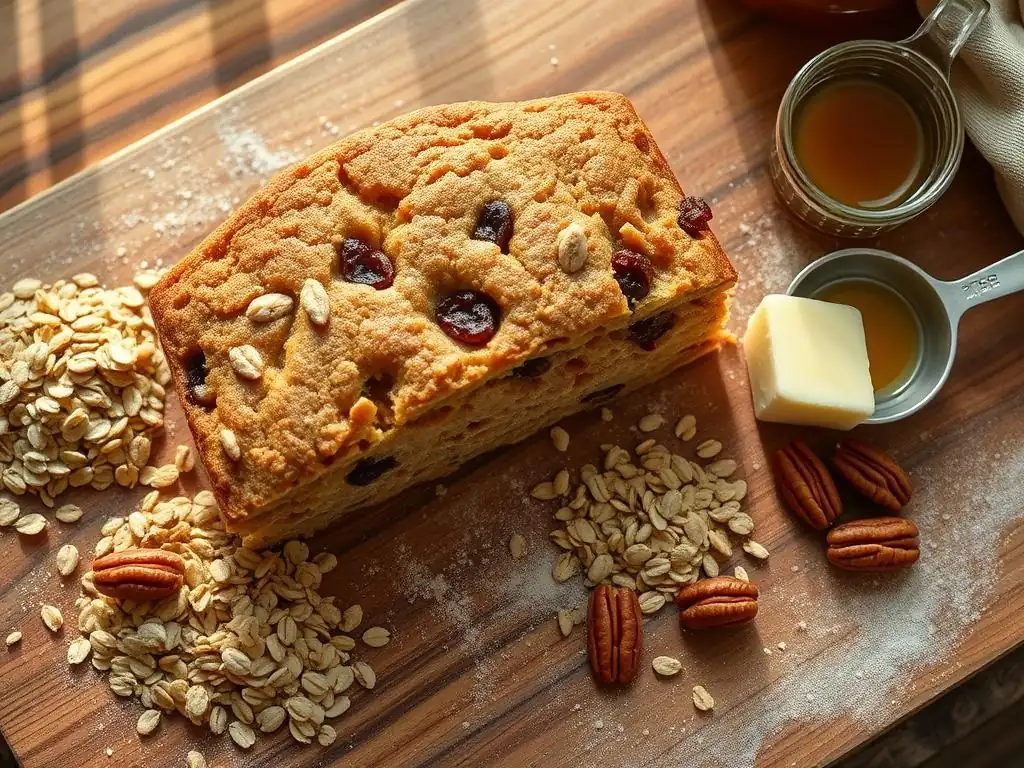
Rolled Oats: The Heart of a Great Flapjack
The absolute foundation of any flapjack is, of course, the oats. For the best chewy texture, it's essential to use rolled oats, also known as old-fashioned oats. These oats have been steamed and rolled flat, which allows them to absorb moisture effectively during the baking process without turning mushy. They provide the perfect structure and that satisfyingly chewy bite that defines a classic flapjack.
Avoid using instant or quick-cooking oats for this chewy oat flapjack recipe. Instant oats are processed more finely and tend to break down too much, resulting in a softer, less structured flapjack that can lack the desired chewiness. Jumbo rolled oats are also an excellent choice, offering an even more pronounced texture, but standard rolled oats work perfectly for achieving that ideal chewy consistency.
Golden Syrup: The Secret to Chewy Goodness
Golden syrup is a unique and crucial ingredient in a traditional chewy oat flapjack recipe. This inverted sugar syrup, popular in the UK, has a distinct rich flavor and a viscous, sticky consistency that is key to achieving the perfect chewy texture. Unlike honey or corn syrup, golden syrup has a specific caramel-like sweetness and stickiness that binds the oats together beautifully.
Using golden syrup ensures that the flapjacks remain moist and pliable after cooling, preventing them from becoming hard and brittle. Approximately 150-200 grams of golden syrup per standard batch (using around 250 grams of oats) is a common ratio that contributes significantly to the desired chewiness. Its unique properties are difficult to replicate with other sweeteners if you're aiming for that authentic British chewy flapjack experience.
Butter: For Richness and Flavor
Butter plays a vital role in a chewy oat flapjack recipe, contributing both richness and helping to bind the ingredients together. Using real butter, rather than margarine or oil, provides a superior flavor profile that complements the oats and syrup beautifully. The fat content in butter also helps to create a tender crumb while ensuring the flapjacks don't dry out during baking.
Typically, a standard recipe using 250 grams of oats might call for around 125-150 grams of butter. When melted with the sugar and syrup, the butter creates a smooth, liquid base that coats the oats evenly. This even coating is essential for ensuring that every part of the flapjack has the necessary moisture and binding agent to bake into a cohesive, chewy bar.
Brown Sugar: Adding Sweetness and Structure
While white sugar can be used, brown sugar is often preferred in a chewy oat flapjack recipe because it adds extra moisture and a deeper, slightly caramelised flavour. The molasses content in brown sugar contributes to the chewiness and helps create a softer, more tender flapjack compared to using only granulated white sugar. Dark brown sugar will provide a more intense flavour and colour than light brown sugar.
The sugar also works with the syrup and butter to form the sticky matrix that holds the oats together. A common ratio might involve using around 100-150 grams of brown sugar alongside the golden syrup for a standard batch. This balance of sweeteners ensures the flapjacks are sweet enough to be a treat but not overwhelmingly so, allowing the oaty flavour to shine through while contributing significantly to the desired chewy texture.
Step-by-Step Guide: Baking Your Own Chewy Oat Flapjacks
Preparing Your Baking Tin: Greasing and Lining with Parchment Paper
Proper tin preparation is the first crucial step to ensure your chewy oat flapjacks release easily and maintain their shape. Start by selecting a suitable baking tin, typically a square tin around 8x8 inches (20x20 cm) or a rectangular tin of a similar capacity. Lightly grease the inside surfaces of the tin with butter or baking spray. This initial greasing helps the parchment paper adhere smoothly.
Next, line the greased tin with parchment paper, leaving an overhang on two opposite sides. This overhang acts as handles, allowing you to easily lift the entire baked flapjack slab out of the tin once it's cooled. Ensure the parchment paper is pressed neatly into the corners and against the sides to prevent the mixture from sticking or leaking underneath, guaranteeing clean edges for your finished chewy oat flapjacks.
Melting the Ingredients: Achieving the Perfect Consistency
The wet ingredients – butter, sugar, and golden syrup – need to be melted together to create the liquid base for your chewy oat flapjack recipe. Combine the measured quantities of butter, brown sugar, and golden syrup in a saucepan over low to medium heat. Stir continuously as they heat to help the sugar dissolve and prevent the mixture from burning.
Continue heating and stirring until the butter is completely melted and the sugar has largely dissolved into the syrup, forming a smooth, unified liquid. Avoid boiling the mixture vigorously; gentle heat is sufficient. Once melted and combined into a glossy, consistent liquid, remove the saucepan from the heat. This ensures the mixture is ready to be combined with the dry ingredients without overcooking them prematurely.
Combining the Oats and Wet Ingredients: Even Distribution is Key
With your wet ingredients melted and ready, it's time to introduce the star of the show: the rolled oats. Place the measured amount of rolled oats into a large mixing bowl. Pour the hot, melted butter, sugar, and syrup mixture directly over the oats in the bowl. This ensures that the oats are fully coated by the sticky, sweet liquid.
Using a sturdy wooden spoon or spatula, thoroughly mix the oats into the wet ingredients. The goal is to ensure every single oat flake is coated in the binding mixture. Spend a couple of minutes folding and stirring until there are no dry patches of oats left. This even distribution is absolutely critical for ensuring the flapjacks hold together properly and bake into uniformly chewy bars.
Pressing the Mixture into the Tin: Firmly Press Down for a Dense Flapjack
Once the oats are fully coated and the mixture is combined, transfer it into the prepared baking tin. Spoon or pour the mixture into the lined tin, distributing it as evenly as possible across the bottom. Now comes a vital step for achieving a dense, chewy flapjack: pressing the mixture down firmly.
Use the back of a spoon, a flat-bottomed glass, or even a clean potato masher to press the oat mixture down into the tin. Apply firm, even pressure across the entire surface. This compacts the mixture, removing air pockets and ensuring that the flapjacks will not crumble apart after baking and cooling. The more firmly you press, the denser and more cohesive your chewy oat flapjacks will be.
Baking to Golden Perfection: Bake at 350°F (175°C) for 20-25 Minutes
Preheat your oven to 350°F (175°C) or 160°C (Fan/Convection). Place the prepared tin containing the pressed flapjack mixture into the preheated oven. The baking time for chewy flapjacks is typically between 20 and 25 minutes, but this can vary slightly depending on your oven. The key is to watch them carefully as they bake.
You are looking for the edges to turn a light golden brown. The center should still look slightly soft and perhaps a pale golden colour; it will firm up significantly as it cools. Baking for too long is the most common reason for flapjacks turning hard and brittle, so err on the side of slightly underbaking if you're unsure. Around 22 minutes is often a sweet spot for a wonderfully chewy oat flapjack recipe.
Cooling and Cutting: Achieving Clean, Even Slices
Patience is paramount after baking! Once your chewy oat flapjacks are out of the oven, leave the tin on a wire rack to cool for at least 15-20 minutes. They will be very soft and fragile when hot. Allowing them to cool slightly in the tin helps them set enough to be handled.
While still warm but not hot (after the initial 15-20 minute cooling period), use a sharp knife to score the flapjacks into your desired bar shapes directly in the tin. Scoring now is much easier than trying to cut them when they are fully cool and hard. Once scored, let the flapjacks cool completely in the tin, ideally for several hours or even overnight, before lifting the entire slab out using the parchment paper handles and breaking or cutting along the scored lines. This prolonged cooling time is essential for achieving clean cuts and that signature chewy texture.
Tips for the Perfect Chewy Flapjack Texture
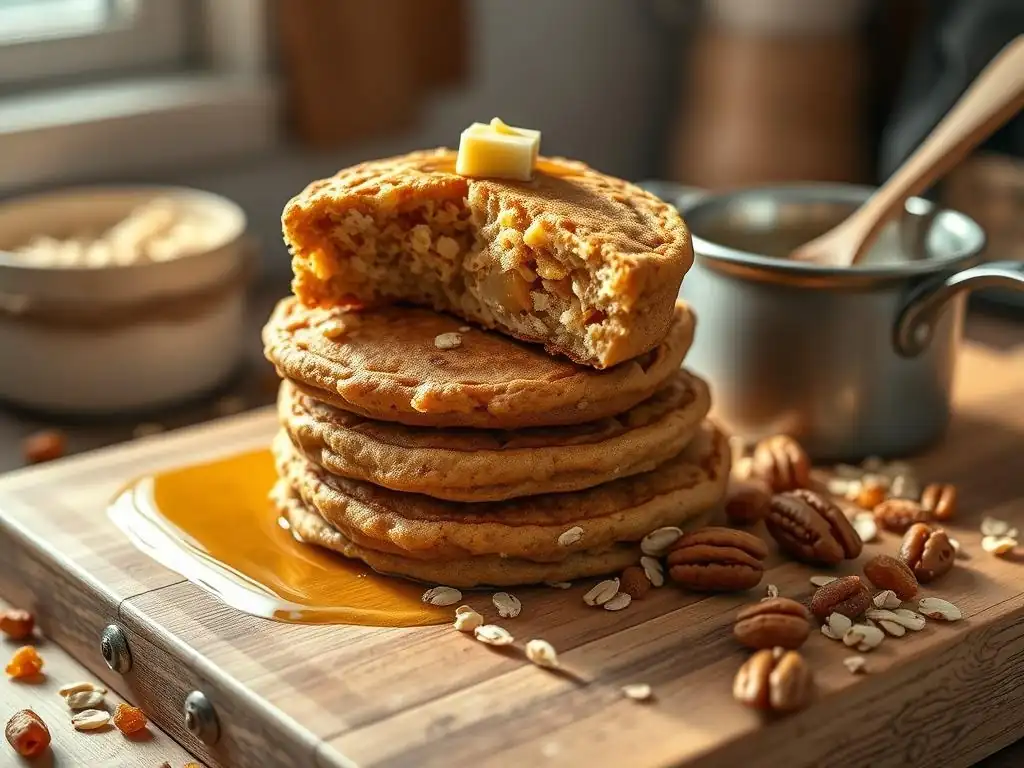
Don't Overbake: The Key to Chewy Flapjacks
Overbaking is the single biggest culprit behind hard, brittle flapjacks. The sugars and syrup caramelise and harden as they bake, and extending the time in the oven allows this process to go too far, effectively turning your chewy dreams into crunchy reality. Keep a close eye on your flapjacks during the last 5-10 minutes of baking.
Remember the visual cue: light golden edges and a still-soft center. If the entire surface looks deeply golden brown and firm, you've likely baked them for too long. Aim for that slight wobble in the middle when you gently shake the tin. Trust that they will continue to set and firm up considerably as they cool outside the oven, developing that perfect chewy texture.
The Right Ratio of Ingredients: Mastering the Balance
Achieving the ideal chewy oat flapjack recipe relies heavily on the correct balance between the dry ingredient (oats) and the wet ingredients (butter, sugar, syrup). Too many oats and not enough binder will result in a dry, crumbly flapjack. Too much binder can make them greasy or overly soft.
A common guideline for a chewy texture is roughly equal parts by weight of oats to the combined weight of butter, sugar, and syrup. For example, if you use 250g of oats, you might aim for a total of 250-300g of the wet mixture (e.g., 125g butter + 75g sugar + 100g syrup = 300g). Slight adjustments within this range can help you fine-tune the chewiness to your personal preference, but sticking close to this ratio is key.
Quality of Oats: Choose Rolled Oats for Best Results
As mentioned earlier, the type of oats you use significantly impacts the final texture of your chewy oat flapjacks. Using traditional rolled oats (or jumbo oats) provides the necessary structure and surface area to absorb the wet ingredients effectively without disintegrating. This ensures that each bite has distinct, chewy oat flakes held together by the sweet binder.
Using instant or quick oats will likely result in a softer, less defined texture, more akin to a granola bar than a classic chewy flapjack. Their finer texture means they absorb liquid too quickly and break down during mixing and baking, losing that desirable chewiness. Stick to rolled oats for that authentic, satisfying chewy oat flapjack recipe result.
Cooling Time: Patience is a Virtue
It might be tempting to dive into your freshly baked flapjacks straight out of the oven, but resisting this urge is crucial for both texture and structure. Flapjacks are very fragile when hot due to the melted sugar and syrup. Attempting to cut or move them too early will almost certainly result in a crumbly mess.
Allowing the flapjacks to cool completely in the tin is perhaps as important as the baking time itself for achieving a firm yet chewy texture and clean cuts. As they cool, the sugars and fats solidify, binding the oats together into a stable bar. This process can take several hours. Cutting them while still warm allows scoring, but the final separation should wait until they are fully cool.
Variations on the Classic Chewy Oat Flapjack
Chocolate Chip Flapjacks: Adding a Decadent Twist
Elevate your chewy oat flapjack recipe by introducing some chocolatey goodness. Simply stir in a generous handful (around 100g to 150g) of chocolate chips, chunks, or even chopped chocolate into the oat mixture after you've combined the wet and dry ingredients but before pressing it into the tin.
Milk chocolate chips are a popular choice for a sweet treat, while dark chocolate chips offer a lovely contrast to the sweetness of the flapjack base. White chocolate chips can also be used for a different flavour profile. Ensure the chips are distributed evenly throughout the mixture before pressing firmly into the tin and baking as usual.
Dried Fruit Flapjacks: Cranberries, Raisins, and Apricots
Adding dried fruit is a fantastic way to introduce extra chewiness, sweetness, and pockets of flavour to your chewy oat flapjack recipe. Raisins are a classic addition, but dried cranberries, chopped apricots, sultanas, or even chopped dates work wonderfully. Aim for around 50g to 100g of dried fruit per batch.
Stir the dried fruit into the oat mixture along with the wet ingredients, ensuring they are evenly distributed. The fruit will soften slightly during baking, adding little bursts of chewy sweetness throughout the flapjack. This variation is particularly good for adding some natural sweetness and fiber.
Nutty Flapjacks: Walnuts, Pecans, and Almonds
For added crunch and a different dimension of flavor, incorporate chopped nuts into your chewy oat flapjack recipe. Walnuts, pecans, almonds, or hazelnuts are all excellent choices. Roughly chop about 50g to 75g of your preferred nuts and stir them into the oat mixture before pressing into the tin.
The nuts provide a pleasant textural contrast to the chewiness of the oats and add a nutty depth of flavour. Toasting the nuts lightly before adding them can enhance their flavour even further. This variation creates a more substantial and complex flapjack.
Seeded Flapjacks: A Healthy and Delicious Option
Introduce a boost of nutrition and a subtle crunch by adding seeds to your chewy oat flapjack recipe. Sunflower seeds, pumpkin seeds (pepitas), chia seeds, or a mix of various seeds work well. Start with about 25g to 50g of seeds, depending on your preference, and stir them into the oat mixture.
Seeds add healthy fats, fiber, and minerals, making the flapjacks a slightly more nutritious snack. They also contribute a pleasant, subtle crunch that complements the dominant chewy texture of the oats. This variation is perfect for those looking for a slightly healthier twist on the classic.
Storing Your Chewy Oat Flapjacks
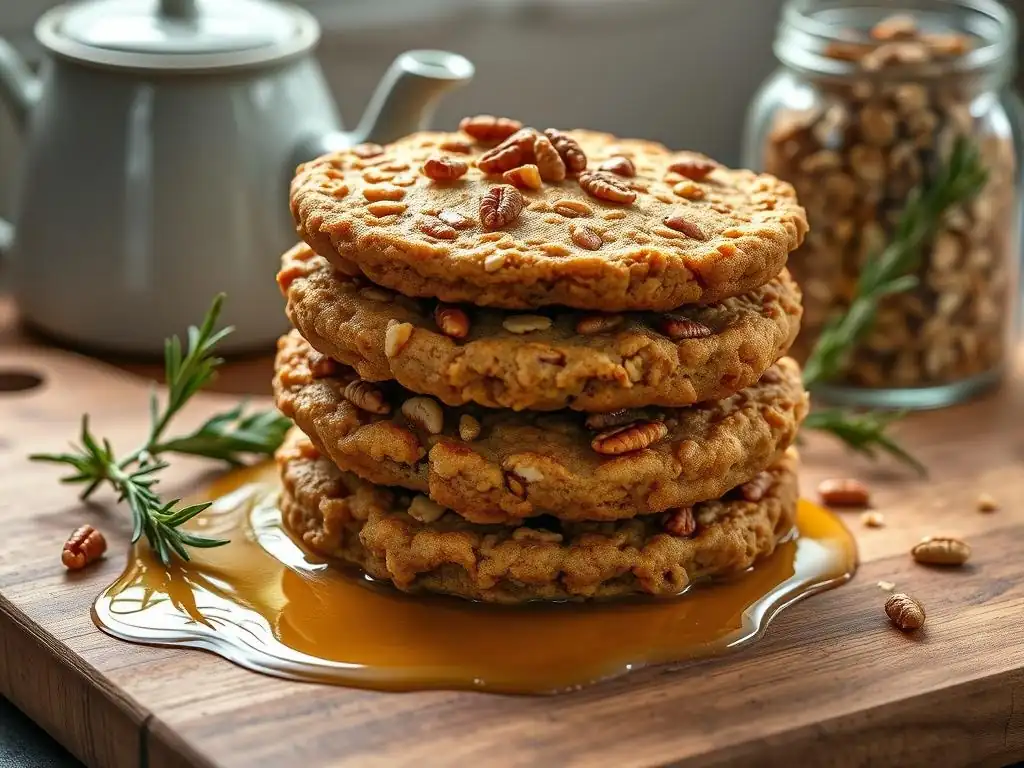
Keeping Flapjacks Fresh: Airtight Container at Room Temperature
Once your chewy oat flapjacks are completely cooled and cut, the best way to keep them fresh and maintain their texture is by storing them in an airtight container. Place the flapjacks in a single layer or stack them with parchment paper in between layers to prevent sticking.
Store the container at room temperature in a cool, dry place, away from direct sunlight or heat. An airtight container is essential to prevent the flapjacks from drying out and becoming hard, preserving that lovely chewy texture for as long as possible. Avoid refrigeration, as this can sometimes alter the texture and make them less chewy.
Shelf Life: How Long Do Flapjacks Last?
Properly stored in an airtight container at room temperature, homemade chewy oat flapjacks typically have a shelf life of about 5 to 7 days. While they are usually best enjoyed within the first few days when their texture is at its peak, they will remain perfectly edible for up to a week.
You'll know they are starting to go stale if they become noticeably harder or drier than intended. The high sugar and fat content helps preserve them naturally for a reasonable period, making them an excellent make-ahead snack for the week.
Freezing Flapjacks: Wrap Individually and Freeze for up to 3 Months
If you've made a large batch or want to save some chewy oat flapjacks for later, they freeze exceptionally well. Once completely cooled and cut into bars, wrap each flapjack individually in plastic wrap or parchment paper. This prevents them from sticking together and protects them from freezer burn.
Place the individually wrapped flapjacks into a freezer-safe bag or container. They can be frozen for up to 3 months. To enjoy a frozen flapjack, simply take one out of the freezer and let it thaw at room temperature for about 30-60 minutes. Freezing is a great way to ensure you always have a chewy treat on hand.
Troubleshooting Common Flapjack Problems
Flapjacks Too Hard: Reduce Baking Time
If you find your chewy oat flapjacks have turned out hard and brittle instead of soft and chewy, the most likely culprit is overbaking. Too much time in the oven causes the sugars to caramelise excessively and harden upon cooling.
For your next batch of this chewy oat flapjack recipe, reduce the baking time by 3-5 minutes. Start checking for doneness earlier, looking for those light golden edges and a still-soft center. Remember, they will continue to set as they cool, so it's better to slightly underbake than overbake if chewiness is your goal.
Flapjacks Too Soft: Increase Baking Time Slightly
Conversely, if your flapjacks are too soft, crumbly, or don't hold their shape well, they might be slightly underbaked or the mixture wasn't pressed firmly enough. If they are just too soft (but not crumbling), a little more time in the oven might be needed.
If they are overly soft after cooling, try adding an extra 2-3 minutes to the baking time for your next batch. Ensure your oven temperature is accurate, as an oven running too cool could also contribute to underbaking. A slightly longer bake will help the sugars and fats bind the oats more effectively.
Flapjacks Crumbling: Press Mixture Firmly into the Tin
Crumbling flapjacks are often a result of not pressing the mixture down firmly enough into the baking tin before baking. This step is crucial for compacting the oats and ensuring they are properly bound together by the melted butter, sugar, and syrup.
When making this chewy oat flapjack recipe, dedicate sufficient time and effort to pressing the mixture down evenly and firmly using the back of a spoon or a flat tool. Apply good pressure across the entire surface. This compression is key to creating a dense, cohesive flapjack that holds its shape beautifully once cooled and cut.
Enjoy Your Homemade Chewy Oat Flapjacks!
Serving Suggestions: With Tea, Coffee, or as a Snack
Your homemade chewy oat flapjacks are incredibly versatile and perfect for numerous occasions. They are a quintessential accompaniment to a cup of tea or coffee, offering a comforting and satisfying treat during a break. Their dense, oaty nature makes them surprisingly filling.
Beyond beverage pairings, they serve as an excellent on-the-go snack. Pop one into a lunchbox for a mid-day energy boost or grab one before heading out for a walk or exercise. They provide sustained energy thanks to the oats and are far more satisfying than many processed snacks. Enjoy them simply as they are – their deliciousness speaks for itself!
Few things compare to the simple pleasure of sharing homemade baked goods. Your delicious, chewy oat flapjacks are the perfect treat to share with friends, family, or colleagues. Their universal appeal makes them a welcome addition to picnics, bake sales, or simply as a thoughtful gift.
Whipping up a batch of this chewy oat flapjack recipe is not only rewarding for you but also a wonderful way to spread a little joy. Pack a few into a small bag or box for a friend, bring them to a gathering, or simply enjoy them together at home. Baking and sharing these traditional British treats is a lovely way to connect and enjoy simple, delicious moments.
Frequently Asked Questions
What makes this flapjack recipe "chewy" instead of crunchy?
The chewiness comes from the ratio of ingredients, specifically the golden syrup and brown sugar, which create a softer texture when baked at a lower temperature.
Can I substitute ingredients in this chewy oat flapjack recipe?
While you can experiment, substituting ingredients may alter the texture. For example, using honey instead of golden syrup might result in a less chewy flapjack.
How long do these classic flapjacks stay fresh?
Stored in an airtight container at room temperature, these flapjacks will stay fresh for about 3-4 days. The airtight storage prevents them from drying out.
What kind of oats should I use for this recipe?
Rolled oats, sometimes called old-fashioned oats, are recommended for the best texture. Quick oats will result in a different, less chewy consistency.
Is this chewy oat flapjack recipe suitable for beginners?
Yes! This recipe is designed to be simple and easy to follow, even for beginners. The step-by-step instructions on BakeWithEase make it accessible to all.
Final Reflection: The Enduring Charm of the Chewy Flapjack
The humble flapjack, a seemingly simple baked treat, holds a surprisingly significant place in British culinary culture, and its enduring popularity speaks volumes about our collective desire for comforting, wholesome food. Its chewy texture and oaty goodness offer a nostalgic connection to simpler times, a feeling increasingly sought after in our fast-paced modern world. The perfect flapjack recipe, as explored in this article, is more than just a recipe; it's a gateway to shared experiences and cherished memories.
The flapjack's influence extends beyond the kitchen table; it's a symbol of community, often shared at bake sales, picnics, and school events. It's a testament to the power of simple ingredients transformed into something truly special. The best things in life are simple,
a phrase often heard, perfectly encapsulates the appeal of this unassuming treat. Its adaptability, allowing for variations in ingredients and flavors, further cements its place as a versatile and beloved classic.
Now, I invite you to consider your own relationship with the flapjack. Perhaps you have a cherished family recipe, or a specific memory associated with this delightful treat. More importantly, I encourage you to embrace the simplicity and joy of baking your own batch. Experiment with different additions, share your creations with loved ones, and rediscover the comforting magic of a perfectly chewy, oaty flapjack. Let the warmth of the oven and the delicious aroma transport you to a place of simple pleasures and lasting memories.
Unleash Your Inner Baker: Flapjack Fun Awaits!
Thanks for joining us on this delicious journey into the world of classic flapjacks! We hope you've gained a newfound appreciation for this simple yet satisfying treat. Ready to take your baking skills to the next level?
- Whip up a batch of your own flapjacks today! Use our recipe as a springboard – experiment with different fruits, nuts, or even chocolate chips!
- Share your creations on social media using #BakeWithEaseFlapjacks – let’s see your delicious results!
- Challenge a friend to a flapjack-baking showdown! Turn this simple recipe into a fun competition.
So, what flavour adventure will you embark on first?