
Baking Focaccia in Your Home Oven: Pro Tips

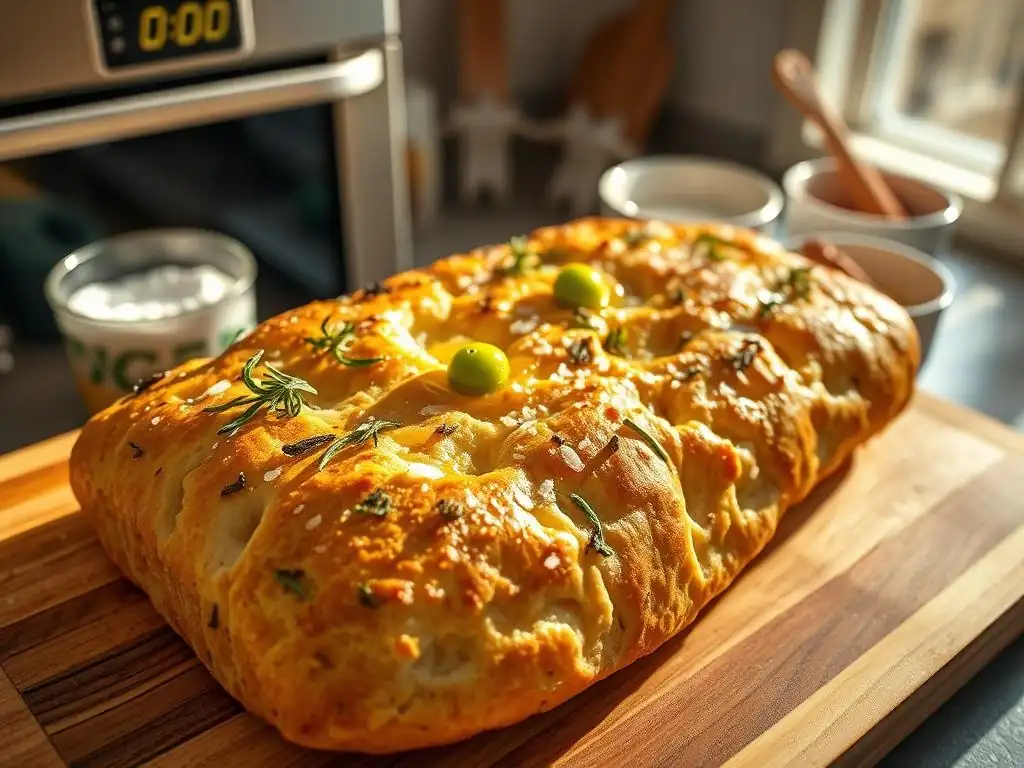
Welcome to BakeWithEase, your partner in creating delightful baked goods! Ever dreamt of filling your kitchen with the irresistible aroma of freshly baked bread? You're in the right place. Today, we unlock the secrets to crafting an Easy Homemade Focaccia Recipe that's surprisingly simple, even for beginners. But there's more to focaccia than just a recipe; we'll share pro tips to elevate your bake from good to unforgettable. Intrigued? Let's get baking!
- Introduction: Bake Delicious Focaccia at Home
- Getting Started: Essential Ingredients
- Step-by-Step Guide to Baking Focaccia
- Pro Tips for Baking in a Home Oven
- Achieving the Perfect Texture: Troubleshooting Tips
- Flavor Variations: Beyond the Basic
- Serving and Storing Your Focaccia
- Mastering Focaccia: Advanced Techniques
- Conclusion: Enjoy Your Homemade Focaccia
-
Frequently Asked Questions
- What makes focaccia an "easy" bread to bake at home?
- What are the most important pro tips for baking focaccia in a home oven?
- Can I substitute ingredients in an easy homemade focaccia recipe?
- How do I ensure my focaccia has a light and airy texture?
- What are some creative toppings I can add to my focaccia?
- Final Reflection: The Humble Loaf, the Unexpected Journey
- Unleash Your Inner Focaccia Master!
Introduction: Bake Delicious Focaccia at Home
Baking focaccia at home might seem daunting, but with the right approach, you can create this Italian classic in your own kitchen. This guide focuses on making an easy homemade focaccia recipe accessible to everyone, regardless of baking experience. Forget complicated techniques; we'll break down the process into simple, manageable steps.
Creating a delicious focaccia at home is incredibly rewarding. The aroma filling your kitchen is just the beginning. A good homemade focaccia boasts a golden, slightly crisp crust, a tender, airy interior, and is infused with the flavors of olive oil and herbs. This article will walk you through the essential ingredients, step-by-step instructions, and professional tips specifically tailored for using a standard home oven.
Getting Started: Essential Ingredients
High-Protein Flour: The Foundation
The type of flour you choose significantly impacts the texture of your focaccia. A high-protein flour, typically labeled as bread flour, is ideal for this easy homemade focaccia recipe. This flour usually contains between 12% and 14% protein, which helps develop strong gluten networks.
Strong gluten development is crucial for focaccia because it provides the structure needed to trap the gases produced by the yeast, resulting in a light and airy crumb. Using bread flour ensures your focaccia has the necessary chewiness and can handle the high hydration often used in focaccia doughs without becoming dense. While all-purpose flour (around 10-12% protein) can work, it may result in a slightly less airy texture.
Extra Virgin Olive Oil: Flavor and Texture
Extra virgin olive oil is not just an ingredient in focaccia; it's a star player. Its rich, fruity flavor is fundamental to the traditional taste of this Italian bread. Beyond flavor, olive oil contributes significantly to the texture, keeping the crumb moist and tender while promoting a beautiful golden crust.
Generously coating the baking pan and the top of the dough with high-quality extra virgin olive oil is key to achieving that signature focaccia texture and taste. The oil in the pan helps fry the bottom crust, making it wonderfully crisp, while the oil on top contributes to browning and keeps the surface from drying out. A typical recipe might call for anywhere from 1/4 cup to 1/2 cup or even more for a single batch baked in a 9x13 inch pan.
Instant Dry Yeast: Choosing the Right Type
For an easy homemade focaccia recipe, instant dry yeast is often the preferred choice for many home bakers. Unlike active dry yeast, instant yeast can typically be mixed directly into the dry ingredients without needing to be proofed in water first. This saves a step and reduces the chance of the yeast not activating properly.
Instant yeast is highly reliable and works quickly, allowing the dough to rise efficiently. A common ratio is about 1 to 1.5 teaspoons of instant yeast per cup of flour, though this can vary slightly depending on the recipe and ambient temperature. Ensure your yeast is fresh by checking the expiration date; expired yeast is a common culprit for dough that doesn't rise.
Other Important Ingredients: Salt, Water, and Rosemary
Besides flour, olive oil, and yeast, a few other staples complete this easy homemade focaccia recipe. Salt is vital for flavor and also plays a role in controlling yeast activity and strengthening the gluten structure. Fine sea salt or kosher salt are excellent choices.
Water is the hydration source for the dough. Focaccia doughs are often high in hydration (meaning a high ratio of water to flour by weight), which contributes to the airy interior. Warm water (around 95-105°F or 35-40°C) is usually recommended to help activate the yeast effectively. Finally, fresh rosemary is a classic topping, providing an aromatic and slightly piney flavor that pairs perfectly with the rich olive oil.
Step-by-Step Guide to Baking Focaccia
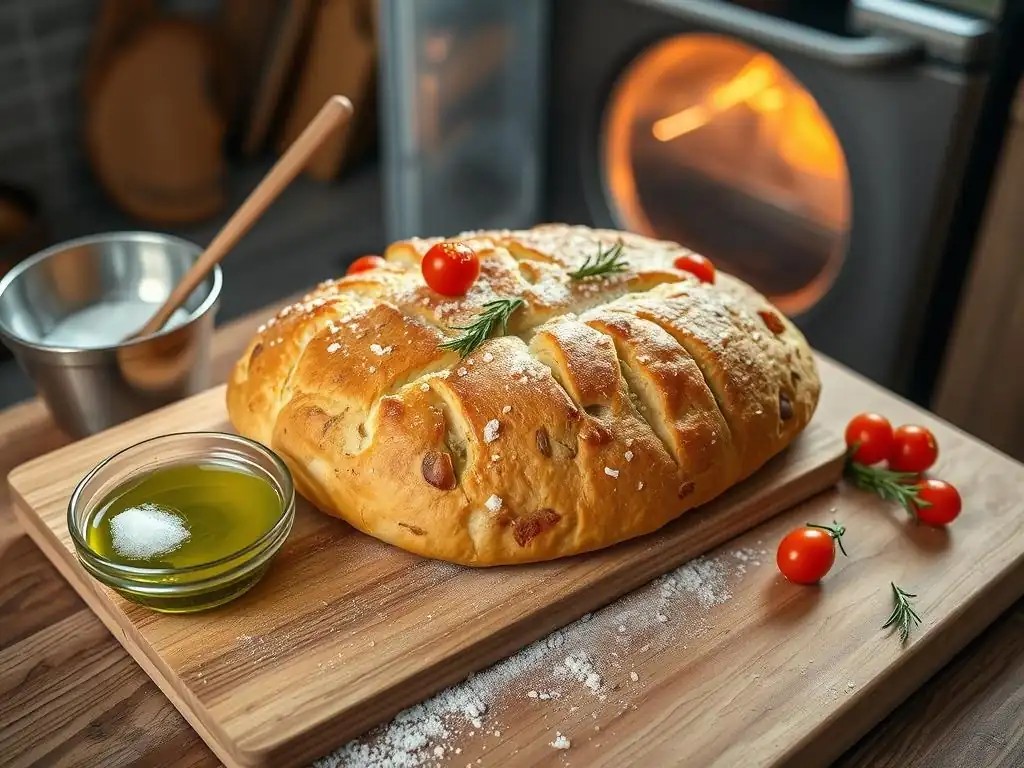
Preparing the Dough: A Simple Recipe
An easy homemade focaccia recipe starts with simple dough preparation. Typically, you'll combine the high-protein flour, instant dry yeast, and salt in a large bowl. In a separate bowl or measuring cup, whisk together warm water and a generous amount of extra virgin olive oil.
Gradually add the wet ingredients to the dry ingredients, mixing with a spoon or spatula until a shaggy dough forms. At this stage, the dough will likely be quite wet and sticky – this is normal for focaccia! Unlike kneading bread dough vigorously, focaccia often benefits from a gentler approach, sometimes called the 'stretch and fold' method, performed over a period of time.
First Rise: Achieving Fermentation
The first rise, or bulk fermentation, is where the yeast gets to work, producing carbon dioxide gas that makes the dough rise and developing flavor. After mixing, the dough should be covered and left in a warm place to double in size. This can take anywhere from 1 to 2 hours at room temperature (around 70-75°F or 21-24°C).
Alternatively, for deeper flavor development, you can perform a slow, cold fermentation in the refrigerator. Placing the covered dough in the fridge for 12 to 24 hours allows the yeast to work more slowly, creating more complex flavors. This cold rise is an excellent technique for enhancing your easy homemade focaccia recipe.
Shaping and Dimpling: The Art
Once the dough has completed its first rise, it's time to shape it. Drizzle a generous amount of olive oil into your chosen baking pan (a 9x13 inch pan is standard, but round or square pans work too). Gently transfer the dough to the oiled pan. The dough will likely be sticky and elastic.
Using your oiled fingertips, gently press and stretch the dough towards the edges of the pan. If the dough springs back, let it rest for 5-10 minutes before continuing. Once the dough roughly fills the pan, use your fingertips to create deep dimples all over the surface, pressing down until you almost touch the bottom of the pan. These dimples are characteristic of focaccia and help hold onto the toppings and olive oil.
Second Rise: Maximizing Flavor
After shaping and dimpling, the dough needs a second rise. Cover the pan lightly and let the dough rest again in a warm spot for 30 to 60 minutes. During this time, the dough will puff up slightly, and the dimples will become less pronounced but still visible.
This second rise allows the dough to relax further and achieve its final volume before baking. It's also a crucial step for developing the airy texture inside the focaccia. While the dough is rising, preheat your oven to the recommended temperature, ensuring it's fully heated before the focaccia goes in.
Topping Your Focaccia: Flavorful Ideas
Before baking, it's time to add the toppings. The classic topping for an easy homemade focaccia recipe is a generous drizzle of extra virgin olive oil, flaky sea salt, and fresh rosemary sprigs or chopped rosemary scattered over the dimpled surface. The olive oil pools in the dimples, creating pockets of intense flavor.
Beyond the classic, the possibilities are vast. Consider pressing cherry tomatoes, sliced olives, thinly sliced onions, or garlic slivers into the dimples. You can also sprinkle with other herbs like thyme or oregano. Just be sure not to overload the focaccia, as too many wet toppings can make the crust soggy.
Pro Tips for Baking in a Home Oven
Oven Temperature: Finding the Sweet Spot
Baking focaccia in a home oven requires high heat to achieve the desired crispy crust and airy interior. A common temperature range is between 400°F and 450°F (200°C to 230°C). Baking at a high temperature ensures that the crust sets quickly, allowing the inside to expand and cook through without becoming dense.
Preheating your oven thoroughly is essential. Give your oven at least 20-30 minutes to reach the target temperature, especially if using a baking stone or steel, which need extra time to heat up properly. A properly preheated oven provides consistent heat, which is key to an evenly baked focaccia.
Baking Time: Perfectly Baked Focaccia
The baking time for focaccia can vary depending on your oven, the size and thickness of your focaccia, and the desired level of browning. Generally, a standard 9x13 inch focaccia baked at 425°F (220°C) will take between 20 and 30 minutes.
You'll know your focaccia is perfectly baked when the top is a deep golden brown, the edges are crisp and pulling slightly away from the pan, and the bottom crust is also golden and sounds hollow when tapped. If the top is browning too quickly, you can loosely tent it with aluminum foil for the last few minutes of baking.
Using Steam: Creating a Crispy Crust
Introducing steam into your oven during the initial stages of baking can significantly improve the crust of your focaccia. Steam helps to keep the surface of the dough moist, delaying the formation of the crust and allowing the dough to expand more fully (oven spring) before the crust hardens. This often results in a thinner, crispier crust.
There are a few ways to create steam in a home oven. One method is to place a metal pan on the bottom rack while the oven preheats and carefully pour about a cup of hot water into it just as you place the focaccia in the oven. Another simple technique is to scatter a handful of ice cubes into the hot pan on the bottom rack. Be cautious when adding water or ice to a hot pan to avoid burns from steam.
Baking Stone or Sheet Pan: Which is Best?
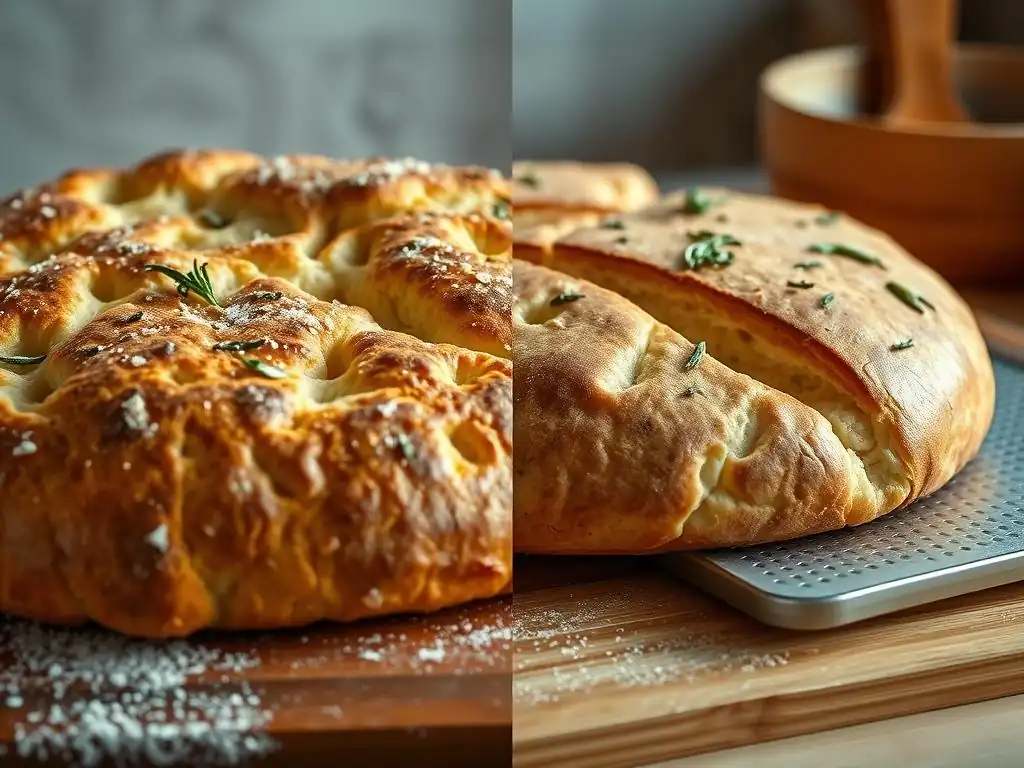
While a standard metal sheet pan or baking dish works perfectly well for an easy homemade focaccia recipe, using a baking stone or steel can elevate your results. A baking stone or steel, preheated in the oven, provides a very hot surface that transfers heat efficiently to the bottom of the pan.
This intense heat transfer helps create a wonderfully crisp bottom crust, which is a hallmark of great focaccia. If you don't have a stone or steel, simply preheating your empty sheet pan in the oven before adding the dough can help achieve a similar effect, though perhaps less pronounced.
Even Baking: Rotating Your Focaccia
Home ovens often have hot spots, leading to uneven baking. To ensure your focaccia bakes evenly and develops a uniform golden color, it's a good practice to rotate the pan halfway through the baking time.
After about 10-15 minutes in the oven, carefully open the door and turn the pan 180 degrees. This helps ensure that all sides of the focaccia receive equal exposure to the oven's heat. Keep an eye on the focaccia as it bakes, as individual oven performance can vary.
Achieving the Perfect Texture: Troubleshooting Tips
Dense Focaccia: What Went Wrong?
If your focaccia turns out dense instead of light and airy, several factors could be the cause. One common issue is insufficient rising time; the dough didn't have enough time during the first or second rise to develop enough air pockets. Ensure your yeast is active and that you're allowing adequate time for the dough to double in size during the first rise and puff up during the second.
Another reason for density can be too little hydration. Focaccia dough is typically quite wet; if you reduced the water or added too much flour, the dough might be too stiff to become airy. Using a high-protein flour is also important for developing the gluten structure needed to trap air. Finally, ensure you're not overworking the dough after the first rise; handle it gently during shaping and dimpling.
Soggy Focaccia: How to Avoid It
Soggy focaccia, particularly on the bottom, is often the result of too much moisture that hasn't evaporated during baking or insufficient heat transfer to the bottom crust. Ensure you are using enough olive oil in the pan; while it seems counterintuitive, the oil helps 'fry' the bottom, creating a barrier and promoting crispiness.
Baking at a high enough temperature is crucial for avoiding sogginess. If your oven isn't hot enough or hasn't preheated sufficiently, the bottom won't crisp up properly. Using a preheated baking stone or steel, or even just preheating the empty pan, can significantly help in achieving a crisp bottom crust by providing intense heat from underneath. Also, ensure your toppings aren't excessively wet or applied too heavily.
Unevenly Baked Focaccia: Solutions
Unevenly baked focaccia, where one side is darker than the other, is almost always due to hot spots in your oven. The simplest solution is to rotate the baking pan halfway through the baking time, as mentioned in the pro tips. This ensures that all parts of the focaccia are exposed to the same average temperature over the baking duration.
Additionally, ensure the oven rack is positioned correctly, usually in the middle of the oven, for even heat distribution. Avoid opening the oven door too frequently during baking, as this causes temperature fluctuations. If using multiple racks or pans, ensure there is adequate space for air circulation around them.
Burnt Bottom: Prevention
A burnt bottom crust while the top is still pale is a frustrating issue. This usually indicates that the heat source from the bottom of the oven is too intense relative to the top heat. If you are using a baking stone or steel and experiencing a burnt bottom, try reducing the oven temperature slightly or placing the stone on a slightly lower rack.
If you're just using a sheet pan, ensure it's not too thin, as thin pans can transfer heat too quickly. Using a thicker, heavier pan or a cast iron skillet can help distribute heat more evenly. You can also try placing a second empty baking sheet on the rack below your focaccia pan to act as a shield against direct bottom heat.
Flavor Variations: Beyond the Basic
Rosemary and Sea Salt Focaccia: A Classic
The quintessential easy homemade focaccia recipe often features nothing more than fresh rosemary and flaky sea salt. This minimalist approach allows the quality of the olive oil and the texture of the bread to shine.
To prepare, simply press fresh rosemary sprigs or scatter chopped rosemary over the dimpled dough. Finish with a generous sprinkle of flaky sea salt, which provides bursts of salinity with every bite. This classic is a perfect accompaniment to soups, salads, or enjoyed simply on its own.
Olive and Tomato Focaccia: A Mediterranean Delight
Adding olives and cherry tomatoes brings vibrant color and a burst of Mediterranean flavor to your focaccia. Small, sweet cherry tomatoes burst during baking, releasing their juices, while olives add a salty, briny counterpoint.
Simply halve cherry tomatoes and scatter pitted olives (like Kalamata or Castelvetrano) over the dimpled dough before the final rise or just before baking. Gently press them into the dough so they don't roll off. Drizzle with olive oil and sprinkle with salt as usual. This variation is fantastic served with cheese or cured meats.
Garlic and Herb Focaccia: A Savory Favorite
For garlic lovers, incorporating garlic into your easy homemade focaccia recipe is a must. You can mince fresh garlic and scatter it over the dough along with other herbs like oregano, thyme, or parsley.
Alternatively, infuse the olive oil used for drizzling with garlic by gently heating sliced garlic in the oil for a few minutes, then discarding the solids before drizzling the infused oil over the dough. This provides a subtle, aromatic garlic flavor throughout the bread. Be mindful that finely minced garlic can burn if exposed directly to high heat for too long; larger slices or infused oil are often better.
Caramelized Onion Focaccia: Sweet and Savory
Adding caramelized onions provides a wonderful sweetness that contrasts beautifully with the savory bread and salty toppings. Caramelizing onions takes time but is relatively simple – slicing onions thinly and cooking them slowly over low heat in olive oil until deeply golden brown and sweet.
Once caramelized and cooled slightly, spread the onions evenly over the dimpled dough before baking. You can combine them with a sprinkle of cheese like Parmesan or Gruyere for an extra layer of flavor. This variation is particularly good served warm.
Serving and Storing Your Focaccia
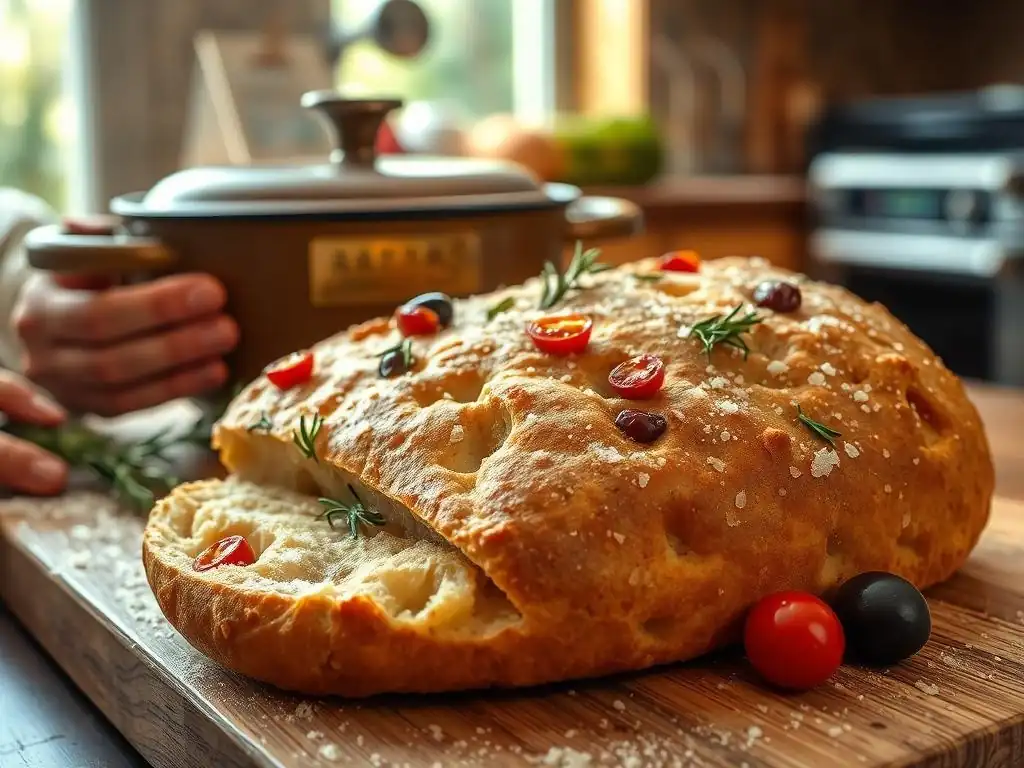
Best Ways to Serve
Focaccia is incredibly versatile and can be served in numerous ways. It's excellent warm from the oven, simply dipped in good quality extra virgin olive oil and balsamic vinegar. It makes a perfect accompaniment to pasta dishes, soups, and stews, using it to soak up delicious sauces.
You can also slice focaccia horizontally to use as sandwich bread for picnic lunches or slice it into squares or strips to serve as an appetizer alongside charcuterie, cheeses, or dips like hummus or romesco. Its sturdy yet tender texture holds up well to various toppings and fillings.
Storing for Maximum Freshness
To keep your easy homemade focaccia recipe tasting its best, proper storage is key. Once completely cooled, store focaccia at room temperature in an airtight container or wrapped tightly in plastic wrap or aluminum foil.
Stored this way, focaccia will typically remain fresh for 2-3 days. Avoid refrigerating focaccia, as this can cause it to become stale and dry out more quickly due to starch retrogradation. If you won't eat the focaccia within a couple of days, consider freezing it.
Reheating: Retaining Flavor
Reheating focaccia can bring back some of its freshly baked appeal. To reheat, the best method is usually in an oven or toaster oven. Preheat your oven to around 350°F (175°C).
Place slices or pieces of focaccia directly on the oven rack or on a baking sheet and heat for 5-10 minutes, or until warmed through and the crust has crisped up slightly. Avoid microwaving focaccia, as this will make it soft and potentially rubbery, losing the desirable texture.
Mastering Focaccia: Advanced Techniques
Sourdough Focaccia: Adding Complexity
For those looking to take their easy homemade focaccia recipe to the next level, incorporating a sourdough starter adds wonderful complexity and a tangy flavor. Instead of commercial yeast, a portion of active sourdough starter is used to leaven the dough.
This process typically involves longer fermentation times, often including an overnight cold proof in the refrigerator, which further develops the characteristic sourdough tang and the gluten structure. The resulting focaccia has a more nuanced flavor profile and often an even airier crumb.
Poolish Focaccia: Enhancing Flavor
A poolish is a type of preferment used in bread baking. It's a simple mixture of equal parts flour and water by weight, with a very small amount of yeast, allowed to ferment for several hours (often 8-12 or more) until bubbly.
Using a poolish in your focaccia dough adds depth of flavor and improves the texture. A portion of the flour and water from the main recipe is used to make the poolish, which is then added to the remaining ingredients. This extra step enhances the overall aroma and taste of the final easy homemade focaccia recipe.
High Hydration Focaccia: Light and Airy
Achieving an exceptionally light and airy focaccia often involves working with a high-hydration dough. This means using a significantly higher ratio of water to flour, sometimes as much as 80% or 90% hydration (meaning 80g or 90g of water per 100g of flour).
High-hydration doughs are very wet and sticky, making them challenging to handle, but they yield incredibly open and tender crumbs. Techniques like frequent stretch-and-folds during the first rise are essential for developing strength in these wet doughs. While potentially messy, mastering high hydration is key to achieving the lightest focaccia textures.
Conclusion: Enjoy Your Homemade Focaccia
Baking an easy homemade focaccia recipe is a rewarding culinary adventure. From understanding the role of quality ingredients like high-protein flour and extra virgin olive oil to mastering simple techniques like dimpling and using the right oven temperature, you have all the tools to create a delicious loaf in your home kitchen.
Whether you stick to the classic rosemary and sea salt or experiment with flavor variations, the process is designed to be approachable for bakers of all levels. So gather your ingredients, follow these tips, and get ready to enjoy the incredible taste and texture of freshly baked focaccia made right at home. Happy baking!
Frequently Asked Questions
What makes focaccia an "easy" bread to bake at home?
Focaccia is considered easy because it requires minimal kneading and uses simple ingredients. The high hydration of the dough also contributes to its ease, creating a forgiving recipe.
What are the most important pro tips for baking focaccia in a home oven?
Key tips include using a high-quality olive oil, proofing the dough properly, and creating dimples before baking. Oven temperature and baking time are also crucial for a perfect bake.
Can I substitute ingredients in an easy homemade focaccia recipe?
While some substitutions are possible, altering the flour type or hydration level can significantly impact the outcome. It's best to follow the recipe closely, especially when starting.
How do I ensure my focaccia has a light and airy texture?
Proper proofing and a hot oven are essential for a light and airy focaccia. Avoiding over-kneading and using quality ingredients also contributes to a better texture.
What are some creative toppings I can add to my focaccia?
Beyond the classic rosemary and sea salt, consider adding roasted vegetables, olives, or cheese. Experiment with different herbs and spices to create your own unique focaccia flavor combinations.
Final Reflection: The Humble Loaf, the Unexpected Journey
The pursuit of perfect focaccia, a seemingly simple endeavor, reveals a profound connection to the art of baking and the joy of sharing. It's more than just a recipe; it's a journey of experimentation, patience, and ultimately, the satisfaction of creating something beautiful and delicious from humble ingredients. This journey, accessible to everyone, transcends the kitchen and speaks to our innate human desire to create and connect.
The enduring appeal of homemade bread, and focaccia in particular, lies in its ability to transform ordinary moments into something extraordinary. The aroma alone, filling your home with the scent of olive oil and herbs, is enough to evoke feelings of warmth and comfort. It's a tangible link to traditions passed down through generations, a reminder of simpler times and the importance of slowing down to appreciate the process. Bread is the staff of life,
they say, and in baking focaccia, we rediscover the truth in that simple statement, finding nourishment not just for the body, but for the soul.
Now, I invite you to take what you've learned here and embark on your own focaccia adventure. Don't be afraid to experiment, to adjust the recipe to your tastes, to embrace the imperfections. The true reward isn't in achieving a picture-perfect loaf (though that's certainly nice! ), but in the journey itself, in the satisfaction of creating something delicious with your own two hands, and in the joy of sharing that creation with those you love. So, gather your ingredients, preheat your oven, and let the magic begin. Your perfect focaccia awaits.
Unleash Your Inner Focaccia Master!
Thanks for taking the time to explore the art of baking perfect focaccia! We hope you gained some valuable insights and inspiration. Now it's time to put your newfound knowledge into action.
- Bake your own masterpiece! Try out one of the recipes mentioned, or experiment with your own unique twist. Don't be afraid to get creative with toppings!
- Share your focaccia journey! Post a picture of your creation on social media and tag us – we'd love to see your results!
- Challenge a friend: See who can bake the most visually stunning (or delicious!) focaccia. Let the friendly competition begin!
What unique ingredient will you add to your next focaccia bake to make it truly special?