
Fat Meets Water: The Essential Dance of Emulsification for Stability

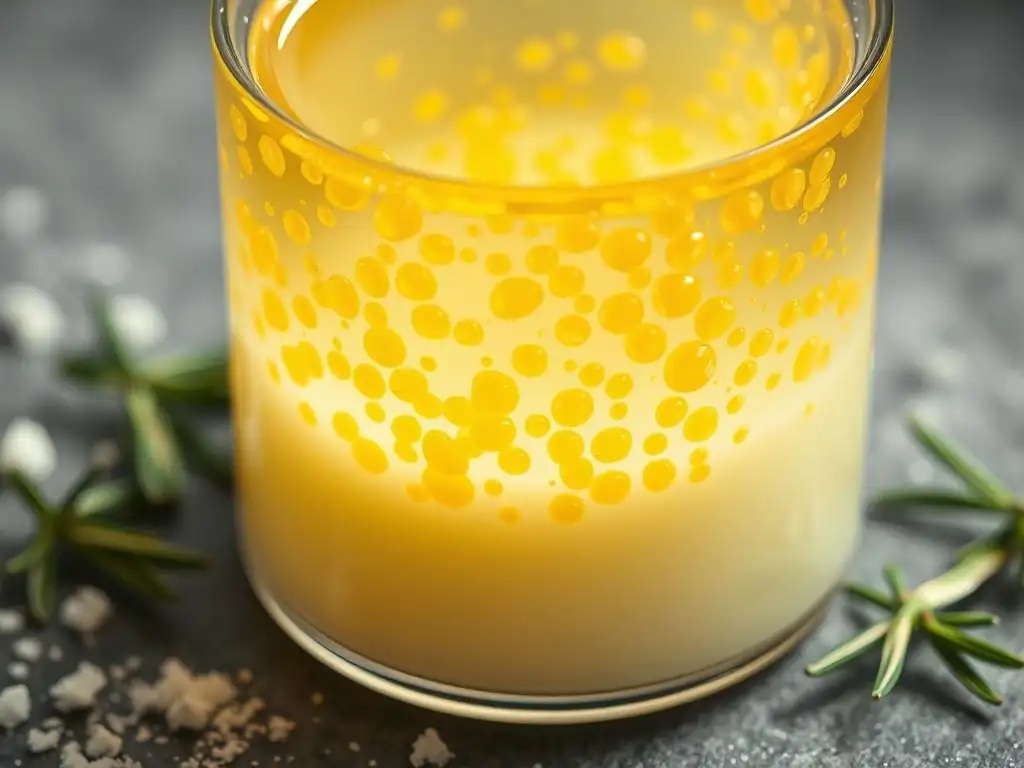
Welcome to BakeWithEase, where we unravel the secrets to baking perfection! Ever wondered why some baked goods crumble while others boast a heavenly texture? The answer often lies in the delicate dance of emulsification. Dive into our latest Baking Science Deep Dive and discover crucial emulsification baking stability tips that will transform your creations. Unlock the power of balanced ingredients and elevate your baking game today! Ready to learn how to make fat and water work together in perfect harmony?
- Fat Meets Water: The Essential Dance of Emulsification for Stability in Baking
- Understanding Emulsification: The Key to Baking Stability
- The Science Behind Emulsification: Oil, Water, and Emulsifiers
- Emulsification Techniques for Baking: Achieving the Perfect Balance
- Emulsification Problems and Solutions in Baking: Troubleshooting Tips
- Recipes Demonstrating Emulsification for Baking Stability
- Advanced Emulsification Techniques for Professional Baking
- Emulsification Baking Stability Tips: Maximizing Results
- Conclusion: Emulsification – The Foundation of Stable and Delicious Bakes
-
Frequently Asked Questions
- What is emulsification in baking, and why is it important?
- How does emulsification contribute to baking stability?
- What are some common emulsifiers used in baking?
- What are some telltale signs that my batter is not properly emulsified?
- What are some tips for improving emulsification in my baking recipes?
- Final Reflection: The Enduring Power of Emulsification in Baking
- Unlock the Secrets of Stable Emulsions!
Fat Meets Water: The Essential Dance of Emulsification for Stability in Baking
Understanding Emulsification: The Key to Baking Stability
What is Emulsification in Baking? Defining the Process
Emulsification in baking is the critical process of combining two immiscible liquids – typically fat (or oil) and water – into a stable, homogeneous mixture. Think about trying to mix oil and vinegar for salad dressing; they naturally separate. In baking, we frequently work with ingredients like butter, oil, milk, and eggs, which contain both fat and water. Without proper emulsification, these ingredients would separate during mixing, baking, and cooling, leading to undesirable textures like oiliness, dryness, or a crumbly structure.
This process doesn't just involve physically forcing the liquids together; it requires creating a stable environment where tiny droplets of one liquid are dispersed evenly throughout the other. This dispersion is often achieved with the help of emulsifiers, special molecules that have a unique ability to interact with both fat and water. The result is a smooth, consistent batter or dough that bakes evenly and produces a tender crumb, demonstrating the fundamental importance of emulsification baking stability tips for successful results.
Why Emulsification Matters for Baking Success: Beyond Mixing
The importance of emulsification extends far beyond simply getting ingredients to mix initially. A well-emulsified batter or dough is inherently more stable. This stability prevents separation during the stresses of baking, such as rising temperatures and ingredient interactions. For instance, in a cake batter, proper emulsification ensures that fat droplets are evenly distributed, coating the flour particles just right. This coating inhibits excessive gluten development, leading to a tender, moist cake rather than a tough, dry one.
Furthermore, emulsification plays a vital role in aeration and structure. When you cream butter and sugar, you're not just mixing; you're trapping air bubbles within the fat. These air bubbles are stabilized by the emulsified structure, providing leavening power during baking. In sauces like hollandaise, emulsification is the sole factor creating the thick, creamy texture from egg yolks, butter, and lemon juice. Mastering emulsification baking stability tips is truly foundational for achieving desired textures, volumes, and overall product quality in a wide range of baked goods and accompanying elements.
The Science Behind Emulsification: Oil, Water, and Emulsifiers
Hydrophilic vs. Hydrophobic: Understanding Molecular Interactions
To grasp how emulsification works, we must understand the fundamental properties of water and fat at a molecular level. Water molecules are polar, meaning they have a slight positive charge on one side and a slight negative charge on the other. This polarity makes water attracted to other polar substances and charged molecules – these are called hydrophilic ("water-loving") substances. Salt and sugar, for example, are hydrophilic and dissolve readily in water.
Fat and oil molecules, on the other hand, are largely non-polar. They lack the charged regions of water molecules and thus are not attracted to water. Instead, they are attracted to other non-polar substances – these are called hydrophobic ("water-fearing") substances.
Fat dissolves in oil, and oil dissolves in fat. When fat and water are placed together, their opposing molecular preferences cause them to separate into distinct layers, minimizing the contact between the hydrophobic fat and the hydrophilic water. This inherent separation is the challenge that emulsification overcomes, highlighting why understanding emulsification baking stability tips starts with these basic molecular forces.
The Role of Emulsifiers in Baking: Stabilizing the Mixture
Emulsifiers are the magic molecules that bridge the gap between the fat and water phases. They are amphiphilic, meaning they possess both a hydrophilic (water-attracting) part and a hydrophobic (fat-attracting) part. When added to a mixture of fat and water, emulsifier molecules position themselves at the interface between the two liquids. Their hydrophobic ends dissolve in or cling to the fat droplets, while their hydrophilic ends extend into the surrounding water phase.
By surrounding the dispersed fat droplets with a layer of emulsifier molecules, the emulsifier creates a barrier that prevents the fat droplets from clumping back together. This barrier reduces the surface tension between the two phases and stabilizes the emulsion over time. In baking, emulsifiers help create stable batters and doughs, improve volume, enhance texture, and extend shelf life. The effectiveness of emulsification baking stability tips often relies heavily on the intelligent use of these crucial ingredients.
Common Emulsifiers in Baking: Lecithin, Mono- and Diglycerides, Egg Yolks
Several common ingredients in baking act as effective emulsifiers. Egg yolks are perhaps one of the most natural and widely used examples. Egg yolks contain a significant amount of lecithin, a phospholipid that is a powerful natural emulsifier. A single egg yolk contains roughly 10-15% lecithin by weight, along with other proteins that contribute to emulsification and stability. This is why egg yolks are essential in recipes like mayonnaise and hollandaise sauce, where they create a stable emulsion of oil/butter and water/acid.
Another category of common emulsifiers used in commercial baking, and sometimes in home baking, are mono- and diglycerides. These are derived from fats and oils and are particularly effective at stabilizing emulsions and improving crumb structure in baked goods like bread and cakes. They help keep fat dispersed throughout the dough or batter, contributing to softness and moistness. Other natural emulsifiers include proteins found in milk and flour, though they are generally weaker than lecithin or added emulsifiers. Utilizing ingredients rich in natural emulsifiers is one of the most practical emulsification baking stability tips available to the home baker.
Emulsification Techniques for Baking: Achieving the Perfect Balance
Creaming Method: Emulsifying Butter and Sugar
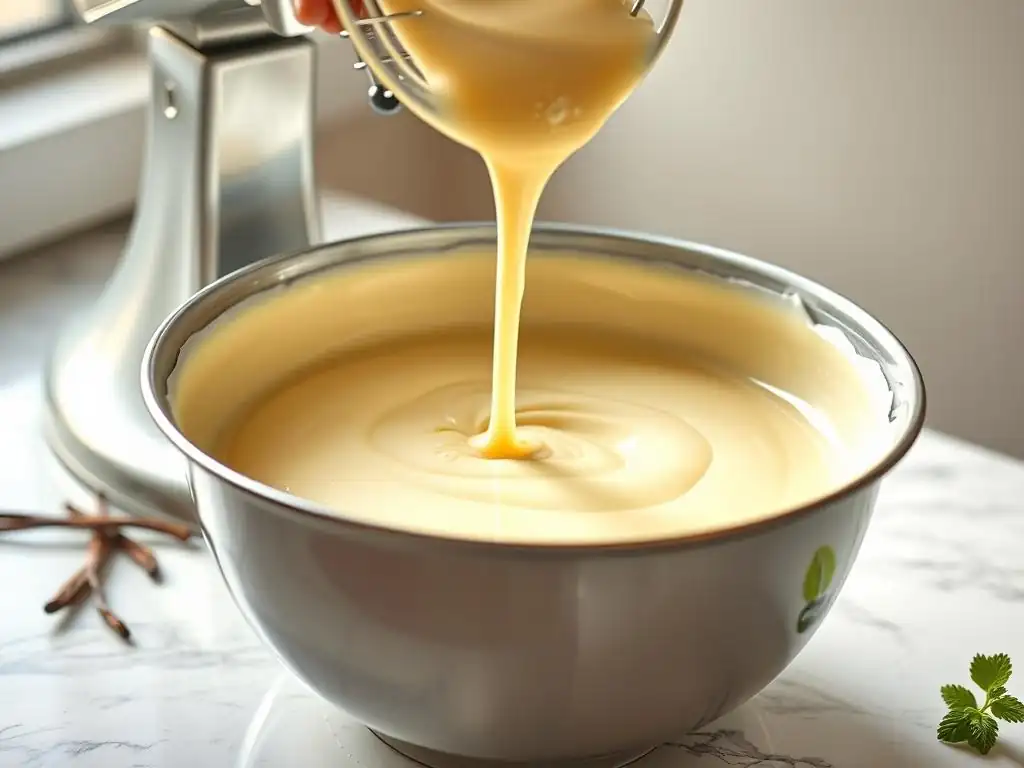
The creaming method is a fundamental technique in baking, particularly for cakes, cookies, and some quick breads, that relies heavily on emulsification. It begins by beating softened butter (fat) with sugar. While seemingly simple mixing, this process does two important things: it incorporates air into the butter (aeration) and starts to disperse the sugar crystals within the fat. As eggs are added gradually to the creamed mixture, the phospholipids (like lecithin) in the egg yolks act as emulsifiers.
With continued beating, these emulsifiers help to incorporate the water content from the eggs into the fat-sugar mixture. This creates a stable emulsion where tiny droplets of the water-egg mixture are suspended within the aerated fat. A properly creamed mixture will be light, fluffy, and significantly increased in volume, demonstrating the successful integration of fat and water facilitated by emulsification. This stable emulsion provides the foundation for a tender crumb and contributes significantly to the final volume of the baked product, making it a cornerstone technique for achieving emulsification baking stability tips.
Blending Method: Incorporating Fats into Dry Ingredients
The blending method, often used for muffins, scones, and certain cakes, takes a different approach to emulsification. In this method, liquid fat (like oil) or melted fat (like melted butter) is typically mixed directly with the wet ingredients (milk, eggs, liquid flavorings) before being combined with the dry ingredients (flour, sugar, leavening). Alternatively, solid fat (like cold butter) is cut into the dry ingredients before liquids are added, as in pastry making or some biscuit recipes.
When liquid fat is blended with wet ingredients containing emulsifiers (like eggs or milk proteins), an emulsion is formed before the mixture interacts significantly with the flour. This pre-emulsification helps to distribute the fat very finely throughout the wet phase.
When the wet and dry ingredients are combined, the emulsified fat is already dispersed, leading to a tender product by coating flour particles and inhibiting gluten development. For methods involving cutting in solid fat, the fat creates layers or pockets which melt during baking, contributing to flakiness or tenderness rather than a homogeneous emulsion within the batter itself, offering another perspective on applying emulsification baking stability tips.
The Importance of Temperature in Emulsification: Controlling the Process
Temperature plays a critical role in successful emulsification in baking. When creaming butter and sugar, the butter must be softened but not melted – typically between 65°F and 70°F (18°C to 21°C). If the butter is too cold, it won't cream properly or incorporate air effectively. If it's too warm or melted, the fat and water phases won't emulsify properly when eggs are added, leading to a broken or greasy mixture. The fat needs to be in a state where it can hold air and allow emulsifier molecules to stabilize the dispersed water droplets.
Similarly, when adding liquids (like milk or eggs) to a fat-based mixture, ensuring they are not excessively cold can help the emulsification process. Cold liquids can cause the fat to seize or solidify too quickly, hindering the emulsifier's ability to create a stable bond between the phases. Maintaining ingredients within appropriate temperature ranges is a simple yet powerful emulsification baking stability tip that can prevent many common issues like curdling or separation.
Emulsification Problems and Solutions in Baking: Troubleshooting Tips
Common Emulsification Issues: Separation, Curdling, and Graininess
Despite best efforts, emulsification can sometimes fail, leading to undesirable results in baked goods. Separation is perhaps the most obvious sign, where distinct layers of fat and liquid become visible in a batter or mixture. This often happens if ingredients are added too quickly, if temperatures are incorrect, or if insufficient emulsifier is present. Curdling, particularly in mixtures where eggs are added to creamed butter and sugar, is another common issue. This appears as a lumpy, broken mixture where the fat and liquid have separated, often due to adding eggs too quickly or if the eggs are too cold.
Graininess can also be related to emulsification problems, although it can have other causes like undissolved sugar. However, if a batter looks slightly curdled or separated, the fat may not be properly dispersed, leading to a less smooth texture in the final baked product. Recognizing these visual cues is the first step in applying emulsification baking stability tips to correct or prevent issues.
Preventing Emulsification Breakdown: Best Practices for Baking
Preventing emulsification problems is often easier than fixing them. The most crucial step is adding ingredients gradually, especially when incorporating liquids (like eggs or milk) into a fat-based mixture (like creamed butter and sugar). Add eggs one at a time, beating well after each addition to allow the emulsifiers time to work and stabilize the mixture before adding more liquid. Ensure ingredients, particularly butter and eggs, are at the correct temperature (usually room temperature or slightly softened) before starting.
Do not overmix or undermix at critical stages. While initial mixing is needed to create the emulsion, excessive mixing after flour is added can develop gluten unnecessarily, while insufficient initial mixing won't allow the emulsion to form properly. Using a reliable recipe that has been tested for ingredient ratios and techniques is also key. These preventative emulsification baking stability tips are your best defense against baking mishaps.
Repairing a Broken Emulsion: Saving Your Baking Project
If your batter or mixture has separated or curdled, don't despair immediately – it can often be salvaged! For a curdled butter/sugar/egg mixture, try warming it very gently over a double boiler (or briefly in a microwave on low power) while stirring constantly. The slight warmth can help the fat re-soften and allow the emulsifiers in the eggs to re-engage and bind the mixture together. Be careful not to overheat and cook the eggs.
Another technique is to add a small amount of dry ingredient (like a tablespoon of the recipe's flour) or another emulsifier (like another egg yolk or a teaspoon of lecithin, if you have it) and beat vigorously. The dry ingredient can help absorb some excess liquid and provide structure, while the additional emulsifier can help stabilize the broken bond. Sometimes, simply continuing to beat can bring a slightly separated mixture back together. Patience and gentle coaxing, combined with these repair-focused emulsification baking stability tips, can often save the day.
Recipes Demonstrating Emulsification for Baking Stability
Classic Pound Cake: Achieving a Smooth and Stable Batter
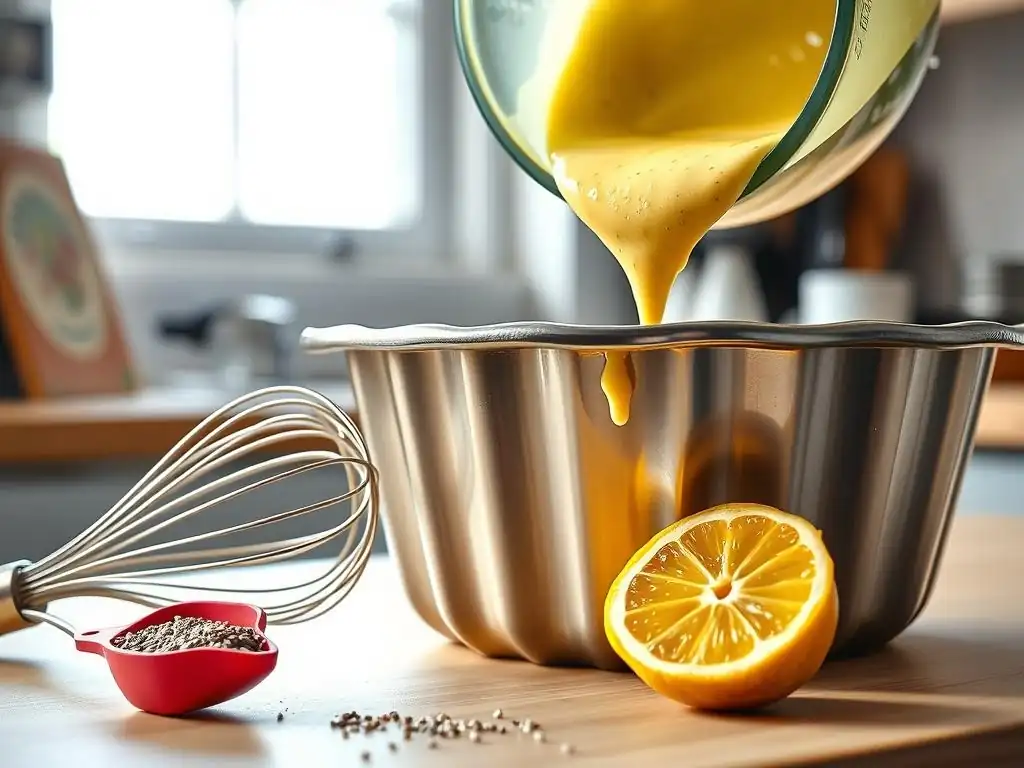
A classic pound cake, traditionally made with equal weights of butter, sugar, eggs, and flour, is a perfect example of emulsification in action. The creaming method is typically used, starting with creaming butter and sugar until light and fluffy. This incorporates air and begins to disperse the sugar within the fat. The eggs are then added gradually, one or two at a time, with thorough beating after each addition.
This gradual addition of eggs is crucial for emulsification. The lecithin in the egg yolks helps to bind the water from the egg whites and yolks with the fat from the butter. As you beat, the mixture transforms from a potentially greasy or separated state into a smooth, cohesive, and aerated batter. This stable emulsion ensures that the fat is evenly distributed throughout the batter, contributing to a fine, tender crumb and preventing the cake from being dense or greasy, showcasing essential emulsification baking stability tips in a beloved recipe.
Emulsification Techniques Used in Pound Cake
The primary emulsification technique in a classic pound cake is the Creaming Method.
- Creaming Butter and Sugar: Softened butter and sugar are beaten together. This step primarily incorporates air and disperses sugar but also begins the process of preparing the fat phase for emulsification by creating a larger surface area.
- Gradual Egg Addition: Eggs, containing natural emulsifiers (lecithin in yolks, proteins in whites), are added one or two at a time. Beating after each addition allows the emulsifiers to surround the water-based egg components and bind them to the fat-sugar mixture, forming a stable emulsion.
- Alternating Dry and Wet Ingredients: While not solely an emulsification step, adding dry and wet ingredients alternately after the primary emulsion is formed helps maintain the stability of the batter and ensures even distribution of all components, contributing to the overall emulsification baking stability tips applied in the recipe.
Hollandaise Sauce: An Emulsified Sauce for Savory Bakes
While not a baked good itself, Hollandaise sauce is a classic culinary example of a stable emulsion and is often paired with savory baked items like quiches or tarts. It is a warm, emulsified sauce made primarily from egg yolks, melted butter, and an acid (like lemon juice or vinegar). The challenge is to combine the large amount of melted butter (fat) with the relatively small amount of liquid and egg yolks (water phase) into a smooth, thick sauce that doesn't separate.
The egg yolks are whisked with the acid, and then melted butter is slowly drizzled in while continuously whisking. The lecithin in the egg yolks acts as the emulsifier, surrounding the tiny droplets of melted butter and keeping them suspended in the water/acid/egg yolk mixture. Achieving a stable Hollandaise requires precise technique – adding the butter too quickly or not whisking enough will cause the emulsion to break, resulting in a greasy, separated mess. Mastering this technique provides valuable insights into applying emulsification baking stability tips to sauces.
Steps to Achieve Proper Emulsification in Hollandaise Sauce
Achieving a stable Hollandaise sauce relies on careful technique to facilitate emulsification:
- Prepare the Base: Whisk egg yolks with a small amount of acid (lemon juice or vinegar) and often a touch of water over gentle heat (a double boiler is ideal). This warms the yolks and begins to thicken them slightly.
- Melt and Heat Butter: Melt butter and keep it warm (but not boiling hot). Clarified butter is often preferred as it removes water and milk solids, making the emulsion more stable.
- Slow, Steady Addition: This is the most critical step. While vigorously whisking the egg yolk mixture, slowly drizzle in the melted butter in a thin, steady stream. The whisking action breaks the butter into tiny droplets, and the lecithin from the egg yolks surrounds these droplets, preventing them from recombining.
- Continuous Whisking: Maintain continuous, energetic whisking throughout the butter addition and for a short time afterward. This ensures the butter remains dispersed and the emulsion stabilizes.
- Temperature Control: Keep the sauce warm but not hot. Excessive heat will cook the egg yolks and break the emulsion. If it gets too thick, a few drops of warm water can help adjust the consistency and reinforce the emulsion. These steps are essential emulsification baking stability tips for sauces.
Advanced Emulsification Techniques for Professional Baking
Using Soy Lecithin for Enhanced Emulsification
Professional bakers often employ pure emulsifiers like soy lecithin to achieve results that are harder to obtain with natural ingredients alone. Soy lecithin, extracted from soybeans, is a powerful phospholipid emulsifier similar to the lecithin found in egg yolks. It is available in various forms, including liquid and powder. Adding a small percentage of soy lecithin (often 0.2% to 1% of the total weight of the dough or batter) can significantly enhance the stability of emulsions, particularly in recipes with high fat or liquid content.
Using soy lecithin can improve dough handling, increase loaf volume in bread, create finer crumb structures in cakes, and extend the shelf life of baked goods by better distributing fat and moisture. For example, adding soy lecithin to bread dough can help distribute the fat more evenly, leading to a softer crumb and better volume. This is a more technical application of emulsification baking stability tips, often used when aiming for consistent, high-quality results at scale.
High-Shear Mixing for Superior Emulsion Quality
Beyond just ingredients, the mechanical process of mixing plays a significant role in emulsification, especially in professional settings. High-shear mixers, such as commercial stand mixers with specialized attachments or industrial blenders, can break down fat and water into incredibly fine droplets. The smaller the dispersed droplets, the more surface area is created for the emulsifier molecules to cover, resulting in a much more stable and finer emulsion.
While home bakers typically use standard mixers or whisks, understanding the principle of shear is important. Vigorous whisking or beating contributes the shear needed to disperse the fat droplets. In commercial production of items like cake batters, icings, or fillings, high-shear mixing ensures a perfectly smooth, stable, and consistent texture that is resistant to separation, even over time or through temperature changes. Applying sufficient mechanical energy is a key part of advanced emulsification baking stability tips.
Emulsification and Shelf Life: Extending the Freshness of Baked Goods
Emulsification has a direct impact on the shelf life and freshness of baked goods. By creating a stable dispersion of fat and water, emulsifiers help to prevent moisture migration within the product. In baked goods like bread or cakes, moisture loss is a primary cause of staling. A well-emulsified structure helps to retain moisture more effectively over time.
Furthermore, emulsifiers can interact with starch molecules, interfering with the retrogradation process (the re-crystallization of starch that makes bread hard and stale). Mono- and diglycerides are particularly effective at this. By keeping the fat and water phases integrated and influencing starch structure, emulsification contributes to a softer crumb and a more pleasant texture for longer, extending the window of freshness. This shelf-life extension is a significant benefit derived from applying effective emulsification baking stability tips.
Emulsification Baking Stability Tips: Maximizing Results
Tips for Perfect Emulsification in Every Bake
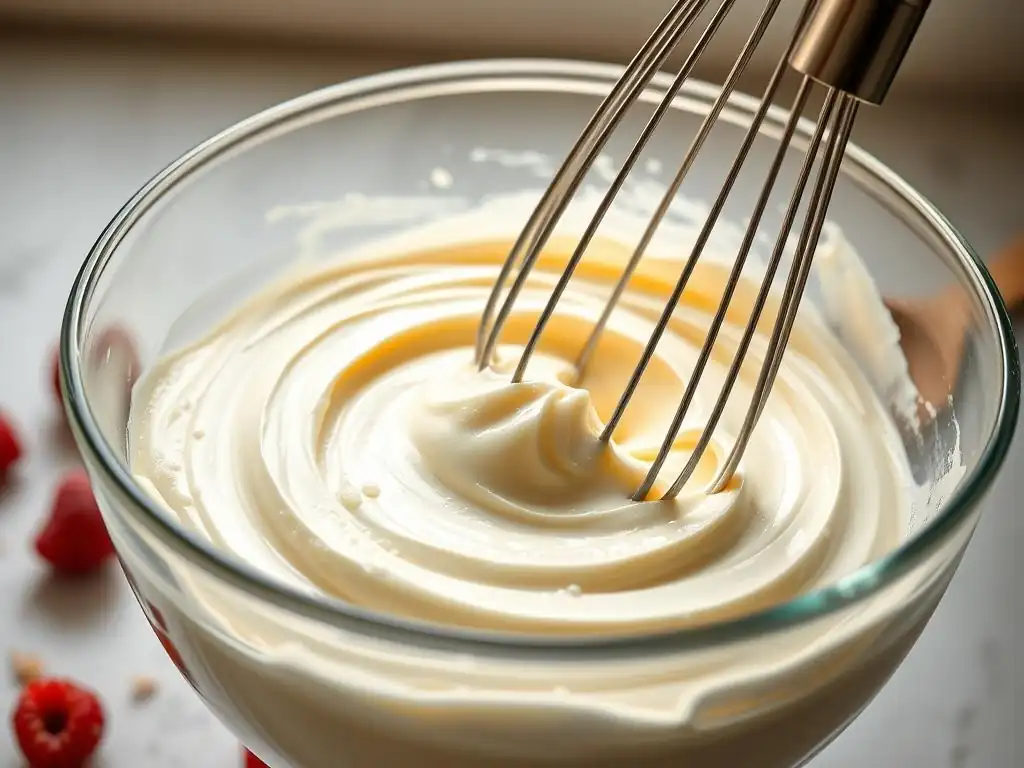
Achieving perfect emulsification consistently requires attention to detail. Here are some key tips:
- Use ingredients at the correct temperature: Especially for butter and eggs in creaming methods. Room temperature (65-70°F / 18-21°C) is often ideal for butter in cakes.
- Add liquids gradually: When incorporating eggs, milk, or other liquids into a fat base, add them slowly, allowing the emulsifiers time to work and stabilize the mixture before adding more.
- Beat thoroughly at key stages: Ensure sufficient mixing after adding emulsifier-rich ingredients like eggs to allow the emulsion to form properly.
- Don't rush the process: Give the mixture time to come together and become homogeneous.
- Use fresh ingredients: The quality and freshness of ingredients, particularly eggs, can impact their emulsifying properties.
- Consider adding a small amount of extra emulsifier: For challenging recipes or when seeking extra stability, a tiny pinch of soy lecithin (if available) can make a difference.
- Understand your recipe: Different methods (creaming, blending) require different approaches to emulsification. Follow recipe instructions carefully.
These practical emulsification baking stability tips can significantly improve the outcome of your baking projects.
Mastering Emulsification: A Path to Baking Excellence
Mastering emulsification is less about complex chemistry and more about understanding ingredient interactions and applying careful technique. It's about appreciating the delicate balance required to bring fat and water together harmoniously. By paying attention to ingredient temperatures, adding liquids gradually, and ensuring sufficient mixing at the right times, bakers can consistently achieve stable, smooth batters and doughs.
Developing an intuition for when an emulsion is stable – observing the texture, sheen, and consistency of the mixture – comes with practice. Experimenting with different recipes and observing how variations in technique affect the outcome will deepen your understanding. Embracing these emulsification baking stability tips is a fundamental step on the journey towards becoming a more skilled and confident baker, leading to consistently delicious results.
Conclusion: Emulsification – The Foundation of Stable and Delicious Bakes
Emulsification is a foundational concept in baking, bridging the gap between science and technique to create stable, delicious results. It's the essential dance between fat and water, guided by the clever work of emulsifier molecules. From the classic creaming method for cakes to the delicate balance required for sauces like Hollandaise, understanding and controlling emulsification is key to preventing separation, achieving desirable textures, and ensuring even baking.
By applying simple yet effective emulsification baking stability tips, bakers of all levels can unlock the secrets to smoother batters, tender crumbs, and consistently successful bakes. It's a skill that elevates your baking from simply mixing ingredients to truly mastering the art.
Frequently Asked Questions
What is emulsification in baking, and why is it important?
Emulsification is the process of combining two liquids that don't naturally mix, like fat and water. It's crucial for baking stability because it creates a smooth batter, preventing separation and ensuring even distribution of ingredients.
How does emulsification contribute to baking stability?
By creating a stable emulsion, emulsification prevents the separation of fat and water during baking. This results in a more uniform texture, better moisture retention, and ultimately, a more stable and consistent final product.
What are some common emulsifiers used in baking?
Common emulsifiers include egg yolks, lecithin (often found in soy lecithin), and mustard. These ingredients help to bind fat and water molecules, creating a stable emulsion.
What are some telltale signs that my batter is not properly emulsified?
Signs of poor emulsification include a grainy or curdled appearance, a batter that separates into layers, or an oily film on the surface. These issues can indicate a lack of stability in the batter.
What are some tips for improving emulsification in my baking recipes?
Ensure ingredients are at room temperature for better emulsification. Add fat gradually while mixing, and consider using an emulsifier like egg yolks or lecithin to promote binding and improve overall baking stability.
Final Reflection: The Enduring Power of Emulsification in Baking
The delicate balance of fat and water, the very essence of emulsification, isn't just a scientific principle; it's the bedrock of countless successful baked goods. Understanding this dance between seemingly opposing forces is crucial for achieving consistent, predictable, and delicious results in the kitchen. Mastering emulsification unlocks a world of culinary possibilities, transforming simple ingredients into extraordinary creations.
The impact of emulsification extends far beyond the immediate satisfaction of a perfectly textured cake or a creamy, stable frosting. It's a fundamental concept that underpins our understanding of food science and its role in shaping culinary traditions. The art of baking is a science, and the science is in the details.
This quote perfectly encapsulates the importance of understanding the underlying principles, like emulsification, to achieve consistent success and elevate our baking skills. The ongoing exploration of emulsification techniques continues to push the boundaries of what's possible in the culinary world, leading to innovative recipes and improved baking practices.
Now, consider your own baking experiences. Have you ever struggled with a separating sauce or a crumbly cake? Understanding the principles of emulsification can help you troubleshoot these issues and prevent them from happening again. Take the time to experiment, to observe the subtle changes in your mixtures, and to appreciate the intricate interplay of ingredients. By embracing the science behind the art, you'll not only improve your baking skills but also deepen your appreciation for the transformative power of emulsification. Go forth and create!
Unlock the Secrets of Stable Emulsions!
Thanks for exploring the fascinating world of emulsification with us! You've now got the knowledge to create smoother, richer, and more stable baked goods. Ready to put your new skills to the test?
- Master the Art of Emulsification: Try experimenting with different ratios of fat and water in your next recipe. Note the changes in texture and stability! You might be surprised by the results.
- Share your Emulsion Experiments: Post a picture of your creation on social media and tag us! Let's build a community of bakers mastering the perfect emulsion.
- Dive Deeper into Emulsification Techniques: Explore other emulsifying agents and their unique properties. What exciting possibilities can you discover?
What unique emulsion-based recipe are you eager to tackle next?