
Temperature's Role: How Heat Controls the Maillard Reaction in Your Oven

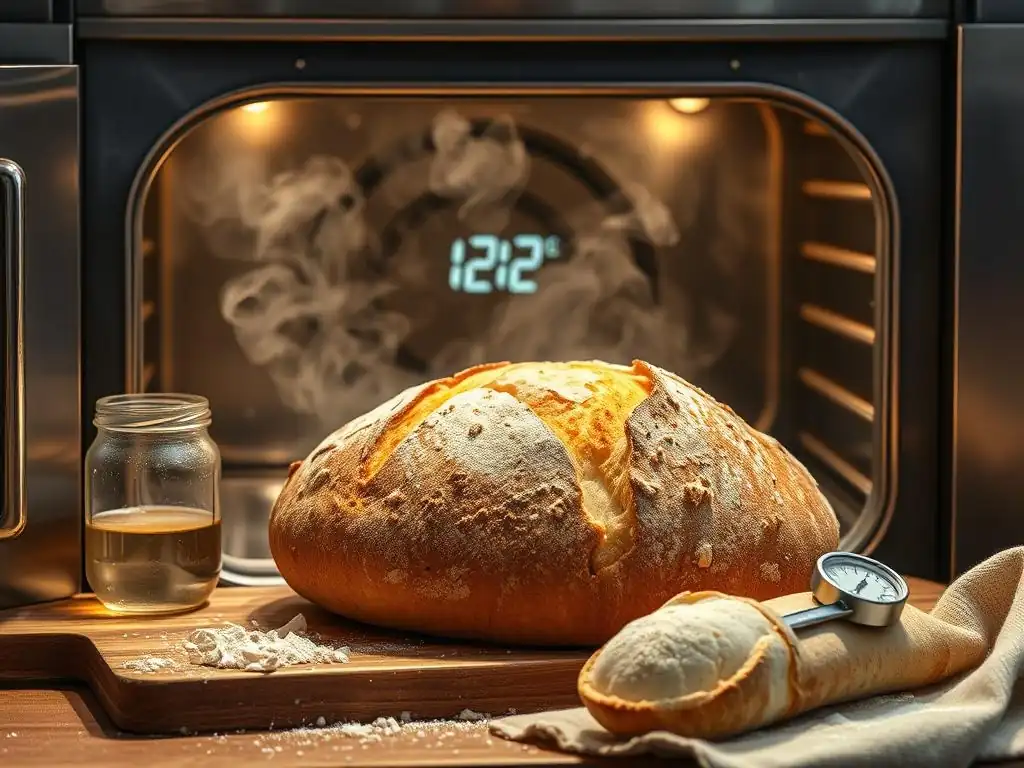
Welcome to BakeWithEase, where we unlock the secrets to baking success! Ever wondered how that irresistible golden-brown crust forms on your bread or pastries? This is where the magic of the Maillard reaction happens, and it's all about oven temperature. Join us as we delve deep into the science of baking and explore how heat orchestrates this crucial process, transforming simple ingredients into culinary masterpieces. Ready to understand how to perfectly control the Maillard reaction and elevate your baking? Let's get started!
- Temperature's Role: How Heat Controls the Maillard Reaction in Baking
- Understanding the Maillard Reaction in Baking: A Culinary Science Deep Dive
- Oven Temperature: The Key to Unlocking the Maillard Reaction
- The Impact of Oven Temperature on Maillard Reaction in Specific Baked Goods
- Factors Influencing the Maillard Reaction Beyond Oven Temperature
- Troubleshooting Maillard Reaction Issues in Your Baking
- Tips and Tricks for Mastering the Maillard Reaction in Your Oven
- Advanced Techniques for Controlling the Maillard Reaction
- Conclusion: Harnessing Oven Temperature for Baking Perfection
-
Frequently Asked Questions
- What is the Maillard reaction and why is it important in baking?
- How does oven temperature affect the Maillard reaction?
- What oven temperature is ideal for maximizing the Maillard reaction without burning my baked goods?
- Can I manipulate the Maillard reaction by adjusting ingredients?
- What are some common mistakes bakers make regarding oven temperature and the Maillard reaction?
- Final Reflection: Mastering the Maillard Reaction: From Oven to Inspiration
- Unlock Your Baking Potential: Master the Maillard Reaction!
Temperature's Role: How Heat Controls the Maillard Reaction in Baking
Understanding the Maillard Reaction in Baking: A Culinary Science Deep Dive
What is the Maillard Reaction and Why Does it Matter for Baking?
The Maillard reaction is a complex series of chemical reactions that occur between amino acids and reducing sugars when heated. This reaction is responsible for the rich brown color, enticing aromas, and deep, complex flavors that develop in many cooked foods, including baked goods. Think of the golden crust on a loaf of bread, the rich brown exterior of a cookie, or the savory notes in roasted meats – the Maillard reaction is the culinary magician behind these transformations.
Without it, our baked goods would be pale, lacking depth of flavor and that irresistible 'baked' aroma. Understanding the role of oven temperature in the Maillard reaction baking is crucial for achieving perfect results every time.
For anyone looking to elevate their baking, mastering the Maillard reaction is key. It's not just about making food look appealing; the compounds produced during this reaction contribute significantly to the taste and smell we associate with delicious baked items.
For example, the characteristic flavor of a perfectly baked chocolate chip cookie relies heavily on the Maillard reaction interacting with the sugars and proteins in the dough, alongside caramelization. The precise oven temperature Maillard reaction baking creates allows bakers to control the intensity of these flavors and colors, moving beyond merely cooking the item to truly developing its full potential.
The Science Behind Browning: Amino Acids, Reducing Sugars, and Heat
At its core, the Maillard reaction involves a chemical dance between amine groups (found in amino acids, the building blocks of proteins) and carbonyl groups (found in reducing sugars like glucose, fructose, and lactose). When sufficient heat is applied – typically above 140°C (284°F) – these molecules begin to react. This initial step is complex and involves a rearrangement called the Amadori rearrangement, which leads to the formation of Amadori compounds. These compounds are unstable and quickly break down or react further through a series of complex pathways.
These subsequent reactions generate hundreds of different flavor and aroma compounds (like pyrazines, furans, and melanoidins) and the brown pigments that give baked goods their characteristic color. The rate and outcome of these reactions are heavily dependent on several factors, with temperature being the most dominant in the oven.
For instance, a classic sourdough loaf baked at a high temperature, often starting around 230°C (450°F), develops a thick, deeply colored crust with robust flavor compounds primarily due to vigorous Maillard browning facilitated by the high heat. The specific temperature range for this oven temperature Maillard reaction baking process dictates which compounds are formed and in what quantities.
Oven Temperature: The Key to Unlocking the Maillard Reaction
The Ideal Temperature Range for Maillard Reaction in Baking
While the Maillard reaction can technically begin at temperatures as low as 30°C (86°F) over very long periods, it proceeds at a significant rate for baking purposes only when temperatures reach above 140°C (284°F). The most active range for the Maillard reaction to occur efficiently and noticeably in the oven is generally between 140°C (284°F) and 165°C (329°F).
Within this window, the reaction produces desirable brown pigments and a wide array of flavor compounds without immediately leading to burning or excessive moisture loss. This makes it a critical temperature zone for achieving balanced browning and flavor development in many baked goods.
However, it's important to note that while the reaction thrives in this 140-165°C range, many items are baked at higher temperatures. At temperatures above 165°C, the Maillard reaction accelerates rapidly, and caramelization (the browning of sugars alone) also begins to occur significantly, typically starting around 160-180°C (320-356°F) depending on the sugar type. The interplay between Maillard and caramelization at higher heats, common in bread crusts or crispy cookies baked at 190-220°C (375-425°F), is what creates their intense color and complex taste.
The crucial aspect is managing the time spent at these higher temperatures to achieve desired results without burning. The oven temperature Maillard reaction baking dynamics are highly sensitive to even small changes in heat.
How Different Oven Temperatures Affect Browning and Flavor Development
Varying the oven temperature has a profound impact on the Maillard reaction. Baking at temperatures below the ideal range, say 120°C (250°F), will result in very slow or negligible browning. Baked goods will cook through but remain pale and lack the characteristic 'baked' flavor complexity. This might be desirable for some specific applications, but generally, it indicates insufficient Maillard activity. For effective oven temperature Maillard reaction baking, you need adequate heat.
Conversely, baking at very high temperatures, above 200°C (400°F), accelerates the Maillard reaction and caramelization dramatically. While this can produce a wonderfully dark, flavorful crust on bread in a short time, it also increases the risk of burning the surface before the interior is cooked.
High heat also drives off moisture more quickly, potentially leading to a dry product. Finding the right oven temperature Maillard reaction baking balance for a specific recipe is often about managing the rate of these reactions – sometimes starting high for a crust, then lowering the temperature to finish cooking the interior, or maintaining a moderate temperature for even development.
The Impact of Oven Temperature on Maillard Reaction in Specific Baked Goods
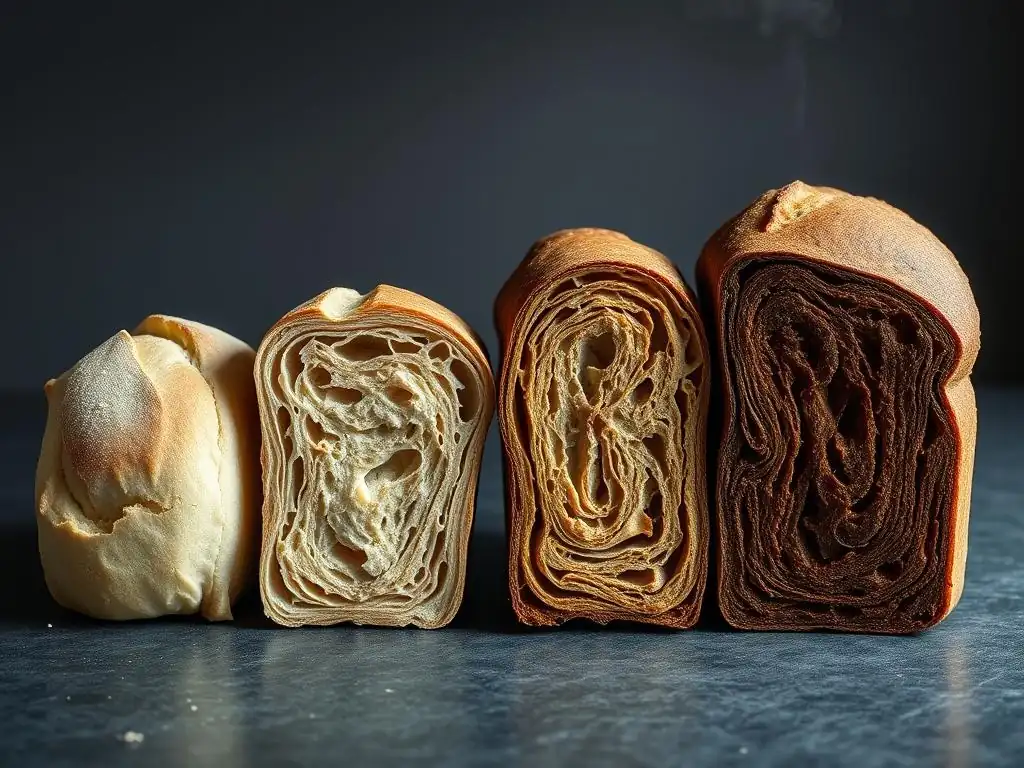
Maillard Reaction and Bread Crust: Temperature's Influence on Color and Texture
The crust of a loaf of bread is a prime example of the Maillard reaction at work, heavily influenced by oven temperature. Bread dough contains both amino acids (from flour protein) and reducing sugars (produced during fermentation). Baking bread often involves high initial temperatures, commonly between 200°C and 230°C (400°F and 450°F). This high heat rapidly evaporates surface moisture, allowing the surface temperature to quickly rise above the 140°C threshold needed for the Maillard reaction to proceed vigorously. The higher the temperature within this range, the faster and more intensely the crust browns and develops flavor.
This rapid Maillard reaction at high temperatures, combined with caramelization, creates the desirable complex flavors and the deep brown color of a well-baked bread crust. For instance, a baguette baked at 230°C (450°F) will develop a thin, crispy, dark crust with a distinct flavor profile compared to a softer loaf baked at 180°C (350°F).
The precise oven temperature Maillard reaction baking process dictates the thickness, crispness, and flavor intensity of the crust. Steam is often used in the oven during the initial phase of bread baking to keep the surface moist longer, delaying crust formation slightly and allowing for greater oven spring before the Maillard reaction sets the crust.
Cakes and cookies also rely on the Maillard reaction for color and flavor, but the desired level of browning and the typical oven temperatures differ from bread. Cakes are generally baked at lower temperatures, typically ranging from 160°C to 180°C (320°F to 350°F).
This moderate heat allows the cake batter to rise and set evenly without the surface browning too quickly, which could lead to a tough or dry exterior while the inside remains undercooked. The Maillard reaction still occurs, particularly on the bottom and sides that are in contact with the hot pan, contributing to the light golden color and subtle depth of flavor.
Cookies, on the other hand, often bake at slightly higher temperatures, commonly between 170°C and 190°C (340°F and 375°F). This higher heat encourages faster Maillard reaction and caramelization, especially around the edges and on the bottom of the cookie where the dough is thinner and heats up more quickly. This contributes to the desirable crispy edges and chewy centers found in many cookie recipes. The precise oven temperature Maillard reaction baking in cookies is what creates those coveted golden-brown edges and bottoms, adding texture and caramelized flavors that are essential to the cookie experience.
Roasting Vegetables: Maximizing Maillard Reaction for Flavor Enhancement
While not strictly "baking" in the sense of leavened goods, roasting vegetables in the oven utilizes the same principles of the Maillard reaction and caramelization to develop rich flavors. Vegetables like root vegetables, broccoli, or Brussels sprouts contain sugars and some amino acids. Roasting them at high temperatures, typically between 200°C and 220°C (400°F and 425°F), drives off moisture from their surface. Once the surface is dry, its temperature can quickly exceed 140°C, initiating vigorous Maillard reactions and caramelization.
This process transforms the flavor of vegetables from simple and fresh to complex, sweet, and savory. Think of the difference between steamed broccoli and roasted broccoli with its slightly charred, sweet, and nutty notes. The high oven temperature Maillard reaction baking (or roasting, in this case) on the surface of the vegetables creates those desirable browned spots and crispy edges that are packed with flavor. Ensuring adequate space between vegetables on the tray allows for better air circulation, promoting even moisture evaporation and consistent browning across the batch.
Factors Influencing the Maillard Reaction Beyond Oven Temperature
Moisture Content: How Humidity Affects Browning in the Oven
Moisture plays a significant role in governing the rate of the Maillard reaction in the oven. The reaction cannot occur effectively in the presence of large amounts of water because the water keeps the surface temperature below the critical 140°C (284°F) boiling point. While water is present, the heat energy is used for evaporation rather than raising the temperature of the food surface high enough for the reaction to proceed rapidly. This is why foods with high moisture content brown more slowly than drier foods at the same oven temperature.
In baking, this is particularly noticeable with bread. Introducing steam into the oven during the initial stages of baking keeps the surface of the dough moist, delaying crust formation and allowing the loaf to expand fully (oven spring) before the crust sets. Once the steam dissipates and the surface dries, the temperature quickly rises, and the Maillard reaction kicks into high gear, creating the crust. Conversely, a dry environment or a product with low moisture will brown very quickly, sometimes before the interior is cooked through, highlighting how moisture interacts with oven temperature Maillard reaction baking outcomes.
pH Levels: Understanding Acidity and Alkalinity's Role in Maillard Reaction
The pH level of your ingredients also impacts the speed of the Maillard reaction. The reaction proceeds much faster in alkaline (higher pH) environments and is significantly slowed down by acidic (lower pH) conditions. This is because the amine groups involved in the reaction are more reactive in their unprotonated form, which is favored at higher pH levels.
A classic example in baking is the use of baking soda (sodium bicarbonate), which is alkaline, in recipes like pretzels or certain types of cookies. Dipping pretzels in an alkaline solution before baking or adding baking soda to a cookie dough significantly accelerates the Maillard reaction, resulting in a deeper, richer brown color and unique flavor profile compared to versions made without it, even at the same oven temperature.
Conversely, highly acidic ingredients like lemon juice or vinegar in a batter can inhibit browning. This interaction between pH and oven temperature Maillard reaction baking kinetics is a powerful tool for bakers.
Sugar Types: Exploring How Different Sugars Brown at Different Temperatures
Not all sugars participate in the Maillard reaction equally. The reaction requires "reducing sugars," which include monosaccharides like glucose (dextrose) and fructose, and some disaccharides like lactose (milk sugar) and maltose. Sucrose (common table sugar), a disaccharide made of glucose and fructose linked together, is not a reducing sugar. However, in the presence of heat and moisture (especially acidic conditions), sucrose can break down into its constituent reducing sugars, glucose and fructose, which then participate in the Maillard reaction.
Different reducing sugars also react at slightly different rates and produce different flavor compounds. Fructose, for example, is more reactive in the Maillard reaction than glucose. This means that recipes using ingredients high in fructose (like honey or agave nectar) might brown more quickly or at slightly lower temperatures than those relying solely on sucrose or glucose, assuming other factors like oven temperature are equal. Understanding these differences helps explain variations in browning and flavor development across different recipes and ingredients, adding another layer to controlling the oven temperature Maillard reaction baking process.
Troubleshooting Maillard Reaction Issues in Your Baking
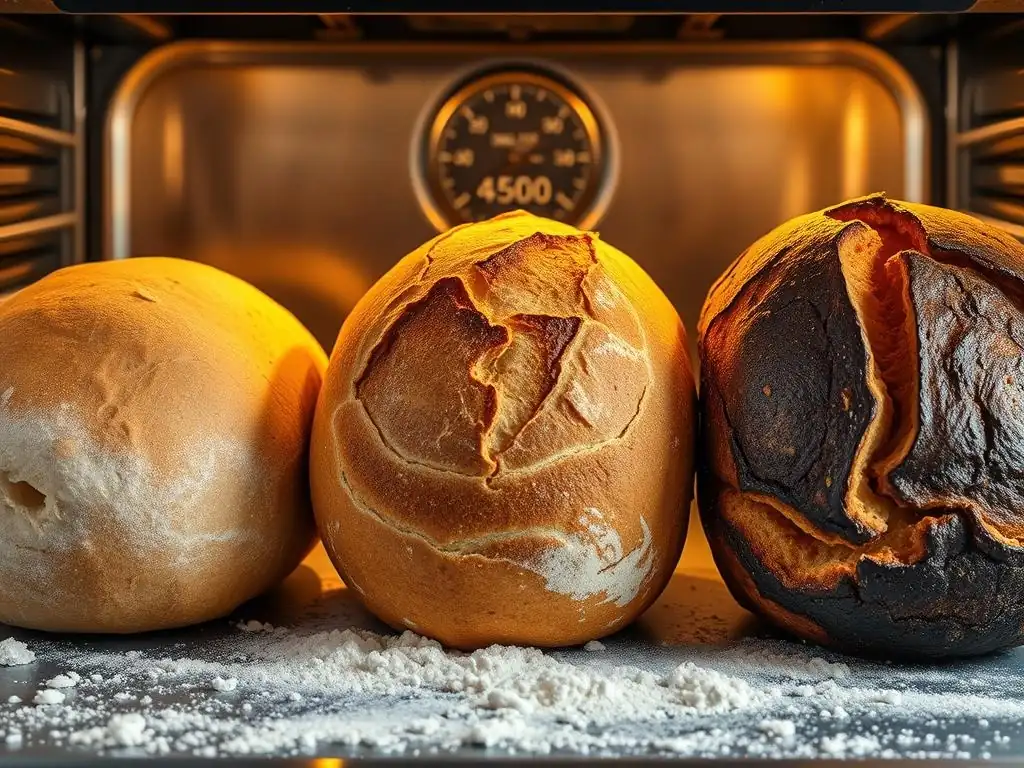
Pale Baked Goods: Increasing Oven Temperature for Better Browning
If your baked goods are coming out pale and lacking the desired golden-brown color and rich flavor, the most likely culprit is insufficient Maillard reaction. This is often due to the oven temperature being too low or the baking time being too short for the reaction to progress adequately. The surface of your product might not have reached or maintained the necessary 140°C (284°F) threshold long enough.
To remedy this, consider increasing your oven temperature slightly for the next bake, perhaps by 10-15°C (25-30°F), or extending the baking time. Ensure your oven is properly preheated, as placing goods into a cool oven significantly delays the start of the Maillard reaction. Monitor the baking closely after making adjustments to avoid over-browning. Verifying your oven's actual temperature with an independent thermometer is also a crucial step, as oven thermostats can be inaccurate, directly impacting the oven temperature Maillard reaction baking relies upon.
Over-Browning: Lowering Temperature and Adjusting Baking Time
Conversely, if your baked goods are browning too quickly, becoming excessively dark, or even burning on the surface before the interior is cooked, the oven temperature is likely too high, causing the Maillard reaction (and caramelization) to accelerate too rapidly. High heat can also lead to a tough crust and dry interior as moisture is driven off too quickly.
To prevent over-browning, reduce your oven temperature, typically by 10-15°C (25-30°F). You may also need to shorten the baking time. If the edges are browning much faster than the center, you can try covering the edges with strips of aluminum foil partway through baking. For items like cakes or loaves that are browning too much on top, loosely tenting the item with foil can shield the surface while allowing the inside to finish cooking. Adjusting the oven temperature Maillard reaction baking speed is key here.
Uneven Browning: Ensuring Consistent Oven Temperature and Air Circulation
Uneven browning, where one side or part of your baked good is significantly darker than another, is often a sign of hot spots or inconsistent temperatures within your oven, or poor air circulation around the item. Many ovens have areas that are hotter than others, often near the back or sides.
To promote even browning, use an oven thermometer to identify if your oven has significant temperature variations. If possible, rotate your baking sheet or pan halfway through the baking time. If your oven has a convection setting, using it can help circulate hot air more evenly, leading to more consistent oven temperature Maillard reaction baking across the entire surface of your product. Avoid overcrowding the oven, as this restricts airflow and can lead to uneven heating and browning.
Tips and Tricks for Mastering the Maillard Reaction in Your Oven
Preheating Your Oven: The Importance of a Consistent Starting Temperature
Properly preheating your oven is perhaps the most fundamental step in ensuring successful Maillard reaction in baking. Placing dough or batter into an oven that has not reached its target temperature means the product will sit in a gradually warming environment. This slow rise in temperature can lead to unpredictable results, including delayed or insufficient browning.
A properly preheated oven, usually requiring 15-20 minutes after the indicator light goes off (or even longer for some ovens to fully saturate with heat), ensures that the moment your baked goods enter, they are exposed to the intended, consistent heat. This allows the Maillard reaction to begin promptly at the correct rate determined by the recipe's specified oven temperature, leading to reliable and repeatable browning and flavor development. Consistent oven temperature is paramount for controlling the Maillard reaction baking outcomes.
Using an Oven Thermometer: Ensuring Accurate Temperature Readings
Relying solely on your oven's built-in thermostat can be misleading. Many home oven thermostats can be inaccurate, sometimes off by as much as 20-50°F (10-30°C) or more. This discrepancy directly affects the rate of the Maillard reaction and can be the reason behind pale or burnt results even when following a recipe precisely.
Investing in an inexpensive, standalone oven thermometer is a simple yet highly effective way to ensure your oven is actually at the temperature you've set. Place it near where your baked goods will sit. If the thermometer consistently reads differently from the set temperature, you can adjust your oven setting accordingly. For example, if you want to bake at 180°C (350°F) but your thermometer reads 160°C (320°F), you know to set your oven higher until the thermometer shows the correct temperature. Accurate oven temperature is the foundation for mastering the Maillard reaction baking process.
Rotating Your Baked Goods: Promoting Even Browning During Baking
Even in a well-calibrated oven, slight temperature variations or the position relative to heating elements can cause parts of your baked goods to brown faster than others. This is where rotating your baking sheets or pans comes in handy.
Turning your pan 180 degrees halfway through the baking time exposes different parts of the item to potentially hotter or cooler spots in the oven, helping to even out the browning. This is especially useful for cookies on a large sheet or multiple loaves of bread. By ensuring that all surfaces spend roughly equal time in different areas of the oven, you promote more consistent Maillard reaction across the entire batch, resulting in uniformly golden-brown and perfectly flavored baked goods. This simple technique complements accurate oven temperature Maillard reaction baking by mitigating internal oven inconsistencies.
Advanced Techniques for Controlling the Maillard Reaction
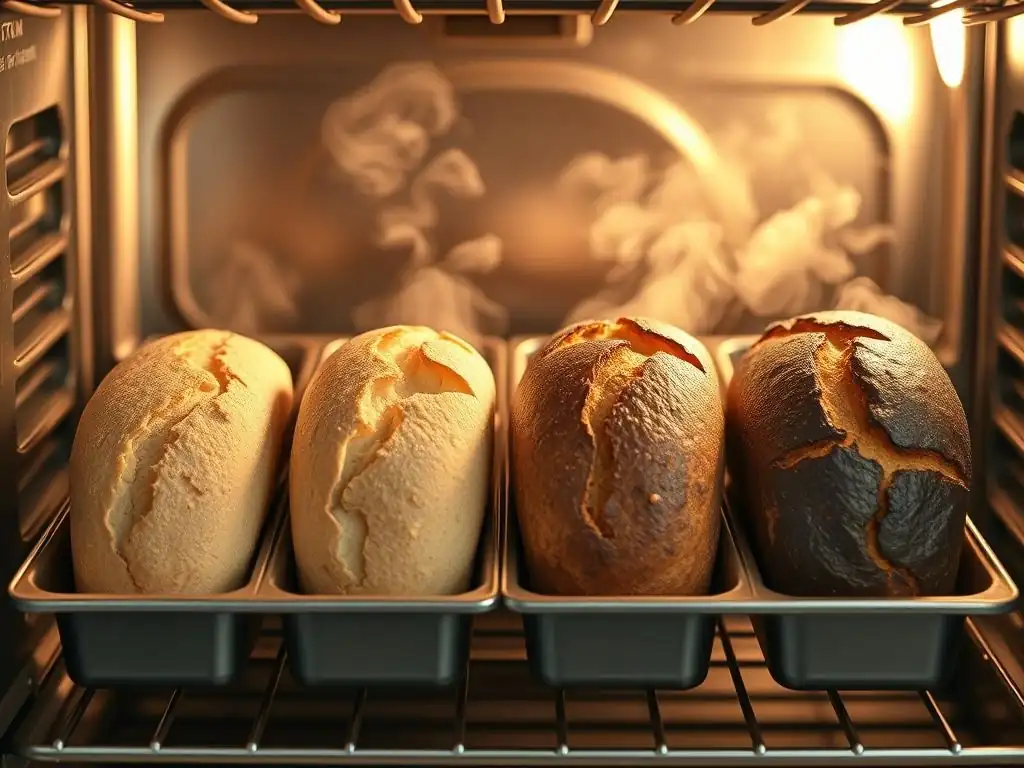
Using Milk or Egg Washes: Enhancing Browning on Bread and Pastries
Applying a wash to the surface of bread or pastries before baking is a classic technique to enhance both shine and browning through the Maillard reaction. Washes typically contain proteins (from egg or milk) and sugars (lactose in milk, or sometimes added sugar). When exposed to oven heat, these components readily participate in the Maillard reaction on the surface.
Different washes yield different results: a simple water wash promotes a crisp crust but minimal browning; a milk wash adds lactose and some protein for light golden color; an egg white wash provides shine but less color; and a whole egg or egg yolk wash (often mixed with water or milk) provides the richest source of protein and fat, leading to a deep golden-brown color and significant shine, like that seen on challah, brioche, or croissants. This surface treatment directly influences the oven temperature Maillard reaction baking on the exterior.
Sugar Glazes: Adding Flavor and Color Through Maillard Reaction
While often applied after baking for sweetness and decoration, some glazes or coatings containing sugar are applied before or during baking and contribute to both Maillard browning and caramelization on the surface. For instance, brushing a sweet syrup onto pastries or rolls partway through baking or coating nuts in a sugar mixture before roasting utilizes the sugars on the surface to drive browning.
These glazes provide a concentrated source of sugar directly on the surface, which reacts with proteins (if present) and undergoes caramelization at typical oven temperatures. This creates a sticky, flavorful, and deeply colored exterior. Examples include the tops of sticky buns or certain fruit tarts where a sugar mixture is baked onto the fruit. The high concentration of sugar and direct heat interaction enhances the oven temperature Maillard reaction baking on the surface layer.
Utilizing Baking Soda: Alkalinity's effect on Maillard Browning.
As mentioned earlier, increasing the pH level accelerates the Maillard reaction. Bakers can strategically use small amounts of alkaline ingredients like baking soda (sodium bicarbonate) to achieve specific browning effects. This is famously done when making pretzels, where a brief dip in a boiling baking soda solution creates a highly alkaline surface that browns intensely and rapidly in the oven, producing the characteristic dark crust and chewy texture.
Similarly, some cookie recipes include a small amount of baking soda even if no acid is present to react with it. This slight increase in pH encourages faster and deeper browning compared to using baking powder or no leavener at all. It's a powerful way to boost the oven temperature Maillard reaction baking at a given heat setting, allowing for richer color and flavor development without resorting to excessively high temperatures that might dry out the product. However, too much baking soda can impart a soapy flavor, so moderation is key.
Conclusion: Harnessing Oven Temperature for Baking Perfection
The Art and Science of the Maillard Reaction: A Summary
The Maillard reaction is a cornerstone of delicious baking, responsible for the enticing colors, aromas, and complex flavors we cherish in everything from crusty bread to golden cookies. This intricate chemical process, involving amino acids and reducing sugars, is profoundly influenced by heat. Mastering the oven temperature Maillard reaction baking dynamics is essential for achieving predictable and desirable results.
We've explored how different temperature ranges affect the rate and outcome of the reaction, from the optimal 140-165°C zone for steady browning to higher temperatures that accelerate the process and introduce caramelization. We've also seen how factors like moisture, pH, and sugar type interact with oven temperature to fine-tune the browning process. By understanding these principles, bakers can move beyond simply following recipes and gain the ability to troubleshoot issues like pale or over-browned goods and employ techniques to enhance browning deliberately.
Further Exploration: Resources for Mastering Baking Techniques
Developing a deep understanding of scientific principles like the Maillard reaction and how they are controlled by factors like oven temperature is a rewarding journey for any baker. It transforms baking from a set of instructions into a creative process where you can anticipate outcomes and adapt techniques. Continuing to explore the science behind ingredients and processes will further empower you in the kitchen.
Frequently Asked Questions
What is the Maillard reaction and why is it important in baking?
The Maillard reaction is a chemical reaction between amino acids and reducing sugars that occurs when heated. It's crucial in baking because it's responsible for the browning and flavor development in baked goods.
How does oven temperature affect the Maillard reaction?
Higher oven temperatures generally accelerate the Maillard reaction, leading to faster browning and a more intense flavor. Lower temperatures result in a slower reaction and a lighter color and milder flavor.
What oven temperature is ideal for maximizing the Maillard reaction without burning my baked goods?
There's no single ideal temperature, as it depends on the recipe. However, a range of 300°F (150°C) to 350°F (175°C) is often a good starting point for achieving a balance between browning and even cooking.
Can I manipulate the Maillard reaction by adjusting ingredients?
Yes! Ingredients like sugar and protein directly influence the Maillard reaction. Adding more of these ingredients can enhance browning and flavor.
What are some common mistakes bakers make regarding oven temperature and the Maillard reaction?
Common mistakes include using too high of a temperature, which leads to burning, and using too low of a temperature, which results in pale and under-flavored baked goods. Understanding your oven's calibration is also essential for consistency.
Final Reflection: Mastering the Maillard Reaction: From Oven to Inspiration
Understanding the precise role of oven temperature in achieving the perfect Maillard reaction is not just about achieving a golden-brown crust; it's about unlocking the full potential of flavor and aroma in your baking. This nuanced control, as explored throughout this article, translates directly to the quality of your baked goods, impacting everything from the texture of a perfectly crisp baguette to the depth of flavor in a rich chocolate cake. The seemingly simple act of setting your oven's dial becomes a gateway to culinary artistry.
The Maillard reaction, far from being a mere chemical process, is a fundamental element of our culinary heritage, shaping our sensory experiences and cultural traditions. It's woven into the fabric of countless recipes, passed down through generations, each iteration a testament to the power of controlled heat. As we've seen, understanding its intricacies allows us to appreciate the artistry involved in baking, moving beyond simple instructions to a deeper understanding of the transformative power of heat. The kitchen is a laboratory of flavors, and the Maillard reaction is one of its most potent reagents.
Now, consider your own baking journey. What new possibilities does this deeper understanding of oven temperature and the Maillard reaction unlock for you? Experiment with different temperatures, observe the subtle shifts in color and aroma, and refine your technique. Embrace the scientific precision while nurturing your creative spirit. The next time you preheat your oven, remember the transformative power you hold in your hands – the ability to orchestrate a chemical symphony that results in culinary masterpieces. Go forth and bake with intention!
Unlock Your Baking Potential: Master the Maillard Reaction!
Thanks for diving into the fascinating world of the Maillard reaction! You now understand how temperature is the key to unlocking those delicious browned, crispy, and flavorful results we all crave. Ready to put your newfound knowledge into practice?
- Experiment with your oven's temperature settings: Try adjusting your baking temperature by just 10-20 degrees Fahrenheit for your next recipe – observe the difference it makes in the browning and flavor profile! This is your primary action.
- Share your baking triumphs (and challenges!) with our community on social media using #BakeWithEaseMaillard. Let’s learn together!
- Explore our recipe section for dishes that highlight the Maillard reaction—we've got some amazing options to try!
So, what delicious dish will you bake next to truly master the Maillard reaction?