
Flour Power Play: How Different Flours Affect Gluten

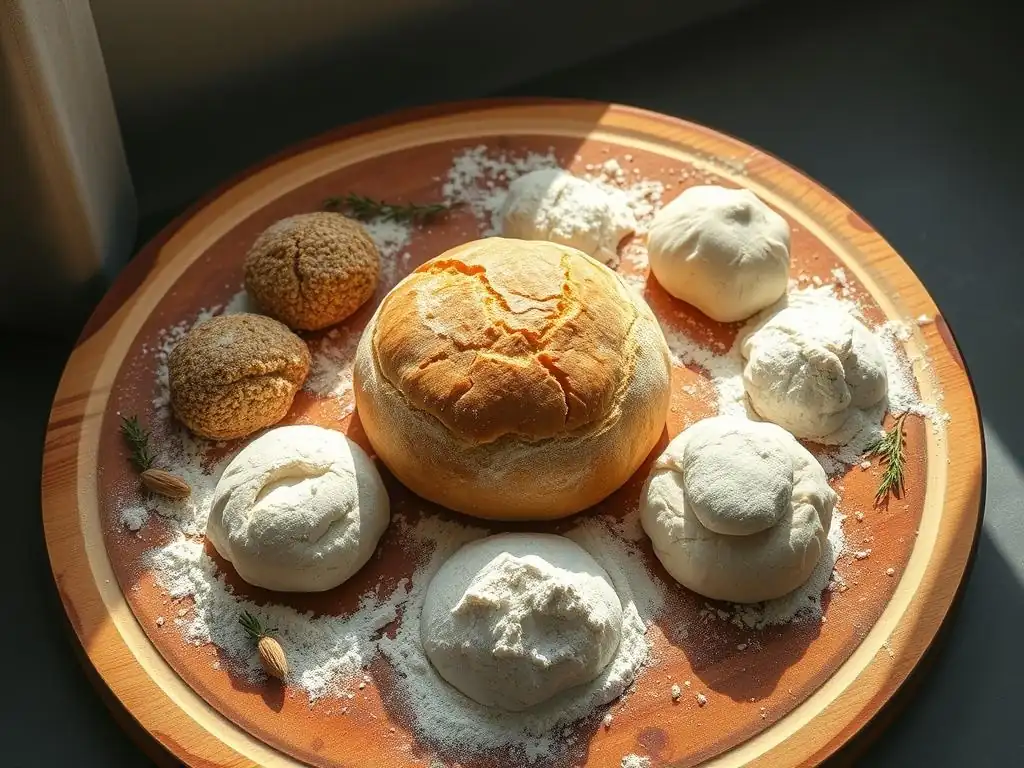
Welcome to BakeWithEase, your haven for all things baking! Ever wondered how seemingly identical bags of flour can yield drastically different results in your baking? Dive into our Baking Science Deep Dive and unlock the secrets behind Flour Power Play: How Different Flours Affect Gluten. We'll explore the fascinating world of flours and their impact on gluten development, answering questions you didn't even know you had and empowering you to bake with confidence. Ready to unleash your inner baking scientist?
- Understanding Gluten Development in Baking
- The Impact of Flour Type on Gluten Strength
- Exploring Gluten Development with Different Flours
- Flour Composition and Gluten Formation: A Deeper Dive
- Mastering Gluten Control with Flour Selection
- Troubleshooting Gluten Issues with Different Flours
- Experimenting with Different Flours for Unique Baking Results
- Gluten Development in Baking: Key Takeaways and Best Practices
- Frequently Asked Questions
- Final Reflection: The Flourishing World of Gluten Development
- Unleash Your Inner Baker: Master Flour Power!
Understanding Gluten Development in Baking
What is Gluten and Why is it Important?
Gluten is a protein network that forms when two proteins found in wheat, rye, and barley – gliadin and glutenin – are combined with water and manipulated, typically through kneading or mixing. Gliadin is responsible for the extensibility or stretchiness of dough, while glutenin provides elasticity and strength. Together, they create a complex structure that is crucial for the success of many baked goods. This network acts like a scaffolding, trapping the gases produced by leavening agents (like yeast or baking powder) and allowing dough to rise and hold its shape during baking.
The importance of gluten in baking cannot be overstated, particularly in bread making. It provides the necessary structure for a loaf to achieve good volume and a desirable crumb texture. Without a well-developed gluten network, bread would be flat and dense. In other baked goods, gluten contributes to chewiness in cookies, tenderness in cakes (when minimized), and flakiness in pastries. Understanding how different flours affect gluten development is key to controlling the final texture and structure of your creations.
The Role of Protein in Gluten Formation
The potential for gluten development in flour is directly related to its protein content. Wheat flours vary significantly in the amount of protein they contain, ranging from as low as 7% to over 14%. When flour is mixed with water, the gliadin and glutenin proteins absorb the liquid and begin to bond. Mechanical action, such as kneading or mixing, then helps these proteins link together, forming long, elastic strands that create the gluten network. The more protein present, the stronger and more extensive this network can become.
Flours with higher protein content, like bread flour, have a greater capacity to form a strong gluten structure, which is essential for recipes requiring significant rise and chewiness, such as artisan breads or pizza dough. Conversely, flours with lower protein content, such as cake flour, will develop a weaker gluten network, resulting in a more tender and delicate crumb, perfect for cakes and pastries where a light texture is desired. The interaction between protein, water, and manipulation dictates the strength and elasticity of the dough, fundamentally influencing the outcome of your baking project.
The Impact of Flour Type on Gluten Strength
All-Purpose Flour: The Baking Standard
All-purpose flour is a versatile, mid-range protein flour, typically containing about 10% to 12% protein. This moderate protein level allows it to develop a gluten network that is strong enough for many recipes but not so strong that it makes baked goods tough. It's called "all-purpose" because it can be used successfully in a wide variety of applications, from cookies and muffins to quick breads and even some yeast breads, though it won't produce the same robust structure as higher-protein flours.
Because of its balanced protein content, all-purpose flour offers a good balance of tenderness and structure. When used in cookies, it provides enough gluten for a chewy texture without being overly tough. For quick breads like muffins or scones, minimal mixing is usually recommended to limit gluten development and ensure a tender result. It's the go-to flour for many home bakers due to its availability and adaptability across a broad spectrum of recipes, making it a reliable choice for experimenting with different flours and gluten development in baking.
Bread Flour: High Protein for Strong Gluten
Bread flour is specifically milled from hard wheat varieties and boasts a higher protein content, usually ranging from 12% to 14% or even higher. This elevated protein level means bread flour has a much greater potential for developing a strong, elastic gluten network compared to all-purpose flour. This robust structure is crucial for yeast-leavened breads, allowing them to trap carbon dioxide gas more effectively, resulting in significant oven spring, excellent volume, and a characteristic chewy texture.
The strong gluten development facilitated by bread flour is essential for recipes that undergo extensive kneading and require a stable structure to support a long fermentation process. Think of crusty baguettes, chewy bagels, or hearty sandwich loaves – these all benefit from the strength and elasticity that high-protein bread flour provides. Using bread flour is a key factor in achieving the desired texture and rise in many traditional bread recipes, showcasing how different flours impact gluten development dramatically.
Cake Flour: Low Protein for Tender Crumb
Cake flour is a finely milled flour derived from soft wheat, characterized by a low protein content, typically between 7% and 9%. This low protein level means that cake flour develops a very weak gluten network, which is precisely what is desired for delicate baked goods. Additionally, cake flour is often chlorinated, a process that further inhibits gluten formation and alters starch granules, allowing them to absorb more liquid and sugar, contributing to a moist and tender crumb.
The minimal gluten development with cake flour is paramount for achieving the signature soft, fine, and tender texture of cakes, cupcakes, and some pastries. Recipes calling for cake flour aim to minimize toughness by limiting gluten formation through gentle mixing and the flour's inherent composition. Using cake flour is a deliberate choice to ensure a light and airy result, highlighting the significant difference in gluten potential compared to higher-protein flours and how different flours affect gluten development for specific outcomes.
Pastry Flour: Balancing Gluten and Tenderness
Pastry flour falls between cake flour and all-purpose flour in terms of protein content, usually containing around 9% to 10% protein. Like cake flour, it's milled from soft wheat, giving it a fine texture. Its moderate protein level allows for some gluten development, providing a bit more structure than cake flour, but significantly less than all-purpose or bread flour. This balance makes it ideal for pastries where a tender but slightly structured result is desired.
This flour is perfect for applications like pies, tarts, biscuits, and some cookies where you want tenderness but also enough structure to hold shape. For instance, in pie crusts, pastry flour helps create a flaky texture while preventing the dough from becoming tough, a common issue with higher-protein flours. Its ability to strike a balance between tenderness and structure demonstrates another way different flours affect gluten development, offering bakers a specific tool for achieving particular textures in their baked goods.
Exploring Gluten Development with Different Flours
Wheat Flour Varieties and Gluten Potential
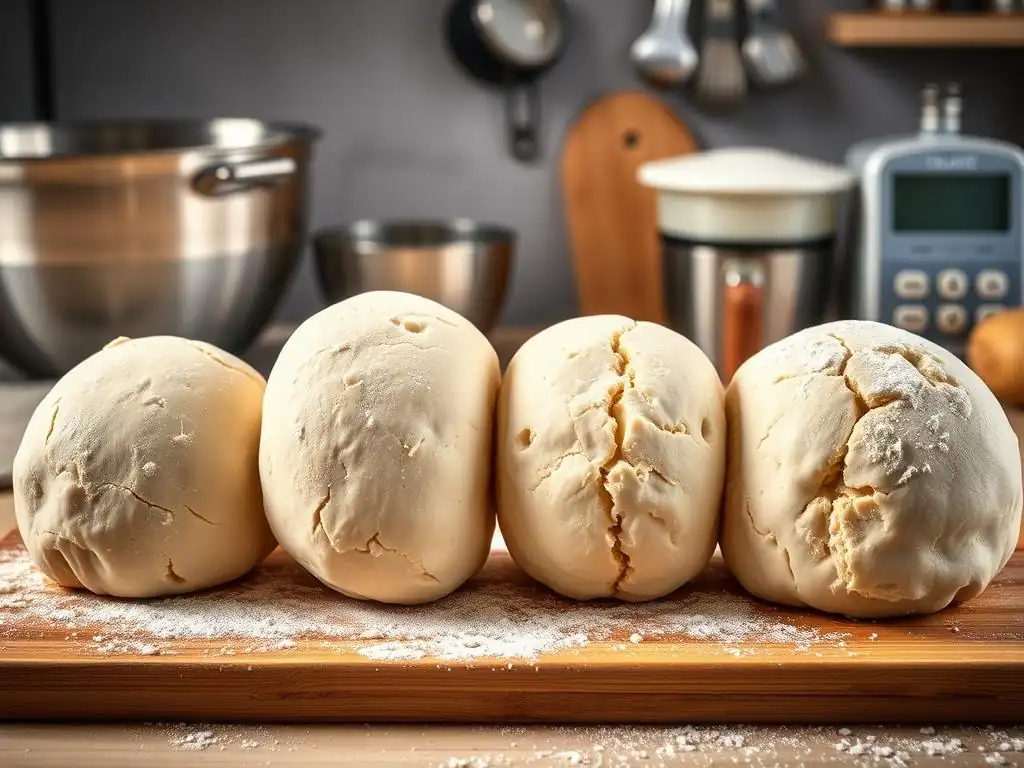
The type of wheat grain used to produce flour is a primary determinant of its protein content and, consequently, its gluten potential. Different wheat varieties are classified based on their hardness (indicating protein content) and color (red or white). Hard wheat varieties are higher in protein and yield flours suitable for bread making, while soft wheat varieties are lower in protein and are used for more delicate baked goods like cakes and pastries. Understanding these classifications helps predict how a flour will behave regarding gluten development.
For example, hard red winter wheat is a common source for bread flour due to its high protein content, typically above 11%. Soft red winter wheat, on the other hand, has lower protein and is often used for pastry flour. The inherent characteristics of the wheat kernel dictate the starting point for gluten development, making the choice of wheat variety crucial for the final texture and structure of baked goods. Exploring different flours and gluten development possibilities starts with understanding their origin.
Hard Wheat vs. Soft Wheat: Gluten Differences
Hard wheat, such as hard red winter or hard red spring wheat, is characterized by a dense endosperm and a protein content generally ranging from 11% to 15%. Flours milled from hard wheat, like bread flour and some all-purpose flours, have a higher concentration of gluten-forming proteins (gliadin and glutenin). When hydrated and worked, these proteins readily form strong, elastic gluten networks capable of trapping large amounts of gas, leading to excellent volume and chewy texture in baked goods, particularly yeast breads.
Soft wheat, including soft red winter and soft white wheat, has a softer endosperm and a lower protein content, typically ranging from 7% to 10%. Flours made from soft wheat, such as cake flour and pastry flour, have less potential for strong gluten development. The resulting gluten network is weaker and more delicate. This is desirable for baked goods where tenderness is paramount, such as cakes, cookies, and pastries, as excessive gluten would result in a tough texture. The fundamental difference in protein structure between hard and soft wheat is the bedrock of how different flours affect gluten development.
Gluten-Free Flours and Their Effects on Baking
Gluten-free flours are derived from grains, seeds, or tubers that do not contain the proteins gliadin and glutenin, such as rice, corn, almond, tapioca, potato, and sorghum. Because they lack these specific proteins, gluten-free flours cannot form a traditional gluten network on their own when mixed with water. This fundamental difference means that baking with gluten-free flours requires alternative strategies to provide structure, elasticity, and cohesion to baked goods.
The absence of gluten significantly impacts the texture and structure of baked goods. Doughs made solely from a single gluten-free flour often lack elasticity and can be crumbly or dense. Achieving a texture similar to traditional wheat-based goods usually involves blending multiple gluten-free flours to balance their properties and incorporating binders like xanthan gum, psyllium husk, or eggs to mimic some of the functions of gluten, such as holding the structure together and providing some elasticity.
Common Gluten-Free Flour Options: Rice Flour, Almond Flour, Tapioca Flour
Rice flour, available in white and brown varieties, is a popular gluten-free option. White rice flour is finely ground and relatively neutral in flavor, often used as a base in gluten-free flour blends. Brown rice flour adds more nutrients and a slightly nuttier flavor but can result in a grittier texture if not finely milled. Neither forms gluten, so they provide bulk and some structure but require binders for cohesion.
Almond flour, made from ground almonds, is rich in fat and protein but contains no gluten-forming proteins. It adds moisture, richness, and a distinct flavor to baked goods. However, its lack of gluten means it doesn't provide structure on its own and can result in dense or crumbly textures if not balanced with other flours or binders. Tapioca flour (or starch), derived from the cassava root, is primarily starch. It adds chewiness and helps bind ingredients but offers no structural support from protein, highlighting how different flours affect gluten development (or lack thereof) in unique ways.
How Gluten-Free Flours Affect Texture and Structure
Without the elastic network provided by gluten, baked goods made with gluten-free flours often face challenges with texture and structure. They can be prone to crumbling due to lack of protein cohesion, or become dense and heavy because there's no gluten network to trap gases and provide lift. Achieving a light, airy texture and a stable structure requires careful formulation, often involving a blend of different gluten-free flours, each contributing unique properties (e.g., rice flour for structure, tapioca starch for chewiness, almond flour for moisture).
To compensate for the absence of gluten, bakers frequently add hydrocolloids like xanthan gum or psyllium husk, which absorb water and provide a gel-like structure that helps bind the ingredients together and mimic the elasticity of gluten. For example, adding 1/2 teaspoon of xanthan gum per cup of gluten-free flour blend in a cookie recipe can help prevent crumbling, while 1 teaspoon per cup in a bread recipe is often needed for better structure and rise. Mastering gluten development with different flours in the gluten-free world means understanding these alternative binding agents.
Flour Composition and Gluten Formation: A Deeper Dive
Protein Content and Gluten Network
As previously discussed, the protein content of flour is the primary factor determining its potential for gluten development. Higher protein flours, like bread flour (12-14% protein), contain more of the key proteins, gliadin and glutenin, which link together to form a strong, elastic network. This robust network is capable of stretching and trapping the gases produced by yeast, allowing bread dough to expand significantly and achieve a light, airy crumb with good volume.
Conversely, flours with lower protein content, such as cake flour (7-9% protein), have fewer gliadin and glutenin proteins available to form a gluten network. Even with significant mixing, the resulting network will be weak and delicate. This minimal gluten development is essential for achieving the desired tender and fine crumb structure in cakes and pastries. Understanding the specific protein percentage, even within similar flour types, can provide clues about its expected performance and how different flours affect gluten development in a recipe.
Starch Content and its Influence on Gluten
While protein forms the gluten network, starch makes up the bulk of wheat flour, typically 65% to 75% by weight. Starch granules are embedded within the protein matrix of the dough. Although starch itself doesn't form gluten, it significantly influences dough hydration and texture. During mixing, starch granules absorb water, competing with the proteins for available liquid. This absorption affects the consistency of the dough and the hydration level of the gluten network.
Furthermore, the state of the starch granules can impact gluten development. Damaged starch, which can occur during milling, absorbs significantly more water than intact starch granules. A higher proportion of damaged starch can lead to sticky doughs and impact the optimal hydration needed for proper gluten formation. While not directly involved in forming the protein network, starch's interaction with water and its physical presence within the dough are important factors in understanding how different flours affect gluten development and overall dough behavior.
Ash Content and its Impact on Gluten Development
Ash content in flour refers to the mineral content that remains after the flour is burned. It's essentially a measure of how much of the outer layers of the wheat kernel (bran and germ), which are rich in minerals, is included in the flour. White flours, milled from the endosperm only, have low ash content (typically below 0.5%). Whole wheat flour, which includes the bran and germ, has a much higher ash content (often 1.5% or more).
Higher ash content, as found in whole wheat or less refined flours, can interfere with gluten development. The sharp particles of bran and germ can physically cut the delicate gluten strands as the network forms during mixing. This can result in a weaker, less elastic dough compared to doughs made with low-ash white flour of similar protein content. While these components add flavor and nutrition, they do present a challenge when aiming for maximum gluten development, illustrating another aspect of how different flours affect gluten formation.
Mastering Gluten Control with Flour Selection
Choosing the Right Flour for Your Baking Project
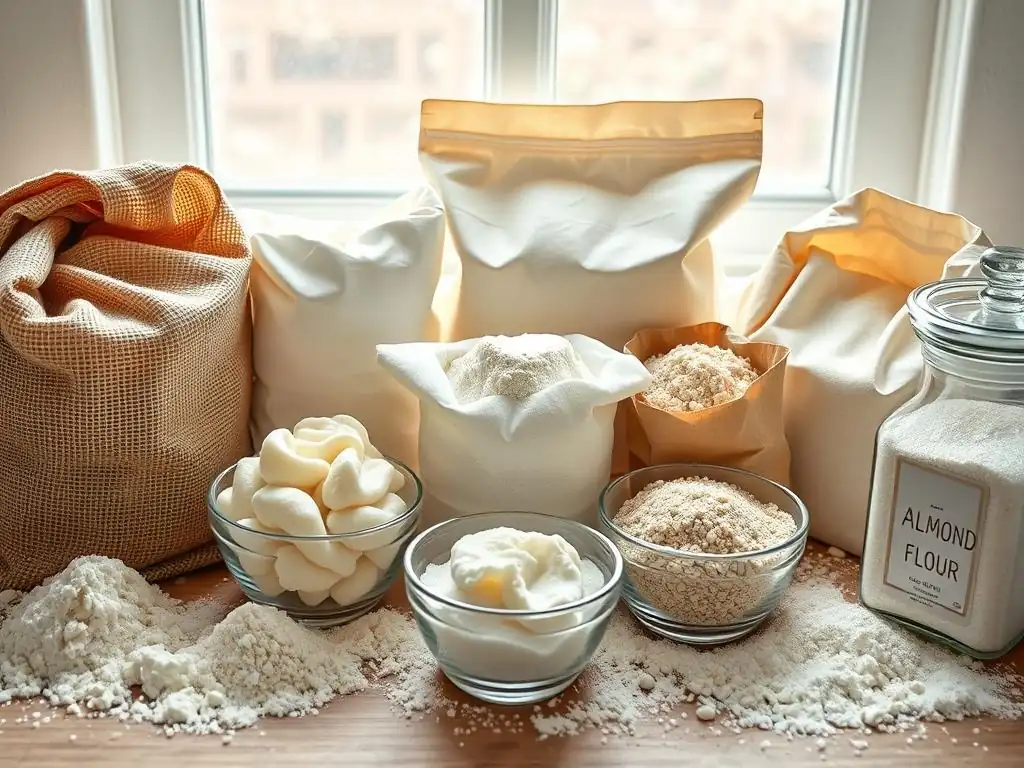
Selecting the appropriate flour is the foundational step in controlling gluten development to achieve the desired outcome in your baking. For recipes requiring significant structure and chewiness, such as artisanal bread, pizza dough, or chewy bagels, a high-protein bread flour is the optimal choice due to its capacity for strong gluten network formation. This allows the dough to develop the necessary elasticity and strength to hold its shape and rise properly during fermentation and baking.
Conversely, when aiming for a tender, delicate texture, like in cakes, muffins, or scones, a low-protein flour such as cake flour or pastry flour is preferred. These flours develop minimal gluten, preventing the baked goods from becoming tough. Using cake flour for a light sponge cake, for instance, ensures a fine crumb and soft texture. Understanding the protein content and intended use of different flours is crucial for mastering gluten development in baking and consistently producing successful results.
Techniques to Enhance or Inhibit Gluten Development
Beyond choosing the right flour, various techniques can be employed during the baking process to either enhance or inhibit gluten development, further tailoring the texture of your baked goods. For recipes where a strong gluten network is desired, such as yeast breads, techniques like vigorous kneading, proper hydration, and sufficient rest times are key to encouraging protein linkage and network formation. The mechanical action of kneading aligns the protein strands, while water is essential for the proteins to bond.
Conversely, in recipes where minimal gluten development is necessary for tenderness, techniques focus on inhibiting the process. This includes using ingredients like fat, sugar, and acid, which coat flour particles or interfere with protein bonding. For example, incorporating butter into pie crust dough before adding water helps coat the flour, limiting gluten formation and promoting flakiness. Gentle mixing, cold ingredients, and avoiding overworking the dough are also crucial strategies when working with different flours to control gluten development for tender results.
Kneading Techniques for Optimal Gluten Formation
Kneading is a vital mechanical process that significantly enhances gluten development in doughs made with wheat flour. Whether done by hand or with a stand mixer, kneading stretches and folds the dough, causing the hydrated gliadin and glutenin proteins to align and bond with each other, forming a strong, elastic network.
For yeast breads, adequate kneading is essential to build sufficient gluten structure to support the dough's rise and create a desirable chewy texture. The "windowpane test" is a common method to check if gluten is sufficiently developed: a small piece of dough should stretch thin enough to see light through it without tearing.
The amount and intensity of kneading required depend on the type of flour used and the desired outcome. High-protein flours like bread flour benefit from longer, more vigorous kneading to develop their full gluten potential. Doughs made with lower-protein flours or intended for tender results (like biscuits or scones) require only minimal mixing or gentle handling to limit gluten development. Understanding the role of different flours and gluten development through kneading allows bakers to control texture precisely.
Rest Times and Their Impact on Gluten Relaxation
Allowing dough to rest after mixing or kneading is a crucial step that impacts gluten development by allowing the network to relax. When dough is mixed or kneaded, the gluten strands become tight and elastic. Resting the dough allows these strands to loosen and become more extensible, making the dough easier to handle, shape, and prevent it from snapping back. This relaxation is particularly important during steps like shaping bread or rolling out pastry dough.
Resting periods, such as the bulk fermentation for bread dough or chilling pie dough in the refrigerator, allow enzymes in the flour to break down some of the gluten strands slightly, further contributing to relaxation and improving texture and flavor. For instance, resting pizza dough for several hours in the refrigerator allows the gluten to relax completely, resulting in a dough that is easy to stretch thin without tearing. This demonstrates how different flours affect gluten development over time and how rest can manipulate the protein network post-mixing.
Troubleshooting Gluten Issues with Different Flours
Over-Developed Gluten: Causes and Solutions
Over-developed gluten typically occurs when a dough has been kneaded too much, especially when using high-protein flour. This results in a gluten network that is excessively tight and strong. Symptoms include dough that is very tough, difficult to shape because it constantly springs back, and baked goods that are dense and chewy, sometimes described as rubbery. It's a common issue when learning how different flours affect gluten development and how manipulation impacts it.
If you suspect your dough is over-developed during mixing, the primary solution is to let it rest. Resting allows the gluten strands to relax, reducing the tension. For mildly over-mixed dough, a rest of 20-30 minutes might suffice. For severely over-developed dough, a longer rest, even refrigeration for a few hours, can help. In future attempts, pay close attention to the recommended kneading time for the specific flour and recipe, stopping as soon as the dough reaches the desired consistency and passes the windowpane test.
Under-developed gluten happens when the flour's protein network hasn't been sufficiently formed or strengthened. This can be due to insufficient mixing or kneading, inadequate hydration (not enough water), or the presence of ingredients like excessive fat or sugar that inhibit gluten formation. Symptoms include dough that is sticky, shaggy, lacks elasticity, and tears easily, leading to baked goods that are flat, dense, crumbly, and have poor volume and structure.
The solution for under-developed gluten, assuming the recipe intends for significant gluten development (like bread), is usually more kneading. Continue mixing or kneading the dough until it becomes smooth, elastic, and passes the windowpane test. Ensure you've added the correct amount of water, as proper hydration is essential for protein bonding. If using a recipe where minimal gluten is desired (e.g., muffins), crumbliness might be expected, but excessive crumbliness could still indicate insufficient mixing to hydrate the flour properly. Understanding how different flours affect gluten development helps diagnose whether the issue is technique or flour choice.
Experimenting with Different Flours for Unique Baking Results
Sourdough Baking and Flour Choices
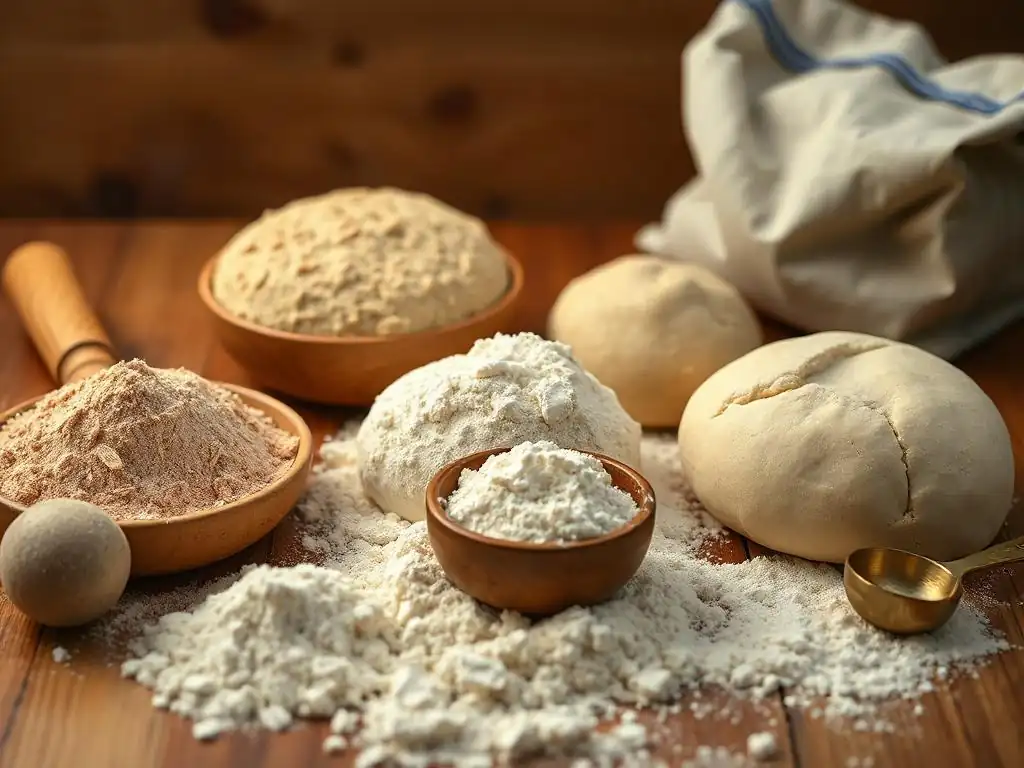
Sourdough baking provides a fascinating context for exploring how different flours affect gluten development. The long fermentation process, driven by wild yeast and lactic acid bacteria, not only develops flavor but also impacts the gluten structure. The acids produced during fermentation can strengthen the gluten network initially, allowing for good rise, but prolonged fermentation can also lead to enzymatic breakdown of gluten, resulting in a more extensible dough and a softer crumb.
Using different flours in sourdough starters and doughs yields varied results. A starter fed with rye or whole wheat flour will behave differently than one fed with white bread flour due to the different protein content and the presence of enzymes in the bran and germ. Baking sourdough with a blend of high-protein bread flour for structure and a percentage of whole wheat or rye for flavor and texture requires understanding how each component contributes to the overall gluten development and fermentation process. This highlights the complex interplay between different flours, gluten, and microbial activity in baking.
Using Ancient Grains for Flavor and Texture
Exploring ancient grains like spelt, Einkorn, and Kamut introduces new dimensions to understanding how different flours affect gluten development and baking outcomes. While these grains do contain gluten, their protein structure and composition can differ from modern wheat. Spelt, for example, has a more fragile gluten structure that develops quickly but can break down easily if overmixed, often resulting in a more tender crumb than modern wheat breads.
Einkorn, one of the oldest wheat varieties, has a unique gluten structure that is weaker and less elastic than modern wheat gluten, often requiring different hydration levels and mixing techniques. Kamut, a large, ancient grain, typically has high protein content but a gluten structure that absorbs water more slowly. Experimenting with these flours allows bakers to create baked goods with distinct flavors, textures, and nutritional profiles, showcasing how the subtle differences in gluten composition across different flours impact the final product.
Gluten Development in Baking: Key Takeaways and Best Practices
Mastering gluten development is fundamental to successful baking, and it starts with understanding the power play of different flours.
Here are some key takeaways and best practices:
- Protein is Power: The protein content of flour directly dictates its potential for gluten development. High-protein flours (like bread flour) create strong gluten for structure and chew, while low-protein flours (like cake flour) create weak gluten for tenderness.
- Hydration is Key: Gluten proteins need water to bond. Proper hydration levels, appropriate for the specific flour type, are essential for optimal gluten formation.
- Manipulation Matters: Mixing and kneading provide the mechanical energy needed to align protein strands and build the gluten network. The amount of manipulation should match the desired level of gluten development for the recipe.
- Rest for Relaxation: Resting dough allows the gluten network to relax, improving extensibility and making shaping easier, while also contributing to flavor development.
- Different Flours, Different Results: Each type of flour, whether wheat-based or gluten-free, interacts with water and manipulation in unique ways, leading to distinct textures and structures in the final baked good.
- Troubleshooting: Recognize the signs of over- or under-developed gluten (toughness vs. crumbliness) and know how to adjust techniques or rest times accordingly.
- Experimentation: Don't be afraid to experiment with different flours, including ancient grains or gluten-free blends, to discover new flavors and textures and expand your understanding of how different flours affect gluten development in baking.
By paying attention to flour selection, hydration, mixing techniques, and rest times, you can confidently control gluten development and achieve the desired results in all your baking adventures.
Frequently Asked Questions
What is gluten and why is it important in baking?
Gluten is a protein formed when wheat flour is mixed with water. It's crucial for giving baked goods structure, elasticity, and a chewy texture.
How do different types of flour affect gluten development?
Flours with higher protein content, like bread flour, create more gluten, leading to chewier results. Lower protein flours, like cake flour, produce less gluten and a more tender crumb.
What is the role of water in gluten development?
Water is essential for gluten formation. It hydrates the proteins in flour, allowing them to bond together and form the gluten network.
Can I bake gluten-free goods?
Yes, you can! Gluten-free flours like almond flour, rice flour, and tapioca starch can be used. However, they require binders like xanthan gum to mimic gluten's structure.
How can I control gluten development when baking?
You can control gluten development by adjusting the mixing time and hydration level. Over-mixing can lead to tough results, while under-mixing results in a weak structure.
Final Reflection: The Flourishing World of Gluten Development
Understanding the nuances of gluten development in different flours is not just a baker's pursuit; it's a key to unlocking culinary creativity and healthier eating. The impact of flour choice on texture, rise, and overall bake quality is profound, affecting everything from the airy lightness of a sourdough loaf to the satisfying chew of a perfectly formed pizza crust. This knowledge empowers us to make informed decisions, leading to more successful and enjoyable baking experiences.
The exploration of different flours and their gluten profiles has significantly broadened my own understanding of baking, moving beyond simple recipes to a deeper appreciation of the scientific processes at play. The baker who understands the science of flour is a baker who understands the soul of bread.
This quote, though not directly about gluten, perfectly encapsulates the transformative power of understanding the ingredients we work with. The ongoing influence of this knowledge extends beyond the kitchen, highlighting the importance of understanding the impact of ingredients on our food and ultimately, our health.
Now, it's your turn. Consider the flours you typically use and the results you achieve. Experiment! Try substituting one flour for another in your favorite recipe, paying close attention to the changes in texture and taste. By actively engaging with the information presented, you'll not only improve your baking skills but also deepen your appreciation for the fascinating world of flour and its pivotal role in gluten development. The journey of culinary exploration is a lifelong one, and understanding flour is a crucial step along the way.
Unleash Your Inner Baker: Master Flour Power!
Thanks for diving into the world of flours and gluten with us! We hope you now have a clearer understanding of how different flours impact your baking. Ready to put your new knowledge into practice?
- Bake a test loaf: Experiment with a new flour you’ve learned about today – compare the texture and rise to your usual flour. This is the best way to truly understand the differences!
- Share your results: Tell us about your baking adventures! What flour surprised you the most? What recipe are you eager to try next? Share your experiences in the comments below.
- Explore our flour guide: Dive deeper into the world of flours on our website. We have even more resources and recipes ready to help you perfect your baking skills!
What surprising flour combination will you try next in your baking journey?