
Clean Clothing, Safe Food: Simple Hygiene Habits for Home Bakers

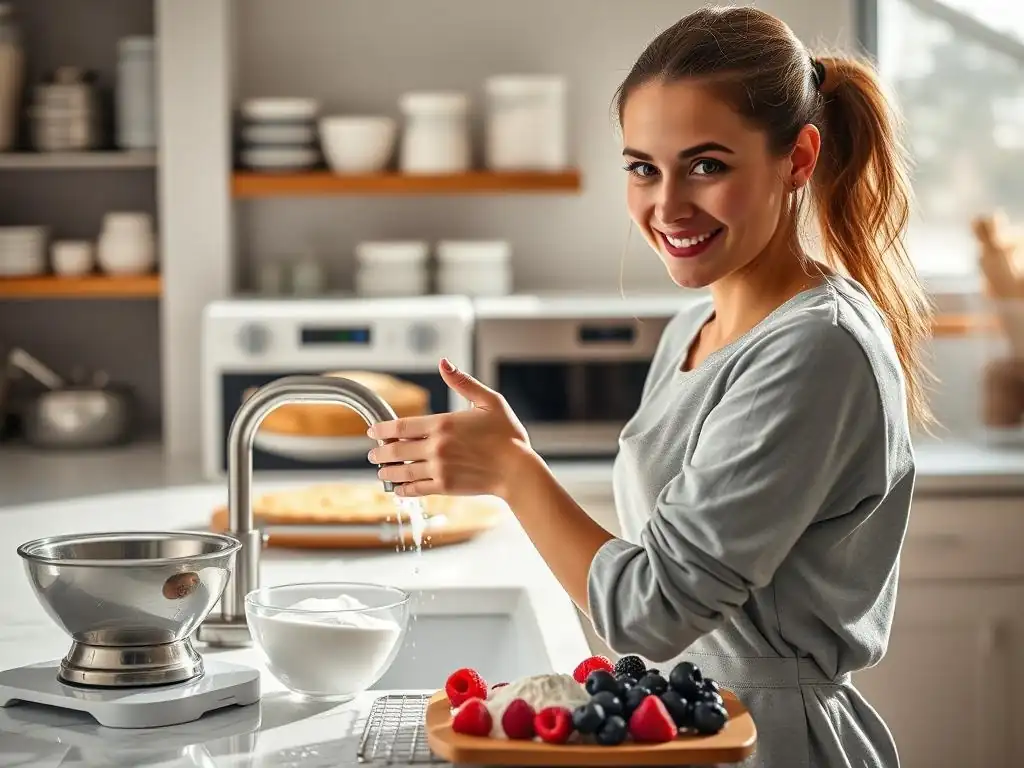
Welcome to BakeWithEase, your trusted companion in the delectable world of baking! Ever wondered how crucial clean hands and a fresh apron are to creating not just delicious, but safe baked goods? This week we're diving deep into baking hygiene tips for beginners, revealing simple yet essential habits that will elevate your home baking, especially if you're dreaming of turning your passion into a thriving business. Read on to discover how to ensure every slice is as safe as it is scrumptious – you might be surprised by what you learn!
- Introduction: Baking Hygiene Tips for Beginners at BakeWithEase
- Essential Clothing Hygiene for Home Baking
- Food Safety and Hand Hygiene for Home Bakers
- Maintaining a Clean Baking Environment for Food Safety
- Personal Hygiene Practices for Safe Baking
- Safe Food Handling Practices for Home Bakers
- Conclusion: Prioritizing Baking Hygiene for Delicious and Safe Bakes
-
Frequently Asked Questions
- What are the most important baking hygiene tips for beginners to follow?
- Why is wearing clean clothing so important when baking?
- How often should I wash my hands while baking, and with what?
- Besides clean clothing and handwashing, what other hygiene practices are crucial for home bakers?
- Where can I find easy-to-follow recipes and baking techniques for beginners?
- Final Reflection: The Enduring Power of Clean Baking
- Unleash Your Inner Baking Star: Elevate Your Hygiene Game!
Introduction: Baking Hygiene Tips for Beginners at BakeWithEase
Baking is a wonderful, rewarding hobby, filling your home with delicious aromas and tasty treats. As you embark on your baking journey, especially if you're just starting out, understanding and practicing good hygiene is just as important as mastering your first cookie recipe. For beginners, integrating simple hygiene habits from the start ensures that your delicious creations are also safe to eat. These baking hygiene tips for beginners are foundational for anyone stepping into the world of home baking, transforming potential risks into peace of mind.
At BakeWithEase, we believe that successful baking starts with safety. This guide is designed specifically for beginners, breaking down essential hygiene practices into easy-to-follow steps. We'll cover everything from keeping your clothes clean to proper handwashing and maintaining a sanitary workspace. By adopting these simple habits, you'll not only protect yourself and those enjoying your bakes but also build confidence in your abilities as a home baker. Think of these tips as essential ingredients for every successful and safe baking endeavor.
Why Baking Hygiene Matters for Home Bakers
For home bakers, whether you're baking for family, friends, or even considering selling your goods, hygiene is non-negotiable. Poor hygiene can lead to cross-contamination, which is the transfer of harmful bacteria from one surface or food to another. This can result in foodborne illnesses, causing unpleasant symptoms like nausea, vomiting, and diarrhea. While commercial bakeries have stringent regulations, home bakers must also take proactive steps to ensure the safety of their food. Applying sound baking hygiene tips beginners learn early on prevents these issues before they start.
Consider the journey of a simple cookie dough. It contains raw flour and raw eggs, both of which can carry bacteria like E. coli and Salmonella. If you handle these ingredients and then touch ready-to-eat surfaces or baked goods without washing your hands or changing clothes, you could transfer these pathogens. According to the CDC, foodborne illnesses affect roughly 1 in 6 Americans each year, resulting in thousands of hospitalizations. While home baking is generally safer than mass production, these statistics highlight the importance of preventing contamination at every step, reinforcing why beginner baking hygiene is so crucial.
BakeWithEase's Commitment to Food Safety in Home Baking
At BakeWithEase, our mission is to make baking accessible and enjoyable for everyone. This includes providing reliable information on food safety, tailored for the home environment and specifically addressing the needs of beginners. We understand that learning to bake involves many new techniques and concepts, and hygiene should be an integral part of that learning process, not an afterthought. Our resources, including these baking hygiene tips beginners can easily adopt, are designed to build your confidence not just in baking delicious treats but in doing so safely.
We are committed to offering practical, actionable advice that fits into a home kitchen setting. Our guides focus on simple habits and procedures that don't require specialized equipment or complex processes. By integrating food safety information directly into our baking content, we aim to cultivate a community of home bakers who prioritize hygiene as much as flavor and texture. You can trust BakeWithEase to provide the foundational knowledge you need for a safe and rewarding baking experience, starting with solid beginner baking hygiene practices.
Essential Clothing Hygiene for Home Baking
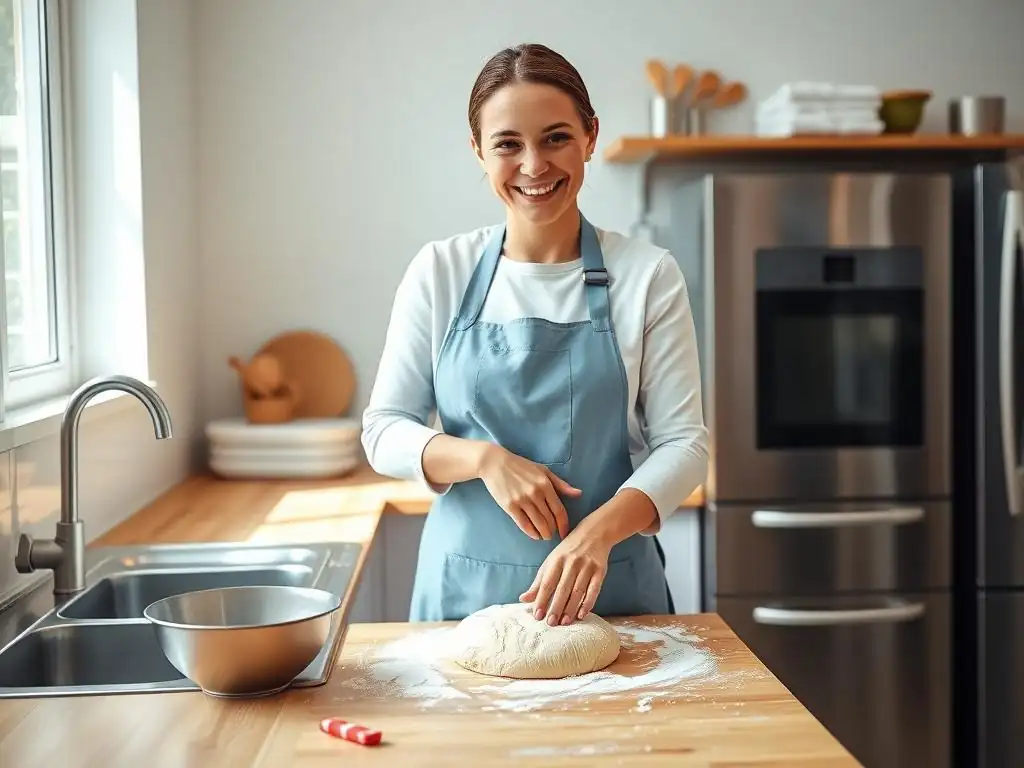
Your clothing might seem like a minor detail, but it plays a significant role in maintaining a hygienic baking environment. Simple steps regarding what you wear and how you keep it clean can prevent the transfer of contaminants to your ingredients and finished products. These are fundamental baking hygiene tips beginners should incorporate from day one.
Keeping your baking clothes clean is a simple yet effective barrier against potential contamination. Think about it: your clothes can pick up dust, pet hair, or other particles from around your home. If these come into contact with your dough or batter, they can introduce unwanted elements or even bacteria. By dedicating specific clothing for baking, you minimize the risk of bringing external contaminants into your food preparation area.
The Importance of Clean Baking Clothes
Wearing clean clothes specifically for baking creates a protective layer, preventing the transfer of germs and debris from your everyday attire to your ingredients and workspace. Imagine you've been doing chores around the house; your clothes could carry dust, pet hair, or even cleaning product residue. Baking in these clothes could introduce those contaminants into your food, which is undesirable at best and potentially harmful at worst. Prioritizing clean baking clothes is a basic but vital step in beginner baking hygiene.
Furthermore, raw baking ingredients like flour can easily cling to clothing. While flour itself isn't typically a high-risk food unless it's consumed raw, it can become contaminated through contact with other surfaces or ingredients. Having designated, clean clothing helps contain ingredients like flour dust and prevents them from spreading throughout your home or contaminating other surfaces after you've finished baking. This practice is a cornerstone of effective hygiene for home bakers.
Choosing the Right Baking Attire: Fabrics and Fit
When choosing clothes for baking, comfort and practicality are key, but so is hygiene. Opt for clean, washable fabrics that are easy to maintain. Cotton or cotton blends are popular choices because they are breathable and can withstand frequent washing in hot water, which helps sanitize them. Avoid loose, baggy sleeves or dangling ties that could accidentally dip into batter, catch on equipment, or pose a safety hazard around hot ovens.
A simple apron worn over clean, dedicated baking clothes is an excellent option. Aprons provide an extra layer of protection for your clothes and can be easily removed and washed. Look for aprons made from durable, washable material. The fit should be comfortable but not so loose that it interferes with your work. Remember, the goal is to create a clean barrier between your home environment and your baking process, a core principle in baking hygiene tips beginners should embrace.
Keeping Your Baking Clothes Clean and Sanitary: A Beginner's Guide
Maintaining the cleanliness of your baking attire is straightforward and essential. It involves regular washing and proper storage to ensure that your dedicated baking clothes are ready and sanitary each time you bake. This routine is a simple yet critical component of hygiene for home bakers.
Regular Washing and Sanitation of Baking Apparel
Wash your baking clothes, including aprons, after each significant baking session, especially if they have come into contact with raw ingredients like flour, eggs, or raw meat (if you're baking savory items like meat pies). Washing in hot water (as recommended by the fabric's care label, typically 130°F or 54°C for sanitation) with a good detergent helps remove food particles and kill most bacteria.
If hot water isn't suitable for the fabric, a thorough wash in warm water with detergent, followed by a hot dryer cycle, can also be effective. This simple habit significantly reduces the risk of carrying contaminants between baking sessions, reinforcing good beginner baking hygiene.
Storing Baking Clothes Properly to Prevent Contamination
Once your baking clothes are clean and dry, store them separately from your everyday clothing. Ideally, keep them in a designated drawer or hung in a closet away from potential sources of contamination like pets or household dust. Avoid leaving them lying around the kitchen counter or draped over chairs, where they can quickly pick up germs and debris. Proper storage ensures that your clean baking attire remains sanitary until you need it again, completing the cycle of clothing hygiene for home bakers.
Food Safety and Hand Hygiene for Home Bakers
Your hands are your primary tools in baking, making hand hygiene the single most important practice for preventing the spread of bacteria and ensuring food safety. Mastering proper handwashing techniques is foundational for any home baker, especially beginners. These are the most crucial baking hygiene tips beginners will ever receive.
Every ingredient you touch, every surface you handle, and every piece of equipment you use comes into contact with your hands. If your hands carry bacteria, those bacteria can easily transfer to your food. This is how common pathogens like E. coli and Salmonella can end up in otherwise delicious baked goods. Implementing rigorous hand hygiene practices dramatically reduces this risk, making it a cornerstone of food safety in baking.
The Crucial Role of Handwashing in Baking Safety
Handwashing is the first line of defense against foodborne illness in the kitchen. It removes transient bacteria picked up from various surfaces and ingredients. Even if your hands look clean, they can carry millions of microscopic organisms. According to the FDA, inadequate handwashing is a major contributing factor in foodborne illness outbreaks. For home bakers, consistently clean hands are essential to protect yourself and anyone who eats your baked goods. It's a simple habit that has a profound impact on safety, a key element of beginner baking hygiene.
Consider handling raw chicken for a savory pastry filling, then moving on to prepare a sweet cake batter. Without proper handwashing in between, bacteria from the chicken could easily contaminate the cake batter, even though they are completely different dishes. This cross-contamination scenario is easily avoided with thorough handwashing, highlighting its indispensable role in hygiene for home bakers.
Proper Handwashing Techniques for Baking: A Step-by-Step Guide
Washing your hands isn't just about running them under water. To be effective, it requires a specific technique. Follow these steps for proper handwashing, a vital skill for baking hygiene tips beginners need to master:
- Wet your hands: Use clean, running water (warm or cold).
- Apply soap: Use enough soap to create a good lather.
- Lather your hands: Rub your hands together with the soap. Be sure to lather the backs of your hands, between your fingers, and under your nails.
- Scrub for at least 20 seconds: Hum the "Happy Birthday" song from beginning to end twice – that's roughly 20 seconds. This duration is crucial for effectively removing germs.
- Rinse your hands: Rinse thoroughly under clean, running water.
- Dry your hands: Use a clean towel or air dry them. Avoid drying them on your apron or clothes, as these might not be clean.
This systematic approach ensures that you remove contaminants effectively before handling food, making it a fundamental part of hygiene for home bakers.
When to Wash Your Hands While Baking: Key Moments
Knowing when to wash your hands is just as important as knowing how. There are several critical moments during the baking process when handwashing is absolutely necessary to prevent contamination. Integrating these moments into your routine is essential for effective beginner baking hygiene.
Before Starting Any Baking Task
Always start with clean hands. Before you gather your ingredients, preheat your oven, or touch any equipment, wash your hands thoroughly using the steps outlined above. This ensures you begin with a clean slate, minimizing the risk of introducing germs from the outset.
After Handling Raw Ingredients
Any time you handle raw ingredients that are known to carry bacteria, such as raw eggs, raw flour, or raw meat (if applicable), wash your hands immediately afterward. Even touching the outside of an eggshell requires handwashing. This prevents the transfer of potential pathogens to other ingredients, surfaces, or equipment.
After Touching Your Face or Hair
It's natural to touch your face, nose, or hair, but these areas can harbor bacteria and oils. If you touch your face or adjust your hair while baking, wash your hands before continuing to handle food or equipment. This simple step prevents accidental contamination of your baked goods.
After Using the Restroom
This is a critical hygiene rule in any context, but especially when handling food. Always wash your hands thoroughly after using the restroom before returning to your baking activities.
Maintaining a Clean Baking Environment for Food Safety
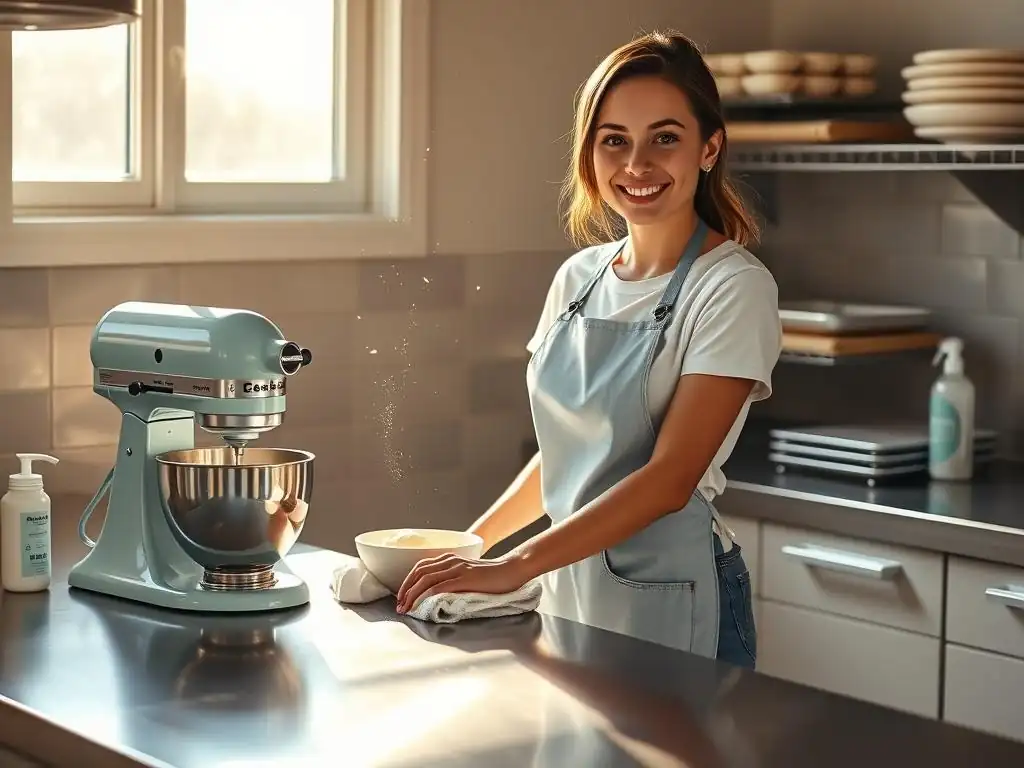
A clean workspace is just as vital as clean hands and clothes for safe home baking. Regularly cleaning and sanitizing your kitchen surfaces and equipment removes food residues and kills bacteria, preventing them from contaminating your ingredients and finished products. This is a key area of focus for baking hygiene tips beginners should prioritize.
Think of your kitchen surfaces – countertops, cutting boards, sinks – and your tools – mixing bowls, spatulas, measuring cups. These all come into direct contact with your food. If they aren't clean, they can become breeding grounds for bacteria or transfer germs picked up from other sources. Maintaining a clean environment minimizes these risks and ensures a safe foundation for your baking.
Sanitizing Your Baking Workspace: A Beginner's Checklist
Regular cleaning removes visible dirt and food particles, but sanitizing goes a step further by reducing the number of harmful microorganisms to a safe level. For home bakers, a simple sanitizing solution can be made using common household products.
Here is a beginner's checklist for sanitizing your baking workspace:
- [ ] Clear all clutter and food items from countertops.
- [ ] Wash surfaces with hot, soapy water to remove food residue.
- [ ] Rinse surfaces with clean water.
- [ ] Apply a sanitizing solution. A common and effective solution is 1 teaspoon of liquid bleach mixed with 1 quart of water, or follow the instructions on a commercial kitchen sanitizer product.
- [ ] Allow the sanitizing solution to sit on the surface for the contact time specified on the product label (usually 30 seconds to a few minutes).
- [ ] Wipe down the surfaces with a clean cloth or paper towel, or allow to air dry (check product instructions).
Perform this sanitizing process before you start baking and after you've finished cleaning up. This routine ensures your surfaces are safe for food contact, an essential practice in hygiene for home bakers.
Cleaning Baking Equipment and Tools Effectively
Every tool that touches your food needs to be cleaned properly after use. Food residues left on spatulas, whisks, or mixing bowls can harbor bacteria. Effective cleaning removes these residues and prepares your tools for the next baking session. This is a practical application of baking hygiene tips beginners can easily implement.
Proper Washing of Baking Utensils
Wash all baking utensils and equipment immediately after use. This prevents food from drying and sticking, making cleaning easier and more effective. Use hot, soapy water and scrub thoroughly, paying attention to crevices and handles where food can hide. For items that can go in a dishwasher, use the hot wash and heated drying cycles for better sanitation. Ensure items are completely dry before storing them to prevent bacterial growth.
Sanitizing Baking Surfaces
Beyond countertops, consider other surfaces that come into contact with food, such as cutting boards or the surface of your stand mixer. These should also be cleaned and sanitized regularly, especially after coming into contact with raw ingredients.
Using the bleach solution mentioned earlier or a commercial sanitizer on these surfaces after washing helps ensure they are safe for continued use. For example, a wooden cutting board used for slicing fruit for a pie should be thoroughly washed and ideally sanitized if it has also been used for raw ingredients like meat or poultry (though dedicated boards are better – see below).
Preventing Cross-Contamination in Your Home Baking Kitchen
Cross-contamination is a major cause of foodborne illness and occurs when bacteria are transferred from one food or surface to another. Preventing it is a core element of food safety in baking and requires conscious effort during your baking process. These are vital baking hygiene tips beginners must understand.
Separating Raw and Cooked Foods
Always keep raw ingredients separate from cooked or ready-to-eat foods. This means not placing raw cookie dough on a surface where freshly baked cookies are cooling without cleaning and sanitizing in between. Use separate plates or containers for raw ingredients and finished products. For instance, if you're preparing a pastry with a raw meat filling, handle the raw meat on a different surface and with different utensils than you would use for the pastry dough or the final baked product.
Using Dedicated Cutting Boards
A simple yet effective way to prevent cross-contamination is to use dedicated cutting boards. Have one cutting board specifically for raw ingredients (like meats or poultry, if you bake savory items) and another for ready-to-eat items like baked goods, fruits, or vegetables that won't be cooked further. Color-coding cutting boards (e.g., red for raw meat, green for vegetables) is a common practice in professional kitchens and can be easily adopted at home. Always wash and sanitize cutting boards thoroughly after each use, especially after cutting raw foods.
Personal Hygiene Practices for Safe Baking
Beyond clean hands and clothes, other personal habits contribute significantly to maintaining a hygienic baking environment. These practices might seem minor, but they play a crucial role in preventing contamination of your baked goods. Integrating these tips into your routine strengthens your overall hygiene for home bakers.
Your body can carry hair, germs, and other particles that can easily fall into your food. Being mindful of these potential contaminants and taking simple precautions keeps your bakes clean and safe. These are practical baking hygiene tips beginners can start implementing today.
Hair Restraints: Keeping Hair Out of Your Baked Goods
Finding a hair in your food is unpleasant for anyone. More importantly, hair can carry bacteria. To prevent this, always tie back long hair or cover it with a clean hat or hair net while baking. This simple step is particularly important when working directly over ingredients or batter. For home bakers, even a simple ponytail holder or a clean baseball cap dedicated to baking can make a big difference. This is an easy win for beginner baking hygiene.
Minimizing Jewelry and Accessories While Baking
Jewelry like rings, bracelets, and watches can trap food particles and bacteria. It's best to remove all jewelry, except perhaps a plain wedding band, before you start baking. Not only can jewelry harbor germs, but it can also accidentally fall into your batter or dough. Keep accessories like scarves or loose sleeves secured so they don't dangle into your workspace.
Avoiding Touching Your Face or Hair During Baking
Make a conscious effort to avoid touching your face, nose, mouth, or hair while you are handling ingredients or working with dough and batter. As mentioned earlier, these areas can transfer germs to your hands, which can then contaminate your food. If you do accidentally touch your face or hair, stop what you are doing and wash your hands thoroughly before continuing. This mindful practice is key to maintaining hygiene for home bakers.
Safe Food Handling Practices for Home Bakers
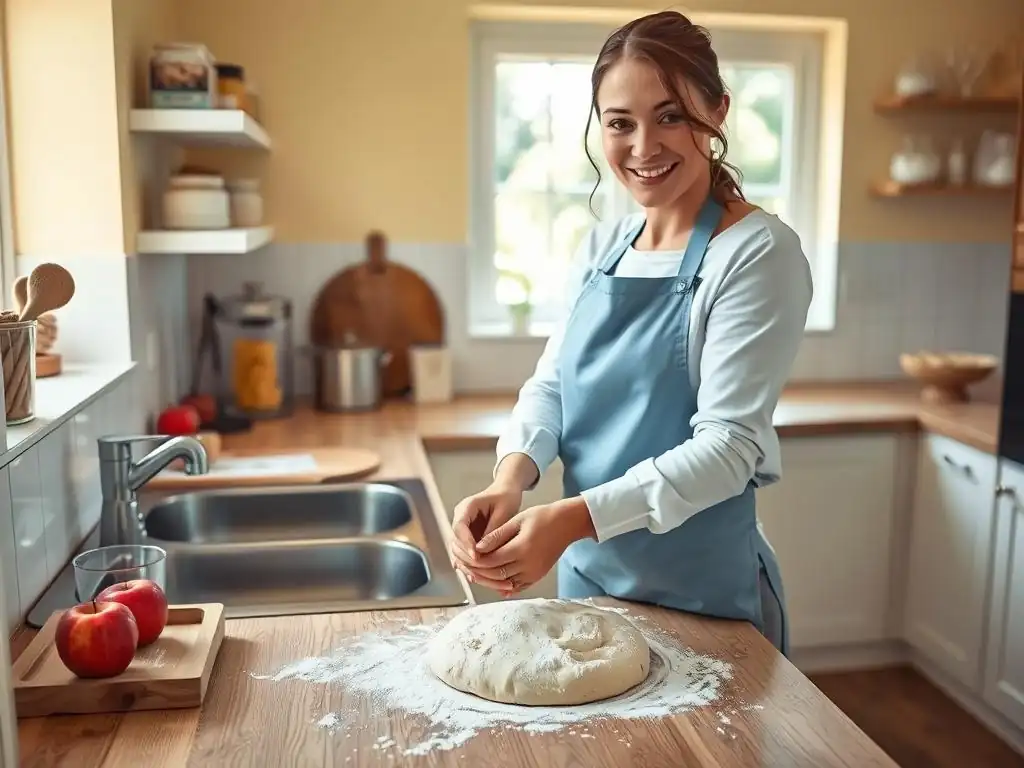
Understanding how to handle and store your baking ingredients and finished products correctly is another critical aspect of food safety. Proper storage temperatures and avoiding certain risky behaviors further protect your baked goods from harmful bacteria. These are essential baking hygiene tips beginners should learn early on.
Ingredients have different requirements for safe storage to prevent spoilage and bacterial growth. Following guidelines for temperature and storage conditions ensures that your ingredients are safe to use and your finished products remain safe to eat.
Proper Storage of Baking Ingredients
Store ingredients according to their type and packaging instructions.
- Perishable ingredients like eggs, milk, butter, and cream cheese must be stored in the refrigerator at or below 40°F (4°C). Keep them in their original packaging or in clean, airtight containers.
- Dry ingredients like flour, sugar, cocoa powder, and baking soda should be stored in cool, dry places away from direct sunlight and moisture. Airtight containers are best to protect them from pests and moisture, which can cause spoilage. While raw flour isn't typically refrigerated, it's important to handle it carefully as it can contain pathogens that are only killed by baking.
- Opened ingredients like nuts, seeds, or chocolate chips should be sealed tightly after opening to maintain freshness and prevent contamination.
Proper storage ensures your ingredients stay fresh and safe, contributing to overall hygiene for home bakers.
Temperature Control: Preventing Foodborne Illness
Temperature plays a crucial role in food safety. The "danger zone" for bacterial growth is between 40°F (4°C) and 140°F (60°C). Keep perishable ingredients refrigerated until you are ready to use them. Once baked, ensure items that require refrigeration are cooled quickly and stored in the refrigerator within two hours of baking (or one hour if the ambient temperature is above 90°F or 32°C). Use a food thermometer to ensure items like cheesecakes or quiches reach a safe internal temperature during baking (e.g., typically 160°F or 71°C for egg-based items).
Avoiding Tasting Batter (and Other Risky Behaviors)
It's tempting to taste raw cookie dough or cake batter, but this is a risky habit. Raw eggs can contain Salmonella, and raw flour can contain E. coli. Both are killed during the baking process, but consuming them raw can cause serious illness. Avoid tasting raw batters or doughs that contain these ingredients. Similarly, avoid double-dipping tasting spoons, using the same spoon to taste multiple times without washing it in between. These small actions are important for maintaining hygiene for home bakers and are key baking hygiene tips beginners should always remember.
Conclusion: Prioritizing Baking Hygiene for Delicious and Safe Bakes
Mastering the art of baking involves more than just following a recipe; it includes adopting simple, effective hygiene practices that ensure your delicious creations are also safe to enjoy. For beginners, integrating these baking hygiene tips from the start lays a strong foundation for a lifetime of safe and rewarding baking. From keeping your clothes clean to washing your hands correctly, sanitizing your workspace, and handling food safely, each step plays a vital role in preventing contamination and protecting health.
Embracing good hygiene for home bakers means being mindful at every stage of the process. It's about building habits – washing hands after handling raw ingredients, cleaning surfaces thoroughly, and storing food at correct temperatures. These practices might seem like extra steps, but they are essential safeguards that allow you to bake with confidence and peace of mind.
Recap of Key Hygiene Practices for Home Bakers
Let's quickly recap the core baking hygiene tips beginners should prioritize:
- Wear clean, dedicated clothing or an apron for baking.
- Wash your hands thoroughly for at least 20 seconds frequently, especially before starting, after handling raw ingredients, and after touching your face or hair.
- Clean and sanitize your countertops and equipment before and after baking.
- Prevent cross-contamination by separating raw and cooked foods and using dedicated cutting boards.
- Practice good personal hygiene, such as tying back hair and removing jewelry.
- Store ingredients properly and manage temperatures to keep perishable items safe.
- Avoid tasting raw batters and doughs containing raw eggs or flour.
By consistently applying these practices, you significantly reduce the risk of foodborne illness and ensure your home baking is safe for everyone.
BakeWithEase: Your Partner in Safe and Successful Home Baking
At BakeWithEase, we are dedicated to supporting you on your baking journey, providing not only delicious recipes and helpful techniques but also essential information on food safety. These baking hygiene tips beginners can easily follow are just one example of our commitment to helping you bake confidently and safely. We believe that with the right knowledge and habits, anyone can become a successful home baker, creating wonderful treats without compromising on safety.
Continue exploring BakeWithEase for more tips, recipes, and guides. We are here to help you every step of the way, ensuring your baking adventures are always clean, safe, and incredibly tasty. Happy and hygienic baking!
Frequently Asked Questions
What are the most important baking hygiene tips for beginners to follow?
The most important tips include washing your hands thoroughly, wearing clean clothing, and keeping your baking area clean. These simple steps greatly reduce the risk of contamination.
Why is wearing clean clothing so important when baking?
Wearing clean clothing helps prevent the transfer of bacteria from your clothes to the food you are preparing. Freshly laundered clothes are less likely to harbor contaminants.
How often should I wash my hands while baking, and with what?
Wash your hands frequently, especially before you start, after handling raw ingredients, and after touching your face or hair. Use warm water and soap for at least 20 seconds.
Besides clean clothing and handwashing, what other hygiene practices are crucial for home bakers?
Maintaining a clean work surface, using clean utensils, and properly storing ingredients are also vital. Avoid cross-contamination by using separate cutting boards for raw and cooked foods.
Where can I find easy-to-follow recipes and baking techniques for beginners?
BakeWithEase.com offers a wide range of simple recipes, techniques, and tips designed for bakers of all levels. They also have step-by-step guides to help you succeed.
Final Reflection: The Enduring Power of Clean Baking
The pursuit of perfect pastries and delectable desserts shouldn't come at the cost of our health. Ignoring basic hygiene practices in baking, even seemingly minor ones, can have significant consequences. This article highlighted the crucial role of cleanliness in creating not just delicious treats, but also safe ones, emphasizing the importance of this for both beginner and experienced bakers alike.
The impact of food safety practices extends far beyond the individual baker; it shapes our collective culinary culture and influences the trust we place in the food we consume. The simple act of washing hands thoroughly, sanitizing surfaces, and storing ingredients correctly becomes a powerful symbol of care and responsibility. As the old adage goes, An ounce of prevention is worth a pound of cure,
and this holds especially true in the kitchen. This principle, so easily overlooked, underpins the entire process of safe and enjoyable baking.
Now, consider your own baking habits. Do you meticulously follow the hygiene guidelines outlined in this article? Perhaps you've discovered a new technique or realized the importance of a previously overlooked step. I encourage you to take this reflection as a springboard for continuous improvement. Make a conscious effort to incorporate these simple yet powerful hygiene practices into your baking routine, not just for yourself, but for everyone who shares in the delicious fruits of your labor. Let's bake with confidence, knowing we're creating treats that are both delightful and safe.
Unleash Your Inner Baking Star: Elevate Your Hygiene Game!
Thanks for taking the time to learn about simple hygiene practices that can dramatically improve the safety and taste of your home baking! You've gained valuable insights into creating delicious and worry-free treats. Now it's time to put that knowledge into action.
- Prioritize one key hygiene habit: Choose one area from the article (handwashing, surface cleaning, or ingredient storage) to focus on improving this week. Make it a consistent part of your baking routine.
- Share your baking triumphs (and challenges!): Tell us about your experience implementing these new habits. We'd love to hear your success stories (and even the small hiccups! ).
- Explore advanced baking hygiene: Research online resources or consider a food safety course to further enhance your knowledge and skills.
Ready to bake with even greater confidence and create truly exceptional treats? What’s the one hygiene habit you'll be prioritizing in your next baking adventure?