
Bake Maritozzi con la Panna: Rome's Sweet Buns


Welcome to BakeWithEase, your passport to a world of delightful baking adventures! Ever dreamt of recreating the iconic flavors of Rome? This week, we're diving into the heart of Italian pastry with our guide to a truly easy Italian cream maritozzi recipe. Discover the secrets to these soft, pillowy buns, bursting with sweet cream – and get ready to impress! But that's just the beginning... what other regional baking treasures await your discovery? Keep reading to unlock the secrets of these Roman sweet buns and so much more!
- Bake Maritozzi con la Panna: Rome's Sweet Buns - An Easy Italian Cream Maritozzi Recipe
- Discovering Maritozzi: Rome's Beloved Cream-Filled Buns
- Easy Italian Cream Maritozzi Recipe: A Step-by-Step Guide
- Making the Perfect Maritozzi Dough: A Detailed Guide
- Baking Your Maritozzi to Golden Perfection
- Preparing the Cream Filling: The Heart of Maritozzi
- Assembling Your Homemade Maritozzi con la Panna
- Tips and Tricks for Baking the Best Maritozzi
- Variations on the Classic Maritozzi Recipe
- Enjoying Your Homemade Italian Cream Maritozzi
- Frequently Asked Questions
- Final Reflection: The Enduring Sweetness of Maritozzi
- Unleash Your Inner Roman Baker!
Bake Maritozzi con la Panna: Rome's Sweet Buns - An Easy Italian Cream Maritozzi Recipe
Discovering Maritozzi: Rome's Beloved Cream-Filled Buns
What are Maritozzi? A Taste of Roman Baking Tradition
Maritozzi con la panna are soft, sweet buns originating from Rome, characterized by their elongated shape and a generous slit down the middle, which is then overflowing with luscious whipped cream. These delightful pastries are a staple in Roman pasticcerie (pastry shops) and bars (cafés), especially enjoyed for breakfast alongside a cappuccino or as a sweet treat any time of day.
The dough itself is typically enriched with eggs, butter, and sometimes honey or sugar, giving it a slightly sweet and tender crumb that perfectly complements the airy, unsweetened or lightly sweetened cream filling. They are truly a symbol of Roman culinary comfort.
What sets maritozzi apart is their delightful simplicity and the contrast between the slightly sweet, pillowy bread and the cool, rich cream. While the classic version features plain whipped cream, variations exist, and the quality of the dough is paramount. A good maritozzo dough should be light, airy, and slightly elastic, providing just enough structure to hold the abundant filling without being heavy or dense. Mastering this dough is key to creating an authentic easy Italian cream maritozzi recipe at home, bringing a piece of Rome's baking heritage into your kitchen.
The History Behind Rome's Famous Sweet Buns
The name "maritozzi" itself tells a sweet story, rooted in Roman history and tradition. Derived from the word marito, meaning husband, these buns were historically baked by young men to give to their fiancées during the first Friday of March, a sort of ancient Valentine's Day. Often, a small gift, like a ring or a piece of jewelry, was hidden inside the bun, making it a romantic gesture. This tradition highlights the deeply personal and celebratory nature of these pastries, linking them directly to love and courtship in Roman culture centuries ago.
Over time, the maritozzi evolved from a romantic token into a beloved everyday pastry. While the specific origins are debated, variations of sweet buns filled with ingredients like raisins or pine nuts have existed in the Lazio region for centuries. The version we know today, generously filled with whipped cream, became particularly popular in Rome. The history underscores that baking maritozzi is more than just following an easy Italian cream maritozzi recipe; it's participating in a long-standing tradition that has brought joy (and deliciousness) to Romans for generations.
Easy Italian Cream Maritozzi Recipe: A Step-by-Step Guide
Gathering Your Ingredients for Maritozzi
To embark on your journey to bake authentic Roman maritozzi, you'll need a few key ingredients.
For the dough, you'll typically require about 500 grams (approximately 4 cups) of strong bread flour or all-purpose flour, around 7-10 grams (about 2 teaspoons) of active dry yeast or 20 grams of fresh yeast, roughly 250-300 ml (about 1 to 1 ¼ cups) of lukewarm milk, 75-100 grams (about ⅓ to ½ cup) of granulated sugar, 2-3 large eggs, 75-100 grams (about ⅓ to ½ cup) of unsalted butter softened, a pinch of salt, and often a touch of honey or citrus zest for extra flavor.
For the iconic filling, you'll need about 500 ml (approximately 2 cups) of heavy whipping cream (with at least 30% fat content for stability), and optionally a few tablespoons of powdered sugar for slight sweetness, though traditionalists often use unsweetened cream to contrast with the sweet bun. Having these ingredients measured and ready before you begin will streamline the process of making this easy Italian cream maritozzi recipe. Ensure your butter and eggs are at room temperature for easier incorporation into the dough.
Essential Baking Tools for Making Maritozzi at Home
Having the right tools can significantly simplify the process of baking maritozzi, making this easy Italian cream maritozzi recipe even more achievable. You'll definitely need a large mixing bowl, preferably glass or plastic, for mixing the dough and allowing it to rise. A stand mixer fitted with a dough hook is incredibly helpful for kneading, saving you considerable effort, but manual kneading is also perfectly feasible if you have the time and energy.
Other essential tools include measuring cups and spoons for accurate ingredient amounts, a kitchen scale for precise weighing (especially flour), parchment paper or silicone mats to line your baking sheets, and a sharp knife or razor blade (a lame) for scoring the buns before baking. For the cream, an electric mixer (handheld or stand mixer with a whisk attachment) is crucial for whipping the heavy cream to stiff peaks. A spatula or piping bag will be useful for filling the cooled buns neatly.
Making the Perfect Maritozzi Dough: A Detailed Guide
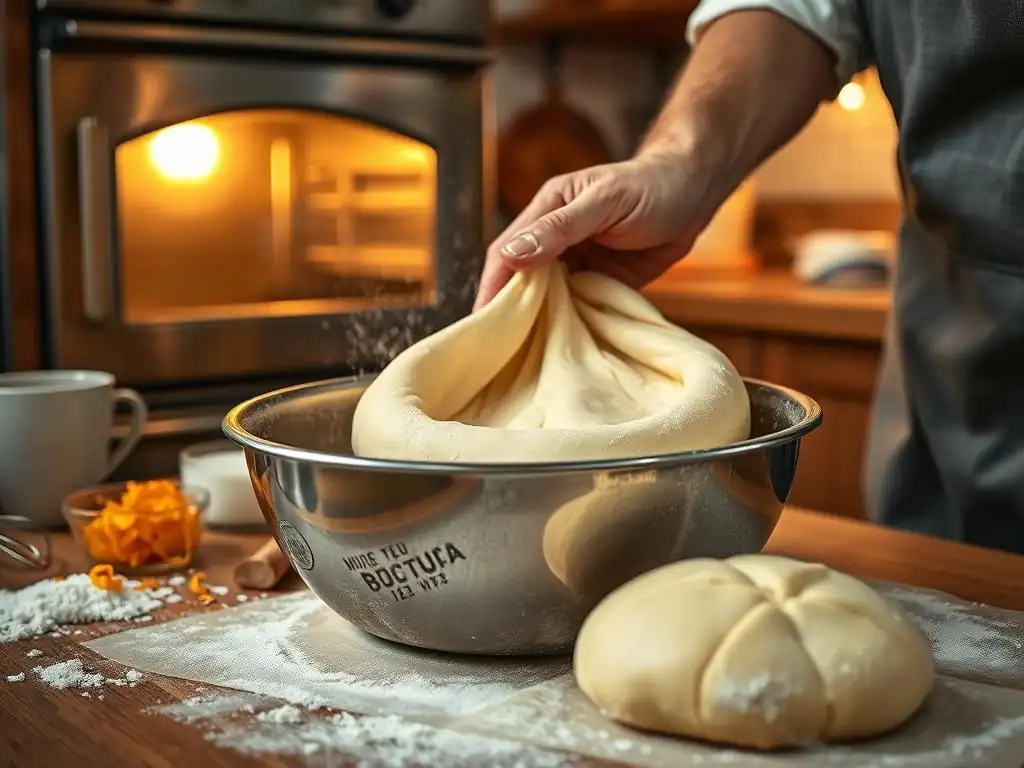
Step 1: Activating the Yeast for a Light and Airy Dough
Activating the yeast is a crucial first step in ensuring your maritozzi dough rises beautifully, resulting in that signature light and airy texture. If using active dry yeast, you'll need to dissolve it in lukewarm milk (around 105-115°F or 40-46°C). The milk should be warm enough to wake up the yeast but not so hot that it kills it. Add a pinch of sugar from the recipe to the milk with the yeast; this provides food for the yeast to start multiplying.
Stir the mixture gently and let it sit for about 5-10 minutes. You should see a frothy layer form on the surface, indicating that the yeast is active and ready to work. If no foam appears, your yeast might be old or the liquid was too hot or cold, and you should start again with fresh yeast. This simple step is vital for a successful easy Italian cream maritozzi recipe, ensuring your buns are soft and well-risen.
Step 2: Combining Ingredients and Kneading the Maritozzi Dough
Once your yeast is active, it's time to combine the ingredients. In a large bowl (or the bowl of your stand mixer), whisk together the flour, the remaining sugar, and the salt. Create a well in the center. Pour in the activated yeast mixture, the beaten eggs, and any optional flavorings like citrus zest. Begin mixing with a wooden spoon or the dough hook on low speed until a shaggy dough forms.
Now comes the kneading. If using a stand mixer, increase the speed to medium and knead for about 8-10 minutes. The dough will initially be sticky but should become smoother and more elastic as you knead. Gradually add the softened butter, small pieces at a time, waiting until each addition is incorporated before adding the next. Continue kneading for another 5-7 minutes after the butter is fully incorporated.
The dough should be smooth, elastic, and pull away from the sides of the bowl. If kneading by hand, turn the dough out onto a lightly floured surface and knead for 15-20 minutes, incorporating the butter gradually as described above. The dough should pass the "windowpane test" – you should be able to stretch a small piece thinly enough to see light through it without tearing. This detailed kneading ensures a strong gluten structure, essential for a light maritozzi.
Step 3: First Rise: Letting the Dough Develop Flavor
The first rise, also known as bulk fermentation, is where the magic happens in terms of flavor development and dough structure. Lightly grease a clean large bowl with oil or butter. Shape the kneaded maritozzi dough into a ball and place it in the greased bowl, turning it to coat all sides. Cover the bowl tightly with plastic wrap or a damp kitchen towel to prevent the dough from drying out.
Place the covered bowl in a warm, draft-free place. An oven with just the light on is often ideal. Let the dough rise until it has doubled in size. This typically takes about 1.5 to 2.5 hours, depending on the temperature of your room and the activity of your yeast. This slow rise allows the yeast to produce gases, making the dough airy, and also develops complex flavors, contributing significantly to the deliciousness of your easy Italian cream maritozzi recipe.
Step 4: Shaping the Maritozzi Buns
After the first rise, gently punch down the dough to deflate it. Turn the dough out onto a lightly floured surface and divide it into equal portions. For standard-sized maritozzi, aim for pieces weighing around 60-80 grams each (approximately 2-3 ounces). This recipe should yield about 10-12 buns.
To shape each maritozzo, take a portion of dough and gently flatten it slightly. Then, fold the edges towards the center and pinch the seams together to create a smooth top surface. Flip the dough over and, using the palms of your hands, roll it back and forth on the counter to create an elongated, oval shape, tapering slightly at the ends. Ensure the surface is smooth and the shape is consistent for even baking.
Step 5: Second Rise: Preparing the Buns for Baking
Once shaped, the maritozzi buns need a second rise to become light and fluffy, ready for the oven. Line one or two baking sheets with parchment paper. Carefully place the shaped buns onto the prepared baking sheets, leaving ample space between them as they will expand significantly during this rise and in the oven.
Cover the baking sheets loosely with plastic wrap or a light kitchen towel. Allow the buns to rise in a warm, draft-free place for another 45-75 minutes, or until they have nearly doubled in size and look visibly puffy. This second proof is crucial for achieving a soft crumb in your easy Italian cream maritozzi recipe. While they are proofing, you can preheat your oven and prepare an egg wash if desired.
Baking Your Maritozzi to Golden Perfection
Setting the Oven Temperature and Baking Time for Maritozzi
Preheating your oven correctly is vital for achieving perfectly baked maritozzi. Preheat your oven to 350°F (175°C). If you have a convection setting, you might slightly reduce the temperature to 325°F (160°C) or reduce the baking time. Ensure the oven is fully preheated before placing the buns inside; this ensures even heat distribution from the start.
The baking time for maritozzi typically ranges from 15 to 20 minutes. The exact time will depend on the size of your buns and the specifics of your oven. Keep a close eye on them, especially towards the end of the baking time. They should turn a beautiful golden-brown color.
Achieving the Perfect Golden-Brown Crust on Your Maritozzi
To achieve that desirable golden-brown crust on your maritozzi, an egg wash is highly recommended. Before placing the buns in the oven, gently brush the tops and sides of each proofed bun with a mixture of one beaten egg whisked with a tablespoon of milk or water. This egg wash gives the buns a lovely sheen and promotes even browning.
Some bakers also like to sprinkle a little granulated sugar on top of the egg wash for a slightly sweeter, sparkling crust, though this is optional for this easy Italian cream maritozzi recipe. Bake the buns until they are golden brown and sound hollow when tapped on the bottom. If they start browning too quickly, you can loosely tent them with aluminum foil. Once baked, transfer the maritozzi to a wire rack to cool completely before filling. Cooling is essential; filling warm buns will melt the cream.
Preparing the Cream Filling: The Heart of Maritozzi
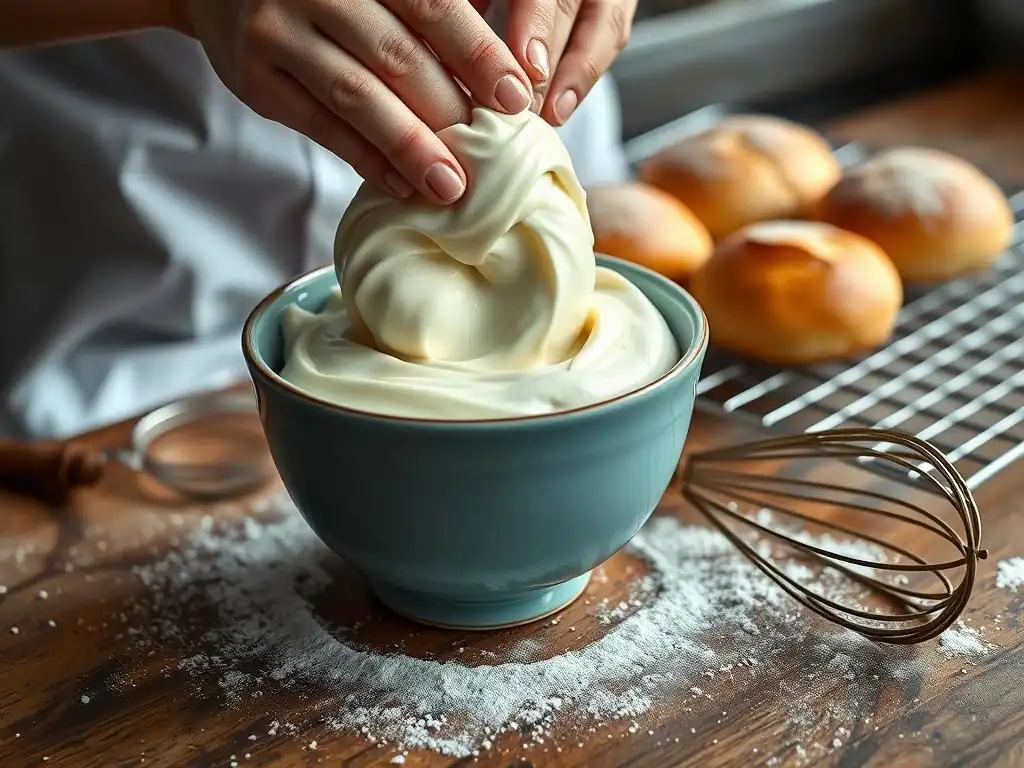
Whipping the Cream for a Light and Fluffy Filling
The cream filling is arguably the most iconic part of maritozzi con la panna. You'll need cold heavy whipping cream, ideally straight from the refrigerator. For the best results, also chill your mixing bowl and whisk attachment in the freezer for 10-15 minutes before you begin. This helps the cream whip up faster and achieve maximum volume and stability.
Pour the cold heavy cream into the chilled bowl. Start whipping on low speed and gradually increase to medium-high speed. Continue whipping until the cream reaches stiff peaks. This means that when you lift the whisk out of the cream, the peaks stand straight up without drooping. Be careful not to over-whip, or you'll end up with butter! This simple step creates the light, fluffy filling essential for a classic easy Italian cream maritozzi recipe.
Sweetening the Cream: Achieving the Perfect Balance
Traditionally, the cream used in maritozzi is unsweetened or only very lightly sweetened to provide a contrast to the slightly sweet bun. However, personal preference plays a significant role. If you prefer a sweeter cream, add powdered sugar (also known as confectioners' sugar) towards the end of the whipping process, once the cream has started to thicken.
Start with a tablespoon or two of powdered sugar and taste. Add more if desired, whipping briefly after each addition until just combined. Powdered sugar is preferred over granulated sugar as it dissolves easily and doesn't leave a grainy texture. Remember, the goal is balance – letting the flavors of both the bun and the cream shine in your easy Italian cream maritozzi recipe.
Optional Flavorings: Adding Zest to Your Maritozzi Cream
While classic maritozzi feature plain whipped cream, you can elevate the flavor with subtle additions. A touch of vanilla extract is a common and welcome addition, enhancing the cream's natural sweetness. Add about half a teaspoon of pure vanilla extract towards the end of whipping.
For a brighter note, consider adding a teaspoon of orange or lemon zest to the cream as it whips. The citrus oils complement the sweet dough beautifully. Just ensure the zest is very finely grated so it incorporates smoothly into the cream. These optional flavorings can add a delightful twist to your homemade easy Italian cream maritozzi recipe.
Assembling Your Homemade Maritozzi con la Panna
Slicing the Maritozzi Buns for Filling
Once your maritozzi buns are completely cooled, it's time for the fun part: filling them with cream! Using a sharp serrated knife, carefully slice each bun lengthwise, starting from the top and going down about two-thirds or almost all the way through. Be careful not to slice completely through the bottom, as you want to create a pocket to hold the cream.
The slit should run along the length of the oval bun. This opening is where you will generously pipe or spoon the whipped cream. Taking care with this step ensures the buns are ready to receive their abundant filling without falling apart, crucial for the presentation and enjoyment of your easy Italian cream maritozzi recipe.
Filling the Maritozzi with Generous Amounts of Cream
Now for the signature look of maritozzi: the generous mound of cream. You can use a large spoon or a spatula to gently open the slit in the bun and fill it. For a cleaner, more professional look, use a piping bag fitted with a wide plain or star tip.
Fill the piping bag with your prepared whipped cream. Insert the tip into the slit and pipe a generous amount of cream along the entire length of the opening. Don't be shy – maritozzi are known for being overflowing with cream! Use the spatula or a knife to smooth the cream into a domed shape along the top of the bun, letting it spill out slightly on the sides. This abundant filling is key to the appeal of this easy Italian cream maritozzi recipe.
Dusting with Powdered Sugar: The Finishing Touch
The final step in assembling your maritozzi con la panna is a light dusting of powdered sugar. This adds a touch more sweetness, a beautiful visual contrast against the golden bun and white cream, and completes the classic look.
Place a small amount of powdered sugar in a fine-mesh sieve or sifter. Hold the sieve over the filled maritozzi and gently tap it to sprinkle a fine layer of sugar over the top of the cream and the visible parts of the bun. Serve the maritozzi immediately after filling and dusting for the best texture and taste.
Tips and Tricks for Baking the Best Maritozzi

Secrets to a Light and Airy Maritozzi Dough
Achieving a light and airy maritozzi dough requires attention to a few key details. First, ensure your yeast is active and the liquid temperature is correct. Second, proper kneading is paramount; develop the gluten sufficiently until the dough is smooth and elastic. Don't rush this step, whether using a mixer or kneading by hand.
Third, allow for adequate rising time during both the first and second proofing stages. Dough needs time to ferment and develop gas bubbles. Proofing in a warm, draft-free environment helps achieve this. Finally, handle the dough gently after the first rise to avoid deflating it completely before shaping. These secrets will help you master the dough for your easy Italian cream maritozzi recipe.
Preventing a Soggy Maritozzi: Cream Filling Tips
A common issue with cream-filled pastries is the dough becoming soggy from contact with the moisture in the cream. To prevent this with your maritozzi, ensure the buns are completely cooled before filling them. Warm buns will cause the cream to melt and seep into the bread.
Another tip is to fill the maritozzi just before serving. While the buns can be baked ahead of time, the cream should be added at the last minute. If you need to prepare them slightly in advance, you can slice the buns and keep the cream chilled separately, then fill them within an hour or two of serving. Using heavy cream with a high fat content (35% or more) and whipping it to stiff peaks also creates a more stable filling less likely to weep.
Storing Your Maritozzi: Keeping Them Fresh
Maritozzi con la panna are best enjoyed fresh, immediately after filling. However, if you have leftover filled maritozzi, they should be stored in an airtight container in the refrigerator due to the perishable nature of the whipped cream. They will keep reasonably well for up to 1-2 days, but the bun may soften slightly.
For optimal freshness if preparing ahead, bake and cool the buns completely, then store them unfilled in an airtight container at room temperature for up to 2 days, or freeze them for longer storage (up to a month). Thaw frozen buns at room temperature, then slice, fill with freshly whipped cream, and dust with powdered sugar just before serving. This approach ensures the best texture for your easy Italian cream maritozzi recipe.
Variations on the Classic Maritozzi Recipe
Chocolate Chip Maritozzi: A Decadent Twist
While the classic maritozzo is filled with plain whipped cream, introducing chocolate chips into the dough offers a delightful and decadent variation. During Step 2, after the butter has been fully incorporated and the dough is smooth, knead in about 100-150 grams (about ¾ to 1 cup) of mini chocolate chips or chopped chocolate. Ensure they are evenly distributed throughout the dough.
Proceed with the rest of the steps as outlined in the easy Italian cream maritozzi recipe. The chocolate chips will slightly change the texture of the bun but add pockets of melted chocolate goodness, pairing wonderfully with the light whipped cream filling. This is a popular modern twist you might find in some Roman bakeries.
Savory Maritozzi: Exploring Alternative Fillings
Although maritozzi are traditionally sweet, a lesser-known Roman variation is the savory maritozzo, often filled with ingredients like baccalà (salted cod) or offal stews. While this strays from the "cream maritozzi" concept, it highlights the versatility of the bun itself. You would adapt the dough recipe by reducing the sugar significantly (perhaps down to just a tablespoon for yeast activation) and omitting sweet additions like honey or citrus zest.
For a savory filling more accessible for a home cook, consider filling the sliced buns with ingredients like tuna salad, chicken salad, or even a simple spread like ricotta mixed with herbs and sun-dried tomatoes. The slightly sweet base of the bun still works surprisingly well with savory fillings, offering a unique take on this easy Italian cream maritozzi recipe.
Gluten-Free Maritozzi: Adapting the Recipe
Adapting a classic enriched dough like maritozzi to be gluten-free can be challenging but is certainly possible with modern gluten-free flour blends. You would need to substitute the wheat flour with a high-quality gluten-free bread blend, which typically contains a mix of rice flour, tapioca starch, potato starch, and xanthan gum (essential for structure).
Follow the general steps of the easy Italian cream maritozzi recipe, but be aware that kneading time and dough hydration might need adjustments based on the specific flour blend used. Gluten-free doughs often require less kneading and can be stickier. Rising times might also differ. While the texture won't be identical to the traditional version, you can still create a delicious gluten-free bun to fill with the classic whipped cream.
Enjoying Your Homemade Italian Cream Maritozzi
Serving Suggestions: Pairing Maritozzi with Coffee or Tea
In Rome, the classic way to enjoy a maritozzo con la panna is for breakfast, paired with a strong Italian coffee. A cappuccino is a perfect match, the rich foam echoing the creaminess of the bun, while the bitter coffee cuts through the sweetness. An espresso is also a popular choice, providing a more intense counterpoint.
Beyond breakfast, maritozzi make a wonderful afternoon treat. Serve them alongside a cup of tea, perhaps a classic black tea or an herbal infusion. The delicate flavor of the tea complements the sweet bun and cream without overpowering it. Sharing your freshly baked maritozzi with friends and family, perhaps with a selection of hot beverages, is a delightful way to experience this easy Italian cream maritozzi recipe.
Maritozzi: A Perfect Treat for Any Occasion.
Maritozzi con la panna are incredibly versatile and suitable for many occasions. Their charming appearance and delicious taste make them a festive addition to brunch gatherings, birthday parties, or afternoon tea events. They are also simple enough to bake as a weekend project just to treat yourself and your loved ones.
Whether you're celebrating a special event or simply craving a taste of Rome, baking this easy Italian cream maritozzi recipe is a rewarding experience. The process is enjoyable, and the result is a truly satisfying pastry that embodies the simple pleasures of Italian baking. Enjoy every creamy, sweet bite!
Frequently Asked Questions
What exactly are Maritozzi?
Maritozzi are traditional Italian sweet buns originating from Rome. They are typically enriched dough buns, often flavored with citrus, and are split and filled with whipped cream. They're a popular breakfast treat in Italy.
What makes this Maritozzi recipe "easy"?
This recipe focuses on simplified steps and easy-to-find ingredients, making it accessible to bakers of all skill levels. The instructions are clear and concise, minimizing potential for error.
Can I use a stand mixer to make the Maritozzi dough?
Yes, absolutely! Using a stand mixer with a dough hook can significantly reduce the kneading time and effort involved. Just follow the recipe's instructions but use the mixer instead of kneading by hand.
What's the best way to store leftover Maritozzi?
Store unfilled Maritozzi in an airtight container at room temperature for up to two days, or freeze for longer storage. Filled Maritozzi are best consumed immediately, but can be refrigerated for a few hours.
Can I customize the flavor of the Maritozzi?
Certainly! You can add citrus zest (lemon or orange) to the dough for a brighter flavor, or experiment with different extracts like vanilla or almond. You can also add chocolate chips or raisins for added sweetness and texture.
Final Reflection: The Enduring Sweetness of Maritozzi
The simple pleasure of biting into a perfectly baked maritozzo, filled with luscious whipped cream, transcends mere culinary satisfaction; it's a taste of Roman history and a testament to the enduring power of simple recipes. This seemingly straightforward dessert holds within it layers of tradition, a connection to a vibrant culture, and the potential for countless personal interpretations. The ease of the recipe, as detailed in this article, only serves to amplify its accessibility and appeal.
The impact of this humble bun extends far beyond the confines of a Roman bakery. It represents a connection to family, to tradition, and to the joy of sharing food. The act of baking, whether for oneself or for loved ones, becomes a ritual, a small act of love imbued with history. Food is symbolic of love when words are inadequate.
- Alan D. Wolfelt. This quote perfectly encapsulates the emotional resonance of baking and sharing maritozzi, a sentiment that resonates deeply with me and, I hope, with you as well.
Now, I invite you to take what you've learned here and create your own Roman culinary adventure. Don't be afraid to experiment, to adapt the recipe to your own tastes, and to share the delicious results with those you cherish. The journey of baking maritozzi is as rewarding as the final bite, a testament to the enduring power of simple pleasures and the rich tapestry of Italian culinary heritage. Embrace the process, savor the experience, and let the sweetness of the maritozzo fill your heart as much as your stomach.
Unleash Your Inner Roman Baker!
Thanks for joining us on this delicious journey into the heart of Roman baking! We hope you’ve gained a newfound appreciation for the fluffy, creamy delight that is the maritozzo. Now it's time to put your newfound knowledge to the test!
- Bake your own maritozzi: This is your chance to experience the pure joy of creating these iconic buns from scratch. Don't be intimidated – our recipe makes it surprisingly simple!
- Share your baking journey: Snap a picture of your masterpiece and share it on social media using #BakeWithEaseMaritozzi – let's see those delicious creations!
- Explore other Italian baking adventures on our site: Discover new recipes and techniques to expand your culinary horizons.
Ready to taste the sweet success of your homemade maritozzi? What unique twist will you add to your Roman baking adventure?