
Simple Tips for Baking Incredibly Moist German Cakes

Welcome to BakeWithEase, your trusted guide to the delightful world of baking! Ever dreamt of creating a perfectly moist German cake that melts in your mouth? You're in the right place. Dive into our article below for simple yet effective moist German cake recipe tips that will transform your baking. Discover the secrets to achieving that signature tenderness and flavor, and unlock the potential to bake German cakes that are simply irresistible. What makes a German cake truly exceptional? Let's find out!
- Baking Bliss: Achieving Perfectly Moist German Cakes
- The Secret to Unparalleled Moistness in German Cakes
- Proven Techniques for Baking Exceptionally Moist German Cakes
- Recipes for Achieving Ultimate Moistness in German Cakes
- Advanced Techniques for Elevating Moistness and Texture
- Troubleshooting Common Challenges in Moist German Cake Baking
- Elevating Your German Baking Skills: Expert Tips and Insights
- Conclusion: Your Path to Mastering Moist German Cakes
-
Frequently Asked Questions
- What are some key ingredients that contribute to a moist German cake?
- What's the best way to ensure my German cake doesn't dry out during baking?
- Can I substitute ingredients to make my German cake even moister?
- What role does the type of flour play in the moistness of a German cake?
- How should I store my German cake to maintain its moistness?
- Final Reflection: The Enduring Allure of a Perfectly Moist German Cake
- Unlock Your Inner Bäcker: Bake the Moistest German Cake Yet!
Baking Bliss: Achieving Perfectly Moist German Cakes
Welcome to the wonderful world of German baking! German cakes are renowned globally for their incredible flavor and, perhaps most notably, their signature moistness. If you've ever wondered how to replicate that delightful, tender crumb at home, you're in the right place. This comprehensive guide delves into the secrets behind baking exceptionally moist German cakes, offering expert techniques and practical tips that will elevate your baking skills and guarantee delicious, moist results every time. Mastering the art of creating a perfectly moist German cake is simpler than you might think, involving a blend of traditional wisdom and precise execution.
Achieving that sought-after moist texture is a hallmark of authentic German baking. It's not just about following a recipe; it's about understanding the ingredients and techniques that work together to lock in moisture and create a rich, satisfying bite. Whether you're tackling a classic Bee Sting Cake or a simple pound cake, the principles remain the same.
We'll explore everything from ingredient selection to post-baking care, providing you with the knowledge to bake moist German cakes that impress everyone lucky enough to try a slice. Get ready to unlock the secrets to baking bliss and make incredibly moist German cakes a regular feature in your kitchen!
The Secret to Unparalleled Moistness in German Cakes
Why German Cakes Excel in Moistness: A Historical Perspective
The history of German baking is deeply intertwined with regional agricultural practices and available ingredients, many of which naturally contribute to moisture. Traditionally, German cakes often incorporated ingredients like quark (a type of fresh cheese), sour cream, buttermilk, and various fruits, particularly apples and cherries, which add inherent moisture and richness. For example, the use of quark in cheesecakes (Käsekuchen) provides a creamy, dense texture that is incredibly moist.
These ingredients were readily available and became staples, defining the texture and flavor profiles of German pastries. This historical reliance on dairy and fruit, combined with techniques passed down through generations, laid the foundation for the moist German cake recipes we cherish today.
Furthermore, German baking often utilizes methods that prioritize a tender crumb. Unlike some baking traditions that might focus on extreme lightness or crispness, many German cakes are designed to be substantial yet tender. Techniques like the 'spoon dough' (Löffelteig), where the batter is thick enough to be spooned but not poured, often contain a higher ratio of fat and liquid ingredients relative to flour, contributing significantly to moistness.
Consider the classic Butterkuchen (Butter Cake), which relies heavily on butter for both flavor and a rich, moist crumb. This historical preference for incorporating ample fat and liquid, combined with moisture-rich additions, is a key reason why German cakes consistently achieve such remarkable moistness.
Key Ingredients for Moisture Retention and Flavor Enhancement
-
The Power of Fats: Optimizing butter, oil, and alternative fats for maximum moisture.
Fats are crucial for tenderness and moisture in cakes. Butter provides unparalleled flavor and contributes to a tender crumb by coating flour particles, preventing excessive gluten development. Using softened, not melted, butter in creaming methods is vital for incorporating air and distributing fat evenly. Oils, like canola or sunflower oil commonly used in some German recipes like Marmorkuchen, are even more effective at keeping cakes moist because they remain liquid at room temperature, coating flour proteins more thoroughly than solid fats. Some recipes even combine butter and oil for both flavor and enhanced moistness.
-
Moisture-Rich Marvels: Utilizing applesauce, quark, buttermilk, and other hydrating additions.
Ingredients like applesauce, mashed banana, sour cream, yogurt, quark, and buttermilk are fantastic moisture boosters. They add liquid without making the batter thin and often bring a slight acidity that helps tenderize the cake structure. For instance, applesauce is often used as a fat substitute, adding moisture while reducing calories, but it also adds a natural sweetness. Quark, a staple in German baking, provides a creamy richness and significant moisture to cakes like Käsekuchen, giving them their characteristic dense, moist texture. Buttermilk reacts with leavening agents, creating a lighter crumb while its fat content adds tenderness and moisture.
-
Flour Selection Strategies: Choosing the ideal flour blend for superior moisture retention and crumb structure.
The type of flour significantly impacts cake texture and moisture. All-purpose flour is common, but its protein content affects gluten development. Cakes with lower protein flours (like cake flour, though less common in traditional German recipes) tend to be more tender. However, some German cakes benefit from slightly stronger flours to support heavy additions like fruit or nuts.
The key is often the ratio of flour to other ingredients. Using recipes with a balanced ratio of flour to fats, sugars, and liquids is crucial. Sometimes, substituting a small portion of wheat flour with nut flours (like almond or hazelnut) can also enhance moisture and richness, as nut flours contain natural oils.
Proven Techniques for Baking Exceptionally Moist German Cakes
Technique 1: Accurate Baking Time – The Cornerstone of Moistness
Overbaking is the single biggest culprit behind dry cakes. Even a few extra minutes in the oven can transform a potentially moist cake into a crumbly disappointment. German cakes, especially those with dense batters or fruit fillings, require careful monitoring. Instead of relying solely on the clock, use visual cues and testing methods.
The cake edges should pull slightly away from the pan, and the top should look set and slightly golden. For denser cakes, a wooden skewer or toothpick inserted into the center should come out with moist crumbs attached, not completely clean. For cakes with gooey centers (like some fruit cakes), test the cake part, not the fruit.
Using an instant-read thermometer is perhaps the most reliable method for ensuring perfect doneness without drying out the cake. Most standard butter or oil-based cakes are done when the internal temperature reaches around 200-210°F (93-99°C). Fruit-heavy or very moist cakes might be slightly lower.
Learning the correct temperature range for different types of German cakes is a game-changer. Pulling the cake out just as it reaches the minimum temperature allows residual heat to finish the baking process outside the oven, preserving precious moisture. Trust your thermometer and your instincts over the recipe's suggested time, as oven temperatures can vary significantly.
Technique 2: Infusion Techniques: Enhancing Moisture and Flavor
Infusing a baked cake with a liquid is a classic technique used in German baking to boost both moisture and flavor, particularly in cakes that might otherwise lean towards the drier side or benefit from added richness. This often involves brushing or drizzling a syrup, fruit juice, coffee, or even liqueur over the warm cake shortly after it comes out of the oven or once it has cooled slightly.
The warm cake acts like a sponge, readily absorbing the liquid. This method is particularly effective for cakes that are intended to be stored for a few days, as the added liquid helps maintain freshness and prevents drying over time.
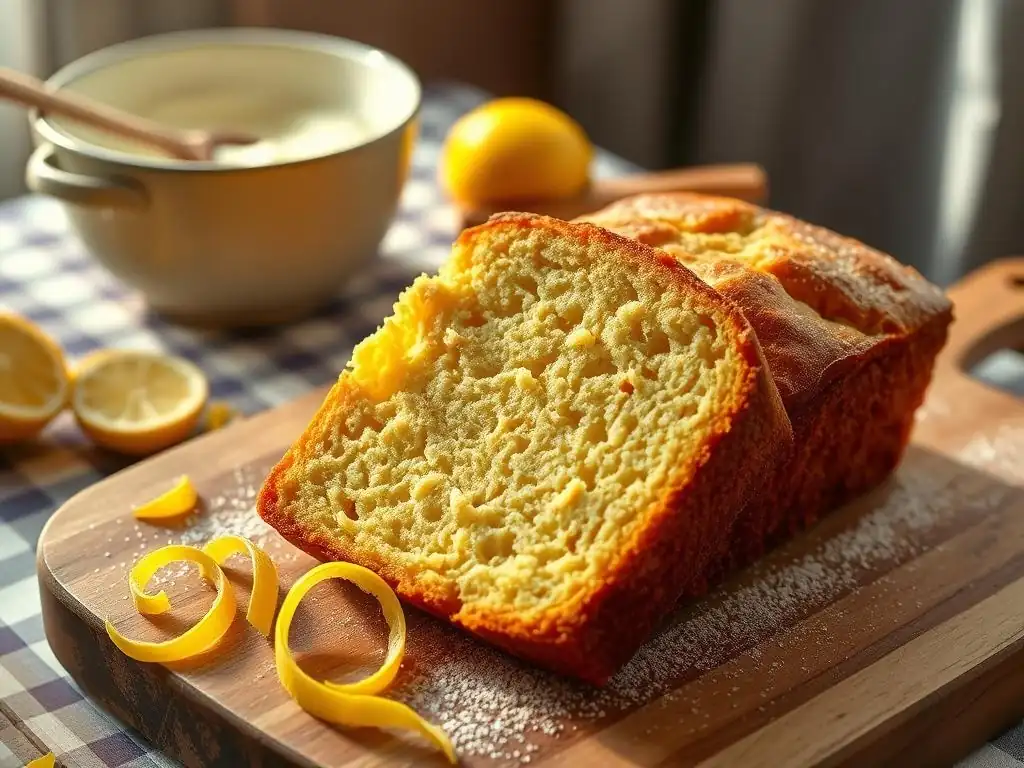
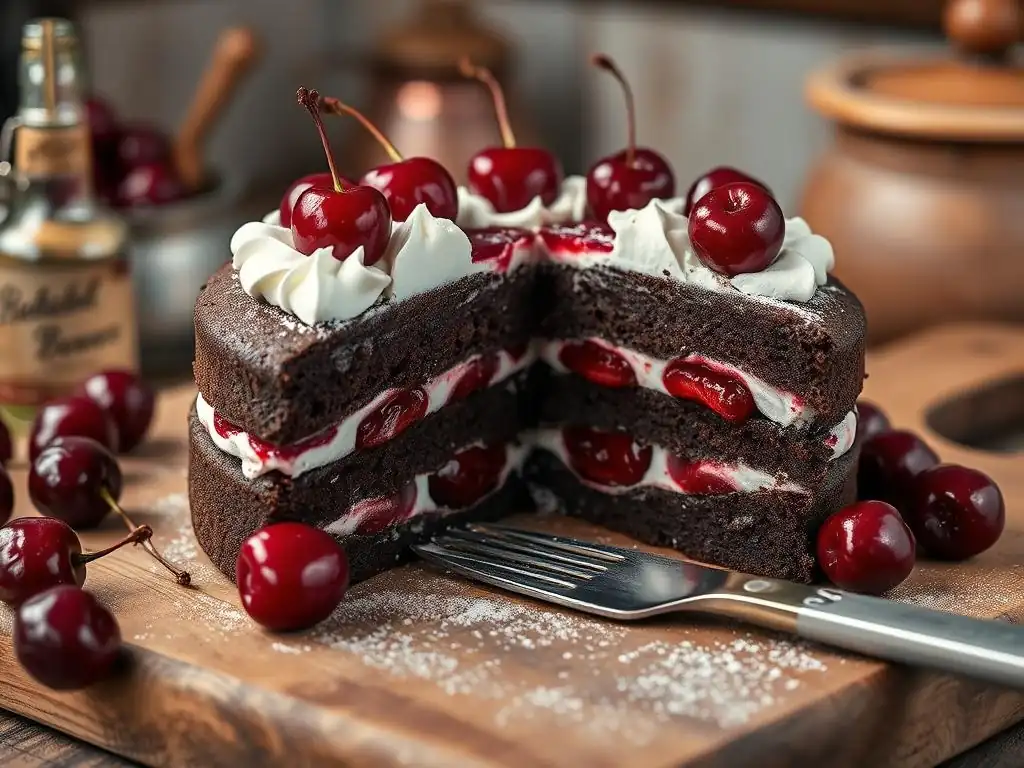
Specific examples in German baking include using cherry juice or Kirschwasser (cherry brandy) to soak layers of Black Forest Cake (Schwarzwälder Kirschtorte), or drizzling rum or a rum syrup over Rumkuchen. Even a simple lemon syrup brushed over a Zitronenkuchen (Lemon Cake) significantly enhances its moisture and bright flavor. The key is to apply the liquid while the cake is still warm enough to absorb it but not so hot that it becomes soggy.
Start with a small amount and add more if needed, allowing each application to soak in before adding the next. This technique not only adds moisture but also layers in complementary flavors, making for a truly exceptional moist German cake.
Technique 3: Syrup Saturation: A Classic Approach to Moisture Infusion
Syrup saturation is a more intensive form of liquid infusion, often used for cakes that serve as a base for other components or are meant to be exceptionally moist and flavorful. This involves creating a simple syrup (typically equal parts sugar and water, boiled until the sugar dissolves) and often flavoring it with citrus zest, spices, vanilla, or alcohol.
The syrup is then applied generously to the cooled cake, sometimes by poking holes in the cake first to help the syrup penetrate deeply. This method is distinct from simply brushing, as it aims for a higher level of liquid absorption throughout the cake's crumb.
This technique is particularly effective for denser cakes or those with a fine crumb structure that can hold a significant amount of liquid without falling apart. For instance, a dense spice cake or a Bundt cake can benefit greatly from syrup saturation, resulting in an incredibly moist and tender final product. The sugar in the syrup also contributes to the cake's moistness by attracting and holding onto water molecules (hygroscopic property).
While it adds sweetness, the primary goal is moisture enhancement and flavor layering. Mastering the temperature of the syrup and the cake (usually cool cake, warm or room temperature syrup) is key to successful saturation without creating a gummy texture.
Technique 4: Strategic Storage: Preserving Freshness and Moistness
Proper storage is just as critical as the baking process itself when it comes to maintaining a moist German cake. Once a cake has cooled completely, it's essential to protect it from drying out. Exposure to air is the enemy of cake moisture. The best approach is to store cakes in airtight containers. For whole cakes or large pieces, a cake dome or a container with a tight-fitting lid is ideal. Ensure the container is large enough that the cake isn't touching the sides or lid, which can cause condensation.
If you don't have a perfect container, wrapping the cake properly is the next best thing. Use plastic wrap to cover cut surfaces or wrap individual slices tightly. For a whole cake, wrap it snugly in plastic wrap, then add a layer of aluminum foil for extra protection against air and odors. Cakes stored at room temperature in an airtight environment can remain moist for several days.
For longer storage, most cakes freeze beautifully when wrapped tightly to prevent freezer burn. Thawing slowly at room temperature in the wrapping helps redistribute moisture. Implementing these simple storage strategies ensures that the effort you put into baking a moist cake pays off, allowing you to enjoy its wonderful texture for longer.
Recipes for Achieving Ultimate Moistness in German Cakes
Recipe Spotlight: Bee Sting Cake (Bienenstich) – A Honey-Kissed Delight
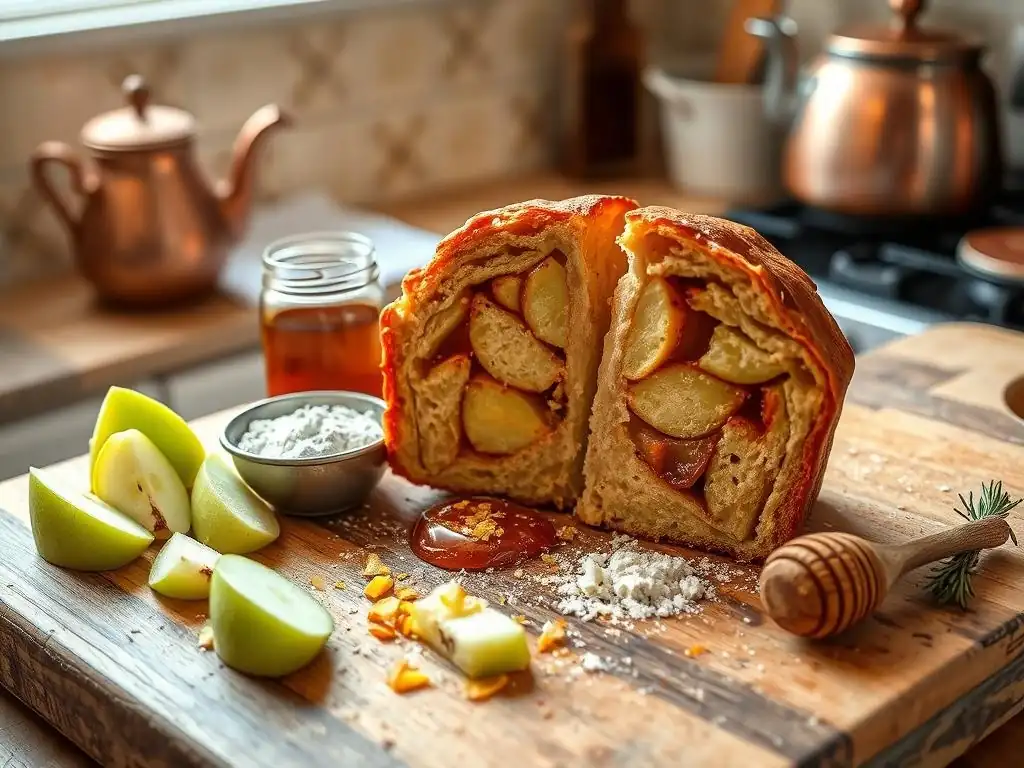
Bee Sting Cake, or Bienenstich, is a stunning example of a moist German cake, combining a tender yeast-leavened base with a rich, creamy filling and a caramelized almond topping. The moistness in the cake layer itself comes from a slightly enriched dough, often containing butter, milk, and sometimes eggs. While it's a yeast cake, which can sometimes risk dryness, the relatively high fat and liquid content in the dough helps keep it tender. The true moisture magic, however, happens with the generous layer of vanilla or cream filling nestled between the cake layers.
The filling, typically a pastry cream (Konditorcreme) or a butter cream, provides a significant source of moisture that permeates the cake over time. As the cake sits, the moisture from the filling is absorbed by the cake layers, making them incredibly tender and succulent.
The caramelized almond topping, made with butter, sugar, honey, and almonds, adds a delightful crunch but also contains fat from the butter, further contributing to the overall richness and perceived moistness of the dessert. Bienenstich perfectly illustrates how multiple components—a tender cake base, a rich filling, and a buttery topping—work together to create an exceptionally moist German cake experience.
Recipe Spotlight: Marble Cake (Marmorkuchen) – A Swirl of Moistness and Flavor
Marmorkuchen, or Marble Cake, is a beloved classic in German households, cherished for its beautiful swirled pattern and reliably moist crumb. The secret to its consistent moistness lies primarily in the composition of the batter. Traditional Marmorkuchen recipes often use a generous amount of fat, typically butter, sometimes combined with oil or sour cream. This high-fat content coats the flour particles, inhibiting excessive gluten development and resulting in a very tender, moist texture. The use of sugar also plays a role, as it is hygroscopic and helps retain moisture.
The marble effect is achieved by dividing a basic vanilla batter and adding cocoa powder and sometimes a bit more liquid (like milk or sour cream) to one portion to create the chocolate batter. This chocolate portion, often containing cocoa powder which can sometimes be drying, is balanced by the fat and moisture in the base recipe.
The swirling technique itself doesn't add moisture, but the robust, moist batter base ensures that both the vanilla and chocolate sections remain tender and flavorful. Marmorkuchen is a straightforward yet effective demonstration of how a well-balanced, high-fat batter is fundamental to baking a truly moist German cake.
Advanced Techniques for Elevating Moistness and Texture
Incorporating Nut Flours for Enhanced Moisture and Delicate Texture
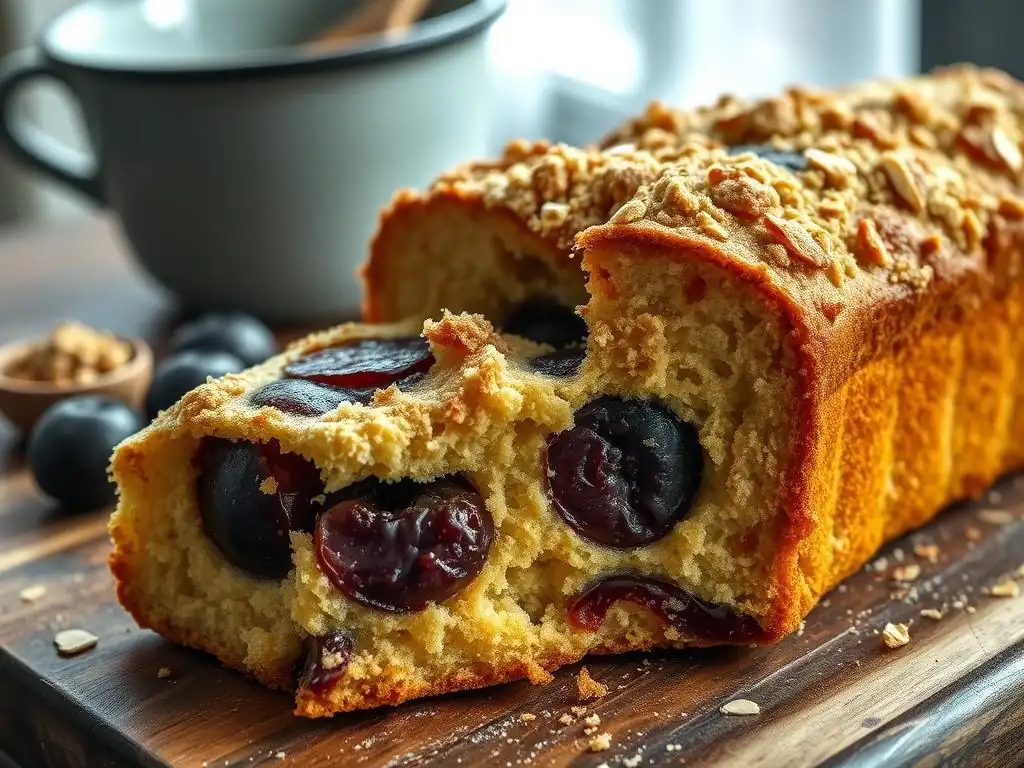
Adding nut flours, such as almond flour, hazelnut flour, or walnut flour, to your cake batter is an excellent advanced technique for boosting moisture and creating a more delicate, tender texture. Nut flours are naturally higher in fat than wheat flour, thanks to the oils present in the nuts. These fats contribute directly to the cake's moistness by coating the gluten proteins in the wheat flour, thus reducing gluten development and resulting in a softer, more tender crumb. Furthermore, the natural oils in nut flours help the cake stay moist for longer after baking.
When substituting nut flours for a portion of the wheat flour, it's important to note that nut flours behave differently. They don't absorb liquid in the same way as wheat flour and lack gluten, which provides structure. Therefore, substitutions are typically partial, often replacing 10-30% of the total flour weight.
For example, replacing 20% of the all-purpose flour in a Bundt cake recipe with almond flour can significantly enhance its moistness and add a subtle nutty flavor. This technique is particularly effective in cakes that benefit from a slightly denser, richer crumb, like pound cakes or fruit cakes, and is a fantastic way to achieve an exceptionally moist German cake with added depth of flavor.
The Science of Soaking: Optimizing Absorption and Flavor Infusion
Understanding the science behind soaking cakes helps optimize this technique for maximum moisture and flavor infusion. When a liquid, such as a simple syrup or fruit juice, is applied to a cake, it's primarily absorbed through capillary action – the movement of liquid through small spaces within the cake's crumb structure. The temperature of the cake and the liquid is crucial.
A warm cake (not hot) is more porous, with expanded air pockets, allowing it to absorb liquid more readily than a completely cooled cake. However, if the cake is too hot, the liquid might steam and evaporate rather than absorb.
The composition of the soaking liquid also matters. Syrups, which contain dissolved sugar, are particularly effective not just for flavor but also for moisture retention. Sugar is hygroscopic, meaning it attracts and holds onto water molecules.
When a syrup soaks into the cake, the sugar molecules within the crumb help keep the cake moist over time by drawing moisture from the air or preventing the cake's own moisture from evaporating. The concentration of the syrup affects sweetness and viscosity, influencing how easily it's absorbed. Experimenting with different liquid types, temperatures, and application methods (brushing vs. pouring) based on the cake's density and desired outcome allows you to master the art of soaking for perfectly moist German cakes.
Troubleshooting Common Challenges in Moist German Cake Baking
Identifying and Correcting Dry Cake Issues: A Diagnostic Approach
Encountering a dry cake after baking is frustrating, but understanding the common causes allows you to diagnose the problem and prevent it in the future. The most frequent culprit is overbaking. Check your oven temperature calibration and use a thermometer to test cake doneness accurately (aiming for 200-210°F internal temperature for most cakes).
Another significant factor is an incorrect ratio of wet to dry ingredients. Too much flour or too little fat or liquid will inevitably lead to a dry cake. Ensure you're measuring ingredients accurately, ideally using a kitchen scale for flour and sugar, as volume measurements can be inconsistent.
Other potential causes include overmixing the batter, which can develop too much gluten, resulting in a tough, dry texture. Mix only until ingredients are just combined. Using ingredients that are too cold (like eggs or butter straight from the fridge) can also affect emulsification and result in a less tender cake.
Ensure ingredients are at room temperature unless the recipe specifies otherwise. Finally, improper storage after baking, leaving the cake exposed to air, will quickly lead to dryness. By systematically reviewing these potential issues—baking time, ingredient ratios, mixing technique, ingredient temperature, and storage—you can pinpoint why your cake turned out dry and adjust your process for consistently moist German cake recipe tips that actually work.
Achieving the Perfect Crumb: Avoiding Density and Maximizing Airiness
While aiming for a moist German cake, you also want to achieve a desirable crumb texture – tender, light, and not overly dense. Density can occur for several reasons, often related to ingredient ratios or mixing techniques. Overmixing is a common cause; developing too much gluten makes the cake tough and dense. Creaming butter and sugar sufficiently (until light and fluffy) is crucial for incorporating air, which provides lift and contributes to an airy crumb. Adding eggs one at a time and mixing well after each addition helps create a stable emulsion that supports the cake structure.
Another factor is the leavening agent. Ensure your baking powder and baking soda are fresh and used in the correct quantities. Too little leavening will result in a flat, dense cake.
The temperature of ingredients matters here too; cold ingredients don't emulsify as well, leading to a heavier batter. The type of flour also plays a role; using a lower-protein flour or incorporating some starch (like cornstarch) can tenderize the crumb. By focusing on proper creaming, gentle mixing once flour is added, using fresh leavening, and ensuring ingredients are at the correct temperature, you can achieve that perfect balance of exceptional moistness and a light, airy crumb in your German cakes.
Elevating Your German Baking Skills: Expert Tips and Insights
Harnessing Spices: Enhancing Flavor Complexity and Perceived Moistness
Spices are integral to the flavor profile of many German cakes and can subtly enhance the perception of moistness. Warm spices like cinnamon, cardamom, cloves, nutmeg, and ginger are frequently used in cakes, especially during the autumn and winter months. These spices not only add depth and complexity to the flavor but their aromatic qualities can make the cake seem richer and more indulgent. For example, a spice cake heavily featuring cinnamon and cardamom often feels incredibly comforting and moist.
Beyond the warm spices, ingredients like vanilla (in extract or bean form), lemon zest, and orange zest are also key players. Citrus zest contains oils that add brightness and a fresh aroma, complementing the sweetness and richness of the cake. While spices don't add physical moisture, their strong, pleasant flavors contribute to the overall sensory experience, making the cake feel more luxurious and satisfying.
Using high-quality, fresh spices makes a noticeable difference in intensity. Grinding whole spices just before use provides the most potent flavor. Experimenting with classic German spice blends or creating your own adds a personal touch and elevates your moist German cake recipes.
Understanding Environmental Factors: The Impact of Humidity on Baking Outcomes
Environmental factors, particularly humidity, can significantly impact baking outcomes, including the moistness and texture of cakes. In high humidity, flour absorbs more moisture from the air. This can potentially lead to a batter that is too wet if you are measuring by volume, as the same volume of flour will contain more water and less actual flour. This can affect the cake's structure and potentially lead to a denser or gummier texture, even if the cake is moist. Conversely, baking in a very dry environment can cause cakes to dry out more quickly during baking and cooling.
Adjusting to humidity requires attention to detail. In humid conditions, some bakers slightly reduce the liquid in a recipe or add a tablespoon or two of extra flour, especially if measuring by volume. Using a kitchen scale to measure ingredients by weight is the most reliable way to ensure consistency regardless of humidity, as weight is unaffected by moisture absorption.
Pay close attention to baking times; cakes might bake slightly differently depending on the humidity level. Being aware of your environment and making small adjustments based on experience will help you achieve consistent results and bake perfectly moist German cakes no matter the weather.
Precision in Measurement: Ensuring Consistent and Predictable Results
Precision in measuring ingredients is absolutely fundamental to consistent baking results, especially when striving for the perfect moist German cake. Baking is often described as a science, and minor variations in ingredient quantities can significantly alter the final outcome, affecting everything from texture and rise to moistness. While some savory cooking allows for flexibility, baking recipes are carefully balanced chemical formulas. The ratio of flour to liquid, fat, sugar, and leavening agents is critical for achieving the desired crumb structure and moisture level.
Using a digital kitchen scale to weigh ingredients, particularly flour, sugar, and fats, is the most accurate method. Volume measurements (using cups and spoons) can vary widely depending on how ingredients are scooped and leveled. For example, a cup of flour can weigh anywhere from 4 to 5 ounces depending on how compacted it is.
This variation can easily throw off the balance of a recipe, leading to a dry or dense cake. Investing in a good scale and getting into the habit of weighing your key ingredients will dramatically improve the consistency and quality of your baked goods, ensuring your moist German cake recipe tips translate into reliable success every time.
Conclusion: Your Path to Mastering Moist German Cakes
Achieving the perfect, incredibly moist German cake is a rewarding culinary pursuit that combines quality ingredients with careful technique. We've explored the historical foundations of why German cakes are inherently moist, highlighting the role of traditional ingredients like quark, buttermilk, and fruit. We've delved into the key components that lock in moisture, from the power of fats like butter and oil to the hydrating magic of additions like applesauce and sour cream, and the strategic selection of flour.
Remember the proven techniques: baking accurately using temperature checks to avoid overbaking, infusing cakes with syrups or juices for added moisture and flavor, and storing your finished cakes properly to preserve freshness. We also touched upon advanced methods like incorporating nut flours and understanding the science of soaking.
By paying attention to common pitfalls like overmixing or incorrect measurement and harnessing the power of spices and environmental awareness, you are well on your way to mastering the art of baking moist German cakes. Embrace these moist German cake recipe tips, practice patience, and soon you'll be sharing slices of perfectly tender, flavorful cakes that are the epitome of German baking excellence.
Frequently Asked Questions
What are some key ingredients that contribute to a moist German cake?
A moist German cake often relies on ingredients like sour cream, applesauce, or buttermilk. These add moisture and richness to the batter, preventing dryness.
What's the best way to ensure my German cake doesn't dry out during baking?
Avoid overbaking! Use a toothpick test; it should come out with a few moist crumbs attached. Also, consider using a water bath (bain-marie) for even cooking.
Can I substitute ingredients to make my German cake even moister?
Yes, cautiously. You could try adding extra applesauce or using oil instead of butter, but be mindful of altering the recipe's structure too much.
What role does the type of flour play in the moistness of a German cake?
Using cake flour or all-purpose flour with a lower protein content can result in a more tender and moist cake crumb. Avoid bread flour, which is too strong.
How should I store my German cake to maintain its moistness?
Store it in an airtight container at room temperature or in the refrigerator. Adding a simple syrup after baking can also help retain moisture over time.
Final Reflection: The Enduring Allure of a Perfectly Moist German Cake
The pursuit of the perfect moist German cake transcends mere culinary skill; it's a testament to the power of simple techniques yielding extraordinary results. This article explored seemingly minor adjustments – from the careful selection of ingredients to the precise control of baking time and temperature – that dramatically impact the final texture and flavor of this beloved classic. These aren't just tips; they're keys to unlocking a truly exceptional baking experience.
The enduring appeal of a moist German cake lies not only in its deliciousness but also in its ability to evoke memories and create connections. It's a recipe passed down through generations, a symbol of comfort and celebration, a taste of home. The act of baking itself, following these precise steps, becomes a meditative process, a mindful connection to tradition and craft. Baking is at once child's play and adult joy. And love, of course.
– This sentiment perfectly encapsulates the emotional resonance of creating a truly exceptional cake.
Now, consider your own baking journey. What small adjustments can you make to elevate your own baking? Don't be afraid to experiment, to tweak the ratios, to trust your instincts. The path to the perfect moist German cake, and indeed to any culinary triumph, is paved with curiosity, precision, and a dash of courage. Embrace the process, savor the results, and share the joy with those you love. The reward? A cake so moist, so flavorful, so deeply satisfying, it will become a cherished memory in itself.
Unlock Your Inner Bäcker: Bake the Moistest German Cake Yet!
Thanks for taking the time to explore the art of baking incredibly moist German cakes! We hope you now feel empowered to create delicious treats that will impress your friends and family. Ready to take your baking skills to the next level?
- Bake your masterpiece today! Grab your ingredients and try one of the recipes discussed—you'll be amazed by the results.
- Share your baking journey: Post a photo of your creation on social media using #BakeWithEaseGermanCake and tag us! We'd love to see your baking success.
- Explore other German baking secrets: Dive into our extensive recipe collection on BakeWithEase.com for even more inspiration.
What unique twist will you add to your next German cake?