
The Art of Marbling with Chocolate in Your Bakes

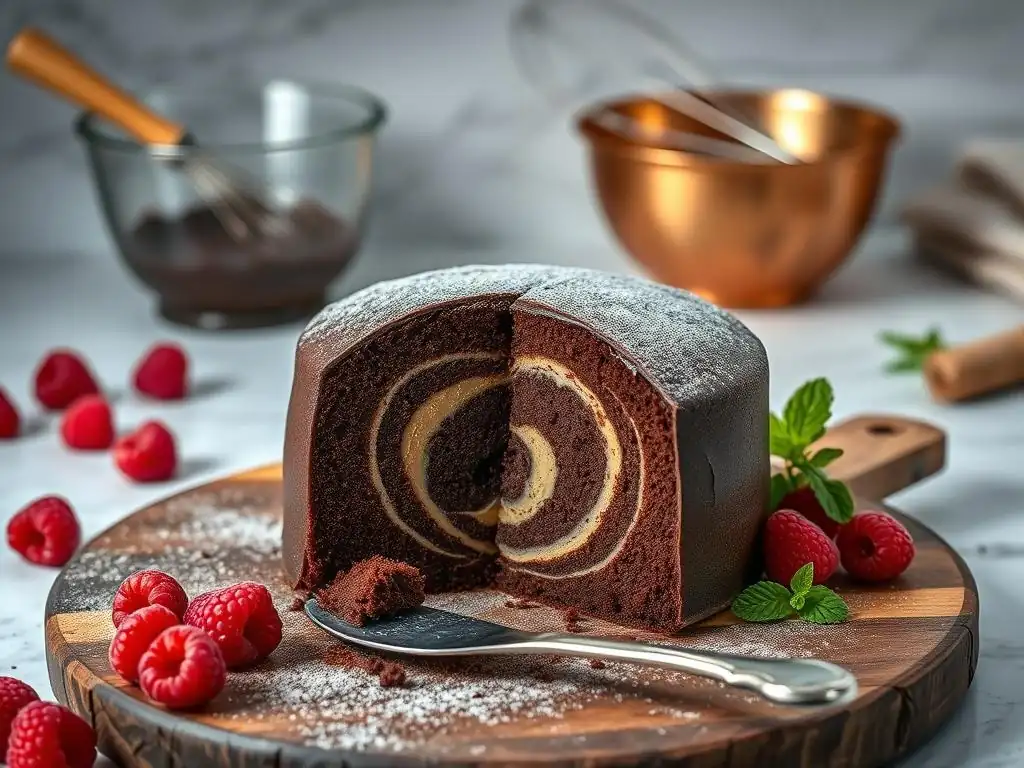
Welcome to BakeWithEase, your kitchen companion for unlocking baking brilliance! Ever wondered how to create those mesmerizing swirls you see in professional bakeries? This week, we're diving deep into the art of chocolate marbling, revealing simple secrets to elevate your desserts. Get ready to transform your next bake with our guide to exquisite chocolate marbling cake recipes – and discover how easy it is to achieve stunning results that will leave everyone wanting more!
- The Art of Marbling with Chocolate in Your Bakes: A BakeWithEase Guide
- Introduction to Chocolate Marbling in Baking
- Essential Ingredients for Chocolate Marbling Cake Recipes
- Step-by-Step Guide to Chocolate Marbling Techniques
- Chocolate Marbling Cake Recipes: Inspiration and Ideas
- Troubleshooting Common Chocolate Marbling Issues
- Tips and Tricks for Stunning Chocolate Marbling Effects
- Advanced Chocolate Marbling Techniques
- Conclusion: Elevate Your Baking with Chocolate Marbling
- Frequently Asked Questions
- Final Reflection: The Enduring Allure of Marbled Chocolate
- Unlock Your Inner Chocolate Artist: Master Marbling Today!
The Art of Marbling with Chocolate in Your Bakes: A BakeWithEase Guide
Introduction to Chocolate Marbling in Baking
What is Chocolate Marbling and Why Use It?
Chocolate marbling is a delightful baking technique that involves swirling contrasting colors of batter or chocolate through a cake or other baked good to create beautiful, intricate patterns. It's like edible art, transforming a simple cake into a visually stunning masterpiece. The primary reason bakers employ this technique is for its aesthetic appeal; the unique, swirling patterns add visual interest and sophistication without requiring complex decorating skills. Beyond the look, marbling also introduces a wonderful combination of flavors and textures within a single bite, often blending a rich chocolate flavor with a lighter vanilla or complementary batter.
Using chocolate marbling in your bakes is surprisingly accessible, making it a favorite for home bakers looking to elevate their creations. It adds a 'wow' factor to everything from simple pound cakes to elaborate layer cakes. The process itself is quite forgiving, allowing for variations in technique and resulting in unique patterns every time. Whether you're aiming for subtle swirls or dramatic contrasts, mastering chocolate marbling techniques opens up a world of creative possibilities for your chocolate marbling cake recipes. It's a fundamental skill that enhances both the appearance and flavor profile of your baked goods.
The Appeal of Marbled Chocolate Cakes
Marbled chocolate cakes hold a special place in the hearts of many, evoking a sense of nostalgia and simple elegance. Their visual appeal is undeniable; the swirling patterns promise a delightful surprise with every slice. This technique breaks the monotony of a single-flavor cake, offering a harmonious blend of, say, rich cocoa and sweet vanilla in each bite. The contrast in colors and flavors makes a marbled cake inherently more interesting than a plain one, both to look at and to eat.
Furthermore, marbled chocolate cakes are incredibly versatile. They can be dressed up for special occasions with glazes or frostings that highlight the marble pattern, or kept simple for a comforting everyday treat. The beauty lies in the inherent design created within the cake itself, meaning less effort is often needed for external decoration. This makes chocolate marbling cake recipes a fantastic choice for bakers who want impressive results without spending hours on frosting techniques. The charm of a marbled cake is in its effortless beauty and the delightful combination of flavors it offers.
BakeWithEase: Mastering Chocolate Marbling Techniques
At BakeWithEase, we believe that mastering techniques like chocolate marbling should be accessible and enjoyable for every baker. Our approach focuses on breaking down the process into simple, manageable steps, allowing you to confidently create stunning marbled effects in your cakes and other treats. We provide clear guidance on everything from selecting the right ingredients to executing the swirling techniques that produce those beautiful patterns. Our goal is to demystify the process, transforming what might seem intimidating into a fun and rewarding baking adventure.
Through our guides and chocolate marbling cake recipes, you'll learn the nuances of working with different types of chocolate and batter consistencies to achieve the perfect marble. We cover essential tips like not over-mixing, which is crucial for maintaining distinct swirls rather than muddied colors. Our resources are designed to build your confidence, helping you understand why certain steps are important, not just how to do them. With BakeWithEase, you're equipped to turn out consistently beautiful and delicious marbled bakes that impress everyone.
Essential Ingredients for Chocolate Marbling Cake Recipes
Choosing the Right Chocolate for Marbling (Dark, Milk, White)
The type of chocolate you choose significantly impacts both the flavor and the visual contrast in your marbled bakes. Dark chocolate, typically containing 50-70% cocoa solids, provides a deep, intense flavor and a strong color contrast against lighter batters like vanilla or yellow cake. It's a classic choice for chocolate marbling cake recipes and offers a sophisticated taste profile. For a less intense flavor and a slightly softer contrast, milk chocolate (around 30-40% cocoa solids) can be used, offering a creamier texture and sweeter taste.
White chocolate, which contains no cocoa solids but is made from cocoa butter, sugar, and milk solids, provides the most striking visual contrast when paired with dark or milk chocolate batter. Its sweet, creamy flavor complements many cake bases. When using white chocolate for marbling, ensure it's good quality, as cheaper versions may not melt smoothly or hold their color well during baking.
Some bakers even use colored white chocolate melts or candy melts for vibrant, non-traditional marble effects, although these have a different flavor and texture profile than true chocolate. Consider the overall flavor profile and desired look when making your selection.
Understanding Chocolate Tempering for Marbling
While tempering chocolate is crucial for achieving a shiny, snappy finish in candies and confections, it is generally not required when marbling chocolate directly into cake batter that will be baked. The high heat of the oven will melt the chocolate anyway, and the structure of the cake will prevent it from seizing or blooming in the way untempered chocolate might when cooling on its own. Attempting to temper chocolate for this application adds an unnecessary layer of complexity.
Instead of tempering, the chocolate used for marbling cake batter is typically just melted gently until smooth. This can be done using a double boiler or carefully in the microwave on low power, stirring frequently. The key is to melt it until it's fluid enough to swirl easily, but not so hot that it cooks the batter it's mixed with. Aim for a temperature around 90-100°F (32-38°C) for melted chocolate intended for marbling into cake batter. This ensures it integrates smoothly and creates beautiful patterns without issues.
Other Key Baking Ingredients for Marbled Cakes
Beyond the chocolate, the success of your chocolate marbling cake recipes relies on standard, high-quality baking ingredients. Flour forms the structure of the cake; typically, all-purpose flour is used, but cake flour can result in a lighter, more tender crumb. Sugar sweetens the cake and contributes to moisture and browning. Granulated sugar is standard for the main batter, while brown sugar might be used in the chocolate portion for added moisture and depth of flavor.
Fats like butter or oil provide richness and tenderness. Butter offers a richer flavor and helps with leavening in certain recipes, while oil results in a consistently moist cake. Eggs bind the ingredients, add richness, and contribute to leavening. Leavening agents, such as baking powder and baking soda, create the lift and airy texture of the cake.
Liquids like milk, buttermilk, or sour cream add moisture and activate leavening agents. Vanilla extract is a common flavoring that complements both vanilla and chocolate components. Ensuring all ingredients are at room temperature (especially butter and eggs) is crucial for creating a smooth, well-emulsified batter that marbles beautifully.
Step-by-Step Guide to Chocolate Marbling Techniques
Preparing Your Cake Batter for Marbling
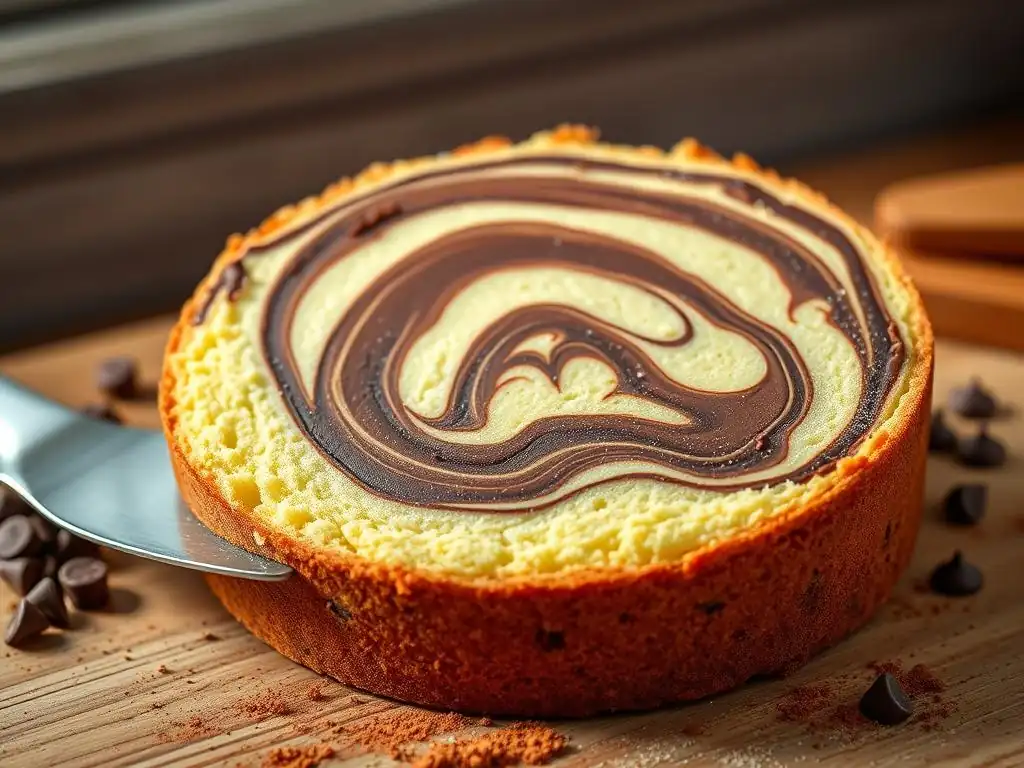
The first step in creating beautifully marbled cakes is preparing your base batter. Most chocolate marbling cake recipes start with a single large batch of light-colored batter, such as vanilla, yellow, or white cake batter. Prepare this batter according to your recipe instructions, ensuring it is smooth and free of lumps. A well-mixed base batter is essential for achieving clear, distinct swirls. Once the base batter is ready, you will divide it into two portions.
Typically, about two-thirds to three-quarters of the batter is kept as the light base. The remaining one-third to one-quarter is then transformed into the chocolate batter. This is usually done by whisking in melted and slightly cooled chocolate, cocoa powder mixed with a small amount of hot liquid, or a combination of both.
Ensure the chocolate portion is thoroughly mixed until uniform in color and consistency. The goal is to have two batters that are similar in thickness – if the chocolate batter is too thin or too thick compared to the base, it can lead to sinking or uneven patterns.
Creating the Chocolate Marble Effect: Swirling Techniques
Creating the marble effect involves strategically layering or placing the two batters and then gently swirling them together. The key is to swirl just enough to create patterns without over-mixing, which would blend the colors into a muddy mess. There are several popular methods for achieving different types of marble patterns, each offering a unique visual result. The choice of technique often depends on the desired look, from delicate wisps to bold, defined swirls.
Common techniques include layering alternating dollops or spoonfuls of batter, pouring the batters simultaneously from different containers, or creating stripes of batter in the pan. Once the batters are in the pan, a tool like a knife or toothpick is used to gently swirl through the layers. The depth and motion of your swirls will dictate the final pattern. Practice helps in understanding how much swirling is needed for your desired effect.
The Toothpick Swirl Method for Chocolate Marbling
The toothpick swirl method is excellent for creating fine, delicate marble patterns, perfect for a subtle effect in your chocolate marbling cake recipes. Once your cake pan is filled with alternating dollops or layers of the light and chocolate batters, take a clean toothpick or a thin skewer. Insert the toothpick into the batter, reaching about halfway or two-thirds of the way down.
Move the toothpick through the batter in a gentle back-and-forth or figure-eight motion. Avoid scraping the bottom of the pan, as this can disrupt the layers unevenly. Work your way across the surface of the batter, covering the entire area. Lift the toothpick out periodically to clean off excess batter if needed. This method is precise and allows for intricate, wispy swirls, giving the finished cake an elegant appearance.
The Knife Swirl Method for a Bold Chocolate Marble Design
For bolder, more defined marble patterns, the knife swirl method is often preferred. This technique uses a dinner knife or an offset spatula inserted deeper into the batter, sometimes even touching the bottom of the pan depending on the desired depth of the swirls. After layering the batters in the pan, insert the knife or spatula into the batter.
Move the knife through the batter in large, sweeping motions, such as long back-and-forth lines or broad figure-eights. The deeper and broader the strokes, the more dramatic the marble pattern will be. Be careful not to over-swirl; about 6-10 large swirls across a standard 9-inch cake pan are usually sufficient. This method results in thicker ribbons of color and a more pronounced marble effect, ideal for a striking visual impact.
The Drop and Swirl Method for Delicate Marbling
The drop and swirl method is a simple yet effective technique, particularly good for beginners or when you want a less structured, more organic marble pattern. Start by pouring the majority of your base batter into the prepared cake pan. Then, drop spoonfuls or small dollops of the chocolate batter randomly over the surface of the base batter.
Once the chocolate dollops are placed, take a knife or toothpick and gently swirl through the batter, focusing on connecting the chocolate drops with the base batter. You can use circular motions or gentle sweeps. This technique tends to create pockets and swirls of chocolate within the base, resulting in a beautiful, natural-looking marble pattern. It's a forgiving method that consistently yields attractive results in chocolate marbling cake recipes.
Baking Your Marbled Chocolate Cake to Perfection
Baking a marbled chocolate cake is similar to baking a standard cake, but ensuring even heat distribution is key to setting the marble pattern properly. Preheat your oven to the temperature specified in your recipe, typically between 325°F and 350°F (160°C and 175°C). Prepare your cake pan by greasing and flouring it, or lining it with parchment paper, to prevent sticking.
Pour the marbled batter gently into the prepared pan, being careful not to disturb the pattern too much. Bake for the time recommended in your recipe, or until a toothpick inserted into the center comes out clean (avoiding a large pocket of chocolate batter if possible). Baking times can vary based on the size and type of pan used.
A standard 9x13 inch cake might take 30-40 minutes, while a Bundt cake could take 50-60 minutes. Allow the cake to cool in the pan for 10-15 minutes before inverting it onto a wire rack to cool completely. Proper cooling is important before slicing to ensure the structure is set and the marble pattern is fully revealed.
Chocolate Marbling Cake Recipes: Inspiration and Ideas
Classic Chocolate Marble Cake Recipe
A classic chocolate marbling cake recipe typically features a vanilla or yellow cake batter beautifully swirled with a rich chocolate batter. This combination is a timeless favorite, offering a comforting flavor profile that appeals to almost everyone. The light, buttery notes of the vanilla complement the deep, slightly bitter taste of the chocolate, creating a perfect balance.
The base batter often uses creamed butter and sugar for a tender crumb, while the chocolate portion is made by adding melted chocolate or cocoa powder to a portion of the vanilla batter. Baking this in a standard loaf pan or a 9x13 inch rectangular pan is common, resulting in easy slicing that showcases the marble effect. A simple glaze or a dusting of powdered sugar is often the only finishing touch needed for this elegant cake.
Vegan Chocolate Marble Cake Recipe
Creating a vegan chocolate marbling cake recipe involves substituting dairy and eggs while maintaining a moist texture and vibrant marble. Plant-based milks (like almond, soy, or oat), appleauce, mashed banana, or commercial egg replacers can stand in for eggs, providing binding and moisture. Vegan butter or oil replaces dairy butter.
For the chocolate swirl, use dairy-free chocolate or cocoa powder mixed with hot plant-based milk or coffee. The marbling technique remains the same – swirling the two batters gently in the pan. Vegan marble cakes can be just as moist and visually appealing as their traditional counterparts, offering a delicious option for those following a vegan diet. Many recipes use vinegar or lemon juice interacting with baking soda to achieve sufficient lift without eggs.
Gluten-Free Chocolate Marble Cake Recipe
Adapting a chocolate marbling cake recipe to be gluten-free requires using a reliable gluten-free flour blend. Many high-quality blends are available that mimic the properties of wheat flour, often containing a mix of rice flour, potato starch, and tapioca starch, sometimes with the addition of xanthan gum for structure.
Ensure all other ingredients, including baking powder and vanilla extract, are certified gluten-free. The process of preparing and marbling the batters remains the same. Gluten-free cakes can sometimes be slightly denser, so ensuring the batters have a similar consistency before marbling is particularly important. Baking time might also vary slightly. The result is a delicious and visually appealing marbled cake that can be enjoyed by those with gluten sensitivities.
Other Creative Chocolate Marbling Recipes: Chocolate Orange, Coffee Chocolate, Raspberry Chocolate
Beyond the classic, chocolate marbling cake recipes can be infused with other flavors for exciting variations. A Chocolate Orange Marble Cake might pair a chocolate batter with an orange-flavored vanilla batter, perhaps using orange zest or extract. The bright citrus notes contrast beautifully with the rich chocolate.
For a Coffee Chocolate Marble Cake, coffee powder or strong brewed coffee can be added to the chocolate batter, or even to the vanilla batter for a mocha effect. The slight bitterness of coffee enhances the chocolate flavor. A Raspberry Chocolate Marble Cake could involve swirling a vibrant raspberry puree-based batter (thickened slightly) or a raspberry-flavored batter with chocolate, offering a fruity tang against the chocolate's richness. These variations demonstrate the versatility of the marbling technique.
Troubleshooting Common Chocolate Marbling Issues
Preventing Chocolate Streaks from Sinking
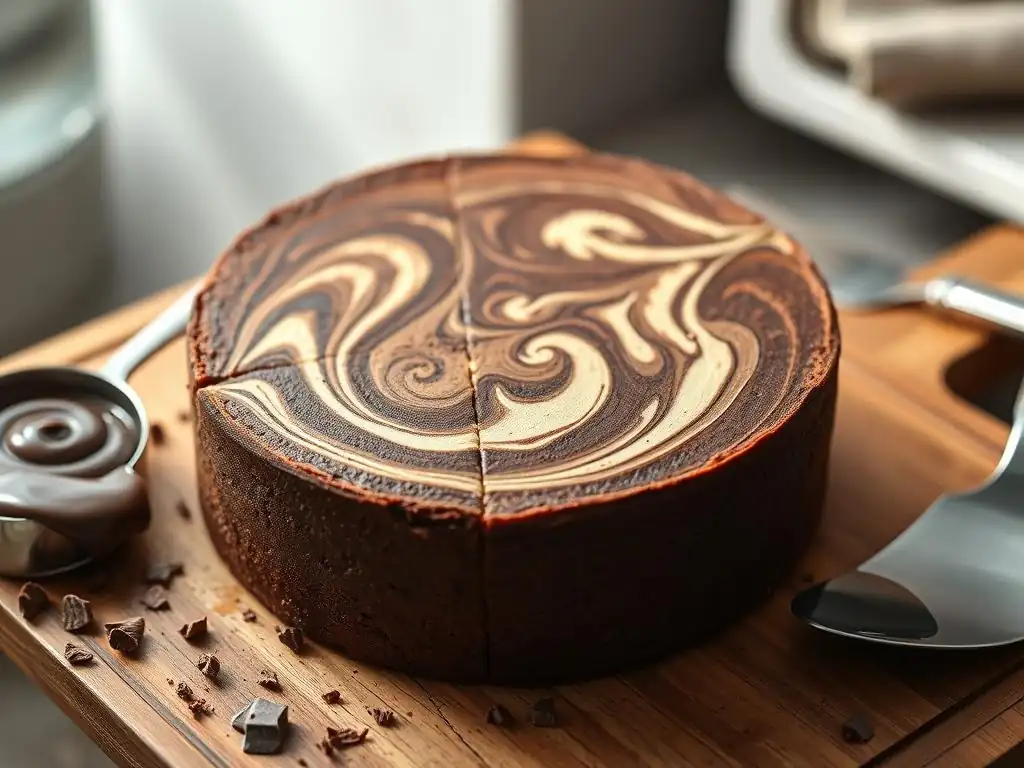
One common issue in chocolate marbling cake recipes is the chocolate batter sinking to the bottom of the pan, resulting in a dense layer instead of beautiful swirls. This usually happens because the chocolate batter is significantly heavier or thinner than the base batter. To prevent sinking, ensure the consistency of your chocolate batter is as close as possible to the base batter.
If using melted chocolate, cool it slightly before incorporating it to prevent it from thinning the batter too much. If using cocoa powder, mix it with a minimal amount of hot liquid to form a thick paste before adding it to the batter portion. Also, avoid over-swirling, as excessive mixing can force the heavier chocolate batter downwards. Gentle, deliberate swirls are key to keeping the patterns distributed throughout the cake.
Achieving Clear and Distinct Marble Patterns
Achieving clear and distinct marble patterns requires a balance between mixing the batters and swirling them. If your patterns look muddy or the colors blend too much, you might be over-swirling. Remember, the goal is to create swirls, not to fully combine the batters. Use a light hand and fewer passes with your swirling tool than you might initially think are necessary.
Another factor is the contrast between the batters. Ensure your chocolate batter is dark enough to stand out against the lighter base. If using white chocolate or a light cocoa batter, the contrast might be too subtle. Make sure your batters are not too thick, which can make swirling difficult, or too thin, which can cause them to blend too easily. The right batter consistency is crucial for well-defined lines.
Fixing Over-Marbled or Under-Marbled Cakes
If you realize your cake batter is over-marbled before baking – meaning the colors have blended too much – there's little you can do to fix the pattern itself. The best approach is to accept the less-defined pattern or, if it's truly muddy, consider it a simply swirled chocolate cake rather than a marble one. For future attempts, use fewer swirls or a different technique like the toothpick method for finer lines.
If your cake is under-marbled, with large pockets of unmixed batter, you can gently add a few more swirls with your tool, but be careful not to overcompensate. The best fix for under-marbling is prevention – ensure you make enough passes with your swirling tool to cover the entire surface and reach most of the way down into the batter, connecting the different color portions adequately. Learning the right amount of swirling takes practice, but it's a key skill for chocolate marbling cake recipes.
Tips and Tricks for Stunning Chocolate Marbling Effects
Using Different Colors of Chocolate for a Vibrant Marble Design
While classic chocolate marbling cake recipes use brown and white/light batter, you can create stunning, vibrant marble designs by using different colors of chocolate or colored batters. White chocolate can be colored using oil-based food coloring (water-based can cause chocolate to seize). Melted candy melts in various colors are also an option, though they have a different flavor profile.
You can also divide your base batter into three or more portions and color them using gel food coloring before adding the chocolate portion. Imagine a vanilla batter marbled with dark chocolate and a swirl of pink or green batter for a festive look. Ensure the colors are vibrant enough to stand out after baking. This approach allows for incredibly creative and eye-catching chocolate marbling cake recipes.
Adding Extracts and Flavors to Enhance Chocolate Marbling
Enhancing the flavor profile of your marbled cake can make it even more delightful. Beyond the standard vanilla and chocolate, consider adding complementary extracts or flavorings. Peppermint extract in the chocolate portion or a hint of almond extract in the vanilla batter can add complexity. Citrus zest or extract pairs wonderfully with chocolate.
Even incorporating a small amount of instant coffee granules dissolved in hot water into the chocolate batter can deepen the chocolate flavor and create a subtle mocha note. These flavor additions should be used sparingly so they enhance rather than overpower the main chocolate and cake flavors. Experiment with small amounts to find your preferred combinations for your chocolate marbling cake recipes.
Marbling Chocolate on Cupcakes and Other Treats
The chocolate marbling technique isn't limited to full-sized cakes. It works beautifully for cupcakes, muffins, and even brownies. For cupcakes, fill the liners with alternating spoonfuls of light and chocolate batter, then use a toothpick or skewer to swirl the top layer gently. This creates a lovely marble pattern on the surface of each cupcake.
For brownies, pour layers or dollops of chocolate batter and perhaps a contrasting blonde brownie batter or even melted white chocolate over the top of the main batter, then swirl. The technique is adaptable to any batter that can be poured or spooned. This allows you to apply your chocolate marbling skills to a variety of baked goods, making everyday treats look special.
Advanced Chocolate Marbling Techniques
Creating Intricate Marble Designs with Layered Chocolate
For more intricate marble designs, consider layering the batters more deliberately and perhaps using multiple colors. Instead of just two batters, you could use a dark chocolate, a milk chocolate, and a white batter. Pour thin layers of each batter alternately into the pan. For example, a thin layer of vanilla, then chocolate, then vanilla, then white chocolate, and repeat.
Once the layers are built up, use a thin skewer or knife to make vertical passes through the layers, creating columns of swirls. Then, make horizontal passes to connect them. This technique requires more precision in layering but can result in incredibly complex and beautiful patterns that weave throughout the entire cake, offering a more sophisticated marble effect than simple surface swirls.
Marbling Chocolate with Ganache or Glazes
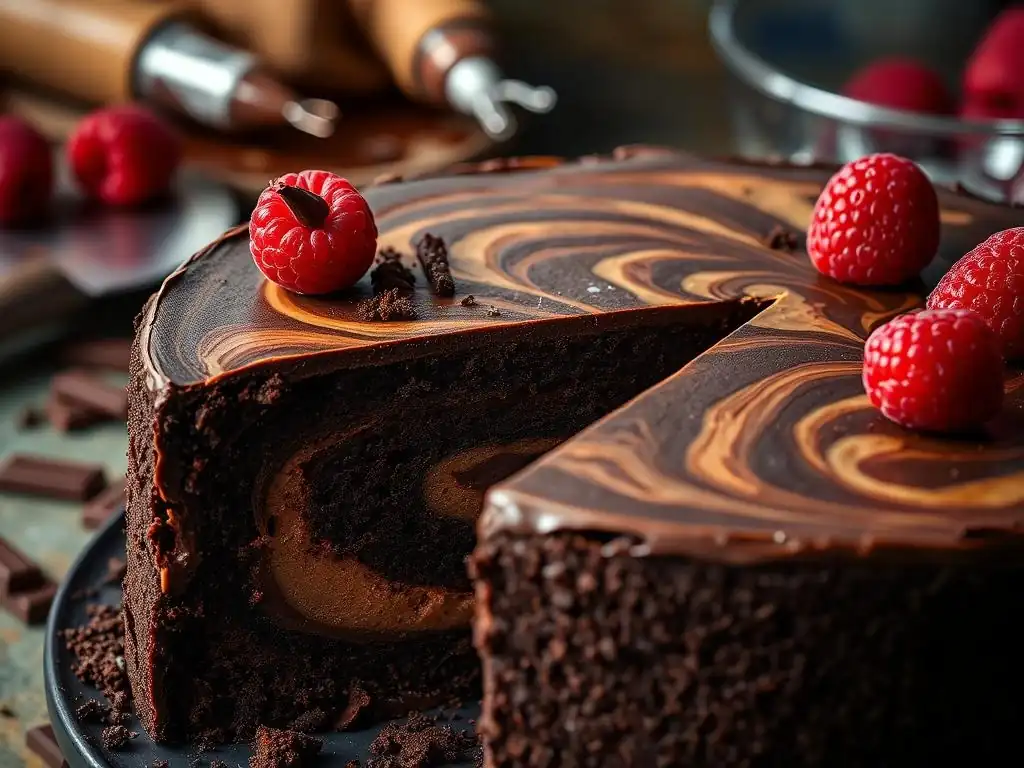
While typically done with batter, chocolate marbling can also be applied to the surface of a baked cake using ganache or glazes. After baking and cooling your cake, pour a base layer of glaze (like a simple vanilla or chocolate glaze) over the cake. While the base glaze is still wet, drizzle lines or dollops of a contrasting colored ganache or glaze over the top.
Then, use a toothpick or skewer to swirl through the wet glazes, creating a marble pattern on the cake's exterior. This method allows for very defined and shiny marble patterns, as the glazes set smoothly. It's a great way to add a dramatic visual finish to your chocolate marbling cake recipes or any other cake. Ensure the glazes are the right consistency – fluid enough to swirl but thick enough not to run off the cake too quickly.
Exploring Different Marbling Tools and Techniques
Beyond toothpicks and knives, other tools can be used for marbling, each creating a slightly different effect. Using a piping bag to pipe thin lines of chocolate batter onto the base batter before swirling can give more control over placement. A fork can create wider, more defined channels than a toothpick.
Experimenting with the motion of your swirling tool is also key. Figure-eights, straight lines, concentric circles, or random jabs can all produce unique patterns. You can even try pouring batters simultaneously from two spouted containers held over the pan for a freeform marble effect. Exploring these variations allows you to find techniques that produce your favorite patterns for your chocolate marbling cake recipes.
Conclusion: Elevate Your Baking with Chocolate Marbling
Mastering the Art of Chocolate Marble Cake Recipes with BakeWithEase
Mastering the art of chocolate marbling is a rewarding skill that brings both beauty and delicious flavor combinations to your baked goods. With the guidance from BakeWithEase, you've learned the essential techniques, from preparing your batters and choosing the right chocolate to executing various swirling methods. We've explored how to troubleshoot common issues and offered tips for enhancing your designs with color and flavor.
Creating stunning chocolate marbling cake recipes is now within your reach. The process is forgiving, allowing for creativity and unique results every time. Whether you prefer delicate swirls or bold patterns, the techniques are accessible to bakers of all levels. Practice is key, and with each marbled cake you bake, you'll gain more confidence and intuition for achieving the perfect swirl.
Further Exploration of Chocolate Baking Techniques
Chocolate marbling is just one facet of working with this versatile ingredient in baking. As you become more comfortable with marbling, you might want to explore other chocolate baking techniques. Consider diving into tempering chocolate for dipping or decorating, making smooth and shiny ganaches, or mastering the art of chocolate mousse.
Understanding how different types of chocolate behave in various applications will only enhance your overall baking skills. BakeWithEase offers resources on a wide range of chocolate techniques and recipes. Continue experimenting with chocolate marbling cake recipes and venture into new chocolate adventures to expand your baking repertoire and delight yourself and others with your delicious creations.
Frequently Asked Questions
What exactly is chocolate marbling in baking?
Chocolate marbling is a decorative technique where melted chocolate is swirled into a batter or frosting to create a beautiful, veined effect. This adds both visual appeal and a touch of chocolate flavor.
What types of cakes are best suited for chocolate marbling?
Generally, lighter-colored cakes like vanilla, white, or even cream cheese cakes work best as they provide a clear contrast. The marbling effect will be more visually striking on these cakes.
What kind of chocolate should I use for marbling?
Use good quality melting chocolate or chocolate chips. Milk, dark, or even white chocolate can be used, depending on your desired flavor and color contrast.
How do I prevent the chocolate from sinking to the bottom of the cake?
Ensure your melted chocolate is not too hot or thin. Gently swirl it into the batter, avoiding overmixing. Baking immediately also helps prevent sinking.
Can I marble frosting instead of the cake batter itself?
Yes, absolutely! You can marble frosting by gently swirling melted chocolate into the frosting before it sets. This creates a beautiful and unique frosting design.
Final Reflection: The Enduring Allure of Marbled Chocolate
The art of marbling chocolate in baking isn't just a visually stunning technique; it's a testament to the enduring power of simple elegance in a complex world. This article explored various methods for achieving that perfect swirl of chocolate and other flavors, demonstrating that even seemingly intricate designs can be achieved with a little practice and the right tools. The beauty of marbling lies not only in the final product but also in the creative process itself.
The impact of visually appealing desserts on our culture is undeniable. We are drawn to beauty, and food is no exception. The simple act of creating a marbled chocolate cake, with its swirling patterns and rich textures, transcends the purely culinary; it becomes a small act of artistry, a moment of mindful creation. The best things in life are simple.
This adage rings true when considering the enduring appeal of marbled chocolate – a testament to the power of simplicity and elegance.
Now, it's your turn. Don't just admire the marbled masterpieces; create your own! Experiment with different colors, flavors, and techniques. Let the process be as enjoyable as the result. Embrace the unexpected swirls and imperfections – they are part of the charm. The next time you bake, remember the joy of creating something beautiful, something delicious, something uniquely yours. Let the art of marbling chocolate inspire you to add a touch of elegance and creativity to your own life.
Unlock Your Inner Chocolate Artist: Master Marbling Today!
Thanks for exploring the delightful world of chocolate marbling with us! We hope you’ve gained the confidence to create stunning, professional-looking bakes. Ready to put your new skills to the test?
- Dive right in and marble your next dessert! Try out the techniques we discussed – you’ll be amazed at how easy it is to create beautiful swirls.
- Share your marbled masterpieces! Post your creations on social media and tag us – we’d love to see your artistic flourishes.
- Consider experimenting with different chocolate types and colors. What unexpected flavor combinations will you uncover?
So, what decadent dessert are you marbling first?