
Stabilizing Meringue Naturally: Tips to Prevent Weeping Without Added Ingredients

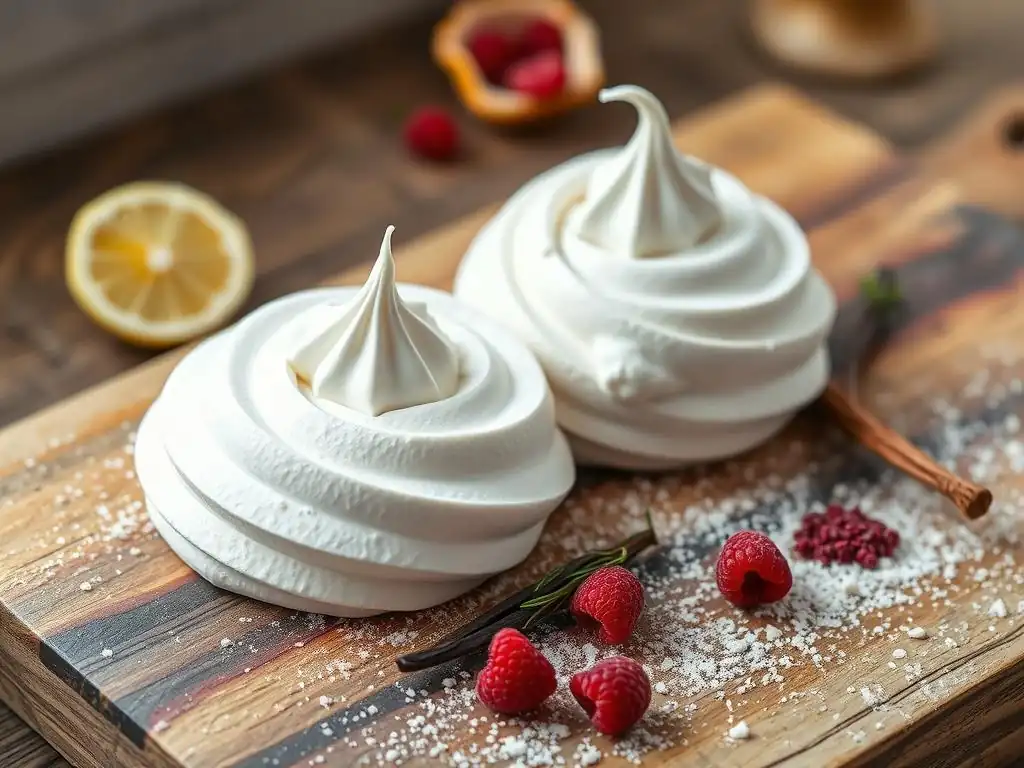
Welcome to BakeWithEase, your trusted guide to baking brilliance! Ever wondered how to achieve that perfect, glossy meringue without the dreaded weeping? Stabilizing meringue naturally can be a challenge, but it's entirely possible. Dive into our latest article, where we reveal insider tips to prevent weeping, all without relying on artificial ingredients. Discover the secrets that elevate your baking from good to unforgettable and leave you craving to explore more of our advanced baking techniques.
- Mastering Meringue: Natural Techniques for a Stable and Weep-Free Finish
- Understanding Meringue Instability: The Science of Weeping
- Natural Meringue Stabilization Techniques: Mastering the Process
- Baking Meringue to Perfection: Temperature and Timing Considerations
- Natural Acidic Stabilizers: Enhancing Meringue Structure
- Troubleshooting Meringue Issues: Diagnosing and Correcting Problems
- Weep-Resistant Meringue Recipes: Applying the Techniques
- Storing Meringue Successfully: Maintaining Crispness and Texture
- Achieving Meringue Mastery: Tips for Consistent Success
-
Frequently Asked Questions
- What causes meringue to weep, and why is it a common problem?
- Can I prevent meringue weeping without using cream of tartar or other stabilizers?
- How does using room-temperature eggs help prevent weeping?
- What's the best way to add sugar to meringue to avoid weeping?
- What role does oven temperature play in preventing meringue weeping?
- Final Reflection: The Enduring Allure of a Perfect Meringue
- Unlock Your Perfect Meringue: Take the Next Step!
Mastering Meringue: Natural Techniques for a Stable and Weep-Free Finish
Understanding Meringue Instability: The Science of Weeping
Humidity and its Impact on Meringue Structure
Humidity is one of the primary culprits behind meringue weeping, a process where liquid sugar syrup separates from the hardened meringue structure. When the air is damp, water molecules are readily absorbed by the hygroscopic sugar within the meringue. This absorbed moisture weakens the delicate protein network formed by the whipped egg whites, causing the sugar to dissolve and seep out as liquid droplets on the surface or base. Imagine a sponge soaking up water; meringue, with its airy structure, can similarly absorb moisture from the environment, especially after baking.
The effect of humidity is particularly noticeable in regions with consistently high moisture levels, such as coastal areas or during rainy seasons. A meringue baked and left exposed in a high-humidity environment (say, 70% relative humidity or higher) will likely start weeping much faster than one in a dry climate (e.g., 30% humidity). This makes understanding and mitigating humidity's impact crucial for successful Natural meringue weeping prevention tips, focusing on techniques that strengthen the meringue's resilience to moisture absorption both during and after baking.
The Protein Network: How Egg Whites Contribute to Meringue Stability
Egg whites are the foundation of meringue, composed primarily of water (around 90%) and protein (around 10%). When egg whites are whipped, mechanical action denatures the proteins, causing them to unfold. These unfolded proteins then rearrange themselves around air bubbles introduced by the whisk, creating a stable, foam-like structure. This protein network traps the air, giving meringue its volume and lightness. Ovalbumin, the most abundant protein in egg whites, plays a significant role in this process, along with others like ovotransferrin and lysozyme.
The strength and stability of this protein network are paramount for preventing weeping. If the network is weak, it cannot effectively hold the sugar and trapped air, leading to collapse and liquid separation. Adding sugar during whipping helps stabilize this network by binding to the proteins and increasing the viscosity of the mixture. However, the way sugar is added and the whipping technique directly influence how robustly this protein structure forms, highlighting key areas for applying Natural meringue weeping prevention tips.
Overmixing vs. Undermixing: Finding the Right Balance
Achieving the correct consistency when whipping egg whites is critical. Undermixing leaves the protein network weak and underdeveloped. The foam will be loose, lacking volume, and unable to hold peaks effectively. When sugar is added, or during baking, this fragile structure easily collapses, leading to significant weeping and a dense, often sticky, meringue. The air bubbles trapped are also larger and less uniform, contributing to instability.
Conversely, overmixing can also compromise stability, albeit differently. Whipping egg whites past stiff peaks causes the protein network to become too tight and brittle. The proteins clump together, squeezing out the trapped air and liquid.
The mixture may start to look curdled or grainy. While it might appear stable initially, this overdeveloped structure is prone to breaking down, especially during baking or exposure to moisture, resulting in weeping and a tough, chewy texture rather than a light, crisp one. Finding that sweet spot between soft and stiff peaks is essential for a resilient meringue structure, a core principle for Natural meringue weeping prevention tips.
Natural Meringue Stabilization Techniques: Mastering the Process
The Bowl and Whisk: Ensuring Cleanliness for Optimal Volume
The first step to a stable meringue begins with the equipment. Any trace of fat or grease on the mixing bowl or whisk can severely impede the egg whites' ability to whip into a stable foam. Fat molecules interfere with the protein denaturation and network formation process. Even a minuscule amount, like a residual oil film from previous baking or a speck of egg yolk, can prevent the egg whites from reaching their full volume potential, resulting in a weak, unstable meringue that is highly susceptible to weeping.
To ensure optimal whipping, always use clean, dry equipment. Washing bowls and whisks thoroughly with hot, soapy water and rinsing completely is crucial. Many bakers prefer using glass or metal bowls for meringues, as plastic bowls can sometimes retain greasy residues even after washing. Wiping the bowl and whisk with a little lemon juice or vinegar on a paper towel before adding the egg whites can also help remove any invisible greasy film, providing the perfect clean canvas for building a strong protein structure, a foundational element for Natural meringue weeping prevention tips.
Whipping Technique: Achieving a Fine and Stable Foam
The speed and duration of whipping significantly impact the quality of the meringue foam. Starting at a lower speed helps to gently break up the egg whites and create larger bubbles. After a minute or two, increasing the speed allows these larger bubbles to break down into smaller, more uniform ones, while the proteins begin to form a stable network around them. Whipping at medium-high speed is generally recommended for incorporating enough air and developing a fine, stable foam.
The goal is to create a foam with consistently small air bubbles encased in a strong protein matrix. This fine-bubbled structure is more resilient and less likely to collapse. Overly large or uneven bubbles indicate a weaker structure. Paying close attention to the visual cues – the transition from frothy to soft peaks, then to stiff, glossy peaks – is key. The meringue should hold its shape firmly when the whisk is lifted but still look smooth and not grainy. Mastering this technique is vital for establishing a robust base for Natural meringue weeping prevention tips.
Gradual Sugar Incorporation: Preventing Protein Collapse
Sugar is essential for stabilizing meringue, adding sweetness and structure. However, adding sugar too quickly or all at once can shock the egg whites and cause the protein network to collapse before it has fully formed. Sugar is hygroscopic (attracts water), and dumping a large amount into the egg whites can draw water out of the proteins prematurely, disrupting their ability to bond and stabilize the foam. This results in a dense, heavy meringue that is prone to weeping.
The best practice is to add the sugar gradually, typically one or two tablespoons at a time, allowing each addition to dissolve completely into the egg whites before adding the next. This process allows the proteins to adjust and build a stronger network around the sugar molecules. It also ensures the sugar dissolves properly, preventing a gritty texture. The meringue will become increasingly glossy and stiff as more sugar is incorporated correctly. This slow, steady addition is a cornerstone technique for effective Natural meringue weeping prevention tips.
Baking Meringue to Perfection: Temperature and Timing Considerations
Low and Slow: The Ideal Baking Temperature for Meringue
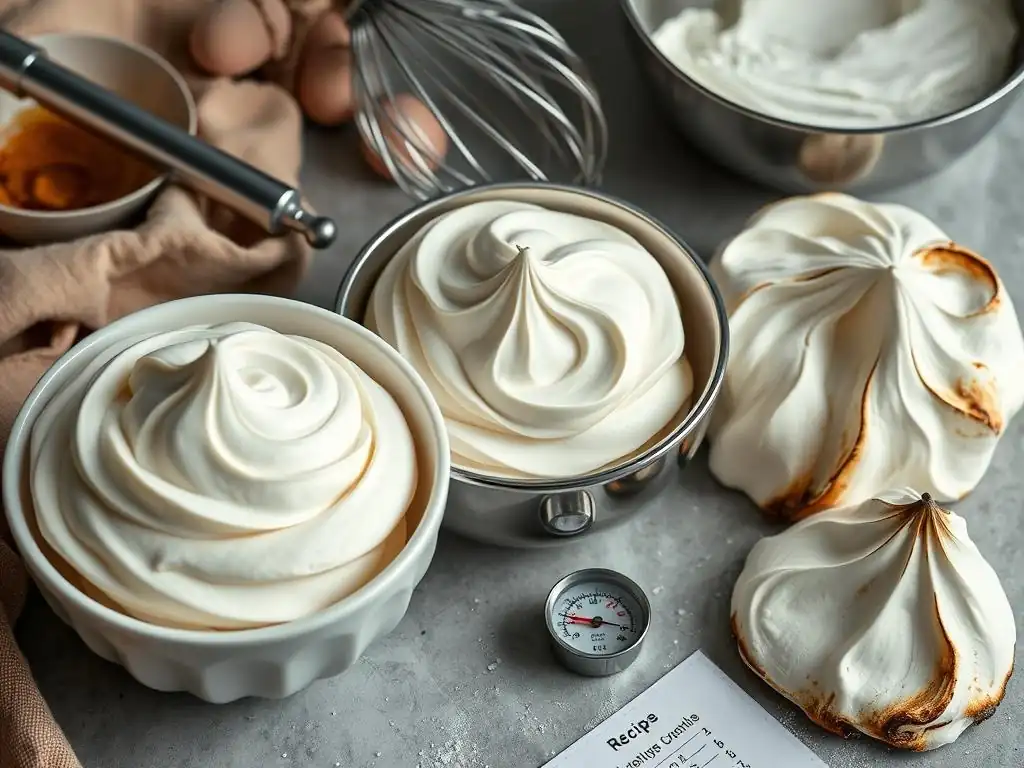
Baking meringue isn't about cooking it in the traditional sense, but rather drying it out to create that characteristic crisp texture. High temperatures will cause the meringue to cook too quickly, expanding rapidly and then collapsing, often leading to cracks and weeping. A low oven temperature, typically between 200°F and 250°F (approx. 95°C to 120°C), is crucial for allowing the meringue to dry out slowly and evenly.
This "low and slow" approach allows the protein network to solidify gently as moisture evaporates. Baking at too high a temperature can also caramelize the sugar too quickly, leading to browning before the interior is dry. A slow bake ensures the meringue dries from the outside in, creating a stable shell that helps prevent later moisture absorption and weeping. For instance, a large meringue shell might bake at 225°F (approx. 107°C) for 1.5 to 2 hours, depending on its size and thickness, demonstrating the importance of precise temperature control for Natural meringue weeping prevention tips.
Monitoring Internal Temperature: Ensuring Proper Doneness
While external appearance is important, the internal dryness is key to preventing weeping. A truly stable meringue should be dry throughout. Although measuring the exact internal temperature of a delicate meringue is tricky, the concept is about moisture content, not reaching a specific thermal cooking point like meat. The aim is to reduce the internal moisture significantly.
One way to gauge doneness is by gently lifting a meringue from the baking sheet. It should feel light and dry on the bottom and peel away easily without sticking. For larger meringues, breaking one open (sacrificing one for testing) should reveal a dry, crisp interior, not a sticky or chewy one. Some bakers use an instant-read thermometer inserted into the center of a larger piece to check if it feels dry rather than detecting a specific temperature. Ensuring this thorough dryness during baking is a critical step in applying Natural meringue weeping prevention tips.
Oven Venting: Controlling Humidity During Baking
Even in a low oven, moisture is released from the meringue as it bakes. If this moisture remains trapped inside the oven, it creates a humid environment that can slow down the drying process and even be reabsorbed by the meringue. Venting the oven allows this humid air to escape, promoting better air circulation and more efficient drying.
This can be achieved by propping the oven door open slightly (perhaps using the handle of a wooden spoon) once the meringue has set and formed a light crust, typically after the first 30-60 minutes of baking. Maintaining this slight opening throughout the remainder of the baking time helps ensure a dry atmosphere around the meringues. This simple technique significantly contributes to achieving a dry, stable meringue less prone to weeping after cooling, reinforcing effective Natural meringue weeping prevention tips.
Natural Acidic Stabilizers: Enhancing Meringue Structure
Cream of Tartar: A Classic Meringue Stabilizer
Cream of tartar (potassium bitartrate) is a common acidic salt used in baking to stabilize egg whites. Adding a small amount, typically about 1/8 to 1/4 teaspoon per two large egg whites, lowers the pH of the mixture. This acidic environment helps the egg white proteins (specifically albumin) to denature and unfold more easily and efficiently during whipping. It also strengthens the protein network by facilitating the formation of tighter bonds between the protein molecules.
The result is a more stable, voluminous foam that is less likely to collapse or weep. Cream of tartar also helps the meringue achieve finer, more uniform air bubbles, contributing to a smoother texture and improved structural integrity. It's a highly effective, natural way to boost the resilience of your meringue against moisture and handling, serving as a key component among Natural meringue weeping prevention tips.
Lemon Juice: Adding Flavor and Stability
Lemon juice is another natural acidic ingredient that can be used to stabilize meringue. Like cream of tartar, the acidity of lemon juice (citric acid) helps denature and strengthen the egg white proteins during whipping. A small amount, perhaps 1/2 teaspoon to 1 teaspoon per two large egg whites, can significantly improve the volume and stability of the foam.
Beyond its stabilizing properties, lemon juice adds a subtle, pleasant flavor that can complement the sweetness of the meringue, particularly in desserts like lemon meringue pie. While less potent than cream of tartar, it is a readily available natural alternative. Using fresh lemon juice is recommended for the best results. Incorporating lemon juice is a flavorful approach to implementing Natural meringue weeping prevention tips.
Vinegar: A Subtle Acidic Boost for Meringue
Vinegar, typically white vinegar or apple cider vinegar, is also an acidic stabilizer for meringue. Its acetic acid works similarly to the acids in cream of tartar and lemon juice, assisting in the denaturation and strengthening of the egg white proteins. A small addition, such as 1/4 to 1/2 teaspoon per two large egg whites, can help create a more robust and stable foam.
Vinegar has a more pungent aroma than lemon juice or cream of tartar, but this generally dissipates during whipping and baking, leaving no noticeable taste in the finished meringue. It's a reliable and inexpensive option for adding that crucial acidic element needed to enhance meringue structure and resilience. Using vinegar is another practical method for applying Natural meringue weeping prevention tips.
Troubleshooting Meringue Issues: Diagnosing and Correcting Problems
Soft Peaks vs. Stiff Peaks: Recognizing the Correct Consistency
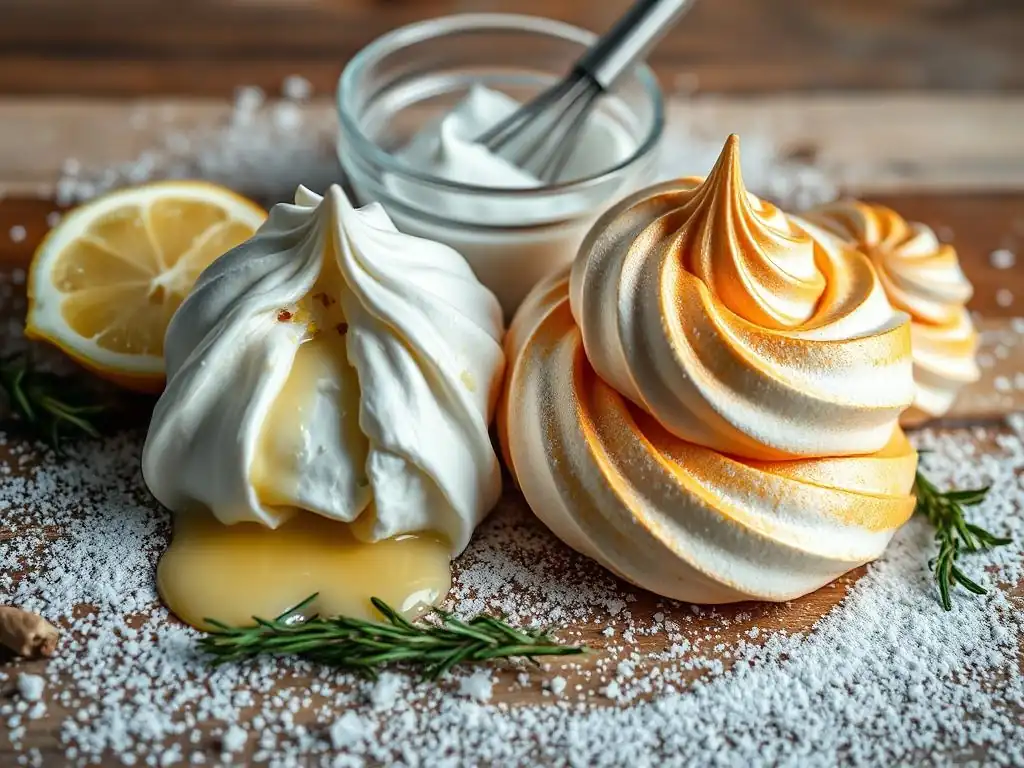
Understanding the difference between soft and stiff peaks is fundamental to meringue success. Soft peaks occur when the whipped egg whites form peaks that curl over when the whisk is lifted. This stage indicates the protein network is just beginning to form and is suitable for applications like soufflés but not for stable meringues that need to hold their shape or be baked. The structure is too weak at this point to support the sugar and air effectively.
Stiff peaks, conversely, stand straight up when the whisk is lifted and hold their shape firmly. The meringue should look glossy and smooth. This is the ideal consistency for most baked meringues, as it signifies a strong, well-developed protein network capable of trapping air and sugar securely. Whipping slightly past stiff peaks can lead to overmixing. Recognizing the visual cue of stiff, glossy peaks is a crucial skill for anyone aiming for Natural meringue weeping prevention tips.
Beading: Identifying and Preventing Moisture Droplets
Beading is the appearance of small, amber-colored droplets of syrup on the surface of a baked meringue, particularly common on meringue pies. This is a form of weeping caused by either undissolved sugar, uneven baking, or rapid cooling. If sugar crystals remain undissolved, they can attract moisture and melt during baking, seeping out. Uneven baking can leave some areas moist while others dry, creating differential moisture levels. Rapid cooling can cause condensation on the surface.
To prevent beading, ensure all sugar is completely dissolved during whipping by rubbing a small amount between your fingers – it should feel smooth, not grainy. Bake the meringue slowly and thoroughly at a low temperature to dry it evenly. Allow the meringue to cool gradually, ideally within the turned-off oven with the door propped open, rather than moving it directly to a cold environment. These steps are effective Natural meringue weeping prevention tips specific to beading.
Cracked Meringue: Understanding the Causes and Solutions
Cracked meringue, while sometimes merely an aesthetic issue, can also be a sign of underlying structural problems that might lead to weeping. Cracks typically occur when the meringue expands too rapidly during baking or dries out unevenly. High oven temperatures cause the exterior to set and harden too quickly while the interior is still expanding, leading to splits. Removing the meringue from the oven too quickly can also cause sudden temperature changes and contraction, resulting in cracks.
To prevent cracks, bake the meringue at a consistently low temperature to allow for slow, even drying and minimal rapid expansion. Avoid making meringues excessively thick, as thicker meringues are more prone to cracking. Cooling the meringue gradually inside the oven after baking is complete helps the structure stabilize without sudden stress. Implementing these baking and cooling practices is vital for achieving stable, crack-free meringues as part of Natural meringue weeping prevention tips.
Weep-Resistant Meringue Recipes: Applying the Techniques
French Meringue: A Light and Airy Base
French meringue is the simplest type, made by whipping raw egg whites with sugar until stiff peaks form. While easy to make, it is generally the least stable and most prone to weeping because the sugar is simply dissolved into the raw egg whites, and the protein network is not further stabilized by heat. Its structure is light and airy, often used for pavlovas or baked meringue shells.
To make French meringue more weep-resistant using natural methods, focus intensely on the quality of the initial whip – ensure clean equipment, gradual sugar addition, and whipping to firm, glossy stiff peaks. Baking it at a very low temperature for an extended period is crucial to thoroughly dry it out. Even with these precautions, French meringue remains more susceptible to humidity than heat-stabilized versions, making careful storage essential. These basic steps are foundational Natural meringue weeping prevention tips applicable even to this delicate type.
Swiss Meringue: A Smooth and Silky Option
Swiss meringue involves heating the egg whites and sugar over a double boiler (bain-marie) while whisking until the sugar dissolves and the mixture reaches about 130°F to 140°F (approx. 55°C to 60°C). The mixture is then removed from the heat and whipped until cool and very stiff peaks form. This heating step partially cooks the egg white proteins, making the resulting meringue denser, smoother, and significantly more stable than French meringue.
The heat treatment creates a more robust protein network that is less likely to collapse and weep. Swiss meringue is wonderfully smooth and glossy, ideal for frosting cakes or making buttercream. Its inherent stability due to the heating process makes it naturally more resistant to weeping, embodying the principles of Natural meringue weeping prevention tips through thermal stabilization.
Italian Meringue: A Sturdy and Glossy Topping
Italian meringue is considered the most stable type, made by slowly pouring a hot sugar syrup (heated to the soft-ball stage, around 238°F to 245°F or approx. 114°C to 118°C) into whipping egg whites. The hot syrup cooks the egg whites as it's incorporated, creating a very stable, glossy, and dense meringue. This heat treatment effectively denatures and stabilizes the proteins, making it highly resistant to weeping and collapse.
Italian meringue is often used for meringue pies (torched or not), frostings, and mousses because of its reliability and smooth texture. The high temperature of the sugar syrup ensures the egg whites are thoroughly cooked and the sugar is fully dissolved and integrated into the protein structure. This thermal stabilization is a powerful natural method, making Italian meringue an excellent example of applying advanced Natural meringue weeping prevention tips.
Storing Meringue Successfully: Maintaining Crispness and Texture
Airtight Containers: Protecting Meringue from Moisture
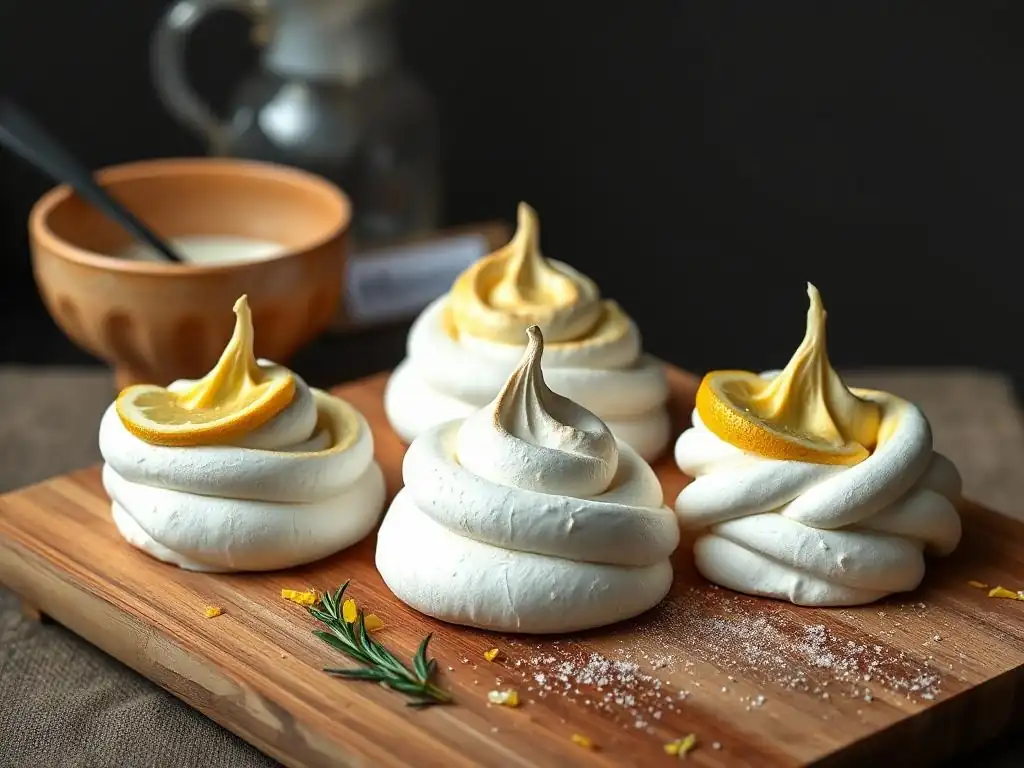
Once baked and cooled, meringue is still highly susceptible to absorbing moisture from the air, which leads to softening and weeping. The best defense against this is proper storage in an airtight container. A container with a tight-fitting lid creates a barrier that prevents humid air from reaching the meringue surfaces.
Ensure the meringue is completely cool before placing it in the container, as residual heat can create condensation inside. Storing meringues in a cool, dry pantry is preferable to the refrigerator, where humidity levels are often higher. This simple step of using an airtight container is a fundamental post-baking Natural meringue weeping prevention tip.
Desiccants: Absorbing Excess Humidity During Storage
For an extra layer of protection against moisture during storage, especially in humid climates, consider adding food-safe desiccants to the airtight container. Desiccants are substances that absorb moisture from the air. Examples include silica gel packets (ensure they are food-grade and clearly labeled) or even a small amount of uncooked rice wrapped in cheesecloth.
Place the desiccant packet or rice sachet inside the airtight container with the cooled meringues, ensuring it doesn't directly touch them. The desiccant will absorb any residual moisture within the container's air, helping to keep the meringues crisp and preventing weeping. This is a practical enhancement to standard Natural meringue weeping prevention tips for storage.
Freezing Meringue: Preserving Texture and Flavor
While freezing might seem counterintuitive for something meant to be crisp, baked meringues can often be frozen successfully, particularly larger shells or pieces. The key is to freeze them correctly to minimize moisture damage. Ensure the meringues are completely cooled and very dry.
Wrap individual meringues or layers carefully in plastic wrap, then place them in an airtight freezer-safe container or bag. This double layer of protection helps prevent freezer burn and shields them from moisture fluctuations. To thaw, transfer the container to the refrigerator overnight, then allow them to come to room temperature inside the container before opening. This slow thawing process minimizes condensation. Freezing is a viable long-term strategy for preserving meringue stability, fitting into the broader scope of Natural meringue weeping prevention tips for extending shelf life.
Achieving Meringue Mastery: Tips for Consistent Success
Summary of Natural Stabilization Techniques
Mastering meringue stability naturally relies on a combination of careful technique and environmental control. Key strategies include ensuring all equipment is spotlessly clean and free of fat, whipping egg whites gradually to achieve a fine, stable foam with stiff, glossy peaks, and incorporating sugar slowly to allow it to dissolve fully and integrate into the protein network.
Baking is equally crucial: a low oven temperature and long duration are essential for thorough drying, ideally with the oven door propped open to vent steam. Utilizing natural acidic stabilizers like cream of tartar, lemon juice, or vinegar boosts protein stability. Finally, proper cooling (gradual) and storage (airtight, potentially with desiccants) are necessary to protect the finished meringue from post-baking moisture absorption. Implementing these Natural meringue weeping prevention tips consistently across the process yields the best results.
Advanced Meringue Techniques: Expanding Your Skills
Once comfortable with the basics, explore advanced techniques like making Swiss or Italian meringue, which offer increased stability through heat. Experiment with adding small amounts of cornstarch (about 1 teaspoon per 2 large egg whites), which can absorb moisture and further stabilize the structure, acting as a natural anti-weeping agent.
Consider the impact of different sugars; superfine sugar dissolves more readily than granulated sugar, reducing the risk of undissolved crystals. Understanding how different environmental factors, like barometric pressure, can subtly affect meringue whipping might seem advanced, but recognizing these nuances helps refine your process. Continuously learning and adjusting based on your results is part of achieving true meringue mastery, building upon your foundation of Natural meringue weeping prevention tips.
Practice Makes Perfect: Refining Your Meringue Expertise
Meringue can be notoriously finicky, and achieving consistent, weep-free results often requires practice. Don't be discouraged by initial failures. Each attempt provides valuable learning about the subtle interactions between egg whites, sugar, technique, and environment. Pay attention to the feel and appearance of the meringue at each stage – the texture of the foam, the glossiness after sugar addition, the dryness after baking.
Keep notes on your process: the exact measurements used, the whipping time, the oven temperature and duration, the humidity level on the day. Analyzing what worked and what didn't will help you refine your approach. With patience and repeated practice, you'll develop the intuition needed to consistently create stable, beautiful meringues, becoming adept at applying Natural meringue weeping prevention tips in any situation.
Frequently Asked Questions
What causes meringue to weep, and why is it a common problem?
Meringue weeping happens when liquid separates from the meringue, usually due to under-whipped egg whites or excess sugar. It's common because achieving the right balance of ingredients and technique can be tricky.
Can I prevent meringue weeping without using cream of tartar or other stabilizers?
Yes! This article focuses on natural techniques like using room-temperature eggs, controlling sugar addition, and ensuring thorough whipping.
How does using room-temperature eggs help prevent weeping?
Room-temperature eggs whip up to a greater volume and create a more stable foam, which is less likely to weep compared to cold eggs.
What's the best way to add sugar to meringue to avoid weeping?
Add sugar gradually after the egg whites have formed soft peaks. Adding it too early or all at once can deflate the egg whites and lead to weeping.
What role does oven temperature play in preventing meringue weeping?
A low and slow bake allows the meringue to dry out completely, reducing the likelihood of moisture release and subsequent weeping.
Final Reflection: The Enduring Allure of a Perfect Meringue
The pursuit of the perfect meringue, a culinary feat seemingly simple yet surprisingly complex, remains as relevant today as it ever was. A flawlessly smooth, glossy meringue, standing tall and proud, is a testament to precision and understanding – a small victory in the kitchen that brings immense satisfaction. The frustration of a weeping meringue, however, is a familiar experience for many bakers, highlighting the delicate balance required in this seemingly simple recipe.
This exploration into natural methods for preventing meringue weeping has underscored the importance of understanding the fundamental science behind baking. The subtle interplay of egg whites, sugar, and air, along with environmental factors like humidity, profoundly impacts the final result. This journey has reinforced my own appreciation for the artistry involved, reminding me that even the simplest recipes hold a wealth of knowledge. The best things in life are simple, but not easy.
This quote perfectly encapsulates the challenge and reward of mastering meringue making.
Now, I invite you to consider your own baking experiences. Have you encountered the frustrating collapse of a weeping meringue? Take what you've learned here – the importance of precise measurements, the careful whisking technique, and the understanding of environmental conditions – and apply it to your next baking adventure. Don't be discouraged by setbacks; instead, view them as opportunities to refine your skills and achieve that perfect, stable meringue you've always dreamed of. The journey towards mastery is a rewarding one, and the taste of a perfectly made meringue is its own sweet reward.
Unlock Your Perfect Meringue: Take the Next Step!
Thanks for taking the time to learn about achieving flawlessly stable meringues! You now have the knowledge to conquer weeping meringues without relying on extra ingredients. Ready to put your new skills to the test?
- Whip up your dream meringue: Try the techniques discussed today and see the difference! Experiment with different bowl types and whipping speeds to find your perfect method.
- Share your success (or challenges!): Post a picture of your masterpiece (or your learning experience!) on social media and tag us—we'd love to see it!
- Explore more baking secrets: Dive into our other articles on BakeWithEase.com for more tips and tricks on mastering baking techniques.
Ready to bake a meringue so stable, it'll defy gravity? What's your biggest meringue-making challenge, and how will you tackle it next time?