
Why Accurate Measuring is Your Secret to Baking Success

Welcome to BakeWithEase, your companion on a delicious baking journey! Ever wondered why some recipes turn out flawlessly while others... well, not so much? The secret often lies in the details. This week, we're unlocking the key to consistent, mouthwatering results. Dive in to discover why accurate measuring is your secret to baking success, and learn how mastering this fundamental skill can elevate your creations from good to absolutely unforgettable. Intrigued? Let's get baking!
- Why Accurate Measuring is Your Secret to Baking Success: Mastering Precision in Baking
- Essential Tools for Accurate Measuring in Baking
- Techniques for Accurate Measuring in Baking
- The Science Behind Accurate Measuring and Baking Success
- Practical Steps to Improve Your Measuring Skills for Baking Success
- Conclusion: Embracing Accurate Measuring as Your Key to Baking Success
- Frequently Asked Questions
- Final Reflection: The Sweet Science of Precision in Baking
- Unlock Your Baking Potential: Master the Measure!
Why Accurate Measuring is Your Secret to Baking Success: Mastering Precision in Baking
Baking is often described as a science, and for good reason. Unlike cooking, where you can often adjust ingredients on the fly and taste as you go, baking relies on precise chemical reactions and specific ingredient ratios to achieve the desired texture, structure, and flavor. Think of it like following a delicate formula – if even one element is slightly off, the final result can be dramatically different from what you intended.
This is why accurate measuring is not just a suggestion in baking; it's a fundamental requirement for consistent and delicious results. Mastering this basic skill is arguably the single most important step for any beginner baker aiming for true baking success.
Developing a habit of precise measurement from the start sets you up for a much more rewarding baking journey. It removes much of the guesswork and frustration that can come from inconsistent outcomes. When you know you've measured correctly, you can better understand how other factors, like oven temperature or mixing technique, influence your bake. It builds confidence, allowing you to tackle more challenging recipes and truly understand the craft. Ultimately, prioritizing accurate measuring is your secret weapon for achieving reliable and impressive baking success every time you tie on your apron.
Understanding the Importance of Accurate Measuring in Baking Success
In the world of baking, ingredients don't just add flavor; they play specific structural and chemical roles. Flour provides structure through gluten development, sugar contributes sweetness, tenderness, moisture, and browning, fat adds richness and tenderness, eggs bind ingredients and aid in leavening, and leavening agents like baking soda and powder create rise through gas production.
Each ingredient interacts with the others in a carefully balanced system. If you add too much or too little of any one component, you disrupt this delicate balance, leading to outcomes like a cake that sinks in the middle, cookies that spread too much or not enough, or bread that's dense and heavy.
Consider the impact of inaccurate measurement on a simple cookie recipe. If you accidentally add 20% more flour than called for because you scooped it directly from the bag instead of spooning it in, your dough will be drier and stiffer. This will likely result in cookies that are tough, don't spread properly on the baking sheet, and have a dry, crumbly texture instead of being tender and chewy.
Conversely, adding too little flour could lead to cookies that spread into flat, greasy puddles. This demonstrates how even seemingly small measurement errors have a significant ripple effect on the final product's appearance, texture, and overall quality, highlighting why accurate measuring is paramount for baking success.
How Precise Ingredient Measurement Impacts Baking Outcomes
The precision with which you measure ingredients has a direct and often dramatic impact on the final characteristics of your baked goods. Take leavening agents, for instance. Baking powder and baking soda are powerful chemicals that react with liquids and/or acids to produce carbon dioxide gas, which makes cakes and muffins light and airy.
Adding even a quarter teaspoon too much baking powder to a standard batch of muffins (say, a recipe calling for 2 teaspoons) can cause them to rise too quickly and then collapse, leaving you with sunken centers or an unpleasant, soapy taste. Conversely, using too little will result in dense, heavy muffins that didn't rise sufficiently.
Fats and liquids are equally sensitive to inaccurate measuring. The amount of butter or oil in a cookie recipe dictates its spread and tenderness; too much can make cookies greasy and fragile, while too little results in a dry, crumbly texture. Similarly, the hydration level in bread dough – the ratio of water to flour – is critical for gluten development and the final crumb structure.
A recipe calling for 350 grams of water per 500 grams of flour (70% hydration) will yield a moist, open-crumbed loaf. If you mismeasure the flour and accidentally add 550 grams while keeping the water at 350 grams (now 64% hydration), your dough will be significantly stiffer, harder to work with, and produce a denser, tighter crumb. These examples underscore the critical link between precise ingredient measurement and achieving the desired outcome for accurate measuring baking success.
Common Measurement Mistakes Beginners Make and How to Avoid Them
One of the most prevalent mistakes beginner bakers make is improperly measuring dry ingredients, particularly flour. The classic error is scooping a measuring cup directly into a bag of flour and then leveling it off. This method compacts the flour, resulting in significantly more flour by weight than the recipe intended.
For example, a cup of all-purpose flour spooned lightly into a cup and leveled typically weighs around 120-125 grams, whereas that same cup scooped and compacted can weigh 140-150 grams or even more. Using an extra 20-30 grams of flour per cup can quickly add up in a recipe, leading to dry, heavy, or tough baked goods.
Another common pitfall is confusing liquid measuring cups with dry measuring cups, or eye-balling quantities instead of using proper tools. Liquid measuring cups have a spout and markings below the rim, designed to be filled and read at eye level on a flat surface. Dry measuring cups are meant to be filled to the brim and leveled.
Using a dry cup for liquids can lead to spills and inaccurate readings, while using a liquid cup for dry ingredients makes leveling difficult and prone to error. Skipping measurement altogether and guessing amounts, especially for potent ingredients like salt or leaveners, is a surefire way to produce inconsistent results. To avoid these, always use the correct tool for the job and follow proper measuring techniques, which are fundamental steps toward accurate measuring baking success.
Essential Tools for Accurate Measuring in Baking
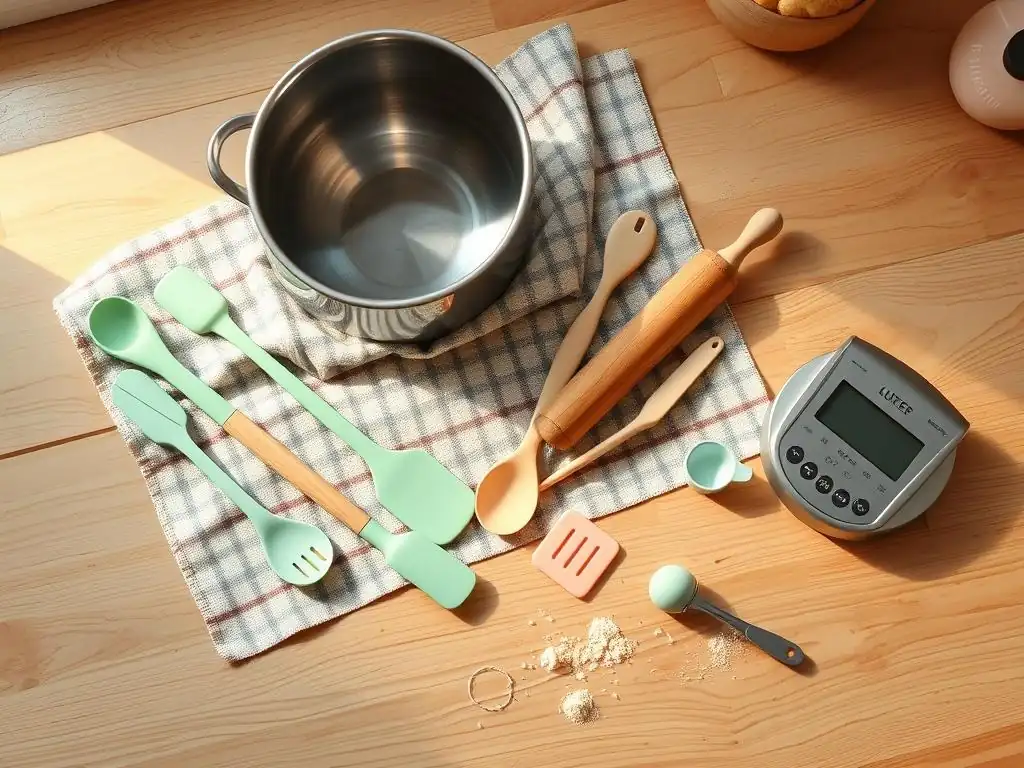
Having the right tools is just as important as knowing the right techniques when it comes to accurate measuring in baking. While you might get by with a basic set for a while, investing in quality measuring equipment designed specifically for baking will significantly improve your precision and consistency. These tools are calibrated to standard volumes and weights, ensuring that when a recipe calls for "1 cup" or "100 grams," you are adding the correct, intended amount. Think of your measuring tools as the foundation of your baking laboratory; a wobbly foundation makes everything else unreliable.
The landscape of baking tools includes various types of measuring cups, spoons, and scales, each serving a specific purpose. Understanding which tool to use for which ingredient, and ensuring your tools are accurate and reliable, is a critical step. Well-maintained, accurate measuring equipment removes a major variable from the baking process, allowing you to focus on technique and timing, confident that your ingredient quantities are spot on. This investment in precision tools directly contributes to achieving accurate measuring baking success consistently.
Choosing the Right Measuring Cups and Spoons for Baking Precision
When selecting measuring cups, it's essential to distinguish between those designed for dry ingredients and those for liquids. Dry measuring cups are typically sold in nested sets (e.g., 1/4 cup, 1/3 cup, 1/2 cup, 1 cup) and are designed to be filled to the rim and leveled off. They are perfect for ingredients like flour, sugar, oats, and nuts. Using a dry measuring cup for liquids makes it difficult to get an accurate reading at the meniscus (the curve of the liquid surface) and is prone to spills when trying to transport it.
Liquid measuring cups, conversely, are usually clear, have a spout for easy pouring, and feature graduated markings along the side, with space above the highest marking. These are designed to be placed on a flat surface, filled to the desired line, and read at eye level. Using a liquid measuring cup for dry ingredients makes it impossible to level properly, leading to inaccurate measurements.
For measuring small quantities of potent ingredients like salt, baking powder, extracts, and spices, a reliable set of measuring spoons (typically 1/4 tsp, 1/2 tsp, 1 tsp, 1 tbsp) is indispensable. Ensure the markings are clear and the spoons are sturdy. Choosing and correctly using the appropriate cups and spoons is a foundational element of accurate measuring baking success.
The Role of Digital Scales in Achieving Accurate Baking Measures
For many bakers, especially those moving beyond beginner recipes, a digital kitchen scale is considered the most accurate tool for measuring ingredients, particularly dry ones. Ingredients like flour, sugar, and even liquids can vary in density based on factors like humidity and how they are stored. Volume measurements (cups, spoons) are susceptible to these variations and inconsistencies in technique (like the flour scooping error mentioned earlier). Weight measurements (grams, ounces) are absolute – a gram of flour is always a gram of flour, regardless of how compacted it is. This eliminates a significant source of error.
Using a digital scale allows you to simply place your mixing bowl on the scale, tare it (set it to zero), and add the ingredient until the desired weight is reached. This is faster, cleaner, and significantly more precise than volume measurements, especially for key structural ingredients like flour.
Many professional bakers and serious home bakers rely almost exclusively on weight measurements because of their inherent accuracy. While not strictly necessary for all beginner recipes, incorporating a digital scale into your toolkit is a powerful step towards consistent, professional-level results and is highly recommended for anyone serious about mastering accurate measuring baking success.
When to Use Weight vs Volume Measurements for Baking Success
As a general guideline, weight measurements (grams or ounces) are preferred for dry ingredients like flour, sugar, cocoa powder, and oats, as they provide the most consistent results regardless of compaction or particle size. Liquids like water and milk are often measured by volume (cups or milliliters) in recipes, and this is generally accurate enough, provided you use a proper liquid measuring cup and the eye-level technique.
Small amounts of potent ingredients like salt, baking powder, baking soda, spices, and extracts are typically measured by volume using measuring spoons, as the difference in weight for such small quantities is often negligible and volume is more practical.
However, if a recipe provides both volume and weight measurements for an ingredient, always opt for the weight measurement, especially for flour and sugar. For example, a recipe might call for "1 cup (125g) all-purpose flour." Using the 125g measurement will give you a far more reliable quantity than attempting to measure 1 cup by volume, due to the potential variability in volume measurement techniques. Embracing weight measurement for key ingredients is a significant step towards ensuring accurate measuring and achieving consistent baking success, particularly as you explore a wider range of recipes.
Techniques for Accurate Measuring in Baking
Having the right tools is only half the battle; knowing how to use them correctly is the other. Even with perfectly calibrated cups and scales, improper technique can lead to inaccurate measurements. Mastering a few simple methods for handling different types of ingredients will dramatically improve the reliability of your baking and help you avoid common pitfalls. These techniques are easy to learn but make a world of difference in the consistency of your results, solidifying your path towards accurate measuring baking success.
Developing consistent measuring techniques for both dry and liquid ingredients is a fundamental skill that separates haphazard baking from predictable, enjoyable baking. Paying attention to how you fill your cups and spoons, and how you level them, ensures that you are adding the exact amount the recipe developer intended. This focus on technique is key to replicating recipes accurately and troubleshooting effectively when something doesn't turn out quite right.
Proper Methods to Measure Dry Ingredients for Consistent Results
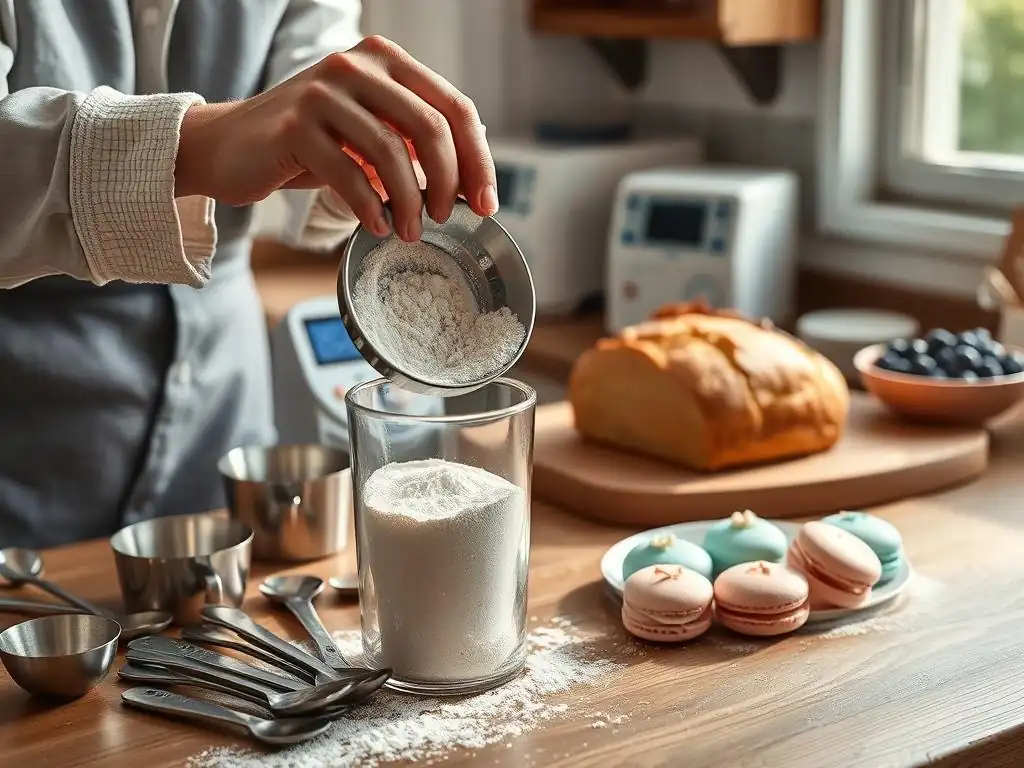
Measuring dry ingredients like flour correctly is crucial. The universally recommended method for measuring flour by volume is the "spoon and level" technique. First, gently aerate the flour in its container by stirring it with a spoon or fork. Then, using a spoon, lightly scoop the flour into your dry measuring cup until it is overflowing.
Do not pack the flour down or tap the cup. Finally, use a straight edge, like the back of a knife or a flat spatula, to sweep excess flour off the top of the cup, ensuring the flour is level with the rim. This method minimizes compaction and provides a more accurate volume measurement than direct scooping.
For granulated sugar, you can typically scoop it directly into the dry measuring cup and level it off, as it doesn't compact as easily as flour. However, for brown sugar, recipes almost always specify "packed" brown sugar. To measure packed brown sugar, scoop it into the dry measuring cup and press it down firmly with your fingers or a spoon until it is compacted and level with the rim.
When inverted, it should hold the shape of the cup. Confectioners' sugar (powdered sugar) can sometimes compact, so it's best to lightly spoon it into the cup and level, similar to flour, unless the recipe specifies sifting or packing. Using these proper techniques for dry ingredients is vital for accurate measuring baking success.
How to Measure Liquid Ingredients Accurately for Baking Perfection
Measuring liquid ingredients like water, milk, oil, and extracts requires using a liquid measuring cup and employing the "eye level" technique. Place the liquid measuring cup on a flat, stable surface. Pour the liquid into the cup until it reaches the desired marking.
Then, bend down so your eyes are level with the marking on the cup. The liquid's surface will form a slight curve called a meniscus; read the measurement at the bottom of this curve. This ensures you are measuring the liquid precisely at the intended volume line, avoiding inaccuracies that can occur when reading from above or below the level.
For viscous liquids like honey, maple syrup, or molasses, getting them out of the cup can be tricky and lead to some being left behind, resulting in an inaccurate measure. A helpful tip is to lightly grease the measuring cup or spoon with a neutral oil or cooking spray before measuring sticky liquids. Alternatively, you can measure sticky liquids by weight using a digital scale, which is often easier and more accurate.
For semi-liquids like yogurt or sour cream, use a dry measuring cup, spoon the ingredient in, and level it off, similar to how you'd measure flour, as they don't flow like true liquids. Mastering these techniques for liquids is key to accurate measuring baking success.
Tips for Leveling and Packing Ingredients to Ensure Precision
Leveling ingredients is a critical step in volume measurement, ensuring that you are adding the exact amount specified by the recipe. For dry ingredients measured in dry cups, after filling the cup (using the spoon and level method for flour), use a straight edge like the back of a butter knife or a small offset spatula to sweep across the top of the cup, pushing off any excess ingredient. This creates a perfectly level surface, guaranteeing the correct volume. Avoid using your finger, as it can create a slight dip or mound, leading to inaccuracy.
Packing is a specific technique required only for certain ingredients, most commonly brown sugar and sometimes shortening or butter when specified by volume. As mentioned, packed brown sugar means you firmly press the sugar into the measuring cup until it is compact. This is because brown sugar's moisture content makes it clump together, and packing ensures a consistent density.
Recipes will explicitly state "packed" if this technique is needed. For most other ingredients, including granulated sugar and flour, packing is undesirable and leads to over-measurement. Understanding when and how to level or pack is vital for accurate measuring baking success.
The Science Behind Accurate Measuring and Baking Success
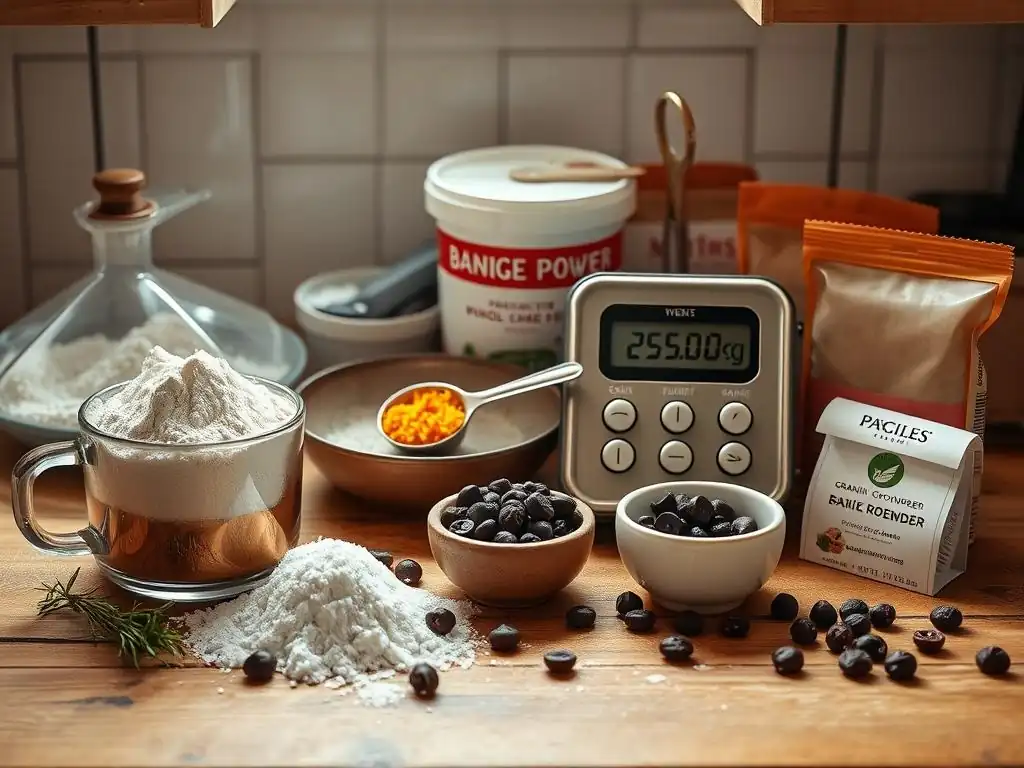
Baking is fundamentally a series of physical and chemical transformations, and the amounts of each ingredient act as the inputs to these reactions. The ratios between key ingredients determine everything from the dough's elasticity to the cake's final rise and texture. When you measure accurately, you are controlling these inputs, ensuring that the scientific processes within your batter or dough unfold as the recipe developer intended. This scientific precision is why baking is less forgiving than cooking and why accurate measuring is non-negotiable for consistent results and true baking success.
Understanding the 'why' behind accurate measurement – how ingredient quantities influence the science – empowers you as a baker. It helps you troubleshoot when things go wrong and understand how to potentially adapt recipes in the future. It turns baking from a mysterious process into a controllable craft. Delving into the science reveals just how interconnected each ingredient is and why getting the amounts right is the crucial first step in any baking endeavor.
How Ingredient Ratios Affect Dough and Batter Consistency
Every baking recipe is built on a specific ratio of ingredients, particularly the relationship between flour, liquid, fat, sugar, and leavening. In bread baking, the hydration ratio (water to flour) dictates the dough's feel and the bread's crumb structure. A higher hydration dough (more water relative to flour) is stickier and harder to handle but often results in a more open, airy crumb. A lower hydration dough is easier to work with but produces a denser loaf. Mismeasuring either the flour or water directly alters this critical ratio, changing the dough's consistency and the final bread's texture.
In cakes and cookies, the ratios between flour, sugar, and fat are key to tenderness and spread. A higher ratio of sugar and fat to flour often results in a more tender, spread-out cookie. A higher ratio of flour to sugar and fat yields a sturdier, less spread cookie or a cake with more structure. Eggs also play a significant role in binding and structure.
If you mismeasure any of these, you throw off the intended balance. For instance, too much flour makes cookies tough and cakes dry, while too little sugar affects moisture, browning, and tenderness. Maintaining the correct ratios through accurate measuring is paramount for achieving the desired consistency and outcome in your baked goods.
The Relationship Between Accurate Measuring and Baking Chemistry
Chemical leavening, provided by baking soda and baking powder, relies on precise chemical reactions to produce carbon dioxide gas that makes baked goods rise. Baking soda requires an acid (like buttermilk, yogurt, or brown sugar) and moisture to react. Baking powder contains both the acid and base components and reacts when wet and often again when heated.
The amount of leavener used must be balanced with the amount of acid and the overall quantity of dry and wet ingredients. Too much leavener can cause a metallic taste, excessive initial rise followed by collapse, or large, uneven holes. Too little means insufficient rise, resulting in dense, heavy products.
Sugar isn't just for sweetness; it plays multiple chemical roles. It interferes with gluten development, making baked goods more tender. It attracts and holds onto moisture, keeping cakes and cookies soft and moist. It caramelizes when heated, contributing to browning and flavor. The amount of sugar impacts all these functions. Too little sugar means less tenderness, less moisture retention, and poor browning. Too much can lead to excessive spread in cookies, a gummy texture in cakes, or an overly sweet, unbalanced flavor. Accurate measuring ensures these chemical interactions occur as intended, which is fundamental to accurate measuring baking success.
Troubleshooting Baking Issues Caused by Inaccurate Measurements
When a baking project doesn't turn out as expected, inaccurate measurement is often the first culprit to investigate, especially for beginner bakers. Did your cake sink in the middle? It could be too much leavener or incorrect flour measurement affecting the structure. Are your cookies spreading too much? Perhaps too much sugar or fat, or not enough flour, all potentially due to mismeasurement. Is your bread dense and heavy? Likely too much flour or not enough liquid (incorrect hydration), a common result of scooping flour instead of weighing or spooning.
By understanding how different ingredients function and how their ratios affect the outcome, you can start to diagnose problems based on the final product. A dry, crumbly muffin points towards too much dry ingredient (flour) or too little liquid. A cake that overflows its pan might have too much leavener. Recognizing these patterns helps you identify potential measurement errors in your process. Focusing on improving your accurate measuring techniques is the most effective way to eliminate a major source of baking failures and pave the way for consistent, reliable baking success.
Practical Steps to Improve Your Measuring Skills for Baking Success
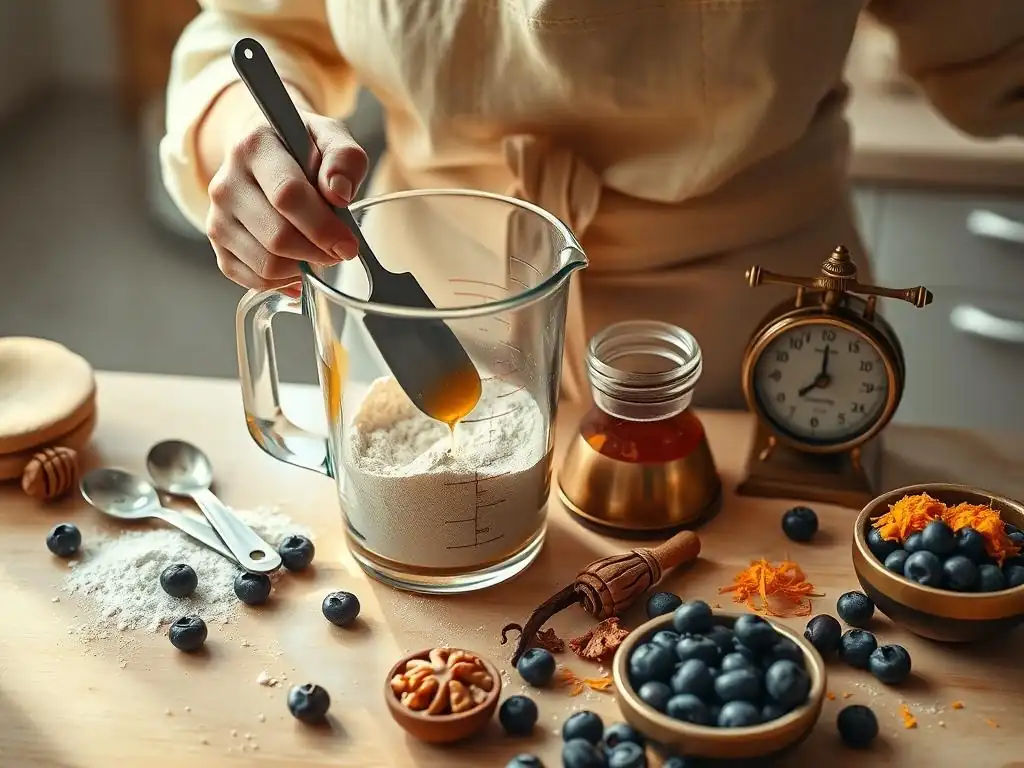
Improving your accurate measuring skills is an achievable goal that will significantly enhance your baking results. It's not about being perfect from day one, but about developing mindful habits and practicing techniques that promote precision. Just like any skill, consistency and attention to detail are key. By incorporating a few practical steps into your baking routine, you can build confidence in your measurements and reduce the variables that lead to inconsistent outcomes, setting you firmly on the path to accurate measuring baking success.
Making accurate measurement a standard part of your baking process eliminates guesswork and builds a reliable foundation. It allows you to focus on the artistry and enjoyment of baking, rather than worrying if your ingredient amounts are correct. These practical steps are simple yet powerful tools for any baker looking to elevate their craft and achieve predictable, delicious results every time.
Creating a Measuring Routine for Beginner Bakers
Establish a systematic approach to measuring ingredients before you even turn on your mixer. Start by gathering all your ingredients and tools. This helps prevent realizing mid-recipe that you're missing something or using the wrong tool in a rush. Measure each ingredient individually, ideally over a small bowl or tray. This catches any spills and makes clean-up easier, but more importantly, it prevents accidentally adding too much of an ingredient directly into your main mixing bowl.
For dry ingredients measured by volume, always use the spoon and level method (for flour) or scoop and level (for sugar). For liquids, use a liquid measuring cup on a flat surface and read at eye level. If using a scale, place the bowl on the scale, tare it, and add the ingredient to the correct weight. Double-check your measurements before adding them to the mix, especially for critical ingredients like leaveners, salt, and flour. This routine adds a few minutes to your prep but saves much frustration down the line and is fundamental for accurate measuring baking success.
How to Adjust Measurements for Different Baking Recipes
While accurate measurement is key, sometimes recipes require scaling (making a larger or smaller batch) or slight adjustments based on ingredient variations. When scaling a recipe up or down, it's crucial to apply your accurate measuring techniques to the new quantities. Simply multiplying or dividing existing volume measurements can compound errors. For instance, if a recipe calls for 1/3 cup of flour and you want to double it, measuring 2/3 cup accurately is essential, not just estimating. Weighing ingredients becomes even more beneficial when scaling, as multiplying or dividing weights is straightforward and maintains precision.
Be aware that not all ingredients scale perfectly, especially leavening agents and eggs in some specific recipes, but for most standard baking, direct scaling of accurately measured ingredients works well. Also, different types of flour (all-purpose vs. bread flour vs. whole wheat) have different densities, reinforcing why weight is the most reliable measure when substituting or adapting recipes, contributing significantly to accurate measuring baking success. Always measure the specific ingredient you are using accurately based on the recipe's call or a reliable conversion.
Using Recipe Conversion and Scaling Without Losing Accuracy
Converting recipes from volume to weight, or vice versa, or scaling them requires careful handling to maintain accuracy. If you're converting a recipe that only lists volume measurements, use a reliable online conversion chart or database that provides average weights for common ingredients (e.g., 1 cup all-purpose flour = ~125g, 1 cup granulated sugar = ~200g). However, remember these are averages, and actual weights can vary slightly. Using a scale with weight measurements is the most accurate method, so converting to weight first is often the best approach if you have a scale.
When scaling a recipe, calculate the new quantity for each ingredient and then measure that new quantity using your standard accurate measuring techniques (preferably weighing if possible). For example, if a recipe calls for 150g of flour and you want to make 1.5 times the batch, the new amount is 150g * 1.5 = 225g. Then, simply weigh out 225g of flour. Avoid the temptation to just add "a little extra" of everything. Precise calculation followed by precise measurement is the only way to scale recipes successfully while preserving the intended outcome and ensuring accurate measuring baking success.
Conclusion: Embracing Accurate Measuring as Your Key to Baking Success
Mastering accurate measuring is not just another step in a recipe; it is the foundational skill that underpins all successful baking. It transforms baking from a hit-or-miss endeavor into a reliable and rewarding activity. By understanding why precision matters, using the right tools, and employing proper techniques, you gain control over your ingredients and, consequently, over your results. This initial focus on accuracy simplifies troubleshooting and builds the confidence needed to explore more complex and exciting baking projects.
Embracing accurate measurement means making it a non-negotiable part of your baking process. It's the secret ingredient that ensures your cookies are chewy, your cakes are tender, and your bread rises perfectly. It’s the difference between a recipe turning out "okay" and turning out exactly as intended, every single time. For any beginner baker aspiring to consistent and delicious results, prioritizing and practicing accurate measuring is the single most effective step you can take towards achieving true baking success.
How Consistent Measuring Boosts Confidence and Baking Results
When you consistently measure your ingredients accurately, you eliminate one of the biggest variables in baking. This leads directly to more predictable and successful outcomes. Imagine trying a new cookie recipe and having them turn out perfectly on the first try – that's the power of accurate measurement. These positive experiences build confidence and encourage you to keep baking and experimenting. The frustration that comes from unpredictable results, often caused by measurement errors, is significantly reduced.
Moreover, consistent, accurate measuring allows you to truly learn how ingredients behave and interact. When a recipe works perfectly, you know your measurements were correct, and you can attribute the success to the recipe's formulation and your technique. If something goes wrong, you can confidently rule out measurement error and focus on other factors like mixing time, oven temperature, or ingredient substitutions. This analytical approach, enabled by accurate measuring, accelerates your learning and mastery, leading to greater overall baking success.
Integrating Accurate Measurement Practices into Your Baking Workflow.
To make accurate measurement a habit, consciously integrate it into your standard baking workflow. Before you start mixing, set up your measuring station. Have your scale, dry cups, liquid cup, and spoons clean and ready. As you measure each ingredient, announce it mentally or even out loud ("Okay, that's 125 grams of flour," "1 teaspoon of baking powder, leveled") to reinforce the action and reduce the chance of forgetting or doubling an ingredient. Consider marking off ingredients on your recipe as you measure them.
For key ingredients like flour, sugar, and fats, commit to using a digital scale whenever a recipe provides weight measurements. It's the most reliable method and will yield the most consistent accurate measuring baking success. For other ingredients, diligently apply the spoon and level (for flour/powdered sugar) or eye-level (for liquids) techniques. Over time, these practices will become second nature, freeing you to focus on the joy and creativity of baking, confident that your foundation of accurate measurement is solid.
Frequently Asked Questions
Why is accurate measuring so important in baking?
Accurate measuring is crucial for baking success because it directly impacts the chemical reactions necessary for proper texture, rise, and flavor. Deviations can lead to flat cakes, tough cookies, or breads that don't rise.
What are the best tools for accurate measuring in baking?
For dry ingredients, use measuring cups and measuring spoons, leveling off excess with a straight edge. For liquids, use liquid measuring cups and check at eye level. A kitchen scale is the most accurate for both.
How does inaccurate measuring affect the final product?
Inaccurate measuring can result in a variety of problems, such as dense cakes, flat cookies, or bread that lacks structure. Too much flour can make baked goods dry, while too little can cause them to be too sticky.
What are some common measuring mistakes to avoid?
Avoid packing flour into measuring cups; instead, spoon it lightly into the cup and level it. Do not estimate measurements; always use proper measuring tools. Ensure your baking powder and soda are fresh for accurate results.
Does accurate measuring matter more for some recipes than others?
Yes, accuracy is particularly important in sensitive recipes like macarons, soufflés, and sourdough bread, where precise ratios are critical for achieving the desired outcome. Simpler recipes are generally more forgiving.
Final Reflection: The Sweet Science of Precision in Baking
The pursuit of baking perfection hinges on one seemingly simple, yet profoundly impactful element: accurate measuring. A single gram of flour, a milliliter of liquid – these seemingly insignificant differences can dramatically alter the texture, taste, and overall success of your baked goods. Ignoring this fundamental truth is akin to building a house on a shaky foundation; the result is bound to crumble.
The impact of precise measuring extends far beyond the individual kitchen; it speaks to a broader appreciation for detail and the scientific method within the culinary arts. Baking, often perceived as a creative endeavor, is fundamentally a precise science. The chemical reactions between ingredients are delicate and demand accuracy. As the renowned pastry chef, Pierre Hermé, once said, Baking is a science, but it's also an art. You need both precision and passion.
This quote perfectly encapsulates the delicate balance between meticulous measurement and the artistic expression found in creating delicious baked goods.
Now, consider your own baking journey. Reflect on those moments of triumph and those instances of less-than-perfect results. How often did inaccurate measuring play a role? I encourage you to embrace the power of precision in your future baking endeavors. Invest in a reliable kitchen scale, familiarize yourself with proper measuring techniques, and witness the transformative effect of accuracy on your baking success. The journey to mastering the art of baking begins with a commitment to the science of precise measurement – a commitment that will undoubtedly reward you with consistently delicious results.
Unlock Your Baking Potential: Master the Measure!
Thanks for taking the time to explore the world of precise baking with us! We hope you now feel confident in the power of accurate measuring. Ready to put your newfound skills to the test?
- Bake your dream recipe today! Grab your favorite recipe and meticulously measure each ingredient. Notice the difference!
- Share your baking triumph (or even a funny measuring mishap!) on social media using #BakeWithEase. Let's inspire each other!
- Explore our other articles for more baking tips and tricks – you might discover your next favorite recipe!
What's the first recipe you're going to tackle with your newfound measuring mastery? Let us know in the comments!