
Jam and Cream Dream: Mastering the Victoria Sponge Filling

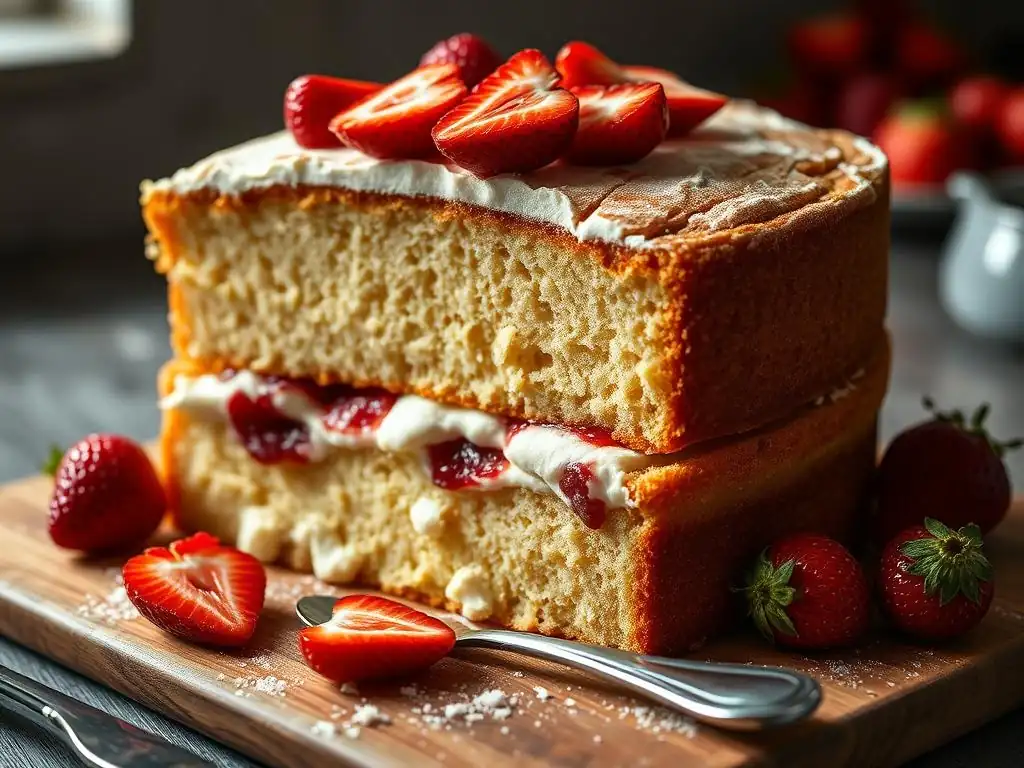
Welcome to BakeWithEase!
Ever wondered how to create that perfect Victoria Sponge filling, the kind that elevates a simple cake into a jam and cream dream? We'll guide you through the secrets of a truly exceptional filling, ensuring your Victoria Sponge becomes a masterpiece. Prepare to unlock a surprisingly simple recipe and discover tips that will transform your baking forever. Curious to learn more? Let's dive in and explore the art of the Victoria Sponge filling!
- Elevate Your Victoria Sponge: Mastering the Perfect Filling
- The Art of the Victoria Sponge Filling: A Comprehensive Guide
- Understanding the Core Elements of a Victoria Sponge Filling
- Essential Ingredients for a Superior Victoria Sponge Filling
- Step-by-Step Guide to Creating a Flawless Victoria Sponge Filling
- Assembling Your Victoria Sponge with Precision
- Victoria Sponge Filling Variations: Expanding Your Flavor Palette
- Troubleshooting Common Victoria Sponge Filling Challenges
- Storage Tips for Maintaining Freshness
- Mastering the Victoria Sponge: Achieving Baking Excellence
-
Frequently Asked Questions
- How do I prevent my Victoria sponge filling from being too runny?
- What type of jam is best for a Victoria sponge filling recipe?
- Can I use a different type of cream besides whipped cream?
- How long can a Victoria sponge with jam and cream filling last?
- What are some variations I can make to the classic Victoria sponge filling?
- Final Reflection: The Enduring Allure of the Perfect Victoria Sponge Filling
- Unlock Your Inner Baker: Elevate Your Victoria Sponge!
Elevate Your Victoria Sponge: Mastering the Perfect Filling
The Art of the Victoria Sponge Filling: A Comprehensive Guide
Creating a truly memorable Victoria sponge cake hinges significantly on its filling. While the sponge layers provide the airy foundation, it's the luscious combination of jam and cream that elevates this classic British bake from simple cake to an iconic treat. Mastering the Victoria sponge filling recipe isn't just about spreading two ingredients; it's about understanding their interplay, texture, and flavor balance to achieve that perfect, often nostalgic, bite. A well-executed filling complements the delicate sponge without overwhelming it, offering a delightful contrast in both taste and consistency.
This guide delves into the nuances of crafting the ideal Victoria sponge filling, exploring everything from ingredient selection to assembly techniques and even creative variations. Whether you're aiming for the traditional raspberry jam and cream or exploring new flavor profiles, understanding the core principles behind this simple yet essential element will transform your baking. Let's unlock the secrets to a flawless Victoria sponge filling recipe that will impress everyone who takes a slice.
Understanding the Core Elements of a Victoria Sponge Filling
Achieving the Ideal Balance of Sweetness and Texture
The classic Victoria sponge filling recipe relies on a harmonious balance between the sweetness of the jam and the richness of the cream, coupled with a delightful contrast in texture. Jam, typically made with fruit and a substantial amount of sugar (often containing around 50-60 grams of sugar per 100 grams), provides intense sweetness and a slightly sticky, fruity texture. This sweetness needs the creamy, less sweet, and smooth counterpoint of whipped cream, which typically contains no added sugar or just a small amount (perhaps 1-2 tablespoons per cup of liquid cream) to enhance stability without making it cloying.
The texture contrast is equally vital. The soft, yielding sponge layers are brought to life by the smooth, pillowy whipped cream and the slightly firmer, sometimes chunky texture of the jam. Achieving this balance means selecting a jam that isn't excessively sugary or stiff and whipping the cream to the correct consistency – firm enough to hold its shape but still light and airy.
Too much sugar in the cream or an overly sweet jam can make the filling one-dimensional; too little body in the cream can result in a messy, unstable cake. It's this careful interplay of sweetness, richness, and varied textures that makes the Victoria sponge filling recipe so enduringly popular.
A Brief History of the Victoria Sponge and its Filling
The Victoria sponge cake, originally known as the Victoria Sandwich, gained popularity in the mid-19th century, during the reign of Queen Victoria. It is said to have been a favourite tea-time treat of the Queen herself, particularly after the introduction of baking powder made lighter, airier cakes possible. Before this, cakes were often denser, relying solely on whisked eggs for leavening. The simplicity and elegance of the new sponge cake, typically baked in two identical layers, quickly made it a staple in British households.
The standard Victoria sponge filling recipe featuring jam and cream became synonymous with the cake relatively early in its history. While early versions might have sometimes used buttercream, the combination of bright, fruity jam and plain or lightly sweetened whipped cream became the definitive standard. This classic filling offered a refreshing contrast to the rich butter-based sponge layers and was perfectly suited for serving with afternoon tea. The enduring appeal of this specific Victoria sponge filling recipe speaks to its timeless simplicity and delightful flavor profile.
Essential Ingredients for a Superior Victoria Sponge Filling
Selecting High-Quality Jam for Optimal Flavor
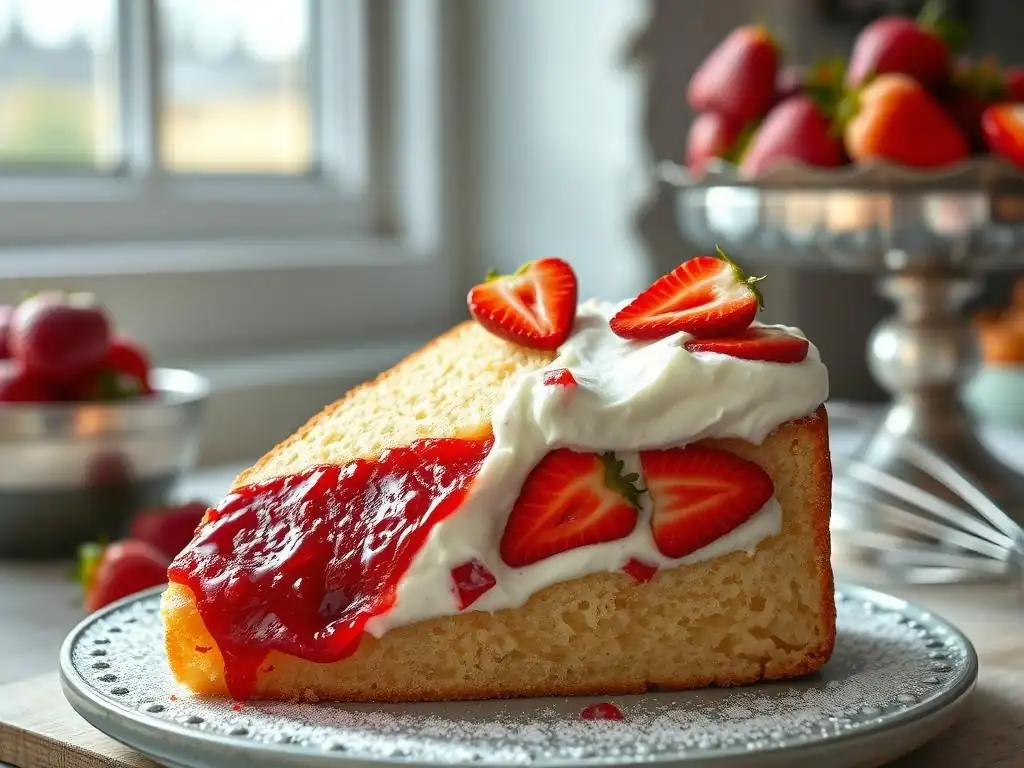
The quality of the jam significantly impacts the final flavour of your Victoria sponge filling recipe. A high-quality jam should have a vibrant fruit flavour that tastes fresh and natural, not overly processed or sugary. Look for jams with a high fruit content, often listed as the first ingredient on the label. Jams containing 40-50% fruit or more tend to offer a more intense and authentic fruit taste compared to those with lower fruit percentages and more added sugar or fillers.
Traditional Victoria sponge uses raspberry jam, and for good reason – its tartness provides a lovely counterpoint to the sweet cake and rich cream. However, even within raspberry jams, quality varies. A premium raspberry jam will have a bright, slightly tart flavour and a texture that is neither too runny nor too stiff.
It might contain whole seeds or be seedless; the choice depends on personal preference, though seedless often results in a smoother Victoria sponge filling. Checking the ingredient list for minimal additives and a high percentage of fruit is a simple way to ensure you're selecting a jam that will truly make your filling shine.
Exploring Fruit Preserves: Beyond the Traditional Raspberry
While raspberry is the classic choice, the Victoria sponge filling recipe is wonderfully adaptable to other fruit preserves, allowing you to explore a broader spectrum of flavors. Strawberry jam is another popular option, offering a sweeter, less tart profile than raspberry. A good strawberry preserve will have chunks of fruit, adding another layer of texture to the smooth cream and sponge. Apricot jam provides a slightly different kind of sweetness with subtle tangy and floral notes, pairing beautifully with cream.
Moving further afield, you could consider using blackcurrant jam for a deep, intense, and slightly tart flavor, or even cherry jam for a richer, almond-like undertone. When choosing preserves other than raspberry, consider how their sweetness and acidity will interact with the cream and cake. A preserve that is too sweet might require less or no sugar in the whipped cream, while a very tart one might benefit from a touch more. Experimenting with different high-quality fruit preserves allows you to personalize your Victoria sponge filling recipe and discover new favorite combinations.
Choosing the Right Cream: Achieving Stability and Richness
The cream is the other crucial component of the Victoria sponge filling recipe, providing richness and a light, airy texture when whipped correctly. For a stable filling that won't collapse, particularly in warmer conditions, you need a cream with a high fat content.
In the UK, double cream (typically 48% fat) is the standard choice because it whips up beautifully stiff and holds its shape for a long time. In other regions, heavy cream or whipping cream (usually 35-40% fat) can be used, though it might require slightly longer whipping or the addition of a stabilizer to achieve comparable stiffness and stability.
The key to perfect whipped cream for your Victoria sponge filling is ensuring it's very cold before whipping. Cold cream (ideally straight from the fridge) whips up faster and achieves a firmer, more stable structure. Using a cold bowl and whisk (even chilled in the freezer for 10-15 minutes) can also help.
Whip the cream until it forms stiff peaks – meaning when you lift the whisk, the peaks stand straight up without drooping. This consistency is essential for the cream layer to support the top cake and maintain its volume within the Victoria sponge filling recipe. Be careful not to over-whip, as this can quickly turn the cream grainy or even into butter.
Step-by-Step Guide to Creating a Flawless Victoria Sponge Filling
Preparing the Jam: Achieving a Smooth, Seedless Consistency
While many people use jam straight from the jar for their Victoria sponge filling recipe, a little preparation can significantly improve the texture and ease of assembly. If using a jam with large fruit pieces or seeds (like traditional raspberry), you might prefer a smoother consistency. One common method is to gently warm the jam in a small saucepan over low heat or in a microwave for about 30-60 seconds. Warming makes the jam more fluid and easier to spread evenly across the cake layer.
For an extra smooth Victoria sponge filling, especially if using seeded jam, you can press the warmed jam through a fine-mesh sieve using the back of a spoon. This removes all the seeds, resulting in a perfectly smooth fruit layer. Whether you warm, sieve, or use as-is, the goal is a consistency that is spreadable but not too runny. A jam that is too liquid can seep into the sponge, making it soggy, which is definitely not ideal for a classic Victoria sponge filling recipe. Aim for a consistency that holds its shape loosely but spreads with ease.
Whipping the Cream: Achieving Stiff Peaks Without Over-Whipping
Whipping the cream is a critical step in the Victoria sponge filling recipe. Start with very cold cream, preferably straight from the refrigerator. Pour the cream into a clean, cold bowl. Using an electric mixer (handheld or stand mixer) fitted with a whisk attachment, begin whipping on a medium speed. Medium speed allows you to control the process better and is less likely to cause over-whipping initially.
As you whip, the cream will first become frothy, then thicken to soft peaks (where the peaks curl over when the whisk is lifted). Continue whipping, increasing the speed slightly if desired, until the cream reaches stiff peaks. At this stage, the cream will hold its shape firmly, and when you lift the whisk, the peaks will stand straight up.
This typically takes 3-5 minutes depending on the cream's fat content and temperature. Watch carefully; the transition from stiff peaks to over-whipped grainy cream happens quickly. Stop whipping as soon as stiff peaks are achieved to ensure a light, smooth texture for your Victoria sponge filling.
Combining Jam and Cream: Creating a Harmonious Blend
The traditional Victoria sponge filling recipe involves two distinct layers: a layer of jam spread directly onto the bottom sponge, followed by a layer of whipped cream on top of the jam. This creates clear bands of colour and flavour. However, some variations involve swirling the jam into the cream or even gently folding them together.
For the classic approach, apply the prepared jam first. Use an offset spatula or the back of a spoon to spread the jam evenly over the entire surface of the bottom cake layer, leaving a small border if desired to prevent it from oozing out excessively when the top layer is added.
Next, dollop the stiffly whipped cream over the jam layer. Again, use an offset spatula to gently spread the cream evenly. Be careful not to press too hard, as you want to maintain the airy volume of the whipped cream.
Spread it right up to the edge of the jam layer. If you choose to swirl, add dollops of jam over the cream layer and gently swirl with a knife or skewer. For a mixed filling, you could gently fold the jam into the whipped cream, creating a pinkish, fruity cream, though this deviates from the classic layered look of the standard Victoria sponge filling recipe.
Assembling Your Victoria Sponge with Precision
Ensuring Even Distribution of the Filling
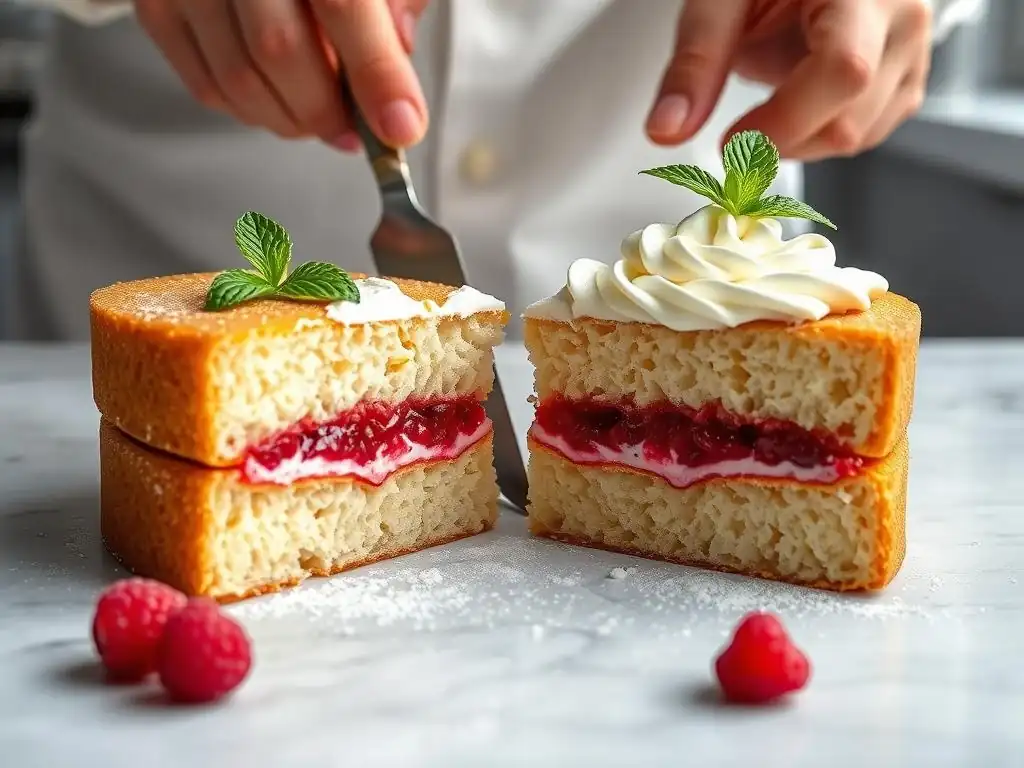
Once your bottom cake layer is ready and the jam and cream are prepared, even distribution of the Victoria sponge filling is key for both aesthetics and structural integrity. Start by placing the bottom sponge layer onto your serving plate or cake stand. Spread the jam evenly across the top surface of this layer.
Aim for a consistent thickness right to the edges (or just shy of the edges if you prefer a clean side). An offset spatula is a baker's best friend for this task, allowing you to glide smoothly over the cake surface. A typical amount of jam for a standard 8-inch Victoria sponge is around 100-150 grams (approximately 1/2 to 3/4 cup).
Next, carefully add the whipped cream on top of the jam layer. Dollop spoonfuls across the jam, then gently spread them out using the offset spatula. The goal is a uniform layer of cream that is roughly the same thickness as the jam layer, or slightly thicker, depending on preference. Avoid pressing down or overworking the cream, as this will deflate it. Spreading the cream evenly ensures that every slice of the cake has a balanced amount of both jam and cream, providing the signature taste and texture of the Victoria sponge filling recipe throughout.
Preventing a Soggy Cake: Mastering Moisture Control
One common challenge with a filled Victoria sponge is preventing the bottom cake layer from becoming soggy where it meets the jam, especially if the cake is assembled too far in advance. Jam contains a significant amount of moisture (water and fruit juices), and over time, this moisture can migrate into the porous sponge. This is less of an issue with the top layer resting on the cream, as the cream acts as a slight barrier.
To minimize sogginess in the bottom layer, several techniques can be employed when preparing your Victoria sponge filling recipe. Ensure the jam is not too runny; if it is, gently warming and cooling it can sometimes help it set slightly. Some bakers like to create a slight moisture barrier on the bottom cake layer before adding the jam.
This can be done by dusting the cake lightly with icing sugar (powdered sugar) or spreading a very thin layer of buttercream or melted white chocolate (allowed to set) on the cut surface. These barriers help to slow down the migration of moisture from the jam into the sponge, keeping your cake layers light and airy for longer after adding the Victoria sponge filling.
Achieving a Professional Finish: Leveling and Presentation
The final step in assembling your Victoria sponge involves placing the top cake layer onto the filled bottom layer. Before placing it, ensure the top layer is level. If your cake layers baked with a dome, gently slice off the dome using a serrated knife to create a flat surface. This ensures the finished cake sits flat and looks professional.
Carefully lift the top cake layer and position it directly on top of the whipped cream layer. Gently press down very lightly to settle the cake onto the filling. Avoid pressing hard, as this will squeeze the Victoria sponge filling out the sides.
Once the top layer is in place, your Victoria sponge is largely assembled. The sides will show the distinct layers of cake, jam, and cream – a hallmark of the classic Victoria sponge filling recipe. You can neaten the edges with an offset spatula if any filling has squeezed out slightly. For presentation, the traditional finish is a simple dusting of icing sugar over the top.
This provides a delicate sweetness and an elegant look. You can use a sieve to create an even dusting. For a more decorative touch, fresh raspberries or strawberries can be placed on top of the dusted cake, perhaps centered or arranged around the edge.
Victoria Sponge Filling Variations: Expanding Your Flavor Palette
Raspberry Jam and Vanilla Bean Cream: A Timeless Classic
The combination of raspberry jam and vanilla bean infused whipped cream is arguably the most beloved and iconic Victoria sponge filling recipe. The sharp, slightly tart flavour of the raspberry jam provides a perfect counterpoint to the rich, sweet, and subtly aromatic vanilla cream. To make vanilla bean cream, simply whip cold double or heavy cream with a little icing sugar and the seeds scraped from half or a whole vanilla bean. The tiny black flecks of vanilla bean add visual appeal as well as a deep, complex vanilla flavour that artificial vanilla extract cannot replicate.
This classic pairing works so well because the acidity of the raspberries cuts through the richness of the cream and the butter in the sponge, preventing the cake from tasting too heavy or sweet. The vanilla in the cream enhances the overall sweetness and adds a layer of sophisticated aroma. This specific Victoria sponge filling recipe is a benchmark for many bakers and is the standard against which variations are often compared. It embodies the simple elegance and balanced flavours that define the Victoria sponge.
Strawberry Preserves and Crème Fraîche: A Tangy Delight
For a slightly different take on the traditional fruit and cream pairing, consider using strawberry preserves combined with crème fraîche. Strawberry preserves tend to be sweeter than raspberry jam and often contain larger pieces of fruit, adding lovely texture to the Victoria sponge filling. Crème fraîche, a cultured cream, offers a rich, slightly tangy flavour and a thicker consistency than regular whipped cream, even before whipping.
When whipped, crème fraîche becomes airy but maintains its characteristic tang. Pairing it with sweet strawberry preserves creates a Victoria sponge filling that is rich and creamy but with a pleasant, subtle acidity from the crème fraîche to balance the sweetness of the strawberries. This variation offers a more complex flavour profile than the classic, appealing to those who enjoy a less purely sweet dessert. It's a simple swap that yields a surprisingly sophisticated result for your Victoria sponge filling recipe.
Blackberry Jam and Lemon Infused Cream: A Burst of Freshness
Another delicious variation for your Victoria sponge filling recipe is to use blackberry jam paired with lemon-infused whipped cream. Blackberry jam offers a deep, slightly earthy, and often quite tart flavour, which is a wonderful contrast to creamy fillings. Lemon zest finely grated into whipped cream before or during whipping infuses it with a bright, zesty aroma and flavour.
The combination of tart blackberry and bright lemon creates a Victoria sponge filling that feels incredibly fresh and vibrant. The acidity of both the blackberry and the lemon cuts through the richness of the cream and cake beautifully. This variation is particularly lovely for a spring or summer tea and provides a refreshing twist on the traditional Victoria sponge filling recipe. Ensure the lemon zest is very fine to avoid a gritty texture in the cream.
Creative Combinations: Exploring Unique Jam and Cream Pairings
The beauty of the Victoria sponge filling recipe lies in its potential for creative interpretation. Beyond the traditional and popular variations, you can explore countless other jam and cream pairings. Consider using cherry jam with a hint of almond extract added to the whipped cream – cherry and almond is a classic flavour combination that works wonderfully in a cake filling. Apricot jam paired with orange blossom water infused cream offers a fragrant and delicate option.
For a richer, more autumnal feel, you could use plum jam with cinnamon-spiced cream. Or for a truly unique twist on the Victoria sponge filling, try fig jam with honey-sweetened mascarpone instead of whipped cream for a richer, denser filling. When experimenting, think about balancing the sweetness and acidity of the jam with the richness and complementary flavours of the cream. Tasting your jam and cream separately first can help you anticipate how they will work together in your personalized Victoria sponge filling recipe.
Troubleshooting Common Victoria Sponge Filling Challenges
Filling Too Runny: Stabilizing Techniques
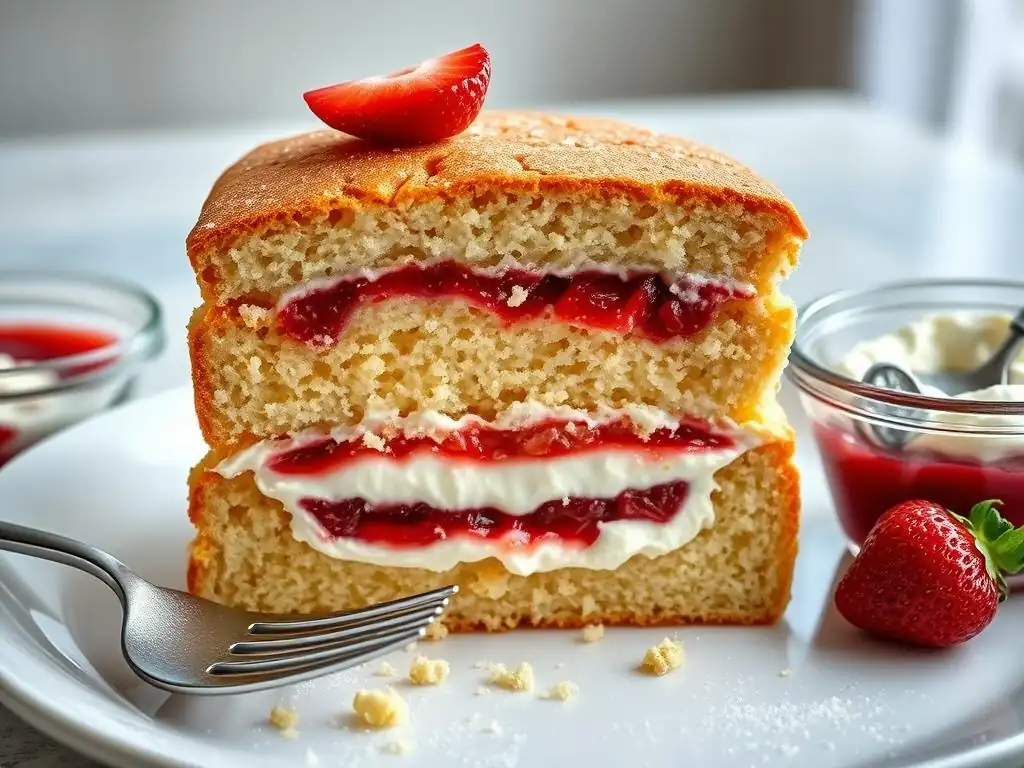
A runny Victoria sponge filling is often caused by over-whipped cream that has started to separate slightly or cream that wasn't whipped stiff enough, or jam that is too liquid. If your whipped cream is too soft, you can try gently re-whipping it for a few seconds, ensuring it's still very cold. If it has gone slightly grainy from over-whipping, sometimes adding a tablespoon of cold liquid cream and gently folding it in can rescue it, though this is not always successful.
If the jam is the issue because it's too runny, gently warming it and letting it cool completely might help it thicken slightly. Alternatively, you can add a small amount of cornstarch or pectin mixed with a little water to the jam, heat it gently until thickened, then cool it completely before using. For the assembled cake with a runny Victoria sponge filling, chilling the cake thoroughly in the refrigerator for several hours can help firm up both the cream and the jam, making it easier to handle and slice.
Filling Too Sweet: Adjusting Sugar Levels
If your Victoria sponge filling tastes overwhelmingly sweet, the culprit is usually the jam or the amount of sugar added to the whipped cream. Jams vary significantly in their sugar content; some are naturally sweeter than others. If your jam is very sweet, you might omit any added sugar from the whipped cream altogether, relying solely on the cream's natural richness and the jam's sweetness.
When making the whipped cream for your Victoria sponge filling recipe, start by adding just a small amount of icing sugar (powdered sugar), perhaps 1-2 tablespoons per cup of liquid cream, or even none at all. Taste the cream as you whip it. You can always add more sugar, but you can't take it away. Using a jam with a higher acidity, like raspberry or blackcurrant, can also help balance sweetness compared to sweeter options like strawberry or apricot. Adjusting these elements is key to achieving a perfectly balanced Victoria sponge filling.
Preventing a Soggy Base: Moisture Barrier Strategies
As mentioned earlier, moisture from the jam can make the bottom sponge layer of your Victoria sponge soggy over time. This is a common challenge, particularly if the cake is made several hours or a day in advance. The most effective strategy for preventing a soggy base in your Victoria sponge filling recipe is to create a barrier between the jam and the cake.
A simple and traditional method is to dust the bottom cake layer generously with icing sugar (powdered sugar) using a sieve just before spreading the jam. The fine sugar particles absorb some surface moisture and create a slight barrier. Alternatively, you can spread a very thin layer of buttercream (made from butter, icing sugar, and a little milk or vanilla) onto the bottom cake layer.
Once the buttercream sets slightly, it forms a protective layer. A thin layer of melted and cooled white chocolate can also work as a robust barrier, although this adds another flavor element to the classic Victoria sponge filling recipe. Assembling the cake closer to serving time also significantly reduces the window for moisture migration.
Storage Tips for Maintaining Freshness
Optimal Storage Practices for a Filled Victoria Sponge
Once your Victoria sponge is assembled with its perfect Victoria sponge filling, proper storage is essential to maintain its freshness, texture, and appearance. Because the filling contains fresh whipped cream, the cake must be stored in the refrigerator. Cream is perishable and can quickly sour or lose its structure if left at room temperature for extended periods, especially if the environment is warm.
To store, place the assembled cake in an airtight cake carrier or container. If you don't have a container large enough, you can cover the cake loosely with plastic wrap, ensuring it doesn't touch the delicate cream and jam layers if possible, then place it in the fridge.
Storing the cake in an airtight environment prevents it from drying out and from absorbing odors from other food in the refrigerator. Keep the cake chilled until about 30-60 minutes before serving, allowing the sponge to come closer to room temperature for the best texture, while the Victoria sponge filling remains cool and stable.
Determining Shelf Life and Maintaining Quality
A Victoria sponge cake filled with jam and fresh whipped cream typically has a relatively short shelf life compared to cakes made with buttercream or ganache. When stored correctly in the refrigerator, a filled Victoria sponge is generally best enjoyed within 2 to 3 days of assembly. After this time, the quality of the Victoria sponge filling and the sponge itself can start to deteriorate. The cream may begin to lose its firmness, the jam might continue to seep into the cake, and the sponge can become dry or overly moist in spots.
Signs that the cake is past its prime include the cream looking deflated or watery, the sponge appearing excessively soggy, or any off smells. To maintain the best quality of your Victoria sponge filling recipe creation, it's advisable to bake and assemble the cake as close to the serving time as is practical. If you need to bake the sponges ahead of time, store them unfilled at room temperature (wrapped well) and make the Victoria sponge filling and assemble the cake on the day of serving.
Mastering the Victoria Sponge: Achieving Baking Excellence
Achieving Perfectly Even Victoria Sponge Cake Layers
The foundation of a beautiful Victoria sponge is two perfectly even cake layers. Uneven layers, often with a dome in the center, can make assembly difficult and result in a lopsided cake. To achieve flat layers suitable for your Victoria sponge filling recipe, start by ensuring your oven temperature is accurate – using an oven thermometer is highly recommended. Baking at a slightly lower temperature for a bit longer can also help prevent a large dome.
Filling your cake tins evenly with batter is crucial; use a kitchen scale to divide the batter equally between the two tins. One popular technique to promote flat tops is using cake strips, which are fabric bands soaked in water and wrapped around the outside of the cake tins.
These help the edges of the cake bake slower, allowing the center to rise more evenly with the sides. Even with these techniques, you might get a slight dome; don't worry, you can easily slice off the dome with a serrated knife once the cakes are cool, creating a flat surface ready for your delightful Victoria sponge filling.
Developing a Light and Airy Sponge Texture
A signature characteristic of the Victoria sponge is its light, tender, and airy texture, which provides a delicate contrast to the rich Victoria sponge filling. Achieving this texture relies on a few key steps in the baking process. The creaming method, where butter and sugar are beaten together until light and fluffy, is vital for incorporating air into the batter. This process should take several minutes (often 5-7 minutes with a mixer) until the mixture is pale and increased in volume.
Adding eggs gradually, one at a time, and beating well after each addition emulsifies the batter and adds further structure. Finally, folding in the flour (often with a little baking powder for extra lift) must be done gently. Overmixing the flour develops gluten, resulting in a tougher cake. Fold until just combined, leaving no streaks of dry flour. Baking the cake immediately after mixing also helps preserve the air incorporated during creaming and mixing, ensuring your sponge layers are perfectly airy to sandwich around your delicious Victoria sponge filling recipe.
Decorating Your Victoria Sponge: Simple Elegance and Creative Designs
While the star of the show is often the Victoria sponge filling, the final decoration adds the finishing touch to this classic cake. The most traditional and elegant decoration is a simple dusting of icing sugar (powdered sugar) over the top layer. This highlights the shape of the cake and provides a delicate sweetness that complements the filling without being overly rich. Use a fine-mesh sieve for an even, professional-looking dusting.
Beyond the simple dusting, you can add fresh fruit, particularly raspberries or strawberries, which echo the flavours often found in the Victoria sponge filling recipe. Arrange a few berries artfully on top of the icing sugar. For a slightly more decorative edge, you could pipe small rosettes of leftover whipped cream around the top perimeter before dusting with sugar and adding fruit. Remember, the beauty of the Victoria sponge lies in its simplicity, so often, less is more when it comes to decorating, allowing the quality of your sponge and the delicious Victoria sponge filling to take center stage.
Frequently Asked Questions
How do I prevent my Victoria sponge filling from being too runny?
To avoid a runny filling, ensure your cream is whipped to stiff peaks and your jam is of a high quality with good pectin content. You can also add a small amount of powdered sugar to the cream to help stabilize it.
What type of jam is best for a Victoria sponge filling recipe?
Traditionally, raspberry jam is preferred, but you can experiment with other flavors like strawberry or blackcurrant. Choose a jam with a smooth consistency for easy spreading.
Can I use a different type of cream besides whipped cream?
While whipped cream is traditional, you can use pastry cream or even a mascarpone cheese-based filling for a richer flavor. Just be mindful of adjusting the sweetness levels accordingly.
How long can a Victoria sponge with jam and cream filling last?
A Victoria sponge with a jam and cream filling is best enjoyed within 1-2 days due to the perishable nature of the cream. Store it in the refrigerator to maintain freshness.
What are some variations I can make to the classic Victoria sponge filling?
You can add fresh berries to the cream or mix in a small amount of citrus zest for a burst of flavor. Consider adding a layer of homemade lemon curd for extra tanginess.
Final Reflection: The Enduring Allure of the Perfect Victoria Sponge Filling
The seemingly simple act of filling a Victoria sponge is, in reality, a gateway to culinary artistry and a celebration of tradition. A perfectly balanced jam and cream filling elevates this classic cake from a mere dessert to a timeless experience, a testament to the power of simple ingredients expertly combined. The pursuit of this perfect balance resonates deeply with bakers of all levels, from novice to expert.
The Victoria sponge, with its delicate layers and contrasting textures, reflects a broader cultural appreciation for balance and harmony. It's a recipe that transcends generations, passed down through families and adapted across cultures, each iteration a testament to personal preference and culinary creativity. The best things in life are simple,
a sentiment perfectly encapsulated by this beloved cake and its deceptively simple, yet infinitely adaptable, filling. The ongoing fascination with perfecting this filling speaks to a deeper human desire for comfort, nostalgia, and the satisfaction of creating something beautiful and delicious.
Now, consider your own approach to baking, and specifically, to filling your Victoria sponge. What nuances do you prioritize? What combinations of jam and cream bring you the most joy? Don't just bake a cake; craft an experience. Experiment with different jams, explore variations in cream texture, and most importantly, savor the process. The journey to the perfect filling is as rewarding as the final, delectable bite. Let the spirit of the Victoria sponge inspire you to find balance and perfection in your own life, one delicious layer at a time.
Unlock Your Inner Baker: Elevate Your Victoria Sponge!
Thanks for joining us on this delicious journey into the heart of the perfect Victoria sponge! We hope you’ve gained some valuable tips and tricks to elevate your baking game. Ready to put your newfound skills to the test?
- Whip up your dream filling: Grab those ingredients and create your own masterpiece, experimenting with different jams and creams. Don't be afraid to get creative!
- Share your creations: Show off your stunning Victoria sponge on social media – tag us @BakeWithEase so we can admire your baking brilliance!
- Explore our other recipes: Dive into our extensive recipe collection for even more baking inspiration. Find your next culinary adventure!
What unique flavor combination will you try for your next Victoria sponge masterpiece?