
Unlock the Secrets of German Bread Culture: A Baker's Journey

Welcome to BakeWithEase!
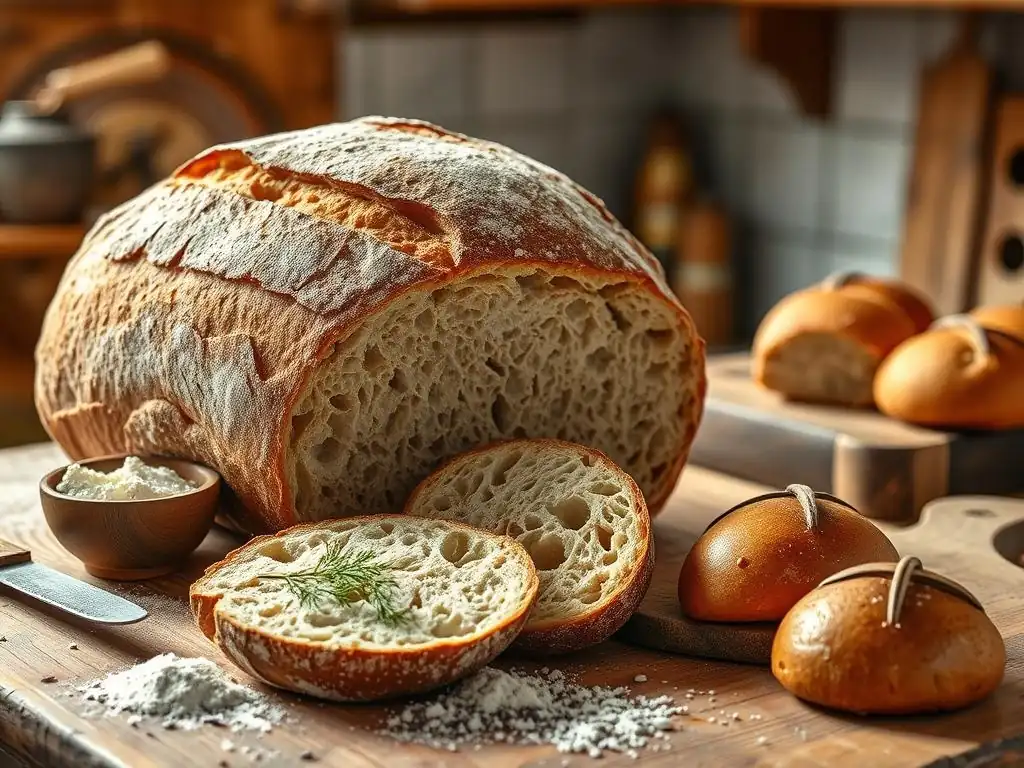
Ever dreamt of crafting authentic, crusty German sourdough bread in your own kitchen? Unlock the Secrets of German Bread Culture with our step-by-step guide and discover how surprisingly easy it can be to master this traditional technique. Get ready to embark on a baker's journey and experience the delightful flavors of Germany, one delicious loaf at a time. Curious to know the secret ingredient? Let's get baking!
- Discovering Authentic German Bread: A Baker's Introduction
- Mastering the German Sourdough Bread Recipe: An Easy Guide
- Step-by-Step: Your Easy German Sourdough Bread Recipe
- Troubleshooting Your German Sourdough: Common Problems and Solutions
- Beyond the Recipe: Exploring German Bread Culture
- The Best Rye Flours for Your German Sourdough
- Mastering the Art of Scoring German Sourdough Bread
- Elevate Your Baking with BakeWithEase Premium Content
-
Frequently Asked Questions
- What makes German sourdough bread different from other sourdough breads?
- Is it really possible to find an easy German sourdough bread recipe?
- What are the key ingredients needed for a German sourdough bread recipe?
- How long does it typically take to make German sourdough bread from start to finish?
- What are some common mistakes to avoid when baking German sourdough bread?
- Final Reflection: The Enduring Legacy of German Bread
- Unleash Your Inner Bäcker: Start Baking Authentic German Bread Today!
Discovering Authentic German Bread: A Baker's Introduction
The Allure of German Bread: More Than Just a Recipe
Germany boasts over 300 distinct bread varieties, each with its own history, ingredients, and regional flair. From the dense, molasses-dark Pumpernickel of Westphalia to the light, crusty Brötchen enjoyed at breakfast, German bread is a testament to centuries of grain cultivation and fermentation science. Unlike the fast-paced, uniform loaves found in many supermarkets, German sourdough and rye breads often undergo long, slow fermentation—sometimes up to 48 hours—to develop complex flavor compounds and a satisfyingly chewy crumb.
For home bakers seeking a challenge, exploring this tradition is more than just following a formula: it’s an immersion in terroir, climate, and culture. The rye-growing regions of northern Germany, with their cooler temperatures and rich soil, yield flours that impart a characteristic earthiness. Meanwhile, in Bavaria, master bakers tweak hydration and proofing times to produce the quintessential “Laugenstange,” a pretzel-like loaf encrusted with coarse salt. By understanding these nuances, you’ll transform a simple German sourdough bread recipe easy enough for a weekend bake into an authentic culinary journey.
BakeWithEase.com: Your Passport to German Baking Traditions
At BakeWithEase.com, we believe that precision and simplicity can coexist in the baker’s kitchen. Our step-by-step guides demystify techniques once reserved for professional bakehouses, while our recipe database—featuring over 120 baking tutorials—caters to both novices and expert sourdough enthusiasts. Through video walkthroughs, detailed timing charts, and community forums, BakeWithEase.com connects you with like-minded bakers exploring the German sourdough bread recipe easy approach.
But we don’t stop at recipes. Our cultural deep dives—covering topics like “The History of German Grain Mills” and “Bakehaus Etiquette in Berlin”—offer context that elevates each loaf. When you join our premium tier, you unlock access to exclusive interviews with German master bakers, tours of organic rye farms in Schleswig-Holstein, and downloadable hydration calculators. Whether you’re crafting your first rye starter or refining your scoring patterns, BakeWithEase.com is your trusted companion on this flavorful expedition.
Mastering the German Sourdough Bread Recipe: An Easy Guide
What Makes German Sourdough Unique? ( Rye Flour and Fermentation)
German sourdough stands apart primarily because of its high rye content and the fermentation techniques handed down through guild traditions. While many international recipes cap rye at 20–30%, authentic German loaves often range from 40–70% rye flour, imparting a deep, malty signature flavor. This higher percentage of rye slows gluten development—necessitating a more patient kneading and proofing schedule—and yields the classic tight, moist crumb that holds up well to hearty toppings like smoked fish or sharp cheddar.
Fermentation is equally integral. Many German bakers employ a two-stage levain process: first cultivating a rye-based sourdough starter over 12–24 hours, then building a stiff, mature levain before final dough development. This extended regimen, often conducted at controlled temperatures of 22–24 °C (71–75 °F), produces lactic and acetic acids in balance—giving each slice its subtle tang without overpowering bitterness. The result is a robust loaf that can remain fresh for up to five days, thanks to the natural preservatives formed during long fermentation.
Key Ingredients for an Authentic German Sourdough (BakeWithEase Approved)
- German Rye Flour (Type 1150): The foundation of authentic flavor, milled from 100% German-grown rye.
- Sourdough Starter (Rye-Based): Cultivating the tangy character; maintain at 100% hydration for predictable fermentation.
- Bread Flour (Type 550 or AP): Provides strength and an open crumb structure when combined with rye.
- Malt Extract (Optional): Enhances crust color and sweetness; typical usage is 5–10 g per 500 g flour.
- Sea Salt: 1.8–2% of total flour weight; essential for dough tightening and flavor balance.
“When you switch from generic all-purpose flour to true German rye Type 1150, you’ll notice an immediate difference in aroma and mouthfeel.”
— Master Baker Klaus Richter, Hamburg
Step-by-Step: Your Easy German Sourdough Bread Recipe
Stage 1: Creating the Rye Sourdough Starter (Levain)
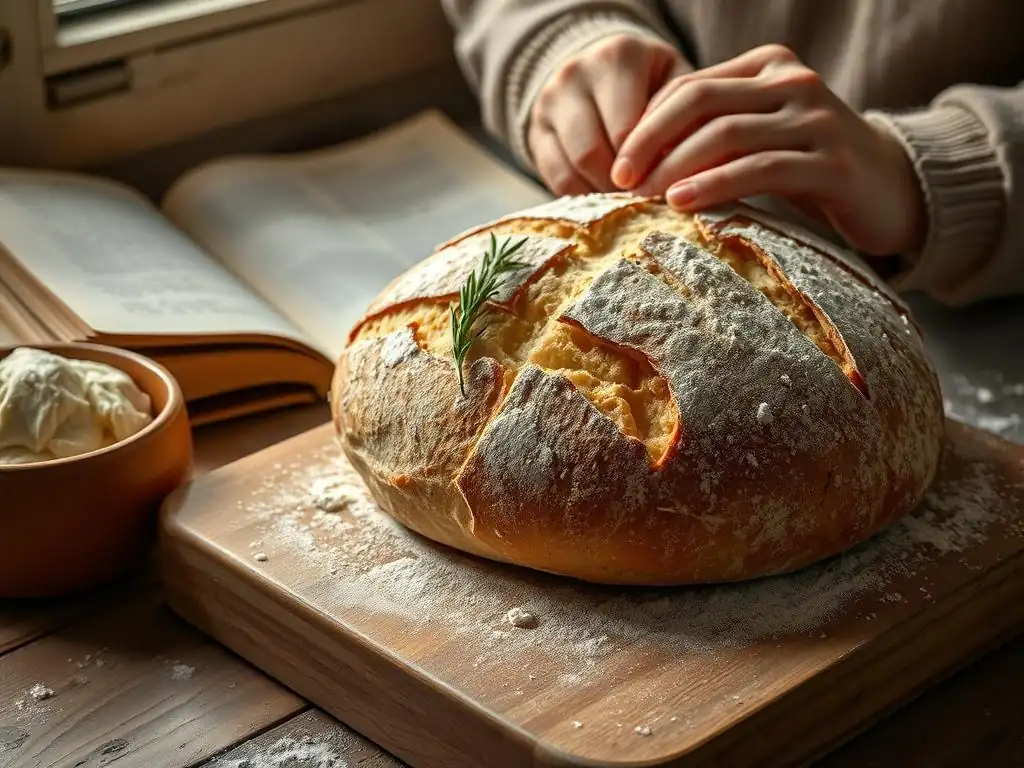
A robust levain is the heart of any German sourdough. Begin by mixing:
- 50 g rye flour (Type 1150)
- 50 g lukewarm water (26 °C)
- 10 g active starter (day-old from your fridge)
Feed this mixture twice over 12 hours at 24 °C, discarding half each time to concentrate microbes. Within 24–36 hours, you should see bubbling, doubling, and a distinctive tangy aroma—signs of a mature levain.
Essential tools include a digital scale (accuracy ±1 g), a bench scraper, and a clear glass jar. Using a stem thermometer ensures your starter stays within the ideal 22–26 °C range to promote balanced acid production.
Stage 2: Mixing and Kneading the Dough
Once your levain peaks, combine:
- Levain: 150 g active
- Rye Flour: 200 g
- Bread Flour: 300 g
- Water: 350 g (70% hydration)
- Salt: 10 g
Use the autolyse method: mix flour and water first, let rest for 30 minutes, then incorporate levain and salt. This rest period promotes enzyme activity that softens bran particles. Knead by hand for 6–8 minutes, or use a stand mixer on low speed for 4 minutes, until the dough passes the “windowpane test” (a thin, translucent membrane forms when you stretch a dough sample).
Stage 3: Bulk Fermentation (First Rise)
Bulk fermentation typically lasts 3–4 hours at 22 °C. To build gluten strength in high-rye dough, perform three sets of stretch-and-folds every 30 minutes during the first 1.5 hours:
- Cup your hand under the dough, gently lift one side, and fold it over the center.
- Rotate the bowl 90° and repeat until all sides have been folded.
Aim for a 20–30% volume increase; over-proofing here can lead to slack dough and loss of oven spring.
Stage 4: Shaping and Proofing
Handle the dough gently to preserve gas pockets critical for crumb structure. On a floured surface:
- Pre-shape into a loose boule or bâtard.
- Rest 20 minutes under a damp cloth.
- Final shape using surface tension—drag the dough toward you on the countertop to tighten the skin.
Place in a well-floured banneton dusted with rice flour. Cover and proof for 60–90 minutes at room temperature, or refrigerate for 12–16 hours to deepen flavor through slow enzymatic activity.
Stage 5: Baking Your German Sourdough Bread
Preheat your oven (and a 5 qt Dutch oven) to 250 °C (482 °F) for at least 45 minutes. Score the loaf with a sharp lame in a single long slash or classic “chevron” pattern to guide expansion. Transfer dough into the hot Dutch oven:
- Bake covered for 20 minutes to trap steam.
- Uncover, reduce temperature to 230 °C (446 °F), and bake an additional 20–25 minutes until crust is mahogany brown.
Internal temperature should reach 98 °C (208 °F). Let cool on a rack for 2 hours before slicing.
Troubleshooting Your German Sourdough: Common Problems and Solutions
Dense Crumb: Hydration Issues and Under-Proofing
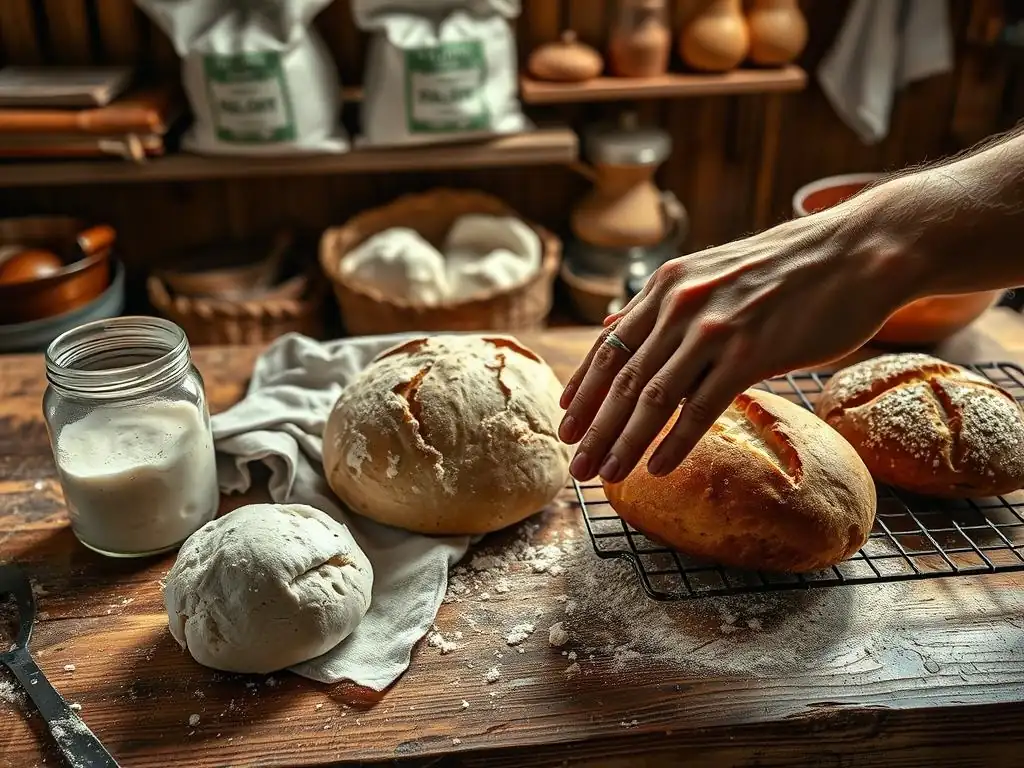
A gummy or overly tight crumb often stems from insufficient hydration. If your dough feels stiff—particularly with high rye ratios—increase water by 5–10% next bake. Remember, rye flour absorbs more liquid than wheat.
Under-proofing can also restrict oven spring. Check your dough by gently poking: if it springs back slowly and leaves a slight indentation, it’s ready. A quick snap-back indicates more time is needed.
Sour Taste: Over-Fermented Starter or Dough
An excessively sour profile can overwhelm the delicate malt notes of rye. If your starter doubles and then collapses rapidly in under 6 hours, it’s over-ripe—feed it with a higher fresh-to-starter ratio (e.g., 1:4:4 instead of 1:1:1). For the dough, shorten bulk fermentation by 30–60 minutes, or proof at a cooler 18–20 °C.
Flat Loaf: Weak Starter or Insufficient Gluten Development
Loaves that spread instead of rise often indicate a starter lacking vigor or dough without enough strength. Ensure your levain exhibits consistent doubling in 6–8 hours at 24 °C. In the dough stage, raise mixing time or add a light 15-minute autolyse before adding levain to improve gluten alignment.
Beyond the Recipe: Exploring German Bread Culture
Regional Variations: From Pumpernickel to Brötchen
Northern Germany’s Westphalian Pumpernickel bakes for 20 hours at low heat (95 °C), resulting in a dark, almost cake-like rye. In contrast, Saxony’s “Mischbrot” blends 50% rye with wheat for a balanced, lighter crumb. Heading south, you’ll find the airy Laugenbrezel and Seelen, shaped dough dipped in lye solution to form the iconic pretzel crust.
These regional specialties reflect local grain harvests, climate, and even religious festivities—Oktoberfest alone inspires seasonal breads flavored with hops or malt.
German Bakeries: A Sensory Experience (Planning Your BakeWithEase Baking Trip)
Visiting a German-Konditorei or a traditional Backhaus immerses you in rhythm: the thump of dough on wooden tables, clouds of flour in sunlit windows, and the hum of electric proofing cabinets. In Berlin’s Kreuzberg district, award-winning bakeries like Zeit für Brot experiment with sourdough cinnamon rolls, while in Munich, Rischart has been perfecting rye Rolls since 1883.
Plan your BakeWithEase baking trip around local markets: try a Marktfrühstück in Hamburg’s Fish Market, sampling freshly baked Brötchen with Altbier-infused butter. Each bite tells a story of centuries-old guild regulations and family-owned traditions.
The Role of Bread in German Cuisine and Traditions
Bread in Germany is more than sustenance—it’s woven into ceremonies from Easter “Osterbrot” sweet loaves to Christmas Stollen dusted in sugar. Sharing bread signifies hospitality: at a wedding, guests often bring loaves shaped as rings or hearts, wishing prosperity to the couple.
Daily rituals, like the family “Brotzeit” (bread time), feature cold cuts, pickles, and fresh rye slices. Understanding these customs elevates your baking beyond technique, connecting you to communities where every crust speaks of identity.
The Best Rye Flours for Your German Sourdough
Comparing Different Rye Flour Types: Type 1150 vs. Whole Rye
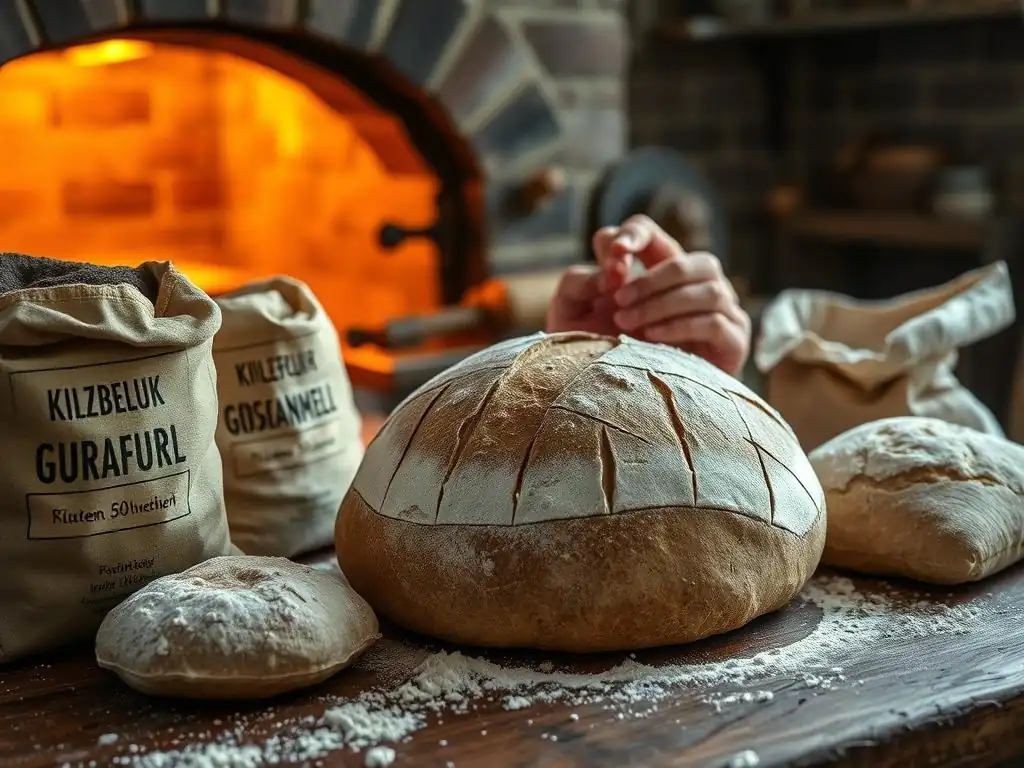
Rye Type 1150 is medium-extraction, retaining bran and germ for flavor but leaving out coarse husk. Whole rye flour includes every component, yielding denser loaves with a nutty profile. Use Type 1150 for 60–70% of your total flour to balance taste and crumb; switch to whole rye in small increments (5–10%) to test texture changes.
Nutritionally, whole rye boasts higher fiber (6 g per 100 g) and minerals like phosphorus and magnesium—ideal for health-conscious bakers aiming for wholesome, fermentable carbs.
Where to Buy the Best Quality Rye Flour Online
- Bob’s Red Mill Organic Dark Rye Flour – widely available, consistent quality.
- King Arthur Flour Dark Rye – milled in the USA from imported German rye.
- Bauckhof Organic Rye Type 1150 – direct from Germany, certified biodynamic.
- Shipton Mill Whole Rye – small-batch British milling with exceptional flavor focus.
Check product reviews for protein content (~<7% in rye) and ash content (1.15–1.50) to match authentic German specifications.
Mastering the Art of Scoring German Sourdough Bread
Different Scoring Patterns for German Bread
Traditional German loaves often feature single, bold slashes that allow a dramatic “ear” formation. Pumpernickel may use a cross pattern to guide an even rise, while small Brötchen get a simple “+” for classic aesthetics. Each cut controls gas release:
- Single slash (45° angle) – promotes one-sided bloom.
- Chevron pattern – yields decorative ridges.
- Parallel cuts – ideal for batards, offering uniform expansion.
Experiment by scoring at varying depths (3–5 mm) to see how steam dynamics shift crust thickness and oven spring.
Tools and Techniques for Achieving Clean Cuts
A laser-sharp lame or razor blade ensures precise incisions without dragging the dough. Keep blades sterilized and replace frequently; a dull edge will tear the skin. Hold your blade at a 30–45° angle, executing swift, confident motions—think of it as slicing through silk rather than tearing paper. If you prefer reusable tools, a stainless-steel baker’s lame with a replaceable blade combines tradition with convenience.
Access Exclusive Recipes and Advanced Techniques
- [ ] Unlock 30+ video masterclasses on fermentation science.
- [ ] Download printable preparation charts for 12–48 hour sourdough schedules.
- [ ] Access community Q&A with German milling experts.
Subscribers also receive seasonal updates—like our upcoming Spelt-Rye Grünkern Loaf recipe releasing next month. Prepare to take your easy German sourdough bread recipe to truly artisan levels.
Whether you’re seeking precise sourdough troubleshooting, advanced scoring workshops, or immersive bakery tours, BakeWithEase Premium empowers you every step of the way. Join the journey—your next unforgettable loaf awaits!
Frequently Asked Questions
What makes German sourdough bread different from other sourdough breads?
German sourdough often incorporates rye flour alongside wheat, contributing to a denser texture and a distinct, tangy flavor. This contrasts with some sourdoughs that rely solely on wheat.
Is it really possible to find an easy German sourdough bread recipe?
Yes, absolutely! While sourdough can seem intimidating, BakeWithEase offers simplified recipes that break down the process into manageable steps using easily accessible ingredients, making it suitable for beginners.
What are the key ingredients needed for a German sourdough bread recipe?
The essential ingredients include sourdough starter, rye flour, wheat flour, water, and salt. Some recipes may also include optional ingredients like caraway seeds for added flavor.
How long does it typically take to make German sourdough bread from start to finish?
The entire process, including starter feeding, dough proofing, and baking, can take around 24-48 hours. However, much of this time is hands-off, allowing the dough to develop its flavor and texture.
What are some common mistakes to avoid when baking German sourdough bread?
Avoid using inactive starter, over-proofing the dough, and under-baking the bread. These mistakes can lead to a dense, gummy texture or a flat, unrisen loaf.
Final Reflection: The Enduring Legacy of German Bread
The simple act of baking a loaf of sourdough bread connects us to centuries of tradition, and understanding that tradition unlocks a deeper appreciation for the craft. Today, in our fast-paced world, the pursuit of authentic, handcrafted food is more relevant than ever. The desire for wholesome ingredients and time-honored techniques resonates deeply with a growing number of home bakers seeking connection and meaning through their culinary endeavors.
My journey into the heart of German bread culture has been a profound one, revealing not just recipes but a rich tapestry of history, community, and unwavering dedication to quality. The meticulous processes, the careful selection of ingredients, and the deep-seated pride bakers take in their craft are truly inspiring. Bread is the staff of life,
a simple phrase, yet it encapsulates the profound significance of this staple food throughout history and across cultures. This journey has shown me that baking is more than just a skill; it's a connection to our past and a testament to the enduring power of tradition.
Now, it's your turn. Don't just follow a recipe; experience it. Embrace the slow fermentation, the satisfying knead, the intoxicating aroma of freshly baked bread. Let the process be a meditation, a moment of mindful creation. By understanding the history and techniques behind German sourdough, you not only unlock a delicious recipe but also unlock a deeper connection to food, culture, and yourself. The journey awaits – begin baking your own piece of history today.
Unleash Your Inner Bäcker: Start Baking Authentic German Bread Today!
Thanks for joining me on this delicious journey through the heart of German bread-making! You've now unlocked some amazing techniques and recipes – it's time to put your newfound knowledge to the test.
Ready to bake like a pro? Here's what you can do next:
- Bake your first German loaf! Start with the recipe that excited you most from the article – even a small step is a big victory in the world of baking.
- Share your baking adventures! Post photos of your creations on social media and tag us – we'd love to see your results!
- Explore the vast world of German breads beyond what we covered. Research different regional specialties and find your next baking challenge.
What unique German bread will you tackle first? Let's hear about your baking plans in the comments below!