
Baking from Calabria: Spicy & Sweet Traditions

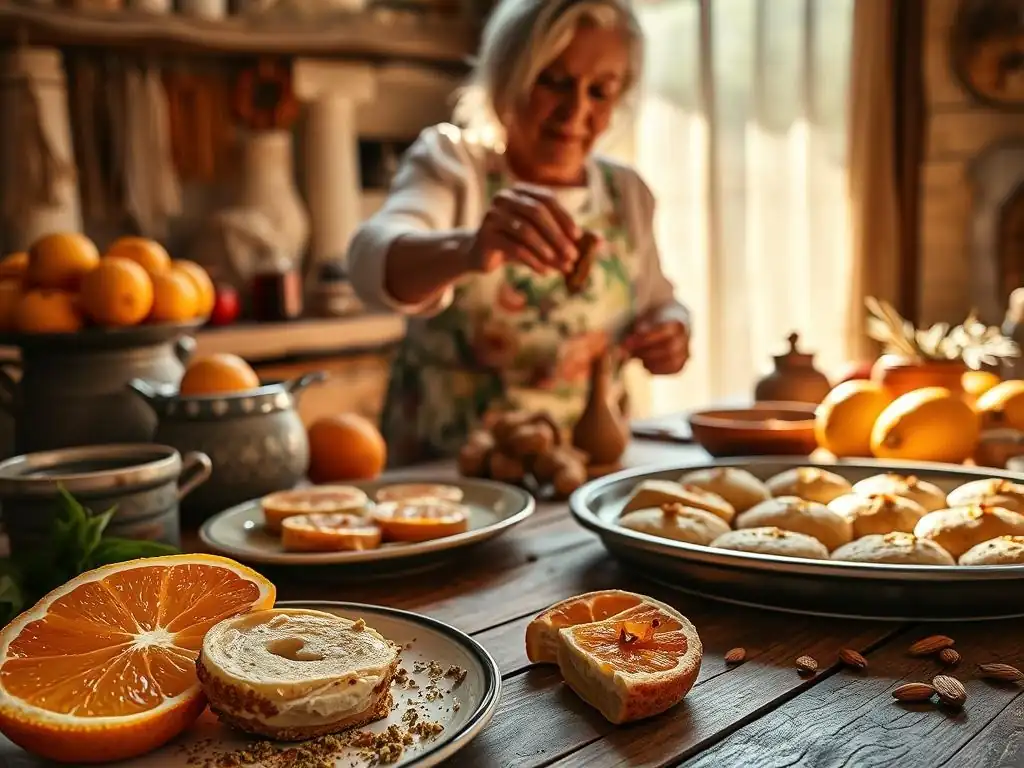
Welcome to BakeWithEase!
Discover the sun-drenched flavors of Southern Italy with our guide to Baking from Calabria: Spicy & Sweet Traditions. Intrigued by the unique combination of heat and sweetness that defines Calabrian cuisine? We'll explore authentic recipes and techniques that bring this fiery-yet-delicate culinary heritage to your kitchen. Get ready to ignite your taste buds and unlock the secrets behind these captivating Calabrian spicy sweet recipes – your baking adventure starts now!
- BakeWithEase: Exploring Calabria's Spicy & Sweet Baking Traditions
- Understanding Calabrian Cuisine: A Foundation for Baking
- Spicy Meets Sweet: Signature Flavors in Calabrian Baking
- Traditional Calabrian Spicy Sweet Recipes: A Baker's Guide
- Beyond the Classics: Modern Interpretations of Calabrian Flavors
- Baking Techniques Unique to Calabria
- Tips and Tricks for Successful Calabrian Baking at Home
- Conclusion: Embracing the Flavors of Calabria in Your Kitchen
- Frequently Asked Questions
- Final Reflection: A Calabrian Legacy, Baked in Time
- Unlock Calabria's Baking Secrets!
BakeWithEase: Exploring Calabria's Spicy & Sweet Baking Traditions
Welcome to the World of Calabrian Baking
Welcome, fellow baking enthusiasts, to a journey into the vibrant and often surprising world of Calabrian baking! Tucked away in the southernmost tip of Italy, Calabria is a region known for its rugged landscapes, stunning coastline, and a culinary tradition deeply rooted in peasant history and the bountiful produce of its land. While many think of Italian baking as purely sweet, Calabria offers a unique twist, masterfully blending the fiery kick of its famous chili peppers with the comforting sweetness of local honey, figs, and citrus.
Exploring Calabrian spicy sweet recipes is an adventure for your taste buds. This distinctive regional approach creates a fascinating contrast, where a hint of heat can elevate a sweet pastry or a touch of sugar can mellow the intensity of spice. From ancient traditions passed down through generations to modern interpretations, Calabrian baking invites you to explore a spectrum of flavors that are as bold and passionate as the region itself. Prepare to discover unique pastries and cookies that perfectly embody the spirit of Southern Italy.
Understanding Calabrian Cuisine: A Foundation for Baking
The Heart of Calabria: Regional Ingredients and Flavors
Calabria's cuisine is a direct reflection of its fertile land and Mediterranean climate. Staple ingredients include durum wheat, olives, grapes, figs, citrus fruits (especially bergamot, lemons, and oranges), nuts (like almonds and walnuts), and a wide variety of vegetables. However, the true defining ingredient, central to both savory and many sweet dishes, is the peperoncino – the Calabrian chili pepper. This small, potent pepper is used fresh, dried, crushed, or preserved in oil, infusing many Calabrian spicy sweet recipes with its characteristic warmth.
Beyond the chili, key flavors that form the foundation of Calabrian baking include rich olive oil, which often replaces butter in traditional recipes, robust local honey, and the aromatic zest and juice of locally grown citrus. These ingredients are not just flavorings; they are intrinsically linked to the agricultural cycles and cultural identity of the region. Understanding the quality and intensity of these core components is crucial to authentically recreating traditional Calabrian pastries and desserts.
Influence of History on Calabrian Food
Calabria's long and complex history has left an indelible mark on its culinary traditions, including its baking. The region has seen influences from ancient Greeks, Romans, Byzantines, Arabs, Normans, and Spanish rulers. Each culture brought new ingredients, techniques, and flavor profiles. For example, the Arabs are credited with introducing or popularizing citrus fruits, sugar, and spices like cinnamon and cloves, which are now common in many Calabrian sweets. The Spanish influence might be seen in the love for fried dough pastries.
The historical context also explains the emphasis on simple, resilient ingredients like durum wheat and dried fruits, which could be stored and relied upon in times of scarcity. The tradition of using chili extensively can be traced back to its introduction from the Americas and its subsequent adoption as both a culinary staple and a preservative. These historical layers combine to create a baking heritage that is resourceful, flavorful, and uniquely Calabrian, offering a wealth of traditional Calabrian recipes to explore.
Spicy Meets Sweet: Signature Flavors in Calabrian Baking
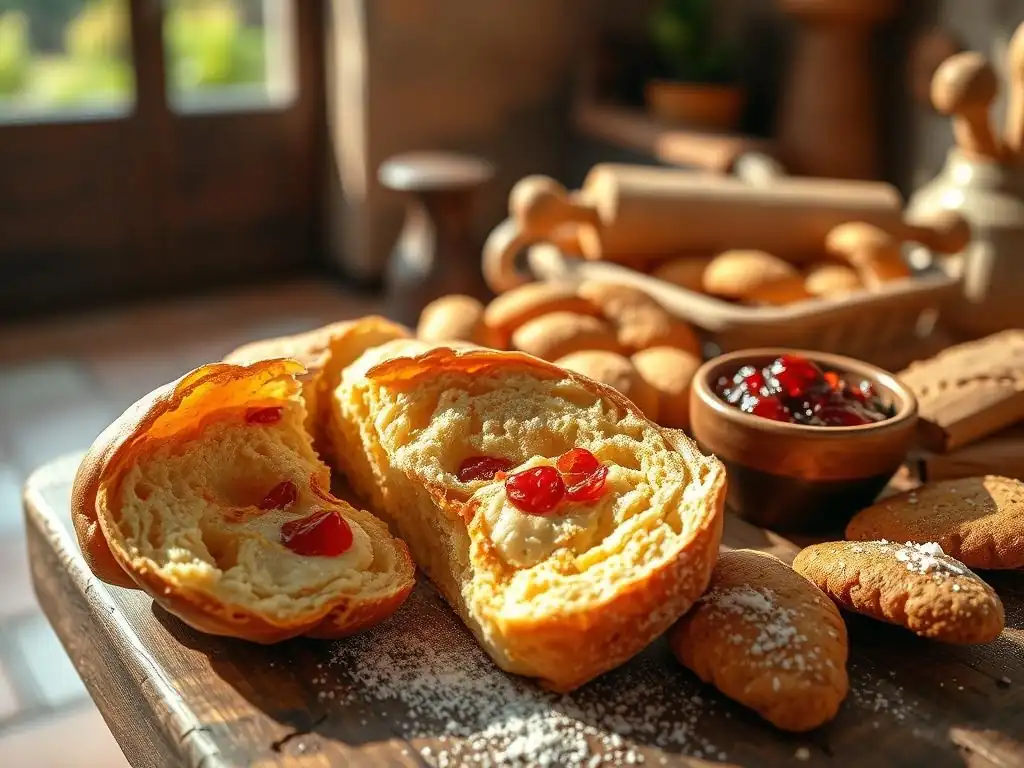
Calabrian Chili: The Fiery Heart of Southern Italian Baking
The Calabrian chili, or peperoncino Calabrese, is not merely a spicy addition; it's a fundamental flavor element that provides warmth, complexity, and a counterpoint to sweetness. Unlike some chilies that offer a purely searing heat, the Calabrian variety typically has a bright, fruity undertone before the spice kicks in. In baking, it's used judiciously, often dried and finely ground, to provide a subtle tingle rather than an overpowering burn. This allows the other flavors in a pastry or cookie to shine through while adding an unexpected and intriguing dimension.
Its presence in traditional Calabrian spicy sweet recipes might seem counterintuitive at first, but it creates a delightful push-and-pull on the palate. Think of a dark chocolate paired with chili – the same principle applies here. The chili cuts through the richness of nuts or the intensity of honey, preventing the sweet treat from becoming cloying. It adds a layer of sophistication and excitement, turning a simple cookie or pastry into a memorable culinary experience unique to Calabria.
Honey and Citrus: Sweetening the Calabrian Table
While chili provides the spark, honey and citrus provide the essential sweetness and aroma in many Calabrian baked goods. Calabrian honey, often derived from wildflowers or citrus blossoms, is typically rich and fragrant, providing a natural sweetness far more complex than refined sugar. It's frequently used in glazes, doughs, and fillings, contributing moisture and a distinct regional flavor.
Citrus fruits, particularly lemons, oranges, and the unique bergamot (famous in Earl Grey tea but also grown extensively in Calabria), lend their vibrant, zesty notes. The zest and juice are incorporated into doughs, syrups, and creams, providing acidity that balances sweetness and a refreshing fragrance. Bergamot, with its complex floral and slightly bitter profile, offers a sophisticated twist in some traditional Calabrian recipes, highlighting the diversity of sweet flavors available from the region's abundant orchards.
Traditional Calabrian Spicy Sweet Recipes: A Baker's Guide
Mostaccioli are perhaps the most iconic example of Calabrian spicy sweet recipes. These firm, diamond-shaped cookies are traditionally made with a dough based on flour, honey, cooked grape must (mosto cotto), and a blend of warming spices like cinnamon, cloves, and, crucially, ground Calabrian chili. They are typically coated in a dark chocolate or cocoa glaze, creating a striking visual contrast and adding another layer of flavor. While simple in appearance, their unique texture and complex spice profile make them instantly recognizable.
Historically, Mostaccioli were often made for festive occasions, particularly Christmas and Easter. Their firm texture meant they could be stored for a long time, making them a practical and cherished treat. The combination of honey, spices, and the subtle heat of chili reflects the resourcefulness and bold flavors characteristic of Calabrian baking. Mastering these cookies is a great way to start exploring the unique world of traditional Calabrian recipes.
Recipe for Authentic Mostaccioli: Step-by-Step
Crafting authentic Mostaccioli involves a few key steps.
- Prepare the Base: Combine flour with a mixture of heated honey and cooked grape must (or a substitute like fig syrup or date molasses).
- Add Spices: Incorporate ground cinnamon, cloves, a pinch of nutmeg, and finely ground Calabrian chili powder. The amount of chili can be adjusted based on desired heat level, but traditionally, it provides a noticeable warmth.
- Form the Dough: Knead the mixture until a firm, cohesive dough forms. It will be less pliable than typical cookie dough.
- Shape the Cookies: Roll out the dough to about 1 cm thickness and cut into the traditional diamond shape using a knife or pastry wheel.
- Bake: Bake in a preheated oven (around 160-170°C or 325-340°F) until firm but not overly browned, usually 15-20 minutes, depending on size.
- Glaze: Once cooled, dip the cookies in a simple glaze made from cocoa powder, sugar, and water, or melted dark chocolate.
Tips for Achieving the Perfect Mostaccioli Glaze
The glaze is essential for both the flavor and appearance of Mostaccioli.
- Consistency is Key: For a traditional opaque, slightly rustic glaze, mix cocoa powder and powdered sugar with just enough hot water to create a thick, paint-like consistency. If using melted chocolate, temper it properly for a smooth, shiny finish, or simply melt good quality dark chocolate for a simpler dip.
- Dipping Technique: Dip one side of the cooled cookie into the glaze, letting excess drip off. Place on a wire rack set over parchment paper to catch drips and allow the glaze to set completely.
- Setting Time: Be patient and allow the glaze to dry fully, which can take several hours depending on humidity. Some traditional glazes remain slightly soft.
- Flavor Boost: A tiny pinch of chili powder can even be added to the cocoa glaze itself for an extra layer of spicy sweetness, enhancing the overall profile of these unique Calabrian spicy sweet recipes.
Turdilli: Fried Dough with Honey and Anise
Turdilli are small, often ridged pieces of fried dough, typically enjoyed during the Christmas season in Calabria. Made from a simple dough of flour, olive oil, white wine, and sometimes a touch of sugar, they are shaped into small cylinders or gnocchi-like pieces and deep-fried until golden and crisp. While delicious on their own, their defining characteristic is the generous coating in warm honey, often infused with orange zest or anise seeds.
These little bites are a prime example of the simple yet profound flavors found in traditional Calabrian recipes. The combination of the slightly savory, crisp fried dough with the sweet, aromatic honey syrup is incredibly satisfying. They are often piled high on platters, glistening with honey, and shared among family and friends during holiday gatherings, symbolizing warmth and abundance.
Turdilli Recipe: A Classic Calabrian Christmas Treat
Making Turdilli is a relatively straightforward process.
- Prepare Dough: Combine flour, olive oil, and white wine (often a local dry white like Greco Bianco) to form a firm dough. Some recipes include a little sugar or a pinch of salt.
- Shape: Roll small pieces of dough into ropes and cut into short lengths (about 2-3 cm). Press each piece against a fork or a gnocchi board to create ridges, which help the honey adhere.
- Fry: Heat a generous amount of olive oil (or other frying oil) in a pot. Fry the Turdilli in batches until golden brown and puffed, about 3-5 minutes per batch. Remove with a slotted spoon and drain on paper towels.
- Honey Coating: In a separate saucepan, gently heat honey with orange zest or anise seeds until warm and runny. Add the fried Turdilli to the warm honey and gently toss to coat them completely.
- Serve: Arrange the honey-coated Turdilli on a serving platter. They are best enjoyed warm but are also delicious at room temperature.
Variations on Turdilli: Exploring Different Flavors
While the classic Turdilli are coated in plain or anise-infused honey, variations exist.
- Citrus Infusion: Instead of just zest, simmer orange or lemon slices in the honey to impart a deeper citrus flavor.
- Spiced Honey: Add a pinch of cinnamon or a tiny amount of ground cloves to the honey for extra warmth, subtly nodding to the spicy sweet Calabrian recipes tradition.
- Fig Syrup: In areas where figs are abundant, cooked fig syrup (similar to grape must syrup) can be used instead of or mixed with honey for coating, offering a different kind of sweetness and depth.
- Nut Toppings: Some variations include sprinkling chopped toasted almonds or walnuts over the honey-coated Turdilli before serving, adding texture and nutty flavor.
Pitta 'Mpigliata: Fig-Filled Pastry
Pitta 'Mpigliata, whose name roughly translates to "folded or wrapped pie," is a beautiful, often elaborate pastry from the Cosenza province of Calabria. It consists of thin layers or strips of dough filled with a rich mixture of dried figs, walnuts, almonds, raisins, citrus zest, honey, and spices like cinnamon and cloves. The dough is typically made with flour, olive oil, white wine, and sometimes a little sugar or yeast. The filling is spread or placed on strips of dough, which are then rolled, folded, or spiraled into various decorative shapes, often resembling flowers or wreaths.
This pastry is a centerpiece for special occasions, particularly weddings and Christmas. Its preparation is often a communal activity, reflecting the importance of family and tradition in Calabrian culture. The dense, flavorful filling, packed with regional produce, combined with the delicate, slightly crisp dough, makes Pitta 'Mpigliata a truly special part of the Calabrian spicy sweet recipes repertoire, showcasing the region's agricultural bounty.
Crafting Pitta 'Mpigliata: A Detailed Guide
Creating Pitta 'Mpigliata is an act of love, requiring patience and skill.
- Prepare the Dough: Make a simple dough with flour, olive oil, white wine, and a pinch of salt or sugar. Knead until smooth and elastic. Let it rest.
- Prepare the Filling: This is the heart of the pastry. Finely chop dried figs, walnuts, almonds, and raisins. Combine with honey, grated citrus zest (orange and lemon), cinnamon, cloves, and sometimes a splash of liqueur like Sambuca or Strega. The mixture should be moist but not wet.
- Roll and Fill: Roll the dough very thinly into large sheets or strips. Spread the fig filling evenly over the dough.
- Shape: This is where creativity comes in. Dough strips can be rolled up like a log, then sliced and arranged into a circular "rose" shape. Alternatively, wider sheets can be folded or layered with filling and then coiled. The edges are often pinched or decorated.
- Bake: Bake in a moderate oven (around 170-180°C or 340-350°F) until the dough is golden brown and crisp, usually 30-50 minutes depending on the size and thickness of the pastry.
- Finish: Some variations are brushed with honey or a sugar syrup after baking for extra shine and sweetness.
The Significance of Figs in Calabrian Baking
Figs hold a place of particular importance in Calabrian cuisine and baking. The region's climate is ideal for growing figs, and dried figs have historically been a vital source of nutrition and natural sweetness, especially during the lean winter months. They are a staple in many traditional Calabrian recipes, providing bulk, moisture, and a unique texture to pastries and cookies.
In Pitta 'Mpigliata, dried figs are the primary ingredient in the filling, providing its characteristic chewiness and deep, earthy sweetness. Their natural sugars also help bind the other ingredients together. The abundance of figs in Calabria means they are a readily available and economical ingredient, further cementing their role in the traditional baking practices and the development of beloved Calabrian spicy sweet recipes.
Beyond the Classics: Modern Interpretations of Calabrian Flavors
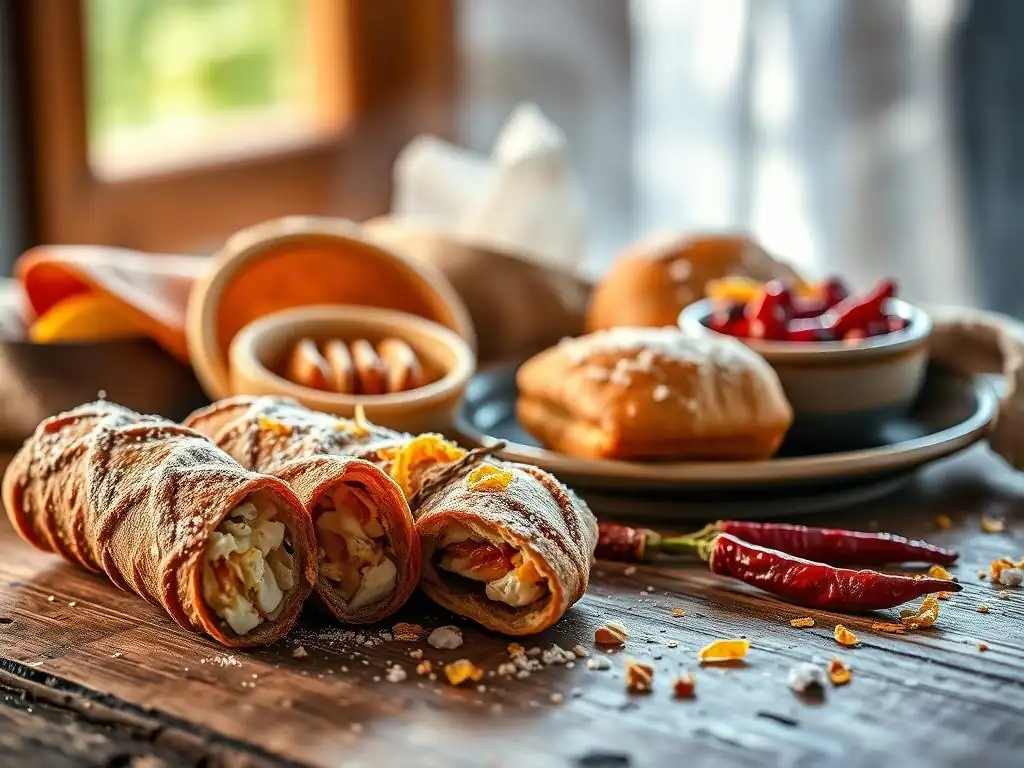
Incorporating Calabrian Chili in Contemporary Baking
The bold flavor profile of Calabrian chili is inspiring contemporary bakers to move beyond traditional Calabrian spicy sweet recipes and experiment with new combinations. The chili's fruity heat pairs exceptionally well with chocolate, citrus, and even certain fruits. Modern pastries, cakes, and even breads are seeing infusions of Calabrian chili to add a layer of unexpected warmth and sophistication.
Consider a dark chocolate tart with a hint of chili in the ganache, or lemon muffins with a subtle chili kick. The key is balance – using just enough chili to intrigue the palate without overwhelming the other flavors. This modern approach demonstrates the versatility of Calabria's signature spice and opens up exciting possibilities for innovative baking.
Spicy 'Nduja and Chocolate Brownies
While 'nduja, the spreadable spicy pork sausage from Calabria, is primarily savory, its intense flavor and heat are finding their way into avant-garde baking. Pairing 'nduja with chocolate might sound unconventional, but the richness of dark chocolate stands up surprisingly well to the savory, spicy notes of the sausage.
Imagine a rich dark chocolate brownie batter swirled with small dollops of 'nduja before baking. The heat from the 'nduja infuses the surrounding chocolate, creating pockets of intense, spicy, and slightly savory flavor that contrast beautifully with the sweet, fudgy brownie. This bold combination is a daring, yet fascinating, modern take on the spicy sweet Calabrian recipes concept, pushing the boundaries of traditional flavors.
Honey and Clementine Biscotti
Drawing on the classic Calabrian sweet flavors of honey and citrus, modern bakers are creating new treats like Honey and Clementine Biscotti. Biscotti, while found throughout Italy, can be given a distinct Calabrian twist using local ingredients.
A standard biscotti dough can be flavored with the zest and juice of Calabrian clementines, known for their intense aroma and sweetness. Replacing some of the sugar with local wildflower honey adds moisture and a richer sweetness. Incorporating chopped almonds or walnuts, also common in Calabria, adds texture. These biscotti offer a familiar form with a uniquely Calabrian flavor profile – a perfect example of modern baking honoring regional ingredients.
Baking Techniques Unique to Calabria
Using Local Grains in Calabrian Baking
The use of local grains is a defining characteristic of Calabrian baking, particularly in bread making but also influencing pastry doughs. Calabria has a strong tradition of cultivating ancient grains and specific varieties of durum wheat. These grains, often milled locally, impart unique flavors, textures, and nutritional properties to baked goods that differ significantly from those made with mass-produced flours.
Bakers in Calabria often work with flours like Semola Rimacinata, a twice-milled durum wheat flour that results in doughs with excellent structure and a slightly coarser texture than soft wheat flour. This flour is essential for traditional breads and some pasta, and its characteristics influence how doughs are handled and baked in the region. Understanding the properties of these local flours is key to replicating the authentic texture of many traditional Calabrian spicy sweet recipes.
Semola Rimacinata and Farro
Semola Rimacinata is a finely ground durum wheat flour that forms the base of many Calabrian baked goods. Its high protein content contributes to a strong gluten network, making it ideal for doughs that require structure, like bread or certain pastries. When used in pastries, it can give a slightly chewier or firmer texture compared to those made with soft wheat flour. Its distinct golden hue also colors the baked goods.
Farro (spelt), an ancient grain, is also grown in Calabria and used in some regional baking. While less common in traditional sweet pastries than durum wheat, its nutty flavor and robust texture are sometimes incorporated into rustic tarts or savory baked goods, reflecting the region's connection to ancient agricultural practices. The reliance on such specific local grains underscores the deep connection between Calabrian baking and its agricultural landscape.
Tips and Tricks for Successful Calabrian Baking at Home
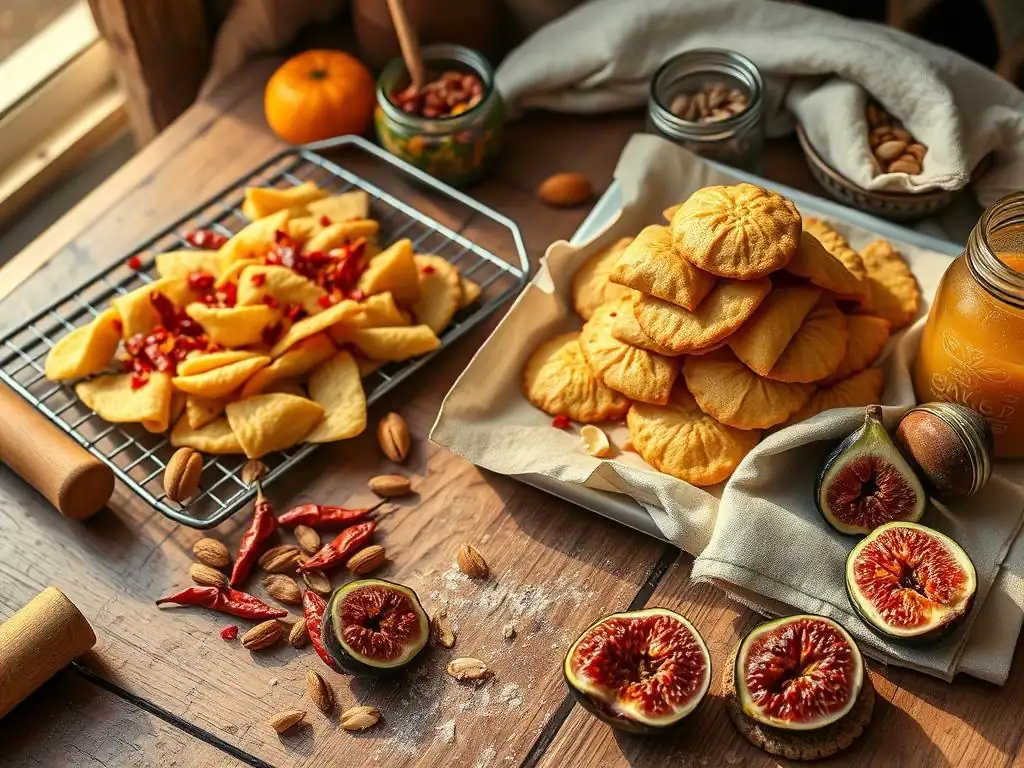
Sourcing Authentic Calabrian Ingredients
To truly capture the essence of Calabrian spicy sweet recipes, using authentic ingredients is highly recommended.
- Calabrian Chili: Look for dried Calabrian chili peppers or chili flakes labeled specifically from Calabria. Specialty Italian food stores or online retailers are good sources. Start with a small amount and adjust to your heat preference.
- Honey: Seek out Italian wildflower or citrus honey. If Calabrian honey is unavailable, choose a good quality, strongly flavored honey from a similar Mediterranean climate.
- Citrus: Use fresh, unwaxed lemons and oranges for zest. If you can find Bergamot oranges, even better!
- Olive Oil: Use a good quality extra virgin olive oil from Italy, ideally from Calabria if possible. Olive oil's flavor is prominent in many doughs.
- Flour: While Semola Rimacinata might be found in large Italian markets or online, standard durum wheat flour (often labeled Semola di Grano Duro Rimacinata) is a good substitute. All-purpose flour can be used for some recipes, but the texture will differ.
Mastering the Art of Balancing Spicy and Sweet
The hallmark of Calabrian spicy sweet recipes is the delicate balance between heat and sugar.
- Start Small with Chili: If you're new to baking with chili, begin with the minimum amount specified in a recipe and increase gradually in subsequent batches. Remember that dried chili can be quite potent.
- Taste Your Ingredients: Taste your honey and chili before you start. Honey varies in sweetness and flavor, and chili varies in heat. This will help you anticipate how they will interact.
- Consider the Context: Think about the other flavors in the recipe. Chocolate, nuts, and citrus can all influence how the spicy and sweet elements are perceived.
- It's About Warmth, Not Pain: In most Calabrian sweets, the chili should provide a pleasant warmth that lingers briefly, not an intense burn that overwhelms the palate. The goal is complexity and intrigue, not just heat. Practice is key to finding your preferred balance in these unique traditional Calabrian recipes.
Conclusion: Embracing the Flavors of Calabria in Your Kitchen
Exploring Calabrian spicy sweet recipes offers a unique and rewarding baking experience. It's a chance to delve into a regional Italian tradition that celebrates bold flavors, simple ingredients, and the bounty of the land. From the iconic, spice-infused Mostaccioli to the honey-drenched Turdilli and the intricate fig-filled Pitta 'Mpigliata, these traditional Calabrian recipes tell a story of history, culture, and a passionate approach to food.
By experimenting with the signature combination of Calabrian chili, fragrant honey, and vibrant citrus, you can bring a taste of Southern Italy into your own kitchen. Whether you stick to the classics or try modern interpretations, the world of Calabrian baking promises flavors that are anything but ordinary. So, gather your ingredients, embrace the warmth (both literal and figurative! ), and enjoy the delightful journey of baking Calabrian spicy sweet recipes.
Frequently Asked Questions
What makes Calabrian baking unique?
Calabrian baking is characterized by its use of local ingredients and a distinct flavor profile that balances spicy and sweet elements. It reflects the region's rich culinary heritage.
Where can I find authentic Calabrian baking recipes?
BakeWithEase.com offers a variety of Calabrian-inspired recipes, focusing on the region's traditional spicy sweet baking.
What are some common spices used in Calabrian baking?
Chili peppers, particularly the Calabrian chili, are a staple. Other spices like fennel seeds and anise may also be used to enhance the unique flavor of the baked goods.
Are Calabrian baking recipes difficult for beginners?
Not necessarily! BakeWithEase.com provides step-by-step guides and easy-to-find ingredients, making Calabrian baking accessible to bakers of all skill levels.
What are some examples of Calabrian spicy sweet recipes I can try?
You can explore recipes like Mostaccioli (spicy honey cookies) or Turididdri (fried dough) that offer a delicious blend of spicy and sweet.
Final Reflection: A Calabrian Legacy, Baked in Time
The vibrant flavors of Calabria, a spicy dance between sweetness and heat, are more than just recipes; they are a living testament to a rich cultural heritage. These traditions, passed down through generations, continue to resonate today, offering a unique culinary experience that transcends mere sustenance. The enduring appeal of Calabrian baking lies not only in its deliciousness but also in its ability to connect us to a history deeply rooted in the land and its people.
The enduring power of food to evoke memories and connect us to our roots is profoundly moving. Calabrian baking, with its complex interplay of sweet and spicy notes, embodies this connection perfectly. It's a tangible link to the past, a story told through each carefully chosen ingredient and time-honored technique. Food is symbolic of love when words are inadequate.
- Alan D. Wolfelt. This quote perfectly encapsulates the emotional depth woven into every Calabrian pastry, every spicy honey cake, every fragrant biscuit.
Now, as you consider the recipes and stories shared within this article, I invite you to explore the possibilities. Perhaps you'll be inspired to try your hand at creating these delectable treats, to experience the joy of recreating a piece of Calabrian history in your own kitchen. Or maybe, you'll simply carry the spirit of this vibrant culture with you, appreciating the power of food to connect us across time and distance. Let the spicy sweetness of Calabria inspire your own culinary adventures and enrich your understanding of the world's diverse and delicious traditions.
Unlock Calabria's Baking Secrets!
Thanks for joining us on a delicious journey through the spicy and sweet traditions of Calabrian baking! We hope you've discovered some new inspiration for your next baking adventure. Ready to put your newfound knowledge to the test?
- Bake your own Calabrian delight! Try one of the recipes mentioned – the 'nduja-infused biscotti or the honey-lemon cake are great starting points.
- Share your baking creations with us! Use #BakeWithEaseCalabria on social media to show off your culinary skills and inspire others.
- Explore further! Dive deeper into Calabrian cuisine by researching other regional specialties – you might discover a whole new world of flavors.
What unique Calabrian ingredient will you experiment with in your next baking project?