
Bake Hungarian Kürtőskalács: Chimney Cake Bread Made Simple

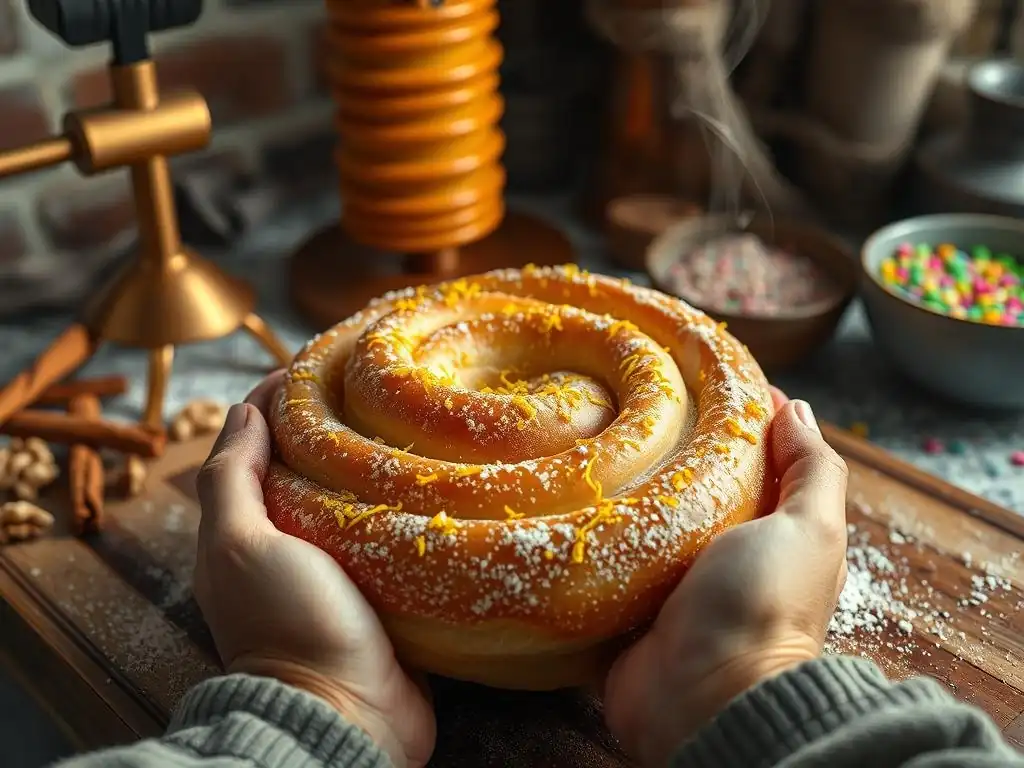
Welcome to BakeWithEase! If you’ve ever been enchanted by the delightful swirl of a Hungarian chimney cake, you’re in for a treat. Our latest article, "Bake Hungarian Kürtőskalács: Chimney Cake Bread Made Simple," invites you to embark on a flavorful journey where we break down this exquisite pastry into easy, manageable steps. Whether you're a novice baker or someone looking to refine your skills, our straightforward recipes and expert tips will empower you to create this delicious bread with confidence.
Don’t let the complexity of baking intimidate you— let’s uncover the secrets of chimney cake together! Ready to rise to the occasion? Dive in and discover how you can whip up this delightful treat in your own kitchen!
- Bake Kürtőskalács: Hungarian Chimney Cake Recipe
- Discover Kürtőskalács: A Delicious Hungarian Pastry
- Kürtőskalács Recipe: Step-by-Step
- Preparing the Dough
- Shaping the Kürtőskalács
- Baking the Kürtőskalács
- Topping Your Kürtőskalács
- Tips and Tricks
- Enjoy Your Kürtőskalács!
- Frequently Asked Questions
- Final Reflection: The Enduring Sweetness of Tradition, Simplified
- Unleash Your Inner Baker: Craft the Perfect Kürtőskalács!
Bake Kürtőskalács: Hungarian Chimney Cake Recipe
Discover Kürtőskalács: A Delicious Hungarian Pastry
Welcome to the wonderful world of Kürtőskalács, often known as Chimney Cake! This unique and delightful pastry is a staple at festivals and markets throughout Hungary and neighboring regions. Its distinctive shape, like a hollow chimney, and its sweet, caramelized crust make it instantly recognizable and utterly irresistible. Originating as a celebratory treat, it has evolved into a beloved street food enjoyed by people of all ages. Learning to bake this Hungarian chimney cake recipe at home brings a piece of this rich culinary tradition right into your kitchen.
Making Kürtőskalács might seem intimidating at first glance, especially with its signature spiral form and the need for a cylindrical mold. However, with a simplified approach and the right guidance, creating this warm, sweet bread is entirely achievable for home bakers. Our easy Hungarian chimney cake recipe breaks down the process into manageable steps, allowing you to replicate the magic of a freshly baked chimney cake without needing specialized outdoor ovens or complicated techniques. Get ready to fill your home with the heavenly aroma of baking bread and sugar!
History of Kürtőskalács
The history of Kürtőskalács is deeply rooted in the culinary traditions of Transylvania, a region with strong Hungarian cultural ties. It's believed to have originated centuries ago, with early recipes appearing in cookbooks around the late 18th or early 19th century. One of the earliest known recipes dates back to a 1784 cookbook by Countess Mária Mikes of Zabola.
Initially, it was likely a delicacy reserved for special occasions, often baked in aristocratic homes. The name "Kürtőskalács" itself refers to its chimney-like shape ("kürtő" means chimney in Hungarian), a shape achieved by wrapping dough strips around a conical or cylindrical spit and baking it over open coals.
Over time, Kürtőskalács transitioned from an aristocratic treat to a popular festive food enjoyed by the general public. It became strongly associated with celebrations, fairs, and markets, particularly in the Seklerland region of Transylvania (now part of Romania) and later spreading throughout Hungary. Its preparation often involved communal activity, with families or groups gathering to bake the sweet dough over fire pits. While the traditional method involves baking over glowing embers, modern adaptations, like the easy Hungarian chimney cake recipe we present, allow for baking in conventional ovens, making this historical pastry accessible to kitchens everywhere.
Why This Recipe Works for Home Bakers
This specific Kürtőskalács recipe is designed with the home baker in mind, simplifying techniques typically used in commercial or traditional settings. Unlike traditional methods that require specialized equipment like rotating spits over open flames, this recipe utilizes common kitchen tools and a standard oven. We guide you through creating the dough, shaping it using readily available substitutes for traditional wooden cylinders (like rolling pins or even sturdy cardboard tubes wrapped in foil), and baking it to perfection. The focus is on achievable steps that yield delicious results comparable to those found at European markets.
Furthermore, the ingredients required for this easy Hungarian chimney cake recipe are standard pantry staples – flour, yeast, sugar, butter, milk, and eggs. You won't need to hunt down obscure items, making it a convenient baking project. The process, while requiring patience during proofing and shaping, is broken down into clear, sequential steps. We also provide detailed instructions on troubleshooting common issues, ensuring that even novice bakers can successfully create this impressive pastry. It's a rewarding experience that proves you don't need specialized training or equipment to enjoy authentic international baked goods.
Kürtőskalács Recipe: Step-by-Step
Ingredients
Dough Ingredients
To create the light and slightly sweet dough for your Hungarian chimney cake recipe, you will need a few basic ingredients.
- All-purpose flour: Approximately 3 to 3.5 cups (around 400-450 grams). The exact amount can vary slightly depending on humidity.
- Granulated sugar: About 1/2 cup (around 100 grams) for sweetness in the dough itself.
- Active dry yeast: 2 and 1/4 teaspoons (one standard packet). This helps the dough rise and become airy.
- Warm milk: 3/4 cup (around 180 ml). It should be lukewarm, about 105-115°F (40-46°C), to activate the yeast.
- Large eggs: 2, at room temperature. Eggs add richness and structure to the dough.
- Unsalted butter: 1/2 cup (one stick or 113 grams), melted and slightly cooled. Butter provides tenderness and flavor.
- Salt: 1/2 teaspoon. Just a touch to balance the sweetness.
- Lemon zest (optional): Zest of one lemon for a hint of citrus aroma, traditional in some variations.
Topping Options
The classic finishing touch for Kürtőskalács is a coating of sugar that caramelizes during baking, often combined with other delightful additions.
- Melted butter: About 1/4 cup (57 grams) for brushing the shaped dough before applying toppings. This helps the toppings adhere and promotes caramelization.
- Granulated sugar: Approximately 1 cup (200 grams) for the primary coating. This is essential for the caramelized crust.
- Cinnamon: 1-2 tablespoons, often mixed with the sugar for a classic cinnamon-sugar coating.
- Chopped walnuts or hazelnuts: About 1 cup (around 100-120 grams). Finely chopped nuts add texture and flavor, a very popular variation.
- Other possibilities: Cocoa powder mixed with sugar, shredded coconut, poppy seeds, or even sprinkles for a fun twist. You'll need roughly 1 cup total of your chosen dry topping mixture.
Equipment
Essential Tools
Having the right tools makes baking Kürtőskalács significantly easier, even with our simplified easy Hungarian chimney cake recipe.
- Large mixing bowl: For preparing and proofing the dough.
- Measuring cups and spoons: For accurate ingredient measurements.
- Rolling pin: To flatten the dough before cutting it into strips.
- Sharp knife or pizza cutter: For cutting the dough into even strips.
- Baking sheets: To place the molds on during baking.
- Parchment paper or silicone baking mats: To line the baking sheets for easy cleanup and to prevent sticking.
- Pastry brush: For brushing the dough with melted butter.
- Cylindrical molds: This is key. Traditionally, wooden spits are used. For home baking, you can use:
- Rolling pins (standard wooden ones work well).
- Metal or cardboard tubes (ensure food-safe if using cardboard, perhaps wrap in heavy-duty foil).
- Specialty Kürtőskalács molds designed for ovens. You'll need at least 2-4 molds depending on your oven size and how many chimney cakes you want to bake at once.
Optional Equipment
These tools aren't strictly necessary but can enhance the process or result of your Hungarian chimney cake recipe.
- Stand mixer with dough hook: While mixing by hand is perfectly fine, a stand mixer can make the kneading process much quicker and less strenuous, typically taking 5-8 minutes of kneading versus 10-15 minutes by hand.
- Kitchen scale: For precise measurement of flour (in grams), which can lead to more consistent results than volume measurement.
- Proofing box or warm spot: A consistent warm environment helps ensure the dough proofs properly and on schedule, ideally around 75-80°F (24-27°C).
- Cooling rack: To place the baked Kürtőskalács on after removing from the molds, allowing air circulation.
- Large tray or shallow dish: Useful for holding the topping mixture for easy coating of the buttered dough.
Preparing the Dough
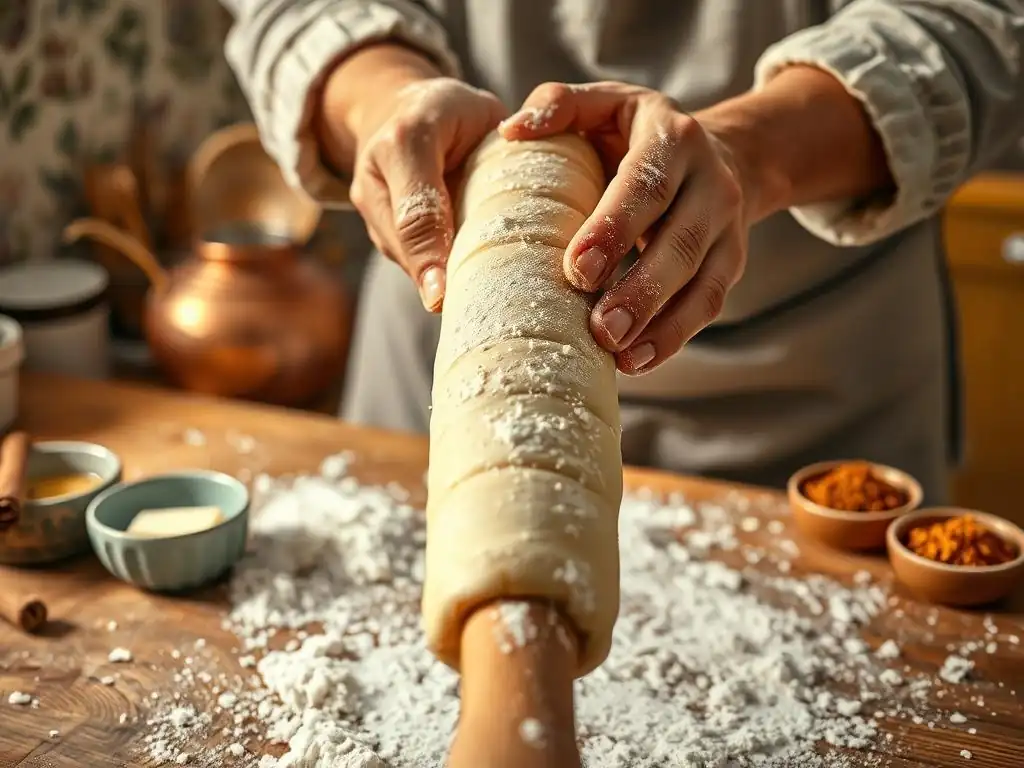
Creating the perfect base for your Hungarian chimney cake recipe starts with carefully preparing the dough. This is a slightly enriched dough, similar to brioche or challah, which gives the final product its tender texture. Pay attention to the temperature of your liquids and the consistency of the dough as you mix and knead.
Mixing the Dough
Begin by activating your yeast. In a small bowl, combine the warm milk with a pinch of sugar (from the measured amount for the dough) and sprinkle the active dry yeast over the top. Let this mixture sit for 5-10 minutes until it becomes foamy. This indicates the yeast is alive and active. If it doesn't foam, your milk might not have been warm enough or too hot, or the yeast may be expired; you'll need to start this step again with fresh yeast and correctly tempered milk.
In your large mixing bowl (or the bowl of your stand mixer), whisk together the remaining sugar, salt, and flour. Once the yeast mixture is foamy, add it to the dry ingredients along with the room-temperature eggs and the melted and slightly cooled butter. Mix everything together until a shaggy dough forms.
If using a stand mixer, attach the dough hook and knead on medium speed for 5-8 minutes. If mixing by hand, turn the dough out onto a lightly floured surface and knead for 10-15 minutes, or until the dough is smooth, elastic, and no longer sticky. It should pass the windowpane test – you can stretch a small piece thin enough to see light through it without tearing.
Proofing the Dough
Once the dough is kneaded, it needs time to rise. This process, called proofing, allows the yeast to produce carbon dioxide, which makes the dough light and airy. Shape the dough into a ball and place it back in the large mixing bowl. Lightly grease the bowl with a little oil or butter to prevent the dough from sticking. Cover the bowl tightly with plastic wrap or a clean kitchen towel.
Place the covered bowl in a warm, draft-free place. An oven that's been slightly warmed and then turned off (around 75-80°F or 24-27°C) works well, or simply a warm spot on your kitchen counter away from drafts. Let the dough rise until it has doubled in size. This typically takes about 1 to 1.5 hours, but the exact time can vary depending on the temperature of your environment. A properly proofed dough will be visibly larger and will spring back slowly when gently poked with a finger.
Shaping the Kürtőskalács
Shaping is perhaps the most unique part of making this easy Hungarian chimney cake recipe. It involves transforming the risen dough into long strips and wrapping them around your chosen molds to create the signature "chimney" shape. Patience and a light touch are key here.
Wrapping the Dough
Once the dough has doubled in size, gently punch it down to release the air. Turn the dough out onto a lightly floured surface and divide it into equal portions. For standard-sized chimney cakes using rolling pins or similar molds, dividing the dough into 4-6 pieces is common. Roll each piece into a rough rectangle or square, about 1/4 inch (around 0.6 cm) thick.
Using a sharp knife or pizza cutter, cut each rolled piece of dough into long strips, approximately 1 inch (around 2.5 cm) wide. You'll need strips long enough to wrap around your mold from end to end. Take one strip and start wrapping it around your prepared mold (lightly greased or buttered), beginning at one end and slightly overlapping each layer as you spiral down the mold.
Ensure the strip is wrapped snugly but not stretched too thin. Repeat with additional strips if needed, joining them seamlessly by pressing the ends together, until the entire length of the mold is covered in a continuous spiral of dough.
Creating the Spiral Design
After wrapping the dough strips around the mold, the next step is crucial for achieving the smooth, continuous surface characteristic of Kürtőskalács. Gently roll the dough-covered mold back and forth on your clean, lightly floured work surface or a piece of parchment paper. This action helps to flatten the dough strips slightly and encourages them to meld together, creating a more seamless spiral and a smoother surface for the sugar coating to adhere to. Apply just enough pressure to smooth out the ridges between the overlapping strips without stretching the dough too much.
Once the spiral is smooth and the seams are less visible, you can gently stretch the dough slightly along the length of the mold. This helps to thin the dough evenly and ensures a more uniform thickness, which is important for even baking and the characteristic crispy-on-the-outside, soft-on-the-inside texture. Aim for a final dough thickness of about 1/8 inch (around 0.3 cm) around the mold. This careful shaping is essential before moving on to the topping and baking stages of your Hungarian chimney cake recipe.
Baking the Kürtőskalács
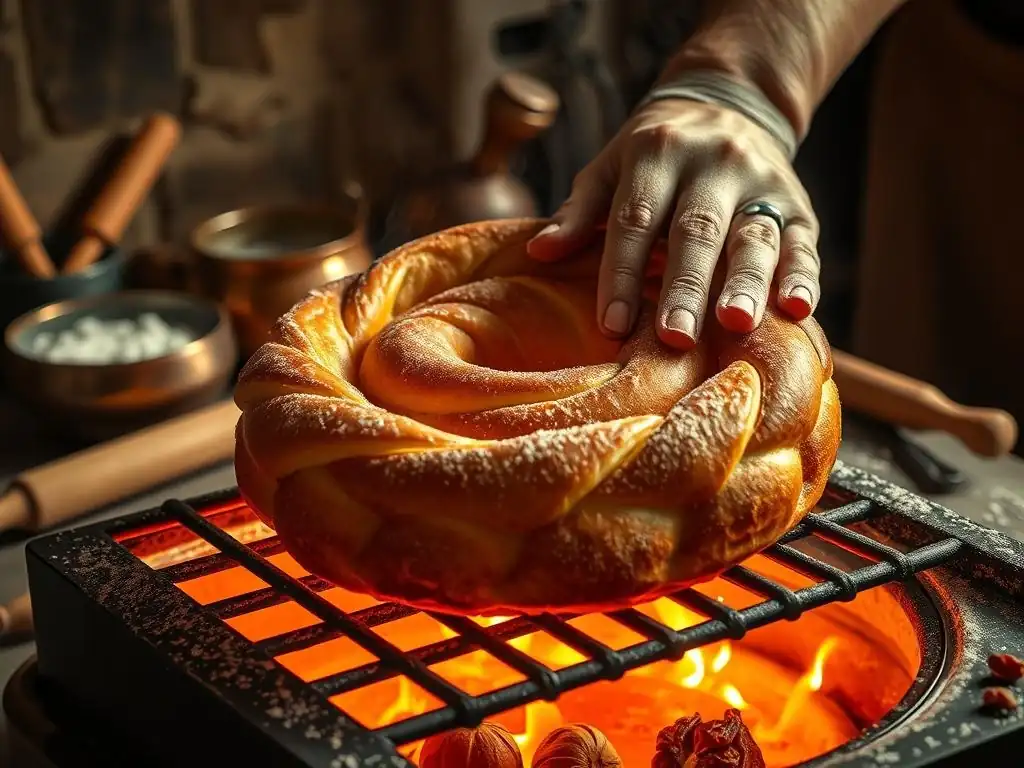
Baking is where the magic happens, transforming the shaped dough into a golden, caramelized chimney cake. Getting the temperature and timing right is key to achieving that perfect balance of a crispy exterior and a soft, fluffy interior. This easy Hungarian chimney cake recipe is adapted for standard home ovens.
Preparing the Baking Surface
Before placing your shaped Kürtőskalács in the oven, you need to prepare the molds and the baking sheet. First, ensure your molds are properly prepared; if using rolling pins or tubes, they should be lightly greased with butter or oil to prevent sticking. If using specialty Kürtőskalács molds, follow the manufacturer's instructions, but typically a light greasing is recommended.
Next, brush the entire outer surface of the shaped dough on the mold generously with melted butter. This not only adds flavor but is crucial for the sugar coating to stick and caramelize properly. After buttering, roll the buttered dough in your chosen topping mixture (sugar, cinnamon-sugar, nuts, etc.) placed in a shallow tray or dish.
Press gently to ensure an even and thick coating all around. Place the topped molds onto a baking sheet lined with parchment paper or a silicone baking mat. Some prefer to prop the molds up so the chimney cake hangs slightly, allowing heat circulation around the entire surface, often using the edges of the baking sheet or small oven-safe ramekins as supports.
Baking Time and Temperature
Preheat your oven to 350-375°F (175-190°C). The exact temperature can vary slightly depending on your oven; a slightly lower temperature (350°F) might require a bit more time but reduces the risk of burning the sugar, while 375°F can speed up caramelization. Place the baking sheet with the prepared Kürtőskalács molds in the preheated oven.
Bake for approximately 15 to 25 minutes. The baking time is quite variable depending on the thickness of your dough, your oven's calibration, and how dark you prefer the caramelization. You are looking for the dough to be cooked through (lightly golden brown underneath the sugar) and the sugar coating to be melted, bubbly, and caramelized to a beautiful golden-brown color. Keep a close eye on them, especially towards the end of the baking time, as the sugar can go from perfectly caramelized to burnt very quickly.
Achieving Even Baking
To ensure your Hungarian chimney cake bakes evenly and develops a uniform caramelized crust, rotating the molds during baking is essential. About halfway through the estimated baking time (around 8-12 minutes in), carefully open the oven and rotate each mold. If you are propping them up, turn them so a different section is facing upwards or downwards. If they are lying flat on the sheet, rotate them 180 degrees.
Some bakers prefer to rotate the molds more frequently, perhaps every 5-7 minutes, especially if their oven has hot spots. The goal is to expose all sides of the Kürtőskalács to the heat evenly, promoting uniform cooking of the dough and consistent caramelization of the sugar coating. The final result should be a chimney cake that is golden brown and caramelized all around, with no pale spots or undercooked areas.
Topping Your Kürtőskalács
While the dough and baking process are critical, the topping is what truly defines the flavor and iconic appearance of Kürtőskalács. The caramelized sugar crust is non-negotiable, but the additions offer wonderful variations.
Traditional Topping Ideas
The most classic topping for a Hungarian chimney cake recipe is simply granulated sugar, which caramelizes into a beautiful, slightly brittle crust during baking. This pure sugar coating allows the subtle sweetness and texture of the bread itself to shine through. Many traditionalists believe this is the only true way to enjoy Kürtőskalács.
Another highly traditional and incredibly popular variation involves adding ground walnuts or hazelnuts. The nuts are typically mixed with the sugar before rolling the buttered dough in the mixture. As the sugar caramelizes, it binds the nuts to the surface of the pastry, creating a flavorful, nutty, and slightly crunchy layer alongside the sweet crust. Cinnamon sugar is also a beloved classic, adding warmth and aromatic spice to the sweet caramelized exterior, evoking cozy feelings often associated with European bakeries and Christmas markets.
Creative Topping Variations
Beyond the classics, there's plenty of room for creativity with your easy Hungarian chimney cake recipe. Why not experiment with different flavors? Try mixing cocoa powder with sugar for a chocolatey twist, or use shredded coconut for a tropical note. Poppy seeds are another traditional Hungarian ingredient that can be used as a topping, offering a unique texture and earthy flavor when combined with the caramelized sugar.
For those with a sweet tooth, consider adding finely crushed cookies (like speculoos or gingerbread) to your sugar mix, or even a sprinkle of colorful edible glitter after baking for a festive look. While not strictly traditional, some modern variations include drizzles of chocolate or icing after the chimney cake has cooled slightly, or even filling the center with whipped cream or fruit once removed from the mold. The key is to ensure the primary sugar layer is present for caramelization during baking, and any additional moist toppings are added after baking.
Applying the Toppings
Applying the topping is done after the dough has been shaped onto the mold and brushed generously with melted butter, but before baking. It's a simple step but requires covering the entire surface evenly to ensure a consistent caramelized crust. Have your chosen topping mixture ready in a shallow tray or dish large enough to easily roll the Kürtőskalács mold in.
With the buttered dough spiraled around the mold, gently roll the entire length of the mold through the topping mixture. Press lightly to encourage the sugar and any other additions (like nuts or cinnamon) to adhere firmly to the buttered surface. Ensure there are no bare spots. Lift the mold and gently shake off any excess topping. The butter acts as the glue, so make sure the dough is well-coated with butter before rolling in the sugar mixture. This step is critical for achieving that signature sweet, crunchy, and caramelized exterior when your Hungarian chimney cake bakes.
Tips and Tricks

Baking Kürtőskalács, even with an easy Hungarian chimney cake recipe, can present a few challenges. Here are some tips to help you achieve perfect results and enjoy the process.
Troubleshooting Baking Issues
One common issue is uneven caramelization. This is often due to inconsistent oven temperature or not rotating the molds during baking. Ensure your oven is properly preheated and use an oven thermometer if possible to check accuracy. Make sure to rotate the molds every 5-10 minutes to expose all sides to the heat evenly. If one part is browning too quickly, you can try shielding it loosely with a piece of aluminum foil for the remainder of the baking time.
Another potential problem is the dough sticking to the mold. This is usually caused by insufficient greasing of the mold before wrapping the dough. Make sure your molds are well-buttered or oiled. If using rolling pins, ensure they are smooth and non-porous. If, after baking, the chimney cake is difficult to slide off the mold, let it cool for just a minute or two; sometimes, a slight cooling helps it contract slightly, making removal easier. Don't let it cool completely on the mold, as the caramelized sugar can harden and stick firmly.
Storing and Reheating
Kürtőskalács is best enjoyed warm, straight from the oven, when the crust is crispy and the inside is soft. However, if you have leftovers, they can be stored. Let the chimney cake cool completely. Store it at room temperature in an airtight container or wrapped tightly in plastic wrap. It will keep well for 1-2 days, though the crust will lose some of its crispness over time as it absorbs moisture from the air and the interior.
To enjoy leftover Kürtőskalács, reheating is recommended to bring back some of its warmth and texture. The best way to reheat is in a preheated oven or toaster oven at a moderate temperature, around 300-325°F (150-160°C), for 5-10 minutes, or until warmed through. Avoid using a microwave, as it will make the crust soft and chewy rather than crispy. Reheating helps to slightly re-crisp the exterior and warm the tender interior, bringing it closer to its freshly baked state.
Recipe Variations
Once you've mastered the basic easy Hungarian chimney cake recipe, you can explore various twists. The most straightforward variations involve the toppings, as discussed earlier – experimenting with different nuts, seeds, spices, or even cocoa powder mixed with the sugar. You could also try drizzling melted chocolate or a simple glaze over the cooled chimney cake for extra indulgence.
You can also slightly alter the dough. For a richer dough, you could increase the amount of butter or egg yolks. For a slightly different flavor profile, consider adding a touch of vanilla extract or almond extract to the dough mixture. Some recipes incorporate citrus zest (lemon or orange) directly into the dough for a subtle aromatic lift. While the classic is a sweet bread, savory versions are also made in some regions, using cheese or herbs instead of sugar and sweet toppings, though the sweet version is by far the most common and iconic.
Enjoy Your Kürtőskalács!
You've done it! You've successfully baked a beautiful Hungarian chimney cake using our easy Hungarian chimney cake recipe. The aroma filling your kitchen is the first reward, promising a delicious treat. Now comes the best part: enjoying the fruits of your labor.
Serving Suggestions
Kürtőskalács is traditionally served warm, immediately after it's removed from the mold. This is when the caramelized sugar crust is at its crispiest and the interior bread is soft and steamy. Simply slide the chimney cake off the mold – it should come off relatively easily if the mold was greased properly and you remove it while still warm.
Serve it as is, allowing everyone to break off pieces from the spiral. The hollow center makes it easy to handle. It pairs wonderfully with a cup of coffee, tea, or hot chocolate. While often enjoyed plain, some people like to dip pieces into sauces like chocolate ganache or fruit compotes, though this is less traditional. The simple pleasure of pulling apart the warm, sweet, caramelized bread is often the most satisfying way to experience this unique pastry.
Baking is often a joy best shared, and Kürtőskalács is particularly suited for sharing. Its size and shape make it a natural centerpiece for a gathering, inviting people to tear off pieces and enjoy together. Sharing your homemade Hungarian chimney cake recipe creations with family and friends is a wonderful way to introduce them to this fascinating pastry.
Consider bringing a batch to a potluck, family dinner, or holiday gathering. The unique appearance is always a conversation starter, and the delicious taste is sure to impress. Don't forget to share your baking journey! Take photos of your creations at different stages – the dough rising, the shaping process, and the final golden, caramelized chimney cakes. Share them online and inspire others to try this easy Hungarian chimney cake recipe themselves. Happy baking and happy sharing!
Frequently Asked Questions
What exactly is a Hungarian Chimney Cake (Kürtőskalács)?
A Kürtőskalács, also known as a Hungarian Chimney Cake, is a sweet yeast bread baked on a rotating spit over an open flame or in a specialized oven. It's known for its crispy caramelized exterior and soft, fluffy interior.
Is this recipe truly "easy" for a beginner baker?
Yes! This easy recipe focuses on simplified steps and readily available ingredients, making it accessible even for those new to baking. We provide clear instructions and helpful tips.
What kind of equipment do I need to make Kürtőskalács?
While a traditional spit is ideal, this recipe adapts for home bakers. You'll need a rolling pin, baking sheet, and aluminum foil or wooden dowels to form the cone shape.
Can I customize the toppings for my Chimney Cake?
Absolutely! While the recipe provides a basic sugar coating, you can experiment with various toppings like cinnamon, nuts, cocoa powder, or even crushed Oreos to personalize your cake.
How should I store leftover Kürtőskalács?
Leftover Kürtőskalács is best enjoyed fresh. To store, wrap it tightly in plastic wrap or an airtight container at room temperature. It will be best to reheat it gently before eating to restore some of the crispness.
Final Reflection: The Enduring Sweetness of Tradition, Simplified
The simple act of baking a Kürtőskalács transcends a mere recipe; it's a journey into Hungarian culinary heritage, made accessible to everyone today. This seemingly straightforward chimney cake, with its crispy exterior and soft, sugary interior, offers a surprisingly profound connection to a rich cultural past, now readily available in your own kitchen. The ease of the recipe presented here democratizes this delicious tradition, allowing anyone to experience the joy of creating and sharing this unique treat.
The impact of sharing recipes like this extends far beyond the individual baker. It fosters a sense of community and cultural exchange, bridging geographical and generational divides. The act of recreating a traditional food connects us to the past, reminding us of the enduring power of culinary traditions to bring people together. Food is symbolic of love when words are inadequate.
- Alan D. Wolfelt. This sentiment perfectly encapsulates the emotional resonance of sharing and enjoying a Kürtőskalács, whether it's a family gathering or a simple moment of self-indulgence.
Now, I invite you to roll up your sleeves, gather your ingredients, and embark on your own Kürtőskalács adventure. Don't be intimidated by the seemingly complex process; the recipe provided is designed for simplicity and success. Let the aroma of cinnamon and sugar fill your home, and savor the satisfaction of creating something delicious and meaningful. Share your creations, share your experiences, and let the sweet legacy of the Kürtőskalács continue to spread its warmth and joy.
Unleash Your Inner Baker: Craft the Perfect Kürtőskalács!
Thanks for joining us on this delicious journey into the world of Hungarian Kürtőskalács! We hope you now feel confident and inspired to tackle this seemingly complex treat. Ready to take your baking skills to the next level?
- Bake your own Kürtőskalács today! Use our recipe as a starting point, and experiment with different flavor combinations – cinnamon sugar is classic, but what about cardamom and pistachios?
- Share your baking adventure! Post pictures of your creation on social media and tag us – we'd love to see your masterpieces!
- Join our baking community! Leave a comment below sharing your tips, tricks, or questions. Let's learn from each other!
What unique flavor twist will you add to your Kürtőskalács to make it truly your own?