
Crafting Vegan Brioche: An Intriguing Baking Challenge

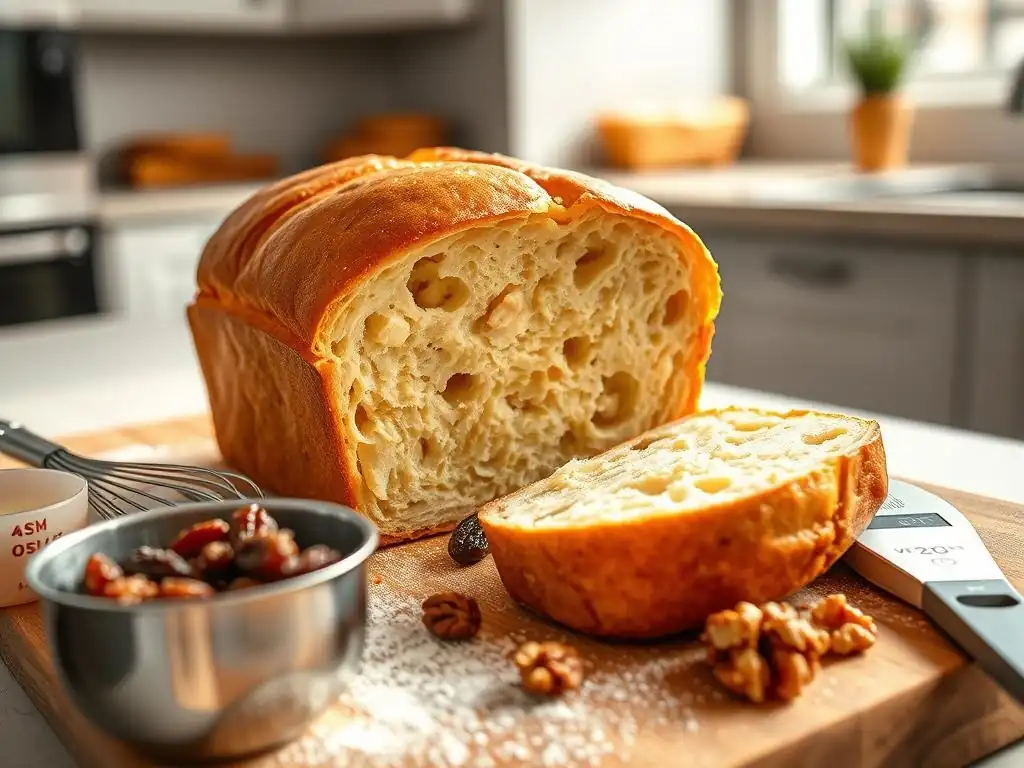
Welcome to BakeWithEase, your haven for all things baking!
Ever dreamt of sinking your teeth into a rich, buttery brioche, but thought going vegan meant sacrificing that experience? Think again! Dive into our Vegan Brioche Baking Tutorial and discover the secrets to crafting a truly decadent, plant-based bread. We'll guide you through each step, unraveling the mysteries and revealing how to achieve that perfect golden crust and soft, airy crumb. Intrigued? Let's get baking!
- Introduction to Vegan Brioche Baking
- Understanding the Science Behind Vegan Brioche
- Vegan Brioche Baking Tutorial: Step-by-Step Guide
- Troubleshooting Common Vegan Brioche Baking Issues
- Elevating Your Vegan Brioche: Flavor Variations
- Serving and Storing Your Vegan Brioche
- Conclusion: Mastering the Art of Vegan Brioche Baking
- Frequently Asked Questions
- Final Reflection: The Sweet Alchemy of Vegan Brioche
- Unlock Your Inner Vegan Baker!
Introduction to Vegan Brioche Baking
What Makes Vegan Brioche Unique?
Vegan brioche takes the classic French bread, known for its rich, buttery, and eggy texture, and reimagines it entirely without animal products. The challenge lies in replicating the signature softness, tenderness, and slightly sweet, rich flavor profile using only plant-based ingredients. Traditional brioche relies heavily on butter for richness and eggs for structure, color, and tenderness. A successful vegan brioche must find clever plant-based substitutes that mimic these functions without compromising the desired crumb structure and luxurious mouthfeel.
Achieving this requires a deep understanding of how vegan ingredients interact during the baking process. Replacing dairy butter typically involves high-quality vegan butter sticks or a blend of oils, chosen for their fat content and ability to contribute richness and tenderness. Eggs are often substituted with ingredients like plant-based milk mixed with a leavening agent, flax or chia eggs, or commercial egg replacers, each contributing moisture, binding, and some degree of lift. The unique combination and careful handling of these ingredients are what set a truly exceptional vegan brioche apart from standard vegan bread.
Why Attempt a Vegan Brioche Baking Tutorial?
Embarking on a vegan brioche baking tutorial offers a rewarding journey into the nuances of plant-based enriched doughs. It's a fantastic way to expand your baking skills beyond simple loaves, pushing the boundaries of what's possible with vegan ingredients. Mastering vegan brioche demonstrates a sophisticated understanding of ingredient function and dough handling, skills that are transferable to many other vegan baking projects, such as cinnamon rolls, challah, or even doughnuts.
Furthermore, successfully baking a beautiful vegan brioche provides immense satisfaction. Sharing a slice of this tender, golden bread with friends and family, knowing it was crafted entirely from plants, is a delightful experience. It proves that delicious, indulgent treats can be made without animal products, making it an excellent recipe for impressing guests or simply enjoying a luxurious breakfast or snack. Following a detailed vegan brioche baking tutorial ensures you have the guidance needed to navigate the complexities and achieve impressive results.
Understanding the Science Behind Vegan Brioche
The Role of Gluten in Vegan Brioche Structure
Gluten, the protein network formed when flour is mixed with liquid and kneaded, is fundamental to the structure of brioche, both traditional and vegan. It provides the elasticity and strength needed to trap the gases produced by yeast fermentation, allowing the dough to rise and create a light, airy crumb. In enriched doughs like brioche, the high fat and sugar content can actually inhibit gluten development. Fat coats gluten strands, making it harder for them to connect, while sugar competes for water, which is also necessary for gluten formation.
Therefore, developing sufficient gluten strength in vegan brioche is crucial, often requiring longer kneading times compared to lean bread doughs. Starting with a high-protein bread flour (typically 12-14% protein) provides the necessary building blocks for a robust gluten network. Proper kneading ensures this network is fully developed, allowing the dough to withstand the richness of the added fats and sweeteners and still achieve a desirable rise and open crumb structure. Without adequate gluten development, the vegan brioche could turn out dense and heavy.
Vegan Butter Alternatives for Richness and Flavor
High-quality vegan butter is the cornerstone of a rich and flavorful vegan brioche. Traditional brioche gets its signature richness from large amounts of dairy butter, which also contributes to tenderness by shortening gluten strands. Vegan butter alternatives need to perform similarly, providing fat content (ideally around 80%) that melts and integrates into the dough, imparting moisture, tenderness, and a buttery flavor.
Solid block-style vegan butters, often made from a blend of plant oils like shea, coconut, and sunflower, are generally preferred over soft tub margarines. These blocks have a higher fat content and lower water content, mimicking the properties of dairy butter more closely. For instance, many popular vegan butter brands designed for baking contain around 80% fat, comparable to dairy butter.
Using cold vegan butter, similar to how you'd handle dairy butter in enriched doughs, helps control its integration and contributes to flakiness or tenderness depending on the method. The specific blend of oils in the vegan butter also influences the final flavor profile, so choosing one known for its good taste is important for a delicious vegan brioche.
Replacing Eggs in Vegan Brioche Dough
Eggs serve multiple purposes in traditional brioche: they add richness, contribute to the golden color, provide structure through protein coagulation, and add moisture and binding. Replacing these functions in a vegan brioche baking tutorial requires a combination of ingredients. Moisture and binding can be provided by plant-based milks (like soy, almond, or oat milk), often combined with ingredients that have gelling or binding properties.
Common egg replacers for vegan brioche include flax eggs (ground flaxseed mixed with water, which forms a gel), chia eggs (similar to flax eggs), commercial egg replacers (often starch-based), or sometimes a simple blend of plant milk and a touch of vinegar or lemon juice to react with baking soda (if used for added lift). A typical flax egg ratio is 1 tablespoon of ground flaxseed mixed with 3 tablespoons of water, left to sit for 5-10 minutes until gelled.
For color, a pinch of turmeric or a dash of nutritional yeast can sometimes be added, though the golden hue often comes naturally from the vegan butter and the Maillard reaction during baking. The choice and combination of egg replacers will impact the final texture and rise, making experimentation or following a well-tested vegan brioche baking tutorial essential.
Vegan Brioche Baking Tutorial: Step-by-Step Guide
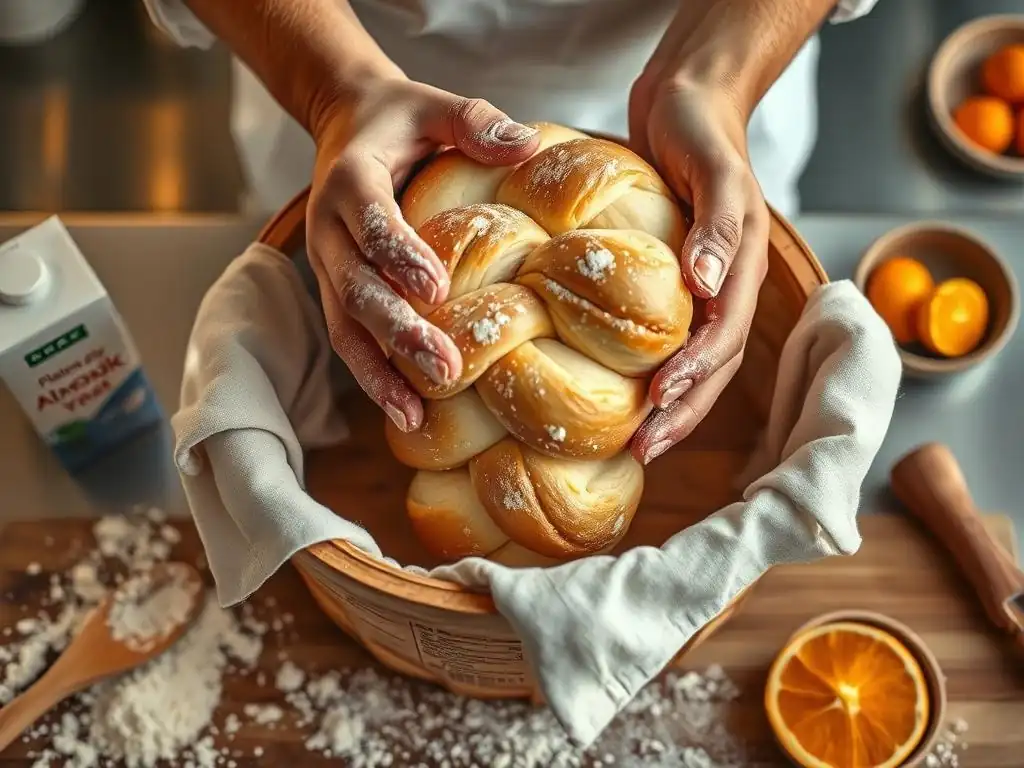
Ingredients for the Perfect Vegan Brioche
Crafting the perfect vegan brioche starts with selecting the right ingredients. You will need:
- Strong Bread Flour: Approximately 500-600 grams (about 4-5 cups). Look for flour with a protein content of 12-14% for optimal gluten development.
- Granulated Sugar: About 75-100 grams (around 1/3 to 1/2 cup). Provides sweetness and helps with browning.
- Instant Dry Yeast: 7-10 grams (about 2 - 2 1/2 teaspoons). Ensures a good rise.
- Salt: 7-10 grams (about 1 1/2 - 2 teaspoons). Balances sweetness and strengthens gluten.
- Plant-Based Milk: Approximately 250-300 ml (about 1 - 1 1/4 cups). Soy or oat milk often work well due to their protein content. Needs to be lukewarm (around 105-115°F or 40-46°C).
- Vegan Butter: 150-200 grams (about 6-8 ounces). Use a high-quality block-style vegan butter, softened but still cool.
- Egg Replacer: Equivalent of 2-3 eggs. This could be flax eggs (2-3 tbsp ground flax + 6-9 tbsp water), a commercial egg replacer, or another preferred method.
- Optional: Vanilla extract, lemon zest, or other flavorings.
These quantities are approximate and can vary slightly depending on the specific recipe you follow in your vegan brioche baking tutorial, but they provide a solid foundation. Using high-quality ingredients, particularly the flour and vegan butter, will significantly impact the final result.
Specific Ingredient Recommendations for Optimal Results
For the best vegan brioche, consider using a reputable brand of high-protein bread flour, such as King Arthur Bread Flour or Bob's Red Mill Artisan Bread Flour, if available. These flours have a consistent protein content vital for enriched doughs. When selecting vegan butter, opt for brands specifically formulated for baking, like Miyoko's Kitchen Cultured Vegan Butter or Melt Organic Vegan Butter Sticks. These typically have a higher fat content (around 80%) and better performance in dough compared to softer margarines.
Regarding plant-based milk, soy milk is often recommended in vegan brioche baking tutorials because its protein content is similar to dairy milk, potentially aiding in structure and browning. Oat milk can also work well, providing a creamy texture. Ensure the milk is lukewarm, not hot, to avoid killing the yeast.
For the egg replacer, a flax egg is a reliable and accessible option, providing binding and some richness. Using fresh yeast or ensuring your instant dry yeast is active is paramount for a successful rise. Check the expiry date and consider blooming a small amount in warm milk with a pinch of sugar if you're unsure of its viability.
Equipment You'll Need for Vegan Brioche
Having the right tools makes the vegan brioche baking tutorial process much smoother. Here is the essential equipment:
- Large Mixing Bowl: For combining ingredients and the first proofing.
- Stand Mixer with Dough Hook Attachment: Highly recommended for kneading enriched dough like brioche, which requires significant mixing. Manual kneading is possible but very labor-intensive due to the sticky, rich nature of the dough.
- Measuring Cups and Spoons: For accurate ingredient measurements.
- Kitchen Scale: Ideal for precise measurement of flour, sugar, salt, and yeast by weight, which is more accurate than volume measurements, especially for baking.
- Rubber Spatula or Bowl Scraper: For scraping down the sides of the bowl during mixing.
- Plastic Wrap or Damp Kitchen Towel: For covering the dough during proofing.
- Rolling Pin: For shaping some brioche forms.
- Bench Scraper: Useful for dividing dough and cleaning surfaces.
- Baking Sheets or Loaf Pans: Depending on how you plan to shape your brioche (e.g., freeform loaf, rolls, or in a pan).
- Parchment Paper: To line baking sheets or pans for easy removal and cleanup.
- Pastry Brush: For applying a glaze (like melted vegan butter or plant milk) before baking.
While a stand mixer is a significant advantage when following a vegan brioche baking tutorial, don't be discouraged if you don't have one. Manual kneading is a great workout and achievable; it just requires more time and effort, potentially 20-30 minutes of vigorous kneading. A kitchen scale, however, is a relatively inexpensive tool that dramatically improves baking accuracy, especially when working with yeast doughs where ratios are critical.
Preparing the Vegan Brioche Dough: A Detailed Walkthrough
The heart of a successful vegan brioche baking tutorial is the dough preparation. This process involves activating the yeast, combining ingredients, and developing the dough's structure through kneading. Patience and attention to detail at this stage are key.
Begin by gathering all your measured ingredients. Ensure your plant milk is lukewarm (not hot!). The vegan butter should be softened to room temperature but not melted. If using a stand mixer, attach the dough hook.
Activating the Yeast for Vegan Baking
While instant dry yeast can often be mixed directly with dry ingredients, blooming it first ensures it's active and gives it a head start, which is particularly helpful in enriched doughs. In a small bowl or the stand mixer bowl, combine the lukewarm plant milk with a pinch of sugar (taken from the total amount) and the instant dry yeast. Stir gently and let it sit for 5-10 minutes.
You should see a frothy layer or bubbles forming on the surface, indicating the yeast is alive and active. If nothing happens, your yeast may be expired or the milk was too hot/cold, and you'll need to start this step over with fresh yeast. This step is a crucial part of any reliable vegan brioche baking tutorial.
Mixing and Kneading the Vegan Brioche Dough
Once the yeast is active, add the remaining sugar, salt, egg replacer, and about half of the flour to the yeast mixture in the stand mixer bowl. Mix on low speed until just combined. Gradually add the remaining flour, about a cup at a time, mixing until it's incorporated before adding more. The dough will start to come together but will be very sticky.
Increase the mixer speed to medium-low. Begin adding the softened vegan butter, a tablespoon or two at a time, allowing each addition to be mostly incorporated into the dough before adding the next. This process should take several minutes. The dough will likely look very wet and sticky at first as the butter is added.
Continue kneading with the dough hook for 10-15 minutes on medium speed. The dough should eventually become smooth, elastic, and pull away from the sides of the bowl, though it may still be slightly sticky to the touch. To test if it's properly kneaded, perform the "windowpane test": pinch a small piece of dough, gently stretch it with your fingers.
If you can stretch it thin enough to see light through it without it tearing, the gluten is well-developed. If it tears easily, continue kneading for a few more minutes. This extensive kneading is vital for developing the structure needed to support the high fat content, a key technique in this vegan brioche baking tutorial.
First Proofing: Allowing the Dough to Rise
After kneading, the dough needs time to rise. This first proofing allows the yeast to ferment, producing carbon dioxide gas that expands the dough and develops flavor. Lightly grease a large bowl with a little vegan butter or oil. Place the dough in the bowl, turning it once to coat the surface. Cover the bowl tightly with plastic wrap or a damp kitchen towel to prevent the dough from drying out.
Place the covered bowl in a warm, draft-free place. An oven with the light on (but the oven off) or a microwave are good spots. The ideal temperature for proofing is around 75-80°F (24-27°C). The dough should roughly double in size, which typically takes 1.5 to 2.5 hours, depending on the room temperature and the activity of your yeast. Be patient; don't rush this step. A slow, steady rise develops better flavor and texture in your vegan brioche.
Shaping the Vegan Brioche
Once the dough has doubled, gently punch it down to deflate it. Turn the dough out onto a lightly floured surface. At this point, you can shape the brioche into various forms. Weighing the dough and dividing it into equal portions can help ensure even baking, especially if making rolls. For instance, a 600g flour recipe might yield around 1.1-1.2 kg of dough; dividing this into 80-100g portions would make nice-sized rolls.
Common shapes include a single large loaf baked in a loaf pan, individual rolls (often shaped into balls or braided), or a classic tête brioche with a large base and a smaller ball on top. Lightly flour your hands and the work surface as needed, but avoid adding too much extra flour, which can make the brioche dry. Handle the dough gently to avoid degassing it completely; you want to retain some of the airy structure developed during the first proof.
Different Brioche Shaping Techniques
- Loaf Pan: Divide the dough into 3 or 4 equal pieces. Shape each piece into a smooth ball or log. Place the balls/logs side-by-side in a greased or parchment-lined loaf pan (e.g., a 9x5 inch pan). This creates a pull-apart style loaf.
- Rolls: Divide the dough into equal portions. Shape each portion into a tight, smooth ball by pulling the edges underneath and rolling it against the counter with a cupped hand. Place the rolls on a parchment-lined baking sheet, spaced a couple of inches apart.
- Braided Brioche: Divide the dough into 3 or 4 equal pieces. Roll each piece into a long, even strand. Pinch one end together and braid the strands. Tuck the ends underneath. Place on a parchment-lined baking sheet.
- Brioche à Tête: Divide the dough into portions, saving about 1/5 of each portion for the "head." Shape the larger piece into a ball and place it in a greased brioche mold or muffin cup. Shape the smaller piece into a ball and make an indentation in the center of the large ball with your finger. Place the small ball on top of the indentation.
Choose the shaping technique that appeals most to you or is demonstrated in the specific vegan brioche baking tutorial you are following. Ensure the shapes are relatively uniform in size for even baking.
Second Proofing: Achieving the Perfect Rise
The second proofing is crucial for achieving a light and airy vegan brioche. After shaping, the dough needs time to relax and rise again, developing volume before baking. Cover the shaped brioche loosely with plastic wrap or a damp towel.
Place the shaped dough in a warm, draft-free location for the second proof. This typically takes 45-75 minutes. The dough should increase significantly in size, becoming puffy and soft. It won't necessarily double like in the first proof, but it should look noticeably larger and feel light when gently poked (the indentation should spring back slowly).
Over-proofing can cause the brioche to collapse in the oven, while under-proofing results in a dense texture. Pay close attention to the visual cues rather than strictly adhering to the time, as proofing time varies based on temperature. This stage is critical for the final texture described in any good vegan brioche baking tutorial.
Baking the Vegan Brioche to Golden Perfection
Baking is the final transformation, turning the proofed dough into a beautiful, golden-brown vegan brioche. Preheat your oven well in advance to ensure it reaches and maintains the correct temperature.
Oven Temperature and Baking Time
Preheat your oven to 350°F (175°C). The baking time will vary depending on the size and shape of your brioche.
- Large loaf (in a pan or braided): Typically 30-40 minutes.
- Individual rolls: Typically 18-25 minutes.
The brioche is done when it is golden brown on top and bottom and sounds hollow when tapped on the bottom. An internal temperature of 190-200°F (88-93°C) is also a good indicator of doneness. If the top is browning too quickly, you can loosely tent it with aluminum foil for the remaining baking time.
Achieving a Golden-Brown Crust: Tips and Tricks
To achieve that classic golden-brown, slightly glossy brioche crust without using egg wash, you have a few vegan options. Before baking, you can brush the top of the proofed brioche with:
- Melted Vegan Butter: Provides richness and promotes browning.
- Plant-Based Milk (like soy or oat): Helps with browning and gives a softer crust.
- Plant-Based Milk with a pinch of sugar: The sugar aids in caramelization for deeper color.
- A mixture of plant milk and a tiny pinch of turmeric: Adds a touch of yellow color pre-bake, enhancing the golden appearance.
Brush gently to avoid deflating the dough. Some bakers prefer to apply the glaze just before baking, while others apply it halfway through baking. Experiment to see what works best with your oven and recipe. Once baked, letting the brioche cool slightly on a wire rack before slicing allows the internal structure to set.
Troubleshooting Common Vegan Brioche Baking Issues
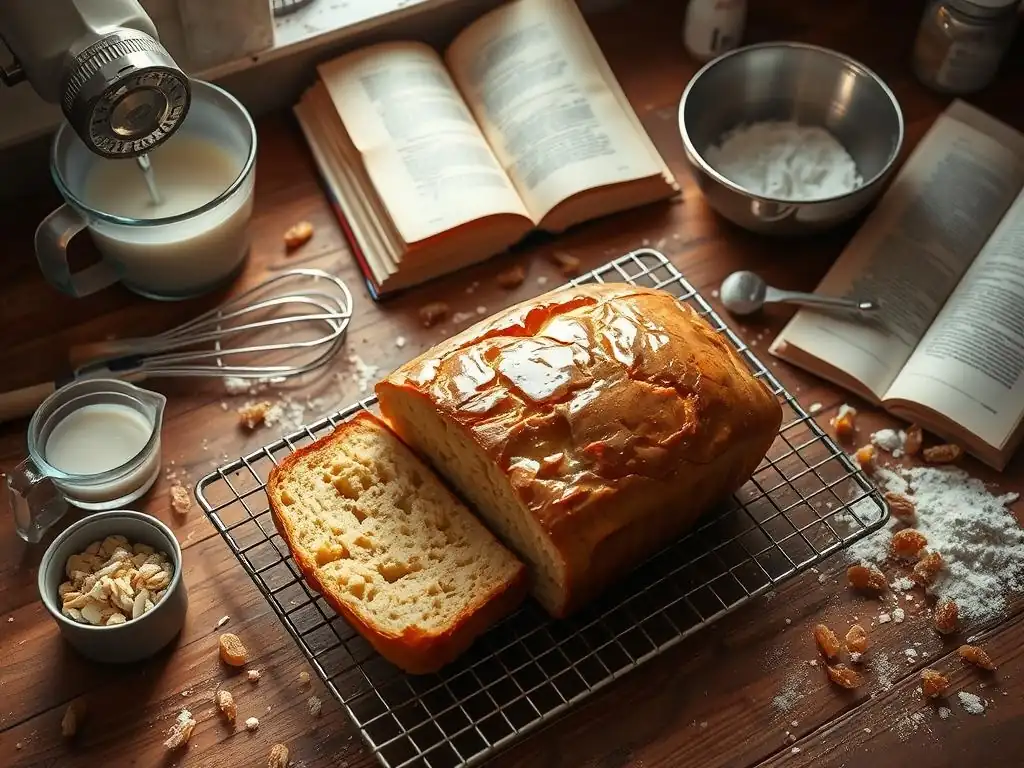
Even when following a detailed vegan brioche baking tutorial, you might encounter challenges. Here's how to address some common problems.
Dough Not Rising Properly
If your vegan brioche dough isn't rising, the most likely culprits are inactive yeast or an improper proofing environment. First, double-check that your yeast wasn't expired. If you didn't bloom it initially, try dissolving a small amount in warm (105-115°F / 40-46°C) sweetened plant milk; if it doesn't foam within 10 minutes, get new yeast. Ensure the liquid used in the dough wasn't too hot (which kills yeast) or too cold (which inactivates it).
Also, check your proofing environment. It needs to be warm and draft-free, ideally 75-80°F (24-27°C). If your kitchen is cold, try proofing in a slightly warmed oven (turned off) or near a warm appliance. Ensure the dough is adequately covered to prevent a dry skin from forming, which restricts rising. Insufficient kneading can also hinder the rise, as a weak gluten network cannot support the gas produced by the yeast. Review your kneading technique to ensure you developed sufficient elasticity.
Brioche Too Dense or Dry
A dense or dry vegan brioche can stem from several issues. Over-measuring flour is a common cause, especially when using volume measurements. Using a kitchen scale for flour is highly recommended. The dough should be soft and slightly sticky after kneading, not stiff. Another reason is insufficient fat (vegan butter) or improper egg replacement; ensure you used the correct quantities and type of vegan butter/egg replacer specified in the vegan brioche baking tutorial.
Under-proofing or over-kneading can also lead to a dense texture. If the dough didn't rise enough during proofing, it won't be airy. Over-kneading, while less common than under-kneading in enriched doughs, can sometimes create a tough texture. Finally, over-baking will dry out the brioche. Bake only until golden brown and cooked through, checking for the internal temperature (190-200°F / 88-93°C) rather than relying solely on time. Cool the brioche on a wire rack immediately after baking to stop the cooking process.
Uneven Baking: Solutions for Consistent Results
Uneven baking is often due to hot spots in your oven or inconsistent shaping. Most ovens have temperature variations; rotating your baking sheet or pan halfway through the baking time can help promote even browning and cooking. If you're baking multiple items (like rolls), try to position them centrally on the baking sheet and avoid crowding the pan, which can restrict airflow.
Ensure your shapes are as uniform in size and thickness as possible. If making rolls, try to make them roughly the same weight (e.g., 80g per roll). If shaping a loaf, ensure the thickness is relatively consistent throughout. Using a reliable oven thermometer can help verify that your oven is actually at the temperature you set it to, as calibration can vary significantly. If using multiple baking sheets, bake them one at a time on the center rack for the most consistent results, unless your oven manual specifically recommends otherwise.
Elevating Your Vegan Brioche: Flavor Variations
Once you've mastered the basic vegan brioche baking tutorial, you can experiment with adding delicious flavor variations. These can transform your brioche into an even more special treat.
Sweet Vegan Brioche Variations
Sweet additions are classic for brioche, turning it into a wonderful pastry-like bread perfect for breakfast or dessert.
Chocolate Chip Vegan Brioche
Incorporating chocolate chips is a simple yet effective way to add indulgence. After the first proof and punching down the dough, gently knead in about 150-200 grams (about 1 cup) of vegan chocolate chips. Be careful not to overwork the dough once the chips are added. Shape and proof as usual. The chocolate chips will melt slightly during baking, creating pockets of gooey richness within the tender brioche crumb. This is a favorite variation for anyone following a vegan brioche baking tutorial with a sweet tooth.
Cinnamon Swirl Vegan Brioche
A cinnamon swirl adds warmth and spice. After the first proof, roll out the dough into a rectangle, about 1/2 inch thick. Spread the surface evenly with softened vegan butter or a mixture of vegan butter and a little sugar. In a small bowl, combine about 2-3 tablespoons of ground cinnamon with 1/4 cup of sugar (brown or granulated).
Sprinkle this cinnamon-sugar mixture generously over the buttered dough. Roll the dough tightly into a log, starting from a long edge. Cut the log into slices (cinematic rolls) or tuck the ends under to form a swirled loaf to bake in a pan. Proof and bake as directed.
Savory Vegan Brioche Variations
Brioche isn't just for sweet applications; savory variations are fantastic as a side bread or for sandwiches.
Herb and Garlic Vegan Brioche
Adding herbs and garlic creates a fragrant and flavorful savory brioche. During the final stages of kneading (after the vegan butter is incorporated), add about 2-3 tablespoons of finely chopped fresh herbs (like rosemary, thyme, or chives) and 1-2 cloves of minced garlic (or 1 teaspoon of garlic powder). Ensure the herbs and garlic are evenly distributed throughout the dough. Shape and proof as usual. This variation is excellent served warm with soup or pasta.
Vegan Cheese and Olive Brioche
For a richer savory option, incorporate vegan cheese and olives. After the first proof, gently fold in about 100-150 grams (about 1 cup) of shredded vegan cheese (a mozzarella or cheddar style works well) and 50-75 grams (about 1/2 cup) of chopped olives (like Kalamata or green olives). Distribute them evenly but avoid overmixing. Shape the dough into a loaf or rolls. The vegan cheese will melt into pockets as it bakes, complementing the briny olives and rich brioche dough. This makes a wonderful accompaniment to a meal or a delightful snack on its own.
Serving and Storing Your Vegan Brioche
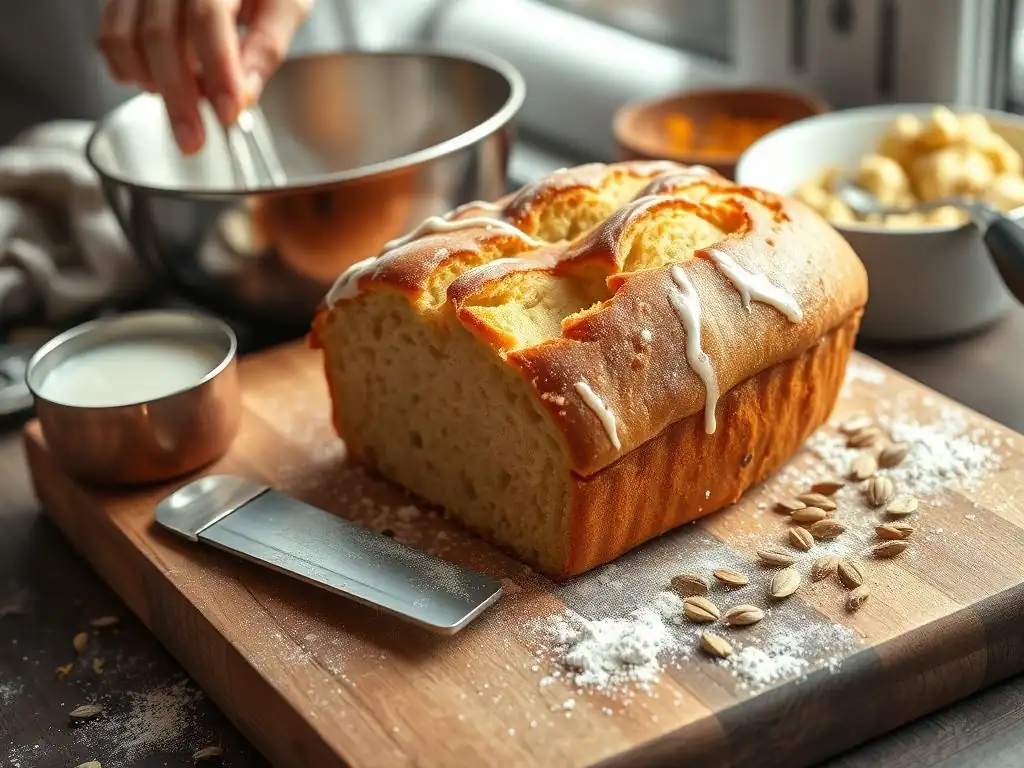
You've successfully completed your vegan brioche baking tutorial! Now, it's time to enjoy the fruits of your labor and learn how to keep it fresh.
Best Ways to Enjoy Freshly Baked Vegan Brioche
Freshly baked vegan brioche is best enjoyed warm or at room temperature. The tender crumb and rich flavor are most prominent when it's just come out of the oven and cooled slightly on a wire rack.
- Plain: Simply tear or slice off a piece and savor the texture and taste.
- With Vegan Butter: A spread of good quality vegan butter enhances the richness.
- With Jam or Vegan Cream Cheese: For a sweet treat, pair with your favorite jam, preserve, or a dairy-free cream cheese spread.
- Toasted: Day-old vegan brioche makes incredible toast.
- French Toast: Use slices of vegan brioche for the most luxurious vegan French toast you've ever made.
- Sandwiches: Savory variations are perfect for gourmet sandwiches.
The aroma of fresh vegan brioche is part of the experience, so take a moment to appreciate it before digging in!
Storing Vegan Brioche for Optimal Freshness
Vegan brioche, like most enriched breads, is best enjoyed within a day or two of baking. To store it:
- Room Temperature: Once completely cooled, store the brioche in an airtight container or a bread bag at room temperature for up to 2-3 days. Avoid refrigerating it, as this can dry out the bread and make it stale faster.
- Freezing: For longer storage, vegan brioche freezes exceptionally well. Once completely cool, wrap the loaf or individual rolls tightly in plastic wrap, then place in a freezer bag or aluminum foil. Label with the date. It can be frozen for up to 2-3 months.
- Thawing: To thaw frozen brioche, remove it from the freezer and let it thaw at room temperature in its wrapping. For best results, especially for a whole loaf, you can then refresh it by warming it in a preheated oven at 300°F (150°C) for 10-15 minutes until warmed through. Individual rolls will take less time.
Proper storage ensures that the effort you put into your vegan brioche baking tutorial pays off with delicious bread for as long as possible.
Conclusion: Mastering the Art of Vegan Brioche Baking
Vegan Brioche Baking: A Rewarding Experience
Completing a vegan brioche baking tutorial is more than just following a recipe; it's about understanding the interplay of plant-based ingredients to recreate a classic. It requires patience, attention to detail, and a willingness to learn from the process. Successfully producing a tender, rich, and beautifully golden vegan brioche is a testament to your growing baking skills and provides immense satisfaction.
This journey into vegan enriched doughs opens up a world of possibilities, from crafting perfect morning rolls to creating impressive braided loaves for special occasions. The techniques learned while mastering vegan brioche are foundational for many other challenging yet rewarding vegan baking projects. It's a skill that not only allows you to bake delicious treats but also to share compassionate and inclusive baked goods with everyone.
Further Baking Resources from BakeWithEase
Congratulations on embarking on your vegan brioche baking adventure! At BakeWithEase.com, we are dedicated to helping you master all aspects of baking, whether you're just starting out or looking to refine advanced techniques.
Explore our extensive collection of recipes and guides:
- Discover more Vegan Bread Baking tutorials, including sourdough, challah, and sandwich loaves.
- Learn foundational Bread Baking techniques that apply to both vegan and non-vegan recipes.
- Browse simple recipes for Cakes, Cookies, and Pastries that are easy to follow.
We constantly update our site with new tips, tutorials, and recipes to support your baking journey. Keep practicing, keep experimenting, and enjoy the wonderful world of baking with ease!
Frequently Asked Questions
What makes vegan brioche baking a challenge?
Vegan brioche lacks the traditional richness and structure from eggs and butter. Achieving a similar texture requires clever ingredient substitutions and techniques to mimic those qualities. It's a delicate balance to maintain.
What are the key ingredients used as substitutes in vegan brioche?
Common substitutes include plant-based butter, aquafaba (chickpea brine), and vegan egg replacers. These ingredients help provide moisture, fat, and binding properties similar to traditional brioche.
Can I use any plant-based butter for vegan brioche?
While most plant-based butters work, those with a higher fat content tend to yield better results. Look for brands specifically designed for baking, as they often behave more like traditional butter.
How does aquafaba contribute to the texture of vegan brioche?
Aquafaba acts as an egg replacer, providing moisture and helping to create a light and airy texture. It's crucial for achieving the characteristic tenderness of brioche.
What are some tips for ensuring my vegan brioche dough rises properly?
Ensure your yeast is active by proofing it properly before adding it to the other ingredients. Maintain a warm environment for rising, and don't over-knead the dough, as this can develop too much gluten.
Final Reflection: The Sweet Alchemy of Vegan Brioche
The seemingly simple act of baking vegan brioche transcends mere culinary technique; it's a testament to the boundless creativity and delicious possibilities within plant-based cooking. This tutorial explored the nuances of creating a light, airy, and utterly decadent brioche without relying on any animal products, proving that ethical choices and exceptional taste can coexist beautifully. The rising popularity of vegan baking demonstrates a growing demand for delicious, compassionate alternatives, and this recipe offers a satisfying response.
The journey of crafting this vegan brioche was more than just following a recipe; it was a journey of discovery. I found myself deeply invested in the subtle shifts in texture and flavor, learning to appreciate the unique properties of plant-based ingredients. The process mirrored a larger cultural shift – a move towards mindful consumption and a celebration of plant-based possibilities. The best things in life are simple, but not always easy.
This quote perfectly encapsulates the experience of vegan baking, requiring patience and precision, yet yielding rewards that are profoundly satisfying.
Now, I invite you to embark on your own vegan brioche adventure. Don't be intimidated by the seemingly complex steps; embrace the challenge, savor the process, and revel in the delicious outcome. The satisfaction of creating something so exquisite from plant-based ingredients is a reward in itself. More importantly, consider the broader implications: what other culinary boundaries can you push? What other delicious, compassionate creations can you bring to life? The possibilities, like the perfectly risen brioche, are endless.
Unlock Your Inner Vegan Baker!
Thanks for joining us on this delicious journey into the world of vegan brioche! We hope you gained valuable insights and inspiration to tackle this seemingly challenging recipe. Now it's time to put your new skills to the test.
- Bake your own masterpiece! Try the Vegan Brioche recipe and share your results with us – we'd love to see your creations!
- Share this recipe with fellow baking enthusiasts who love a good challenge (and delicious bread! ).
- Experiment with different flavors: What unique additions could you add to elevate this already stunning recipe? Let your creativity bloom!
Ready to rise to the occasion and create your own vegan brioche? What unexpected flavor combinations will you explore next?