
Essential Equipment for Baking Artisan Baguettes at Home

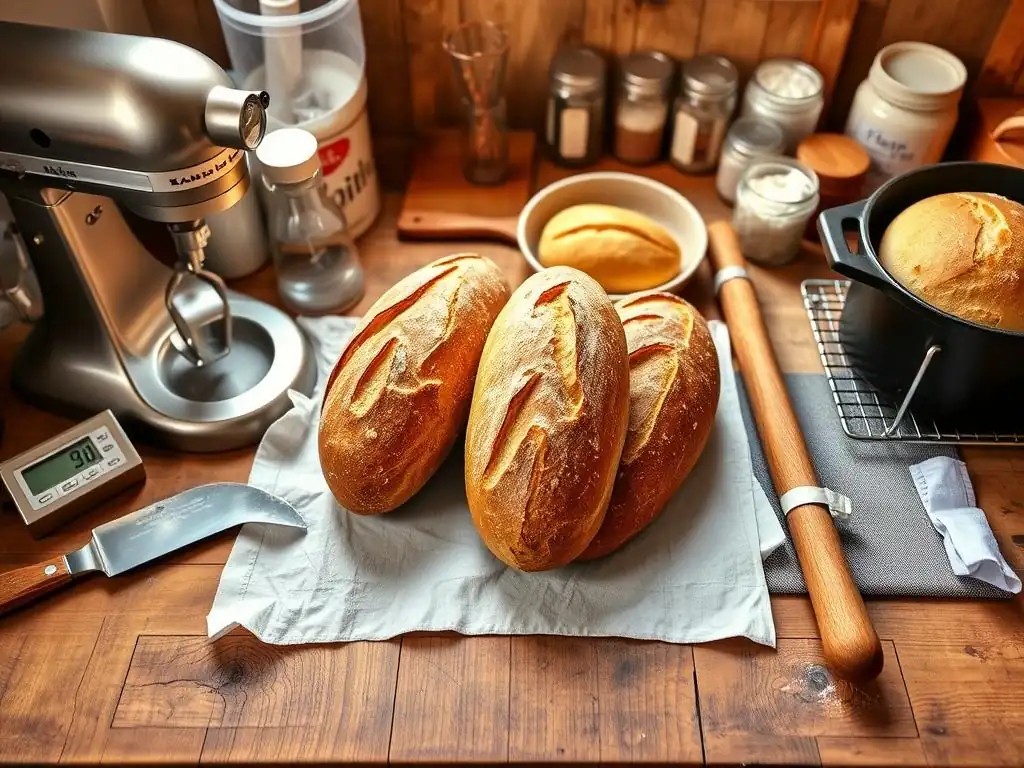
Welcome to BakeWithEase, your sanctuary for all things baking! Are you ready to unlock the secrets to crafting the perfect artisan baguette in your very own kitchen? You might be surprised at how accessible this delicious bread can be. Get ready to dive into our comprehensive baking artisan baguettes equipment guide and discover the essential tools that will transform you from a novice to a baguette-baking maestro. But which tools are truly indispensable, and which are just nice-to-haves? Let's explore!
- Introduction to Baking Artisan Baguettes: Setting Up Your Home Bakery
- Dough Preparation Equipment: Building the Foundation for Delicious Baguettes
- Shaping and Proofing Equipment: Crafting the Baguette Form
- Baking Equipment: Achieving the Perfect Crust and Crumb
- Optional Equipment for Advanced Baguette Baking
- Cleaning and Maintenance of Your Baguette Baking Equipment
- Where to Buy Your Baguette Baking Equipment: BakeWithEase Recommendations
- Conclusion: Mastering Artisan Baguettes with the Right Tools
-
Frequently Asked Questions
- What are the essential pieces of equipment for baking artisan baguettes at home?
- Can I bake artisan baguettes without a baking stone or steel?
- What is a proofing basket (banneton) used for, and is it necessary?
- Why is scoring the baguettes before baking important?
- Where can I find high-quality baking equipment for making artisan baguettes?
- Final Reflection: The Humble Tools of Artisan Breadmaking
- Unleash Your Inner Boulanger: Bake the Perfect Baguette!
Introduction to Baking Artisan Baguettes: Setting Up Your Home Bakery
Embarking on the journey of baking artisan baguettes at home is a rewarding experience, bringing the aroma of a French bakery right into your kitchen. Many home bakers find the process intimidating, but with the right approach and, crucially, the right tools, crafting those beautiful, crackly-crusted loaves becomes not only achievable but incredibly enjoyable. This comprehensive BakeWithEase guide will walk you through the essential baking artisan baguettes equipment guide, ensuring you're well-equipped from mixing bowl to cooling rack. Understanding how each tool contributes to the final product is key to mastering this classic bread.
Setting up your home bakery for artisan baguettes doesn't require a professional kitchen, but it does benefit from thoughtful equipment selection. Think of it as building a toolkit specifically designed for the unique challenges and rewards of baguette baking. From precise measurement to creating the perfect steamy environment in your oven, each piece of equipment plays a vital role in developing that signature open crumb and golden, crispy crust. This guide focuses on the core items you'll need, along with some optional tools that can elevate your baking artisan baguettes equipment guide setup further.
Why the Right Equipment Matters for Perfect Baguettes
The seemingly simple baguette requires a delicate balance of hydration, fermentation, shaping, and baking conditions. Using the appropriate equipment addresses specific technical challenges in the process. For example, achieving that signature airy interior and thin, crisp crust relies heavily on high heat and steam during the initial baking phase.
A baking stone or steel helps retain and radiate intense heat, while a method for generating steam prevents the crust from setting too early, allowing for maximum oven spring and a lighter crumb. Without these tools, achieving the desired texture and volume can be significantly more difficult, often resulting in dense loaves or tough crusts.
Moreover, consistent results in baking, especially with a finicky dough like baguette dough, depend on precision. A reliable kitchen scale ensures you're using the exact ratios of flour, water, salt, and yeast, which is fundamental to dough development. Tools like a dough scraper make handling wet, sticky dough much easier and less messy, preserving the delicate structure you’ve worked to build during mixing and fermentation.
This baking artisan baguettes equipment guide emphasizes that while skill is developed over time, having the right tools provides a crucial foundation for learning and achieving success repeatedly. It minimizes variables outside of technique, allowing you to focus on honing your craft.
BakeWithEase's Guide to Essential Baguette Baking Tools
At BakeWithEase, we believe the path to incredible homemade baguettes is paved with understanding both the process and the tools that facilitate it. This baking artisan baguettes equipment guide breaks down the necessary items into logical categories, following the typical baguette-making workflow: dough preparation, shaping and proofing, and finally, baking. We'll highlight the primary function of each tool and explain why it's considered essential for achieving authentic results.
Beyond the absolute essentials, we'll also touch upon optional equipment that can enhance your process or offer alternative techniques. Whether you're working with a stand mixer or mixing by hand, proofing in a basket or on a couche, or using a baking stone versus a Dutch oven, this guide provides clarity on what you need to start and what might be worth adding as you gain confidence. Our goal is to empower you with the knowledge to select the best baking artisan baguettes equipment guide for your home setup and baking goals.
Dough Preparation Equipment: Building the Foundation for Delicious Baguettes
The journey to a perfect artisan baguette begins with the dough. Unlike some simpler bread doughs, baguette dough often has a high hydration level, meaning it contains a large proportion of water relative to flour. This high hydration is key to developing that desirable open crumb structure, but it also makes the dough sticky and challenging to handle. The right equipment for dough preparation simplifies the mixing, kneading, and initial fermentation stages, setting you up for success before you even start shaping.
Selecting the appropriate tools for these initial steps is crucial. Using the wrong size bowl can make mixing difficult, while inaccurate measurements can throw off the entire recipe. The items discussed in this section are fundamental to managing the unique characteristics of baguette dough, ensuring proper gluten development and a smooth, well-hydrated mass ready for the next stages. This part of the baking artisan baguettes equipment guide focuses on getting your dough right from the start.
Mixing Bowls: Choosing the Right Size and Material for Baguette Dough
Mixing bowls are perhaps the most basic piece of equipment, but choosing the right one for baguette dough is important. You need a bowl large enough to comfortably mix the ingredients without spills, especially considering the often wet nature of baguette dough. For a standard recipe using around 500 grams of flour, a bowl with a capacity of at least 4-6 quarts (approximately 3.8-5.7 liters) is generally recommended. This size allows ample room for the initial mixing and subsequent folding or kneading, as well as provides space for the dough to double or triple in volume during bulk fermentation.
The material of the mixing bowl can also have subtle effects. Stainless steel bowls are durable, lightweight, and easy to clean, and they don't retain odors. Glass bowls are non-reactive and allow you to see the dough's development, but they are heavier and can break. Plastic bowls are also lightweight and durable but can sometimes retain odors or stains over time. For a comprehensive baking artisan baguettes equipment guide, any of these materials can work effectively, but ensure the bowl is smooth-sided to prevent dough from sticking excessively, which is particularly helpful with high-hydration baguette dough.
Kitchen Scale: Precise Measurements for Consistent Baguette Results
In baking, especially with formulas that require specific hydration levels like baguettes, precision is paramount. Measuring ingredients by volume (cups, spoons) can lead to significant inconsistencies because flour can be packed differently, and liquids vary slightly depending on temperature. Using a digital kitchen scale to weigh your ingredients in grams or ounces provides accuracy that ensures your dough formula is exactly as intended every time. A difference of just 20-30 grams of flour or water in a 500-gram recipe can noticeably impact the dough's consistency and the final texture of the baguette.
A good kitchen scale should be able to measure in small increments (preferably 1 gram or 0.1 ounces) and have a capacity suitable for weighing larger amounts of flour (up to 5 kg or 11 lbs is common and sufficient for most home baking). The tare function, which allows you to zero out the weight of the container, is essential for easy measurement of multiple ingredients into the same bowl.
Including a reliable kitchen scale is a non-negotiable part of any serious baking artisan baguettes equipment guide because it directly translates to repeatable results and helps you understand how ingredient ratios affect your bake.
Dough Scraper: Essential for Handling Sticky Baguette Dough
A dough scraper, often called a bench scraper, is an indispensable tool when working with wet, sticky doughs like those used for artisan baguettes. It typically has a rigid blade, either metal or plastic, attached to a handle. During mixing, a dough scraper can be used to scrape down the sides of the bowl, ensuring all ingredients are incorporated. More importantly, when you turn the dough out onto a work surface for folding or kneading (if you're not using a stand mixer), the scraper allows you to manage the sticky mass without getting hopelessly stuck yourself.
The dough scraper is also vital for dividing the dough into individual portions before shaping. Its straight edge makes clean cuts through the dough, which helps maintain the structure you've developed. When cleaning up, it's the perfect tool for scraping dried dough off your work surface. For a practical baking artisan baguettes equipment guide, having both a metal bench scraper (sturdier for cutting and scraping surfaces) and a flexible plastic bowl scraper (ideal for getting every last bit of dough out of a bowl) is highly recommended.
Stand Mixer (Optional): Streamlining the Baguette Dough Mixing Process
While not strictly essential – excellent baguette dough can be mixed by hand – a stand mixer equipped with a dough hook can significantly streamline the mixing and kneading process, especially for high-hydration doughs. Kneading wet dough by hand can be challenging and messy, requiring techniques like stretch and folds over a period of time. A stand mixer automates much of this work, developing gluten efficiently. For a typical baguette recipe, mixing on a low speed for 8-12 minutes might achieve the same gluten development as 20-30 minutes or more of intermittent hand folding.
Using a stand mixer is a matter of preference and convenience. It can be particularly useful for larger batches or for bakers who have difficulty with the physical effort of hand kneading. If you include a stand mixer in your baking artisan baguettes equipment guide, ensure it has enough power to handle stiff or sticky doughs without straining the motor.
KitchenAid mixers, for instance, often list their capacity in terms of flour weight; ensure yours can handle the amount of flour in your standard baguette recipe. Remember, even with a mixer, monitoring the dough's development is key; it should become smooth and elastic, pulling away from the sides of the bowl.
Shaping and Proofing Equipment: Crafting the Baguette Form
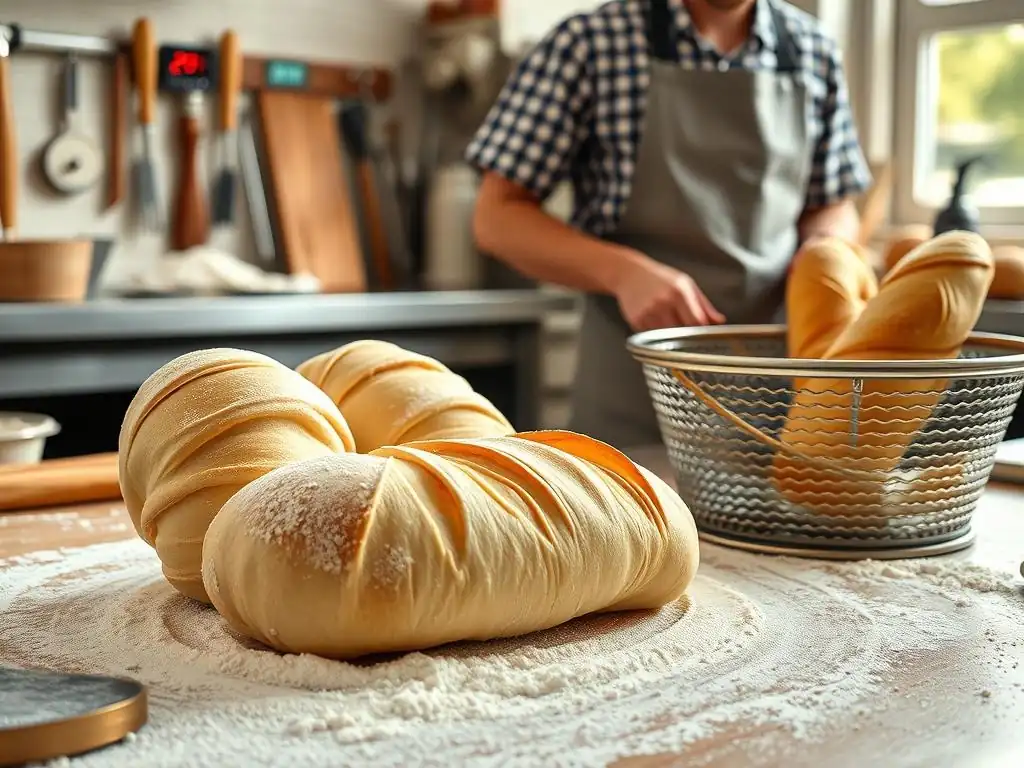
Once your baguette dough has completed its bulk fermentation and is properly developed, the next critical steps are shaping and proofing. Shaping transforms the shaggy mass into the elongated form characteristic of a baguette, while proofing allows the shaped loaves to rise gently before baking, building internal structure and contributing to the final volume and texture. The equipment used during this phase helps maintain the delicate shape and supports the dough as it expands.
These tools are designed to handle the dough gently while providing the necessary support to prevent spreading and encourage upward expansion. Proper shaping and proofing are essential for achieving the iconic baguette appearance and ensuring a light, airy crumb. This section of the baking artisan baguettes equipment guide focuses on the tools that help you give your baguettes their form and prepare them optimally for the oven.
Bench Scraper: Dividing and Shaping Baguette Dough with Precision
As mentioned earlier, a bench scraper is invaluable during the dough preparation phase, but it is equally important for shaping. After bulk fermentation, you'll typically turn the dough out onto a lightly floured surface and use the bench scraper to divide it into portions of equal weight. Using a scale here again ensures consistency in your final baguettes. A sharp, clean cut from a bench scraper minimizes damage to the delicate gluten structure you’ve worked to build.
Beyond dividing, the bench scraper is used to help pre-shape the dough into rough logs or rectangles before the final shaping. Its straight edge allows you to gently coax the dough into the desired form without excessive handling, which can degas the dough. During final shaping, the bench scraper can assist in tightening the surface tension of the dough. For any baking artisan baguettes equipment guide, the bench scraper is a versatile tool that bridges the gap between bulk fermentation and the final proof.
Proofing Basket (Banneton): Achieving Optimal Baguette Structure and Rise
Proofing baskets, often called bannetons, are traditionally used to support bread dough during its final rise (proofing). While round and oval bannetons are common for boules and bâtards, elongated baskets specifically designed for baguettes are available. These baskets, typically made of cane or wood pulp, are floured before the dough is placed in them. They provide support, preventing the long, relatively soft baguette dough from spreading outwards and instead encouraging it to rise upwards.
The material of the banneton also wicks away a small amount of moisture from the surface of the dough, which can contribute to a slightly firmer crust later. Using a floured proofing basket helps the dough maintain its shape during proofing and makes transferring it to the baking surface easier. While you can jury-rig support using floured towels or a couche, a dedicated baguette proofing basket is a worthwhile investment for consistent shape and rise, making it a key element in a dedicated baking artisan baguettes equipment guide.
Couche Cloth: Supporting Baguettes During Proofing for Shape and Texture
A baker's couche (pronounced "koosh") is a piece of heavy linen canvas used to support shaped dough loaves, particularly baguettes, during their final proofing. The thick, absorbent fabric is heavily floured and then pleated to create troughs in which the individual baguettes rest. This separation and support prevent the loaves from sticking to each other and spreading out horizontally as they rise. The stiffness of the canvas holds the dough's shape, promoting a better vertical rise.
Using a couche is a traditional method preferred by many artisan bakers. The linen absorbs moisture from the dough's surface, contributing to a drier exterior that helps achieve a crispier crust during baking. After proofing, the baguettes are gently transferred from the couche to the baking surface. A good couche is a long-term investment and a classic component of a professional baking artisan baguettes equipment guide. It requires minimal care – usually just brushing off excess flour – as washing can remove the beneficial flour coating.
Baking Equipment: Achieving the Perfect Crust and Crumb
The final stage, baking, is where the magic truly happens for artisan baguettes. Achieving that iconic thin, shatteringly crisp crust and an open, airy interior requires specific conditions within the oven: high heat and steam. The equipment used during this phase is designed to facilitate these conditions and ensure the baguettes bake evenly and beautifully. Without the right baking setup, even perfectly prepared and proofed dough won't reach its full potential.
This section of the baking artisan baguettes equipment guide focuses on the tools that directly interact with the heat and the loaves during their time in the oven. From the surface the baguettes bake on to the method of introducing steam, each item plays a crucial role in developing the desired texture and appearance.
Baking Stone or Baking Steel: Creating a Crispy Baguette Crust
A baking stone (made of ceramic or cordierite) or a baking steel (made of steel) is arguably the most important piece of equipment for achieving an artisan-quality crust on baguettes at home. These surfaces are preheated in the oven at a high temperature (often 450°F to 500°F or 230°C to 260°C) for at least 30-60 minutes.
When the shaped baguettes are placed directly onto this hot surface, the immediate transfer of intense heat provides a powerful burst of energy to the dough's base. This "oven spring" helps the loaf expand rapidly before the crust sets, contributing to volume and an open crumb.
More critically for the crust, the porous nature of a baking stone absorbs moisture from the bottom of the dough, promoting crispness. A baking steel, being denser and more conductive, transfers heat even more efficiently, often resulting in a more aggressive spring and a potentially crispier bottom crust. Both significantly outperform baking directly on a standard metal baking sheet, which doesn't retain or transfer heat as effectively. Including a baking stone or steel is fundamental to any serious baking artisan baguettes equipment guide.
Pizza Peel: Safely Transferring Baguettes to the Hot Baking Surface
Once your baking stone or steel is screaming hot in the oven, you need a safe and efficient way to transfer the delicate, proofed baguettes onto it. This is where a pizza peel comes in. A peel is a shovel-like tool, usually made of wood or metal, with a long handle. You typically flour the peel generously (or cover it with parchment paper, though direct contact with the hot stone/steel is often preferred) and gently transfer the proofed baguettes onto it from their couche or proofing basket.
The peel allows you to slide the baguettes smoothly and quickly onto the hot baking surface without risking burns or deforming the loaves. This swift transfer is important to minimize heat loss from the stone/steel and get the dough into the hot environment as quickly as possible. While you might manage with a flat baking sheet in a pinch, a dedicated pizza peel is a much safer and more effective tool for handling the transfer, making it an essential part of your baking artisan baguettes equipment guide for the baking phase.
Spray Bottle: Generating Steam for Optimal Baguette Crust Development
Steam is absolutely crucial for developing the characteristic thin, crispy crust of an artisan baguette. When the dough hits the hot oven, steam prevents the surface from hardening too quickly. This allows the dough to expand fully during oven spring. As the steam dissipates later in the bake, the crust can then dry out and crisp up. Without sufficient steam, the crust sets prematurely, restricting expansion and resulting in a thicker, tougher crust and less volume.
A simple, inexpensive spray bottle filled with water is a common method for generating steam in a home oven. Immediately after loading the baguettes, you quickly and carefully spray water onto the hot walls or a preheated pan on the bottom rack of the oven. This creates a burst of steam.
Some bakers prefer placing a tray of hot water in the oven before preheating or adding ice cubes to a hot pan simultaneously with the dough. Whichever method you choose, ensuring a steamy environment for the first 10-15 minutes of baking is a vital step covered in any comprehensive baking artisan baguettes equipment guide.
Oven Thermometer: Monitoring Oven Temperature for Consistent Baguette Baking
Relying solely on your oven's built-in thermostat can lead to inconsistent baking results. Many home ovens have temperature fluctuations, and the thermostat might not accurately reflect the true temperature inside the baking chamber, especially on a hot stone or steel. An inexpensive, oven-safe thermometer placed near your baking surface provides an accurate reading of the actual temperature your baguettes are experiencing.
Artisan baguettes require high baking temperatures, often starting around 450°F to 500°F (230°C to 260°C). Knowing the true temperature ensures you preheat your oven and baking surface sufficiently and bake the baguettes at the correct heat throughout the process. This precision is key to consistent browning, crust development, and overall bake time. Adding an oven thermometer to your baking artisan baguettes equipment guide ensures you're hitting those crucial temperature targets every time.
Optional Equipment for Advanced Baguette Baking
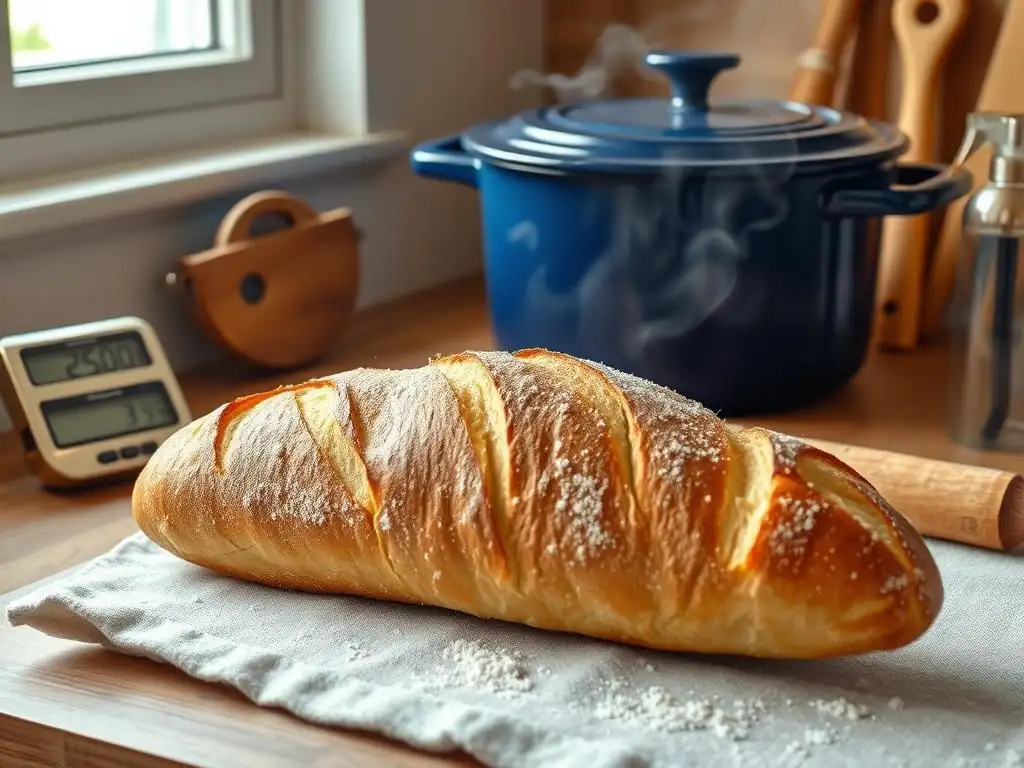
While the previously mentioned tools form the core of a functional baking artisan baguettes equipment guide, several other items can further enhance your baking process, offer alternative techniques, or improve the final appearance and texture of your baguettes. These pieces of equipment are not strictly necessary to bake good baguettes, but they can provide advantages as you become more comfortable and look to refine your results.
Consider these optional tools as potential upgrades or alternative methods to explore once you've mastered the basics with your essential kit. They can help achieve specific aesthetic goals, improve handling, or offer a different baking environment that might suit your oven or preference better.
Bread Lame (Scoring Knife): Creating Professional Baguette Slashing Patterns
A bread lame (pronounced "lahm") is a special tool used to score or slash the surface of bread dough just before baking. For baguettes, these slashes (called grignes) are not just for aesthetics; they serve a crucial functional purpose. As the dough undergoes oven spring, the slashes provide weak points where the dough can expand in a controlled manner. This prevents the crust from tearing unpredictably and helps direct the expansion upwards and outwards, contributing to a better shape and crumb structure.
A sharp blade is essential for clean slashes that open up beautifully during baking. A dedicated bread lame typically holds a razor blade, offering a very sharp edge. While you can use a sharp knife or razor blade carefully held, a lame provides better control and allows for easier angled cuts, which are traditional for baguettes. Mastering the art of scoring with a lame is a satisfying skill for any baker following a baking artisan baguettes equipment guide aiming for professional-looking results.
Dutch Oven: An Alternative Baking Method for Baguettes
While baking stones/steels and steam are traditional, baking baguettes in a Dutch oven is a popular alternative, especially for home bakers. A preheated Dutch oven, with its lid on, creates its own steamy environment inside, eliminating the need for external steam methods like spraying water. The trapped moisture from the dough itself is enough to keep the crust pliable during the initial rise. After about 15-20 minutes, the lid is removed, allowing the crust to dry out and crisp up in the dry heat.
Baking baguettes in a Dutch oven presents a challenge due to their length. Longer baguettes typically won't fit. However, shorter baguettes (sometimes called demi-baguettes) or bâtards (shorter, fatter baguettes) can be baked successfully this way. Some bakers even use two smaller Dutch ovens side-by-side for shorter loaves. While it requires adapting the baguette shape, using a Dutch oven simplifies the steaming process significantly and is a viable alternative technique within a comprehensive baking artisan baguettes equipment guide.
Cooling Rack: Preventing Soggy Baguettes After Baking
After the significant effort put into achieving a perfect crust, the last thing you want is for the bottom of your baguette to become soggy as it cools. Placing hot bread directly onto a solid surface traps steam underneath, which can soften the crust. A cooling rack, typically a wire grid elevated on feet, allows air to circulate freely around the entire baguette.
Placing your freshly baked baguettes on a cooling rack immediately after they come out of the oven ensures that steam can escape efficiently from all surfaces, preserving the crispness of the crust. This simple piece of equipment is essential for achieving the desired texture throughout the loaf and is a necessary finishing touch in any practical baking artisan baguettes equipment guide.
Cleaning and Maintenance of Your Baguette Baking Equipment
Taking good care of your baking artisan baguettes equipment guide tools ensures their longevity and performance. Proper cleaning and maintenance are relatively simple for most baking tools, but some items, like baking stones/steels and couche cloths, require specific handling to keep them in optimal condition. Neglecting cleaning can lead to residue buildup, affect future bakes, or even damage the equipment over time.
Developing a routine for cleaning your tools after each baking session is a good practice. This not only keeps your equipment ready for the next batch but also extends its lifespan, protecting your investment in your home baking setup.
Best Practices for Cleaning Your Baking Stone/Steel
Cleaning a baking stone or steel is often less about washing and more about scraping and heat. Because stones are porous, they should never be soaked in water or washed with soap, as they can absorb water and soap residue, which can cause them to crack or impart off-flavors when heated. Steels are less porous but can rust if not dried properly.
The best way to clean a baking stone or steel is to let it cool completely in the oven after baking. Once cool, use a bench scraper or stiff brush to scrape off any stuck-on food particles, flour, or charred bits. For stubborn spots on a stone, you can gently rub with sandpaper.
Steels can be wiped with a damp cloth, but ensure they are thoroughly dried immediately afterward to prevent rust. Any remaining discoloration on either is usually harmless and part of the stone/steel's seasoning over time. Including these care tips is vital in a practical baking artisan baguettes equipment guide.
Maintaining Your Proofing Basket and Couche Cloth
Proofing baskets (bannetons) and couche cloths are generally low-maintenance but require specific care to keep them functional. For proofing baskets, after turning out the dough, simply let the basket dry completely. Once dry, use a stiff brush to brush out any excess flour. Avoid washing baskets unless absolutely necessary, as moisture encourages mold growth, and washing can remove the beneficial flour coating that prevents sticking. If you must wash, scrub with a brush and hot water (no soap), then dry thoroughly in a warm place or low oven.
Couche cloths should almost never be washed. The flour that builds up in the weave is part of what prevents the dough from sticking. After use, simply brush off any excess flour and hang the couche to air dry completely. If the couche develops a strong odor or stain over time, it can be washed in hot water without soap, but be prepared for it to become less non-stick until it builds up a new layer of flour. Proper drying is crucial for both to prevent mold, making maintenance a key part of this baking artisan baguettes equipment guide.
Where to Buy Your Baguette Baking Equipment: BakeWithEase Recommendations
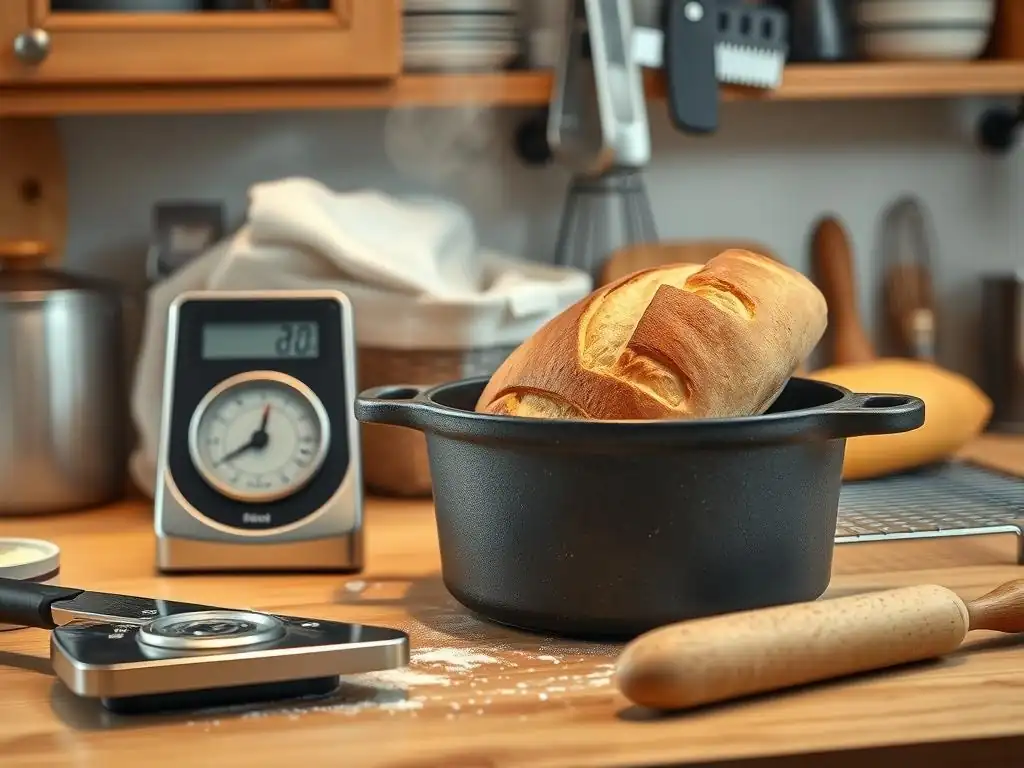
Once you're ready to assemble your baking artisan baguettes equipment guide toolkit, knowing where to find reliable tools is the next step. You don't necessarily need to visit specialty restaurant supply stores, as many excellent options are available through various retailers, both online and in brick-and-mortar stores. Investing in quality equipment upfront can save you money and frustration in the long run, as durable tools perform better and last longer.
Consider your budget and how frequently you plan to bake. For essential items like scales, bowls, and scrapers, reliable and affordable options are widely available. For items like baking stones/steels or couche cloths, looking at reputable brands known for quality baking supplies is a good idea.
Recommended Brands and Retailers for Baking Supplies
Many well-known kitchenware retailers carry a wide range of baking equipment suitable for artisan baguettes. Large online marketplaces offer convenience and competitive pricing, allowing you to compare various brands and read reviews from other home bakers. Specialty baking supply stores, either online or local, often carry higher-end or more traditional items like professional-grade couche cloths or unique proofing basket shapes.
For specific items within this baking artisan baguettes equipment guide, brands like OXO or King Arthur Baking are reliable for basics like scales and scrapers. Lodge Cast Iron makes excellent and affordable baking steels (often marketed as pizza pans). Various culinary supply companies offer high-quality baking stones and couche cloths. Reading product reviews can provide insight into the durability and performance of specific items from different brands.
Investing in Quality Equipment for Long-Term Baguette Baking Success
While it might be tempting to opt for the cheapest option for every tool, investing a little more in key pieces of baking artisan baguettes equipment guide can significantly impact your baking experience and results. A sturdy baking steel, for example, will retain and transfer heat more effectively and last a lifetime compared to a thin, potentially fragile baking stone. A high-quality kitchen scale will maintain its accuracy longer than a cheaper model.
Think of your equipment as an investment in your hobby and the quality of the bread you produce. You don't need the most expensive professional gear, but choosing items known for durability and performance will make your baguette baking journey smoother and more rewarding. Start with the essentials and add optional items as your skills and passion grow.
Conclusion: Mastering Artisan Baguettes with the Right Tools
Embarking on the adventure of baking artisan baguettes at home is a rewarding pursuit that brings the joy of fresh, crusty bread into your life. While skill and practice are undoubtedly crucial, having the appropriate baking artisan baguettes equipment guide setup provides the necessary foundation for success. Each tool, from the humble dough scraper to the vital baking stone, plays a specific role in transforming simple ingredients into those iconic, elongated loaves.
This BakeWithEase guide has walked you through the essential tools for every stage of the process, highlighting why each piece of equipment matters. By understanding the function of these tools and how they interact with the dough and the baking environment, you are well on your way to achieving consistent, high-quality results in your home kitchen.
BakeWithEase's Final Thoughts on Essential Baguette Baking Equipment
Our philosophy at BakeWithEase is that baking should be accessible and enjoyable for everyone. For artisan baguettes, while the process has its nuances, the right equipment demystifies many of the challenges. Don't feel overwhelmed by the full list; start with the absolute essentials – a good scale, mixing bowl, scraper, baking surface, and a method for steam. As you gain confidence and experience, you can gradually add optional tools like a lame or proofing baskets.
Remember that even with the best baking artisan baguettes equipment guide, practice is key. Your first baguette might not be perfect, and that's okay! Use your tools to learn how the dough behaves, adjust your technique, and iterate. The equipment is there to support your learning and help you execute the steps correctly.
Your Journey to Baking Perfect Baguettes Starts Now!
With this comprehensive baking artisan baguettes equipment guide in hand, you have the knowledge to assemble your home bakery setup. Gather your tools, select a trusted recipe (you can find many on BakeWithEase.com! ), and prepare to experience the incredible satisfaction of pulling warm, crusty artisan baguettes from your own oven. The aroma alone is worth the effort. Happy baking!
Frequently Asked Questions
What are the essential pieces of equipment for baking artisan baguettes at home?
The essential equipment includes a baking stone or steel for even heat distribution, a proofing basket (banneton) to shape the dough, and a lame or sharp knife for scoring.
Can I bake artisan baguettes without a baking stone or steel?
Yes, you can, but it's highly recommended for achieving a crispy crust. You can use a baking sheet, but the results may vary.
What is a proofing basket (banneton) used for, and is it necessary?
A proofing basket helps the baguette dough maintain its shape during the final proofing stage. While not strictly necessary, it significantly improves the structure of the baguette.
Why is scoring the baguettes before baking important?
Scoring allows the baguette to expand properly in the oven, preventing it from bursting randomly. It also creates the classic baguette appearance.
Where can I find high-quality baking equipment for making artisan baguettes?
You can find baking equipment at specialty kitchen stores, online retailers like Amazon, and some local supermarkets may carry basic items.
Final Reflection: The Humble Tools of Artisan Breadmaking
The pursuit of the perfect baguette, a seemingly simple loaf, reveals a surprising depth of technique and, crucially, the right equipment. Mastering the art of artisan breadmaking at home isn't just about following a recipe; it's about understanding the interplay between ingredients, process, and the tools that facilitate the transformation from flour to crusty perfection. This journey, as detailed in this guide, highlights the essential role each piece of equipment plays in achieving that coveted, airy crumb and crackling crust.
The impact of readily available, high-quality baking equipment on the home baking landscape is undeniable. More people than ever are experimenting with artisan bread, driven by a desire for fresh, flavorful food and a deeper connection to the craft. This shift reflects a broader cultural appreciation for handmade goods and the satisfaction derived from creating something beautiful and delicious with your own hands. Bread is the staff of life,
they say, and I believe that the tools we use to create it are an extension of that life-giving process. This isn't just about baking; it's about nurturing a connection to our food and our heritage.
Now, consider your own kitchen. What tools do you already possess? Which ones might you need to acquire to elevate your baking game? This guide isn't just a list; it's an invitation. I encourage you to take this knowledge and embark on your own artisan baguette journey. Don't be afraid to experiment, to learn from your mistakes, and to savor the incredible reward of a perfectly crafted loaf, born from your own hands and the right tools. The journey itself is as rewarding as the destination.
Unleash Your Inner Boulanger: Bake the Perfect Baguette!
Thanks for diving into the world of artisan bread making! We hope you're feeling inspired and ready to create delicious baguettes right in your own kitchen. Now it's time to put your newfound knowledge into practice.
- Take the first step: Begin your baguette journey today by gathering the essential equipment we highlighted – you might be surprised at what you already own! Once you've checked your list, you're ready to get started.
- Share your baking adventure: Share a picture of your first attempt (or your already impressive skills!) on social media using #BakeWithEaseBaguette. Let's celebrate your success together!
- Deepen your knowledge: Explore our other baking guides on BakeWithEase.com for more tips and tricks to elevate your baking game!
Ready to transform your kitchen into a Parisian boulangerie? What's the first ingredient you're going to grab?