
Organic vs. Conventional Spices: What's Best for Baking?

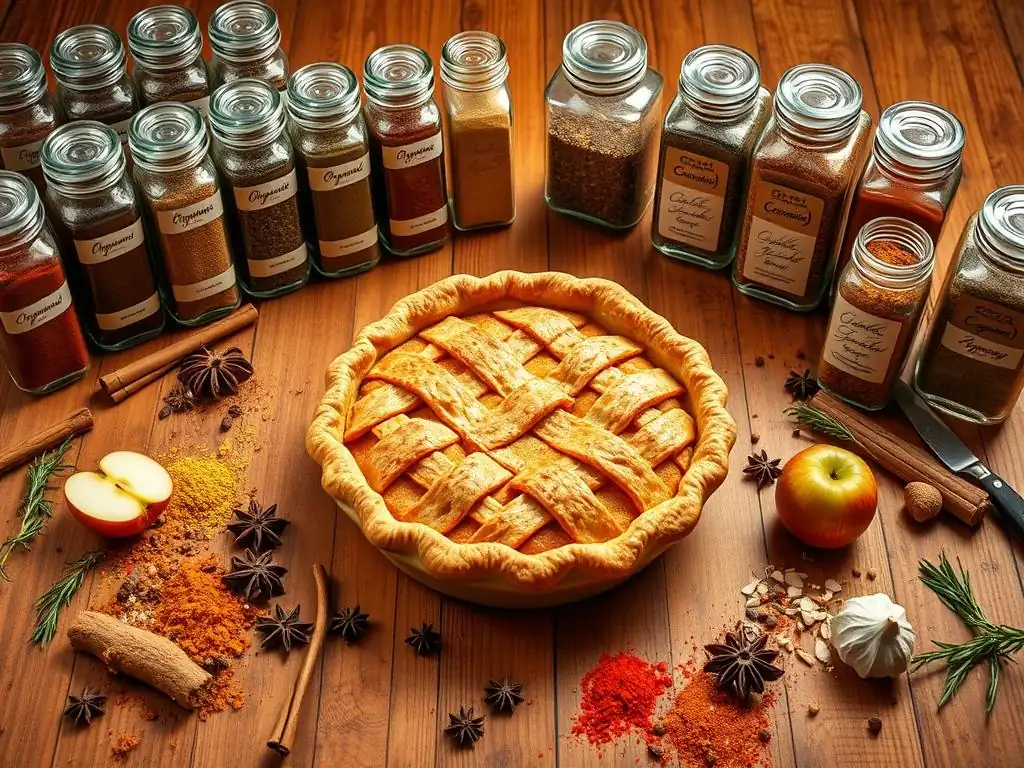
Welcome to BakeWithEase, where we demystify the world of baking! Ever wondered if switching to organic spices could truly elevate your baking? In this Ingredient Deep Dive, we're unlocking the secrets behind organic spices baking recipes and exploring whether they're worth the hype. Discover how these aromatic additions can transform your favorite treats, and what you need to know before swapping out your conventional spices. Ready to bake smarter and tastier? Let's get started!
- Spice Rack Showdown: Organic and Conventional Spices for Baking Recipes
- Understanding the Basics: Organic vs. Conventional Spice Production
- Flavor Profiles: Comparing Organic and Conventional Spices in Baking
- Health Benefits: Are Organic Spices Better for You?
- Environmental Impact: The Sustainability of Spice Production
- Cost Considerations: Organic vs. Conventional Spices for Home Bakers
- Choosing the Right Spices for Your Baking Needs
- Baking with Organic Spices: Recipe Adaptations and Tips
- Conclusion: Making an Informed Choice about Spices for Baking
-
Frequently Asked Questions
- What are the main differences between organic and conventional spices for baking?
- Does using organic spices significantly impact the taste of my baking recipes?
- Are organic spices always more expensive than conventional spices?
- How can I be sure I'm buying authentic organic spices for my baking recipes?
- Are organic spices necessary for all baking recipes, or are there situations where conventional spices are acceptable?
- Final Reflection: The Aromatic Choice: Organic Spices in Baking
- Unlock the Flavor Secrets of Your Baking!
Spice Rack Showdown: Organic and Conventional Spices for Baking Recipes
When it comes to crafting delicious baked goods, every ingredient plays a role, and spices are no exception. They add warmth, complexity, and signature flavors to everything from simple cookies to elaborate cakes. But standing in the spice aisle, you're often faced with a choice: organic or conventional? This decision impacts not just the potential flavor of your organic spices baking recipes but also considerations around health, environment, and cost. Understanding the differences between these two types of spices is crucial for any baker looking to make informed choices about what goes into their creations.
Beyond the label, the journey of a spice from farm to your pantry involves various practices that distinguish organic from conventional methods. For bakers focused on creating the best possible flavor profiles and perhaps minimizing exposure to synthetic inputs, the choice becomes more significant. We'll delve into what sets organic spices apart, how they might influence your baking, and other factors to help you decide which spices are best suited for your baking adventures, whether you're whipping up a batch of cinnamon rolls or experimenting with unique spice blends for bread.
Understanding the Basics: Organic vs. Conventional Spice Production
What Defines Organic Spices? Meeting USDA Standards
Organic spices are cultivated and processed following strict guidelines set by regulatory bodies like the USDA in the United States. These standards prohibit the use of synthetic pesticides, herbicides, genetically modified organisms (GMOs), and synthetic fertilizers. Instead, farmers rely on natural methods such as composting, crop rotation, and biological pest control to maintain soil health and manage pests. The focus is on creating a sustainable ecosystem that supports the growth of healthy plants without chemical intervention.
To be certified organic, a spice must be grown on land that has been free from prohibited substances for at least three years prior to harvest. The entire chain of custody, from farming to processing, must be tracked and verified by an accredited third-party certifying agent. This rigorous process ensures that the spices meet the defined organic standards, providing consumers with confidence that they are purchasing products grown with specific environmental and health considerations in mind. When you see the organic seal on spices intended for your baking recipes, it signifies adherence to these comprehensive regulations.
Conventional Spice Farming: Common Practices and Irradiation
Conventional spice farming often employs synthetic pesticides and fertilizers to maximize yields and protect crops from pests and diseases. While these methods can be efficient, they raise concerns about residue levels on the final product and their impact on the environment. After harvest, conventional spices may undergo various treatments to extend shelf life and prevent contamination, such as fumigation with chemicals like methyl bromide or phosphine, which are highly restricted or banned in organic production.
Another common practice for conventional spices is irradiation. This process uses radiation energy to kill bacteria, mold, and insects, and to inhibit sprouting. While regulatory bodies deem irradiation safe and it can reduce the risk of foodborne illness, some consumers prefer to avoid irradiated products due to concerns about potential nutrient loss or changes to flavor compounds, although research on these effects is mixed. When choosing conventional spices for baking recipes, it's worth noting that they may have undergone one or more of these post-harvest treatments.
The Role of Synthetic Fertilizers and Pest Control in Spice Cultivation
Synthetic fertilizers provide readily available nutrients to spice plants, often leading to faster growth and higher yields compared to organic methods. However, their production is energy-intensive, and their runoff can contribute to water pollution, such as nitrogen and phosphorus loading that harms aquatic ecosystems. Furthermore, the continuous use of synthetic fertilizers can degrade soil structure and reduce microbial diversity over time, potentially impacting the long-term health and productivity of the land where spices are grown.
Pest control in conventional farming frequently involves broad-spectrum synthetic pesticides designed to kill a wide range of insects and other pests. While effective in protecting crops, these chemicals can also harm beneficial insects, including pollinators, and may pose risks to farmworkers and wildlife. Residues from these pesticides can sometimes be detected on harvested spices, although regulatory limits are in place to minimize potential health risks. In contrast, organic pest control relies on methods like encouraging natural predators, using insect traps, or applying approved natural substances.
Flavor Profiles: Comparing Organic and Conventional Spices in Baking

Do Organic Spices Taste Different? A Baker's Perspective on Aroma
Many bakers and culinary enthusiasts report that organic spices possess a more intense, nuanced, and "truer" flavor compared to their conventional counterparts. This perceived difference is often attributed to factors like soil health, growing conditions, and processing methods. Organic farming practices, which focus on building healthy soil ecosystems, may contribute to plants developing more robust flavor compounds. Furthermore, the avoidance of fumigation or high-intensity irradiation in organic processing might better preserve volatile oils, which are the source of a spice's aroma and flavor.
While scientific studies directly comparing the flavor of organic and conventional spices are not always conclusive or widely available, anecdotal evidence from the baking community is strong. Experienced bakers who regularly use organic spices in baking recipes often note a more vibrant aroma upon opening the spice jar and a richer, more complex flavor profile that stands out in finished dishes. For delicate baked goods where spice is a primary flavor component, this difference can be quite noticeable.
Factors Influencing Spice Flavor Intensity: Origin and Processing
Beyond organic vs. conventional methods, several other factors significantly influence a spice's flavor intensity and quality. The geographical origin plays a huge role; for instance, cinnamon from Sri Lanka (Ceylon) has a different, milder flavor profile than cinnamon from Indonesia or Vietnam (Cassia). Soil type, climate, and even the specific variety of the plant cultivated can all impact the concentration and balance of flavor compounds.
Processing methods after harvest are also critical. How the spice is dried, whether it's ground or kept whole, and how it's stored all affect its potency and shelf life. Grinding a spice, for example, releases its volatile oils, making it more aromatic initially but also causing it to lose flavor more quickly than whole spices. Reputable spice producers, whether organic or conventional, pay close attention to these details to preserve the natural flavor and aroma of their products.
To truly understand the potential flavor difference, a simple taste test in a classic baking recipe is illuminating. Consider making two identical batches of gingerbread cookies, using the same recipe and technique, but swapping only the ground ginger and cinnamon – one batch with high-quality organic versions, the other with conventional ones. Pay close attention to the aroma when you open the spice jars, when you mix the dough, and especially after the cookies bake.
When tasting the finished gingerbread cookies, evaluate the initial flavor impact, the warmth, the sweetness perception (sometimes intense spices can make things seem sweeter), and the lingering aftertaste. You might find that the batch made with organic spices has a brighter, more distinct ginger bite and a richer, warmer cinnamon note. This hands-on comparison can be a persuasive demonstration of how the quality and type of spice can elevate even a familiar organic spices baking recipe.
Health Benefits: Are Organic Spices Better for You?
Potential Health Advantages of Avoiding Synthetic Additives
One of the primary health arguments for choosing organic spices is the avoidance of potential residues from synthetic pesticides, herbicides, and fertilizers used in conventional farming. While regulatory bodies set maximum residue limits (MRLs) for conventional produce and spices, some consumers prefer to minimize their exposure to these chemicals entirely. Studies on the long-term effects of consuming low levels of multiple pesticide residues are ongoing, and opting for organic is seen by some as a precautionary measure.
Furthermore, organic processing prohibits the use of many synthetic flow agents, anti-caking agents, and artificial colors sometimes found in conventional spice blends, although pure single-ingredient spices are less likely to contain these. For individuals with sensitivities or those simply wishing to avoid processed ingredients, choosing certified organic spices for baking recipes offers greater assurance of product purity, reducing the intake of potentially harmful or undesirable synthetic substances.
Examining Aflatoxin Levels in Spices
Aflatoxins are toxic compounds produced by certain molds (Aspergillus species) that can grow on crops, including spices, particularly under warm, humid conditions. These toxins are known carcinogens and can pose serious health risks if consumed in significant quantities over time. Both organic and conventional spices are susceptible to aflatoxin contamination if not properly harvested, dried, and stored.
However, farming practices can influence the risk. Good agricultural practices (GAPs), including proper irrigation and timely harvesting, are crucial for minimizing mold growth in the field. Post-harvest handling, such as thorough drying and appropriate storage conditions (cool, dry places), is equally vital for preventing mold development and aflatoxin production. Regulatory agencies worldwide monitor aflatoxin levels in spices to ensure they are below established safety limits, regardless of whether they are organic or conventional. Choosing reputable suppliers who test their products is key for both types.
Antioxidant Content in Organic vs. Conventional Spices
Spices are renowned for their high antioxidant content, contributing to their potential health benefits beyond just flavor. Compounds like polyphenols in cloves, capsaicin in chili powder, and curcumin in turmeric act as powerful antioxidants, helping to protect cells from damage caused by free radicals. The question arises whether organic cultivation methods might influence the levels of these beneficial compounds.
Some research suggests that plants grown in healthier, nutrient-rich organic soil under less stressful conditions (without synthetic pesticide exposure) might produce higher levels of certain secondary metabolites, including antioxidants, as part of their natural defense mechanisms. While findings are not universally conclusive across all spice types, there is some evidence supporting potentially higher levels of certain beneficial compounds in organically grown produce compared to conventionally grown alternatives. For bakers seeking to maximize the health potential of their ingredients, using organic spices in baking recipes might offer a slight edge in antioxidant power.
Environmental Impact: The Sustainability of Spice Production
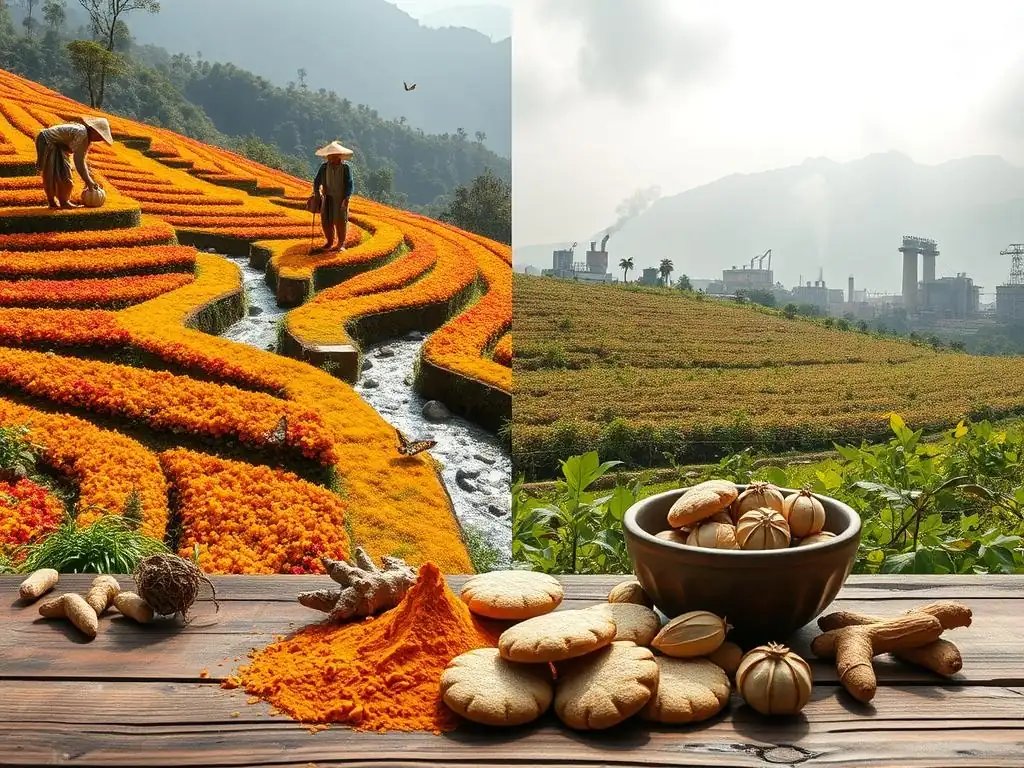
Organic Farming Practices and Biodiversity
Organic farming practices are generally considered more environmentally friendly than conventional methods, largely due to their emphasis on soil health, biodiversity, and the avoidance of synthetic chemicals. By using techniques like cover cropping, composting, and crop rotation, organic farms build healthy soil structure, which improves water retention and reduces erosion. Healthy soil acts as a carbon sink, helping to mitigate climate change.
Avoiding synthetic pesticides and herbicides protects pollinators, beneficial insects, birds, and other wildlife, contributing to greater biodiversity on and around the farm. This creates a more resilient agricultural ecosystem. Many organic spice farms also integrate their cultivation with surrounding natural habitats, further supporting local flora and fauna. Choosing organic spices for baking recipes supports farming systems that prioritize ecological balance and long-term sustainability.
The Environmental Footprint of Conventional Spice Agriculture: Water Usage
Conventional spice agriculture, particularly large-scale operations, can have a significant environmental footprint. The reliance on synthetic fertilizers and pesticides can lead to soil degradation and water pollution through runoff. Intensive irrigation practices, especially in water-scarce regions where some spices are grown, can deplete local water resources. For example, growing certain spices like paprika or cumin can be water-intensive depending on the climate and farming techniques.
While organic farms also require water, their improved soil health often leads to better water retention, potentially reducing the overall need for irrigation compared to conventional farms on degraded land. Furthermore, the production of synthetic fertilizers and pesticides is energy-intensive, contributing to greenhouse gas emissions. The cumulative impact of these factors means that conventional spice production often has a larger environmental footprint per unit of spice produced compared to organic methods.
Choosing Sustainable Spice Sources for Baking: Fair Trade Considerations
Beyond organic certification, considering Fair Trade options adds another layer to sustainable spice sourcing. Fair Trade standards focus on ethical labor practices, ensuring farmers receive fair prices for their crops, have safe working conditions, and prohibits child labor. Many organic spice producers also adhere to Fair Trade principles, recognizing that environmental sustainability is intertwined with social equity.
When selecting spices for your organic spices baking recipes, looking for both organic and Fair Trade certifications can help support farming communities and practices that are beneficial for both people and the planet. Supporting businesses committed to transparency and ethical sourcing encourages positive change throughout the global spice trade. This conscious choice goes beyond just the quality of your baked goods, extending to the wider impact of your purchasing decisions.
Cost Considerations: Organic vs. Conventional Spices for Home Bakers
Price Comparison: Organic Spices vs. Conventional Spices per Ounce
One of the most noticeable differences between organic and conventional spices is the price. Organic spices typically cost more, often ranging from 20% to 50% higher per ounce than their conventional counterparts. This price difference is primarily due to the higher costs associated with organic farming and certification. Organic yields can sometimes be lower, and the labor involved in natural pest and weed control can be more intensive.
The rigorous tracking, inspection, and certification processes required for organic status also add to the overhead costs for producers and suppliers. While the price gap can vary significantly depending on the specific spice, the brand, and where you purchase it, it's a factor that home bakers need to consider, especially if they use a wide variety of spices frequently in their organic spices baking recipes.
Budget-Friendly Baking with Organic Spices: Buying in Bulk
While organic spices may have a higher upfront cost per unit, there are strategies to make them more budget-friendly for home bakers. Buying spices in bulk from reputable suppliers is often significantly cheaper per ounce than purchasing small jars from the grocery store. Many health food stores, co-ops, or online retailers offer organic spices in bulk bins or larger quantities.
When buying in bulk, it's essential to consider how quickly you will use the spice, as ground spices lose potency over time. However, for frequently used spices like cinnamon, ginger, or nutmeg that are staples in many organic spices baking recipes, purchasing a larger quantity and storing it properly in airtight containers can be a cost-effective approach that reduces the per-use cost considerably.
Evaluating the Value Proposition: Flavor, Health, and Ethics
When deciding whether the higher cost of organic spices is "worth it," home bakers often weigh the value proposition beyond just the price tag. For many, the perceived benefits in terms of flavor intensity and purity justify the extra expense, especially for key spices that define a recipe. The potential health advantages of avoiding synthetic residues and additives are also a significant factor for health-conscious individuals.
Furthermore, the ethical and environmental considerations associated with organic and sustainable farming practices resonate with bakers who want their food choices to align with their values. For these individuals, the slightly higher cost is seen as an investment in supporting healthier ecosystems, fairer labor practices, and potentially more nutritious and flavorful ingredients for their organic spices baking recipes. Ultimately, the "best" choice depends on an individual baker's priorities and budget.
Choosing the Right Spices for Your Baking Needs
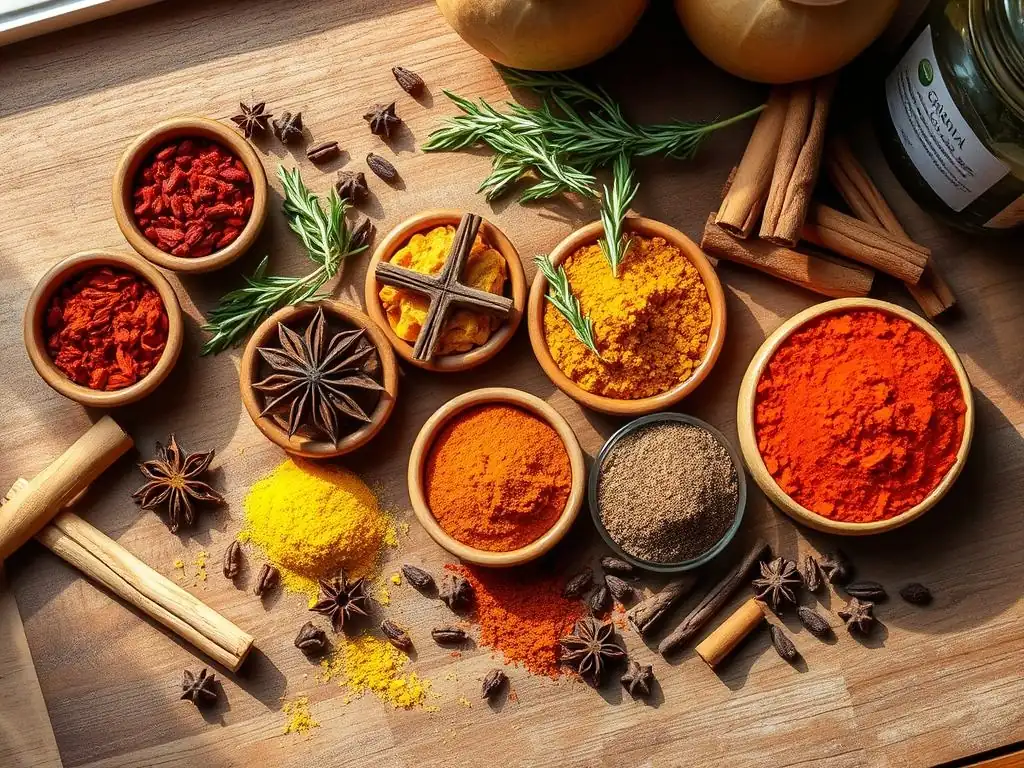
Factors to Consider When Selecting Spices: Purity and Certification
When selecting spices for baking, whether organic or conventional, purity is paramount. You want a spice that is free from fillers, artificial colors, or excessive levels of contaminants. For organic spices, certification by a recognized body like the USDA Organic seal is the primary indicator that the product meets defined standards for production and processing. This certification offers a level of assurance regarding the absence of synthetic inputs.
For both organic and conventional spices, consider the source and reputation of the brand. Reputable companies often provide information about where their spices are sourced and may conduct third-party testing for contaminants like heavy metals or aflatoxins. While organic certification addresses farming practices, looking for brands known for quality control is important regardless of the organic label to ensure you're getting a pure, high-quality product for your organic spices baking recipes.
Identifying High-Quality Organic Spices: Look for Third-Party Verification
Beyond the initial organic seal, identifying truly high-quality organic spices involves looking for additional indicators. Transparency from the brand about their sourcing practices is a good sign. Do they mention the specific origin of the spice (e.g., "Cinnamon from Sri Lanka")? Do they talk about their relationships with farmers? Brands that are proud of their supply chain are often committed to quality.
Third-party verification beyond basic organic certification can also be a marker of quality. Some brands participate in programs that test for purity, potency (levels of volatile oils), or specific contaminants. While not required for organic status, this extra step demonstrates a commitment to providing a superior product. Reading reviews from other bakers and checking the spice's aroma and color upon purchase can also help gauge its freshness and quality before using it in your organic spices baking recipes.
Tips for Storing Spices to Maintain Freshness and Flavor: Airtight Containers
Proper storage is crucial for maintaining the freshness, flavor, and potency of any spice, organic or conventional. Spices degrade over time due to exposure to light, air, heat, and moisture. To preserve their quality, store them in airtight containers, preferably made of glass or opaque materials, away from direct sunlight and heat sources like stoves or ovens.
Ground spices lose their flavor faster than whole spices because they have a larger surface area exposed to the air. As a general rule, ground spices are best used within 6-12 months, while whole spices can last for 2-3 years. Labeling your spice jars with the purchase date or date opened can help you keep track of their age. Using fresh spices ensures that the delicious flavors you expect will shine through in your organic spices baking recipes.
Baking with Organic Spices: Recipe Adaptations and Tips
Adjusting Recipes for Organic Spice Flavors: Less Can Be More
If you're transitioning from conventional to organic spices, especially those known for high quality and potency, you might find that their flavor is more intense. This means you may need to use slightly less organic spice than the amount called for when using a conventional version in a recipe. Starting with about three-quarters of the amount specified and tasting as you go is a good approach.
For example, if a cookie recipe calls for one teaspoon of conventional cinnamon, start with about 3/4 teaspoon of high-quality organic cinnamon. You can always add more if needed, but it's impossible to take it away. This adjustment helps prevent overpowering your baked goods and allows the nuanced flavors of the organic spices to come through without dominating other ingredients. This careful approach is key when developing organic spices baking recipes.
Best Practices for Using Organic Spices in Cakes: Bloom in Warm Liquid
To maximize the flavor of ground organic spices in cakes and other baked goods, consider "blooming" them before adding them to the batter. Blooming involves heating the ground spice gently in a small amount of warm liquid (like melted butter, oil, milk, or water) for a minute or two. This process helps to release the fat-soluble flavor compounds, intensifying their aroma and taste.
Once bloomed, the spice-infused liquid is added to the wet ingredients of your recipe. This technique is particularly effective for spices like cinnamon, nutmeg, cloves, and cardamom in cakes, muffins, and quick breads, ensuring their flavors are fully integrated and prominent in the final product. It's a simple step that can significantly enhance the impact of your organic spices in baking recipes.
Pumpkin Pie Using Organic Spices
Let's consider a classic organic spices baking recipe: pumpkin pie.
Ingredients:
- 1 can (15 oz) pumpkin puree
- 1 can (12 oz) evaporated milk
- 2 large eggs
- 3/4 cup granulated sugar
- 1/2 teaspoon salt
- 1 teaspoon organic ground cinnamon
- 1/2 teaspoon organic ground ginger
- 1/4 teaspoon organic ground cloves
- 1/4 teaspoon organic ground nutmeg
- 1 unbaked 9-inch pie crust
To make this pie using organic spices, first whisk together the pumpkin puree, evaporated milk, and eggs. In a separate small bowl, combine the sugar, salt, and all the organic ground spices. Whisk the dry ingredients into the wet ingredients until well combined. For extra flavor, you could gently warm a tablespoon of the evaporated milk or some melted butter and stir the spices into it before adding to the pumpkin mixture, allowing them to bloom.
Pour the filling into the unbaked pie crust. Bake at 425°F (220°C) for 15 minutes, then reduce the temperature to 350°F (175°C) and bake for 35-40 minutes more, or until a knife inserted near the center comes out clean. The use of high-quality organic spices will bring a vibrant, warm, and authentic flavor to your homemade pumpkin pie.
Conclusion: Making an Informed Choice about Spices for Baking
Summarizing the Benefits of Organic Spices: Health and Environment
Choosing organic spices for baking recipes offers several potential benefits that resonate with many home bakers. From a health perspective, opting for organic means minimizing exposure to synthetic pesticides, herbicides, and fertilizers used in conventional farming, as well as avoiding certain post-harvest treatments like chemical fumigation. While regulatory limits exist for conventional spices, organic certification provides an assurance of production methods that avoid these substances.
Environmentally, organic farming practices promote soil health, conserve water, support biodiversity, and reduce pollution compared to many conventional methods. By choosing organic, bakers can support agricultural systems that are generally more sustainable and have a lower ecological footprint. These benefits contribute to the appeal of organic spices beyond just their culinary use.
Considering Your Baking Goals and Values: Personal Preferences
Ultimately, the decision between organic and conventional spices for your baking needs is a personal one, influenced by your priorities and values. If maximizing flavor purity is your primary goal, and you perceive a noticeable difference in taste or aroma, organic spices might be your preference. If minimizing exposure to synthetic chemicals is a health priority, the organic option aligns better with that goal.
For bakers concerned about the environmental and social impact of their food choices, supporting organic and Fair Trade certified spice producers can be a key factor. However, budget constraints are also a valid consideration, and high-quality conventional spices, properly sourced and stored, can still produce excellent results in your baking. It's about weighing these different factors based on what matters most to you in your baking journey.
Resources for Finding Quality Organic Spices for Baking: Online Retailers and Co-ops
Finding high-quality organic spices is easier than ever. Many mainstream grocery stores now carry a selection of organic spices alongside conventional ones. For a wider variety and potentially better prices, explore dedicated natural food stores or co-ops, which often have bulk sections where you can purchase just the amount you need.
Online retailers specializing in spices are also excellent resources. They often source directly from producers, provide detailed information about the spice's origin and processing, and offer a vast selection of organic options. Look for online shops with good reviews and transparent sourcing practices. Whether you buy locally or online, seeking out reputable suppliers is key to ensuring you get fresh, flavorful organic spices for all your delicious baking recipes.
Frequently Asked Questions
What are the main differences between organic and conventional spices for baking?
Organic spices are grown without synthetic pesticides or fertilizers, adhering to strict agricultural standards. Conventional spices, on the other hand, may use these substances, potentially affecting the overall purity and flavor profile of your baked goods.
Does using organic spices significantly impact the taste of my baking recipes?
While subtle, many bakers find that organic spices offer a more vibrant and nuanced flavor compared to conventional options. This can lead to a noticeable enhancement in the final taste of your baked goods.
Are organic spices always more expensive than conventional spices?
Generally, yes, organic spices tend to be more expensive due to the stricter farming practices and certification processes involved. However, the price difference can vary depending on the specific spice and brand.
How can I be sure I'm buying authentic organic spices for my baking recipes?
Look for official organic certifications on the packaging, such as USDA Organic. This certification ensures the spices meet specific standards regarding pesticide use and growing practices, providing assurance of authenticity.
Are organic spices necessary for all baking recipes, or are there situations where conventional spices are acceptable?
Organic spices are not always necessary, but they are a preferable choice for bakers prioritizing health and flavor purity. For everyday baking or recipes where the spice flavor is less prominent, conventional spices can be a budget-friendly alternative.
Final Reflection: The Aromatic Choice: Organic Spices in Baking
The debate surrounding organic versus conventional spices extends far beyond the pantry; it speaks directly to the quality of our food and its impact on our health and the environment. Choosing organic spices for baking isn't merely a trend; it's a conscious decision reflecting a growing awareness of the ingredients we consume and their origins. The subtle differences in flavor and aroma, as explored throughout this article, translate to a tangible difference in the final product, elevating the baking experience from good to exceptional.
The journey through the world of organic spices has underscored for me the profound connection between agriculture, culinary practices, and our overall well-being. The purity and intensity of flavor found in organically grown spices are undeniable. The best things in life are simple,
a sentiment that resonates deeply when considering the transformative power of a pinch of high-quality, organically sourced spice in a simple loaf of bread or a delicate cake. This isn't just about taste; it's about supporting sustainable farming practices and prioritizing ingredients that nourish both body and soul.
Now, consider your own baking. What ingredients do you prioritize? Are you ready to explore the subtle yet significant differences that organic spices can bring to your recipes? I encourage you to experiment, to taste the difference, and to make informed choices that reflect your values and enhance your baking journey. The aroma of freshly ground organic spices, the vibrant colors they impart, and the superior taste they deliver—these are the rewards that await you as you embark on this delicious exploration.
Unlock the Flavor Secrets of Your Baking!
Thanks for exploring the fascinating world of organic vs. conventional spices with us! We hope you now feel more confident in making informed choices for your baking. Ready to elevate your creations?
- Experiment with organic spices in your next recipe: Notice the difference in aroma and taste – it's truly transformative! This is the key takeaway from today's article.
- Share your baking experiences with other BakeWithEase enthusiasts in the comments below! Let's build a vibrant community of spice-loving bakers.
- Consider trying a new spice you haven't used before, inspired by what you've learned today.
What unique flavor profile will you unlock in your next baking adventure?