
The Science of Vanilla: Flavour Compounds in Bean vs. Extract Revealed

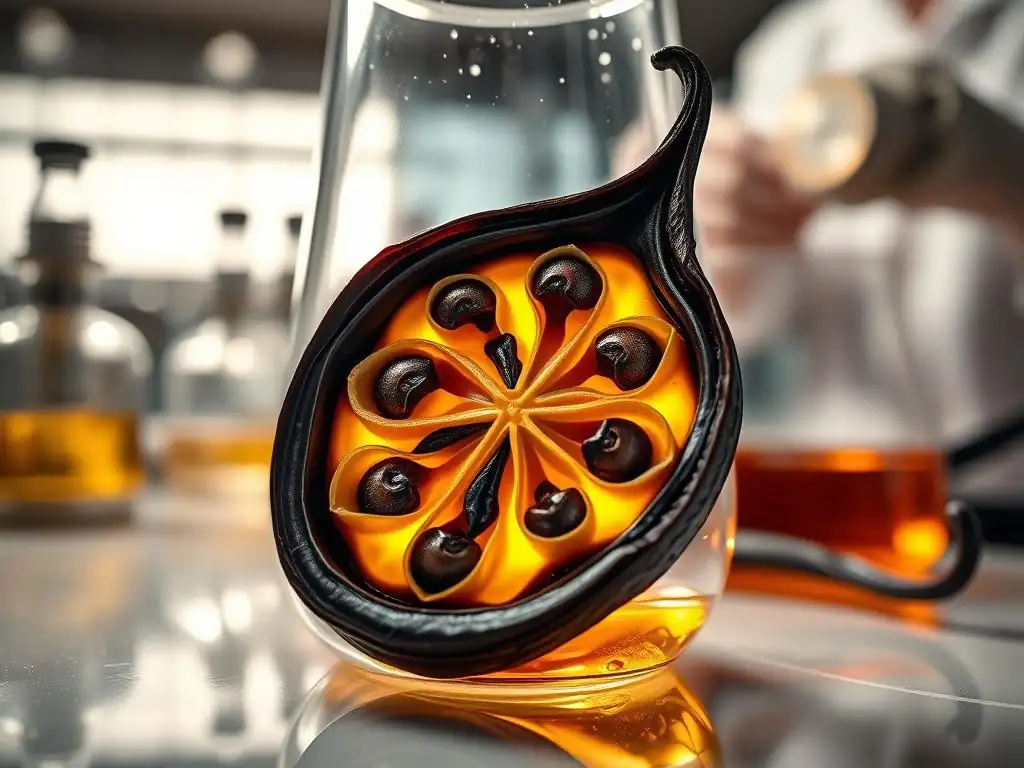
Welcome to BakeWithEase, your guide to baking bliss! Ever wondered how to truly unlock the vanilla bean flavor extraction potential in your recipes? Dive into our Ingredient Deep Dive below and discover the secrets behind capturing that perfect vanilla essence, comparing the nuanced differences between the bean and the extract. Get ready to elevate your baking with a touch of vanilla magic!
- The Science of Vanilla: Flavor Compounds in Bean vs. Extract Revealed
- Understanding Vanilla Bean Flavor Extraction: An Introduction
- Deconstructing the Flavor Profile: Key Vanilla Flavor Compounds
- Vanilla Bean Flavor Extraction: A Deep Dive
- Vanilla Extract: A Convenient Alternative
- Flavor Comparison: Vanilla Bean vs. Extract in Baking
- Baking Applications: Choosing the Right Vanilla for the Job
- Maximizing Vanilla Flavor in Your Baking
- Storing Vanilla for Optimal Flavor Preservation
- Conclusion: Appreciating the Nuances of Vanilla Flavor
-
Frequently Asked Questions
- How does vanilla bean flavor extraction differ from using vanilla extract?
- What are the key flavor compounds responsible for the unique taste of vanilla?
- Which method, using vanilla beans or extract, provides a more intense vanilla flavor?
- Can I substitute vanilla extract for vanilla bean in a recipe, and if so, what's the appropriate ratio?
- What are some factors that influence the quality and flavor of vanilla beans?
- Final Reflection: Unlocking the Secrets of Vanilla's Essence
- Unleash Your Inner Vanilla Expert!
The Science of Vanilla: Flavor Compounds in Bean vs. Extract Revealed
Understanding Vanilla Bean Flavor Extraction: An Introduction
The Allure of Real Vanilla in Baking
There's a reason vanilla is one of the world's most beloved flavors. Its complex aroma and taste can elevate everything from a simple sugar cookie to an elaborate pastry cream. Beyond just sweetness, real vanilla offers a depth of flavor that is often described as creamy, floral, woody, or even smoky, depending on the specific variety and how the vanilla bean flavor extraction was performed. This intricate profile comes from a fascinating blend of chemical compounds working in harmony.
Using real vanilla beans or high-quality vanilla extract isn't just about adding flavor; it's about adding soul to your baking. The true magic lies in the myriad volatile organic compounds present, far exceeding the single compound found in artificial vanilla. Whether you're scraping the tiny black seeds from a plump bean or pouring a fragrant liquid from a bottle, you're engaging with a centuries-old tradition of capturing one of nature's most exquisite essences through careful vanilla bean flavor extraction processes.
Vanilla Bean vs. Extract: A Flavor Showdown
When you're standing in the baking aisle, you're often faced with a choice: vanilla beans or vanilla extract? While both impart vanilla flavor, they are fundamentally different in composition and how they contribute to a recipe. A vanilla bean, particularly a cured one, is the source – a dried fruit pod packed with thousands of tiny seeds and a waxy, oil-rich exterior containing the flavor compounds. Vanilla extract, on the other hand, is the result of a specific process of vanilla bean flavor extraction, typically using alcohol to pull those compounds from the bean into a liquid form.
This difference in form leads to distinct characteristics in flavor. The bean offers a more direct, sometimes more potent, and visually appealing way to add vanilla, distributing the actual seeds throughout a dish. The extract provides consistency, ease of use, and reliable flavor distribution, especially in liquid batters and doughs. Understanding the science behind each, including the methods of vanilla bean flavor extraction, helps bakers make informed decisions for optimal results.
Deconstructing the Flavor Profile: Key Vanilla Flavor Compounds
Vanillin: The Star of the Show
Vanillin (4-hydroxy-3-methoxybenzaldehyde) is undeniably the most prominent flavor compound in vanilla, often making up about 1-2% of the cured vanilla bean's weight, though this can vary significantly by species and curing method. It's the primary component responsible for the classic "vanilla" smell and taste that most people recognize. Vanillin is a phenolic aldehyde and contributes significantly to the sweet, creamy, and slightly woody notes associated with vanilla. Its presence is so dominant that artificial vanilla flavor is often made up almost entirely of synthetic vanillin.
While vanillin is central, it's crucial to understand that it's not the only flavor compound. The quality and complexity of real vanilla flavor come from the synergistic interaction of vanillin with hundreds of other minor compounds. The precise balance of vanillin with these other compounds is what differentiates the nuanced profiles of vanilla from Madagascar (high vanillin, creamy) versus Mexico (smoky, spicy) or Tahiti (floral, fruity). The efficiency of vanilla bean flavor extraction methods directly impacts the concentration of vanillin and these other compounds in the final extract.
Other Important Flavor Compounds in Vanilla
Beyond vanillin, vanilla beans contain a complex mixture of volatile organic compounds, many present in much smaller quantities but contributing significantly to the overall aroma and flavor complexity. These minor compounds include phenols, phenolic ethers, alcohols, carbonyl compounds, acids, hydrocarbons, and esters. Their combined effect creates the rich, multi-layered profile that distinguishes real vanilla from artificial versions.
Understanding these supporting actors helps appreciate the depth of vanilla. While vanillin provides the main theme, these other compounds add the subtle notes and undertones that make vanilla truly captivating. The specific mix and concentration of these compounds are influenced by factors like the vanilla species (Vanilla planifolia, Vanilla tahitensis, Vanilla pompona), the growing region, and crucially, the post-harvest curing process which facilitates many chemical transformations essential for developing the full flavor spectrum and impacting subsequent vanilla bean flavor extraction.
Contribution of Piperonal to Vanilla Flavor
Piperonal (heliotropin) is another aromatic aldehyde found in vanilla beans, albeit in much smaller concentrations than vanillin, typically ranging from trace amounts up to perhaps 0.01% or slightly more in certain varieties. It possesses a sweet, floral, slightly almond-like aroma, reminiscent of cherry or heliotrope flowers.
While not as abundant as vanillin, piperonal contributes a subtle, pleasant floral top note to the overall vanilla profile. Its presence adds to the perceived sweetness and complexity, particularly in high-quality beans where the full spectrum of compounds is preserved through careful vanilla bean flavor extraction.
Guaiacol and its Smoky Notes
Guaiacol (2-methoxyphenol) is a phenolic compound present in vanilla, contributing distinctive smoky and phenolic notes. Its concentration is generally quite low, often in the range of a few parts per million (ppm). Guaiacol is also found in wood smoke and roasted coffee, which helps explain the subtle smoky undertones sometimes detected in vanilla.
In certain vanilla varieties, particularly those from Mexico or Uganda, the smoky notes from guaiacol can be more pronounced. This compound adds depth and a slightly savory edge that balances the sweetness of vanillin, contributing to the unique character developed during the curing process and captured during vanilla bean flavor extraction.
Furfural and its Almond-like Notes
Furfural is an aldehyde derived from the dehydration of sugars during the curing process of vanilla beans, especially under heat. It contributes warm, sweet, and slightly almond-like or bready aromas. Its concentration can vary, often found in amounts ranging from a few ppm to potentially higher levels depending on curing methods.
The presence of furfural adds another layer of complexity, contributing to the perception of warmth and richness in vanilla flavor. It's one of the many compounds that contribute to the "baked goods" quality often associated with vanilla flavor, enhancing the overall sensory experience achieved through effective vanilla bean flavor extraction.
4-Ethylguaiacol and its Spicy, Smoky Notes
4-Ethylguaiacol is another phenolic compound structurally related to guaiacol, also contributing spicy, smoky, and sometimes clove-like notes to vanilla. Like guaiacol and piperonal, its concentration is relatively low, typically measured in ppm or even ppb (parts per billion).
This compound adds a subtle pungency and warmth that complements the sweetness of vanillin. Its contribution is part of the intricate tapestry of flavors that make real vanilla so much more complex than artificial versions, highlighting the importance of comprehensive vanilla bean flavor extraction techniques.
Vanilla Bean Flavor Extraction: A Deep Dive
The Composition of the Vanilla Bean
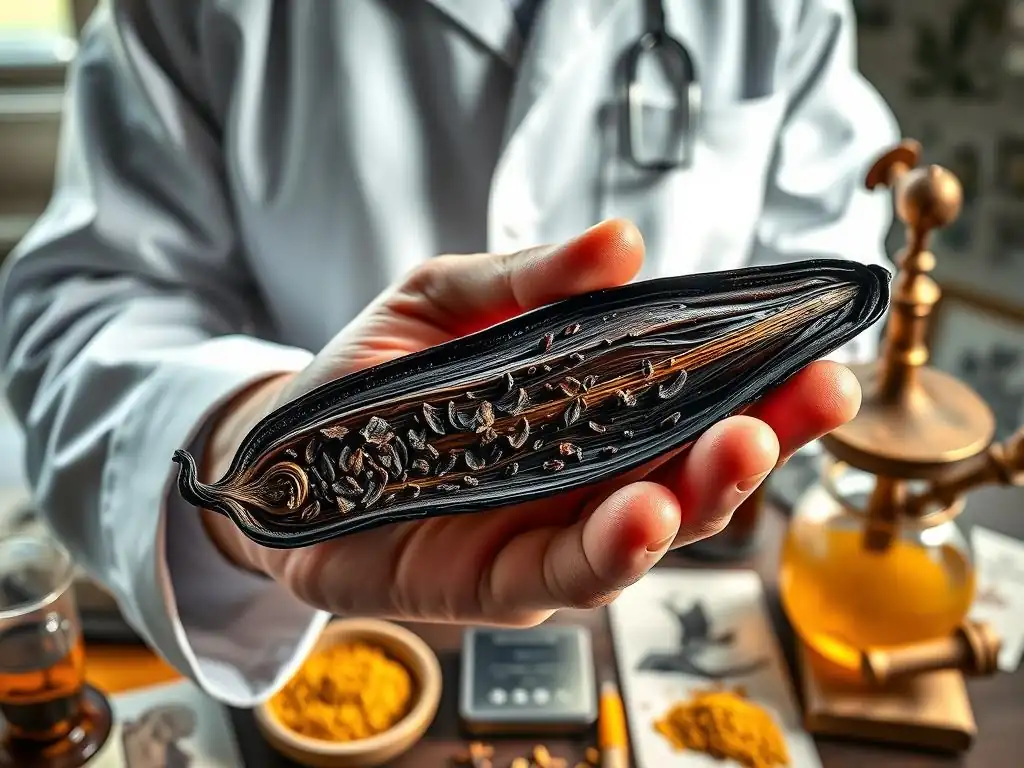
A cured vanilla bean is a marvel of natural chemistry. It's not just the seeds; the entire pod contains flavor compounds. The waxy exterior and the internal pulp surrounding the seeds are rich in vanillin and other aromatics, often in the form of glucosides (vanillin linked to a sugar molecule). Enzymes within the bean, activated during the curing process, break down these glucosides, releasing free, volatile vanillin and other compounds.
Beyond flavor molecules, the bean contains sugars, fats, cellulose, water (typically around 25-30% moisture content in a good quality bean), and minerals. These components contribute to the texture and how flavor is released. The process of vanilla bean flavor extraction aims to efficiently liberate the desired aromatic compounds from this complex matrix, leaving behind much of the structural material.
Methods of Vanilla Bean Flavor Extraction
Historically and commercially, there are several methods for vanilla bean flavor extraction, each influencing the final product's profile. The goal is always to maximize the yield of desirable flavor compounds while minimizing the extraction of less desirable ones.
- Solvent Extraction: This is the most common commercial method, typically using ethanol (alcohol) and water.
- CO2 Extraction: A more modern method using supercritical carbon dioxide to extract compounds.
- Direct Infusion: A simpler method often used in cooking or home extraction.
Direct Infusion: Releasing Flavor Through Heat
Direct infusion involves placing vanilla beans (often split or scraped) directly into a liquid base that is then heated. This is commonly seen in recipes like making custard, panna cotta, or simple syrups. The heat helps to soften the bean structure and encourages the release of both vanillin and the tiny seeds into the liquid.
While effective for imparting immediate flavor and visual appeal (the lovely black flecks), direct infusion doesn't extract the full spectrum of compounds as efficiently as alcohol-based methods over time. It's a quick way to get noticeable vanilla flavor and aroma, perfect for applications where the bean is used briefly in a hot liquid.
Cold Extraction: A Subtler Approach
Cold extraction, often involving steeping vanilla beans in a liquid (like milk, cream, or alcohol) at room temperature or refrigerated temperatures for an extended period, allows for a slower, gentler release of flavor compounds. This method is less common for commercial extract production but is used in some culinary applications.
Cold extraction with alcohol over many months is the basis for traditional vanilla extract making. This method allows for a more complete vanilla bean flavor extraction, capturing a wider range of volatile and non-volatile compounds compared to quick hot infusions, resulting in a more nuanced and complex flavor profile.
The Role of Alcohol in Vanilla Extraction
Alcohol (ethanol) is the primary solvent used in standard vanilla extract production for a critical reason: it is highly effective at dissolving and extracting the key flavor compounds from the vanilla bean, including vanillin and many of the supporting aromatic molecules. The FDA requires pure vanilla extract to contain at least 35% alcohol by volume and the extractable matter from 13.35 ounces of vanilla beans per gallon.
The alcohol acts as a carrier, pulling the soluble flavor compounds out of the bean's structure and into the liquid. Water is also typically present, as it helps extract certain compounds that alcohol alone might miss. The alcohol not only facilitates comprehensive vanilla bean flavor extraction but also acts as a preservative, giving vanilla extract a very long shelf life.
Vanilla Extract: A Convenient Alternative
How Vanilla Extract is Made: The Extraction Process
The commercial production of vanilla extract involves macerating (chopping or grinding) cured vanilla beans and then steeping them in a solution of alcohol (ethanol) and water. This mixture is left to steep for an extended period, often several months, allowing the alcohol and water to perform vanilla bean flavor extraction by dissolving the aromatic compounds from the beans.
After the steeping period, the liquid is filtered to remove the spent bean material. The resulting liquid is vanilla extract. High-quality extracts use specific ratios of beans to liquid and controlled temperatures to ensure optimal vanilla bean flavor extraction and a consistent product profile.
The Impact of Alcohol on Vanilla Extract Flavor
While essential for extraction and preservation, the alcohol content in vanilla extract can subtly influence its flavor profile, especially when used in uncooked applications like frostings or whipped cream. The alcohol itself has a slight taste and can carry the volatile vanilla aromas to your nose.
In most baked goods, the alcohol largely evaporates during the cooking process, leaving behind the pure vanilla flavor compounds. However, in recipes where heat is minimal or absent, a strong alcohol presence might be noticeable. This is why some bakers prefer specific brands or types of extract depending on the intended use.
Understanding Single-Fold vs. Double-Fold Vanilla Extract
The strength of vanilla extract is often described in "folds." A single-fold vanilla extract is the standard strength defined by regulatory bodies like the FDA, requiring the extractable matter of 13.35 ounces of vanilla beans per gallon of liquid (35% alcohol minimum). This is the most common type found in grocery stores.
Double-fold vanilla extract, as the name suggests, uses twice the amount of vanilla beans per gallon – roughly 26.7 ounces per gallon. This results in a significantly more concentrated flavor. While more expensive, double-fold extract offers a more intense vanilla punch and is favored by professional bakers for applications where a strong vanilla presence is desired without adding excess liquid. Higher folds (triple, quadruple) also exist but are less common. The fold indicates the efficiency and concentration achieved during the vanilla bean flavor extraction process.
Flavor Comparison: Vanilla Bean vs. Extract in Baking
Vanilla Bean: Richness and Complexity
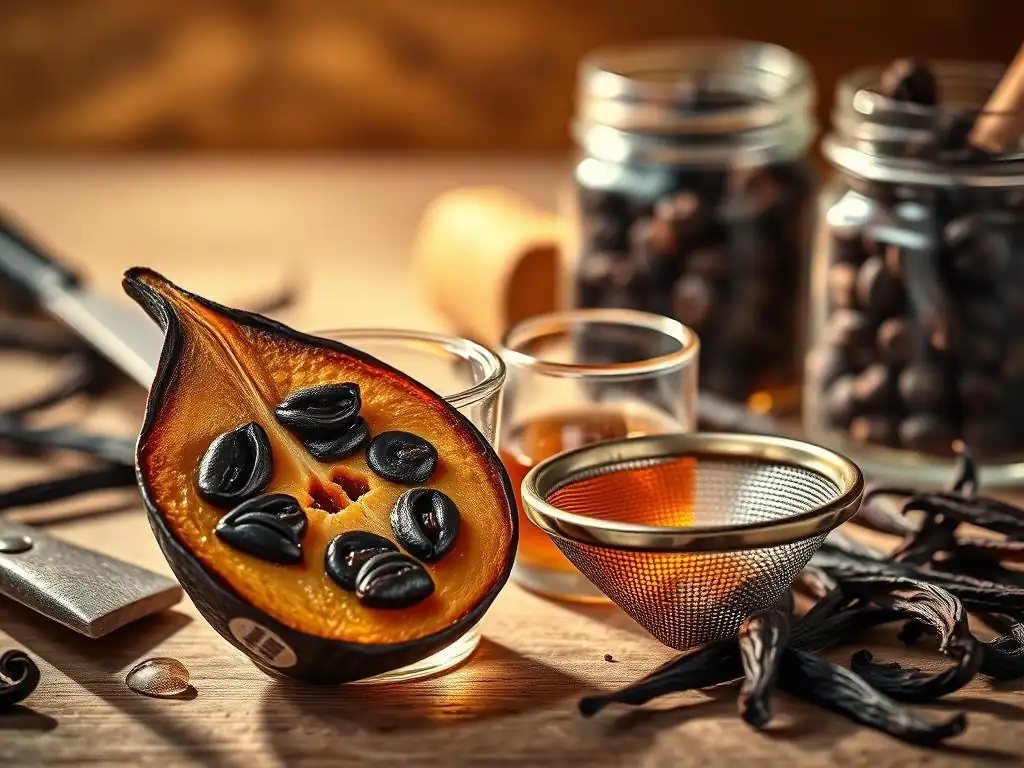
Using a whole vanilla bean, particularly by scraping the seeds (often called "vanilla caviar"), offers the most direct and arguably the richest vanilla experience. The flavor compounds are released along with the natural oils present in the bean, contributing a creamy mouthfeel and distributing the full spectrum of aromatics.
The visual appeal of the tiny black seeds is also a major draw in dishes like crème brûlée, panna cotta, or ice cream bases. The flavor profile tends to be more nuanced, reflecting the specific origin and curing of the bean, with notes that can range from fruity and floral (Tahitian) to smoky and spicy (Mexican) or creamy and classic (Madagascar).
Vanilla Extract: Consistency and Accessibility
Vanilla extract provides a consistent, easy-to-measure source of vanilla flavor. It disperses readily into batters and doughs, ensuring even flavor distribution throughout the finished product. This consistency makes it a reliable choice for everyday baking.
While a good quality extract captures many of the volatile compounds from the bean, the extraction process and filtering can sometimes result in a slightly less complex profile compared to using the whole bean. However, the convenience and reliability of extract make it indispensable in the baker's pantry.
How the Different Flavor Profiles Affect Baking Results
The choice between bean and extract can subtly but noticeably impact the final baked good. In delicate, dairy-based desserts like custards or mousses, the richness and complexity of a scraped vanilla bean truly shine, contributing both flavor and texture from the seeds.
In recipes with stronger flavors, such as chocolate cakes or spiced cookies, a high-quality extract might be sufficient to provide a background note of vanilla without the expense or visual impact of the bean. For applications requiring precise liquid measurements, extract is often preferred. Understanding the desired outcome helps determine which form of vanilla, and which method of vanilla bean flavor extraction led to it, is best suited for the task.
Baking Applications: Choosing the Right Vanilla for the Job
Vanilla Bean in Crème brûlée
Crème brûlée is a classic example where a vanilla bean is often the superior choice. The base is typically cream, egg yolks, and sugar – simple ingredients that allow the pure, complex flavor of the vanilla to be the star. Infusing a split vanilla bean into the warm cream extracts the flavors beautifully.
The presence of the tiny black vanilla seeds distributed throughout the smooth custard also adds a visual cue of quality and authenticity that is highly prized in this dessert. Using the whole bean ensures the full spectrum of compounds is present, contributing to a richer, more aromatic crème brûlée.
For something like chocolate chip cookies, vanilla extract is usually the preferred and most practical option. The robust flavors of brown sugar, butter, and chocolate can stand up to, and are complemented by, the reliable flavor of vanilla extract.
Adding liquid extract is easy to incorporate into the wet ingredients of a cookie dough, ensuring even distribution without the need for scraping beans or worrying about seed dispersal. While you could use vanilla bean paste (which contains seeds suspended in extract/syrup) or even scraped bean, extract provides excellent flavor for the cost and effort in this context.
Recommendations for Vanilla Usage in Different Recipes
- Custards, Puddings, Ice Cream Bases: Vanilla Bean (infused in dairy) or high-quality Vanilla Bean Paste.
- Cakes, Muffins, Brownies: Vanilla Extract (standard or double-fold depending on desired intensity).
- Frostings, Whipped Cream: Vanilla Extract (good quality, perhaps double-fold for intensity) or Vanilla Bean Paste.
- Simple Syrups, Sauces: Vanilla Bean (infused and then removed) or Vanilla Extract.
- Shortbread, Sugar Cookies: Vanilla Extract or Vanilla Bean Paste to showcase the flavor.
Ultimately, the best choice depends on desired flavor intensity, visual appeal, cost, and the nature of the recipe's other ingredients. Both forms, derived from careful vanilla bean flavor extraction, have their place in the baker's repertoire.
Maximizing Vanilla Flavor in Your Baking
Tips for Using Vanilla Bean Effectively
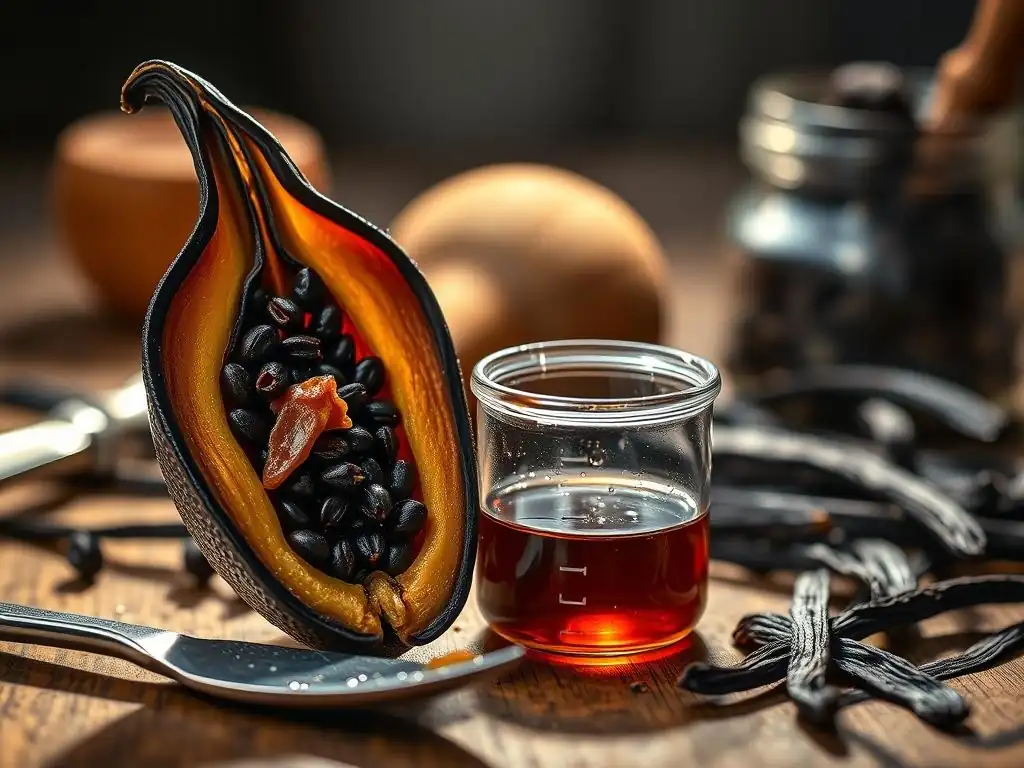
When using a vanilla bean, ensure you get the most out of it. First, choose a plump, flexible bean, which indicates freshness and proper curing. Split it lengthwise with a sharp knife to expose the seeds. Scrape the seeds out using the back of the knife. These seeds, along with the scraped pod, should be infused into a warm liquid (like milk or cream) as specified in your recipe.
- Pro Tip: Don't discard the scraped pod immediately! You can rinse it, dry it, and store it in a jar of sugar to make vanilla sugar, or add it to a bottle of neutral spirit to start making your own vanilla extract (a form of vanilla bean flavor extraction! ).
Tips for Using Vanilla Extract Effectively
For vanilla extract, quality matters. Look for "pure vanilla extract" which signifies it meets the FDA standard and is made solely from vanilla beans, alcohol, and water. Avoid "imitation vanilla flavor," which is typically synthetic vanillin. Add vanilla extract at the appropriate stage in your recipe; often, it's added with other liquid ingredients or fats.
- Consider adding vanilla towards the end of cooking for maximum impact in certain dishes, although for most baked goods, adding it early is fine as the flavor compounds are relatively stable.
- Measure accurately: While it might be tempting to eyeball it, using the specified amount helps ensure consistent results.
Tips for Pairing Vanilla with Complementary Flavors
Vanilla is a team player! It enhances and complements a wide range of other flavors:
- Chocolate: Vanilla smooths out chocolate's bitterness and enhances its depth.
- Fruits: Berries, citrus, and stone fruits are all brightened by vanilla.
- Spices: Cinnamon, nutmeg, cardamom, and ginger are classic partners.
- Dairy: Cream, milk, butter, and cheese (in cheesecakes, for example) all benefit from vanilla's creamy notes.
- Nuts: Almonds, pecans, and walnuts pair beautifully with vanilla.
Experimenting with these pairings, using either vanilla bean or extract depending on the application, allows you to fully appreciate vanilla's versatility and the impact of careful vanilla bean flavor extraction.
Storing Vanilla for Optimal Flavor Preservation
Proper storage is key to maintaining the quality and potency of your vanilla, whether it's beans or extract, ensuring the flavor compounds achieved through vanilla bean flavor extraction remain vibrant.
Proper Storage of Vanilla Beans
Vanilla beans should be stored in a cool, dark place, away from direct sunlight and heat, which can degrade the flavor compounds. The ideal container is airtight to prevent drying out, but not vacuum-sealed, as the beans need a tiny bit of air circulation.
- Glass tubes or jars are excellent.
- Wrap beans in wax paper or plastic wrap before placing them in an airtight container for extra protection.
- Avoid refrigeration, which can dry them out and cause crystallization (though crystallization is harmless vanillin, it can indicate drying).
- Check them periodically to ensure they aren't drying out or molding. Properly stored beans can last for many months, even a year or more.
Proper Storage of Vanilla Extract
Vanilla extract has a very long shelf life, largely due to its alcohol content. It should be stored in a cool, dark place, like a pantry, away from heat and light.
- Keep it in its original dark glass bottle, as this helps protect it from light degradation.
- Ensure the cap is tightly sealed after each use to prevent the alcohol (and volatile flavor compounds) from evaporating.
- Vanilla extract doesn't need to be refrigerated. While it won't spoil in the traditional sense, its flavor can subtly change or weaken over many years.
Conclusion: Appreciating the Nuances of Vanilla Flavor
Embrace the Science of Baking with Vanilla
Vanilla is far more than just a sweet flavor; it's a complex symphony of aromatic compounds, primarily vanillin, but supported by a fascinating cast of minor players like piperonal, guaiacol, and furfural. The journey from a green, unripe orchid pod to the fragrant vanilla bean and potent extract is a testament to natural chemistry and careful processing, including the crucial step of vanilla bean flavor extraction.
Understanding the science behind vanilla, the difference between beans and extract, and the methods of vanilla bean flavor extraction empowers you as a baker. It allows you to choose the right form of vanilla for the right application, appreciate the subtle nuances in flavor profiles, and store your vanilla properly to preserve its precious aromatics. So, the next time you reach for vanilla, take a moment to appreciate the incredible journey this ingredient has taken and the science that unlocks its magical flavor.
Frequently Asked Questions
How does vanilla bean flavor extraction differ from using vanilla extract?
Vanilla bean flavor extraction involves directly infusing a liquid base with the bean's flavor compounds, while vanilla extract is already a pre-extracted concentrated solution. This means the process and final flavor profile will differ.
What are the key flavor compounds responsible for the unique taste of vanilla?
The primary flavor compound is vanillin, but the complex flavor profile also includes over 200 other compounds. These compounds contribute to the overall richness and depth of the vanilla flavor.
Which method, using vanilla beans or extract, provides a more intense vanilla flavor?
Generally, using vanilla beans allows for a more intense and complex flavor, as you're extracting directly from the source. However, the intensity depends on the extraction method and quality of the beans.
Can I substitute vanilla extract for vanilla bean in a recipe, and if so, what's the appropriate ratio?
Yes, you can substitute, but the flavor won't be identical. A common ratio is 1 vanilla bean equals about 1-2 teaspoons of vanilla extract, but adjust to taste.
What are some factors that influence the quality and flavor of vanilla beans?
Factors include origin, curing process, vanillin content, and bean plumpness. These directly impact the intensity and complexity of the resulting vanilla flavor in your baked goods.
Final Reflection: Unlocking the Secrets of Vanilla's Essence
The quest for the perfect vanilla flavor is far from over, and understanding the nuanced differences between bean and extract is crucial in the culinary and perfumery worlds. The journey through the complex chemistry of vanilla, as detailed in this article, highlights the significant disparity in flavor profiles stemming from the extraction process. This isn't merely a matter of preference; it's a scientific exploration with profound implications for both the industry and the consumer.
The impact of vanilla extends far beyond its delicious aroma and taste; it's woven into the fabric of our cultural heritage and culinary traditions. From the ancient Aztec civilizations to modern-day patisseries, vanilla has held a place of prestige and desirability. Its complex flavor profile, as we've explored, is a testament to nature's artistry, and the methods of extraction profoundly impact the final product. The true flavor of vanilla is a symphony of compounds, each contributing its unique note to the overall composition.
This quote encapsulates the core message of our exploration, emphasizing the importance of appreciating the intricate science behind this beloved flavor.
Consider, for a moment, the next time you encounter vanilla. Whether it's in a decadent dessert or a subtly scented candle, take a moment to appreciate the journey from bean to final product. What nuances can you detect? How does your understanding of the extraction process influence your appreciation of the flavor? Let this exploration inspire you to delve deeper into the world of flavor, to seek out the authentic and to understand the science behind the sensory experiences that enrich our lives.
Unleash Your Inner Vanilla Expert!
Thanks for exploring the fascinating world of vanilla with us! You've now unlocked the secrets behind those rich, complex flavors – and we know you're ready to put that knowledge to the test.
Here's how you can take your baking to the next level:
- Experiment with different vanilla varieties: Try substituting pure vanilla bean paste in your next batch of cookies or cakes, and notice the difference! Compare the subtle nuances between pure vanilla extract and bean paste.
- Share your vanilla discoveries: Tell us (and your fellow baking enthusiasts!) about your vanilla experiments! What are your favorite recipes that highlight vanilla's unique character?
- Dive deeper into the BakeWithEase archives: Explore our other articles on flavor pairings and baking techniques—many recipes feature vanilla prominently!
So, what incredible vanilla-infused creation will you bake next?