
Simple Sourdough Discard Pasta Dough from Scratch

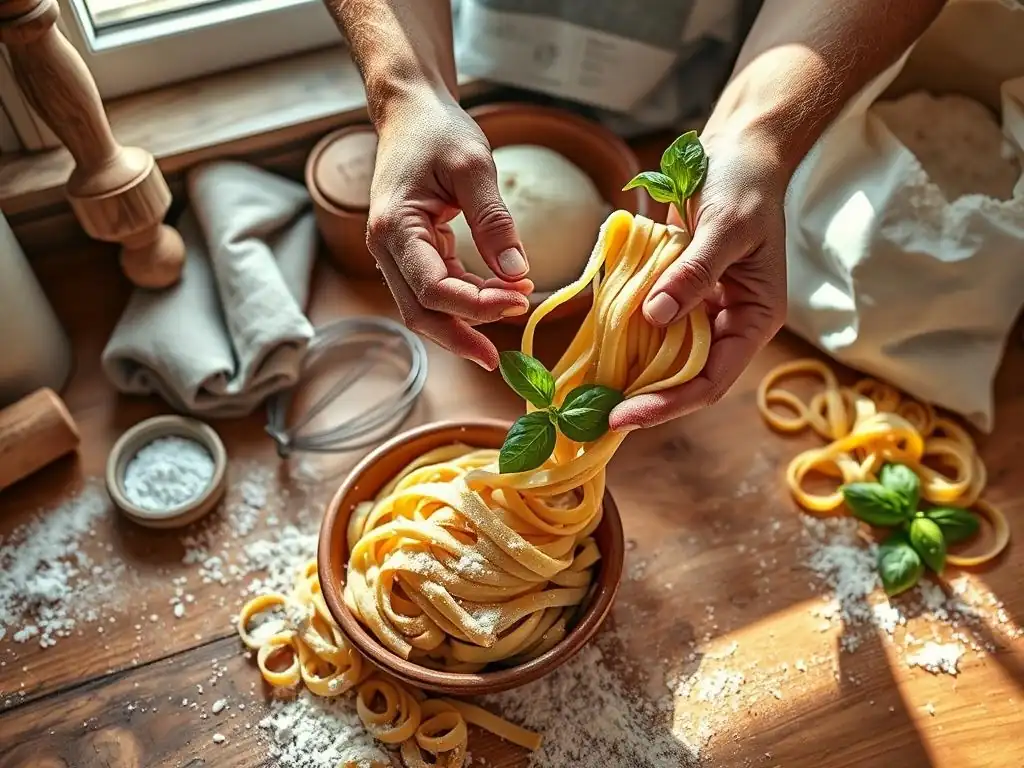
Welcome to BakeWithEase, where transforming simple ingredients into extraordinary creations is our passion! Ever wondered what to do with that sourdough discard? Discover a delicious and surprisingly easy sourdough discard pasta dough recipe that will revolutionize your weeknight dinners. Get ready to turn your baking byproducts into culinary masterpieces – the secrets are just a scroll away!
- Introduction to Sourdough Discard Pasta Dough
- Easy Sourdough Discard Pasta Dough Recipe: A Step-by-Step Guide
- Making the Sourdough Discard Pasta Dough: The Process
- Rolling and Shaping Your Homemade Pasta
- Cooking Your Fresh Sourdough Discard Pasta
- Sourdough Discard Pasta Dough: Troubleshooting and FAQs
- Delicious Sourdough Discard Pasta Recipe Ideas
- Expanding Your Sourdough Baking
-
Frequently Asked Questions
- What exactly is sourdough discard, and why can I use it in pasta dough?
- Can I use sourdough starter that's not discard?
- What kind of flour is best for making easy sourdough discard pasta dough?
- How long does the sourdough discard pasta dough need to rest before rolling?
- Can I freeze sourdough discard pasta dough?
- Final Reflection: The Unexpected Joy of Sourdough Discard Pasta
- Unleash Your Inner Pasta Chef!
Introduction to Sourdough Discard Pasta Dough
What is Sourdough Discard and Why Use it in Pasta?
Sourdough discard is essentially the portion of your sourdough starter that you remove before feeding it. It's not actively bubbly or leavening, but it's still packed with flavor and the wild yeast and bacteria culture that gives sourdough its unique character. Regularly discarding a portion is necessary to maintain a healthy, active starter by controlling its volume and acidity. Instead of throwing this flavorful ingredient away, it can be repurposed in a multitude of recipes, adding a subtle tang and complexity. Think of it as a liquid flour mixture with a built-in flavor enhancer.
Using sourdough discard in pasta dough is a fantastic way to reduce food waste while infusing your homemade pasta with a delightful depth of flavor. The discard, typically kept in the refrigerator between feedings, is usually at 100% hydration (equal parts flour and water by weight), though this can vary. Incorporating it into a simple pasta dough recipe adds moisture and a signature tangy note that complements many sauces beautifully. It's a simple swap that elevates your pasta-making game significantly.
Benefits of Using Sourdough Discard in Homemade Pasta
Beyond reducing waste, using sourdough discard offers several benefits for your homemade pasta. Firstly, it imparts a unique, slightly tangy flavor profile that you just can't get with standard pasta dough made only from flour and water or eggs. This subtle acidity can cut through rich sauces and add an extra dimension to your dish. Secondly, the enzymes present in the sourdough culture can potentially help break down some of the starches in the flour, which some believe can lead to a more digestible pasta.
Furthermore, the hydration and composition of the discard can influence the dough's texture. While it doesn't provide significant leavening in a dense pasta dough structure, the starter's natural acids can interact with the flour's gluten, potentially affecting the dough's elasticity and workability. Using this easy sourdough discard pasta dough is a rewarding way to experiment with fermentation flavors in non-bread applications, making your cooking both more sustainable and more delicious.
Easy Sourdough Discard Pasta Dough Recipe: A Step-by-Step Guide
Ingredients for Your Sourdough Discard Pasta
Creating a delicious easy sourdough discard pasta dough requires just a few basic ingredients. The core components are flour, sourdough discard, and often eggs. For approximately 4 servings of pasta, you'll typically need around 200-250 grams of all-purpose flour or '00' pasta flour. '00' flour is finely milled and low in protein, ideal for tender pasta, but all-purpose works well too. You'll also need about 100-150 grams of unfed, refrigerated sourdough discard. The amount can be adjusted slightly depending on the hydration of your discard and desired dough consistency.
Eggs are crucial for richness, color, and binding the dough. A standard ratio often includes 2-3 large eggs per 200-250g of flour. Some recipes might call for a splash of water if the dough is too dry, or a pinch of salt for flavor, though salt can sometimes be omitted in the dough itself and added to the cooking water. Ensure your sourdough discard is unfed and at room temperature for easier incorporation into the dough.
Essential Equipment for Making Homemade Pasta
While you can make pasta dough with minimal tools, having the right equipment simplifies the process significantly. A large mixing bowl or a clean work surface (like a wooden board or countertop) is necessary for combining ingredients and kneading. A fork or whisk is useful for beating the eggs and mixing the initial ingredients. A bench scraper is invaluable for gathering the dough and cleaning your work surface.
For rolling and shaping, you have options. A good quality rolling pin is essential if you plan to roll the pasta by hand. If you're using a pasta machine, you'll need the machine itself, which typically includes attachments for rolling sheets and cutting different shapes like fettuccine or spaghetti. A sharp knife or a pizza cutter is useful for cutting dough sheets by hand. Finally, a drying rack or a clean surface dusted with semolina flour is needed to dry your fresh pasta slightly before cooking.
Making the Sourdough Discard Pasta Dough: The Process
Step 1: Combining the Ingredients for the Pasta Dough
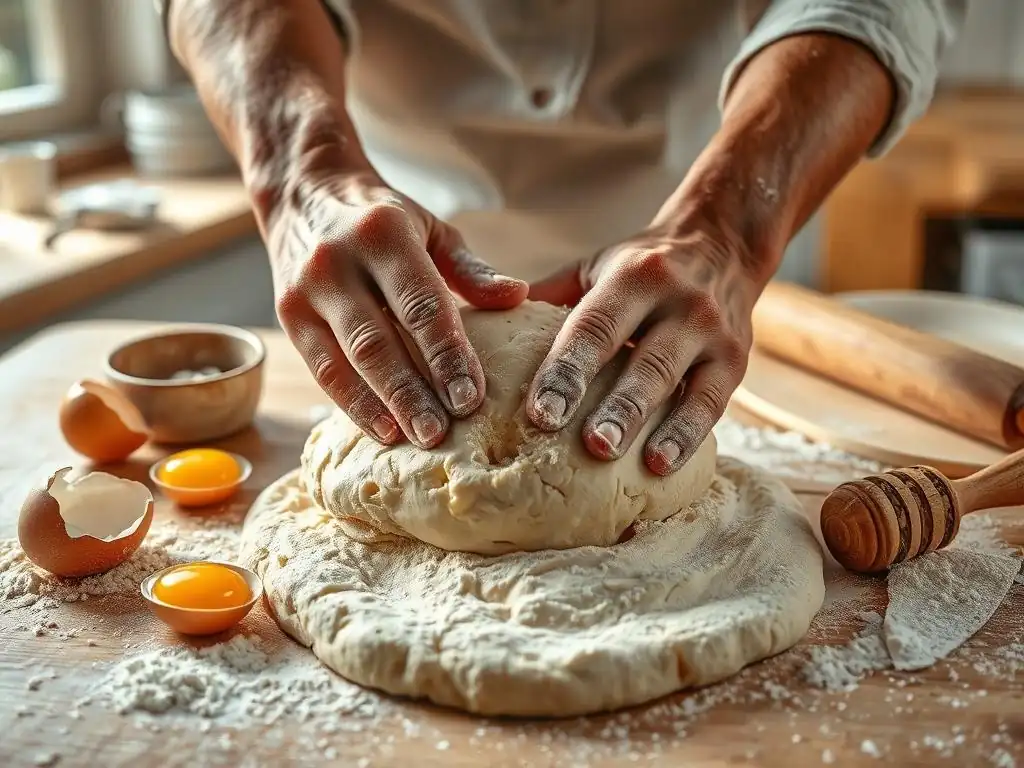
Begin by mounding your flour on a clean work surface. Create a well in the center of the flour mound, large enough to hold the wet ingredients. Crack the eggs into the well and add your unfed sourdough discard. If using salt, add it to the well as well. Using a fork, gently whisk the eggs and discard together in the center, gradually incorporating flour from the sides of the well.
Continue mixing with the fork until a shaggy dough forms. At this point, you can switch to using your hands or a bench scraper to fold the remaining flour into the wet mixture. The dough will be sticky initially. Scrape down your hands and the work surface as needed to bring all the ingredients together into a cohesive ball. This initial mixing stage is about hydration and bringing the components of your easy sourdough discard pasta dough together before kneading begins.
Step 2: Kneading the Sourdough Discard Dough
Once the ingredients are roughly combined into a ball, it's time to knead. Kneading develops the gluten structure in the flour, which gives the pasta its elasticity and chewiness. Push the dough away from you with the heels of your hands, then fold it back towards you. Rotate the dough slightly and repeat the push-and-fold motion. The dough will become smoother and more elastic as you knead.
Knead the dough for about 8-10 minutes by hand. You're looking for a dough that is smooth, elastic, and springs back slowly when gently poked. It should no longer be overly sticky. If using a stand mixer with a dough hook, knead on medium-low speed for about 5-7 minutes.
A good test for readiness is the windowpane test: pinch off a small piece of dough and gently stretch it. If you can stretch it thin enough to see light through it without tearing, the gluten is well-developed. This is a crucial step for a successful easy sourdough discard pasta dough.
Step 3: Resting the Pasta Dough - Important Tips
After kneading, the sourdough discard pasta dough needs to rest. This allows the gluten to relax, making the dough much easier to roll out thinly without it snapping back excessively. Resting also helps to evenly distribute the moisture throughout the dough. Shape the dough into a ball, flatten it slightly into a disc, and wrap it tightly in plastic wrap or place it in a sealed container.
Let the dough rest at room temperature for at least 30 minutes, and up to an hour. For even better results, especially if you're not using it immediately, you can rest it in the refrigerator for several hours or even overnight. Cold dough can sometimes be easier to handle and roll. Ensure it's well-wrapped to prevent drying out, which can lead to tough pasta. This resting period is non-negotiable for achieving a pliable dough for your easy sourdough discard pasta dough.
Rolling and Shaping Your Homemade Pasta
Hand Rolling Sourdough Discard Pasta Dough
Rolling pasta dough by hand is a traditional method that requires some effort but is very rewarding. Begin by cutting a portion of your rested dough – keep the unused portion covered to prevent it from drying. On a lightly floured surface, flatten the dough with your hands or a rolling pin. Start rolling from the center outwards, rotating the dough frequently and flipping it over to ensure even thickness.
The goal is to roll the dough as thinly as possible, ideally to a thickness of about 1-2 millimeters for most pasta shapes. You should be able to see your hand faintly through the dough sheet. If the dough resists or springs back, cover it and let it rest for another 5-10 minutes before continuing. Once rolled, you can cut the sheet into desired shapes using a knife or pastry wheel. For example, cut into wide strips for pappardelle or narrower ones for fettuccine. Dust the cut pasta generously with semolina flour to prevent sticking.
Using a Pasta Machine for a Perfect Dough
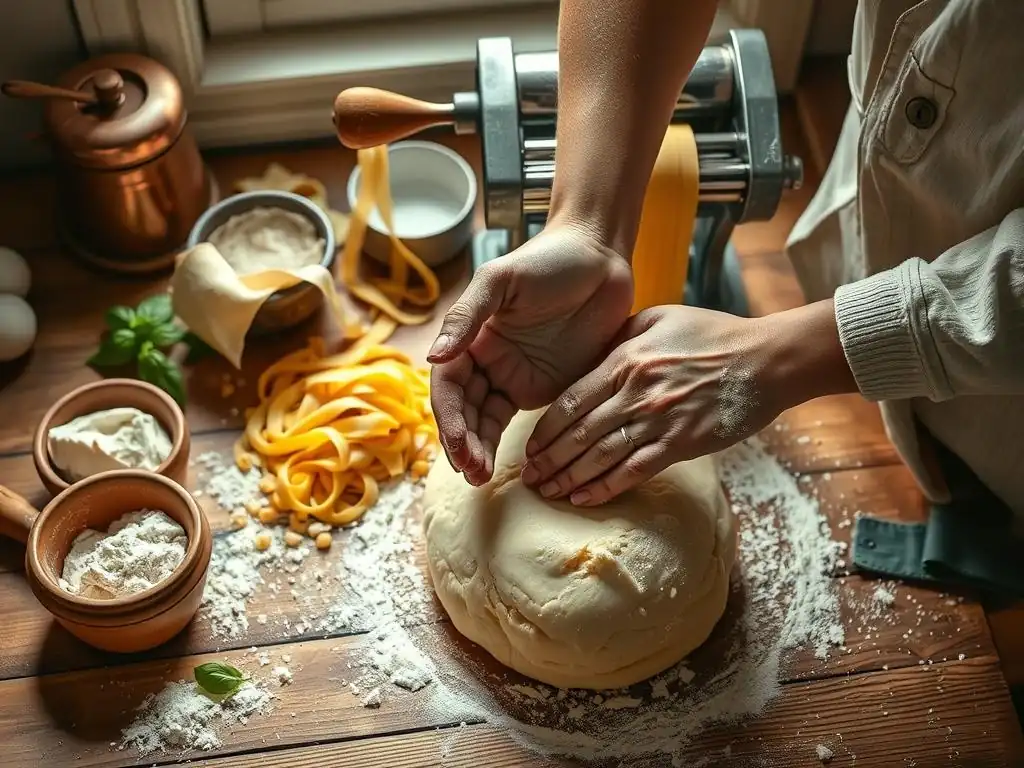
Using a pasta machine is often the easiest way to achieve consistent thickness when rolling your easy sourdough discard pasta dough. Start with a portion of dough (keep the rest covered). Flatten it into an oval or rectangle that will fit into the widest setting of your pasta machine. Pass the dough through the widest setting. Fold the dough in thirds (like a letter) and pass it through the widest setting again. Repeat this folding and passing a few times (about 5-6 times) – this further kneads the dough and makes it smooth and elastic.
Once the dough is smooth, begin passing it through progressively narrower settings on the machine, decreasing the thickness one setting at a time. Do not skip settings, as this can tear the dough. After each pass, the dough sheet will become longer and thinner. Continue until you reach the desired thickness for your pasta shape (e.g., setting 6 or 7 for fettuccine, setting 8 or 9 for spaghetti). Attach the appropriate cutter attachment and feed the rolled sheet through to cut the pasta. Dust the cut pasta with semolina flour.
Different Pasta Shapes You Can Make
The beauty of making easy sourdough discard pasta dough from scratch is the ability to create virtually any pasta shape. Simple shapes like fettuccine, tagliatelle, and pappardelle are made by folding thin sheets of dough and slicing them into varying widths. For spaghetti or linguine, a pasta machine cutter attachment is typically used.
More complex shapes like ravioli or tortellini involve filling small parcels of dough. Lasagna sheets are simply wide, thin rectangles. You can also make shapes like farfalle (bow ties) by cutting rectangles, pinching the center, or malfatti (poorly made) dumplings from scraps. The key is to match the shape to the sauce – thicker pasta like pappardelle stands up well to hearty meat sauces, while thinner shapes like linguine are great with lighter sauces like pesto or seafood.
Cooking Your Fresh Sourdough Discard Pasta
How to Cook Fresh Pasta for the Best Texture
Cooking fresh pasta is quick and requires careful timing to achieve the perfect al dente texture. Use a large pot and bring a generous amount of water to a rolling boil. As a general rule, use at least 4 liters of water per 250 grams of pasta to prevent the pasta from sticking together. Salt the water generously – it should taste like the sea. This is the only chance to season the pasta itself internally.
Add the fresh sourdough discard pasta to the boiling water. Stir gently immediately after adding to prevent sticking. Fresh pasta cooks much faster than dried pasta, typically taking only 2-4 minutes, depending on the thickness and shape. Keep a close eye on it. Taste a piece after 2 minutes and continue checking every 30 seconds or so until it is cooked through but still has a slight bite (al dente).
Tips for Perfectly Cooked Homemade Pasta
Achieving perfectly cooked homemade pasta consistently relies on a few key tips. Firstly, ensure your water is truly at a rolling boil before adding the pasta. If the water temperature drops too much, the pasta can become gummy. Secondly, don't overcrowd the pot; cook in batches if necessary to maintain water temperature and prevent sticking.
Thirdly, time the cooking precisely. Since fresh pasta cooks so quickly, overcooking is easy. Taste testing is the most reliable method. Lastly, reserve some of the starchy pasta cooking water before draining. This cloudy water is liquid gold for sauces; it helps emulsify the sauce and helps it cling to the pasta. Drain the pasta using a colander, but don't rinse it, as this removes the starch needed for the sauce to adhere. Toss the drained pasta immediately with your prepared sauce.
Sourdough Discard Pasta Dough: Troubleshooting and FAQs
Common Problems and Solutions When Making Pasta Dough
Making easy sourdough discard pasta dough is generally straightforward, but sometimes issues arise.
- Problem: Dough is too sticky after kneading.
- Solution: This usually means there's too much hydration or not enough kneading. Add a tablespoon of flour at a time and continue kneading until the dough is smooth and only slightly tacky.
- Problem: Dough is too dry and crumbly.
- Solution: Not enough liquid. If still kneading, wet your hands slightly with water or olive oil and continue kneading. If already rested, you can try kneading in a teaspoon of water at a time, but this is harder once gluten is developed. Ensure your discard hydration wasn't significantly lower than 100%.
- Problem: Dough tears when rolling.
- Solution: The gluten isn't relaxed. This means it either wasn't kneaded enough or didn't rest long enough. Knead for a few more minutes or wrap it tightly and let it rest for another 15-30 minutes.
Storing Leftover Sourdough Discard Pasta Dough
If you make more easy sourdough discard pasta dough than you need for one meal, you can store the excess dough for later use. Wrap the dough ball tightly in plastic wrap, pressing out as much air as possible. Place the wrapped dough in an airtight container or a resealable plastic bag.
Store the dough in the refrigerator for up to 2-3 days. The flavor may deepen slightly due to the sourdough culture. When you're ready to use it, take it out of the refrigerator about 30 minutes to an hour before rolling to allow it to come closer to room temperature, which makes it easier to handle.
Can I Freeze Sourdough Discard Pasta?
Yes, you can freeze fresh sourdough discard pasta, either as dough or shaped pasta. To freeze the dough, wrap it very tightly in plastic wrap and then place it in a freezer-safe bag or container. It can be frozen for up to 3-4 weeks. Thaw overnight in the refrigerator before rolling and shaping.
To freeze shaped pasta (like fettuccine or ravioli), first flash freeze it. Arrange the cut pasta in a single layer on a baking sheet lined with parchment paper. Place the baking sheet in the freezer for about 15-30 minutes, until the pasta is solid. Once frozen, transfer the pasta to a freezer-safe bag or container. This prevents the pasta from sticking together. Frozen pasta can be cooked directly from frozen; it will just take a minute or two longer than fresh pasta.
Delicious Sourdough Discard Pasta Recipe Ideas

Brown Butter and Sage Sauce
A simple yet incredibly flavorful sauce that pairs wonderfully with the subtle tang of easy sourdough discard pasta dough. Melt unsalted butter in a pan over medium heat. Continue cooking, swirling occasionally, until the butter turns a nutty brown color and smells fragrant. Be careful not to burn it. Add fresh sage leaves to the brown butter and let them crisp up for about 30 seconds.
Toss your freshly cooked sourdough discard pasta directly into the pan with the brown butter and sage. Add a splash of the reserved pasta cooking water to create a light sauce that coats the pasta beautifully. Finish with grated Parmesan cheese and cracked black pepper. This sauce highlights the pasta's texture and the brown butter's richness complements the sourdough notes.
Spinach and Ricotta Filling for Ravioli
If you're making ravioli with your easy sourdough discard pasta dough, a classic spinach and ricotta filling is a perfect choice. Sauté fresh spinach until wilted, then squeeze out as much moisture as possible. Chop the spinach finely. In a bowl, combine the chopped spinach with ricotta cheese (about 250g ricotta for every 100-150g spinach), grated Parmesan cheese (around 50g), a pinch of nutmeg, salt, and pepper.
Mix the filling thoroughly. Roll your pasta dough into thin sheets. Place small spoonfuls of the filling onto one sheet, leaving space between them. Brush the edges around the filling with water or egg wash. Place another pasta sheet on top and press down gently around the filling to seal, pushing out any air pockets. Cut into individual ravioli using a knife or ravioli cutter. Serve with a light tomato sauce or simply with melted butter and sage.
Lemon Garlic Shrimp with Linguine
The bright, zesty flavors of a lemon garlic shrimp sauce are a fantastic match for easy sourdough discard pasta dough, especially when shaped as linguine. In a large skillet, heat olive oil and butter over medium heat. Add minced garlic and cook until fragrant, about 1 minute. Add peeled and deveined shrimp and cook until pink and opaque, about 2-3 minutes per side depending on size.
Remove the shrimp from the pan. Add white wine (optional) or chicken broth to the pan and scrape up any browned bits. Add fresh lemon juice and a little lemon zest. Let the sauce simmer briefly. Toss in the cooked sourdough discard linguine, the cooked shrimp, and chopped fresh parsley. Add a splash of pasta water if needed to create a light sauce. Serve immediately, perhaps with a sprinkle of red pepper flakes for a little heat.
Expanding Your Sourdough Baking
Other Sourdough Recipes to Explore
Once you've mastered easy sourdough discard pasta dough, a world of other sourdough discard recipes opens up. Discard is incredibly versatile and can be used in both savory and sweet applications. Consider making sourdough discard pancakes or waffles for a tangy breakfast treat. The discard adds tenderness and a subtle depth of flavor.
Other popular uses include sourdough discard crackers, which are crispy, flavorful, and a great way to use up large amounts of discard. You can also incorporate discard into quick breads like muffins, scones, or biscuits, where it acts more as a flavor enhancer and tenderizer than a leavening agent. Even desserts like cakes and cookies can benefit from the addition of discard, adding a pleasant tang that balances sweetness.
Advanced Sourdough Techniques
Moving beyond discard recipes, exploring advanced sourdough techniques can deepen your baking skills. This includes understanding how to maintain a very active, bubbly starter for leavened bread, learning about different hydration levels in dough, and experimenting with longer fermentation times (cold proofing in the refrigerator) to develop more complex flavors and textures in your bread.
Techniques like stretch and folds or coil folds are essential for developing gluten in high-hydration doughs. Understanding the nuances of shaping different loaf types, scoring the dough before baking, and baking in a Dutch oven or with steam are all part of the journey towards baking beautiful, airy sourdough bread. Each step, from maintaining your starter to baking your loaf or rolling your easy sourdough discard pasta dough, builds your confidence and skill in the rewarding world of sourdough.
Frequently Asked Questions
What exactly is sourdough discard, and why can I use it in pasta dough?
Sourdough discard is the unfed portion of your sourdough starter. It can be used in pasta dough because it adds a subtle tang and improves the dough's texture and elasticity.
Can I use sourdough starter that's not discard?
While you can, it's generally not recommended as it will affect the flavor. Sourdough discard offers a more subtle sourdough flavor and avoids depleting your active starter.
What kind of flour is best for making easy sourdough discard pasta dough?
All-purpose flour works well for a simple dough. For a chewier texture, consider using bread flour or a combination of both.
How long does the sourdough discard pasta dough need to rest before rolling?
Allow the dough to rest for at least 30 minutes, or up to an hour, wrapped in plastic wrap. This allows the gluten to relax, making it easier to roll out.
Can I freeze sourdough discard pasta dough?
Yes, you can! Form the dough into a disc, wrap tightly in plastic wrap, and then place in a freezer bag. It will keep for up to 3 months. Thaw it completely in the refrigerator before using.
Final Reflection: The Unexpected Joy of Sourdough Discard Pasta
Harnessing the power of sourdough discard isn't just about reducing waste; it's about unlocking a world of culinary creativity. This simple pasta recipe proves that transforming what was once considered a byproduct into something delicious and satisfying is entirely achievable, even for beginner cooks. The ease of the process, coupled with the incredible taste and texture of the final product, makes this a recipe worth celebrating.
The journey of making this pasta, from the initial mixing of the discard to the satisfying chew of the al dente noodles, highlighted for me the inherent beauty in resourcefulness. It's a reminder that even in the seemingly mundane aspects of cooking, there's a profound connection to the ingredients and the process. Waste not, want not,
an old adage, rings truer than ever when considering the possibilities of sourdough discard. This recipe isn't just about pasta; it's about mindful cooking and appreciating the full potential of our ingredients.
Now, I invite you to embrace the simplicity and deliciousness of this recipe. Don't let your sourdough discard languish in the fridge; instead, transform it into a delightful pasta dish. Experiment with different sauces, shapes, and additions. Let this be your starting point for a journey of culinary exploration, proving that even the smallest adjustments in our kitchen practices can lead to big rewards in flavor, sustainability, and personal satisfaction. The possibilities are as endless as your imagination.
Unleash Your Inner Pasta Chef!
Thanks for joining us on this sourdough journey! You've now unlocked the secret to transforming your discarded sourdough starter into delicious, homemade pasta. Ready to take your culinary skills to the next level?
- Craft your own pasta masterpiece: Use today's recipe to create a batch of your unique sourdough pasta. Experiment with different shapes and sauces! This is your chance to shine.
- Share your creation: Show off your culinary skills by posting a picture of your pasta on social media using #BakeWithEaseSourdoughPasta. Let's inspire others!
- Explore new sourdough recipes: Head over to our recipe section for more exciting ways to use your sourdough starter, from bread to crackers and beyond!
So, what amazing sauce will you pair with your delicious, homemade sourdough pasta?