
What to Expect on a Chocolate Tasting Tour: A StepbyStep Guide

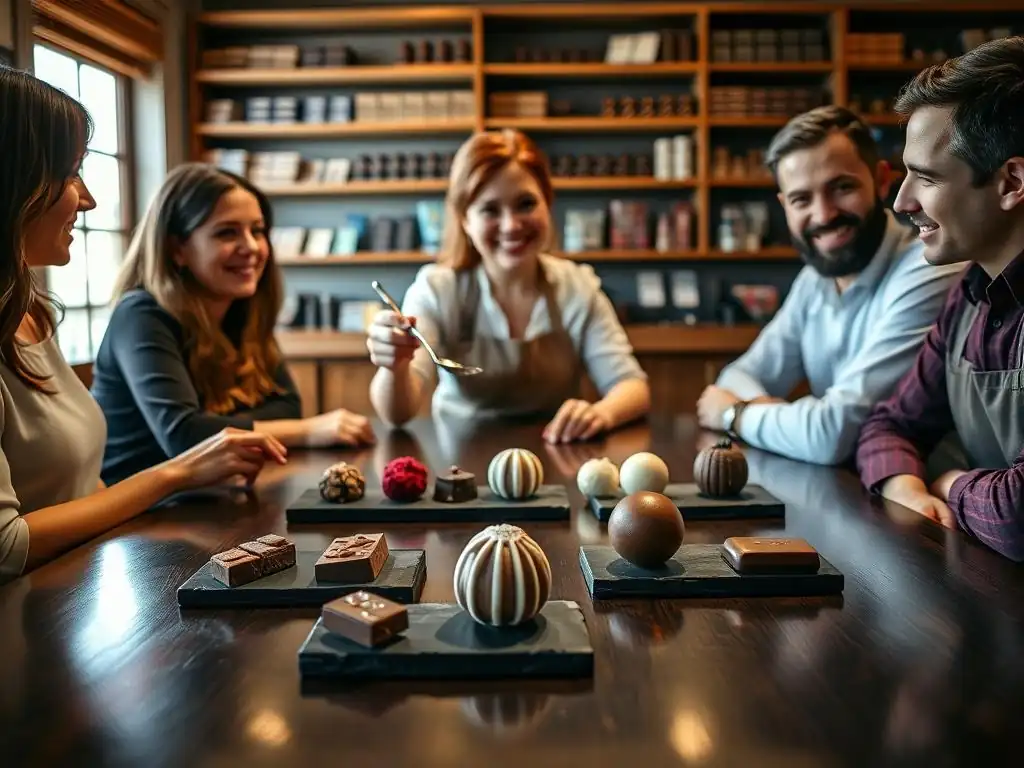
Welcome to BakeWithEase, your passport to a world of delicious possibilities! Ever wondered what it really takes to appreciate the subtle nuances of fine chocolate? Our guide, " What to Expect on a Chocolate Tasting Tour," unlocks the secrets to sensory exploration, turning you into a connoisseur. Prepare to embark on a journey of flavor, discovering how to truly savor every bite – and perhaps inspire your next baking adventure. Intrigued? Let's dive in!
- Your Ultimate Chocolate Tasting Tour Guide
- Preparing for Your Chocolate Tasting Adventure: A Pre-Tour Checklist
- A Step-by-Step Guide to a Typical Chocolate Tasting Tour
- Maximizing Your Chocolate Tasting Tour Experience
- Beyond the Tour: Continuing Your Chocolate Education
- Recommended Chocolate Tasting Tours and Experiences.
-
Frequently Asked Questions
- What is the primary focus of a chocolate tasting tour?
- What types of chocolate might be sampled on a tour?
- Are chocolate tasting tours suitable for individuals with allergies?
- How does a chocolate tasting tour differ from simply buying chocolate?
- What kind of knowledge or skills will I gain from a chocolate tasting tour?
- Final Reflection: Savor the Moment, Embrace the Experience
- Unleash Your Inner Chocoholic: Take the Next Step!
Your Ultimate Chocolate Tasting Tour Guide
Unveiling the World of Chocolate
Embarking on a chocolate tasting tour is an enriching experience that goes far beyond simply eating sweets. It's an opportunity to delve into the complex history, intricate production process, and diverse flavor profiles of one of the world's most beloved treats.
A comprehensive chocolate tasting tour guide helps you understand the journey from the cacao bean grown in equatorial regions to the finished bar you savor, revealing the artistry and science involved at each stage. This journey often highlights the significant impact of terroir, similar to wine, where the soil, climate, and geography of the cacao farm profoundly influence the final taste of the chocolate.
Understanding the basics before you go enhances the entire experience. For instance, did you know that cacao pods grow directly on the trunk and branches of the cacao tree? These pods contain beans that undergo a fascinating transformation involving fermentation, drying, roasting, grinding, conching, and tempering.
Learning about these steps, perhaps seeing some of the equipment used, provides a deeper appreciation for the effort and skill required to produce high-quality chocolate. A good chocolate tasting tour guide will walk you through these stages, often providing samples of beans at different points in the process, illustrating the dramatic changes in flavor and aroma as the chocolate develops.
Preparing for Your Chocolate Tasting Adventure: A Pre-Tour Checklist
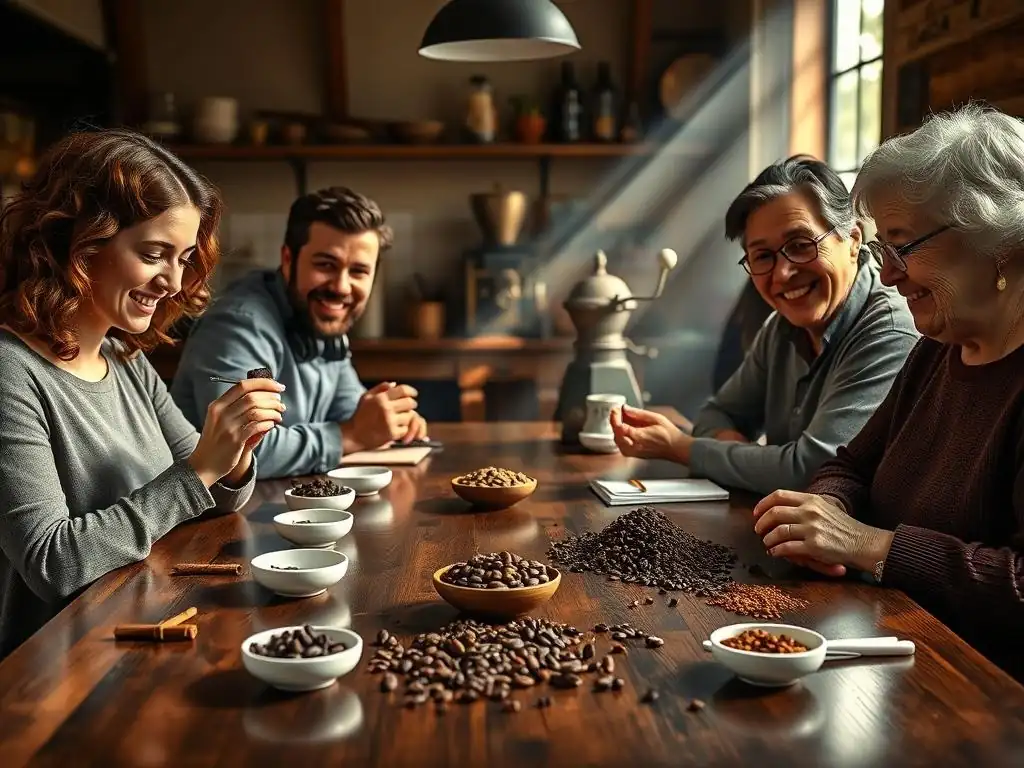
Researching and Choosing the Right Chocolate Tasting Tour
Selecting the perfect chocolate tasting tour requires a bit of homework to ensure it aligns with your interests. Tours can vary widely, focusing on different aspects such as bean-to-bar production, historical contexts, specific chocolate types (like single-origin or craft chocolate), or even chocolate and beverage pairings. Consider the tour's duration – some might be a quick hour-long session, while others could span half a day, including walking between different chocolatiers or production sites.
Reading reviews and checking the tour's itinerary on the provider's website can give you a clear picture of what to expect and if it covers the areas you're most curious about. For example, a tour focusing on craft chocolate might highlight small-batch producers and unique flavor notes, while a historical tour might delve into the origins of chocolate consumption, perhaps mentioning its use by ancient Mayan or Aztec civilizations.
It's also wise to consider the group size and the expertise of the guide. A smaller group might offer a more intimate experience with greater opportunity for questions, while a guide with extensive knowledge of cacao sourcing or chocolate chemistry can provide deeper insights.
Some tours might specialize in specific regions, like a guide focused on Belgian chocolate in Brussels or a tour detailing the production of fine flavor cacao in Ecuador. Knowing your preferences – whether you're interested in the agricultural side, the technical aspects of chocolate making, or simply tasting a wide variety – is key to choosing the best chocolate tasting tour guide for your adventure.
Understanding Cacao Percentages
Cacao percentage on a chocolate bar refers to the total proportion of ingredients derived from the cacao bean. This typically includes cacao mass (or chocolate liquor), cocoa butter, and cocoa powder. It does not include added sugar, vanilla, or emulsifiers like lecithin.
A chocolate labeled 70% cacao, for instance, means that 70% of the bar's weight comes from these cacao-derived components, with the remaining 30% usually being sugar and perhaps vanilla or lecithin. Understanding this percentage is crucial because it significantly impacts the chocolate's flavor profile and intensity. Higher percentages, like 80% or 90%, generally indicate a less sweet, more intense chocolate with stronger bitter notes and complex flavors inherent to the bean.
Conversely, lower percentages, such as 40% for milk chocolate or even 30-35% for some dark chocolates, mean a larger proportion of sugar and potentially milk solids (in milk chocolate). This results in a sweeter, often creamier, and less intensely "chocolatey" flavor.
White chocolate, by definition, contains no cacao mass, only cocoa butter, sugar, and milk solids, so it doesn't have a cacao percentage in the same way, though sometimes the percentage of cocoa butter is listed. During a chocolate tasting tour, you'll likely sample chocolates with varying percentages, allowing you to directly compare how this number affects the taste and texture, helping you refine your personal preferences.
What to Wear and Bring
Preparing for a chocolate tasting tour involves some practical considerations to ensure your comfort and enjoyment throughout the experience. Comfortable footwear is essential, especially if the tour involves walking between different locations like shops or production facilities. Layers of clothing are also recommended, as you might be moving between indoor and outdoor environments, or different rooms with varying temperatures (e.g., a warm production area versus a cooler tasting room).
Consider bringing a small bottle of water to cleanse your palate between tastings – this is a common practice to fully appreciate the distinct flavors of each chocolate sample. While some tours provide water, having your own is always a good idea. A small notebook and pen can be invaluable for jotting down notes about the chocolates you taste, the flavors you detect, or interesting facts shared by your chocolate tour guide.
This helps you remember your favorites and what you learned. Finally, a reusable bag is handy if you plan on purchasing chocolate at the end of the tour, supporting the artisans and bringing home some delicious souvenirs.
A Step-by-Step Guide to a Typical Chocolate Tasting Tour
Step 1: Introduction to Cacao Origins and Chocolate Making
Most chocolate tasting tours begin with an introduction to the source of chocolate: the cacao tree ( Theobroma cacao). Your guide will likely explain where cacao is grown – primarily within 20 degrees north and south of the equator in regions like West Africa (producing about 70% of the world's supply, with Ivory Coast and Ghana being major players), Latin America, and Asia.
You might see dried cacao beans or even a replica of a cacao pod to understand its fruit form. The guide will then walk you through the post-harvest processing steps: fermentation, which develops flavor precursors; drying, which reduces moisture; and roasting, which brings out the rich chocolate flavors we recognize.
This initial phase often involves a discussion about different cacao varieties, such as Forastero (the most common, often used in bulk chocolate), Criollo (a rarer, fine flavor bean), and Trinitario (a hybrid). Understanding these origins and the first steps of processing provides crucial context for the flavors you will later experience. For example, a guide might explain how fermentation levels can significantly impact the final acidity or fruitiness of the chocolate, setting the stage for a more informed tasting experience.
Step 2: Sensory Evaluation: Sight, Smell, and Touch
Before you even take a bite, a good chocolate tasting tour guide will teach you how to evaluate chocolate using your other senses. First, sight: examine the chocolate's appearance. High-quality chocolate should have a smooth, glossy surface, free of streaks or a dull, gray bloom (which indicates improper tempering or storage). Break a piece – it should ideally have a clean, sharp snap, especially dark chocolate, indicating proper tempering and a good crystal structure.
Next, smell: bring the chocolate close to your nose and inhale deeply. Chocolate has hundreds of aromatic compounds. Try to identify different notes beyond just "chocolatey." Are there fruity notes (like berries or citrus), floral notes (like jasmine or rose), nutty notes, or even earthy or spicy undertones? Your guide might prompt you with suggestions or explain common aromas associated with different cacao origins. Finally, touch: feel the texture. Is it smooth and velvety, or grainy? While some artisanal chocolates might have a slightly different texture, a generally smooth feel is desirable as it indicates proper grinding and conching.
Step 3: The Tasting Technique
This is the core of the experience. Your chocolate tour guide will instruct you on the proper technique to fully appreciate the flavors. Start by placing a small piece of chocolate on your tongue. Don't chew immediately. Allow it to begin melting slowly, coating your palate. Notice the mouthfeel – is it creamy, smooth, waxy, or gritty? As it melts, the flavors will start to release. Gently chew the chocolate if desired, but focus on how the flavors evolve as it liquefies.
Pay attention to the sequence of flavors. Do you taste one flavor initially, followed by others? This is called the flavor profile. Notice the finish – the lingering taste and sensations after you've swallowed or the chocolate has completely melted. Is the finish long or short? Are the flavors pleasant or does an off-note appear? This systematic approach, guided by your expert, helps you move beyond simply liking or disliking a chocolate to understanding why you feel that way, identifying specific characteristics.
Step 4: Exploring Different Chocolate Types
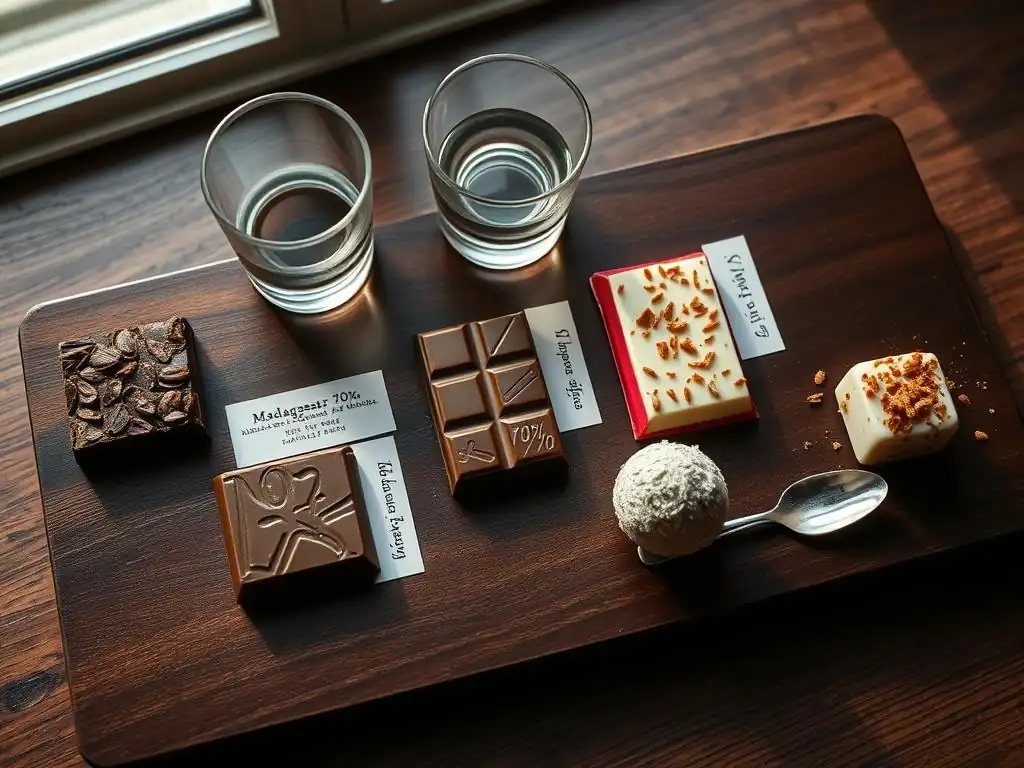
A typical chocolate tasting tour will present a range of different chocolates to compare and contrast. This often includes variations in cacao percentage (e.g., a 50% dark, a 70% dark, and an 85% dark) to demonstrate the impact of sugar content and cacao intensity. You might also sample different types like milk chocolate (containing milk solids), white chocolate (made from cocoa butter, sugar, and milk solids), or even ruby chocolate (a naturally pink chocolate with a fruity flavor).
More advanced tours or those focused on craft chocolate will likely feature single-origin chocolates. These are made from beans sourced from a specific region, farm, or cooperative, showcasing the unique terroir. For example, you might taste a single-origin chocolate from Madagascar, known for its bright, fruity notes (often raspberry or cherry), and compare it to one from Ecuador, which might have more floral or nutty characteristics. This comparison highlights how geography and bean variety influence flavor, much like tasting wines from different vineyards.
Step 5: Pairing Chocolate with Complementary Flavors
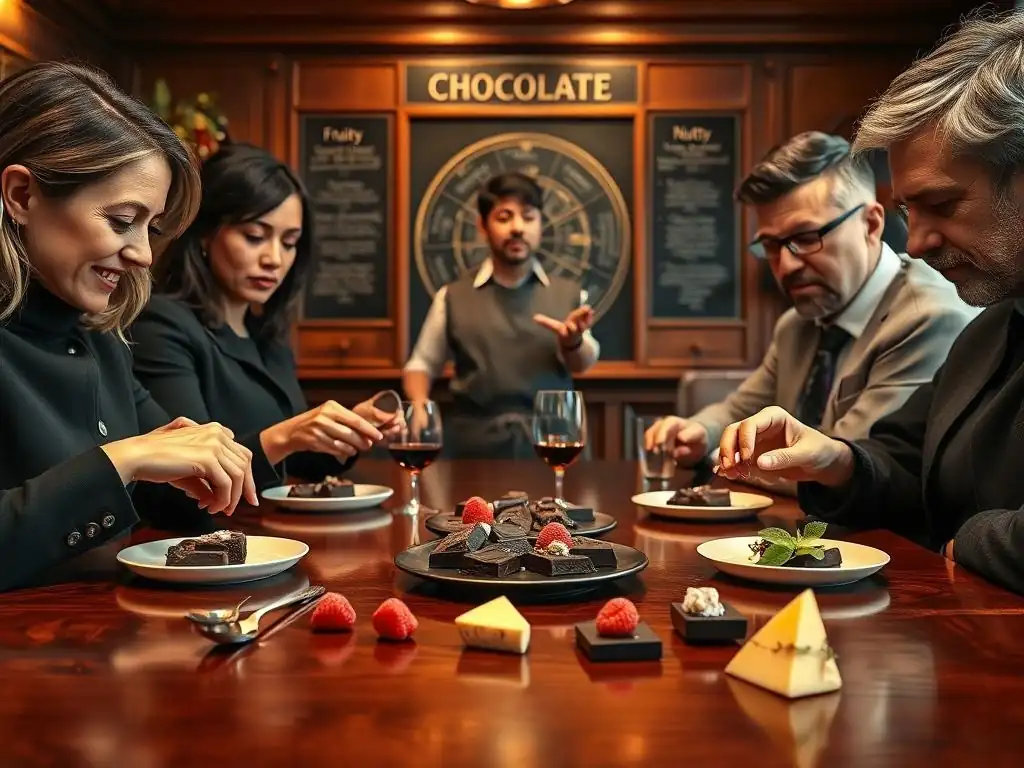
Many chocolate tasting tours include a segment on pairing chocolate with other foods or beverages to enhance the tasting experience. The principle behind successful pairing is finding combinations where the flavors complement or contrast in a pleasing way, bringing out new dimensions in both the chocolate and the partner ingredient. Common pairings might include chocolate with fruits (like berries or citrus), nuts, cheese, bread, or even spices.
Beverage pairings are also popular. Dark chocolate with its intensity and often bitter notes can pair wonderfully with red wine (like a Cabernet Sauvignon) or certain types of coffee or whiskey. Milk chocolate, being sweeter and creamier, might pair well with lighter wines, tea, or even fruit juices.
White chocolate, with its creamy sweetness, often complements tart flavors like berries or citrus, or can be paired with sparkling wine. Your chocolate tour guide will explain the rationale behind these pairings, such as how the acidity in a berry cuts through the richness of white chocolate or how the tannins in wine can interact with the tannins in dark chocolate.
Step 6: Behind-the-Scenes Look (If Applicable)
Some chocolate tasting tours offer a glimpse into the actual production process, providing a fascinating behind-the-scenes look. This might involve visiting a small artisan workshop or a larger factory floor. You could see machinery like conching machines, which stir and refine liquid chocolate for hours or even days to develop its smooth texture and flavors, or tempering machines, which carefully heat and cool chocolate to stabilize cocoa butter crystals, giving the final bar its snap and shine.
Witnessing these steps in person, guided by an expert, makes the abstract process of chocolate making tangible. You might learn about the importance of temperature control during tempering (precise temperatures like 31-32°C for dark chocolate are critical) or how long a specific batch was conched (some fine chocolates are conched for 72 hours or more). This insight into the craftsmanship and technical precision involved adds another layer of appreciation for the chocolate you taste.
Maximizing Your Chocolate Tasting Tour Experience
Taking Detailed Tasting Notes
To get the most out of your chocolate tasting tour, actively engaging with the samples and recording your impressions is highly recommended. Taking detailed tasting notes helps you remember the specific characteristics of each chocolate and track your preferences. Before tasting, note the chocolate's appearance (color, shine, snap). During the tasting, focus on the aroma, the initial flavors, how the flavors develop as the chocolate melts, the texture (mouthfeel), and the finish.
Using descriptive language is key. Instead of just "good," try to identify specific notes: "fruity," "nutty," "caramel," "earthy," "spicy," "floral," "bitter," "sweet," "acidic." You can even assign a simple rating scale (e.g., 1-5) to each chocolate based on your overall enjoyment. Reviewing these notes later allows you to recall your favorite chocolates and better understand what flavor profiles you prefer, making you a more discerning chocolate enthusiast and a better chocolate tasting tour guide for yourself in the future.
Asking Questions and Engaging with Experts
Your chocolate tour guide is a valuable resource, often possessing deep knowledge about cacao, chocolate production, and the industry. Don't hesitate to ask questions! This is your opportunity to learn directly from an expert. You might ask about the sourcing of their cacao beans (e.g., ethical certifications like Fair Trade or direct trade relationships), the challenges of chocolate making, specific flavor notes you're detecting, or recommendations for further exploration.
Engaging in conversation with the guide and potentially other participants can also enrich the experience. Hearing different perspectives on the same chocolate can open your palate to flavors you might not have noticed on your own. Your guide is there to share their passion and expertise, so take advantage of their presence to deepen your understanding of the world of chocolate.
Purchasing Chocolate and Supporting Artisans
Many chocolate tasting tours conclude with an opportunity to purchase the chocolates you've tasted or other products from the chocolatier or shop. This is a fantastic way to support the artisans and producers whose work you've just learned about and appreciated. Buying chocolate directly from the source often ensures you're getting the freshest product and allows you to take home your favorites to enjoy later or share with others.
When purchasing, consider buying a few different types that you enjoyed or that represented distinct styles (like a single-origin versus a blend, or different percentages) to continue your tasting journey at home. Look for information on the packaging about the cacao origin, percentage, and ingredients. Your purchase directly contributes to the livelihood of the people involved in the complex process of bringing quality chocolate from bean to bar.
Beyond the Tour: Continuing Your Chocolate Education
Exploring Online Resources and Chocolate Blogs
A chocolate tasting tour is just the beginning of a lifelong journey for any chocolate enthusiast. To continue expanding your knowledge, the internet offers a wealth of resources. Numerous websites and blogs are dedicated to reviewing craft chocolate, discussing cacao origins, explaining the science of chocolate making, and sharing pairing ideas. Platforms like BakeWithEase.com, while focused on baking, often feature articles about understanding ingredients like chocolate, linking the sensory experience of tasting to its application in recipes.
Many chocolate makers also have informative websites detailing their sourcing practices, production methods, and the stories behind their beans. Exploring these online resources allows you to delve deeper into specific areas that piqued your interest during the tour, whether it's sustainable sourcing, the nuances of fermentation, or the history of a particular chocolate-producing region.
Experimenting with Chocolate in Baking
As a reader of BakeWithEase, you know the joy of using quality ingredients in your creations. The knowledge gained from a chocolate tasting tour is directly applicable to your baking. Understanding the flavor profiles of different chocolates – how a high-percentage dark chocolate from Ecuador might bring floral notes to a ganache, or how a fruity Madagascan chocolate could elevate a chocolate cake – allows you to make more informed choices for your recipes.
Experiment with using the specific chocolates you enjoyed on your tour in your baking projects. Notice how a chocolate's melt point affects its behavior in tempering or melting for sauces. Pay attention to how the sugar content impacts the sweetness of your baked goods. By applying your newfound tasting skills to your baking, you can elevate your brownies, cookies, cakes, and pastries, creating truly exceptional chocolate treats.
Recommended Chocolate Tasting Tours and Experiences.
This section would typically provide specific recommendations for notable chocolate tasting tours around the world or in popular destinations. While we cannot list specific tour operators or locations here, look for tours in cities renowned for their chocolate heritage, such as Brussels, Belgium; Paris, France; Zurich, Switzerland; or even in cacao-producing regions like Ecuador or Costa Rica that offer farm-to-bar experiences. Research tours that align with your specific interests, whether it's bean-to-bar production, historical context, or unique flavor pairings, to find the perfect chocolate tasting tour guide for your next delicious adventure.
Frequently Asked Questions
What is the primary focus of a chocolate tasting tour?
A chocolate tasting tour primarily focuses on educating participants about the history, production, and sensory evaluation of different types of chocolate. Expect to learn about bean origins and processing techniques.
What types of chocolate might be sampled on a tour?
You can expect to sample a variety of chocolates, including single-origin bars, dark, milk, and white chocolate, as well as chocolates with various inclusions like nuts or fruit.
Are chocolate tasting tours suitable for individuals with allergies?
It's crucial to inquire about allergy accommodations before booking. Tours often involve chocolate with nuts, dairy, and soy, so pre-emptive communication is essential.
How does a chocolate tasting tour differ from simply buying chocolate?
A tour offers a guided experience that focuses on understanding the nuances of chocolate flavor profiles and proper tasting techniques, unlike a casual purchase.
What kind of knowledge or skills will I gain from a chocolate tasting tour?
You will gain a better understanding of chocolate production, learn how to identify different flavor notes, and develop your chocolate appreciation skills through guided sensory analysis.
Final Reflection: Savor the Moment, Embrace the Experience
The world of chocolate is far more nuanced than meets the eye, and a guided tasting tour offers an unparalleled opportunity to unlock its hidden depths. From the subtle notes of terroir to the complex interplay of bean origin and processing, a well-structured tour transforms a simple indulgence into an enriching sensory journey. This is more than just eating chocolate; it's about cultivating a deeper appreciation for this beloved treat.
The impact of chocolate on our culture is undeniable, weaving its way through celebrations, traditions, and everyday moments. It's a comfort, a gift, a symbol of luxury, and a source of immense pleasure. As we've explored the steps involved in a successful chocolate tasting tour, it's clear that the experience transcends mere consumption. It fosters community, sparks conversation, and encourages a mindful approach to enjoyment. The best things in life are simple, but not easy.
This quote perfectly encapsulates the effort and reward inherent in truly savoring a high-quality chocolate experience.
Now, consider your own relationship with chocolate. Have you ever truly tasted it, paying attention to the subtle nuances of flavor and texture? I encourage you to seek out a chocolate tasting tour near you, or even embark on your own personal tasting journey at home. Embrace the opportunity to slow down, to appreciate the artistry and craftsmanship behind each piece, and to discover the profound pleasure that awaits. Let the rich tapestry of flavors and aromas transport you, and remember the transformative power of mindful indulgence.
Unleash Your Inner Chocoholic: Take the Next Step!
Thanks for joining us on this delicious journey into the world of chocolate tasting! We hope you've gained a newfound appreciation for the artistry and complexity behind your favorite treat. Now it's time to put your newfound knowledge to the test!
- Plan your own chocolate adventure: Identify local chocolatiers or artisan shops and start planning your own tasting experience. This is your chance to discover hidden gems and truly indulge your senses!
- Share your chocolate discoveries: Tell us (and your friends!) about your favorite chocolate finds! Share photos and reviews on social media using #BakeWithEaseChocolateAdventure – let's build a community of chocolate lovers together.
- Challenge your palate: Try a new type of chocolate you've never tasted before – maybe a rare bean or an unusual flavor pairing. What exciting flavors will you uncover?
What unexpected flavor combination will you discover on your next chocolate adventure?