
Baking a Birthday Cake Without Special Equipment

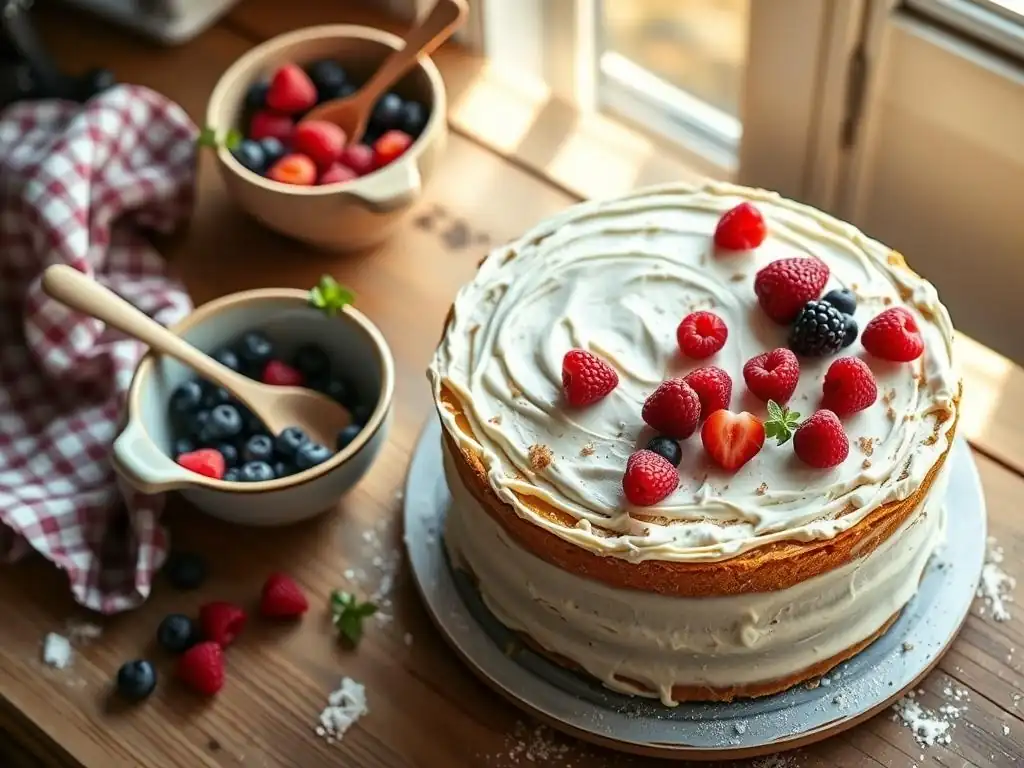
Welcome to BakeWithEase, your kitchen companion for delicious adventures! Ever dreamed of creating a show-stopping birthday cake, but thought you needed fancy equipment? Think again! This guide reveals how to make an easy birthday cake no mixer, proving that incredible desserts are within everyone's reach. Curious to discover the secrets to a perfect, mixer-free cake? Let's get baking!
- Easy Birthday Cake No Mixer: How to Bake a Birthday Cake Without Special Equipment
- Preparing Your Kitchen for No-Equipment Cake Baking
- Step-by-Step Guide to Baking an Easy Birthday Cake Without a Mixer
- Decorating Your Easy Birthday Cake Without Special Tools
- Troubleshooting Common Issues When Baking a Birthday Cake Without a Mixer
- Tips and Tricks for Mastering Easy Homemade Birthday Cakes Without Mixers
- Conclusion: Enjoying Delicious Birthday Cakes Made Without Special Equipment
-
Frequently Asked Questions
- Can I really bake a birthday cake without a mixer?
- What are the key ingredients I need for an easy birthday cake with no mixer?
- What kind of pan should I use if I don't have a traditional cake pan?
- How do I ensure the cake is evenly mixed without a mixer?
- How do I decorate the birthday cake without fancy tools?
- Final Reflection: The Sweet Simplicity of Baking
- Unleash Your Inner Baker: Simple Birthday Cake Magic!
Easy Birthday Cake No Mixer: How to Bake a Birthday Cake Without Special Equipment
Why Choose an Easy Birthday Cake Recipe Without a Mixer?
Opting for an easy birthday cake no mixer recipe is a fantastic choice for many bakers, whether you're a beginner or simply prefer a more hands-on approach. It strips baking down to its essentials, proving that you don't need fancy gadgets to create something delicious and celebratory. This method is incredibly accessible; anyone with basic kitchen tools can whip up a lovely cake, making it perfect for spontaneous baking projects or when you're away from your usual kitchen setup, perhaps on vacation or at a friend's house.
Furthermore, baking a simple birthday cake without a mixer allows you to connect more intimately with the process. You feel the texture of the batter change as you mix, learn to recognize the stages of emulsification, and gain a deeper understanding of how ingredients interact. It's a skill that builds confidence and can be surprisingly quick once you get the hang of it. Historically, all cakes were mixed by hand, and many classic recipes were developed long before electric mixers existed, demonstrating that this traditional method is both effective and capable of producing truly wonderful results.
Essential Ingredients for a Simple Birthday Cake Without a Mixer
Crafting an easy birthday cake no mixer starts with gathering common pantry staples. You'll need your basic dry ingredients: all-purpose flour, granulated sugar, baking powder (or baking soda plus an acid like buttermilk), and a pinch of salt. These form the structure and sweetness of your cake. A standard single-layer 8-inch cake might use around 1 ½ cups of flour and 1 cup of sugar.
For the wet ingredients and fat, you'll typically need eggs, a liquid (like milk, buttermilk, or even water), and a fat source such as softened butter or vegetable oil. Using softened butter is traditional and adds rich flavor, but oil often makes for an even easier mix by hand as it incorporates smoothly. Vanilla extract is crucial for classic cake flavor. Ensure your leavening agents (baking powder/soda) are fresh; they usually have a shelf life of 6-12 months once opened, and using expired leavening can result in a dense cake, even if you mix perfectly.
Preparing Your Kitchen for No-Equipment Cake Baking
Using Common Kitchen Tools as Alternatives to Mixers
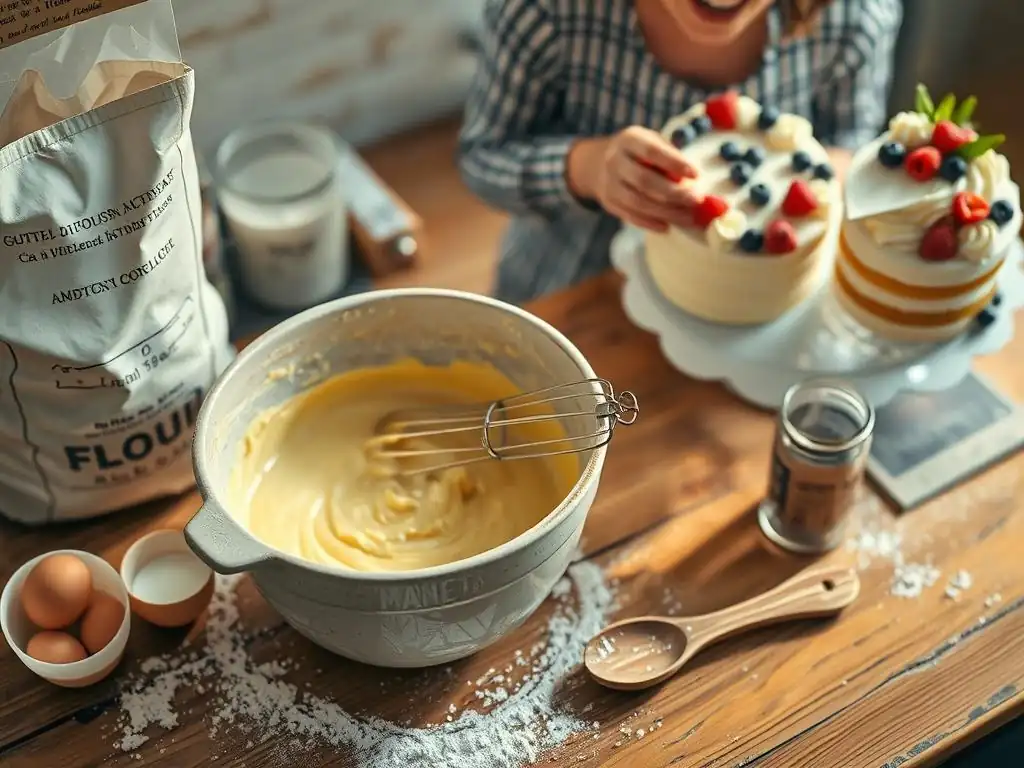
Baking an easy birthday cake no mixer is entirely possible using tools you likely already own. Instead of a stand or hand mixer, your primary mixing tools will be a sturdy whisk and a flexible rubber spatula or a wooden spoon. A balloon whisk is excellent for incorporating air into eggs and wet ingredients, while a spatula or wooden spoon is ideal for folding dry ingredients into wet ones without overdeveloping gluten.
You'll also need several mixing bowls of different sizes – a large one for the main batter and smaller ones for measuring or whisking eggs separately. A fine-mesh sieve is helpful for sifting dry ingredients, which helps prevent lumps and aerates the flour, contributing to a lighter texture. Measuring cups and spoons are essential, as is a cake pan (or even an oven-safe skillet or casserole dish if you're improvising).
How to Measure Ingredients Accurately Without Specialized Tools
Accurate measuring is key to successful baking, especially when making a simple birthday cake without specialized equipment. For dry ingredients like flour and sugar, the "spoon and level" method is recommended: gently spoon the ingredient into your measuring cup until it overflows, then level off the excess with a straight edge (like the back of a knife or a spatula). Avoid scooping directly with the cup, as this can compact the ingredient and lead to using too much, resulting in a dry or dense cake.
Liquids like milk or oil should be measured in clear liquid measuring cups placed on a flat surface, reading the measurement at eye level. For smaller amounts of extracts or leavening agents, standard measuring spoons are necessary. If you don't have a complete set, approximating is possible for less critical ingredients (like a "generous pinch" of salt), but for leavening, sugar, and flour, try to be as precise as possible with the tools you have.
Step-by-Step Guide to Baking an Easy Birthday Cake Without a Mixer
Mixing Cake Batter by Hand: Techniques for Perfect Texture
Mixing cake batter by hand for an easy birthday cake no mixer requires specific techniques to achieve the desired texture. If your recipe starts by creaming butter and sugar, use a wooden spoon or a sturdy spatula to beat the softened butter until smooth, then gradually add the sugar and beat vigorously against the side of the bowl until the mixture is pale and fluffy. This step incorporates air, which is vital for a light cake.
Next, incorporate the eggs one at a time, beating well after each addition until fully combined. For adding dry and wet ingredients, alternate between adding small portions of your sifted dry ingredients and your liquid ingredients, starting and ending with the dry. Use a spatula or spoon to gently fold them in, mixing just until no dry streaks remain. Avoid vigorous stirring or overmixing, as this can develop gluten and result in a tough cake.
Tips for Achieving Light and Fluffy Cake Without Electric Mixers
Achieving a light and fluffy texture when baking a simple birthday cake without a mixer relies on proper technique and ingredient preparation. Ensure your butter and eggs are at room temperature; this helps them emulsify better and incorporate more air during mixing. Sifting your dry ingredients (flour, baking powder, salt) together before adding them to the wet mixture is also crucial. Sifting removes lumps and adds air, contributing to a tender crumb.
When combining wet and dry ingredients, use a gentle folding motion rather than stirring. Cut through the center of the batter with your spatula, then scrape the batter from the side of the bowl up and over the center. Rotate the bowl and repeat until just combined. This minimizes gluten development. Also, ensure your baking powder or soda is fresh, as their leavening power is what makes the cake rise and become airy during baking.
Baking Times and Temperatures for No-Mixer Birthday Cakes
The baking time and temperature for an easy birthday cake no mixer are generally the same as for cakes mixed with equipment, as these factors depend on the cake's size, thickness, and ingredients, not the mixing method. Most standard butter or oil-based cakes bake well at 350°F (175°C).
For a single 8 or 9-inch round cake layer, expect a baking time of approximately 25-35 minutes. Cupcakes typically take 18-22 minutes, while a 9x13 inch sheet cake might take 30-40 minutes. Always check for doneness by inserting a toothpick into the center; if it comes out clean or with a few moist crumbs attached, the cake is ready. Ovens can vary, so it's wise to start checking a few minutes before the estimated bake time is up.
Decorating Your Easy Birthday Cake Without Special Tools
Simple Frosting Recipes That Don’t Require a Mixer
Decorating your easy birthday cake no mixer doesn't require a fancy stand mixer for the frosting either! A simple glaze is one of the easiest options; it's made by whisking powdered sugar with a liquid like milk, lemon juice, or water until smooth. This can be drizzled or poured over a cooled cake.
For a slightly more substantial frosting, you can make a basic buttercream or cream cheese frosting using just a bowl and a whisk or spatula. Soften your butter or cream cheese really well, then gradually whisk or beat in powdered sugar, a little liquid (milk or cream), and vanilla extract until smooth and spreadable. While not as light and airy as mixer-made frosting, it's perfectly delicious and easy to manage by hand. A typical batch for a single layer might use 1 stick (½ cup) of butter and 2-3 cups of powdered sugar.
Decorating Ideas Using Everyday Household Items
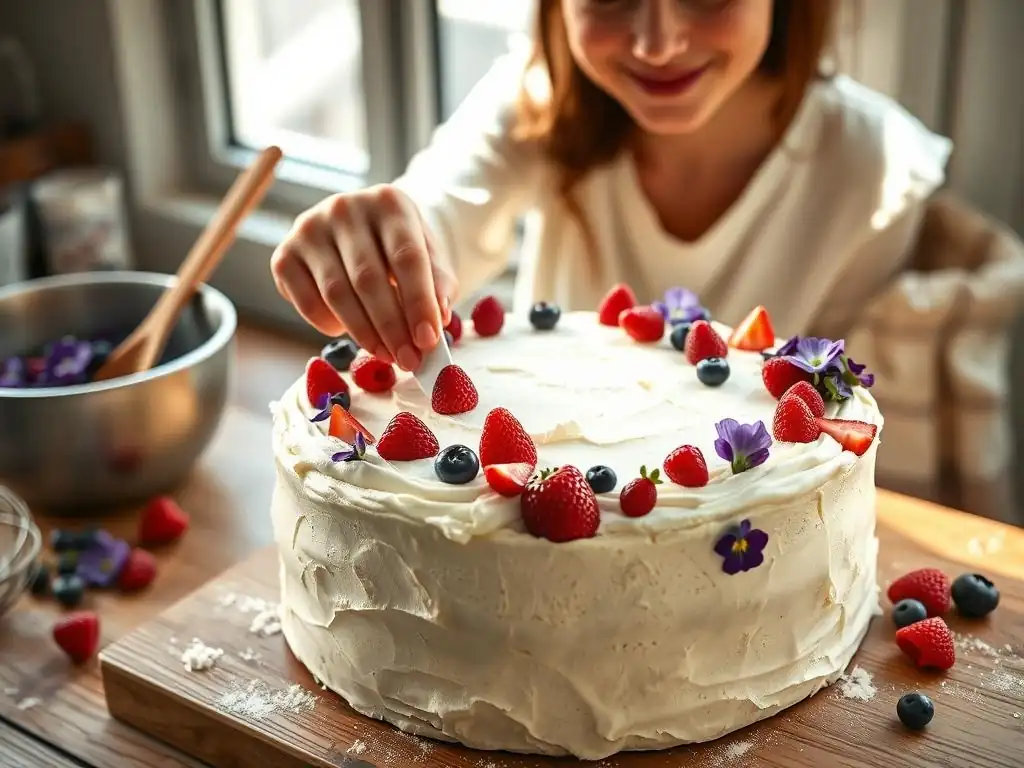
Get creative with decorating your simple birthday cake without specialized equipment by looking around your kitchen. Instead of an offset spatula, use a regular table knife or the back of a spoon to spread frosting smoothly over the cake. You can create simple textures by swirling the frosting with the back of a spoon or fork.
For piping designs, if you don't have piping bags and tips, a sturdy ziplock bag with a corner snipped off works surprisingly well for piping borders or writing simple messages. Dusting with powdered sugar through a sieve or even a tea strainer creates an elegant finish. You can also use items like cookie cutters to create shapes on the cake top using powdered sugar or cocoa powder as a stencil.
How to Assemble and Decorate a Birthday Cake Without Professional Equipment
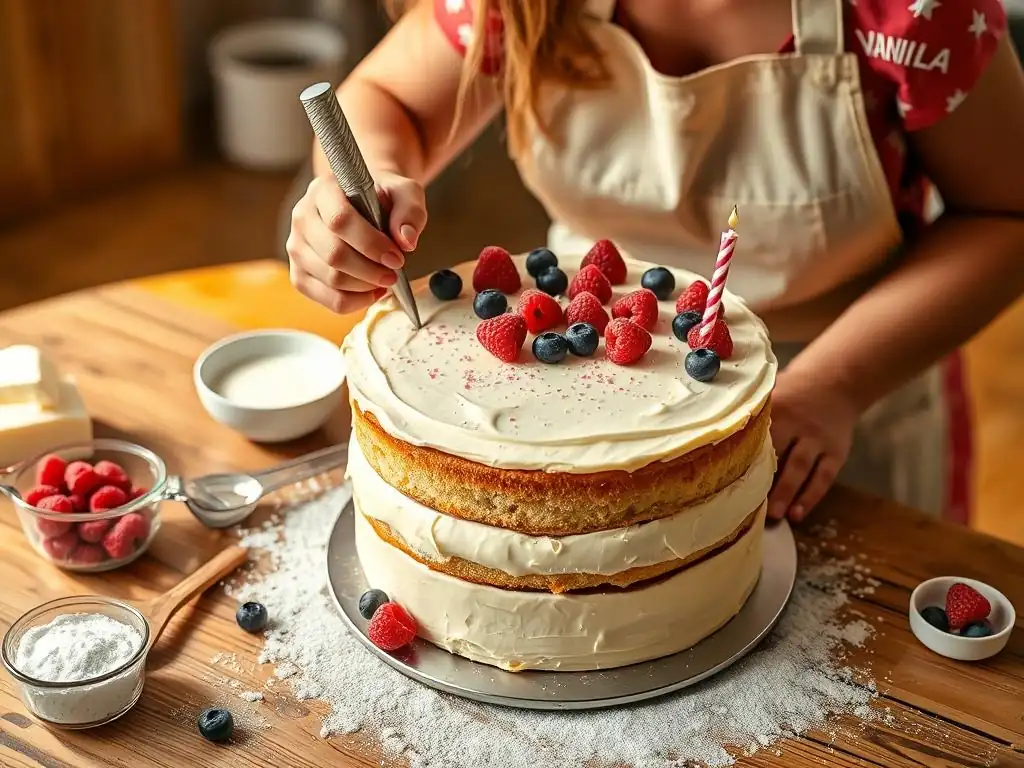
Assembling and decorating your easy birthday cake no mixer is straightforward. Once your cake layers are completely cooled, place the first layer on your serving plate or cake stand. If desired, you can moisten it lightly with simple syrup (equal parts sugar and water, heated until sugar dissolves, then cooled) applied with a spoon or brush.
Spread a layer of your simple frosting over the first cake layer using your knife or spatula. Carefully place the second layer on top (if making a multi-layer cake). Apply a thin "crumb coat" of frosting all over the cake to trap any loose crumbs, then chill the cake for 15-20 minutes if possible. Finally, apply the main layer of frosting, smoothing it with your tool of choice or creating simple textures. Add sprinkles, candies, or fruit for easy decoration.
Troubleshooting Common Issues When Baking a Birthday Cake Without a Mixer
How to Fix Lumpy or Overmixed Batter Without a Stand Mixer
Encountering lumps in your batter when mixing an easy birthday cake no mixer can happen, often due to flour not being fully incorporated or softened butter not being creamed properly initially. If you have minor lumps from dry ingredients, a few gentle stirs with a whisk or spatula might smooth them out. Sifting your dry ingredients beforehand is the best preventative measure. If the lumps are from butter, ensure it's truly soft (press your finger in, it should leave an indentation easily) before you start creaming.
Overmixing is a greater concern when mixing by hand, as it develops gluten, leading to a tough cake. The fix for overmixing is less direct once it's happened, but you can try letting the batter rest for 10-15 minutes before baking. This allows the gluten strands to relax slightly. The key is to mix just until the dry ingredients disappear, which might only be 10-20 gentle folds after the last addition of flour.
Preventing Dense or Dry Cakes When Mixing by Hand
Preventing dense or dry results when baking a simple birthday cake without a mixer involves several factors. Firstly, ensure you're not over-measuring your flour; too much flour is a common culprit for dryness. Use the spoon and level method mentioned earlier. Secondly, verify your leavening agents are active. If your baking powder doesn't fizz when a small amount is mixed with hot water, it's probably expired.
Thirdly, avoid overmixing the batter once the dry ingredients are added. Overmixing develops gluten, which gives bread structure but makes cakes tough and dense. Mix gently and only until the flour streaks disappear. Lastly, don't overbake the cake. Baking too long at too high a temperature will dry it out. Use the toothpick test and remove the cake from the oven as soon as it's done.
Tips and Tricks for Mastering Easy Homemade Birthday Cakes Without Mixers
Time-Saving Hacks for No-Equipment Cake Baking
Making an easy birthday cake no mixer can be surprisingly quick with a few time-saving hacks. Choose a recipe that uses oil instead of butter; oil incorporates instantly into wet ingredients without the need for creaming, saving significant time and effort compared to beating softened butter and sugar by hand. Look for "one-bowl" cake recipes where wet and dry ingredients can be combined more simply.
Prepare your ingredients ahead of time. Measure out your dry ingredients into one bowl and whisk them together. Whisk wet ingredients (eggs, milk, oil, vanilla) in another. This makes the final mixing step very fast – just combine the two bowls and fold gently. Using parchment paper to line your cake pan bottom ensures the cake releases easily, saving time and frustration after baking.
Ingredient Substitutions to Simplify Your Cake Recipe
Simplifying your easy birthday cake no mixer recipe with smart substitutions can make the process even smoother. If a recipe calls for buttermilk but you don't have it, you can make a quick substitute by adding 1 tablespoon of white vinegar or lemon juice to 1 cup of milk and letting it sit for 5-10 minutes until it curdles slightly.
For fat, as mentioned, swapping melted butter or vegetable oil for softened butter can make hand mixing much easier. If you're out of milk, water can often be used in a pinch, although it may slightly affect the richness and texture. Using self-rising flour instead of all-purpose flour plus baking powder and salt is another simple substitution that combines your dry leavening agents into one ingredient (check the ratio needed for your specific recipe).
Conclusion: Enjoying Delicious Birthday Cakes Made Without Special Equipment
Encouragement to Bake Easy Birthday Cake No Mixer Recipes for Any Occasion.
Baking a delicious and celebratory cake truly doesn't require a kitchen full of expensive equipment. As you've seen, crafting an easy birthday cake no mixer is not only achievable but can be a deeply rewarding experience. With just a few basic tools like bowls, a whisk, and a spatula, coupled with standard pantry ingredients, you have everything you need to create a wonderful homemade treat.
Embrace the simplicity of this method and the satisfaction of creating something from scratch with your own hands. Whether it's a special birthday, an anniversary, or just a Tuesday that calls for cake, don't let the lack of a mixer stop you. Dive in, follow the steps, and enjoy the process of baking a simple birthday cake without specialized equipment. The result will be a moist, flavorful cake made with love, perfect for celebrating any moment.
Frequently Asked Questions
Can I really bake a birthday cake without a mixer?
Yes! Absolutely. Our recipes focus on techniques that allow you to create delicious cakes using only basic kitchen tools like whisks and spatulas. You don't need a stand mixer or hand mixer for a fluffy and flavorful cake.
What are the key ingredients I need for an easy birthday cake with no mixer?
You'll need common baking ingredients like flour, sugar, eggs, baking powder/soda, milk (or a milk alternative), and oil or melted butter. The exact ingredients will depend on the specific recipe, but they're typically easy to find.
What kind of pan should I use if I don't have a traditional cake pan?
You can use a variety of oven-safe containers! A round or square baking dish works well, or even a Dutch oven. Just be sure to adjust your baking time and monitor the cake closely.
How do I ensure the cake is evenly mixed without a mixer?
The key is to thoroughly whisk the wet ingredients together first, then gently fold in the dry ingredients until just combined. Avoid overmixing, which can lead to a tough cake.
How do I decorate the birthday cake without fancy tools?
Simple decorations can be beautiful! Use store-bought frosting, sprinkles, fresh berries, or even a dusting of powdered sugar. Get creative with simple frosting techniques using a spoon or spatula.
Final Reflection: The Sweet Simplicity of Baking
Baking a birthday cake doesn't require a fancy stand mixer or a culinary degree; it requires heart, a little patience, and a willingness to embrace the simple joys of creation. This article highlighted how accessible and rewarding baking can be, even without specialized equipment. The ease of whipping up a delicious cake using only readily available tools proves that baking is a skill open to everyone, regardless of their kitchen setup.
The joy of baking, particularly a birthday cake, transcends the final product; it's about the process of creating something special for loved ones. It's a tangible expression of care and affection, a tradition passed down through generations. This simple act of baking connects us to our heritage and fosters a sense of community. The best things in life are homemade.
This sentiment rings truer than ever when considering the satisfaction derived from creating a birthday cake from scratch, without relying on complicated machinery.
Now, I invite you to consider your own approach to baking. Will you embrace the simplicity and accessibility of creating a cake without a mixer? Perhaps this article has inspired you to try a new recipe, or maybe it has reignited a passion for baking that you thought was lost. Regardless, remember the power of simple acts of creation and the joy they bring, not just to the recipient, but to the baker as well. Let the sweet simplicity of baking enrich your life.
Unleash Your Inner Baker: Simple Birthday Cake Magic!
Thanks for joining us on this baking adventure! We hope you discovered that creating a delicious birthday cake doesn't require a fancy kitchen. You now have the confidence to bake something truly special.
Ready to take the next step? Here's how:
- Bake your dream cake! Use the techniques you learned today to create your own personalized masterpiece. Don't be afraid to experiment with flavors and frostings.
- Share your creation! Post a picture of your cake on social media and tag us – we'd love to see your baking success!
- Consider trying a new recipe from our website (bakewithease.com - this is a placeholder, do not use in final version) and expand your baking repertoire.
So, what delicious flavor combination will you create for your next baking project?