
The Subtle Pop: Baking with Poppy Seeds

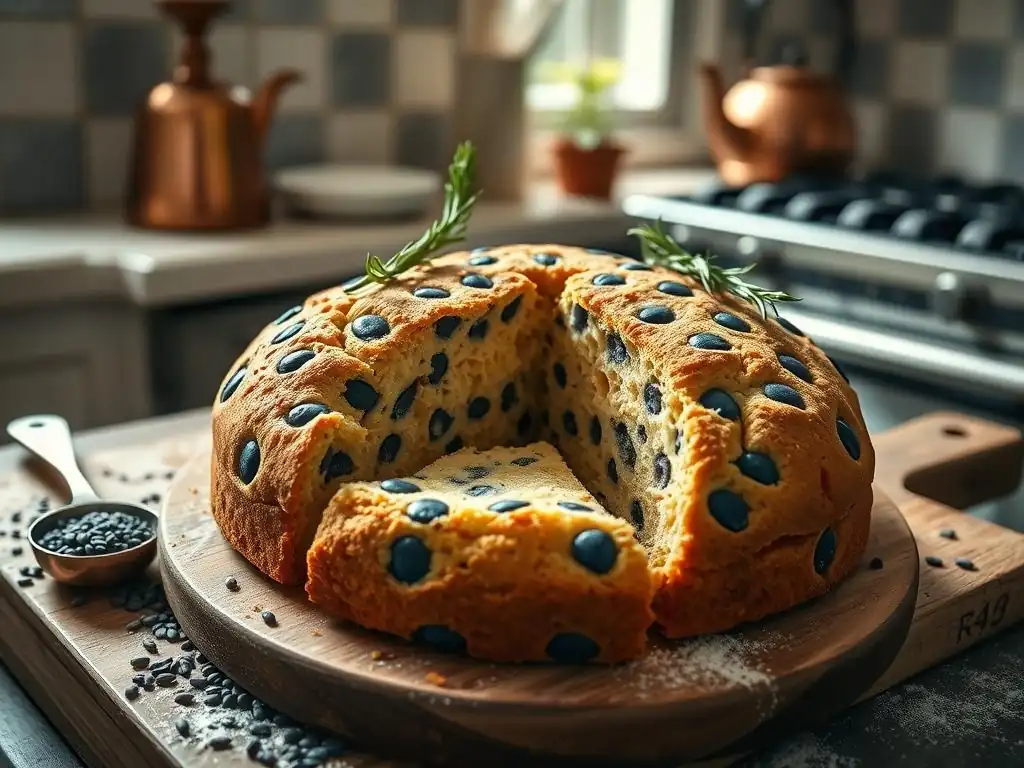
Welcome to BakeWithEase, your culinary companion for all things baking! Ever wondered how to achieve that perfect nutty crunch and delicate flavor in your baked goods? This week, we're diving deep into the fascinating world of poppy seeds, unlocking their secrets and showcasing their versatility. Discover the magic behind our featured poppy seed cake recipe and learn how to elevate your baking with this tiny yet powerful ingredient. Prepare to be amazed by the subtle pop of flavor that will transform your desserts! Ready to get started?
- The Delightful Crunch: Baking with Poppy Seeds
- Introduction to Baking with Poppy Seeds
- Understanding Poppy Seeds: Types and Characteristics
-
Lemon Poppy Seed Cake Recipe: A Step-by-Step Guide
- Gathering Your Ingredients for a Moist and Flavorful Lemon Poppy Seed Cake
- Preparing the Poppy Seeds: Blooming in Warm Liquid
- Mixing the Batter: Achieving a Light and Airy Texture
- Baking to Perfection: Monitoring Internal Temperature
- Cooling and Serving Your Delicious Lemon Poppy Seed Cake with Glaze
- Exploring Variations of Poppy Seed Cake
- Beyond Cake: Poppy Seeds in Other Baking Recipes
- Tips and Tricks for Baking with Poppy Seeds
- Mastering the Poppy Seed Cake: Advanced Techniques
- Where to Buy High-Quality Poppy Seeds
- Conclusion: Embrace the Versatility of Poppy Seeds in Baking
-
Frequently Asked Questions
- How can I ensure my poppy seeds are fresh in my poppy seed cake recipe?
- What is the best way to incorporate poppy seeds into my poppy seed cake batter?
- Can I substitute poppy seeds with another ingredient in the poppy seed cake recipe?
- What kind of frosting pairs best with a poppy seed cake?
- What are some common mistakes to avoid when baking a poppy seed cake?
- Final Reflection: The Enduring Allure of the Poppy Seed
- Unleash Your Inner Baker: Poppy Seed Perfection Awaits!
The Delightful Crunch: Baking with Poppy Seeds
Introduction to Baking with Poppy Seeds
Discover the Nutty Flavor and Delicate Texture of Poppy Seeds in Baking
Poppy seeds, those tiny, dark specks, might seem insignificant, but they pack a powerful punch of flavor and texture in baked goods. Their subtle, nutty taste adds a delightful depth that complements both sweet and savory recipes. When baked, they provide a unique, delicate crunch that contrasts beautifully with soft cakes, muffins, and breads. This distinct textural element is one of the primary reasons bakers reach for poppy seeds.
Beyond their taste and texture, poppy seeds bring a visual appeal, adding a charming speckled look to everything from a simple loaf of bread to an elegant poppy seed cake recipe. Their presence signals a certain classic comfort in baking, evoking images of traditional pastries and cakes enjoyed for generations. Understanding how these tiny seeds interact within different doughs and batters is key to unlocking their full potential in your kitchen adventures.
Why Poppy Seeds Are a Versatile Baking Ingredient
Poppy seeds are remarkably versatile, finding their way into a wide array of baked goods and culinary creations. Their neutral-to-slightly-nutty flavor profile pairs well with many other ingredients, particularly citrus fruits like lemon and orange, as well as nuts and other seeds. This adaptability makes them suitable for everything from light, airy cakes to dense, chewy bagels.
Their use extends beyond just being mixed into batter or dough. Poppy seeds serve as a fantastic topping for rolls and bread, providing a satisfying crunch on the crust. They can also be ground and used in fillings for pastries or incorporated into glazes and dressings. Whether you're making a classic poppy seed cake recipe or experimenting with savory crackers, poppy seeds offer a simple yet effective way to enhance both flavor and texture.
Understanding Poppy Seeds: Types and Characteristics
Different Varieties of Poppy Seeds: Blue, White, and Black
While often simply labeled "poppy seeds," there are several varieties, primarily distinguished by color: blue, white, and black. Blue poppy seeds, often called European or German poppy seeds, are the most common type found in baking in North America and Europe. They have a bluish-gray hue and a classic nutty flavor.
White poppy seeds, also known as Indian or Asian poppy seeds, are popular in Indian, Middle Eastern, and Asian cuisines. They have a milder flavor than blue seeds and are often used ground into pastes for thickening sauces or in desserts. Black poppy seeds, sometimes confused with blue, are typically darker and can have a slightly more intense flavor. While the color difference is noticeable, for most standard baking applications like a poppy seed cake recipe, blue and black seeds are often used interchangeably, though blue are most common.
The Nutritional Profile of Poppy Seeds: Fiber, Minerals, and Oils
Despite their small size, poppy seeds are quite nutritious. They are a good source of dietary fiber, contributing to digestive health. A single tablespoon can contain approximately 1.7 grams of fiber. This fiber content can also affect how they absorb liquid in baking, something to consider when developing a poppy seed cake recipe.
Poppy seeds are also rich in essential minerals, including calcium, iron, magnesium, phosphorus, and zinc. Calcium is vital for bone health, while iron is necessary for oxygen transport. Magnesium plays a role in numerous bodily functions. Furthermore, poppy seeds contain beneficial oils, primarily monounsaturated and polyunsaturated fats, including linoleic acid (an omega-6 fatty acid). These oils contribute to the seeds' flavor and can also influence the texture and moistness of baked goods.
How to Store Poppy Seeds to Prevent Rancidity
Proper storage is crucial for maintaining the freshness and flavor of poppy seeds and preventing them from going rancid. Like other seeds high in oil, poppy seeds can oxidize and develop an unpleasant bitter taste if exposed to air, light, and heat.
To store poppy seeds, transfer them to an airtight container, such as a glass jar or a sturdy plastic container with a tight-fitting lid. Keep the container in a cool, dark place, away from direct sunlight and heat sources like stoves or ovens. For longer-term storage, especially if you buy them in bulk or don't use them frequently, the refrigerator or freezer is ideal.
When stored properly in a cool pantry, poppy seeds can last for 6-12 months, while refrigeration can extend their shelf life even further. Always check for a fresh, nutty aroma before using; a bitter or "off" smell indicates rancidity.
Lemon Poppy Seed Cake Recipe: A Step-by-Step Guide
Gathering Your Ingredients for a Moist and Flavorful Lemon Poppy Seed Cake
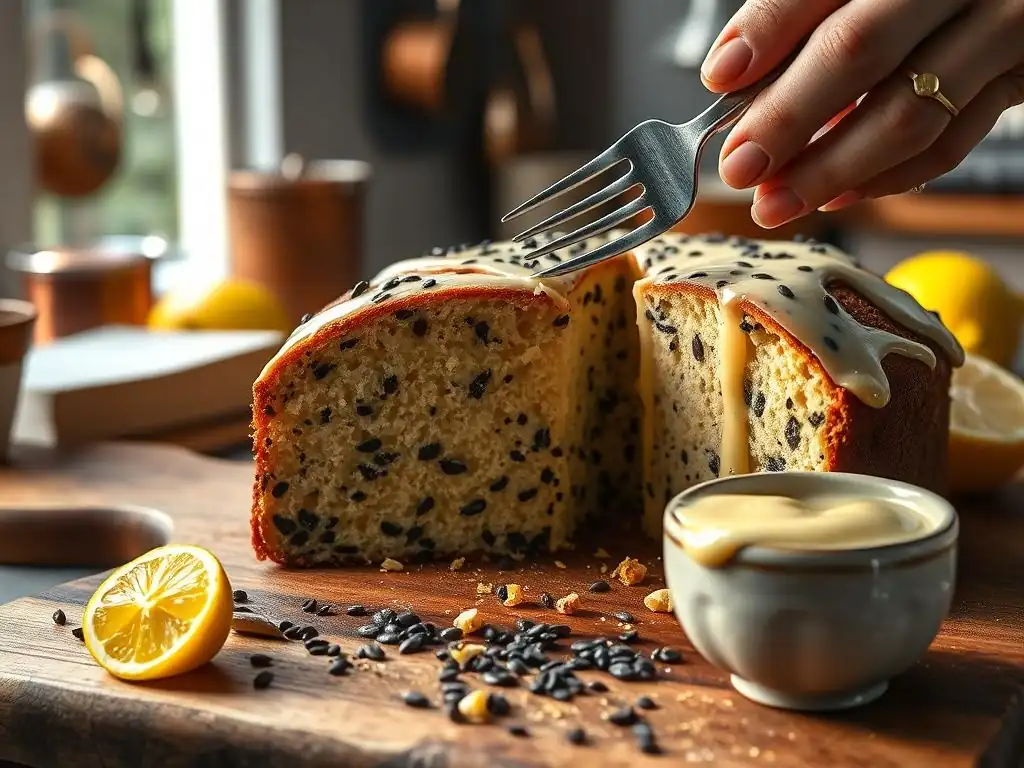
Creating a delicious lemon poppy seed cake recipe starts with having all your ingredients ready and measured. You'll typically need standard baking staples: all-purpose flour, granulated sugar, baking powder, baking soda, and salt. For richness and moisture, you'll need unsalted butter (softened), large eggs, and a liquid component like milk or buttermilk. The signature flavors come from fresh lemon zest and juice, and of course, the star ingredient: poppy seeds.
A classic lemon poppy seed cake recipe often calls for about 2 to 3 tablespoons of poppy seeds for a standard loaf or Bundt cake. Ensure your butter is truly softened (it should yield easily to pressure but not be melted), your eggs are at room temperature (they incorporate better into the batter), and your leavening agents (baking powder and soda) are fresh. Having everything measured out before you begin mixing, a practice known as mise en place, makes the baking process smoother and helps prevent errors.
Preparing the Poppy Seeds: Blooming in Warm Liquid
A common technique to enhance the flavor and texture of poppy seeds in a poppy seed cake recipe is to "bloom" them before adding them to the batter. This involves soaking the seeds in a warm liquid for a short period. The liquid can be warm milk, buttermilk, water, or even lemon juice.
To bloom, simply combine the measured poppy seeds with about 1/4 to 1/3 cup of warm liquid (around 100-110°F or 38-43°C) in a small bowl. Let them sit for about 15-30 minutes. The seeds will absorb some of the liquid, becoming slightly softened and plumper. This process helps prevent them from absorbing moisture from the cake batter during baking, which can sometimes lead to a drier cake. It also helps to release some of their essential oils, intensifying their flavor. Ensure the liquid isn't too hot, as this could potentially make the seeds bitter.
Mixing the Batter: Achieving a Light and Airy Texture
For a moist and tender lemon poppy seed cake recipe, the mixing process is key. Start by creaming together the softened butter and granulated sugar until the mixture is light and fluffy. This process incorporates air, which contributes to the cake's rise and texture. This typically takes 3-5 minutes with an electric mixer on medium speed.
Next, beat in the eggs one at a time, ensuring each is fully incorporated before adding the next. Scrape down the sides of the bowl as needed. In a separate bowl, whisk together the dry ingredients: flour, baking powder, baking soda, and salt. In another small bowl or measuring cup, combine your liquid (milk or buttermilk) with the bloomed poppy seeds and lemon juice.
Alternate adding the dry ingredients and the wet ingredients to the butter mixture, beginning and ending with the dry. Mix only until just combined; overmixing can develop the gluten in the flour, resulting in a tough cake. Fold in the lemon zest gently at the end.
Baking to Perfection: Monitoring Internal Temperature
Baking your lemon poppy seed cake to perfection requires precise temperature control and monitoring. Preheat your oven to the temperature specified in the poppy seed cake recipe, typically around 350°F (175°C). Prepare your baking pan (loaf pan, Bundt pan, or cake pans) by greasing and flouring it thoroughly to prevent sticking. Pour the batter into the prepared pan and smooth the top.
Bake for the time recommended in the recipe, but always use visual cues and testing to determine doneness. A standard loaf cake might take 45-55 minutes, while a Bundt cake could take 50-65 minutes. The cake is done when a wooden skewer or toothpick inserted into the center comes out clean or with just a few moist crumbs attached. The cake should also spring back lightly when gently pressed. An instant-read thermometer is another reliable tool; the internal temperature in the center of the cake should reach around 200-210°F (93-99°C).
Cooling and Serving Your Delicious Lemon Poppy Seed Cake with Glaze
Once your lemon poppy seed cake recipe has finished baking, the cooling process is just as important as the baking itself. Remove the cake from the oven and let it cool in the pan on a wire rack for 10-15 minutes. This allows the cake to set slightly before being removed, reducing the risk of it breaking.
After the initial cooling period in the pan, carefully invert the cake onto the wire rack to cool completely. Cooling on a wire rack allows air to circulate around all sides, preventing the bottom from becoming soggy. While the cake cools, prepare a simple lemon glaze by whisking together powdered sugar and fresh lemon juice (and perhaps a tiny bit of milk or water) until smooth and pourable. Once the cake is completely cool, drizzle or pour the glaze over the top. This adds extra lemon flavor and moisture. Slice and enjoy your homemade poppy seed cake!
Exploring Variations of Poppy Seed Cake
Almond Poppy Seed Cake: Adding Nutty Complexity
An almond poppy seed cake recipe is a delightful variation that introduces the rich, warm flavor of almonds to the subtle nuttiness of poppy seeds. This pairing is classic for a reason; the sweet, slightly bitter notes of almond complement the earthy poppy seeds beautifully.
To create an almond poppy seed cake, you can often adapt a standard lemon poppy seed cake recipe. Simply substitute some or all of the lemon extract with almond extract, typically using about half the amount of almond extract as you would lemon (e.g., 1 teaspoon almond extract instead of 2 teaspoons lemon extract, as almond extract is quite potent).
You can also incorporate finely ground almonds (almond flour or almond meal) into the dry ingredients, replacing a small portion of the all-purpose flour (e.g., replacing 1/4 cup of flour with 1/4 cup almond flour in a standard recipe). Adding sliced or slivered almonds to the top before baking also provides extra texture and flavor.
Yogurt Poppy Seed Cake: Enhancing Moisture and Tang
Using yogurt in a poppy seed cake recipe is an excellent way to ensure a moist and tender crumb while adding a pleasant tang. Yogurt, particularly Greek yogurt or plain full-fat yogurt, adds richness and acidity. The acidity in yogurt reacts with baking soda, helping the cake rise and contributing to a soft texture.
To incorporate yogurt, you can replace some or all of the liquid (milk or buttermilk) called for in your poppy seed cake recipe with an equal amount of yogurt. If using thick Greek yogurt, you might need to thin it slightly with a little milk or water to achieve the desired batter consistency. For example, if a recipe calls for 1 cup of milk, you could use 1 cup of yogurt.
The fat content in full-fat yogurt also contributes to a richer, more decadent cake. This variation is particularly forgiving and often results in a cake that stays moist for several days.
Poppy Seed Swirl Cake: Creating a Visually Appealing Design
A poppy seed swirl cake is a visually stunning variation that incorporates a concentrated poppy seed filling swirled throughout the batter. This creates beautiful patterns within the cake and ensures intense poppy seed flavor in every slice. It's a step up from simply mixing seeds into the batter, offering a more dramatic presentation.
To make a poppy seed swirl cake, you first prepare a standard cake batter (a vanilla or plain base works well). Then, create the poppy seed swirl mixture. This typically involves grinding the poppy seeds (or using pre-ground seeds) and cooking them briefly with milk, sugar, and often a binder like breadcrumbs or semolina, and sometimes flavorings like lemon zest or vanilla.
The mixture should be thick enough to hold its shape when swirled. To assemble, alternate dollops of cake batter and poppy seed filling in the prepared pan, then use a knife or skewer to gently swirl the two together. Be careful not to over-swirl, or the pattern will disappear.
Vegan Poppy Seed Cake Recipe: Baking Without Eggs and Dairy
Creating a delicious vegan poppy seed cake recipe is entirely possible by using plant-based alternatives for eggs and dairy. This makes the classic treat accessible to those with dietary restrictions or preferences. The key is selecting substitutes that provide the necessary structure, moisture, and richness.
Instead of butter, use a plant-based butter substitute or oil (like vegetable or canola oil). For milk, choose plant-based milk such as almond milk, soy milk, oat milk, or coconut milk. Eggs can be replaced with various options depending on the recipe's needs: applesauce, mashed banana, flax eggs (ground flaxseed mixed with water), commercial egg replacers, or silken tofu.
For a standard vegan poppy seed cake recipe, a combination of plant-based milk and a flax egg or commercial replacer often works well to bind the ingredients and add moisture. Ensuring adequate leavening is also important; a combination of baking powder and baking soda (reacting with an acid like lemon juice or apple cider vinegar) is usually effective.
Beyond Cake: Poppy Seeds in Other Baking Recipes
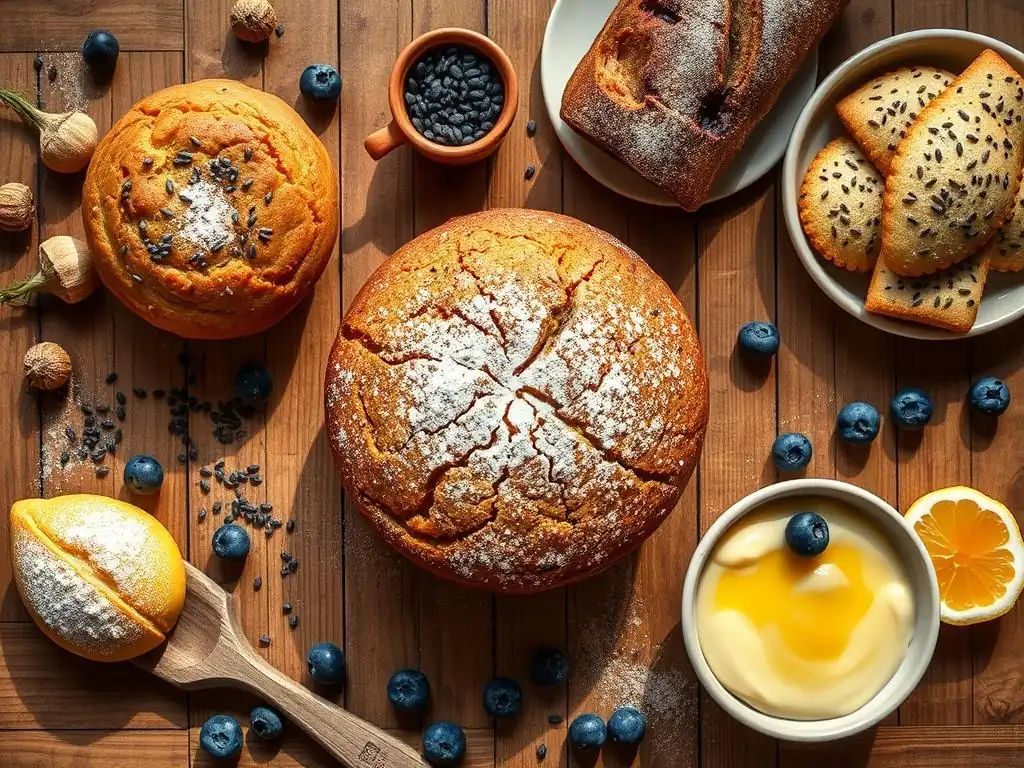
Poppy Seed Bagels: A Classic Crunchy Topping
Poppy seed bagels are a beloved classic, featuring a generous coating of these tiny seeds on their chewy crust. The seeds add a delightful crunch and a subtle nutty flavor that complements the savory, slightly sweet dough. This is perhaps one of the most iconic non-cake uses of poppy seeds in baking.
Making poppy seed bagels involves boiling the formed dough rings briefly before baking. This boiling step creates the signature chewy interior and sets the exterior, allowing the poppy seeds to adhere effectively. After boiling, the bagels are often dipped or pressed into a shallow dish filled with poppy seeds before being placed on a baking sheet. As they bake at high heat, the seeds toast slightly, enhancing their aroma and crunch. A typical bagel recipe might use anywhere from 1/4 cup to 1/2 cup of poppy seeds to generously coat a batch of 8-12 bagels.
Poppy Seed Salad Dressing: Adding Texture to Greens
While not strictly "baking," poppy seed salad dressing is a popular culinary use that often involves ingredients commonly found in baking, like sugar and vinegar, and it's a delicious way to enjoy the seeds' texture. This sweet and tangy dressing is famously paired with fruit-based salads or those containing ingredients like spinach, strawberries, or chicken.
A standard poppy seed dressing recipe typically combines oil (like vegetable or canola), vinegar (apple cider or white vinegar are common), sugar, and poppy seeds. Some recipes include mayonnaise or yogurt for creaminess, or onion powder and dry mustard for extra flavor depth. The poppy seeds are simply whisked into the dressing mixture. They don't soften significantly, providing a pleasant textural contrast against the smooth dressing and soft salad greens. A typical recipe for a small batch might use 1 to 2 tablespoons of poppy seeds.
Poppy Seed Crackers: A Savory and Seed-Rich Snack
Poppy seeds are a fantastic addition to savory baked goods like crackers. Their crunch and nutty flavor are particularly well-suited to crisp, thin crackers, making them a satisfying and flavorful snack. Adding seeds like poppy seeds to crackers also boosts their fiber and mineral content.
Making poppy seed crackers usually involves a simple dough made from flour, water, oil, and salt. Poppy seeds are either mixed directly into the dough or sprinkled generously on top before baking. Rolling the dough very thinly is key to achieving crispness.
The seeds embedded within or on the surface of the cracker dough toast as they bake, becoming even more flavorful and aromatic. A batch of homemade crackers might use anywhere from 2 tablespoons to 1/4 cup of poppy seeds, depending on how seed-rich you want them to be. They are often baked at moderate temperatures until golden brown and crisp, which might take 15-25 minutes depending on thickness.
Poppy Seed Filling for Hamantaschen: A Traditional Purim Treat
Poppy seed filling, known as mohn in Yiddish, is a classic element in Hamantaschen, triangular filled cookies traditionally eaten during the Jewish holiday of Purim. This sweet, dense filling showcases the unique flavor of ground poppy seeds and is a beloved use in Jewish baking.
The filling is made by grinding poppy seeds (which helps release their flavor and creates a smoother texture) and then cooking them with milk, sugar, and often honey, butter, and flavorings like lemon zest, orange zest, vanilla, or rum. The mixture is simmered until it thickens into a paste. Sometimes, finely chopped nuts or raisins are added. This sweet, dark, and slightly earthy filling is then enclosed within a simple cookie dough shaped into a triangle. A typical recipe for mohn filling for a batch of Hamantaschen might use 1/2 cup to 1 cup of ground poppy seeds.
Tips and Tricks for Baking with Poppy Seeds
Enhancing Poppy Seed Flavor: Toasting Before Use
One effective way to intensify the flavor of poppy seeds in your baking, whether it's a poppy seed cake recipe or bread, is by lightly toasting them before incorporating them into your dough or batter. Toasting helps to release the oils within the seeds, which carry their characteristic nutty aroma and flavor.
To toast poppy seeds, spread them in a single layer in a dry skillet over medium-low heat. Stir or shake the pan frequently to ensure they toast evenly and don't burn. They toast very quickly due to their small size, often within 2-5 minutes. You'll know they're done when they become fragrant and perhaps slightly darker in color. Be vigilant, as they can go from perfectly toasted to burnt in seconds. Once toasted, immediately transfer them to a cool dish to stop the cooking process. Let them cool completely before adding them to your recipe.
Preventing Poppy Seeds from Sinking: Coating with Flour
A common issue when adding dense ingredients like nuts or seeds to cake or muffin batter is that they can sink to the bottom during baking. This can happen with poppy seeds, especially in a lighter poppy seed cake recipe. A simple trick to help prevent this is to lightly coat the seeds in a small amount of flour before adding them to the batter.
After you've bloomed or toasted your poppy seeds (if doing so), or if using them dry, place them in a small bowl. Add about 1-2 tablespoons of the flour measured for your recipe (take it from the total amount, don't add extra) and toss the seeds gently to coat them evenly. The flour coating helps the seeds "cling" to the batter and suspend more evenly throughout the mixture as it bakes and rises. This small step can make a big difference in the distribution of seeds throughout your finished poppy seed cake or muffins.
Adjusting Recipes for Poppy Seed Content: Adding Extra Liquid
When adding a significant amount of poppy seeds to a recipe that doesn't originally call for them, or if you want to increase the quantity in a standard poppy seed cake recipe, you might need to slightly adjust the liquid content. Poppy seeds are absorbent, and adding more can effectively "dry out" the batter or dough.
If adding more than a few tablespoons of poppy seeds, especially if not pre-soaking them, consider adding an extra tablespoon or two of liquid (milk, buttermilk, or water) to the batter. This compensates for the moisture the seeds will absorb during mixing and baking, helping to maintain the intended consistency and preventing a dry result. It's often better to add a little extra liquid than not enough; you can always add a tiny bit more if the batter seems too stiff, but you can't easily remove liquid once added.
Troubleshooting Common Poppy Seed Baking Issues: Dryness and Bitterness
Baking with poppy seeds is generally straightforward, but occasionally issues like dryness or bitterness can arise. Dryness, as mentioned, is often due to the seeds absorbing too much moisture from the batter. Ensure you're using a recipe specifically designed as a moist poppy seed cake recipe, or consider pre-soaking the seeds or adding a touch more liquid as a preventative measure.
Bitterness in poppy seeds can stem from several factors. The most common cause is rancidity, which occurs when the oils in the seeds have oxidized due to age or improper storage. Always check your seeds for freshness before using them; they should smell nutty, not stale or bitter. Over-toasting can also make them bitter, so toast gently and watch them carefully. In some cases, excessive heat during baking, particularly if the seeds are on the surface, can also contribute to bitterness. Ensure your oven temperature is accurate.
Mastering the Poppy Seed Cake: Advanced Techniques
Layering Flavors: Pairing Poppy Seeds with Citrus and Extracts
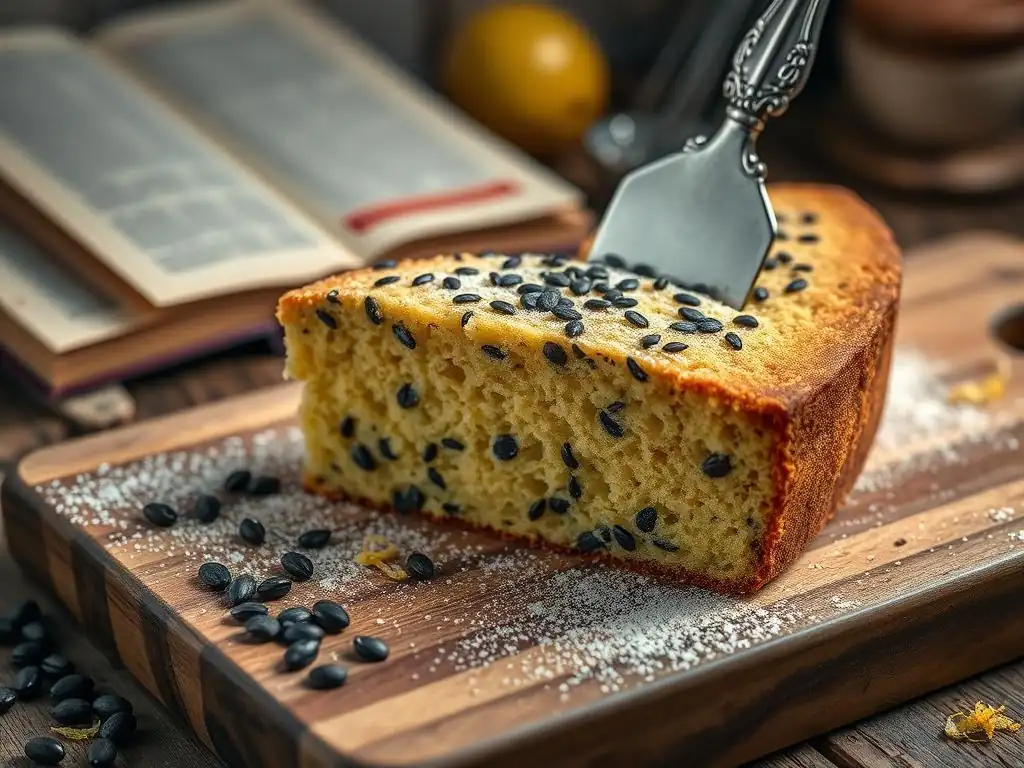
Mastering a poppy seed cake recipe involves understanding how to layer flavors to create a complex and harmonious profile. Poppy seeds have a natural affinity for citrus flavors, particularly lemon and orange. Using both the zest and juice provides a bright, fresh counterpoint to the seeds' earthiness.
Beyond citrus, extracts play a vital role. Vanilla extract adds a foundational warmth and sweetness that enhances most cake recipes. Almond extract, used judiciously, amplifies the nutty notes of the poppy seeds, creating an almond poppy seed cake variation that is incredibly popular. Consider using a combination of extracts; for instance, a hint of almond extract alongside lemon can add depth. You can also introduce other flavors like cardamom or a touch of ginger, which pair surprisingly well with both citrus and seeds, adding layers of warmth and spice to your poppy seed cake.
Decorating Your Poppy Seed Cake: Using a Simple Glaze or Icing
While the speckled appearance of a poppy seed cake is lovely on its own, a simple glaze or icing can elevate its appearance and add another layer of flavor and moisture. A classic choice for a lemon poppy seed cake recipe is a simple powdered sugar glaze, made by whisking powdered sugar with a small amount of liquid.
The liquid for the glaze can be lemon juice for intense citrus flavor, milk or water for a neutral sweetness, or even a liqueur like limoncello for an adult twist. The consistency can be adjusted from a thin, transparent wash to a thick, opaque drizzle by varying the amount of liquid.
Other options include a cream cheese frosting for a richer cake, or a simple dusting of powdered sugar. For a Bundt cake, pouring the glaze over the warm (but not hot) cake allows some of it to soak in, adding extra moisture, while pouring it over a completely cool cake results in a cleaner, set glaze on the surface.
Scaling Your Poppy Seed Cake Recipe: Adjusting Baking Time Accordingly
Scaling a poppy seed cake recipe, whether doubling it for a larger crowd or halving it for a smaller batch, requires careful adjustments beyond just multiplying or dividing ingredients. The most significant adjustment needed is typically the baking time.
When doubling a recipe and baking it in a larger pan (like a 9x13 inch instead of an 8x8 inch) or in two pans instead of one, the baking time may not simply double. A larger volume of batter or a deeper pan will generally require a longer baking time. Conversely, halving a recipe and using a smaller pan will require a shorter baking time.
It's crucial to start checking for doneness earlier than the scaled time suggests, using the skewer or thermometer test. Oven temperatures might also need minor adjustments; sometimes, slightly lowering the temperature for a larger or deeper cake helps prevent the edges from overcooking before the center is done. Always rely on visual cues and internal temperature rather than strictly adhering to the scaled time.
Where to Buy High-Quality Poppy Seeds
Selecting the Best Poppy Seeds for Baking: Checking for Freshness
Choosing high-quality poppy seeds is paramount for achieving the best flavor in your baking, especially for a stellar poppy seed cake recipe. The most important factor is freshness. Stale or rancid poppy seeds will impart an unpleasant, bitter taste that can ruin your baked goods.
When purchasing, look for seeds that appear uniformly colored (depending on the variety), with a dull, not overly shiny, surface. Avoid seeds that look dusty, broken, or clumped together. If possible, smell the seeds; they should have a mild, slightly nutty aroma. A strong, bitter, or chemical smell indicates they are past their prime. Buying from stores with high turnover for spices or from reputable spice merchants increases the likelihood of getting fresh seeds. Consider buying smaller quantities if you don't bake with them frequently, unless you plan to store them properly in the freezer.
Online Retailers for Poppy Seeds: Spice Shops and Specialty Bakeries
Online retailers are an excellent source for high-quality poppy seeds, often offering better selection and fresher products than standard grocery stores. Websites specializing in spices or baking ingredients are particularly good options.
Many online spice shops source their seeds directly and have a high volume of sales, ensuring fresh stock. Examples include dedicated spice companies or online marketplaces focusing on gourmet ingredients. Specialty online bakeries or baking supply stores also often carry high-quality seeds intended for professional use. When ordering online, check reviews, look for information about sourcing and freshness, and compare prices. Buying in bulk can be more cost-effective, but remember proper storage is key if you choose this route. Shipping speed can also be a factor, especially in warmer months, to minimize exposure to heat during transit.
Local Stores: Grocery Stores and International Markets
You can find poppy seeds in most local grocery stores, typically in the spice aisle. While convenient, the freshness can vary depending on the store's turnover. Check the expiration date if available, and visually inspect the seeds if they are in a clear container.
For potentially fresher or different varieties (like white poppy seeds), explore international markets or ethnic grocery stores. Middle Eastern, Indian, or Eastern European markets are likely to carry poppy seeds, sometimes in bulk bins or larger packages, which can offer better value. Purchasing from bulk bins allows you to inspect the seeds more closely before buying, checking for aroma and appearance.
When buying in bulk, ensure the bins are clean and the store has a good reputation for freshness. Regardless of where you buy, transferring the seeds to an airtight container at home is the first step to maintaining their quality.
Conclusion: Embrace the Versatility of Poppy Seeds in Baking
Elevate Your Baking with the Unique Appeal of Poppy Seeds
Poppy seeds, though small, offer a unique combination of nutty flavor and delightful texture that can truly elevate your baking. From classic comforts like a moist and tender poppy seed cake recipe to crunchy bagel toppings and savory crackers, their versatility is undeniable. Understanding the different types of seeds, how to store them properly, and simple techniques like toasting or blooming can significantly enhance the outcome of your baked goods.
Incorporating poppy seeds is a simple way to add sophistication and a pleasant sensory experience to your creations. Their subtle taste complements a wide range of flavors, making them a valuable ingredient to keep in your pantry. Don't hesitate to experiment with them beyond traditional recipes, perhaps adding them to cookie dough, scone batter, or even bread puddings.
Further Baking Adventures: Exploring Other Seed-Based Recipes Like Sesame and Sunflower Seeds
Once you've mastered baking with poppy seeds, consider expanding your repertoire to include other wonderful seeds. Sesame seeds, with their distinct nutty flavor (especially when toasted) and satisfying crunch, are fantastic on bread, rolls, and in savory crackers. They are also the base for tahini, used in both sweet and savory applications.
Sunflower seeds offer a larger, more substantial crunch and a slightly sweeter, nuttier flavor. They are excellent in multi-grain breads, muffins, and granola bars. Like poppy seeds, they can be added to dough or batter or used as a topping.
Exploring seeds like chia seeds (for moisture and binding), pumpkin seeds (pepitas) for crunch and color, and flax seeds (often used ground as an egg substitute or for fiber) will open up a whole new world of textures, flavors, and nutritional benefits in your baking journey. Each seed brings its own unique character, ready to be discovered in your kitchen.
Frequently Asked Questions
How can I ensure my poppy seeds are fresh in my poppy seed cake recipe?
To ensure freshness, store poppy seeds in an airtight container in a cool, dark place. You can also toast them lightly before using to enhance their flavor.
What is the best way to incorporate poppy seeds into my poppy seed cake batter?
Gently fold the poppy seeds into the batter at the very end of the mixing process. This prevents them from becoming crushed and releasing too much oil, which can affect the cake's texture. Consider soaking them in milk or lemon juice beforehand for increased moisture.
Can I substitute poppy seeds with another ingredient in the poppy seed cake recipe?
While not a direct substitute, you could try using ground flax seeds for a similar texture and nutritional benefit. However, be aware that it will significantly alter the flavor of your poppy seed cake.
What kind of frosting pairs best with a poppy seed cake?
A lemon glaze or a cream cheese frosting often complements the subtle flavor of poppy seeds beautifully. The tanginess cuts through the richness of the cake.
What are some common mistakes to avoid when baking a poppy seed cake?
Overmixing the batter after adding the poppy seeds is a common mistake. Also, using old or rancid poppy seeds can ruin the flavor of the cake. Always check the expiration date.
Final Reflection: The Enduring Allure of the Poppy Seed
The humble poppy seed, often overlooked, holds a surprising power to elevate the simplest of baked goods. Its subtle, nutty flavor and delicate crunch add a layer of complexity that transforms a plain cake into something truly special. This isn't just a recipe; it's a journey into the heart of understated elegance.
The poppy seed's influence extends far beyond the kitchen; it's a symbol of resilience and beauty, quietly flourishing in fields across the globe. Its presence in baking traditions worldwide speaks to its enduring appeal, a testament to its versatility and timeless charm. The best things in life are often the simplest,
a phrase that perfectly captures the essence of this unassuming ingredient and its ability to bring joy to both baker and eater. Its subtle presence reminds us that sometimes, the most profound flavors are found in the quietest corners.
Consider the next time you bake, the potential held within a simple sprinkle of poppy seeds. Let this article be a springboard for your own culinary explorations. Don't be afraid to experiment, to embrace the subtle nuances, and to discover the magic that lies within the seemingly ordinary. The world of baking, much like life itself, is full of unexpected delights waiting to be uncovered. Let the poppy seed be your guide.
Unleash Your Inner Baker: Poppy Seed Perfection Awaits!
Thanks for joining us on this poppy seed adventure! We hope you've discovered a newfound appreciation for this tiny but mighty seed and its versatility in baking. Ready to sprinkle some magic into your kitchen?
- Bake your own poppy seed masterpiece: Try one of the recipes inspired by the article – the possibilities are endless! Let your creativity flow and see what deliciousness you can create.
- Share your baking journey: Show us your creations! Tag us on social media with #BakeWithEasePoppySeed and let's inspire each other.
- Explore the poppy seed world: Dive deeper! Search online for more exciting recipes and fun facts about this amazing ingredient.
What unique poppy seed creation will you bake first? Let us know in the comments below!