
Elegant Plated Desserts: Start with These 3 Easy Recipes

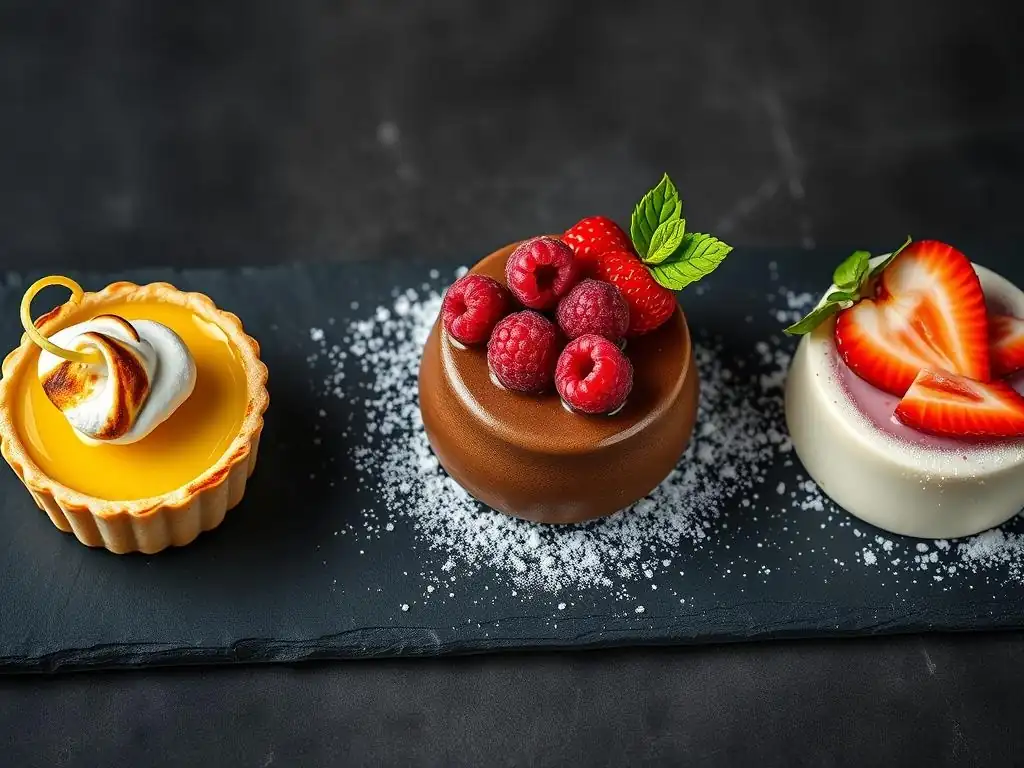
Welcome to BakeWithEase, your trusted guide to baking brilliance! Ever dreamt of crafting desserts that look as exquisite as they taste? Dive into our world of easy plated dessert recipes and discover how to transform simple ingredients into stunning culinary creations. Ready to impress? These first three recipes are just the beginning—let's unlock your inner pastry chef!
- Elegant Plated Desserts: 3 Beginner-Friendly Recipes
- Sweet Sensations: Mastering Elegant Plated Desserts at Home
- Why Choose Plated Desserts? Unveiling the Art of Presentation
- 3 Easy Plated Dessert Recipes to Impress
- Essential Tools for Plated Dessert Success
- Tips for Perfecting Your Plated Dessert Presentation
- Elevate Your Baking: Beyond the Basics of Plated Desserts
-
Frequently Asked Questions
- What makes a plated dessert "easy" according to BakeWithEase?
- Where can I find the recipes mentioned in the "Elegant Plated Desserts" article?
- Can a beginner baker successfully create these "Elegant Plated Desserts"?
- Besides the three featured recipes, what other types of desserts does BakeWithEase offer?
- How can BakeWithEase help me improve my overall baking skills?
- Final Reflection: The Sweet Art of Effortless Elegance
- Unleash Your Inner Pastry Chef!
Elegant Plated Desserts: 3 Beginner-Friendly Recipes
Sweet Sensations: Mastering Elegant Plated Desserts at Home
Embarking on the journey of creating elegant plated desserts might seem daunting at first glance, conjuring images of intricate techniques and professional kitchens. However, the truth is that crafting beautiful, restaurant-quality desserts at home is entirely within reach, even for those new to the art of baking and pastry.
This guide is specifically designed to demystify the process, introducing you to easy plated dessert recipes that focus on simple preparation methods and stunning presentation. We'll walk you through three distinct recipes that are not only delicious but also offer fantastic opportunities to practice basic plating skills, transforming everyday ingredients into sophisticated sweet sensations.
Moving beyond the traditional single cake or pie shared among guests, plated desserts offer a personal and artistic touch to your culinary repertoire. They allow for a delightful interplay of flavors, textures, and temperatures within a single serving, providing a more dynamic and memorable eating experience. By starting with easy plated dessert recipes, you build confidence and skill, gradually mastering techniques that will enable you to tackle more complex creations down the line. Think of this as your entry point into the world of fine dining desserts, made accessible and enjoyable right in your own kitchen.
Why Choose Plated Desserts? Unveiling the Art of Presentation
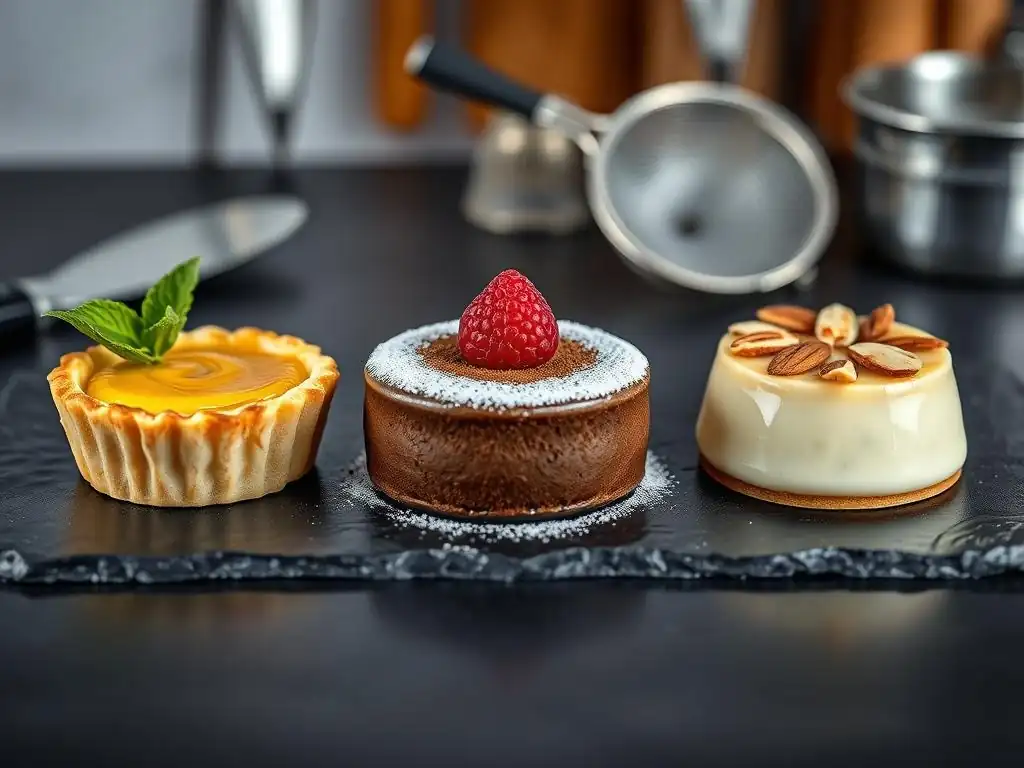
Beyond the Cake: The Appeal of Individual Dessert Creations
While a beautifully decorated layer cake or a rustic fruit pie certainly holds a special place in our hearts and at the table, individual plated desserts offer a unique opportunity for creativity and a refined dining experience. Unlike slicing and serving from a larger format, plating allows the baker complete control over each component presented to the diner.
This means carefully considering the balance of flavors – perhaps pairing a rich chocolate element with a bright fruit sauce or a creamy texture with a crisp component. It also opens up possibilities for temperature contrasts, such as a warm sauce alongside a chilled mousse, adding another layer of sensory delight.
Furthermore, the shift towards individual portions reflects a modern approach to dining, where presentation is paramount and each dish is treated as a work of art. Historically, elaborate desserts were often centerpieces meant for communal sharing, but contemporary pastry has leaned towards the intricate architecture of the single-serving dessert. This allows for precise portion control and ensures that each guest receives a perfectly composed bite, showcasing the baker's skill not just in execution but also in design. Mastering easy plated dessert recipes is the first step towards participating in this exciting aspect of modern culinary arts.
The Secret to Restaurant-Quality Desserts: It's Easier Than You Think
Achieving that polished, professional look and taste of a restaurant dessert might seem like a closely guarded secret, but often it boils down to a few key principles accessible to any home cook. The core idea is focusing on distinct components that, when combined on a plate, create a harmonious and exciting experience. This isn't necessarily about using exotic ingredients or complex machinery; it's about thoughtful preparation and assembly. For instance, a simple chocolate mousse becomes restaurant-quality when paired with a contrasting element like a tart berry compote and a crunchy garnish, then artfully arranged on the plate.
Many of the techniques used in professional kitchens for plated desserts are surprisingly straightforward. Think of tempering chocolate – while it sounds fancy, it's a process that can be learned and executed at home with basic tools. Similarly, making a simple sauce to drizzle or creating a crumble for texture are fundamental techniques that significantly elevate a dessert's appeal. The real "secret" lies in attention to detail during assembly and presentation, ensuring clean lines, thoughtful arrangement, and vibrant colors. By practicing with easy plated dessert recipes, you'll quickly discover that these professional touches are well within your grasp.
3 Easy Plated Dessert Recipes to Impress
Recipe 1: Dark Chocolate Avocado Mousse with Salted Caramel Drizzle
This mousse is deceptively simple, relying on the creamy texture of avocado to create a luscious base without dairy. It's a fantastic entry point into easy plated dessert recipes, offering rich flavor and a smooth consistency perfect for elegant presentation.
Ingredients for Dark Chocolate Avocado Mousse
- 2 ripe avocados
- 1/2 cup unsweetened cocoa powder
- 1/2 cup maple syrup or other liquid sweetener
- 1/4 cup plant-based milk (like almond or soy)
- 1 teaspoon vanilla extract
- Pinch of salt
Step-by-Step Instructions for Making the Mousse
- Cut the avocados in half, remove the pits, and scoop the flesh into a food processor or high-powered blender. Ensure the avocados are very ripe for the creamiest texture.
- Add the cocoa powder, maple syrup, plant-based milk, vanilla extract, and salt to the food processor.
- Process on high speed until the mixture is completely smooth and creamy, scraping down the sides as needed. This might take 2-3 minutes. The goal is to eliminate any avocado lumps.
- Taste and adjust sweetness if necessary. For a richer flavor, you could add a tiny bit more cocoa.
- Spoon the mousse into individual serving dishes or glasses. Alternatively, you can chill it in a larger container and scoop just before plating.
- Chill the mousse in the refrigerator for at least 2 hours to allow it to set and flavors to meld. Chilling is crucial for the mousse to hold its shape when plated.
Preparing the Salted Caramel Drizzle: A Sweet and Salty Delight
A simple salted caramel sauce adds a wonderful contrast to the rich, dark chocolate mousse. You can use a store-bought high-quality caramel or make a quick one at home. For a quick version: Gently heat 1/2 cup of caramel (store-bought or homemade) with 1-2 tablespoons of plant-based milk until pourable. Stir in 1/4 teaspoon of flaky sea salt. The salt is key here, enhancing the sweetness and cutting through the richness.
Plating the Mousse: Tips for a Stunning Presentation
For plating, you have several options with this easy recipe. You can serve the mousse directly in elegant glasses or small bowls. For a more artistic approach, scoop chilled mousse onto a plate using a large spoon or an ice cream scoop for a quenelle shape (this takes a little practice!). Drizzle the salted caramel sauce around the mousse, creating swirls or lines.
A sprinkle of additional flaky sea salt directly onto the caramel adds visual appeal and flavor. Garnish with a few fresh berries, a mint sprig, or a sprinkle of cocoa nibs for crunch and visual contrast. Aim for clean lines and negative space on the plate.
Recipe 2: Raspberry Rosewater Semifreddo with Pistachio Crumble
Semifreddo, meaning "half-frozen" in Italian, is a delightful no-churn ice cream alternative that is incredibly easy to make and perfect for plating. The combination of bright raspberry, fragrant rosewater, and crunchy pistachio offers a sophisticated flavor profile in this delightful addition to your repertoire of easy plated dessert recipes.
Creating the Semifreddo Base
The base for this semifreddo is a simple mixture of whipped cream and sweetened condensed milk. In a large bowl, whip 2 cups of heavy cream (or full-fat coconut cream for a dairy-free version) until stiff peaks form. In a separate bowl, whisk together one 14-ounce can of sweetened condensed milk (or a dairy-free alternative) with 1 teaspoon of vanilla extract. Gently fold the whipped cream into the condensed milk mixture until just combined, being careful not to deflate the air. This airy base is what gives semifreddo its unique texture.
Infusing with Raspberry and Rosewater
To infuse the semifreddo, gently fold in 1 cup of fresh or thawed frozen raspberries. Swirl them in partially for a marbled effect, or fold completely for uniform color. Add 1 to 2 teaspoons of rosewater, depending on how pronounced you want the floral flavor. Start with less and add more to taste. The rosewater should be a subtle hint, not overpowering. You can also add a drop or two of pink food coloring if you desire a more vibrant color, though the raspberries will lend a natural pink hue.
Making the Pistachio Crumble Topping
A simple pistachio crumble adds essential texture and nutty flavor. Pulse 1/2 cup of shelled pistachios with 2 tablespoons of granulated sugar and 1 tablespoon of all-purpose flour (or almond flour for gluten-free) in a food processor until coarse crumbs form. Melt 2 tablespoons of unsalted butter (or vegan butter) in a small pan, add the pistachio mixture, and cook over medium heat, stirring frequently, until golden brown and fragrant, about 3-5 minutes. Be careful not to burn it. Let the crumble cool completely on a plate lined with parchment paper.
Assembling and Plating the Semifreddo
Pour the semifreddo mixture into a loaf pan lined with plastic wrap, leaving excess wrap to cover the top. Freeze for at least 6 hours, or preferably overnight, until firm. To plate, lift the semifreddo out of the pan using the plastic wrap and slice into portions about 1 inch thick using a sharp knife dipped in hot water. Place a slice on each plate.
Sprinkle the cooled pistachio crumble generously around or on top of the semifreddo slice. Garnish with a few fresh raspberries and perhaps a delicate edible flower or a dusting of powdered sugar through a sieve for a professional finish. The contrast between the creamy, cold semifreddo and the warm-toned, crunchy crumble is key.
Recipe 3: Coconut Mango Sticky Rice Parfaits
Inspired by the classic Thai dessert, this deconstructed version transforms humble sticky rice into an elegant plated parfait. It's naturally gluten-free and vegan, showcasing how easy plated dessert recipes can incorporate diverse global flavors. The layers of creamy coconut rice, sweet mango, and rich coconut cream are visually appealing and delightful to eat.
Cooking the Sticky Rice: The Foundation
Begin with 1 cup of glutinous rice (also known as sweet rice). Rinse the rice thoroughly under cold water until the water runs clear. Soak the rice in fresh water for at least 30 minutes, or up to 4 hours. Drain the soaked rice and steam it until tender and translucent. This can be done in a bamboo steamer over a pot of boiling water (about 20-25 minutes) or in a rice cooker with a steam function. While the rice is hot, transfer it to a bowl.
Preparing the Coconut Cream
In a saucepan, gently heat one 13.5-ounce can of full-fat coconut milk with 1/4 cup of granulated sugar and a pinch of salt. Stir until the sugar is dissolved. Pour about half of this warm coconut mixture over the hot steamed sticky rice and stir gently to combine. Cover and let it sit for 10-15 minutes to allow the rice to absorb the liquid.
This creates the sweet coconut sticky rice layer. Reserve the remaining coconut mixture for the topping. For a slightly thicker topping cream, you can whisk 1 teaspoon of cornstarch with a tablespoon of the cold reserved coconut mixture before heating, then add it back to the saucepan and heat gently until slightly thickened.
Slicing and Arranging the Mango
Use ripe, sweet mangoes for the best flavor. You will likely need 1-2 large mangoes for about 2 cups of sliced fruit. Peel the mangoes and slice the flesh away from the pit. You can cut the mango into cubes or thin slices, depending on your desired look for the layers. For elegant plating, uniform cubes or carefully fanned slices work well. Ensure the mango is at room temperature for optimal sweetness and aroma.
Plating the Parfaits: Layered Elegance
Choose clear glasses, jars, or wide-mouthed bowls for plating to showcase the beautiful layers. Start with a layer of the warm coconut sticky rice at the bottom. Use a spoon to gently press it down slightly. Next, add a layer of sliced or cubed mango.
Drizzle some of the reserved warm coconut cream over the mango layer. Repeat the layers – sticky rice, then mango, then coconut cream – until the glass is full, ending with a final layer of mango and a generous drizzle of the thickened coconut cream on top. Garnish with a sprinkle of toasted sesame seeds, a mint leaf, or a small piece of edible gold leaf for extra elegance. Serve immediately while the rice is still warm and the mango is fresh.
Essential Tools for Plated Dessert Success
Must-Have Kitchen Equipment for Elegant Desserts
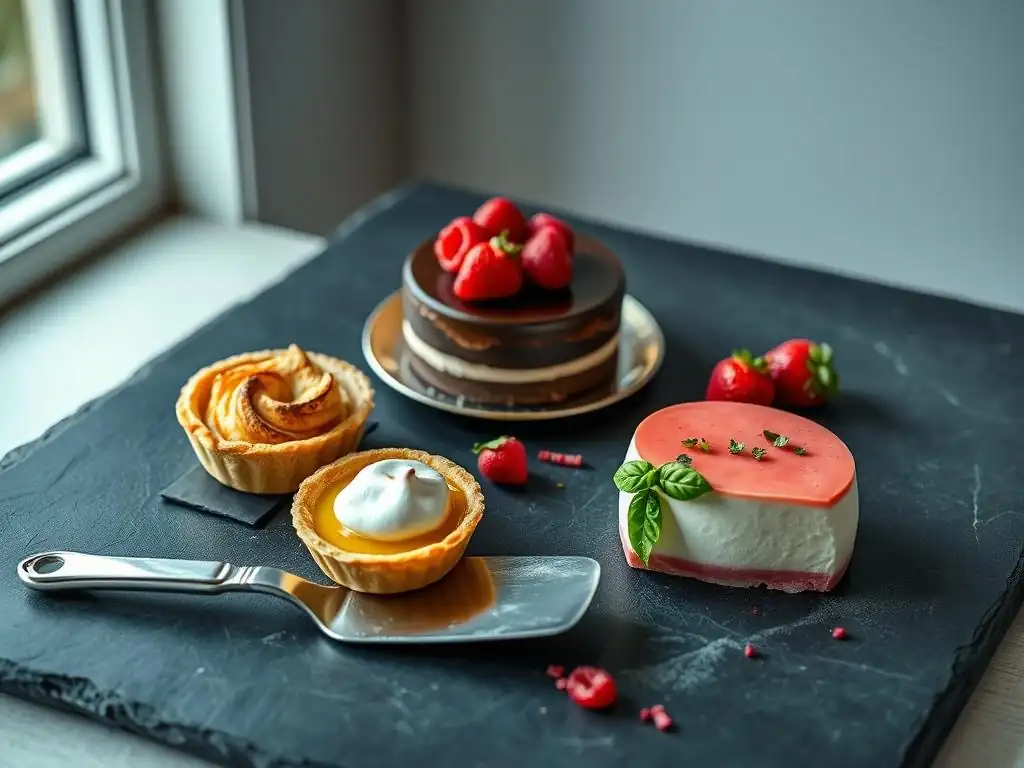
You don't need a professional pastry kitchen to create stunning plated desserts. Many essential tools are likely already in your kitchen. A good set of mixing bowls in various sizes is fundamental for preparing different components. Whisks, both balloon and flat, are crucial for whipping cream or egg whites and combining ingredients smoothly. Measuring cups and spoons are non-negotiable for accuracy in recipes. A rubber spatula is invaluable for folding ingredients and scraping bowls clean. A fine-mesh sieve is useful for sifting dry ingredients, dusting powdered sugar, or straining sauces for a smooth finish.
Beyond these basics, a few specialized items can significantly enhance your dessert making and plating. A stand mixer or hand mixer makes whipping cream and meringues much easier and consistent. A food processor or blender is excellent for creating smooth purees, mousses, and crumbles, as seen in the avocado mousse recipe. A small offset spatula is incredibly useful for spreading sauces, smoothing surfaces, and lifting delicate components. Piping bags and a few basic tips (like a round or star tip) are essential for adding dollops of cream, mousse, or meringue with precision and elegance.
Presentation Essentials: Plates, Spoons, and Garnishes
The "plate" is your canvas for plated desserts, so choosing the right one is key. White plates are often preferred as they make the colors of the dessert components pop and provide a clean, classic backdrop. Consider different shapes (round, square, rectangular) and sizes to see what best suits the dessert you are creating. Small dessert plates, typically around 7-8 inches in diameter, are ideal as they prevent the dessert from looking lost and encourage thoughtful arrangement.
The utensils provided also contribute to the presentation. Elegant dessert spoons or forks should complement the style of the dessert and the plateware. Garnishes are the finishing touches that add visual appeal, texture, and sometimes additional flavor. Simple garnishes like fresh berries, edible flowers, chocolate shavings, a dusting of cocoa powder, or a sprig of fresh mint can transform a simple dessert into something special. Small squeeze bottles are excellent for creating precise lines or dots with sauces. Think of these elements not just as decoration, but as integral parts of the overall dessert experience.
Tips for Perfecting Your Plated Dessert Presentation
Mastering the Art of Garnishing
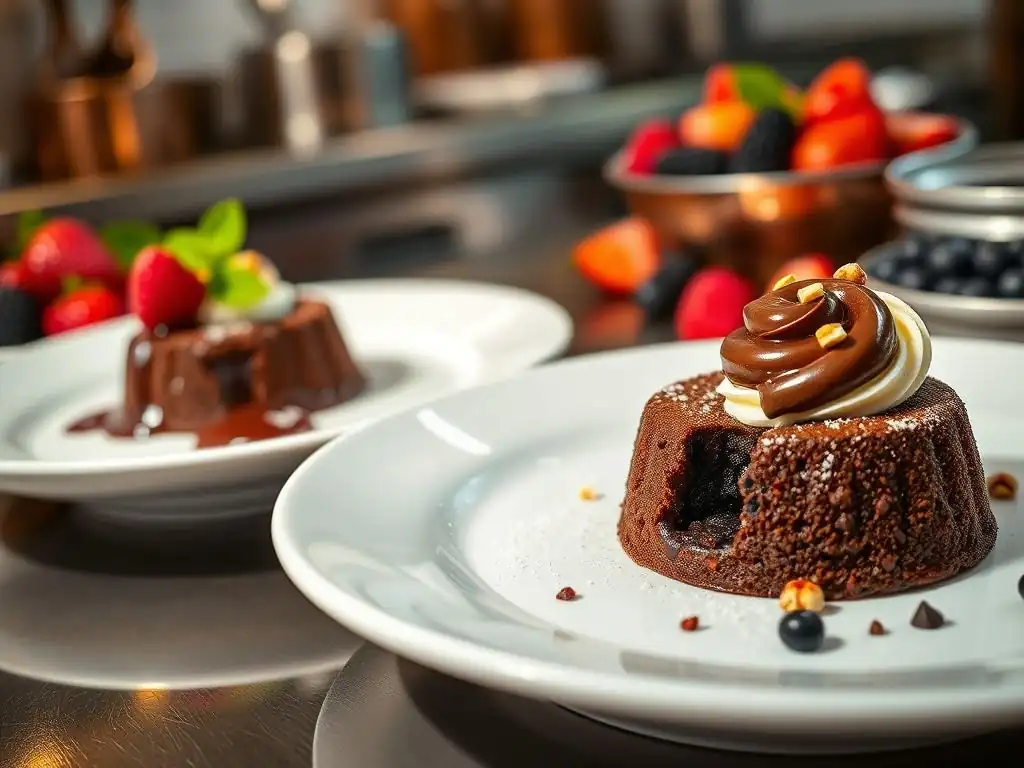
Garnishing is where your personal touch truly shines in plated desserts. A successful garnish enhances the dessert without overwhelming it. Consider the flavor profile – if it's a chocolate dessert, cocoa nibs or a chocolate curl are natural fits. If it's fruity, fresh fruit or a fruit coulis works wonderfully. Texture is also important; a creamy dessert benefits from a crunchy element like toasted nuts, a cookie crumble, or chocolate pearls. Visual appeal is paramount; aim for contrast in color, shape, and height.
Execution matters. A few perfectly placed berries look much better than a scattered pile. A clean line of sauce is more elegant than a messy blob. Practice simple techniques like dusting powdered sugar through a stencil, creating chocolate curls with a vegetable peeler, or making candied citrus peel. Remember that the garnish should be edible and complement the dessert's flavors. Avoid overcrowding the plate; sometimes, less is more. A simple mint leaf or a single raspberry can be enough to elevate an easy plated dessert recipe significantly.
Achieving Balance in Flavor and Texture
A truly memorable plated dessert offers a balance of different sensations. Think about combining sweet with slightly tart or bitter notes, rich with fresh or light elements. In terms of texture, aim for a mix of creamy, crunchy, smooth, and perhaps even chewy elements on the same plate. For example, pairing a smooth panna cotta with a tart berry compote and a crisp shortbread crumble provides a delightful textural and flavor contrast.
Consider temperature as well. Serving a warm sauce alongside a cold component, like a warm chocolate sauce with vanilla ice cream, creates an exciting dynamic. Planning these contrasts is part of the creative process when designing or adapting easy plated dessert recipes. Before you even start cooking, think about the primary flavor and texture of your main component and what elements you can add to provide contrast and harmony. Tasting components individually and then together is crucial during the development phase.
Using Color and Contrast to Enhance Visual Appeal
Color is one of the most powerful tools in plated dessert presentation. Vibrant colors naturally attract the eye and make a dessert look appetizing. Think about the bright red of raspberries against a white cream, the deep brown of chocolate, the sunny yellow of mango, or the vibrant green of pistachios or mint. Use these colors strategically to create focal points on the plate.
Contrast isn't just about color; it's also about shape and form. Pairing round elements with straight lines, soft shapes with sharp angles, or flat surfaces with raised components adds visual interest. For instance, a quenelle (an oval shape created with spoons) of mousse can be placed next to a straight line of sauce and topped with a few angular chocolate shards.
Negative space on the plate is just as important as the space occupied by the dessert; it allows the components to stand out and prevents the plate from looking cluttered. Playing with these contrasts helps transform simple easy plated dessert recipes into visually stunning creations.
Elevate Your Baking: Beyond the Basics of Plated Desserts
Exploring Advanced Plating Techniques: Sauces, Swirls, and Geometric Designs
Once you've mastered the basics with easy plated dessert recipes, you might feel ready to explore more advanced plating techniques. Sauces offer a vast canvas for creativity. Beyond simple drizzles, you can learn to create perfect dots, elegant swirls using a squeeze bottle or spoon, or even paint abstract designs directly onto the plate. Techniques like creating a "tear drop" shape with a spoon or dragging a skewer through dots of sauce require practice but yield impressive results.
Geometric designs can also add a modern, architectural feel to your plates. This might involve stacking components, arranging elements in precise lines or grids, or using ring molds and cutters to create perfect shapes. Consider tempered chocolate shards, sugar cages, or tuile cookies shaped into cylinders or curves to add height and structure. These techniques build upon the fundamental principles of balance and visual appeal but require a bit more precision and skill, pushing the boundaries of your easy plated dessert recipes.
Experimenting with Different Flavor Combinations: Pairing Fruit, Herbs, and Spices
Expanding your flavor palate is a natural next step after becoming comfortable with basic recipes. Don't be afraid to experiment with less common pairings. Herbs like basil, mint, rosemary, or thyme can add a surprisingly refreshing or aromatic dimension to sweet dishes. For instance, basil pairs wonderfully with strawberries, rosemary with citrus, and thyme with stone fruits.
Spices like cardamom, star anise, black pepper, or even chili can add warmth, complexity, or a subtle kick that elevates fruit or chocolate. Consider a pear dessert infused with star anise or a chocolate ganache with a hint of chili. Exploring different fruits beyond the usual suspects – think passion fruit, guava, or blood orange – can also unlock exciting new flavor profiles. Researching classic flavor pairings and then experimenting with your own twists will make your easy plated dessert recipes truly unique and memorable.
Resources for Further Learning: Books and Online Courses
Continuing your education is key to growing as a baker and pastry enthusiast. Many excellent resources are available to delve deeper into plated desserts and advanced techniques. Look for cookbooks specifically focused on pastry and dessert plating by renowned chefs; they often include detailed instructions and inspiring photography.
Online platforms like MasterClass, specialized pastry schools offering online programs, or even comprehensive YouTube channels dedicated to pastry arts provide visual demonstrations and in-depth lessons on everything from tempering chocolate to making intricate sugar work. Investing time in learning from experienced professionals will significantly accelerate your progress and help you refine your skills beyond easy plated dessert recipes.
Frequently Asked Questions
What makes a plated dessert "easy" according to BakeWithEase?
"Easy" plated desserts on BakeWithEase are characterized by simple recipes, easy-to-find ingredients, and step-by-step guides designed for all skill levels.
Where can I find the recipes mentioned in the "Elegant Plated Desserts" article?
The article provides three specific easy recipes and directs you to BakeWithEase.com for detailed instructions and ingredient lists.
Can a beginner baker successfully create these "Elegant Plated Desserts"?
Yes, BakeWithEase focuses on making baking accessible. The recipes are designed with beginners in mind, offering clear guidance to achieve elegant results.
Besides the three featured recipes, what other types of desserts does BakeWithEase offer?
BakeWithEase covers a wide range of baked goods, including pastries, breads, cakes, and cookies, providing options for diverse tastes and occasions.
How can BakeWithEase help me improve my overall baking skills?
BakeWithEase offers more than just recipes; it provides techniques and tips to help you master the art of baking, whether you're starting out or aiming to perfect advanced skills like sourdough baking.
Final Reflection: The Sweet Art of Effortless Elegance
The pursuit of elegant desserts needn't be a daunting culinary climb. Creating visually stunning and delicious plated desserts is more accessible than many believe, a fact underscored by the simplicity of the three recipes explored in this article. These recipes demonstrate that with a few key techniques and readily available ingredients, anyone can elevate their dessert game and impress their guests.
The enduring appeal of beautifully presented food transcends mere sustenance; it's an expression of care and creativity. Food is symbolic of love when words are inadequate.
– Alan D. Wolfelt. This sentiment rings especially true for desserts, often the celebratory centerpiece of gatherings. The impact of a thoughtfully plated dessert extends beyond the immediate enjoyment; it creates lasting memories and fosters a sense of connection, transforming a simple meal into a cherished experience. My own journey in mastering these techniques has been one of delightful discovery, proving that even the most seemingly complex creations can be broken down into manageable, enjoyable steps.
Now, I invite you to embrace the joy of creating your own elegant plated desserts. Don't be intimidated by the visual appeal; let the simplicity of these recipes inspire you to experiment, to personalize, and to discover the unique artistry within your own kitchen. The next time you're planning a special occasion, or even just a quiet evening at home, remember the power of a beautifully plated dessert to transform the ordinary into the extraordinary. Try one of the recipes, adapt it to your own tastes, and share the sweet results with those you love.
Unleash Your Inner Pastry Chef!
Thanks for joining us on this delicious journey into the world of elegant plated desserts! We hope you've discovered some inspiration and newfound confidence in your baking abilities. Ready to take your skills to the next level?
- Master your first plated dessert: Choose one of the recipes from the article and give it a try. Don't be afraid to experiment with different flavor combinations!
- Share your creations: Post a picture of your finished dessert on social media and tag us! We'd love to see your culinary masterpieces. Use #BakeWithEase and #PlatedDesserts.
- Explore new techniques: Search our website for more advanced plated dessert recipes and tutorials – expand your dessert repertoire!
What unique twist will you add to your next plated dessert? Let us know in the comments below!