
Creating Layered Chocolate Desserts: Component Tips for Success

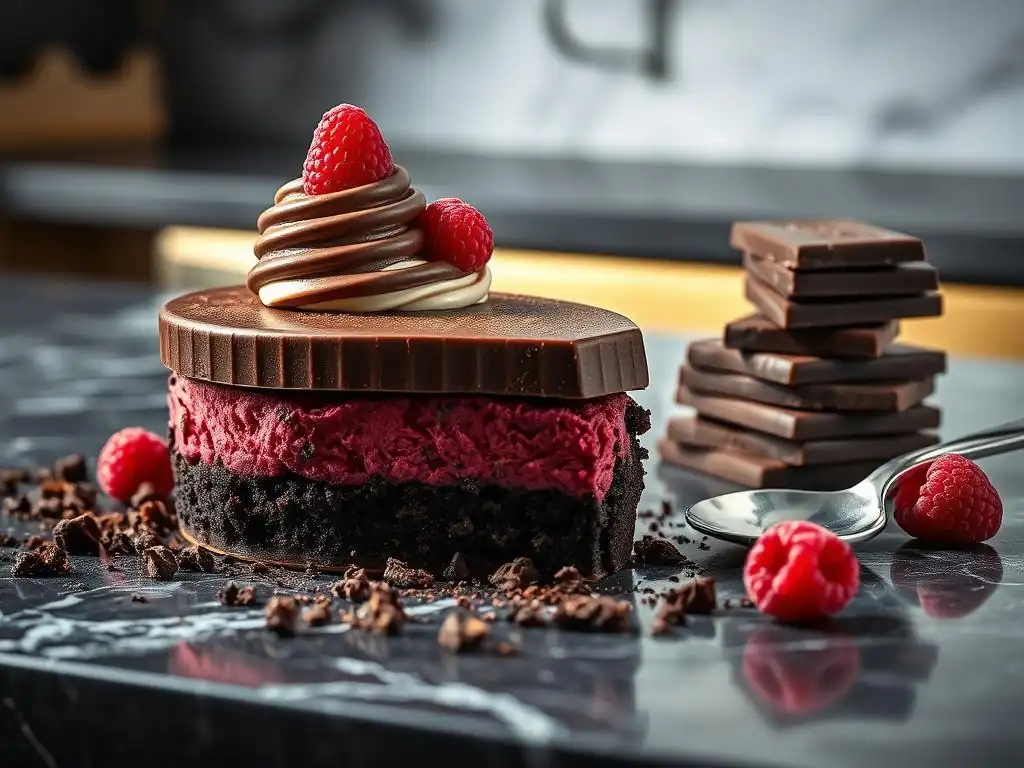
Welcome to BakeWithEase, your haven for unlocking baking brilliance! Ever dreamed of crafting decadent layered chocolate desserts that wow? Dive in and discover our secrets to easy layered chocolate dessert recipes, where we break down the components for success, ensuring every layer is a delicious masterpiece. Ready to elevate your baking game? Let's get started!
- Creating Layered Desserts: Component Tips for Success
- A Baker's Guide to Delicious Layered Desserts
- Understanding the Fundamentals of Layered Desserts
- Component Breakdown: Achieving Perfection in Layers
- Assembling Your Layered Dessert: A Step-by-Step Guide
- Layered Dessert Recipes to Inspire You
- Troubleshooting Common Layered Dessert Problems
- Advanced Tips for Layered Dessert Creations
- Enjoying Your Homemade Layered Dessert
-
Frequently Asked Questions
- How can I prevent my layered chocolate dessert layers from becoming soggy?
- What are some easy components I can use in layered chocolate desserts?
- How important is the chocolate quality for layered chocolate desserts?
- What's the best way to ensure my layered chocolate dessert looks visually appealing?
- Can I make layered chocolate desserts ahead of time?
- Final Reflection: The Enduring Allure of Layered Chocolate Delights
- Unleash Your Inner Chocolatier: Master Layered Desserts!
Creating Layered Desserts: Component Tips for Success
A Baker's Guide to Delicious Layered Desserts
Mastering Layered Desserts: A Baker's Guide
Creating stunning layered desserts might seem intimidating, but with the right approach and understanding of each component, it's a truly rewarding experience. Imagine slicing into a dessert revealing perfect strata of moist cake, smooth ganache, light mousse, and crunchy crumble – a symphony of textures and flavors. This guide breaks down the essential elements, helping you build confidence in assembling everything from elegant tortes to simple parfaits.
Whether you're aiming for a show-stopping chocolate layer cake or a quick and easy layered chocolate parfait, focusing on the quality and preparation of individual layers is key. Each component plays a vital role, contributing not just flavor but also texture and structural integrity. By mastering the basics of cake baking, cream fillings, mousses, and crumbles, you'll open up a world of possibilities for creating delicious and visually appealing layered chocolate dessert recipes easy to make at home.
Understanding the Fundamentals of Layered Desserts
What Makes a Great Layered Dessert?
A truly great layered dessert is a harmonious blend of contrasting yet complementary flavors and textures. It's not just about stacking components; it's about creating a balanced eating experience. Think about the interplay: the richness of a chocolate cake, the smoothness of a chocolate ganache, the airiness of a chocolate mousse, and the satisfying crunch of a chocolate cookie crumble. Each bite should offer something new and exciting.
Furthermore, visual appeal is paramount. Clean layers, vibrant colors (even within shades of chocolate! ), and thoughtful decoration elevate a simple dessert to something special. Stability is also crucial – you want layers that hold their shape when sliced, fillings that don't ooze excessively, and components that meld together beautifully without becoming soggy. Achieving this balance requires attention to detail in both preparation and assembly, making even easy layered chocolate dessert recipes shine.
Key Components for Successful Layered Treats
Success in layered desserts hinges on the quality of each individual element. You need a sturdy yet moist cake base, a stable and flavorful filling or ganache, potentially a light and airy mousse, and often a textural component like a crumble or crunch. Temperature management is also critical; components often need to be chilled to set properly before layering.
Beyond the core layers, consider the finishing touches. A well-made frosting or glaze not only adds flavor but also seals the dessert and provides a canvas for decoration. Attention to detail in each step, from measuring ingredients accurately to chilling times, ensures that your layered creation holds together beautifully and tastes fantastic. Mastering these components is the secret to delicious and easy layered chocolate dessert recipes.
Component Breakdown: Achieving Perfection in Layers
The Cake Base: Recipes and Techniques
Selecting the Right Ingredients for Your Cake Layers
The foundation of many layered desserts is the cake, and choosing the right ingredients is paramount for moisture and flavor. For a rich chocolate cake, opt for high-quality cocoa powder – Dutch-processed cocoa tends to offer a darker color and smoother flavor than natural cocoa. The type of flour also matters; cake flour, with its lower protein content (around 7-8%), creates a tender crumb, ideal for delicate layers, while all-purpose flour (around 10-12% protein) provides more structure, which can be useful for taller cakes.
Fats like butter or oil contribute moisture. Butter provides flavor, while oil often results in a moister cake that stays soft longer. Ensure your eggs are at room temperature; they emulsify better with other ingredients, leading to a more uniform batter. Using buttermilk or sour cream adds tanginess and moisture due to their acidity reacting with baking soda, resulting in a tender crumb perfect for layered chocolate dessert recipes easy to handle.
Tips for Baking Moist and Flavorful Cakes
To prevent dry cake layers, avoid overmixing the batter once the flour is added; this develops gluten unnecessarily, leading to a tough texture. Baking at the correct temperature is also vital; ovens can vary, so using an oven thermometer helps ensure accuracy. A common temperature for chocolate cakes is around 350°F (175°C). Bake just until a toothpick inserted into the center comes out clean or with a few moist crumbs, but no wet batter.
Cooling the cake layers properly is just as important as baking them. Let the cakes cool in their pans for 10-15 minutes before inverting them onto a wire rack to cool completely. This allows the structure to set. For extra moisture, some bakers brush cooled layers with a simple syrup, coffee syrup (for chocolate! ), or a liqueur, which is particularly effective for layered chocolate dessert recipes easy to assemble later. Leveling the cooled cakes is also essential for creating even, professional-looking layers.
Cream Filling: The Glue That Holds It All Together
Mastering the Art of Cream Filling: Ratios and Techniques
Cream fillings, such as chocolate ganache, pastry cream, or buttercream, act as both a flavor element and the adhesive between layers. Ganache, a classic chocolate filling, is typically a mixture of hot cream poured over chopped chocolate. A common ratio for a spreadable filling is 1 part cream to 1.5 or 2 parts chocolate by weight (e.g., 200g cream to 300-400g chocolate).
For a firmer ganache suitable for piping or thicker layers, a 1:2 or even 1:2.5 ratio is used. It's crucial to stir gently until smooth after letting the hot cream sit on the chocolate for a few minutes. Over-whipping can incorporate too much air, leading to a dull finish.
Pastry cream requires tempering egg yolks with hot milk and sugar, then thickening over heat. A standard recipe might use 4-6 egg yolks per 500ml milk, thickened with around 50g flour or cornstarch. For a stable filling, chilling is essential; it thickens as it cools.
Buttercream, whether American (butter and powdered sugar) or meringue-based (Swiss or Italian), relies on fat and sugar structure. An American buttercream might use 1 part butter to 2-3 parts powdered sugar, while meringue buttercreams are lighter and less sweet, offering excellent stability. These fillings are central to many layered chocolate dessert recipes easy for beginners.
Infusing Flavors into Your Cream Filling
While the base filling provides structure and sweetness, infusing additional flavors elevates the dessert. For chocolate fillings, consider adding a pinch of sea salt to enhance the chocolate flavor, a splash of vanilla extract, or a hint of espresso powder. Liqueurs like Kahlúa, Grand Marnier, or rum can add sophistication. Add these flavorings towards the end of the process, especially extracts or alcohol, which can evaporate if added too early to hot mixtures.
For pastry cream or buttercream, citrus zest, fruit purees (ensure they are reduced and cooled to prevent thinning), or spices like cinnamon or cardamom can be incorporated. When working with chocolate fillings, folding in melted, cooled chocolate or cocoa powder into a base like whipped cream or mascarpone creates a simple, yet rich, chocolate cream ideal for easy layered chocolate dessert recipes. Always taste and adjust flavorings as you go.
Mousse: Lightness and Richness Combined
Creating a Light and Airy Mousse
Mousse adds a desirable lightness and melt-in-your-mouth quality to layered desserts, contrasting beautifully with denser components like cake. A classic chocolate mousse often starts with a chocolate base (melted chocolate, sometimes with egg yolks) folded into whipped cream or meringue (whipped egg whites with sugar). The key to airiness is the gentle folding technique – incorporate the lighter element (whipped cream/meringue) into the heavier base in stages, using a spatula and cutting through the mixture while lifting from the bottom.
Gelatin is frequently used to stabilize mousse, ensuring it sets firmly enough to hold its shape in layers. Approximately 1-2 teaspoons of gelatin per 2 cups of mousse mixture is a common starting point, though this varies based on the desired firmness and other ingredients. Properly blooming gelatin in cold liquid (like water or milk) for 5-10 minutes before dissolving it in a warm component is crucial.
Ensure the dissolved gelatin is not too hot when added to the mousse base, as it can deflate the air. Chilling time is essential for the mousse to set, often requiring at least 2-4 hours.
Different Types of Mousse: Exploring Textures
Mousse textures can range from incredibly light and ethereal to dense and intensely rich, depending on the base and stabilizers used. A French chocolate mousse, often relying heavily on whipped egg whites (meringue) and sometimes egg yolks, tends to be the lightest and most delicate. Italian mousse might incorporate a pâte à bombe (cooked egg yolks and sugar syrup) for richness and stability without gelatin.
A simpler, yet still delicious, option for easy layered chocolate dessert recipes is a no-bake chocolate mousse using melted chocolate folded into whipped cream and sometimes cream cheese or mascarpone for added body. While less airy than egg-based mousses, this version sets well and provides a creamy texture. Exploring these variations allows you to choose the perfect mousse to complement the other layers in your dessert.
Homemade Cookie Crumble Recipe
A cookie crumble layer provides essential texture, breaking up the smoothness of cakes and creams with a satisfying crunch. Making your own allows for customization. A simple recipe involves pulsing cookies (like chocolate wafers, graham crackers, or even brownies) in a food processor until coarse crumbs form. For a richer crumble, pulse in melted butter (about 2-4 tablespoons per cup of crumbs) and a pinch of salt.
Spread the buttered crumbs on a baking sheet and bake at around 350°F (175°C) for 8-12 minutes, stirring halfway through, until golden brown and fragrant. Let cool completely before using. This process toasts the crumbs, enhancing their flavor and crispness, making them perfect for layered chocolate dessert recipes easy to assemble with different textures.
Store-Bought Cookie Alternatives for Easy Crumble Layers
For ultimate convenience in easy layered chocolate dessert recipes, store-bought cookies are a fantastic shortcut. Chocolate wafer cookies (like Nabisco Famous Chocolate Wafers) are a classic choice for chocolate desserts, offering a deep, slightly bitter chocolate flavor and a fine crumb. Oreos, with their cream filling removed, also make a great chocolate crumble, providing a distinct flavor.
Simply crush your chosen cookies. This can be done by placing them in a zip-top bag and crushing with a rolling pin or using a food processor. For a quick parfait layer, you might even use them straight from the package without adding butter, although baking with butter enhances flavor and crispness. Consider adding a pinch of cinnamon or cocoa powder to plain cookie crumbs for extra flavor.
Frosting & Decoration: The Finishing Touches
Choosing the Right Frosting for Your Dessert
The frosting not only covers the cake but also contributes significantly to the overall flavor and aesthetic of a layered dessert. For a rich chocolate layer cake, a classic chocolate buttercream or a smooth chocolate ganache frosting is often preferred. American buttercream is sweet and holds intricate shapes well, while Swiss or Italian meringue buttercreams are lighter and less sweet.
Cream cheese frosting provides a tangy contrast to sweet chocolate cake and is a popular choice for many layered chocolate dessert recipes. Consider the weight and sweetness of your other layers when selecting a frosting. A very rich dessert might benefit from a lighter frosting, while a simpler cake can handle a decadent one. Ensure the frosting is the right consistency for spreading or piping.
Creative Decoration Ideas for Layered Desserts
Decoration is where you can truly personalize your layered chocolate dessert. Simple techniques can yield stunning results. A smooth, even coat of frosting is a classic look. You can use an offset spatula for a rustic swirl or comb the sides for a textured finish. Piping borders, rosettes, or shells around the top edge adds elegance.
Beyond frosting, consider adding textures and garnishes. Chocolate shavings, cocoa powder dusting, fresh berries (strawberries, raspberries), chocolate curls, or even chopped nuts can elevate the visual appeal. For a truly decadent look, a chocolate drip effect down the sides of the cake is popular. Remember, even simple decorations can make easy layered chocolate dessert recipes look professionally made.
Assembling Your Layered Dessert: A Step-by-Step Guide
Layering Techniques for Visual Appeal and Flavor Balance
Assembling a layered dessert requires patience and technique to achieve clean lines and balanced flavors in each bite. Start with a sturdy cake layer on your serving plate or cake board. If using a runny filling like a soft ganache or fruit puree, consider creating a "dam" around the edge of the cake layer using a stiffer frosting or buttercream piped from a bag. This ring prevents the softer filling from oozing out.
Spread your filling evenly over the cake layer, keeping it slightly less thick than the cake layer itself for balance. If using multiple fillings (e.g., cream and mousse), apply them in the desired order. Place the next cake layer gently on top, pressing lightly to level. Repeat the process. For tall cakes, it's helpful to chill the cake periodically during assembly to firm up the layers and fillings, making it easier to handle, especially for layered chocolate dessert recipes easy to stack.
Preventing Soggy Layers: Tips and Tricks
Soggy cake layers are a common pitfall in layered desserts. One key preventative measure is ensuring your cake layers are completely cooled before assembly. Warm cakes will melt fillings and absorb moisture too quickly. If using a very moist filling or fresh fruit, consider applying a thin layer of frosting or melted chocolate directly onto the cake layer before adding the wet component. This creates a barrier.
Another tip is to use fillings that are properly set and chilled. Runny fillings are more likely to saturate the cake. For parfaits or desserts served in glasses, layering components just before serving can minimize sogginess, especially if using ingredients like whipped cream or fruit that can weep moisture. Choosing cake recipes designed to be moist but not overly porous also helps prevent saturation in your easy layered chocolate dessert recipes.
Layered Dessert Recipes to Inspire You
Recipe 1: Decadent Cake with Cream and Mousse
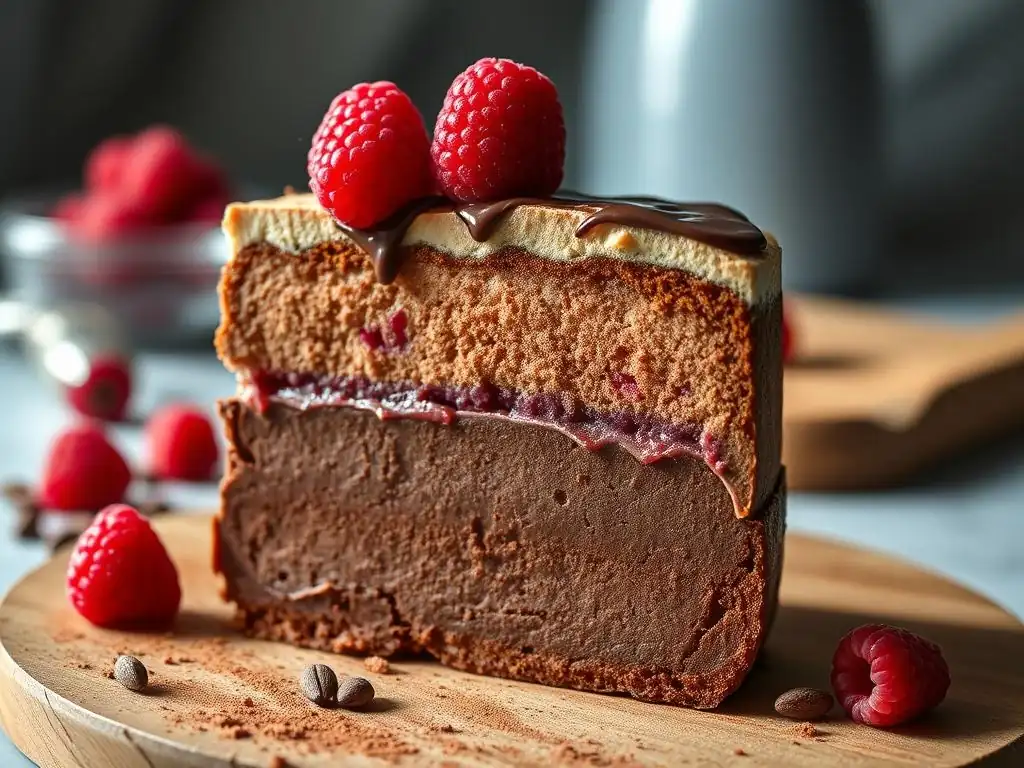
Imagine three layers of rich, moist chocolate cake, filled with a smooth dark chocolate ganache and a light milk chocolate mousse, all enrobed in a classic chocolate buttercream. This recipe showcases the interplay of textures and varying intensities of chocolate. The ganache, perhaps made with a 2:1 chocolate-to-cream ratio, provides a dense, fudgy contrast to the airy mousse.
The cake layers, baked from a reliable recipe using both cocoa powder and melted chocolate for depth of flavor, provide a sturdy base. The milk chocolate mousse, stabilized with a touch of gelatin, adds a delicate sweetness and airy texture. This combination offers a complex yet approachable layered chocolate dessert recipes easy enough for a weekend project.
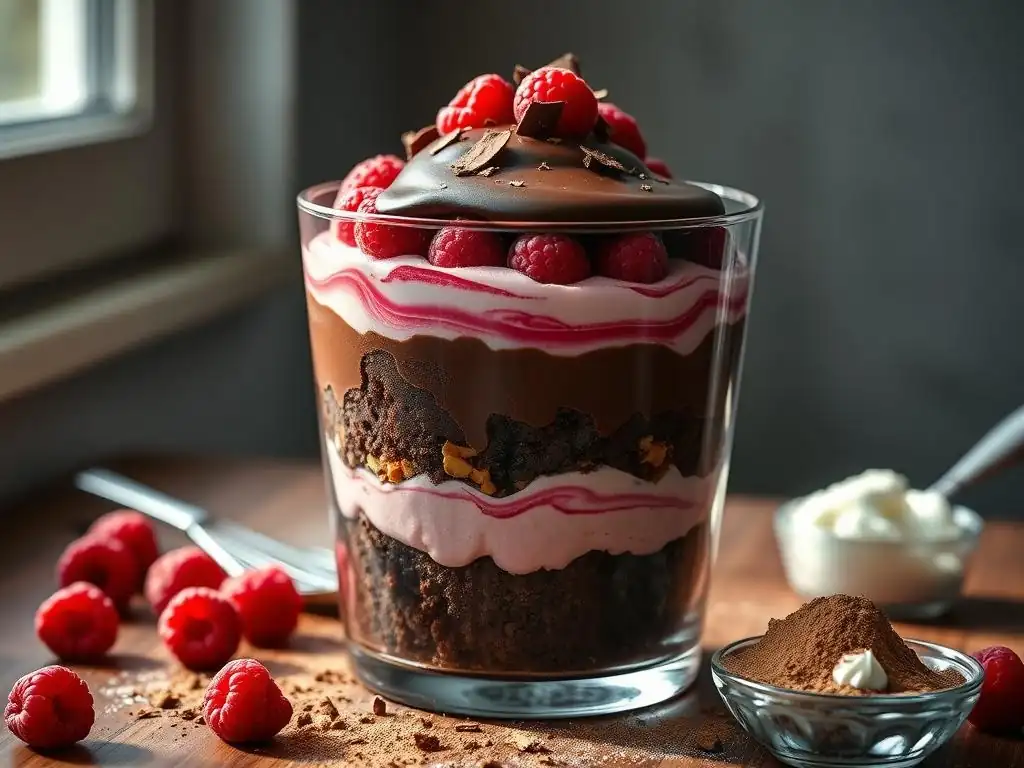
For a faster layered chocolate dessert recipes easy to assemble, a parfait is ideal. Picture layers of crushed chocolate wafer cookies, dollops of store-bought chocolate pudding or homemade chocolate pastry cream, and layers of whipped cream or a simple no-bake chocolate mousse. This requires minimal baking (just the cookies if you make them from scratch, or none if using store-bought).
Assembly involves simply spooning or piping the components into glasses or jars, alternating layers of crumble, filling, and cream/mousse. A typical parfait might use 1/4 cup crumble, followed by 1/2 cup filling, then 1/4 cup cream, repeated until the glass is full. Chill for at least 30 minutes to allow flavors to meld slightly, though the crumble will soften over time. Garnish with chocolate shavings or a fresh berry.
Troubleshooting Common Layered Dessert Problems
Soggy Cake Layers: Prevention and Solutions
As mentioned, soggy layers often result from warm cake or overly wet fillings. If you find your layers are becoming soggy during assembly, try chilling the components and the cake more thoroughly between steps. If a layer is already saturated, you can gently scrape off the wettest part of the filling and replace it with a firmer one, ensuring the cake is chilled first.
For future layered chocolate dessert recipes easy to make, consider brushing cake layers with a barrier like melted chocolate (especially white chocolate, which sets firmly) on the side that will face the wet filling. If using fruit, pat it very dry before layering. For parfaits, delay assembly until closer to serving time or use a crumble that is less prone to absorbing moisture quickly, like toasted nuts instead of cookies.
Filling Too Thick or Thin: Adjusting Consistency
If your cream filling or ganache is too thick, it can be difficult to spread and might crack when sliced. For ganache, gently warm it over a double boiler or in short bursts in the microwave, stirring frequently, adding a tiny amount of warm cream (a teaspoon at a time) until the desired consistency is reached. For buttercream, you might need to add a splash of milk or cream and beat it again. Pastry cream can sometimes be whisked vigorously to loosen it, or a tablespoon of milk added.
If a filling is too thin, chilling is often the first solution. For ganache, chilling will firm it up. For pastry cream, ensure it was cooked sufficiently to thicken, or whisk in a bit more cornstarch slurry and heat gently again. Buttercream might need more powdered sugar or butter added, depending on the type. For mousse that isn't setting, check the gelatin amount or ensure it was properly bloomed and dissolved; sometimes a quick chill in the freezer (watching carefully) can help, but adding more gelatin once the mousse is made is difficult.
Mousse Not Setting: Fixing the Problem
If your mousse relies on gelatin and hasn't set after adequate chilling time (usually 2-4 hours), it might be due to insufficient gelatin, improper blooming, or adding the dissolved gelatin to a mixture that was too hot or too cold. If it's only slightly soft, an extended chill (even overnight) might help.
If it's very loose and you suspect a gelatin issue, you might be able to gently warm a small portion of the mousse, dissolve a tiny amount more bloomed gelatin into it, temper this mixture back into the main batch, and re-chill. However, this risks deflating the mousse. Alternatively, salvage the mixture by serving it as a sauce or using it as a loose filling in parfaits rather than a structured layer in a cake. Ensure you follow recipe instructions precisely for future layered chocolate dessert recipes easy to set correctly.
Advanced Tips for Layered Dessert Creations
Exploring Different Flavor Varieties in Layers
Once you've mastered the basic components, start experimenting with flavor combinations. Beyond classic chocolate pairings like raspberry or orange, consider more adventurous options. A dark chocolate cake could be paired with a passion fruit mousse and a coconut cream filling. White chocolate layers could feature matcha green tea cream and a layer of red bean paste for an Asian-inspired twist.
Think about complementary and contrasting flavors. Sweetness can be balanced with tartness (lemon curd layer), bitterness (espresso ganache), or saltiness (salted caramel). Different spices like chili (in a chocolate ganache) or ginger can add warmth and complexity. This exploration keeps your layered chocolate dessert recipes easy to reinvent and exciting.
Incorporating Fruits and Nuts for Added Flavor and Texture
Fruits and nuts are excellent additions to layered desserts, providing bursts of flavor and crunch. Fresh berries like raspberries, strawberries, or cherries pair wonderfully with chocolate. They can be layered whole, sliced, or as a compote or coulis. Ensure fruit layers are not excessively wet to prevent sogginess; draining them well or cooking them into a thicker compote helps.
Toasted nuts, such as hazelnuts, almonds, or pecans, add a delightful crunch and nutty flavor that complements chocolate beautifully. They can be chopped and sprinkled between layers, incorporated into a praline paste layer, or used as a garnish. Candied nuts or a nut brittle can provide an even stronger textural contrast. These elements transform simple layered chocolate dessert recipes easy into sophisticated treats.
Creating Unique Layered Dessert Combinations [Example: Salted Caramel Layered Dessert]
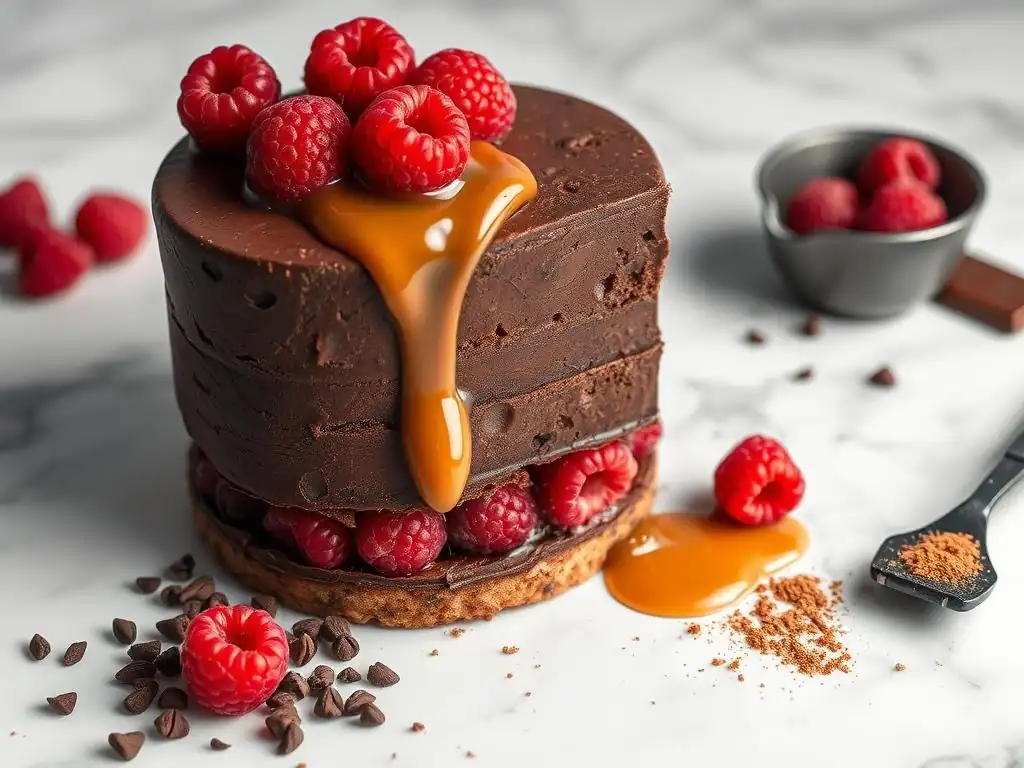
Let's consider a specific example: a Salted Caramel Chocolate Layered Dessert. The base could be a moist chocolate fudge cake. Layer 1 could be a generous spread of homemade salted caramel sauce, perhaps thickened slightly with butter. Layer 2 could be a dark chocolate ganache, providing intense chocolate flavor and a smooth texture.
Layer 3 might be a salted caramel buttercream or a light caramel mousse. A textural element could be incorporated with a layer of toffee bits or candied pecans sprinkled over a filling. The entire cake could be frosted with a salted caramel buttercream and drizzled with more caramel sauce. This combination plays on the popular sweet and salty profile, showcasing how different components can be combined for a unique layered chocolate dessert recipes easy to fall in love with.
Enjoying Your Homemade Layered Dessert
Serving and Storage Tips for Optimal Freshness
Serving a layered dessert correctly ensures everyone enjoys its textures and flavors. For cakes, use a sharp, thin knife dipped in hot water and wiped clean between slices for the cleanest cuts. Allow the dessert to sit at room temperature for 15-30 minutes before serving (depending on size and ingredients) to allow flavors to soften and meld slightly, especially if it's been heavily chilled.
Store layered desserts, particularly those containing dairy or fruit, in the refrigerator in an airtight container. Cakes can dry out, so wrapping cut edges with plastic wrap helps maintain moisture. Parfaits are best consumed within 1-2 days. Cakes with stable components can often last 3-5 days refrigerated. Freezing is an option for some cakes, wrapped tightly in plastic wrap and then foil, but textures (especially mousses or fresh fruit) may change upon thawing.
Sharing your homemade layered chocolate dessert is one of the most rewarding parts of baking! Take pride in your creation, whether it's a simple layered chocolate dessert recipes easy enough for a weeknight treat or a complex cake for a special occasion. Present it beautifully on a platter or cake stand.
Don't be afraid to talk about the different layers and flavors you've incorporated. Encourage feedback – it's a great way to learn and improve for your next baking adventure. The joy of baking layered desserts lies not just in the process but in sharing the delicious results with friends and family.
Frequently Asked Questions
How can I prevent my layered chocolate dessert layers from becoming soggy?
To avoid soggy layers, ensure your moist elements like mousses or creams are stabilized with gelatin or agar. Also, consider a chocolate barrier like melted chocolate on the base layer.
What are some easy components I can use in layered chocolate desserts?
Easy components include store-bought brownies, chocolate pudding (from a mix), and whipped cream. You can also use crushed cookies for a textural element.
How important is the chocolate quality for layered chocolate desserts?
The quality of chocolate significantly impacts the flavor. Using high-quality chocolate in components like ganache or mousse will result in a richer, more complex flavor profile.
What's the best way to ensure my layered chocolate dessert looks visually appealing?
Careful layering is key. Use a clear glass or trifle bowl to showcase the layers. Garnish with chocolate shavings, fresh berries, or edible flowers for added appeal.
Can I make layered chocolate desserts ahead of time?
Yes, most layered chocolate desserts can be made ahead. Store them in the refrigerator for up to 2-3 days. This allows the flavors to meld and the layers to set properly.
Final Reflection: The Enduring Allure of Layered Chocolate Delights
The art of crafting layered chocolate desserts isn't just about following a recipe; it's about understanding the interplay of textures and flavors to create a truly unforgettable experience. From the satisfying crackle of a crisp chocolate shell to the rich, molten heart of a ganache, each layer contributes to a symphony of taste and sensation that continues to captivate dessert lovers worldwide. This enduring appeal speaks to a fundamental human desire for both indulgence and artistry.
The journey of creating these layered masterpieces has profoundly impacted my own understanding of baking, pushing me beyond simple recipes to explore the science behind each component. The precision required, the delicate balance of ingredients, and the sheer joy of witnessing the transformation from individual elements to a cohesive whole is truly rewarding. The best things in life are worth waiting for,
and this sentiment rings particularly true when savoring the carefully constructed layers of a perfectly executed chocolate dessert.
Now, it's your turn. Don't be intimidated by the seemingly complex nature of layered chocolate desserts. Experiment with different textures, flavors, and techniques. Embrace the process, learn from each attempt, and most importantly, have fun! The satisfaction of creating a stunning and delicious layered chocolate dessert, worthy of sharing with loved ones, is a reward in itself. So, gather your ingredients, unleash your creativity, and embark on your own culinary adventure. The world of layered chocolate awaits!
Unleash Your Inner Chocolatier: Master Layered Desserts!
Thanks for joining us on this delicious journey into the world of layered chocolate desserts! We hope you've gained some valuable tips and tricks to elevate your baking game. Ready to put your newfound knowledge into practice?
- Craft Your Dream Dessert: Start by choosing your favorite components from the article and experimenting with flavor combinations. Don't be afraid to get creative!
- Share Your Creations: Show us your masterpiece! Snap a picture of your layered chocolate dessert and share it on social media using #BakeWithEaseLayeredDelights. We'd love to see what you create!
- Explore New Textures: Try incorporating a new texture or ingredient you haven't used before – think crunchy, chewy, or even spicy! This is your chance to become a true dessert innovator.
What unexpected flavor combination will you try first in your next layered chocolate creation?