
Comparing Alfajores: Baking Styles from Argentina to Peru

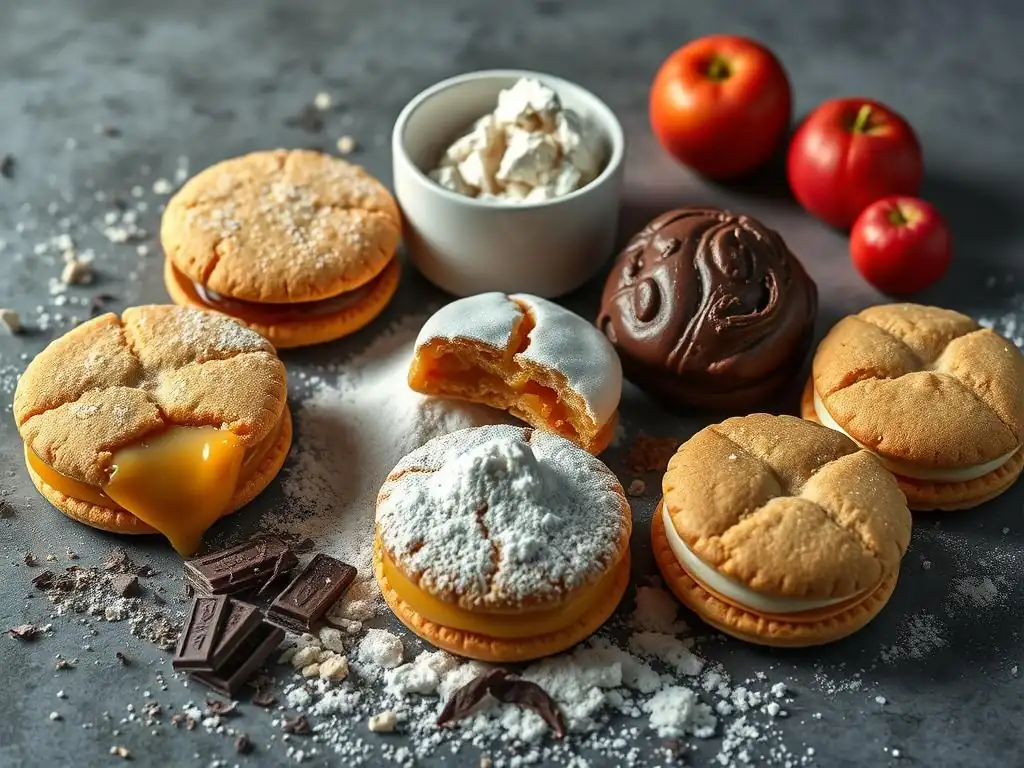
Welcome to BakeWithEase, your passport to a sweeter world! Ever wondered what secrets lie behind the perfectly crumbly exterior and creamy filling of an Argentinian alfajor dulce de leche? We're diving deep into the fascinating world of alfajores, exploring regional variations and baking styles from Argentina all the way to Peru. Get ready to uncover the delicious differences – and maybe even find your new favorite treat!
- Serving and Enjoying Alfajores: From Argentina to Peru
-
Frequently Asked Questions
- What are Argentinian alfajores and what makes them special?
- What is dulce de leche and why is it important for Argentinian alfajores?
- Are there different types of alfajores besides the Argentinian version?
- How does the baking style of Argentinian alfajores differ from Peruvian alfajores?
- Where can I find simple recipes to start baking Argentinian alfajores dulce de leche at home?
- Final Reflection: A Sweet Journey Through Alfajores Traditions
- Unleash Your Inner Alfajor Artist!
Serving and Enjoying Alfajores: From Argentina to Peru
Pairing Alfajores with Beverages: Coffee, Tea, and Wine
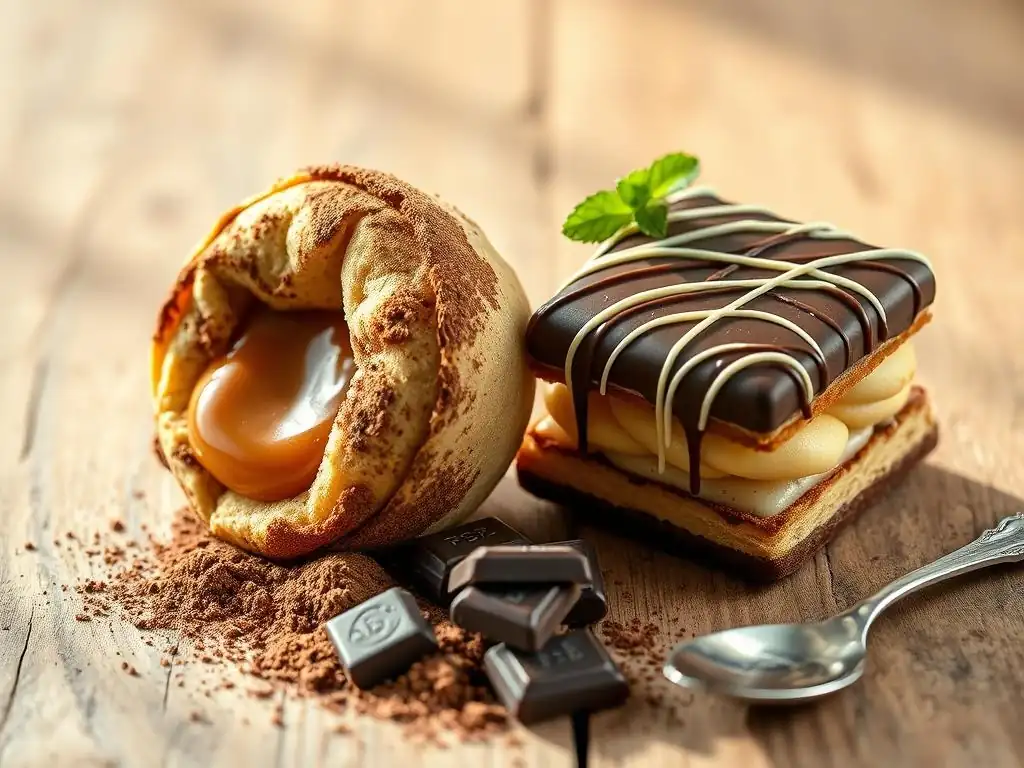
Enjoying an alfajor is often a moment of simple pleasure, and the perfect beverage pairing can elevate the experience. In Argentina, the classic pairing for Argentinian alfajores dulce de leche is undoubtedly a warm cup of café con leche or a traditional mate. The robust, slightly bitter notes of coffee or the earthy depth of mate provide a wonderful counterpoint to the sweet, creamy richness of the dulce de leche filling and the tender cookie.
This combination is a staple of afternoon tea or a mid-morning break across the country, reflecting a deep-seated cultural tradition. The warmth of the beverage helps to soften the dulce de leche slightly, enhancing its melt-in-your-mouth quality.
While coffee and mate are traditional, other beverages also complement alfajores beautifully. A strong black tea, perhaps with a splash of milk, offers a similar balance to coffee. For those preferring something cooler, a glass of cold milk can be a simple yet effective pairing, especially for children or those who find coffee too intense.
In Peru, where manjar blanco alfajores are popular, a lighter tea or even a local soda might be preferred. While less common, some might even enjoy a small glass of a sweet dessert wine, though this is less traditional than the daily ritual of enjoying Argentinian style alfajores with a hot drink.
Alfajores as Gifts: Packaging and Presentation Ideas
Alfajores, particularly the beloved Argentinian alfajores dulce de leche, are more than just a treat; they are a cherished gift, often shared during holidays, family gatherings, or as a token of appreciation. Giving a box of homemade or high-quality store-bought alfajores is a warm gesture that speaks to generosity and tradition. The act of presenting these delicate cookies transforms them into a special offering. Simple, elegant packaging is key, often involving small decorative boxes, layers separated by tissue paper, and tied with a ribbon. This presentation protects the fragile cookies and adds to the anticipation of enjoying them.
When gifting dulce de leche alfajores, consider the recipient's taste. While the classic is universally loved, a mixed box featuring variations like maicena or chocolate-coated alfajores can offer a delightful assortment. For a personal touch, homemade alfajores presented in a beautiful tin or a custom-decorated box show extra care. Think about the number of cookies – a dozen or two is a common quantity for a gift box. The visual appeal, with the dusting of powdered sugar or the smooth chocolate coating, makes them inherently attractive, and thoughtful packaging simply enhances their charm as a delicious and heartfelt present.
Storing Alfajores for Optimal Freshness
Proper storage is crucial to maintain the delicate texture and flavor of alfajores, ensuring they remain delicious for as long as possible. The primary enemy of fresh alfajores is air exposure, which can dry out the cookies and harden the filling. The best method for short-term storage, especially for Argentinian alfajores dulce de leche, is to place them in an airtight container at room temperature, away from direct sunlight or heat sources.
When stored this way, classic alfajores can typically remain fresh for about 5 to 7 days. Layering them gently in the container, perhaps with parchment paper between layers, helps prevent them from sticking together or breaking.
For longer storage, refrigeration or freezing are options, though they can sometimes slightly alter the texture. Refrigerating dulce de leche alfajores in an airtight container can extend their freshness to perhaps 2-3 weeks. If you need to store them for an extended period, freezing is the most effective method. Wrap the alfajores individually or in small batches in plastic wrap, then place them in a freezer-safe airtight container or bag.
Frozen alfajores can last for 1-2 months. When ready to enjoy, thaw them at room temperature in their wrapping to prevent condensation, which can make the cookies soggy. While freezing works well, the freshest Argentinian style alfajores are always the ones enjoyed shortly after baking or purchasing.
Frequently Asked Questions
What are Argentinian alfajores and what makes them special?
Argentinian alfajores are delicate sandwich cookies typically filled with dulce de leche. Their tender, crumbly texture and rich caramel filling are a defining characteristic.
What is dulce de leche and why is it important for Argentinian alfajores?
Dulce de leche is a caramelized milk confection, essentially a milk jam. It's the traditional and defining filling for Argentinian alfajores, providing a sweet and creamy center.
Are there different types of alfajores besides the Argentinian version?
Yes, while Argentinian alfajores are well-known, variations exist in other Latin American countries, like Peru. These often differ in biscuit texture, filling, and coating.
How does the baking style of Argentinian alfajores differ from Peruvian alfajores?
Argentinian alfajores often use cornstarch for a more delicate, melt-in-your-mouth texture, while Peruvian versions may have a crisper, denser biscuit. Fillings and coatings also vary.
Where can I find simple recipes to start baking Argentinian alfajores dulce de leche at home?
Websites like BakeWithEase.com offer step-by-step guides and easy-to-find ingredients for baking Argentinian alfajores dulce de leche, even for beginners.
Final Reflection: A Sweet Journey Through Alfajores Traditions
The enduring appeal of the alfajores, particularly those from Argentina, lies not just in their deliciousness, but in their ability to encapsulate cultural heritage and culinary artistry. These delicate cookies, filled with creamy dulce de leche, represent more than just a treat; they are a testament to the rich history and diverse baking traditions of Argentina and beyond. The subtle variations in texture, sweetness, and even the type of dulce de leche used highlight the unique culinary identities of different regions.
This exploration of Argentinian and Peruvian alfajores has been a personal journey, revealing the profound connection between food and culture. I've been struck by the passion and pride bakers invest in their craft, passing down recipes and techniques through generations. Food is symbolic of love when words are inadequate.
- Alan D. Wolfelt. This quote perfectly captures the emotional resonance of these little cookies, transcending simple ingredients to become symbols of family, tradition, and shared experiences. The subtle differences between the styles, far from diminishing their value, only serve to enrich the overall narrative of alfajores' global impact.
Now, I invite you to consider your own relationship with food and tradition. Think about the recipes that have been passed down in your family, the tastes that evoke powerful memories, and the stories that are woven into each bite. Perhaps this exploration of alfajores will inspire you to try your hand at baking, to seek out authentic recipes, or simply to appreciate the cultural richness embedded within even the simplest of treats. The next time you savor an alfajor, remember the journey it represents – a journey through history, culture, and the enduring power of culinary traditions.
Unleash Your Inner Alfajor Artist!
Thanks for joining us on this delicious journey through the world of alfajores! We hope you've gained a newfound appreciation for the diverse baking styles and rich history behind this beloved treat. Now it's time to put your newfound knowledge into practice!
- Bake your own alfajores! Use your favorite recipe (or try one of the many variations inspired by our article!) to create your own perfect alfajor. This is your chance to experiment with different fillings and coatings.
- Share your creations! Post pictures of your alfajores on social media using #BakeWithEaseAlfajores and tag us – we’d love to see your culinary masterpieces!
- Explore regional variations: Research other alfajor styles from different Latin American countries. What unique ingredients or techniques intrigue you?
Ready to embark on your alfajor adventure? What unique twist will you add to your next batch?