
Premium Ingredients, Premium Price? Pricing with Specialty Goods

Welcome to BakeWithEase, your guide to unlocking the joys of baking!
Ever wondered if that specialty baking ingredient is really worth the premium price? This article dives deep into specialty baking ingredient pricing, offering invaluable insights for home bakers and aspiring entrepreneurs alike. Discover how to navigate the market, understand the cost drivers, and make informed decisions that will elevate your creations without breaking the bank. Ready to bake smarter? Let's get started!
- Specialty Baking Ingredient Pricing: Is Premium Worth the Price?
- Understanding the Cost of Premium Baking Ingredients
- Factors Influencing Specialty Ingredient Prices
- The Impact of Specialty Ingredients on Baking Costs
- Pricing Strategies for Baked Goods with Premium Ingredients
- Justifying the Premium Price to Your Customers
- Balancing Quality and Affordability
- Key Takeaways
-
Frequently Asked Questions
- What factors influence the pricing of specialty baking ingredients?
- How does the cost of organic or fair-trade ingredients impact the overall price?
- Where can I find the best deals on specialty baking ingredients?
- Are there affordable alternatives to some high-priced specialty ingredients?
- How can I factor the cost of specialty ingredients into my baking budget?
- Final Reflection: The Sweet Science of Pricing Specialty Goods
- Unlock Your Baking Potential: Pricing Strategies for Specialty Goods
Pricing Baked Goods with Specialty Ingredients
When you're running a home baking business, or even just baking for passion, the ingredients you choose significantly impact the final product's quality, flavor, and texture. Opting for specialty baking ingredients often means a higher cost upfront, which naturally influences your overall production expenses. Understanding how to factor these premium costs into your pricing strategy is crucial for profitability and sustainability, especially when considering the nuances of specialty baking ingredient pricing. It's not just about recouping the cost of goods; it's about valuing the quality, effort, and unique experience these ingredients bring to your baked goods.
Incorporating specialty ingredients, like single-origin chocolate or rare vanilla beans, elevates your baking beyond the ordinary. This elevation comes with a price tag that differs significantly from standard supermarket options. For example, while a pound of basic all-purpose flour might cost around $0.50 - $1.00, a pound of organic, heritage grain flour could easily cost $3.00 - $6.00 or more. This difference, multiplied across various ingredients in a recipe, can dramatically increase your material costs. Therefore, mastering specialty baking ingredient pricing is essential to ensure your prices accurately reflect the value and cost of your high-quality creations.
Defining "Specialty" in Baking Ingredients
"Specialty" in the context of baking ingredients typically refers to items that are distinct from standard, mass-produced alternatives due to their origin, processing method, quality, or unique characteristics. These aren't your everyday supermarket staples. They might be ingredients sourced from specific geographic regions known for producing superior quality, like vanilla from Madagascar or cocoa beans from Ecuador.
They could also be products made using traditional or artisanal methods, such as stone-ground flours or hand-harvested sea salt. Furthermore, ingredients with specific certifications, like organic, fair trade, or non-GMO, often fall into this category because their production adheres to stricter standards, impacting their cost and perceived value.
The term also encompasses ingredients that offer unique flavor profiles, textures, or performance characteristics that standard options lack. For instance, using a high-fat European-style butter versus standard butter can significantly change the flakiness of pastries. Similarly, incorporating a specific type of nut flour for its distinct taste and gluten-free properties differentiates a product. Understanding this definition is the first step in approaching specialty baking ingredient pricing, as it highlights why these items command a premium and how that premium translates into the cost of your finished goods.
Common Types of Specialty Baking Ingredients and Their Price Points
Let's look at some common specialty ingredients and get a general idea of their cost compared to standard alternatives. Keep in mind that exact prices vary widely based on supplier, location, quantity purchased, and market fluctuations.
High-Quality Chocolate: Origin and Cocoa Percentage
High-quality chocolate is a prime example where origin and cocoa percentage dramatically affect price. Standard baking chocolate chips might cost between $4 and $8 per pound. However, single-origin couverture chocolate from specific regions like Valrhona (France) or Callebaut (Belgium), known for their distinct flavor notes and higher cocoa butter content, can range from $15 to $30 per pound or even more for rare varieties. A 70% cocoa dark chocolate from a renowned producer will almost certainly be more expensive than a standard 70% dark chocolate from a large confectionery company due to bean sourcing, processing, and quality control.
For example, using a premium 72% single-origin Venezuelan chocolate in a batch of brownies might increase the ingredient cost for chocolate alone by 200-400% compared to using standard chips. This significant difference is a core consideration in specialty baking ingredient pricing. The superior flavor complexity and smooth texture of high-quality chocolate can transform a simple bake, justifying the higher cost to discerning customers who appreciate the difference.
Unique Flours: Grain Type and Milling Process
Beyond standard all-purpose, bread, and cake flours, the world of specialty flours is vast and impactful on pricing. A 5-pound bag of conventional all-purpose flour might cost $3-$5. In contrast, a similar quantity of organic, stone-ground heritage wheat flour (like Einkorn or Spelt) or finely milled nut flours (like almond or hazelnut flour) can cost $15-$30 or more. The grain type itself influences cost, with heritage grains often yielding lower outputs per acre and requiring specialized milling.
The milling process also plays a role. Stone-ground flours, for instance, are milled at lower temperatures, preserving more of the grain's nutrients and flavor but often requiring more time and specialized equipment, contributing to a higher price point. Using a specific type of organic rye flour for a sourdough bread, or fine almond flour for macarons, directly impacts your specialty baking ingredient pricing and the final product's unique characteristics and cost.
Exotic Spices: Origin, Grade, and Form
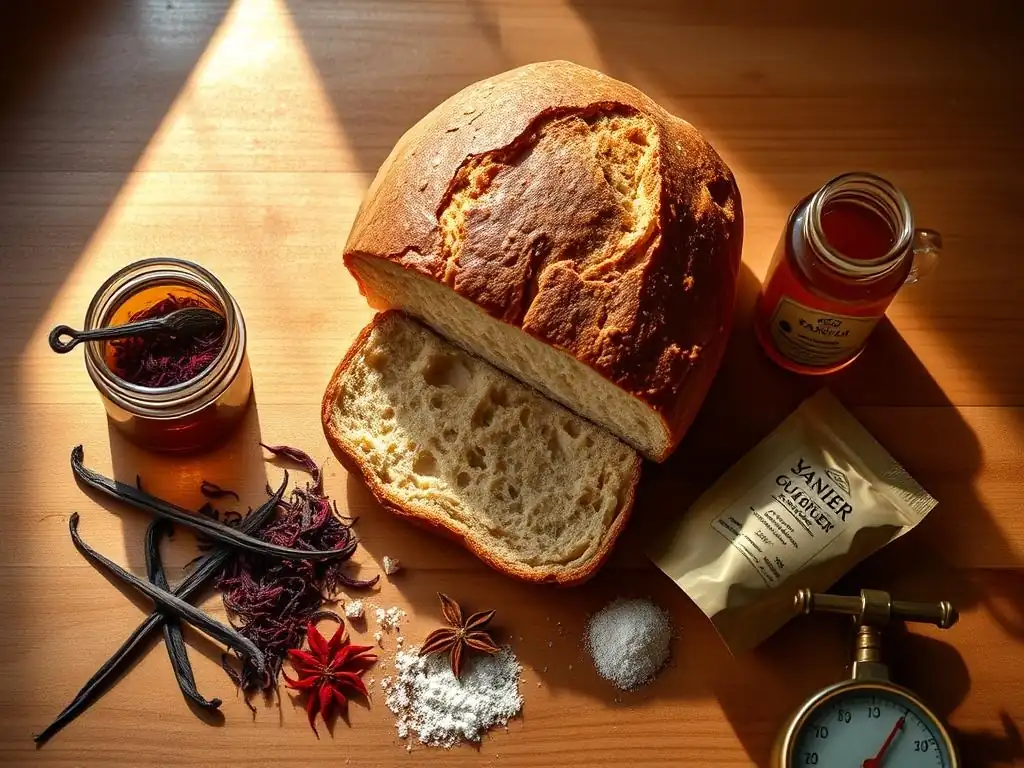
Spices are potent flavor enhancers, and their specialty versions can be incredibly expensive. Ground cinnamon from the supermarket might cost $0.50 - $1.00 per ounce. However, premium Saigon cinnamon or Ceylon cinnamon sticks, prized for their intense or nuanced flavors respectively, can cost $3-$8 per ounce. Vanilla is another classic example: imitation vanilla extract is inexpensive, while pure vanilla extract made from high-quality beans can cost $10-$30 per ounce or more depending on the bean source (e.g., Madagascar Bourbon, Tahitian, Mexican) and concentration.
The grade and form of the spice also matter. Whole spices are often more expensive than ground but retain freshness longer. Saffron, perhaps the most expensive spice by weight, sees prices vary dramatically based on grade (e.g., Sargol, Negin) and origin (e.g., Iran, Spain), ranging from $500 to $5,000 per pound. Using a pinch of high-grade saffron in a special cake or infusing a dessert with a whole, plump vanilla bean significantly impacts your specialty baking ingredient pricing for that item.
Specialty Sugars: Type, Processing, and Flavor Profile
Even something as fundamental as sugar has specialty variants that affect pricing. Granulated white sugar is typically under $1 per pound. However, unrefined sugars like Muscovado, Demerara, or Sucanat, which retain more of the molasses and offer distinct flavors and textures, can cost $2-$5 per pound. Specialty sugars like organic coconut sugar, maple sugar, or finely ground fruit sugars (used in high-end confectionery) can cost significantly more, ranging from $5 to $20+ per pound.
The processing method and source are key drivers of price. Evaporated cane juice vs. highly refined white sugar, or granulated maple sap vs. standard beet sugar, involve different processes and raw material costs. Using a specific type of specialty sugar not only impacts your specialty baking ingredient pricing but also imparts unique moisture, color, and flavor characteristics to your baked goods, like the rich, deep notes from Muscovado in a gingerbread or the subtle caramel of Demerara in a crumble topping.
Factors Influencing Specialty Ingredient Prices
Sourcing and Origin: Impact on Cost
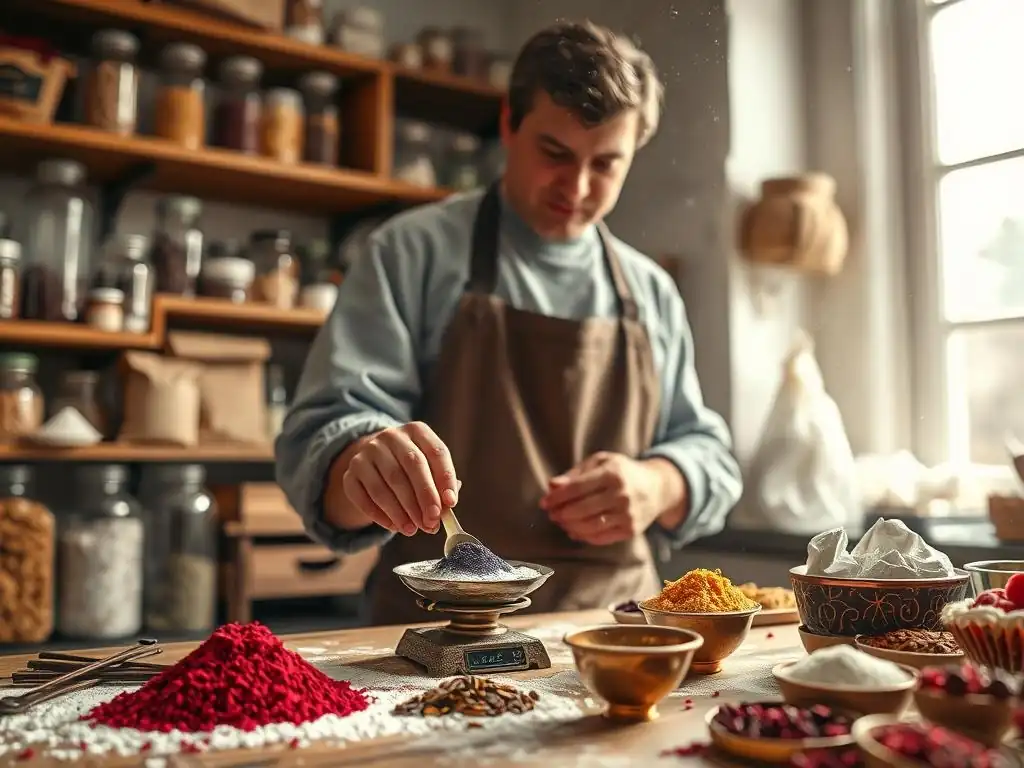
The geographical origin of a specialty ingredient is a major determinant of its price. Ingredients grown in specific, often limited, regions known for ideal climates or soil conditions tend to be more expensive. Think of Kona coffee beans from Hawaii or specific olive oils from Tuscany. These regions may have lower production volumes, higher labor costs, or specific agricultural practices that increase the price of the raw material. For example, cocoa beans from specific single-estate farms known for exceptional quality will command a higher price than commodity beans sourced from various farms.
Furthermore, the supply chain for specialty ingredients is often shorter and more direct, sometimes involving small farms or cooperatives. While this can ensure quality and ethical sourcing, it might lack the economies of scale found in larger, global supply chains, contributing to higher costs. The journey from farm to baker, including transportation, storage, and handling requirements (especially for perishable items), adds to the final price, all playing into the complex dynamics of specialty baking ingredient pricing.
Processing Methods: Effects on Price
The way an ingredient is processed significantly impacts its cost. Traditional, artisanal methods are often more labor-intensive and time-consuming than industrial processes. Stone-ground flour, as mentioned, is milled slowly, preserving more nutrients and flavor but at a higher cost than roller-milled flour. Similarly, naturally fermented cocoa beans, crucial for developing complex chocolate flavors, require careful monitoring and time, adding to the expense compared to quicker, less controlled fermentation methods.
Specialized processing can also require unique equipment or expertise. Producing high-quality extracts, cold-pressed oils, or finely sifted flours involves specific techniques and machinery that contribute to the overall production cost. Ingredients that undergo minimal processing, like raw honey or unrefined sugars, might still be more expensive if their production relies on traditional, less industrialized methods. Understanding these processes helps explain the premium associated with specialty baking ingredient pricing.
Rarity and Seasonality: Availability and Cost
The rarity of an ingredient, either due to limited production volume or specific harvest seasons, directly affects its availability and price. Certain vanilla bean varieties are only grown in specific microclimates and may have limited annual yields, driving up their cost. Some fruits or nuts used in specialty baking might only be available fresh for a short season, making their dried, frozen, or preserved counterparts (which also undergo processing costs) the only option year-round, often at a higher price point than common fruits.
Ingredients affected by unpredictable weather patterns, disease, or political instability in their region of origin can experience significant price volatility and scarcity. Truffles, while not a common baking ingredient, serve as an extreme example of how seasonality and rarity lead to exorbitant prices. While most baking ingredients aren't this extreme, the principle holds: limited supply due to natural factors or specific cultivation cycles increases demand relative to availability, pushing prices upward and influencing specialty baking ingredient pricing.
Organic and Fair-Trade Certifications: Pricing Implications
Certifications like "Organic" and "Fair Trade" add layers of cost to specialty ingredients. Organic farming practices often have lower yields per acre compared to conventional methods and may involve more manual labor for pest and weed control, increasing production costs. Farmers must also pay for certification processes and adhere to strict standards, which requires investment.
Fair Trade certification ensures that producers receive a fair price for their goods, often above market rate, and may include premiums for community development projects. While these certifications align with ethical values and appeal to conscious consumers, they undeniably contribute to the higher price of the ingredient. When you purchase certified organic or fair-trade chocolate, sugar, or spices, you are paying for the guarantee of specific production standards and ethical treatment, a cost reflected in the specialty baking ingredient pricing.
The Impact of Specialty Ingredients on Baking Costs
Calculating Cost Per Serving
Understanding the true cost of your baked goods starts with calculating the cost per serving or per item. This involves totaling the cost of all ingredients used in a batch and dividing by the number of servings or items produced. When using specialty ingredients, this calculation becomes even more critical because their higher unit cost has a magnified effect on the final item cost.
Let's say a standard chocolate chip cookie recipe uses $0.10 worth of basic flour, $0.20 of standard sugar, $0.30 of regular butter, and $0.40 of standard chocolate chips per cookie, for a total ingredient cost of $1.00 per cookie. A recipe using specialty ingredients might use $0.30 of organic heritage flour, $0.60 of unrefined specialty sugar, $0.60 of European-style butter, and $1.50 of single-origin chocolate per cookie. The ingredient cost jumps to $3.00 per cookie – a 200% increase. This highlights how specialty baking ingredient pricing directly impacts your cost per unit, which is fundamental to setting profitable prices.
How Ingredients Affect Recipe Costs
Every ingredient, from the main flavor components like chocolate and nuts to the seemingly minor ones like salt and baking powder, contributes to the overall recipe cost. However, specialty ingredients often constitute a larger proportion of that cost compared to standard recipes. If a recipe calls for 50% chocolate by weight, and you switch from a $5/lb standard chocolate to a $20/lb specialty chocolate, the cost of that single ingredient will quadruple, dramatically increasing the overall recipe cost.
Consider a lemon cake. Using standard lemons might cost $1-$2 for the juice and zest needed. Switching to Meyer lemons, known for their sweeter, more aromatic juice, could cost $3-$5 or more, depending on availability. If the recipe also uses specialty flour and butter, the cumulative effect on the total ingredient cost is significant. This direct correlation between ingredient choice and recipe cost is the core challenge in specialty baking ingredient pricing.
Recipe Cost Comparison: Standard vs. Specialty Ingredients
Let's visualize the difference with a simplified example for a batch of 12 muffins:
| Ingredient (Approx. Quantity) | Standard Cost | Specialty Cost |
|---|---|---|
| Flour (2 cups) | $0.50 | $1.50 |
| Sugar (1 cup) | $0.30 | $0.90 |
| Butter (1/2 cup) | $0.60 | $1.20 |
| Eggs (2 large) | $0.50 | $0.80 (Organic) |
| Chocolate Chips (1 cup) | $1.00 | $3.00 (Couverture) |
| Other (Baking Powder, Salt, etc.) | $0.20 | $0.30 |
| Total Ingredient Cost | $3.10 | $7.70 |
| Cost Per Muffin | $0.26 | $0.64 |
This simplified table demonstrates how using specialty ingredients can nearly triple the raw ingredient cost per item. This stark difference underscores why accurately assessing specialty baking ingredient pricing is non-negotiable for setting appropriate prices for your premium baked goods. It highlights the necessity of recovering these higher costs through your pricing strategy.
Cost-Plus Pricing: Calculating Profit Margin
Cost-plus pricing is a straightforward method where you calculate the total cost of producing an item (including ingredients, labor, overhead like utilities, packaging, etc.) and then add a desired profit margin percentage. If your total cost for a specialty muffin is $1.50 (including ingredients, labor, and overhead), and you want a 50% profit margin, you would price the muffin at $1.50 + ($1.50 * 0.50) = $2.25. This method ensures you cover all your costs and make a profit, but it doesn't necessarily consider perceived value or market competition.
When applying cost-plus to goods made with specialty ingredients, it's vital to accurately track those higher ingredient costs. Using the previous muffin example where the ingredient cost alone was $0.64 (compared to $0.26), your total cost will be higher, leading to a higher base price before adding profit. This method directly links your specialty baking ingredient pricing to your final product price, providing a clear financial foundation.
Value-Based Pricing: Perception of Value
Value-based pricing focuses on what the customer perceives the product is worth, rather than solely on your production costs. Baked goods made with specialty ingredients often offer superior flavor, texture, and overall quality, which customers may value highly. If your specialty chocolate chip cookie tastes significantly better and uses visibly higher quality ingredients than a standard cookie available elsewhere, customers might be willing to pay a premium price for that elevated experience.
This strategy requires understanding your target market and their willingness to pay for quality. Are your customers foodies who appreciate artisanal products and unique flavors? Do they prioritize organic or ethically sourced ingredients? If so, they are likely to perceive higher value in your specialty baked goods. Your pricing should reflect this perceived value, potentially allowing for a higher profit margin than a simple cost-plus approach, especially when your specialty baking ingredient pricing allows you to create a truly exceptional product.
Competitive Pricing: Analyzing Market Rates
Competitive pricing involves researching what similar baked goods are selling for in your market. Look at other home bakers, local bakeries, or online shops that use high-quality or specialty ingredients. What are they charging for comparable items like a single-origin chocolate cake slice or a loaf of sourdough made with heritage flour?
While you shouldn't simply copy others' prices, understanding the market rate provides context. If your specialty chocolate muffins cost you $1.50 to make, and similar quality muffins in local bakeries sell for $4-$5, you have a range to consider. If they sell for only $2.50, you might need to re-evaluate your costs, ingredients, or target market. Competitive analysis is essential, but remember that your specialty ingredients likely differentiate you, so your price might justifiably be at the higher end or even above average if your quality warrants it, reflecting your thoughtful specialty baking ingredient pricing.
Premium pricing is a strategy where you intentionally set a higher price for your products to position them as high-end, luxurious, or exclusive. This strategy works best when your specialty ingredients are truly exceptional, your craftsmanship is top-tier, and your branding communicates quality and exclusivity. Think of bakeries known for using rare spices, single-estate chocolates, or unique, seasonal fruits.
This approach relies heavily on the perceived value and uniqueness of your offering. Customers paying a premium expect an exceptional product and experience. This strategy requires careful attention to detail in every aspect, from ingredient sourcing (justifying your specialty baking ingredient pricing) to packaging and customer service. It's about selling an experience and a promise of unparalleled quality, where the high price point reinforces the product's elite status.
Highlighting Ingredient Quality and Origin
When you use specialty ingredients, don't keep it a secret! Educate your customers about why your baked goods are priced higher. Clearly communicate the quality and origin of your key ingredients. Do you use organic flour from a local mill? Mention it. Is your chocolate single-origin from a specific farm in Ecuador? Share that story.
For example, you could include small cards with your products or descriptions on your website/menu stating:
- "Made with 70% Ecuadorian Single-Origin Dark Chocolate, known for its rich, fruity notes."
- "Featuring Organic Stone-Ground Spelt Flour from [Local Mill Name], adding a nutty depth and tender crumb."
- "Flavored with Pure Madagascar Bourbon Vanilla Beans, prized for their classic, creamy vanilla profile."
This transparency justifies your specialty baking ingredient pricing by showcasing the premium quality customers are paying for.
Emphasizing Unique Flavors and Textures
Specialty ingredients often contribute unique flavor profiles and textures that cannot be replicated with standard alternatives. Highlight these sensory differences to your customers. Does the heritage grain flour give your bread a particularly complex flavor or a wonderfully rustic texture? Does the high-fat butter make your croissants exceptionally flaky? Does the unrefined sugar add a subtle caramel note and chewiness to your cookies?
Use descriptive language in your product descriptions and when talking to customers.
- "Experience the intense, fruity notes of our Ecuadorian dark chocolate melting in every bite."
- "Savor the moist crumb and unique nutty flavor from the organic spelt flour in this loaf."
- "Enjoy the perfect balance of crisp exterior and chewy interior, enhanced by the natural molasses in our specialty sugar."
Focusing on the tangible benefits the customer experiences helps them understand the value derived from your investment in specialty baking ingredient pricing.
Showcasing Craftsmanship
Your skill and effort in transforming specialty ingredients into delicious baked goods are also part of the value proposition. Highlight your process, techniques, and dedication to quality. Do you use traditional fermentation methods for your sourdough? Do you hand-temper your chocolate? Do you spend hours developing the perfect recipe to showcase the unique qualities of a specific ingredient?
Customers are often willing to pay more for products that are clearly made with care and expertise. Share your baking journey, your passion for quality ingredients, and the steps you take to ensure each item is perfect.
- "Our sourdough loaves undergo a slow, 24-hour fermentation process, developing complex flavors from the heritage grains."
- "Each piece of chocolate is carefully tempered by hand to ensure a perfect snap and glossy finish."
- "We meticulously tested this recipe to highlight the delicate floral notes of the Tahitian vanilla."
This focus on craftsmanship complements the discussion of specialty baking ingredient pricing by emphasizing the overall quality and effort behind your products.
Creating a Story Around Your Ingredients
People connect with stories. Sharing the narrative behind your specialty ingredients can create an emotional connection and add significant perceived value. Where do your ingredients come from? Who produces them? What makes them special?
Perhaps you source your honey from a local beekeeper, your fruit from an organic farm nearby, or your spices from a cooperative that supports small farmers. Sharing these stories makes your products more than just baked goods; they become part of a larger narrative about quality, sustainability, and community.
- Share photos or brief bios of your suppliers (with permission).
- Explain the history or unique characteristics of a heritage grain you use.
- Talk about the ethical sourcing practices behind your fair-trade chocolate.
This storytelling approach helps customers understand and appreciate the journey of the ingredients, making your specialty baking ingredient pricing feel justified and your products feel special and worth the premium.
Balancing Quality and Affordability
Sourcing Specialty Ingredients Strategically
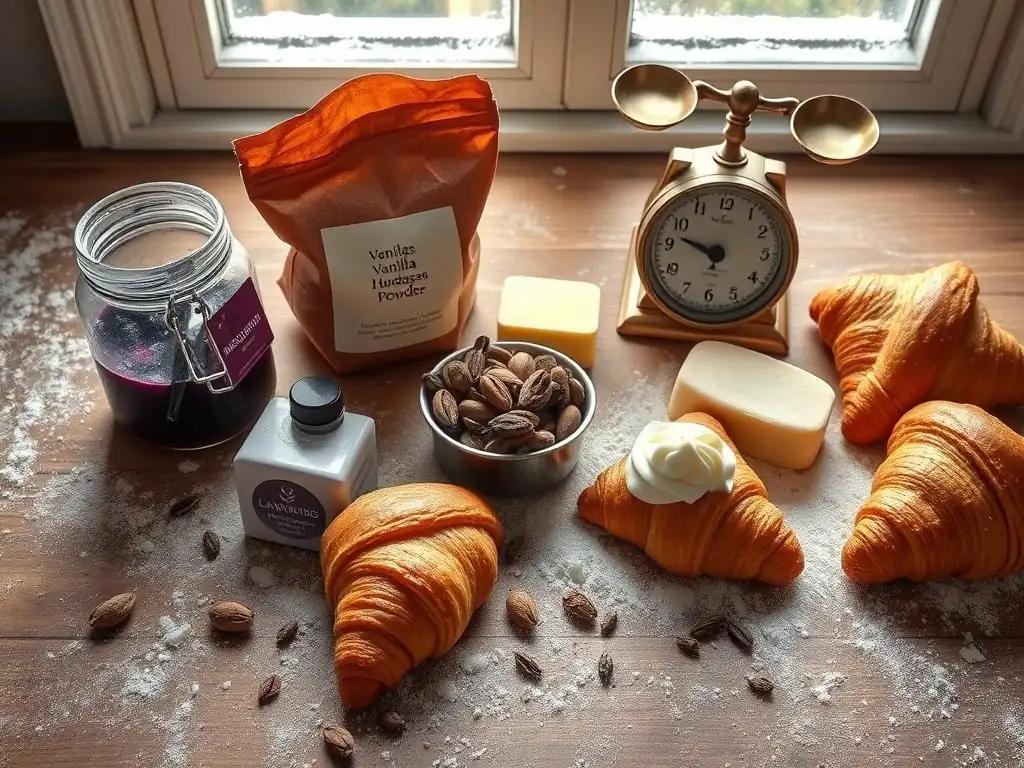
While specialty ingredients elevate quality, you don't necessarily need them in every component of every recipe. Be strategic about where you invest in premium. For a chocolate cake, the quality of the chocolate and cocoa powder might be paramount, while standard sugar and salt might be perfectly acceptable. For a fruit tart, the quality of the fruit filling and pastry butter might be the focus, rather than using specialty flour if a standard bread or pastry flour yields excellent results.
Identify the key ingredients that make the biggest difference in flavor, texture, or performance for a specific product. Invest in specialty versions of those ingredients. For other components, high-quality standard options might suffice, helping to manage overall costs while still delivering a superior product. This selective approach is key to smart specialty baking ingredient pricing.
Finding Reliable Suppliers
Building relationships with reliable suppliers for your specialty ingredients is crucial. Buying directly from producers, local mills, or reputable wholesalers specializing in high-quality ingredients can sometimes offer better pricing than retail stores, especially if you buy in larger quantities. Reliable suppliers also ensure consistent quality and availability, which is essential for maintaining the standards of your baked goods and managing your specialty baking ingredient pricing effectively.
- Research suppliers online.
- Attend local farmers' markets or food producer events.
- Reach out to other bakers for recommendations.
- Request samples to test quality before committing to larger orders.
- Negotiate pricing based on volume if possible.
Optimizing Recipes to Minimize Waste
Recipe optimization is vital for controlling costs, especially when using expensive specialty ingredients. Ensure your recipes are accurate and yield consistent results to minimize failed batches. Measure ingredients precisely and follow instructions carefully. Practice complex techniques to reduce errors.
Furthermore, think about ingredient usage across multiple products. Can you use the same specialty flour in several different items? Can leftover egg whites from a recipe calling for yolks be used for meringues or macarons? Can fruit scraps be turned into a compote? Minimizing waste of expensive ingredients directly reduces your overall cost per serving, making your specialty baking ingredient pricing more manageable and your business more profitable.
Offering a Range of Price Points
Not every item you sell needs to be made entirely with the most expensive specialty ingredients. Consider offering a range of products at different price points to appeal to a broader customer base. You could have your signature, premium line featuring the most exclusive ingredients and a slightly more accessible line using a mix of high-quality standard and select specialty ingredients.
For example:
- Premium Tier: Single-origin chocolate lava cake, Organic heritage grain sourdough.
- Standard Tier: Classic vanilla bean cupcakes (using high-quality extract vs. whole beans), Artisan white bread (using quality bread flour).
This allows customers to choose based on their budget while still offering them access to your quality baking. It also helps you leverage your specialty baking ingredient pricing across different product lines, ensuring you can move higher volumes of less expensive items while still offering high-margin, premium goods.
Key Takeaways
Making Informed Decisions About Ingredients
Choosing ingredients is perhaps the most critical decision in baking, impacting everything from flavor to cost. When considering specialty options, make informed choices by researching suppliers, understanding the factors that drive their prices (origin, processing, rarity), and assessing the true impact on your recipe costs. Your approach to specialty baking ingredient pricing should be deliberate, not accidental.
Communicating Value
Simply using expensive ingredients isn't enough; you must effectively communicate the value they bring to your customers. Highlight the quality, unique characteristics, and story behind your specialty ingredients. Educate your audience so they understand why your products are worth the premium price, justifying your specialty baking ingredient pricing through transparency and storytelling.
Building a Sustainable Business
Ultimately, your goal is to build a sustainable baking business. This requires balancing your passion for quality ingredients with sound financial practices. By accurately calculating costs, implementing smart pricing strategies, managing inventory, and minimizing waste, you can ensure that your love for specialty baking ingredients translates into a profitable venture. Mastering specialty baking ingredient pricing is not just about setting prices; it's about creating a business model that supports your commitment to quality and craftsmanship in the long run.
Frequently Asked Questions
What factors influence the pricing of specialty baking ingredients?
The price is affected by several factors, including rarity and sourcing, production costs, and market demand. Suppliers often charge higher prices for ingredients that are difficult to obtain or require specialized processing.
How does the cost of organic or fair-trade ingredients impact the overall price?
Organic and fair-trade ingredients typically cost more due to strict certification processes and ethical labor standards. This translates to a higher price for the consumer compared to conventional ingredients.
Where can I find the best deals on specialty baking ingredients?
Consider buying in bulk from wholesalers or checking for seasonal discounts at specialty food stores. Look for online retailers specializing in baking supplies, as they often offer competitive pricing.
Are there affordable alternatives to some high-priced specialty ingredients?
Yes, you can often substitute ingredients like vanilla extract for vanilla bean paste or regular chocolate for couverture chocolate. Researching suitable replacements can help reduce your baking costs.
How can I factor the cost of specialty ingredients into my baking budget?
Plan your recipes in advance and calculate the ingredient costs per serving. Consider scaling down recipes or choosing less expensive ingredients to stay within your budget.
Final Reflection: The Sweet Science of Pricing Specialty Goods
The rising cost of living is forcing consumers to re-evaluate their spending, and the specialty baking ingredient market is no exception. This means understanding the delicate balance between premium quality, consumer perception, and profitable pricing is more crucial than ever before. The decisions bakers make regarding ingredient costs directly impact their bottom line and the overall accessibility of their craft.
The journey through understanding specialty baking ingredient pricing reveals a fascinating interplay between artistry and economics. It's not simply about the cost of the ingredients themselves; it's about the story behind them, the quality assurance, and the unique experience they offer. The perceived value of these ingredients is just as important, if not more so, than their intrinsic cost. The price is not what you pay, but what you get.
This timeless adage holds particularly true in the world of specialty baking, where the final product often reflects the quality of its components.
Consider the implications of your pricing strategy. Are you fairly representing the value of your ingredients and your expertise? Are you making your passion accessible to a wider audience, or are you inadvertently creating a niche market only accessible to the privileged few? Take a moment to reflect on your own pricing model. Is it sustainable? Is it ethical? Is it reflective of the dedication and artistry you pour into your baking? The answers to these questions will guide you towards a pricing strategy that is both profitable and fulfilling.
Unlock Your Baking Potential: Pricing Strategies for Specialty Goods
Thanks for diving into the world of pricing specialty baked goods! We hope you gained valuable insights into balancing quality ingredients with profitable pricing. Now it's time to put that knowledge into action.
- Craft Your Ideal Pricing Structure: Carefully review your costs and desired profit margin, then implement a pricing strategy that reflects the premium quality of your ingredients and the unique value you offer. This is your primary step towards success!
- Share Your Pricing Journey: Connect with fellow bakers on our social media channels and share your experiences—what worked, what didn't, and any unexpected challenges you faced. Let's learn from each other!
- Experiment with Premium Packaging: Consider how you present your goods. Does your packaging reflect the quality of your ingredients? Even small changes here can greatly impact your brand perception.
Ready to take the next step in building your profitable baking business? What unique pricing strategy are you most excited to experiment with?