
The Psychology of Plating: Making Desserts Look Irresistible

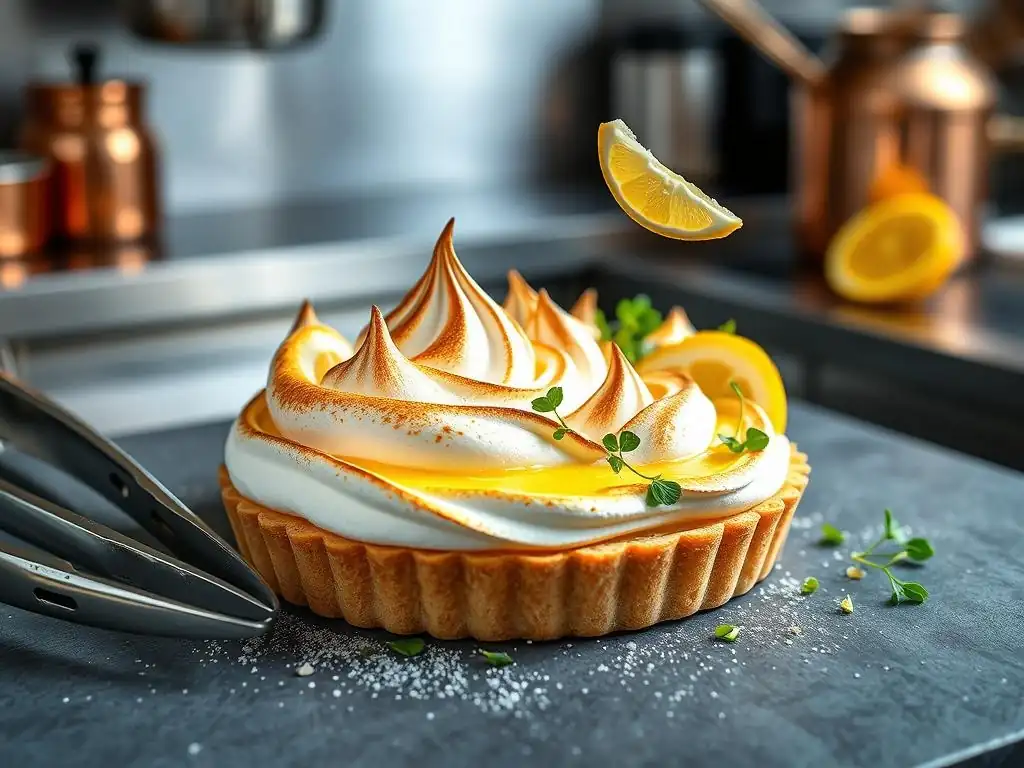
Welcome to BakeWithEase, where we believe everyone can create delicious masterpieces! Ever wondered why some desserts are simply irresistible at first glance? This time, we're diving into the fascinating world of beautiful desserts plating techniques. Discover the secrets of visual appeal and unlock the psychology behind making your creations not just taste amazing, but look absolutely stunning. Ready to elevate your desserts to a whole new level?
- Introduction: Elevating Desserts Through Beautiful Plating Techniques
- Understanding the Psychology Behind Plating Beautiful Desserts
- Essential Dessert Plating Techniques for the Home Baker
- Tools and Equipment for Elegant Dessert Plating
- Step-by-Step Guide: Mastering Simple Elegant Plated Desserts
- Advanced Dessert Plating Techniques: Taking Your Desserts to the Next Level
- Common Dessert Plating Mistakes to Avoid
- Conclusion: The Art and Science of Dessert Plating Techniques
-
Frequently Asked Questions
- What is the main focus of "The Psychology of Plating: Making Desserts Look Irresistible"?
- Why is plating considered important in dessert presentation, according to BakeWithEase.com?
- What are some key elements discussed for achieving beautiful dessert plating techniques on BakeWithEase?
- How does BakeWithEase.com cater to bakers of all skill levels regarding dessert plating?
- Where can I find specific recipes that demonstrate beautiful dessert plating techniques on BakeWithEase?
- Final Reflection: The Enduring Allure of the Perfectly Plated Dessert
- Unlock Your Dessert's Full Potential!
Introduction: Elevating Desserts Through Beautiful Plating Techniques
Why Dessert Plating Matters: More Than Just Decoration
Plating a dessert is far more than a final flourish; it's a critical step that transforms a tasty treat into a sensory experience. Think of it as the dessert's first impression. While the taste is paramount, studies suggest that visual appeal can influence perceived flavor by as much as 10-15%.
A beautifully plated dessert doesn't just look good; it sets expectations, primes the palate, and enhances the overall enjoyment. It signals care, skill, and attention to detail, making even a simple cookie feel special. Mastering beautiful desserts plating techniques is about engaging all the senses from the moment the plate is presented.
Consider a classic chocolate chip cookie. Served straight from the cooling rack, it's delicious. But place that same cookie on an elegant plate, perhaps with a drizzle of warm chocolate sauce, a sprinkle of sea salt, and a small scoop of vanilla bean ice cream, and you've elevated it. The visual composition adds layers of perceived complexity and value. This isn't just about fancy restaurant techniques; home bakers can apply these beautiful desserts plating techniques to make everyday desserts feel like a special occasion, impressing family and friends long before the first bite is taken.
Mastering the Art of Dessert Presentation
Mastering the art of dessert presentation involves understanding basic design principles and applying them to the edible canvas of a plate. It's about creating balance, focus, and visual harmony. This includes considering the plate itself – its size, shape, and color – as well as how the dessert components are arranged, the use of negative space, and the addition of sauces, garnishes, and textures. It’s a skill that improves with practice, much like baking itself.
The journey to mastering beautiful desserts plating techniques begins with observation. Look at how professional bakers plate their creations in cookbooks or online. Notice how they use height, color, and negative space. Then, start experimenting with your own desserts. Try plating a simple brownie in three different ways – cut into squares on a flat plate, stacked with ganache between layers, or crumbled artistically with a scoop of ice cream. Each attempt builds your visual vocabulary and confidence, demonstrating that even small changes in presentation can have a significant impact on how a dessert is received and enjoyed.
Understanding the Psychology Behind Plating Beautiful Desserts
The Visual Appeal of Food: How Our Brains React to Plated Desserts
Our brains are hardwired to react strongly to visual stimuli, especially when it comes to food. The appearance of a dish triggers expectations about its taste, texture, and even temperature. When we see a beautifully plated dessert, our brains anticipate pleasure. This anticipation can actually enhance the sensory experience when we finally take a bite. Research shows that people are often willing to pay more for a dish that is visually appealing, highlighting the significant impact of presentation on perceived value and enjoyment. This phenomenon underscores why mastering beautiful desserts plating techniques is so valuable.
Neuroscientists have used fMRI scans to observe brain activity when people view food. They found that attractive food images activate reward centers in the brain, similar to how we react to other pleasurable stimuli. A well-composed dessert plate, with its harmonious colors, interesting textures, and thoughtful arrangement, is inherently more appealing than a messy or uninspired presentation.
This positive initial reaction primes the taste buds and makes the diner more receptive to the flavors, essentially making the dessert taste even better than if it were presented poorly. It's a fascinating interplay between sight and taste, proving that the eyes truly do eat first.
Color Psychology in Dessert Plating: Evoking Emotions Through Color
Color is one of the most powerful tools in beautiful desserts plating techniques. Different colors evoke distinct emotions and expectations. For instance, reds and oranges are often associated with warmth, energy, and sweetness, making them perfect for fruit-based desserts or vibrant sauces. Browns and deep golds, like those found in chocolate or caramel, convey richness, comfort, and indulgence. Greens, from mint leaves or pistachios, add freshness and a touch of sophistication, while white, like whipped cream or powdered sugar, suggests purity, lightness, and elegance.
Using color effectively involves not just including bright hues but creating balance and contrast. A plate full of brown chocolate might be rich, but adding a vibrant red raspberry puree or a swirl of white crème anglaise breaks up the monotony and makes the dessert more visually dynamic and appealing.
Consider a study where participants rated the same dish served on plates of different colors; the plate color significantly influenced perceptions of sweetness, flavor intensity, and overall satisfaction. By thoughtfully incorporating a variety of colors, you can enhance the visual appeal and emotional impact of your plated desserts, guiding the diner's experience.
Texture and Contrast: Creating Dynamic and Appealing Dessert Presentations
Texture is a crucial element in beautiful desserts plating techniques, adding depth and interest that goes beyond color and shape. A plate with varying textures – smooth, crunchy, creamy, crisp – is far more engaging than one that is uniformly soft or hard. The interplay of textures creates a dynamic experience both visually and in the mouth. For example, a silky panna cotta becomes more exciting when paired with a crisp almond brittle or a crumble of shortbread. Visually, these different textures catch the light differently and add layers to the composition.
Creating contrast in texture is key to a successful dessert plate. Think about the visual impact of a smooth chocolate mousse next to a pile of jagged chocolate shards or a delicate spun sugar nest. The difference in surface quality makes each element stand out. Similarly, pairing a soft cake with a crunchy praline or candied nuts provides both visual and textural contrast. Aim for at least two, ideally three or more, distinct textures on your plate to keep the diner's eye moving and their palate intrigued, enhancing the overall complexity and enjoyment of the dessert.
Essential Dessert Plating Techniques for the Home Baker
The Rule of Thirds: Applying Photographic Principles to Dessert Presentation
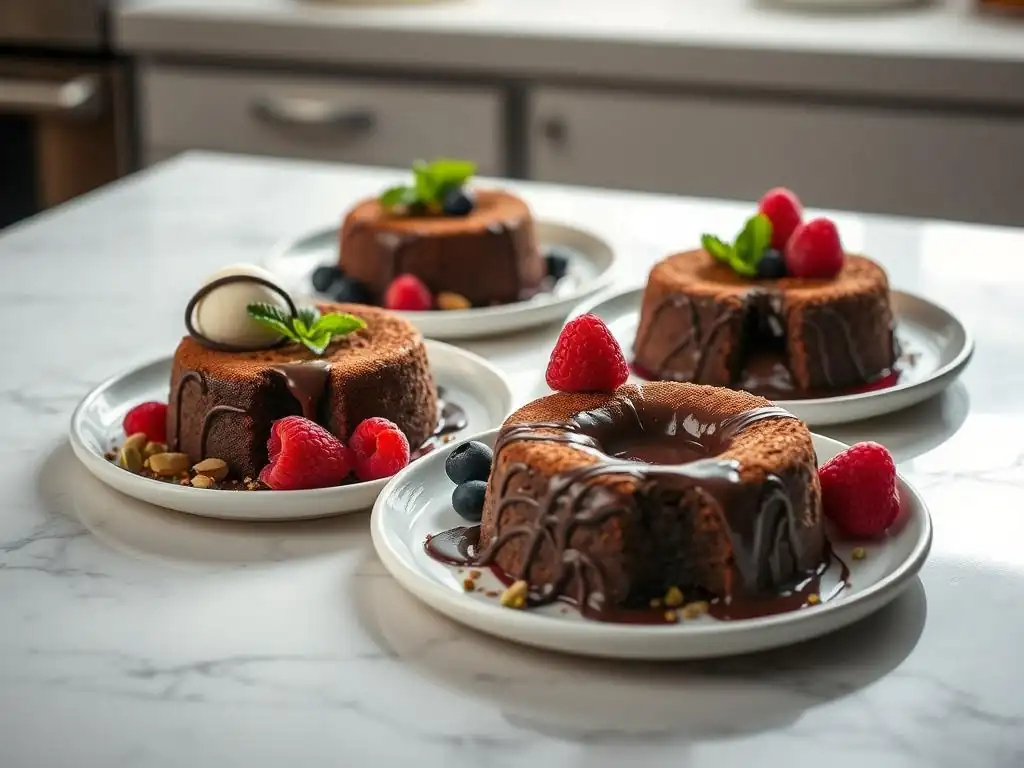
The Rule of Thirds is a fundamental principle in photography and visual arts that can be effectively applied to beautiful desserts plating techniques. Imagine your plate divided into a 3x3 grid, creating nine equal sections and four intersection points. Instead of centering your main dessert element directly in the middle of the plate, position it along one of the grid lines or at one of the intersection points. This off-center placement often creates a more dynamic and visually interesting composition, leading the viewer's eye through the plate.
Applying the Rule of Thirds helps avoid a static, bulls-eye effect. For example, when plating a single slice of cake, placing it slightly off-center allows you to use the surrounding space for sauces, garnishes, or other accompanying elements like a quenelle of ice cream. These supporting elements can be placed along other grid lines or intersection points, creating a balanced yet asymmetrical arrangement. This simple technique is a powerful way to instantly improve the visual appeal of your plated desserts, making them look more professional and thoughtfully composed.
Creating Height and Dimension: Adding Visual Interest to Your Plated Desserts
Flat desserts can sometimes look uninspired. Creating height and dimension is one of the most effective beautiful desserts plating techniques to add visual interest and make a dessert feel more substantial and elegant. This can be achieved in several ways, from stacking elements to leaning components against each other or using edible structures. Think vertically as well as horizontally when composing your plate.
Examples of adding height include stacking layers of cake or cookies with cream or mousse in between, leaning a crisp tuile cookie against a scoop of ice cream, or piling fresh berries on top of a tart slice. Even a dollop of whipped cream or a quenelle of sorbet adds dimension. Be mindful of stability; you want your creation to hold its shape. Building height draws the eye upward and makes the dessert feel more grand and deliberate. A dessert with varying heights and layers looks more complex and sophisticated, showcasing your beautiful desserts plating techniques.
Using Sauces and Purees: Adding Flavor and Visual Appeal
Sauces and purees are indispensable tools in beautiful desserts plating techniques, serving dual purposes: adding flavor and acting as a visual anchor or decorative element. A vibrant berry puree, a rich chocolate sauce, or a creamy vanilla bean sauce can tie the elements of a dessert together while adding pops of color and liquid contrast to solid components. They can be applied in various ways – a simple pool, a swoosh, dots, or intricate drizzles.
When using sauces, consider their consistency. A thicker sauce is better for creating clean lines or dots, while a thinner sauce is ideal for a wide pool or a delicate drizzle. Use squeeze bottles or spoons to control the application.
A classic technique is the "swoosh," where a spoonful of sauce is placed on the plate and then dragged across with the back of the spoon. Another popular method is creating small dots of sauce around the main dessert element. Experiment with different colors and flavors of sauces to complement your dessert and enhance its visual appeal through these beautiful desserts plating techniques.
Garnish Like a Pro: Choosing the Right Garnishes for Your Dessert
Garnishes are the finishing touches in beautiful desserts plating techniques, adding color, texture, and sometimes a burst of flavor. However, a garnish should never feel like an afterthought. It should be relevant to the dessert, either complementing its flavors or adding a necessary textural contrast. Common garnishes include fresh berries, mint leaves, chocolate shavings, powdered sugar, cocoa powder, candied nuts, cookie crumbs, or edible flowers.
Choose garnishes that are fresh and appealing. A wilted mint leaf or soggy berry will detract from the presentation. Use garnishes sparingly; a few well-placed elements are more effective than an overcrowded plate. For instance, a sprinkle of powdered sugar can highlight the shape of a brownie, while a few fresh raspberries can add a pop of color to a chocolate dessert. Consider the overall composition and how the garnish fits into the Rule of Thirds or adds height or texture. Thoughtful garnishing is key to refining your beautiful desserts plating techniques.
Tools and Equipment for Elegant Dessert Plating
Essential Plating Tools: Spoons, Tweezers, and Palette Knives
Having the right tools can make a significant difference in executing beautiful desserts plating techniques with precision and ease. You don't need a vast array of specialized equipment to start, but a few essential tools can greatly improve your control and the cleanliness of your presentation.
- Spoons: Various sizes of spoons are essential. Large spoons are used for scooping sauces or creating quenelles of ice cream or mousse. Smaller spoons are perfect for drizzling sauces or placing small amounts of crumble. An offset spoon (with the bowl at an angle) is particularly useful for creating swooshes of sauce.
- Tweezers: Long, culinary tweezers are invaluable for placing small, delicate garnishes like microgreens, edible flowers, or small berries with precision. They allow you to position elements exactly where you want them without disturbing other components on the plate.
- Palette Knives: Small offset palette knives (like those used for cake decorating) are excellent for lifting and moving delicate items like meringue kisses or fragile cookies. They also help in spreading sauces or smoothing bases on the plate.
Investing in these basic tools will elevate your ability to execute beautiful desserts plating techniques cleanly and artfully.
Choosing the Right Plates: Shape, Size, and Color Considerations
The plate itself is the canvas for your beautiful desserts plating techniques, and its characteristics significantly impact the final presentation. Consider the shape, size, and color of the plate when choosing one for your dessert.
- Shape: Round plates are classic and versatile, offering a clear circular boundary. Square or rectangular plates can provide a more modern aesthetic and offer different ways to arrange linear elements. Abstract shapes can be interesting but require careful consideration to ensure the dessert doesn't get lost or look awkward.
- Size: The size of the plate should be proportionate to the dessert portion. Too small a plate will look cluttered, while too large a plate can make the dessert look meager. Aim for a plate that allows for negative space around the dessert, giving it room to breathe and highlighting the composition. A plate with a wide rim can frame the dessert nicely.
- Color: White plates are a popular choice because they provide a neutral background that makes the colors of the dessert pop. Black plates can create a dramatic contrast, especially with light-colored desserts. Other colored plates can be used, but ensure the color complements rather than clashes with the dessert. Matte or glossy finishes also affect how the light interacts with the plate and dessert.
Choosing the right plate enhances your beautiful desserts plating techniques by providing the ideal stage for your culinary creation.
Creating Stencils and Templates: Adding Precision and Detail
For adding precise patterns or shapes with powdered sugar, cocoa powder, or fine crumbs, stencils and templates are incredibly useful tools in beautiful desserts plating techniques. They allow you to add intricate details that would be difficult to achieve freehand.
You can purchase pre-made stencils in various patterns, or you can easily create your own simple templates at home. For instance, cutting a shape out of parchment paper or thin cardboard can serve as a template. Place the template on the plate where you want the design, then lightly dust over it using a fine-mesh sieve filled with powdered sugar or cocoa powder.
Carefully lift the template to reveal the crisp design underneath. This technique is excellent for adding a decorative border, a central motif, or repeating patterns, showcasing refined beautiful desserts plating techniques. For example, dusting cocoa powder through a star stencil next to a coffee-flavored dessert adds a touch of elegance and thematic connection.
Step-by-Step Guide: Mastering Simple Elegant Plated Desserts
Example 1: Plating a Chocolate Lava Cake
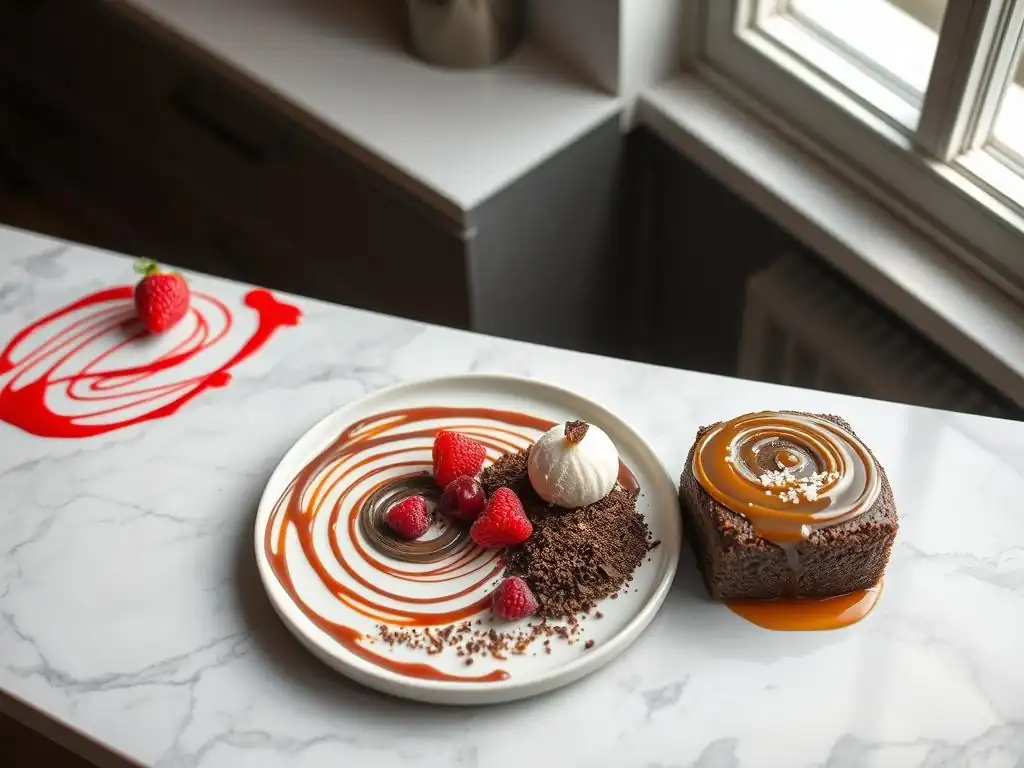
A warm chocolate lava cake, with its molten center, is a perfect candidate for beautiful desserts plating techniques. The key is to highlight its richness and the contrast of textures and temperatures.
Choosing the Right Sauce and Garnish for the Chocolate Lava Cake
For a chocolate lava cake, classic pairings work best. A vibrant red berry coulis (like raspberry or cherry) provides a beautiful color contrast to the dark chocolate and adds a touch of tartness to cut through the richness. Alternatively, a smooth vanilla bean crème anglaise offers a classic flavor combination and a creamy texture. For garnish, consider something with crunch, like candied pecans, a chocolate tuile cookie, or a sprinkle of sea salt to enhance the chocolate flavor. Fresh raspberries or a mint sprig also add color and freshness.
You might aim for about 30-40ml (roughly 2-3 tablespoons) of sauce per serving. For garnishes, a small handful of nuts (perhaps 5-7 pieces) or 3-5 fresh berries are usually sufficient without overcrowding. The goal is enhancement, not distraction, when applying these beautiful desserts plating techniques.
Step-by-Step Plating Instructions for Chocolate Lava Cake
Here's a simple process using beautiful desserts plating techniques:
- [ ] Carefully unmold the warm lava cake onto the chosen plate. Position it slightly off-center, perhaps following the Rule of Thirds.
- [ ] Choose your sauce. If using a berry coulis or crème anglaise, pour a pool of sauce next to the cake, or create a swoosh by placing a dollop and dragging the back of a spoon across the plate away from the cake.
- [ ] Add a contrasting element. Place a quenelle of vanilla ice cream or a dollop of whipped cream near the cake or sauce. Aim for it to be close enough to visually connect but distinct.
- [ ] Apply garnishes. Sprinkle candied nuts around the plate, lean a tuile cookie against the ice cream or cake, or place a few fresh berries artfully near the sauce or ice cream. Add a final dusting of powdered sugar over the cake if desired.
- [ ] Optional: Add a small sprig of mint or a few chocolate shavings for extra flair.
- [ ] Ensure the plate edges are clean. Use a clean cloth or paper towel to wipe away any drips or smudges before serving.
Following these steps helps create a balanced and appealing presentation for your lava cake using beautiful desserts plating techniques.
Example 2: Plating a Lemon Tart
A bright and tangy lemon tart offers opportunities to play with color, shape, and texture in beautiful desserts plating techniques. The crisp crust, smooth filling, and potential meringue or fruit toppings provide a great foundation.
Slicing and Arranging the Lemon Tart for Optimal Visual Impact
Start by slicing the lemon tart cleanly. Use a sharp knife dipped in hot water and wiped dry for the cleanest cuts. A standard slice is a wedge, but you can also cut rectangular bars for a more modern look. When plating, instead of just placing the slice flat, consider leaning it slightly against something else, like a scoop of sorbet or a pile of fruit, to add height. Or, if serving multiple small pieces, arrange them in a pattern, perhaps overlapping slightly.
For a standard round tart (say, 9 inches), a slice might be about 1/8th or 1/6th of the tart. Place this slice on the plate, angled slightly towards the viewer. If using a bar, place it horizontally or diagonally across the plate. Leave ample negative space around the slice to allow for accompanying elements and to keep the presentation clean, utilizing principles of beautiful desserts plating techniques.
Adding Meringue Kisses and Citrus Zest for a Professional Touch
Meringue kisses, either baked or torched, add a lovely textural contrast and visual appeal to a lemon tart. Their light, airy quality contrasts beautifully with the dense filling and crisp crust. Place 2-3 meringue kisses artfully around the tart slice. If using Italian meringue, you can pipe it onto the tart slice itself and torch it for a classic lemon meringue pie look.
Fresh citrus zest, particularly lemon zest, is a simple yet effective garnish. A light sprinkle of finely grated zest over the tart or around the plate adds a burst of color and enhances the citrus aroma, reinforcing the lemon flavor profile. You only need a small amount, perhaps 1/4 teaspoon per plate, to make a visual and aromatic impact. A few microgreens or small edible flowers (like violas) can also add a delicate touch of color, perfecting your beautiful desserts plating techniques.
Example 3: Plating Berry Parfait
A berry parfait, with its layers of fruit, cream/yogurt, and granola/cake, is inherently visual. Beautiful desserts plating techniques for a parfait focus on showcasing these layers and adding complementary textures and colors on the plate.
Layering Techniques for Visually Stunning Berry Parfait
The key to a beautiful parfait is clean, distinct layers visible through the glass. Use a clear glass, such as a tall parfait glass, a wine glass, or even a simple tumblers. Start with a layer that won't get soggy immediately, like granola or cake crumbs. Then, layer creamy elements (yogurt, whipped cream, pastry cream) and fruit (fresh berries, compote). Repeat the layers, ensuring each layer is distinct and relatively even. Aim for 3-4 layers minimum to show off the different components and colors.
For a standard parfait glass (approx. 8-10 oz), you might use about 30-40g of granola, 80-100g of creamy filling, and 50-70g of berries, layered accordingly. Ensure the top layer is visually appealing, perhaps ending with a layer of vibrant berries or a smooth layer of cream, ready for garnish. This layering is foundational to beautiful desserts plating techniques for parfaits.
Garnishing with Fresh Berries and Mint
Garnishing a berry parfait enhances its freshness and visual appeal. The most natural garnish is fresh berries. Place a few whole berries (strawberries, blueberries, raspberries) on top of the final layer. Consider cutting a strawberry fan or slicing a few berries to arrange them artistically.
A sprig of fresh mint is a classic garnish for berry desserts. Its vibrant green color provides a beautiful contrast to the red and blue hues of the berries and adds a fresh aroma. Place a small mint sprig on top, perhaps leaning against a berry or the edge of the glass. A light dusting of powdered sugar over the top can also add a delicate finishing touch, highlighting the textures and shapes, and completing your beautiful desserts plating techniques for the parfait.
Advanced Dessert Plating Techniques: Taking Your Desserts to the Next Level
Abstract Plating: Creating Artistic and Unique Dessert Presentations
Abstract plating moves beyond traditional symmetrical or rule-based compositions to create free-form, artistic presentations. This technique is less about perfect placement and more about creating movement, texture, and visual intrigue on the plate. It often involves splatters, smears, crumbles, and asymmetrical arrangements that evoke emotion or tell a story related to the dessert's flavors or ingredients.
To attempt abstract plating, think about how the components of your dessert can be deconstructed and presented in a less conventional way. Instead of a slice of cake, perhaps crumble the cake and scatter it across the plate. Smear a sauce across the plate with a palette knife. Scatter elements like crumbs, nuts, or small meringues around the main components. The goal is to create a dynamic, almost painterly effect. While seemingly random, successful abstract plating requires careful consideration of balance, color distribution, and the interplay of textures. It's a bold application of beautiful desserts plating techniques.
Using Edible Flowers and Herbs: Adding Sophistication and Flavor
Edible flowers and fresh herbs are wonderful ways to add color, fragrance, and a touch of sophistication to beautiful desserts plating techniques. They offer delicate beauty and can introduce subtle flavors that complement the dessert. Ensure any flowers or herbs used are specifically culinary grade and free from pesticides.
Common edible flowers include violas, pansies, nasturtiums, borage flowers, and rose petals. They come in a variety of colors and shapes and can be placed whole or as petals on or around the dessert. Herbs like mint, basil, rosemary, or even thyme can be used sparingly as garnishes, adding an aromatic dimension and a touch of green. For example, a sprig of rosemary can beautifully complement a lemon or olive oil cake, while basil pairs surprisingly well with strawberry or chocolate. Using edible flowers and herbs elevates your beautiful desserts plating techniques by adding natural elegance and complexity.
Incorporating Textural Elements: Crumbs, Candied Nuts, and More
Adding varied textural elements is key to creating dynamic and exciting beautiful desserts plating techniques. Beyond the main components, scattering crumbs, candied nuts, seeds, or even dehydrated fruit pieces can add visual interest and crucial textural contrast.
- Crumbs: Biscuit crumbs, cookie crumbs (like Oreo or graham cracker), or cake crumbs can be scattered across the plate or used to create a base for other elements. They add a rustic texture and can soak up sauces slightly.
- Candied Nuts/Seeds: Pecans, walnuts, almonds, or pumpkin seeds coated in sugar and roasted add sweetness and a satisfying crunch. They can be placed in small piles or scattered.
- Dehydrated Fruit: Pieces of dehydrated berries, citrus slices, or apple chips offer intense flavor, chewiness or crispness, and vibrant color.
- Chocolate Shards/Soil: Tempering chocolate and breaking it into shards adds a dramatic, crisp texture. Making chocolate "soil" by crumbling baked chocolate elements provides an earthy texture.
These elements not only enhance the visual composition by adding different shapes and surfaces but also provide delightful surprises in texture when eating the dessert, showcasing advanced beautiful desserts plating techniques.
Common Dessert Plating Mistakes to Avoid
Overcrowding the Plate: Less is Often More
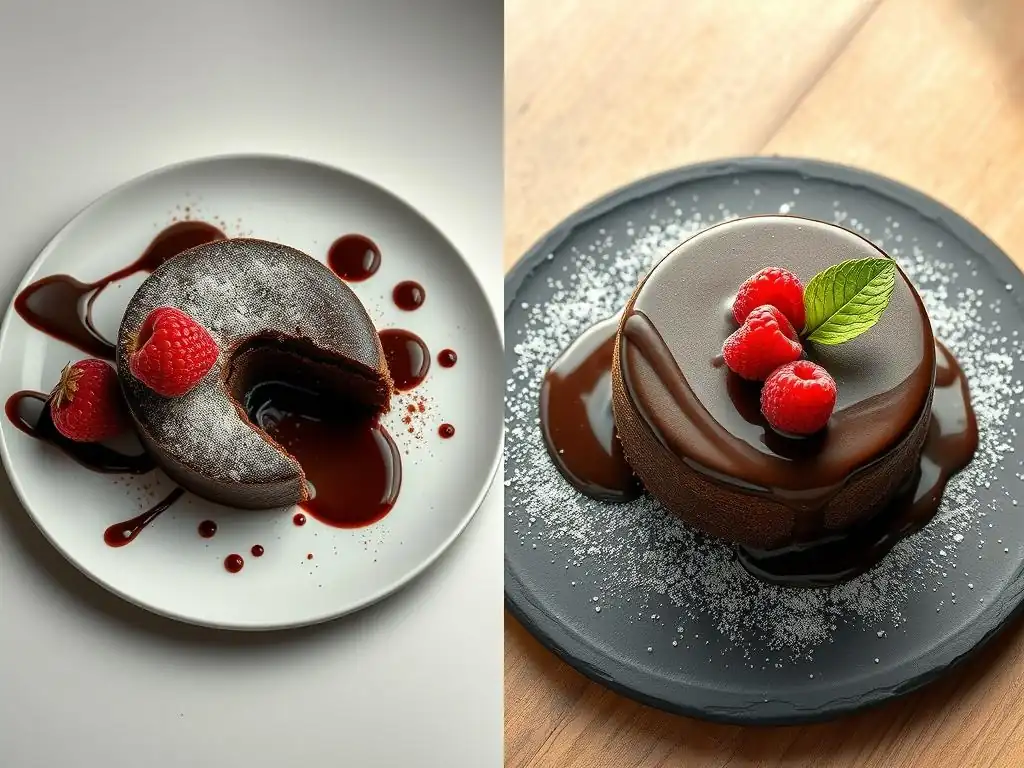
One of the most frequent mistakes in beautiful desserts plating techniques is trying to put too much on the plate. An overcrowded plate looks messy, confusing, and detracts from the main dessert. It signals a lack of focus and makes it difficult for the eye to settle on any one element. Think of the plate as a stage; the dessert should be the star, with supporting elements enhancing its presence, not overshadowing it.
Aim for balance and sufficient negative space. The empty areas on the plate are just as important as the areas with food. They allow the individual components to stand out and give the composition room to breathe. As a general guideline, aim for the dessert and its immediate accompaniments to occupy roughly 60-70% of the plate's surface, leaving the rest as clean space. This restraint is a hallmark of elegant and effective beautiful desserts plating techniques.
Using Dull or Unattractive Plates
The plate is the foundation of your beautiful desserts plating techniques, and using a dull, chipped, or otherwise unattractive plate can ruin even the most well-executed dessert presentation. A beautiful dessert deserves a worthy canvas. Avoid plates with distracting patterns unless they specifically complement the dessert's theme in a sophisticated way.
Choose plates that are clean, free of imperfections, and appropriate in size and color as discussed earlier. White plates are a safe and effective choice for most desserts as they make colors pop. The finish of the plate (matte vs. glossy) can also impact the presentation. Investing in a few simple, elegant plates specifically for plating desserts can significantly elevate your beautiful desserts plating techniques and make your creations look much more professional.
Neglecting Color and Texture: Creating a Monotonous Presentation
A common pitfall is creating a dessert plate that is visually monotonous, lacking in both color variety and textural contrast. A plate featuring only brown elements (like chocolate cake, chocolate sauce, chocolate ice cream) can look flat and uninteresting, regardless of how delicious it tastes. Similarly, a plate with only soft or creamy textures (mousse, pudding, whipped cream) lacks excitement.
Actively think about incorporating contrasting colors and textures when planning your dessert and its plating. If your main dessert is brown, add a bright red berry sauce, a green mint sprig, and a sprinkle of white powdered sugar. If it's soft, include something crunchy like candied nuts or a crisp cookie. Aim for at least 2-3 distinct colors and textures on every plate to ensure your beautiful desserts plating techniques result in a vibrant and engaging presentation that appeals to the eye as much as the palate.
Conclusion: The Art and Science of Dessert Plating Techniques
Elevate Your Baking with Mindful Dessert Presentation.
Mastering beautiful desserts plating techniques is an accessible skill that dramatically enhances the appeal of your baked goods. It's a blend of art and science, combining an understanding of psychological principles – how color, shape, and composition affect perception – with practical skills like using tools, creating height, and applying garnishes. It's about telling a visual story with your dessert, inviting the diner into the experience before they even take the first bite.
By paying mindful attention to how you present your desserts, you elevate the entire baking process from creation to consumption. Start with simple techniques like the Rule of Thirds and thoughtful garnishing, then gradually experiment with sauces, textures, and more advanced methods. Every dessert you plate is an opportunity to practice and refine your beautiful desserts plating techniques, transforming simple treats into memorable sensory experiences that delight everyone who sees and tastes them.
Frequently Asked Questions
What is the main focus of "The Psychology of Plating: Making Desserts Look Irresistible"?
The main focus is understanding how visual presentation impacts the perception and enjoyment of desserts. It explores techniques to make desserts more appealing to the eye.
Why is plating considered important in dessert presentation, according to BakeWithEase.com?
Plating elevates the entire dessert experience by stimulating the visual sense, making the dessert more desirable and memorable.
What are some key elements discussed for achieving beautiful dessert plating techniques on BakeWithEase?
The article likely covers elements like color contrast, texture variation, and negative space to create visually appealing and balanced dessert presentations.
How does BakeWithEase.com cater to bakers of all skill levels regarding dessert plating?
BakeWithEase offers simple and step-by-step guides to plating, ensuring even beginners can learn basic techniques to enhance their desserts.
Where can I find specific recipes that demonstrate beautiful dessert plating techniques on BakeWithEase?
You can find recipes with plating examples within the pastries, cakes, and cookies sections of the BakeWithEase website, offering inspiration and guidance.
Final Reflection: The Enduring Allure of the Perfectly Plated Dessert
The art of plating desserts isn't merely about aesthetics; it's about crafting an experience that elevates the culinary journey. In a world saturated with visual stimuli, the ability to create a dessert that is both delicious and visually stunning is a powerful tool, impacting everything from personal enjoyment to professional success in the food industry. The impact of a well-plated dessert resonates far beyond the initial "wow" factor.
The psychology behind plating—the interplay of color, texture, and composition—has profoundly shaped our cultural understanding of food presentation. We've explored how seemingly small details, like the strategic placement of a fruit or the careful drizzling of a sauce, can significantly influence our perception of taste and overall satisfaction. This isn't just about fleeting trends; it's about tapping into fundamental principles of visual appeal that have resonated throughout history. The eye eats first,
they say, and this adage holds true whether you're a Michelin-starred chef or simply enjoying a homemade treat. The power of visual appeal in food is undeniable, and understanding its nuances allows us to create more meaningful and enjoyable experiences.
Consider the impact of beautiful plating in your own life. Do you find yourself drawn to visually appealing desserts? How does the presentation of a dish influence your enjoyment of it? I encourage you to experiment with different plating techniques, to explore the creative possibilities, and to discover the joy of transforming a simple dessert into a work of art. By understanding the psychology behind plating, you can elevate your own culinary creations and share the delight of a truly unforgettable dessert experience with others.
Unlock Your Dessert's Full Potential!
Thanks for taking the time to explore the psychology of plating! We hope you now feel confident in creating desserts that are as visually stunning as they are delicious. Ready to put your newfound knowledge into practice?
- Master the art of plating: Try recreating one of the dessert examples from the article, focusing on the techniques discussed – you'll be amazed at the difference!
- Share your creations: Post a picture of your beautifully plated dessert on social media and tag us – we'd love to see your masterpieces! Use #BakeWithEasePlating.
- Experiment with new plating styles: Challenge yourself to explore a different plating technique next time you bake. What unexpected flavor or visual combinations can you create?
So, what's the first dessert you'll be plating like a pro? Let's hear about it in the comments!