
The Importance of Rest and Chill for Laminated Dough

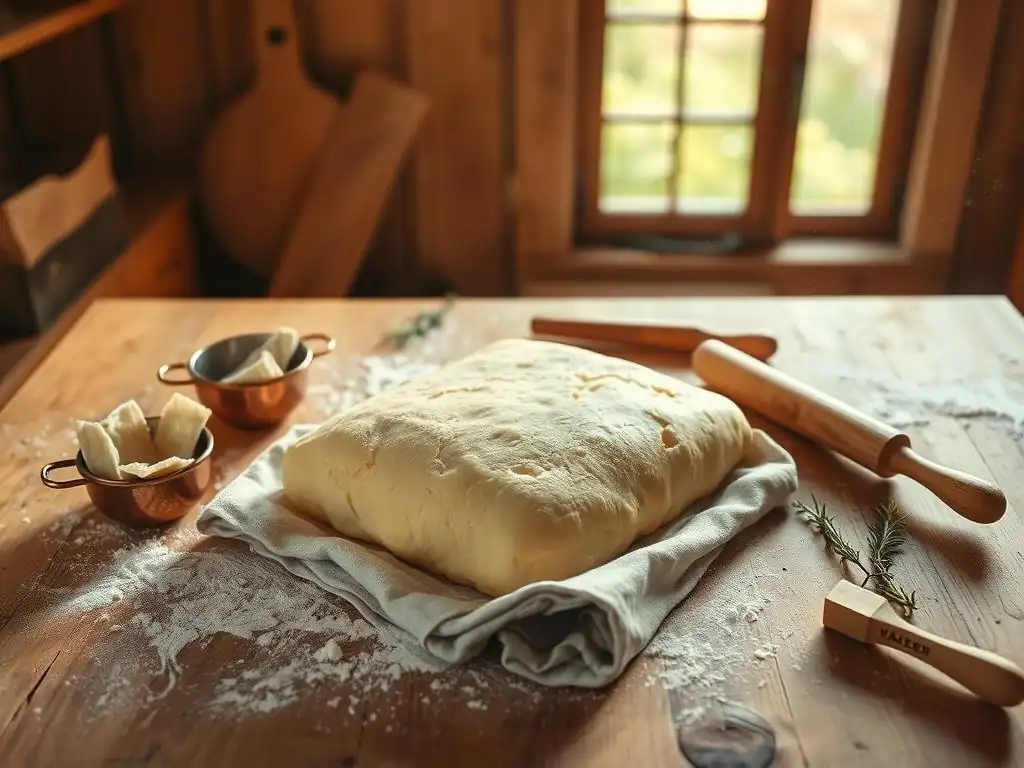
Welcome to BakeWithEase, where we transform baking dreams into delicious realities! Ever wondered why your croissants aren't as flaky or your puff pastry lacks that perfect rise? The secret lies in the often-overlooked art of resting laminated dough properly. Discover the crucial steps and scientific principles behind chilling and resting your dough in our latest guide, and unlock the secrets to truly exceptional, bakery-worthy results. Are you ready to take your laminated dough to the next level?
- The Importance of Rest and Chill for Laminated Dough: A Baker's Guide
- Understanding Laminated Dough: The Foundation of Flaky Pastries
- The Critical Role of Resting Laminated Dough Properly
- The Impact of Temperature on Laminated Dough
- Resting Stages in Laminated Dough Recipes: A Step-by-Step Guide
- Practical Tips for Resting Laminated Dough Properly
- Common Mistakes to Avoid When Resting Laminated Dough
- Baking with Laminated Dough: From Fridge to Oven
- Mastering Viennoiseries: Resting Laminated Dough Properly for Pain au Chocolat and More
- Conclusion: The Key to Baking Success Lies in Resting Laminated Dough Properly
-
Frequently Asked Questions
- Why is resting laminated dough so important?
- What happens if I skip the resting periods for my laminated dough?
- How long should I typically rest laminated dough in the refrigerator?
- What is the ideal temperature for resting laminated dough?
- How do I know if my laminated dough has been rested sufficiently?
- Final Reflection: The Unsung Power of Patience in Pastry
- Unleash Your Inner Baker: Master the Art of Dough Resting!
The Importance of Rest and Chill for Laminated Dough: A Baker's Guide
Understanding Laminated Dough: The Foundation of Flaky Pastries
What is Laminated Dough and Why is it Special?
Laminated dough is a type of pastry dough characterized by its multiple thin layers of dough and butter. When baked, the water in the dough layers turns to steam, puffing up the individual layers and separating them, while the melting butter keeps the layers distinct and contributes to the rich flavor and tender texture. This unique structure is what gives pastries like croissants, pain au chocolat, and puff pastry their signature flakiness and airy interior. Achieving this delicate balance requires careful technique, and a fundamental part of that technique involves resting laminated dough properly.
The magic of lamination lies in creating hundreds, sometimes even over a thousand, alternating layers of dough and butter within a single sheet. This intricate layering is achieved through a series of folding and rolling steps, known as "turns." Each turn multiplies the number of layers.
For example, a single fold of three creates three layers, and repeating this fold multiple times rapidly increases the layer count. The quality of these layers, and thus the final pastry, is heavily dependent on how well the dough and butter are managed between turns, which is where the practice of resting laminated dough properly becomes paramount.
The Key Ingredients in Laminated Dough: Flour, Butter, Water, and Salt
The foundation of laminated dough, often called the détrempe, is typically a simple mixture of flour, water, and salt, sometimes with a little yeast or sugar depending on the specific recipe (like for croissants or Danish). The type of flour matters; a medium-protein bread flour provides enough gluten structure to handle the rolling and folding without tearing, while too much protein can make the dough tough. The water hydrates the flour and helps develop gluten, and its temperature can influence the initial dough consistency. Salt adds flavor and helps control yeast activity if present.
The star ingredient, however, is the butter. It needs to be of high quality, ideally with a high fat content (around 82% is often preferred by professionals) and a pliable yet firm consistency. The butter is incorporated into the dough not by mixing it in, but by enclosing a block of butter within the détrempe and rolling it out.
This butter block must be at a similar consistency to the dough – firm enough not to melt through the layers during rolling, but soft enough to be rolled without breaking into pieces. Achieving and maintaining this butter consistency throughout the lamination process is a key reason why resting laminated dough properly is so important.
The Lamination Process: Creating Layers of Flavor and Texture
The lamination process begins after the détrempe is mixed and has had an initial rest. A chilled butter block, prepared to the correct consistency, is often enclosed within the dough. The combined dough and butter packet is then rolled out into a long rectangle. This rectangle is then folded – commonly in thirds (like folding a letter) or in quarters – creating multiple layers of dough and butter stacked on top of each other. This completes one "turn."
After each turn, the dough requires a period of rest, typically in the refrigerator. This rest allows the gluten in the dough to relax after being stretched, preventing the dough from shrinking back excessively during subsequent rolling. More importantly, it gives the butter a chance to firm up again.
Rolling generates heat, which can soften the butter. Without adequate chilling and resting laminated dough properly between turns, the butter can become too soft, melt into the dough layers, and ruin the distinct separation needed for flakiness. A typical recipe might call for 3-4 turns with rests in between, resulting in hundreds of delicate layers.
The Critical Role of Resting Laminated Dough Properly
Why Resting is Essential for Perfect Lamination
Resting laminated dough properly is arguably as crucial as the lamination process itself. It's not just a pause in the action; it's an active step that allows the physical properties of the dough and butter to reset. Without sufficient rest, especially chilling, the dough becomes difficult to handle, tears easily, and the butter becomes too soft, leading to layers merging.
This results in a baked product that is dense, greasy, and lacks the characteristic light, airy, and flaky texture that defines great laminated pastries. Think of it as giving the dough a chance to catch its breath and prepare for the next rigorous step.
Moreover, proper resting helps to develop flavor, especially in yeasted laminated doughs like croissants or pain au chocolat. While the dough rests and chills, fermentation continues slowly, producing compounds that contribute to the complex aroma and taste of the final pastry. The cold environment slows down this fermentation significantly, preventing over-proofing too early in the process, but still allows for subtle flavor development over time. This slow, cold fermentation, combined with the physical relaxation achieved by resting laminated dough properly, contributes significantly to both the texture and the overall deliciousness of the finished product.
Preventing Gluten Development: Relaxing the Dough for Easier Handling
When dough is kneaded or rolled, the gluten proteins within the flour develop and form a strong network. This network is essential for structure, but it also makes the dough elastic and prone to shrinking back when stretched. The repeated rolling and folding during lamination significantly develops the gluten network. If you try to roll out dough immediately after a turn, you'll find it resists stretching and snaps back like a rubber band, making it incredibly difficult to achieve thin, even layers.
Resting laminated dough properly allows the gluten network to relax. During the rest period, particularly when chilled, the gluten strands lose some of their tension. This relaxation makes the dough more extensible – easier to roll out thinly without resistance or tearing during the next turn. A well-rested dough will roll out smoothly and evenly, allowing you to create those paper-thin layers of dough and butter necessary for maximum puff and flakiness. Skipping or shortening the rest periods will invariably lead to a dough that fights you, resulting in uneven layers and a less desirable texture.
Achieving Optimal Butter Consistency: Maintaining the Integrity of the Layers
Maintaining the correct butter consistency throughout the lamination process is absolutely critical for success. The butter needs to be pliable enough to roll out with the dough without cracking, but firm enough to remain as a distinct layer, not melting or smearing into the dough. The friction and handling involved in rolling generate heat, which naturally softens the butter. If the butter gets too warm (above roughly 10-13°C or 50-55°F), it starts to become oily and can melt into the surrounding dough layers, effectively destroying the lamination.
Resting laminated dough properly, especially chilling it in the refrigerator, is the primary way to control butter temperature and consistency. The cold environment re-firms the butter, bringing it back to the ideal state where it is solid but still flexible. This ensures that during the next rolling step, the butter remains a cohesive sheet that can be rolled out thinly alongside the dough, maintaining the separation between the dough layers. Without sufficient chilling time for resting laminated dough properly, you risk the butter melting, resulting in a greasy, dense pastry instead of a light, flaky one.
The Impact of Temperature on Laminated Dough
Why Chilling is Crucial: Controlling Butter Melt and Gluten Relaxation
Chilling is not just a suggestion when working with laminated dough; it is a fundamental requirement. The cold temperature of the refrigerator serves two primary purposes vital for successful lamination. First, and perhaps most critically, it keeps the butter layers solid and distinct. As mentioned earlier, rolling generates heat. Chilling the dough between turns counteracts this heat build-up, preventing the butter from melting into the dough. If the butter melts prematurely, you lose the separation between layers, and the dough becomes greasy and heavy.
Secondly, chilling significantly slows down gluten development and promotes gluten relaxation. While rest at room temperature also allows gluten to relax, the cold temperature does so more effectively by slowing down molecular movement. This makes the dough much easier to handle and roll out thinly without it snapping back. Chilling also slows down yeast activity in yeasted doughs, preventing over-proofing during the long lamination process. Proper chilling, as part of resting laminated dough properly, ensures both the physical structure (crisp layers) and the handling properties of the dough are optimal.
Ideal Temperature Ranges for Resting and Chilling Laminated Dough
The ideal temperature for resting and chilling laminated dough is typically between 3°C and 5°C (37°F and 41°F). This range is cool enough to keep the butter firm and solid, preventing it from melting or smearing during rolling. It's also cold enough to significantly slow down yeast activity in yeasted doughs, preventing premature proofing. However, it's not so cold that the butter becomes brittle and cracks when rolled, which can also damage the layers.
Resting laminated dough properly at temperatures slightly outside this range can impact the outcome. If the refrigerator is too cold (below 3°C / 37°F), the butter might become too hard and break into pieces during rolling, leading to uneven layers or butter leaking out. If the refrigerator is too warm (above 5°C / 41°F), the butter might not firm up enough, increasing the risk of melting and smearing during the next turn. Maintaining a consistent temperature within the ideal range is key to successful lamination and achieving the desired flaky texture.
Troubleshooting: What Happens When the Dough Gets Too Warm?
When laminated dough gets too warm during the process, several problems arise, all detrimental to the final pastry quality. The most immediate issue is the butter. As the temperature rises, the butter softens rapidly. If it reaches its melting point (around 28-32°C or 82-90°F, depending on the type), it will melt and be absorbed by the dough. This eliminates the distinct butter layers needed for separation and flakiness. The dough will feel greasy, and the layers will no longer be visible when cut.
A warm dough also means the gluten is more relaxed, which might seem good, but coupled with soft butter, it makes the dough very slack and difficult to roll thinly without tearing. Trying to work with overly warm laminated dough often results in butter leaking out from the edges during rolling or shaping.
If you notice your dough or butter feeling too soft or oily, it's a clear sign it needs more time resting laminated dough properly in the refrigerator. Trying to proceed with warm dough will inevitably lead to a poor result – a greasy, dense, and heavy pastry instead of a light, airy, and flaky one.
Resting Stages in Laminated Dough Recipes: A Step-by-Step Guide
The Initial Rest: After Mixing the Détrempe
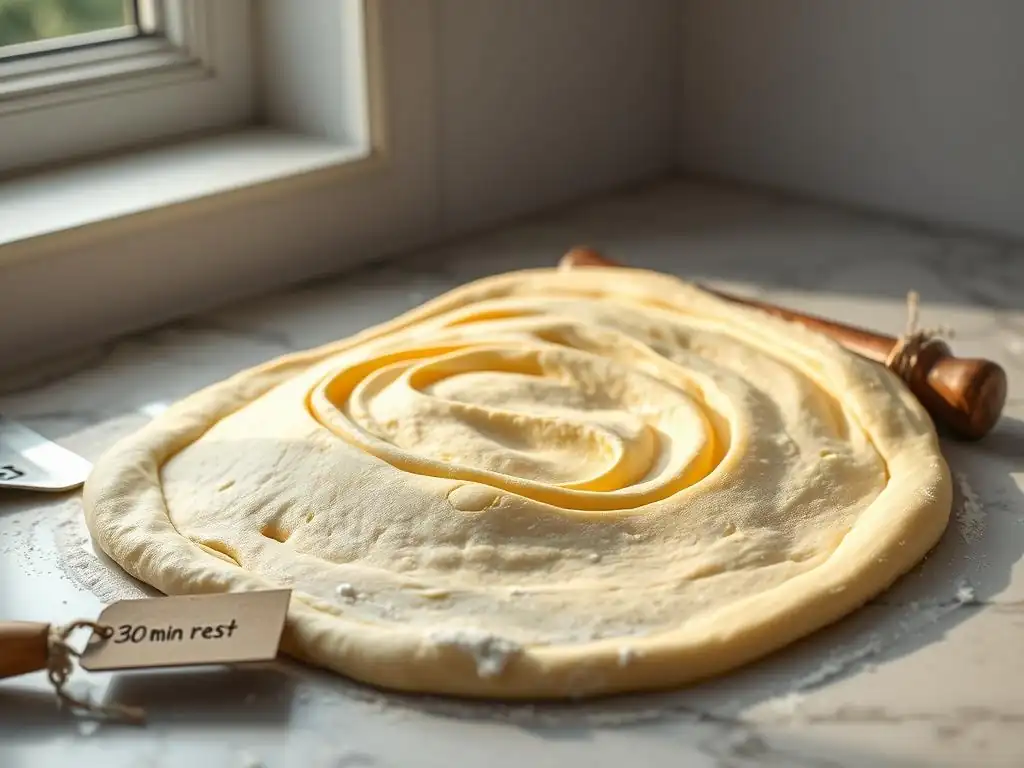
The very first rest occurs after you have mixed the initial dough, the détrempe. This dough is typically mixed just until it comes together, avoiding excessive gluten development at this stage. Once mixed, the détrempe is usually shaped into a rectangle or square, wrapped tightly, and placed in the refrigerator. This initial rest period, often ranging from 30 minutes to several hours or even overnight, serves a few purposes.
Firstly, it allows the flour to fully hydrate. Secondly, and crucially before lamination begins, it allows the gluten network that has started to form to relax. This makes the dough much easier to roll out into the initial shape needed to enclose the butter block.
Finally, and perhaps most importantly, it chills the dough down to a temperature similar to that of the butter block you will be using. Having the dough and butter at roughly the same temperature and consistency is vital for them to roll out evenly together without the butter breaking or the dough resisting too much. Properly resting laminated dough properly from the start sets the stage for successful lamination.
The First Turn and Rest: Allowing the Dough to Relax
After enclosing the butter block within the chilled détrempe and performing the first roll-out and fold (the first "turn"), the dough has been significantly manipulated and stretched. At this point, the gluten is tense, and the butter has likely softened slightly from the warmth of your hands and the rolling surface, even if you worked quickly. This is why the first rest after the initial turn is critical.
Immediately after completing the first fold, the dough packet should be wrapped again and returned to the refrigerator for a rest period, often 30 to 60 minutes or sometimes longer. This rest allows the stretched gluten network to relax considerably, making the dough more pliable for the next rolling step. It also gives the butter time to firm up again to its ideal consistency.
Skipping or shortening this rest will make the dough difficult to roll evenly for the second turn and increases the risk of the butter warming up too much. This stage is a prime example of the importance of resting laminated dough properly to manage both dough elasticity and butter temperature.
Subsequent Turns and Rests: Developing Layers and Flavor
Following the first turn and rest, you will proceed with subsequent turns (typically two or three more, depending on the recipe). After each subsequent turn of rolling and folding, the dough must be rested and chilled again. These rests serve the same crucial purposes: allowing the gluten to relax after the stress of rolling and, most importantly, re-chilling the butter layers that have warmed up during the process.
Each rest period, usually 30-60 minutes in the refrigerator, is essential for building the hundreds of distinct, thin layers that give laminated dough its characteristic texture. Trying to perform turns back-to-back without adequate chilling will inevitably lead to the butter becoming too soft, merging with the dough, and destroying the lamination structure. For yeasted doughs like croissants, these rest periods also allow for slow, cold fermentation, contributing to flavor development. Mastering the rhythm of turn, wrap, and resting laminated dough properly is fundamental to creating successful flaky pastries.
The Final Chill: Preparing for Shaping and Baking
After all the required turns have been completed, the laminated dough needs one final, longer chill before it is ready for shaping and baking. This rest is typically longer than the rests between turns, often ranging from 1 hour to several hours, or even overnight depending on the recipe and desired proofing schedule (for yeasted doughs).
This final chill is critical for several reasons. It ensures the dough is thoroughly chilled, making it firm and much easier to handle, roll to its final thickness, and cut into shapes without distorting the layers or sticking. For yeasted doughs, this can also be part of a slow, cold proofing process, developing flavor and structure.
A well-chilled dough is less likely to shrink back during shaping and holds its form better. Resting laminated dough properly at this final stage guarantees that the delicate layers are preserved and the butter is firm, ready to create maximum lift and flakiness in the oven.
Practical Tips for Resting Laminated Dough Properly
Time Management: Planning for Adequate Resting Periods
Successful baking with laminated dough requires patience and careful planning, largely because of the mandatory resting periods. These rests are not flexible; they are integral steps that cannot be rushed. A typical laminated dough recipe might require 3-4 rests of 30-60 minutes each between turns, plus an initial rest and a final chill that can last from one to several hours. This means the entire process, from mixing the détrempe to shaping, can easily take half a day or even two days if overnight rests are included.
When planning to make laminated pastries, look at the recipe's required resting times and build them into your schedule. Trying to squeeze in turns without proper chilling will lead to frustration and poor results. Think of the rest times as active working periods for the dough and butter, allowing them to reach the necessary state for the next step. By respecting the time needed for resting laminated dough properly, you set yourself up for a much smoother process and a far more successful bake.
Space Considerations: Storing Dough in the Refrigerator
Laminated dough requires consistent chilling between every turn and before shaping, meaning your refrigerator needs to be available and have enough space. Laminated dough is often rolled out into large rectangles, and while it's folded for resting, it can still occupy a significant footprint. Ensure you have clear shelf space in your refrigerator before you begin the lamination process.
The dough packet should be placed on a flat surface in the coldest part of your refrigerator, away from the door where temperatures fluctuate more. Avoid placing other items on top of the dough, as this can compress the layers. Proper storage during resting laminated dough properly ensures it chills evenly and effectively, maintaining the integrity of the layers you've worked hard to create. If you're making a large batch, you might even need multiple shelves or a dedicated space.
Preventing Dough from Drying Out: Proper Wrapping Techniques
During the necessary long resting periods in the refrigerator, laminated dough is susceptible to drying out, which can lead to a tough surface or cracks that make rolling difficult and can compromise the layers. To prevent this, it is essential to wrap the dough properly and securely before chilling.
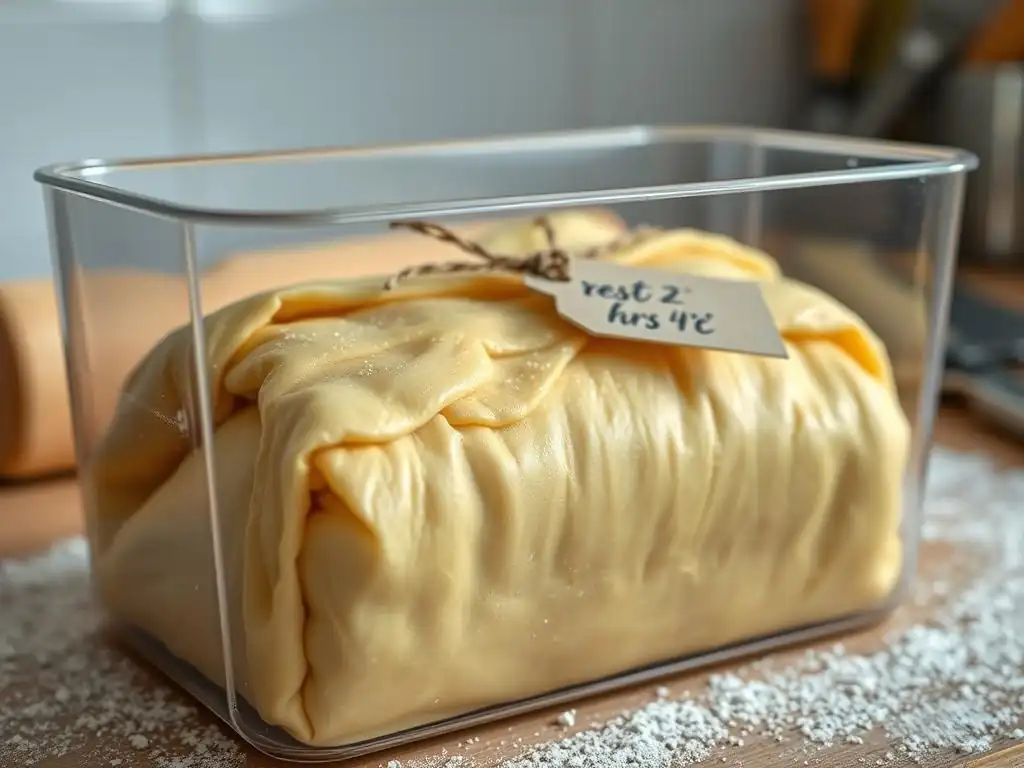
Use plastic wrap (cling film) to wrap the dough packet tightly, pressing the wrap directly against the surface of the dough to eliminate air pockets. You can then add a second layer of wrap or place the wrapped dough in a resealable bag for extra protection. This creates a barrier that prevents moisture loss from the dough's surface into the dry refrigerator air. Taking the time to wrap the dough correctly before resting laminated dough properly will ensure it remains pliable and easy to work with when you take it out for the next step.
Identifying Signs of Over-Resting: Adjusting Resting Times Based on Dough Feel
While insufficient rest is a common issue, it is also possible, though less frequent, to over-rest laminated dough, particularly if it's a yeasted dough left for too long at refrigerator temperatures (multiple days). With yeasted doughs, prolonged cold fermentation can lead to excessive development of acidic flavors. More critically, if the dough is left for too long, the gluten structure can start to break down, making the dough weak.
Signs of potentially over-rested dough include a very sticky or overly slack texture, or a dough that tears easily when you try to roll it out. The dough might also have a very strong, overly fermented smell. While recipes provide general resting times, it's important to also pay attention to how the dough feels.
If your refrigerator is colder than average, or your dough is particularly delicate, you might need slightly shorter rest times. Conversely, if your kitchen is warm, you might need slightly longer rests. Learning to read the dough's consistency is part of mastering resting laminated dough properly.
Common Mistakes to Avoid When Resting Laminated Dough
Insufficient Resting Time: Leading to Tough and Shrinking Dough
One of the most frequent mistakes bakers make with laminated dough is not allowing enough time for the dough to rest and chill between turns and before shaping. As discussed, rolling stretches the gluten and warms the butter. If you try to roll the dough again before the gluten has relaxed and the butter has firmed up, the dough will be resistant, snapping back and making it difficult to roll thinly and evenly.
Insufficient rest leads to a dough that is tough and elastic, fighting against your efforts to roll it out. This often results in uneven layers, thicker patches, and a pastry that shrinks excessively during shaping or baking. The butter, not having had time to chill properly, is also likely to melt and smear, destroying the layer structure. Prioritizing adequate resting laminated dough properly according to the recipe's guidance is crucial for achieving the desired light and flaky texture.
Over-Resting Laminated Dough: Resulting in Weak Gluten and Butter Migration
While less common than under-resting, leaving laminated dough to rest for excessively long periods, particularly yeasted doughs, can also cause problems. If a yeasted dough is left in the refrigerator for several days, the prolonged cold fermentation can weaken the gluten structure. The acids produced during fermentation can start to break down the protein network, making the dough too slack and prone to tearing.
Additionally, over time, even in the refrigerator, the butter layers can start to soften slightly or, in rare cases, migrate within the dough, especially if the dough isn't wrapped perfectly. This can lead to uneven butter distribution or slight smearing, which can impact the final rise and flakiness. While an overnight rest is often beneficial for flavor, leaving dough for much longer than recommended without proper storage or consideration of the dough's state constitutes over-resting laminated dough properly.
Inconsistent Temperatures: Affecting Butter Layer Integrity
Working with laminated dough requires a controlled environment, and temperature consistency is paramount, especially during resting. If the refrigerator temperature fluctuates significantly, or if the dough is placed in a warmer part of the fridge, the butter may not chill properly or may even start to soften during the rest period.
Similarly, if you take the dough out of the refrigerator and leave it on a warm counter for too long before rolling, the butter will warm up rapidly. The goal is for the dough and butter to be pliable but firm when you roll. Inconsistent temperatures, whether too warm or too cold (making the butter brittle), compromise the integrity of the delicate butter layers. Maintaining a stable, cool temperature during resting laminated dough properly is essential for keeping those layers distinct and ready for the oven.
Baking with Laminated Dough: From Fridge to Oven
Preparing the Dough for Shaping: Final Chill and Tempering
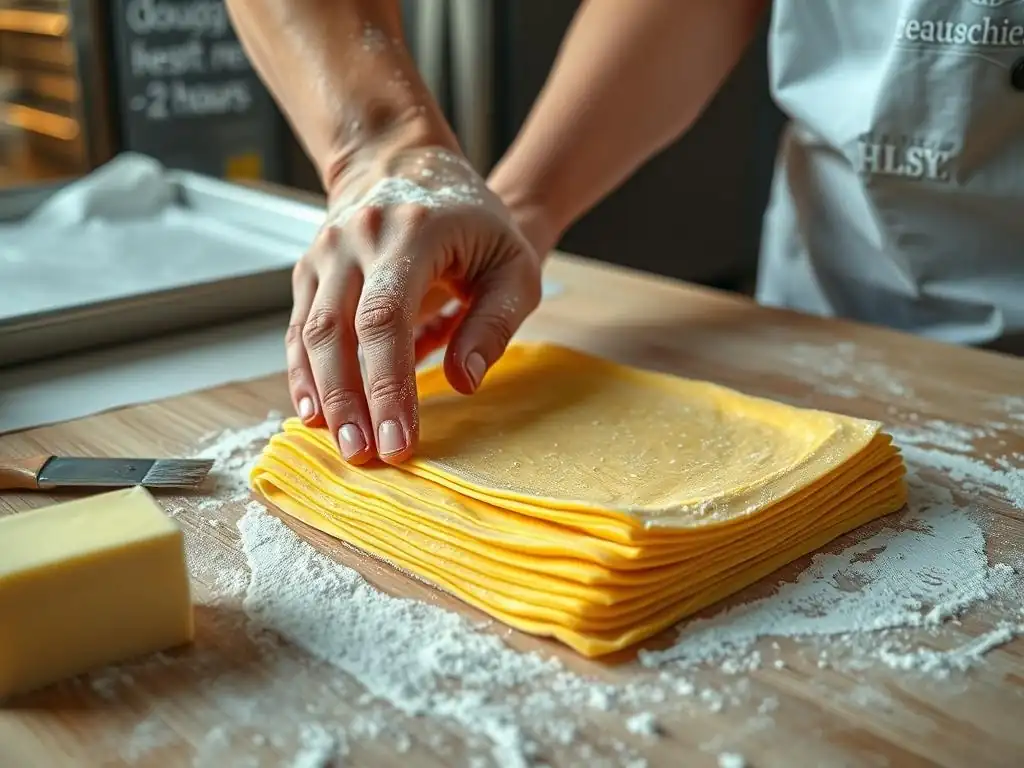
After completing all the turns and the final, longer rest, the laminated dough should be thoroughly chilled and firm. Before shaping, it's often beneficial to let the dough sit out of the refrigerator for a few minutes, perhaps 10-15 minutes depending on your kitchen temperature, to temper slightly. The goal is for the dough to be firm but just pliable enough to roll without cracking or tearing.
If the dough is too cold and hard, the butter layers will be brittle and can break when rolled or folded for shaping. If it's too warm, the butter will soften too much, making shaping difficult and potentially causing the layers to stick together or the butter to leak out. The slight tempering period allows the butter to become just flexible enough to handle.
Knowing how long to temper comes with practice, but the dough should still feel quite cold to the touch when you start shaping. This step is the final preparation after resting laminated dough properly for its ultimate transformation.
Shaping Techniques: Maintaining Layer Integrity During Shaping
Shaping laminated dough requires care to preserve the delicate layers created during the lamination and resting process. Whether you are cutting croissants, folding pain au chocolat, or forming Danish pastries, sharp tools are essential. Use a sharp knife or a pizza wheel to make clean cuts through the dough. A dull tool will drag and compress the layers, hindering the proper rise and separation during baking.
When rolling the dough to its final thickness, try to apply even pressure. Avoid pressing down excessively hard, which can squeeze the butter out or merge layers. Handle the dough gently but confidently. If the dough starts to resist or shrink back during shaping, it might mean the gluten needs a moment to relax, or the dough is getting too warm. In such cases, a brief return to the refrigerator for 10-15 minutes of resting laminated dough properly can help before resuming shaping.
Baking Laminated Dough: Achieving Golden Brown Perfection
Baking laminated dough requires a hot oven, typically between 180°C and 220°C (350°F and 425°F), depending on the specific pastry and recipe. The initial high heat is crucial because it rapidly melts the butter, which then creates steam between the dough layers. This steam is what forces the layers apart, causing the dramatic puff and creating the characteristic open, airy structure inside (like the honeycomb in a croissant).
As the pastry bakes, the dough layers cook and crisp up, and the surface caramelizes to a beautiful golden brown. The melting butter contributes to the richness and helps conduct heat, ensuring the layers cook through. Baking laminated dough properly after you've perfected resting laminated dough properly is the final step where all your careful work pays off, resulting in a light, flaky, and delicious pastry. Undercooking can lead to a doughy interior, while overcooking can make the pastry dry.
Mastering Viennoiseries: Resting Laminated Dough Properly for Pain au Chocolat and More
Applying Resting Techniques to Pain au Chocolat
Pain au chocolat, a classic French pastry, is made from the same laminated dough as croissants. Therefore, all the principles of resting laminated dough properly apply directly. After mixing the détrempe, it needs an initial chill. The butter block is then enclosed, and the dough undergoes a series of turns (typically 3-4) with mandatory rest periods in the refrigerator after each turn. These rests allow the gluten to relax and the butter to firm up, ensuring the layers are distinct and ready for shaping.
Before shaping the dough into rectangles and enclosing the chocolate batons, the dough requires a final, often longer, chill. This makes the dough firm and easy to roll to the correct thickness and cut cleanly. The shaping process itself should be done efficiently to keep the dough cool. After shaping, the pain au chocolat requires a final proofing stage (if yeasted) before baking. While proofing isn't resting in the refrigerator, the quality of the final pastry's structure and flakiness is heavily dependent on the proper lamination and resting laminated dough properly that occurred beforehand.
Resting for Croissants: Achieving the Perfect Honeycomb Structure
The perfect croissant is characterized by its incredibly light, airy interior with a distinct "honeycomb" structure – large, open cells separated by paper-thin layers of dough. Achieving this structure is a direct result of successful lamination and, critically, resting laminated dough properly throughout the process. The initial détrempe rest, the rests between the 3-4 turns, and the final chill before shaping are all non-negotiable steps.
These rests ensure the butter remains in distinct sheets, ready to create steam and separate the layers dramatically in the hot oven. They also allow the gluten to relax, permitting the dough to be rolled thin enough to create the many fine layers required for the honeycomb.
Furthermore, for croissants, the final cold rest before shaping often transitions into a controlled, cool proofing period, which develops flavor and helps the shaped dough gain volume before baking. The success of that final proof and the resulting honeycomb structure hinges entirely on the prior steps of lamination and resting laminated dough properly.
Resting for Kouign Amann: Achieving a Caramelized Exterior and Tender Interior
Kouign Amann, a specialty from Brittany, France, is another pastry made from laminated dough, though it differs slightly from croissants. The dough is typically laminated with butter and sugar incorporated between the layers during the turns. This added sugar caramelizes during baking, creating its signature sweet, crispy exterior. Despite the sugar, the fundamental need for resting laminated dough properly remains.
Like croissants, Kouign Amann dough requires rests between turns to relax the gluten and firm up the butter (and sugar). These rests prevent the dough from becoming too elastic and allow the butter and sugar layers to remain distinct before the final shaping and baking. The final rest before shaping into individual pastries is also important for handling. While the baking process is different due to the caramelization, the foundational flaky structure is built during the lamination and chilling phases, emphasizing the universal importance of resting laminated dough properly across different laminated pastries.
Conclusion: The Key to Baking Success Lies in Resting Laminated Dough Properly
Mastering laminated dough is a rewarding journey for any baker, leading to some of the most exquisite pastries imaginable. While precise rolling and folding techniques are vital, the unsung hero of this process is undoubtedly the resting period. Allowing the dough adequate time to rest and chill between stages is not merely a passive pause; it's an active ingredient in achieving the desired texture and flavor.
Properly resting laminated dough ensures the gluten relaxes, making the dough pliable and easy to work with. Crucially, it keeps the butter layers firm and distinct, ready to create the steam that separates the hundreds of layers during baking. From the initial rest of the détrempe to the final chill before shaping, each rest period plays a critical role.
By understanding and respecting the importance of resting laminated dough properly, you unlock the secret to creating pastries that are beautifully flaky, light, and utterly delicious. Patience truly is a virtue when it comes to lamination, and allowing your dough to rest is the ultimate expression of that patience.
Frequently Asked Questions
Why is resting laminated dough so important?
Resting allows the gluten to relax, preventing it from becoming tough and elastic. This makes the dough easier to work with and prevents shrinking during baking.
What happens if I skip the resting periods for my laminated dough?
Skipping resting periods can result in a tough, shrunken product. The layers won't separate properly, leading to a dense and less flaky pastry.
How long should I typically rest laminated dough in the refrigerator?
Resting times vary, but generally, 30 minutes to 2 hours in the refrigerator between folds is ideal. This allows the butter to firm up and the gluten to relax.
What is the ideal temperature for resting laminated dough?
The ideal temperature is in the refrigerator, between 35-40°F (2-4°C). This ensures the butter remains firm and doesn't melt into the dough.
How do I know if my laminated dough has been rested sufficiently?
The dough should be easy to roll out without springing back excessively. It should also feel firm and cold to the touch, indicating the butter is well-chilled.
Final Reflection: The Unsung Power of Patience in Pastry
The art of laminated dough, with its delicate layers and melt-in-your-mouth texture, hinges on one crucial, often overlooked element: rest. Proper resting isn't just a step in the process; it's the very foundation upon which flaky perfection is built. Without sufficient rest, even the most meticulously crafted dough will yield disappointing results.
The impact of this simple yet profound technique extends far beyond the kitchen. It mirrors the necessity of pausing, reflecting, and allowing processes to unfold naturally in our own lives. The best things in life are worth waiting for,
a sentiment that rings especially true when considering the transformative power of rest in the creation of truly exceptional pastries. The patience required to allow the gluten to relax and the butter to meld perfectly translates to a deeper appreciation for the slow, deliberate process of creating something beautiful and delicious.
Now, consider your own life. Are you allowing yourself the necessary "rest" – the time for reflection, rejuvenation, and the integration of new experiences? Just as rushing the resting process compromises the quality of your laminated dough, rushing through life can leave you feeling overwhelmed and unfulfilled. Take a moment to reflect on where you can incorporate more mindful pauses, more deliberate "rests" into your daily routine. Embrace the power of patience, not just in your baking, but in all aspects of your life. The rewards, like a perfectly layered croissant, will be well worth the wait.
Unleash Your Inner Baker: Master the Art of Dough Resting!
Thanks for taking the time to learn about the crucial role of rest in creating perfect laminated dough! You've now unlocked a key secret to achieving flaky, light, and delicious pastries. Ready to put your new knowledge into practice?
- Bake a masterpiece: Try out a recipe using laminated dough – croissants, pain au chocolat, or even a simple puff pastry – and experience the difference a proper rest makes. Pay close attention to the resting times for optimal results.
- Share your creations: Show off your baking skills and tag us on social media! We'd love to see your delicious results. Use #BakeWithEaseLaminatedDough to join our baking community.
- Experiment with different resting techniques: Explore various resting methods to discover your favorite. How does chilling compare to a room temperature rest? What works best for your chosen recipe?
What surprising discovery did you make about dough resting while creating your amazing pastries? Let us know in the comments below!