
How to Make an Authentic ParisBrest: An Intermediate Challenge

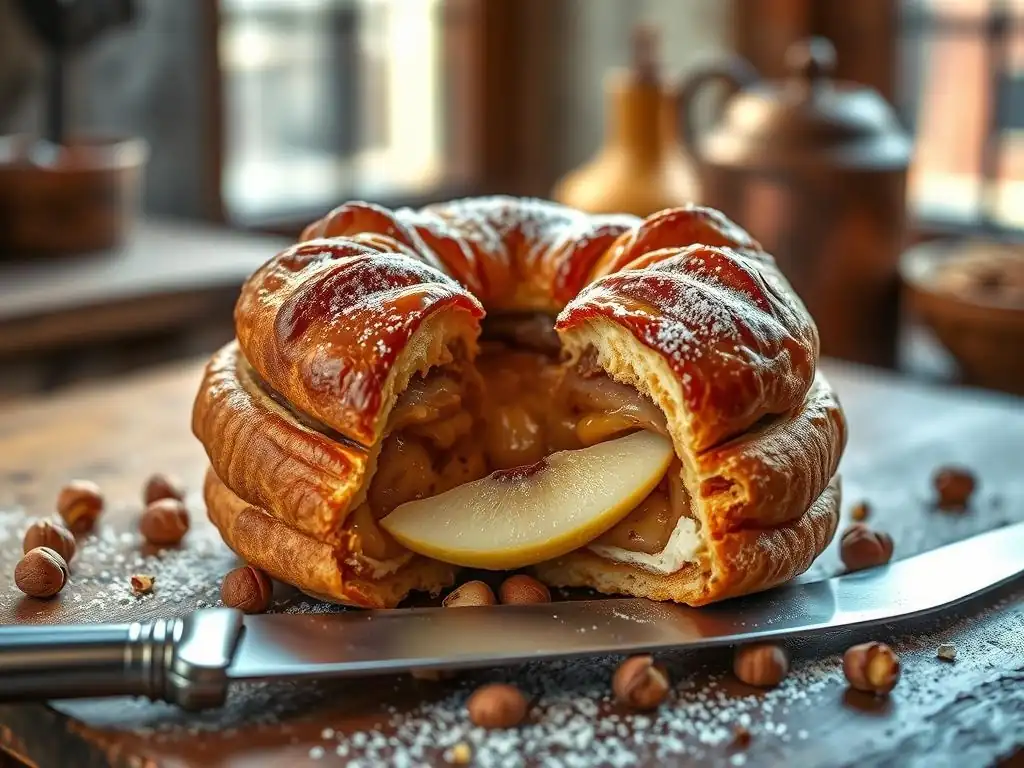
Welcome to BakeWithEase, your guide to unlocking the joy of baking! Ever dreamed of creating exquisite French pastries at home? Our latest article dives into the delicious world of the Paris-Brest. This Easy authentic Paris Brest recipe is designed for intermediate bakers ready to elevate their skills, offering a step-by-step journey to mastering this iconic treat. Curious about the secrets to achieving that perfect choux pastry and hazelnut praline cream? Let's get baking!
- Introduction to Paris-Brest: A Classic French Pastry
- Mastering the Choux Pastry for Paris-Brest
- Crafting the Hazelnut Praline Cream Filling
- Assembling Your Authentic Paris-Brest
- Baking the Perfect Paris-Brest: Oven Temperature and Timing
- Storing and Serving Your Homemade Paris-Brest
- Easy Authentic Paris-Brest Recipe: Full Ingredient List and Instructions
- Conclusion: Enjoy Your Homemade Paris-Brest Masterpiece!
-
Frequently Asked Questions
- What is a Paris-Brest and what makes it "authentic"?
- Is this "Easy authentic Paris Brest recipe" truly easy, even though the article calls it an "intermediate challenge"?
- What kind of praline cream is used in this Paris-Brest recipe, and can I substitute it?
- What are the key differences between this Paris-Brest recipe and other, more complicated recipes?
- Where can I find the ingredients needed for this "Easy authentic Paris Brest recipe"?
- Final Reflection: The Sweetness of Mastery and the Joy of Baking
- Unleash Your Inner Pâtissier: Master the Paris-Brest!
Introduction to Paris-Brest: A Classic French Pastry
What is Paris-Brest? History and Origins
The Paris-Brest is a classic French dessert, instantly recognizable by its distinctive ring shape. It is made from choux pastry, sliced horizontally, and filled with a rich praline-flavored cream, typically crème mousseline or crème diplomat. The top is often dusted with powdered sugar and garnished with slivered or chopped almonds or hazelnuts. Its circular form is not just for aesthetics; it's a nod to its historical roots.
The pastry was created in 1891 by Louis Durand, a pastry chef in Maisons-Laffitte, to commemorate the Paris–Brest–Paris bicycle race. The wheel shape was chosen to symbolize the race itself. Originally spanning over 1,200 kilometers, the race required immense endurance, and the pastry, being substantial and rich, was intended to provide sustenance to the cyclists. Its popularity quickly grew beyond the cycling community, becoming a staple in French patisseries.
Why This Paris-Brest Recipe is Special
This easy authentic Paris Brest recipe focuses on achieving classic flavors and textures while breaking down the process into manageable steps for the intermediate baker. We emphasize making a sturdy yet light choux pastry and a deeply flavorful, homemade hazelnut praline cream, which are the true stars of this dessert. Unlike some simplified versions, this recipe guides you through creating components from scratch, ensuring that rich, nutty depth that defines an authentic Paris-Brest.
By following this easy authentic Paris Brest recipe, you'll gain confidence in working with choux pastry and mastering classic cream fillings. We provide detailed instructions and tips gleaned from years of baking experience, aiming to demystify techniques that might seem intimidating at first glance. The goal is to empower you to recreate this impressive French pastry in your own kitchen, resulting in a dessert that tastes and looks truly authentic.
Is This Paris-Brest Recipe Right for You? Intermediate Bakers Welcome!
If you've successfully tackled recipes like éclairs or cream puffs and are ready to elevate your skills, this easy authentic Paris Brest recipe is an excellent next step. It involves multiple stages – making choux pastry, preparing praline, crafting the cream, and assembling – which require attention to detail and some prior baking experience. You should be comfortable with techniques such as cooking a dough on the stovetop and working with pastry bags.
While it presents a challenge, this guide is designed to be supportive and educational. We explain the 'why' behind certain steps, like cooling the choux dough slightly before adding eggs or chilling the cream thoroughly. If you're an intermediate baker looking to expand your repertoire and create a show-stopping dessert, this easy authentic Paris Brest recipe offers a rewarding journey into classic French patisserie.
Mastering the Choux Pastry for Paris-Brest
The Perfect Choux Dough: Ingredients and Preparation
Creating a perfect choux dough, or pâte à choux, is fundamental to an easy authentic Paris Brest recipe. The basic ingredients are simple: water, butter, flour, and eggs. However, the magic happens in the technique.
You'll typically use equal parts water and milk (or just water) by volume, a significant amount of butter (often around half the liquid weight), flour (slightly less than the liquid weight), and eggs (varying based on dough consistency). For example, a common ratio might start with 125ml water + 125ml milk, 100g butter, 150g flour, and 4-5 large eggs. Precision in weighing ingredients, especially flour, is crucial for consistent results.
Preparation begins by heating the liquid and butter together until the butter is fully melted and the mixture reaches a rolling boil. The flour is then added all at once, and the mixture is stirred vigorously over medium heat. This step, often called the panade, cooks the flour and dries out the dough, which is essential for creating steam later in the oven. You'll cook and stir for 1-2 minutes until a smooth ball forms and a slight film develops on the bottom of the pan.
Step-by-Step Guide to Making Choux Pastry for Paris-Brest
- Combine Liquids and Fat: In a medium saucepan, combine water, milk (if using), butter, a pinch of salt, and a pinch of sugar (optional). Bring to a rolling boil over medium heat.
- Add Flour: Remove the pan from the heat. Add all the flour at once. Stir vigorously with a wooden spoon or sturdy spatula until the flour is fully incorporated and no dry spots remain.
- Cook the Panade: Return the pan to medium heat. Cook the dough, stirring constantly, for 1-2 minutes. This step dries out the dough and helps form a smooth ball that pulls away from the sides of the pan. You should see a thin film on the bottom of the pan.
- Cool Slightly: Transfer the dough ball to a mixing bowl. Let it cool for 5-10 minutes, stirring occasionally, to prevent the eggs from scrambling when added.
- Incorporate Eggs: Add the eggs one at a time, beating thoroughly after each addition until fully incorporated before adding the next. Use a wooden spoon, stand mixer with a paddle attachment, or hand mixer. The dough will initially look separated and slippery but will come together into a smooth, thick paste.
- Check Consistency: The final dough should be smooth, glossy, and thick enough to hold its shape but soft enough to pipe easily. When you lift the paddle or spoon, the dough should fall back into the bowl in a V-shape or "pipeline" consistency. If it's too stiff, you might need to add a small amount of a beaten egg.
Tips and Tricks for Achieving the Ideal Choux Puff
Success with choux pastry for your easy authentic Paris Brest recipe hinges on a few key factors. Firstly, ensure your panade is cooked sufficiently to dry out the dough; this creates space for steam to expand during baking. Secondly, cool the panade slightly before adding the eggs – if it's too hot, you'll cook the eggs. Aim for a temperature around 60-65°C (140-150°F).
The consistency of the final dough is paramount. Too stiff, and the puffs won't expand properly; too wet, and they will collapse. The "pipeline" test is reliable: dip a spoon or paddle into the dough and lift it; the dough should hang and then break, leaving a trailing peak that looks like a soft pipeline.
If it just plops off, it's too wet. If it doesn't fall off at all, it's too stiff. A batch made with 4 large eggs might need a splash more beaten egg, or one made with 5 might be just right depending on egg size and flour absorption.
Troubleshooting Common Choux Pastry Problems
Even with an easy authentic Paris Brest recipe, choux pastry can be finicky. A common problem is puffs that don't rise or collapse after baking. This is often due to insufficient cooking of the panade (not enough steam potential), adding eggs when the panade is too hot (partially cooking the eggs), or opening the oven door too early during baking (releasing steam and causing collapse). Ensure the panade cooks for the full 1-2 minutes until a film forms.
Another issue is dough that is too wet or too stiff. If the dough is too wet after adding the recommended eggs, unfortunately, it's difficult to fix perfectly, though you might try cooking it gently over low heat for a minute or two, stirring constantly, to dry it out slightly (be careful not to scramble the eggs). If it's too stiff, add a tiny amount of beaten egg at a time until the correct consistency is reached. Remember, choux pastry relies on steam for lift, so getting the dough right is the first critical step.
Crafting the Hazelnut Praline Cream Filling
Ingredients for a Rich and Flavorful Hazelnut Praline Cream
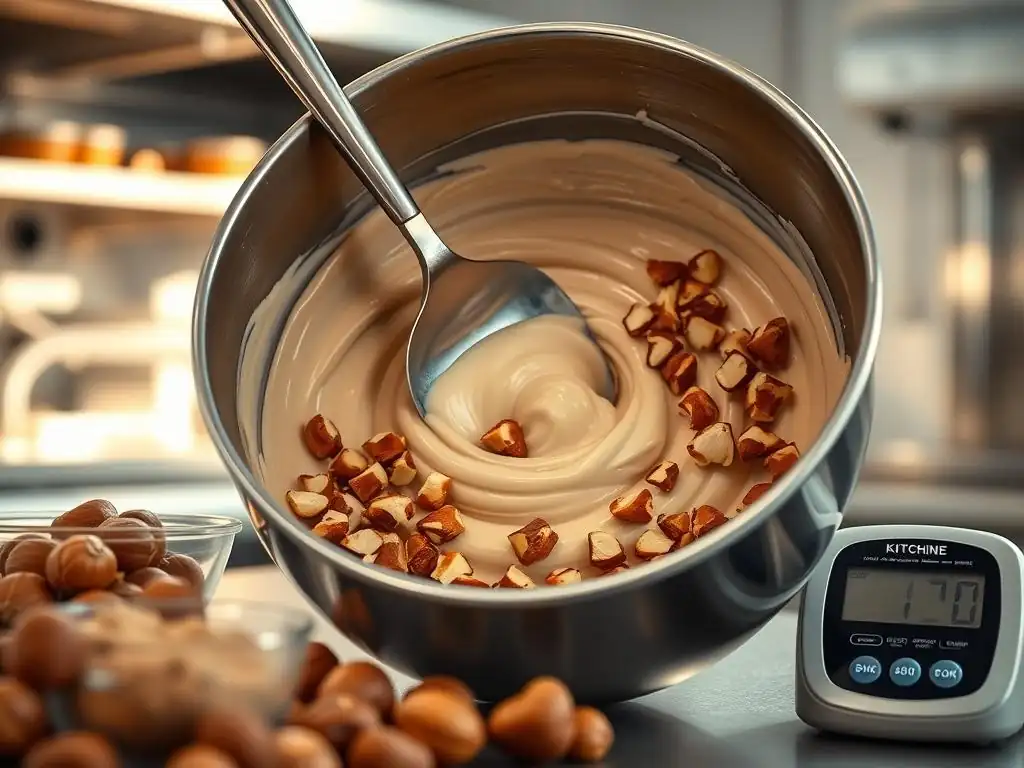
The heart of an easy authentic Paris Brest recipe is its praline cream filling. This typically starts with a base like crème pâtissière (pastry cream) or crème diplomat (pastry cream lightened with whipped cream), enriched with hazelnut praline paste. Essential ingredients include milk, egg yolks, sugar, cornstarch or flour (as a thickener), butter, and, of course, hazelnut praline paste. Some recipes might use a crème mousseline base, which is pastry cream enriched with a substantial amount of butter, resulting in a richer, silkier texture.
For a standard batch filling a Paris-Brest ring about 20-25 cm in diameter, you might use 500ml milk, 4-6 egg yolks, 100-120g sugar, 40-50g cornstarch, 50-100g butter for the pastry cream base, and then incorporate 100-150g of hazelnut praline paste and perhaps another 100-150g of softened butter (for a mousseline). The quality of your praline paste significantly impacts the final flavor, so opting for a good store-bought one or making your own is key.
Making Homemade Hazelnut Praline Paste
Making your own praline paste elevates your easy authentic Paris Brest recipe significantly. It involves caramelizing sugar and then processing it with roasted nuts. You'll need hazelnuts (around 150-200g) and granulated sugar (around 100-150g). Start by roasting the hazelnuts in an oven at about 170°C (340°F) for 10-15 minutes until fragrant and their skins loosen. Rub them in a clean towel to remove as many skins as possible.
Next, make a dry or wet caramel with the sugar. For a dry caramel, heat the sugar in a saucepan over medium heat without stirring until it melts and turns an amber color. For a wet caramel, dissolve the sugar in a little water first, then boil until it caramelizes. Pour the hot caramel over the roasted hazelnuts spread on a silicone mat or parchment paper. Let it cool completely until hardened into brittle.
Break the brittle into pieces and process them in a food processor. Initially, it will turn into a powder, then a paste, and finally a smooth, liquidy butter. Scrape down the sides frequently. Process until it reaches a smooth, pourable consistency, which might take 5-15 minutes depending on your processor.
Assembling the Hazelnut Praline Cream: A Step-by-Step Guide
- Make Pastry Cream (Crème Pâtissière): Heat milk in a saucepan until just simmering. In a bowl, whisk egg yolks and sugar until pale. Whisk in cornstarch (or flour). Gradually pour the hot milk into the egg mixture while whisking constantly to temper the yolks. Return the mixture to the saucepan and cook over medium heat, whisking constantly, until it thickens significantly and comes to a boil. Boil for 1-2 minutes to ensure the starch is cooked out.
- Cool Pastry Cream: Remove from heat. Stir in 50-100g butter until melted and smooth. Pour the pastry cream into a clean bowl, cover the surface directly with plastic wrap to prevent a skin from forming, and chill thoroughly in the refrigerator for at least 2-3 hours until cold.
- Prepare for Mousseline (Optional but recommended): Once the pastry cream is cold, transfer it to a mixing bowl. Add the softened, room-temperature butter (100-150g). Beat with an electric mixer or stand mixer on medium-high speed until the cream is smooth, lightened in color, and fluffy. This process incorporates air and creates the mousseline texture.
- Add Praline Paste: Add the hazelnut praline paste (100-150g) to the cream. Continue beating until the praline paste is fully incorporated and the cream is uniformly colored and intensely flavored. Taste and add more praline if desired.
Variations and Flavor Enhancements for Your Praline Cream
While hazelnut praline is traditional for an easy authentic Paris Brest recipe, you can explore variations. Almond praline is another classic option, or you could combine hazelnut and almond praline for a deeper flavor. For a different twist, consider adding a tablespoon or two of a complementary liqueur like Frangelico (hazelnut liqueur) or rum to the finished cream for an extra layer of complexity. Ensure any liquid additions are small so as not to thin the cream too much.
To enhance the texture, you can fold in finely chopped roasted hazelnuts or pieces of praline brittle just before piping. This adds a delightful crunch that contrasts beautifully with the smooth cream. Another variation involves swirling a small amount of dark chocolate ganache into the praline cream before piping, creating a marbled effect and adding a hint of bitterness to balance the sweetness.
Assembling Your Authentic Paris-Brest
Cutting and Preparing the Choux Pastry Ring
Once your choux pastry ring is baked and completely cooled – this is critical to prevent sogginess – it's time to prepare it for filling. Using a serrated knife, carefully slice the ring horizontally into two equal halves. Hold the knife parallel to your work surface and use a gentle sawing motion. The top half is often slightly smaller or flatter than the bottom, which is fine.
Before filling, you might gently clean out any wispy, uncooked dough from the inside of the top and bottom halves, especially if they look slightly damp. This ensures the cream has a clean surface to adhere to and prevents a gummy texture. Place the bottom half of the ring onto your serving plate or cake stand.
Piping the Hazelnut Praline Cream Filling
Loading the hazelnut praline cream into a piping bag is the next step in assembling your easy authentic Paris Brest recipe. Use a piping bag fitted with a large star tip (like an Ateco 869 or similar). This tip creates a beautiful, professional-looking swirl of cream. Fill the piping bag about two-thirds full with the prepared praline cream.
Pipe the cream generously onto the bottom half of the choux ring. Start piping a layer around the outer edge, then pipe another layer just inside the first, and potentially a third layer in the center, depending on the width of your ring. Aim for tall, defined swirls; don't be shy with the filling! The height of the cream is part of the characteristic look of an authentic Paris-Brest.
Adding Crunchy Praline Pieces
For an extra textural element that complements the smooth cream and soft choux, sprinkle crunchy praline pieces over the piped cream before adding the top layer of the choux ring. These can be small bits of homemade praline brittle that you've chopped or crushed, or simply roughly chopped roasted hazelnuts.
Distribute the crunchy pieces evenly over the surface of the piped cream. This step is optional but highly recommended in an easy authentic Paris Brest recipe as it adds a delightful surprise crunch in each bite, contrasting beautifully with the richness of the cream and the tenderness of the choux. About 2-3 tablespoons of chopped praline or nuts should be sufficient.
Topping: Dusting with Powdered Sugar and Adding Toasted Hazelnuts
To finish the assembly of your easy authentic Paris Brest recipe, carefully place the top half of the choux ring back onto the piped cream. Gently press down just enough to make contact, being careful not to squish the cream out the sides. The cream should peek out appealingly between the two halves.
The classic finishing touch is a generous dusting of powdered sugar over the top of the ring. Use a fine-mesh sieve for an even coating. Finally, scatter some toasted slivered or chopped hazelnuts over the top. Some bakers like to press these nuts gently into the top choux ring before dusting with sugar. This traditional presentation enhances both the visual appeal and reinforces the hazelnut theme of the pastry.
Baking the Perfect Paris-Brest: Oven Temperature and Timing

Preheating Your Oven for Optimal Results
Proper oven temperature is paramount for successful choux pastry in your easy authentic Paris Brest recipe. Choux relies on a burst of steam created by the water in the dough to puff up dramatically and create that hollow interior. This requires a high initial oven temperature. Preheat your oven to a relatively high temperature, typically around 220°C (425°F). Ensure the oven has been preheating for at least 20-30 minutes to reach and stabilize at this temperature.
Some bakers even recommend placing a baking stone or steel in the oven during preheating to help maintain a consistent temperature and provide a good heat source from below. A well-preheated oven ensures that as soon as the choux ring goes in, the liquid turns to steam rapidly, causing the dough to expand quickly before the exterior sets.
Baking the Choux Pastry Ring to Golden Perfection
Baking the choux ring for your easy authentic Paris Brest recipe is a two-stage process. You start at the high temperature (220°C / 425°F) for the first 10-15 minutes. This initial heat creates the steam and causes the pastry to puff up significantly. Crucially, do not open the oven door during this phase. Opening the door releases the steam and can cause the delicate puffs to collapse.
After the initial high-heat period, reduce the oven temperature to a moderate 180°C (350°F) and continue baking for another 20-30 minutes, or until the choux ring is deeply golden brown, feels light and hollow when lifted, and is firm to the touch. The longer, lower-temperature bake dries out the interior, preventing the pastry from collapsing as it cools. A properly baked choux should sound hollow when tapped on the bottom. The total baking time is often around 30-45 minutes, depending on the size of the ring and your oven.
Cooling and Handling the Baked Choux Ring
Once the choux ring is perfectly golden brown and appears stable, turn off the oven and prop the door open slightly. Leave the choux ring inside the cooling oven for another 10-15 minutes. This gradual cooling helps prevent the pastry from collapsing due due to a sudden temperature change.
After this resting period in the oven, carefully transfer the choux ring to a wire rack to cool completely to room temperature. Do not attempt to fill the choux pastry while it is still warm. Warm choux will make the cream filling melt or become soggy. Allow at least 1-2 hours for the ring to cool down fully before slicing and filling. Proper cooling is a vital step in ensuring the structural integrity of your easy authentic Paris Brest recipe.
Storing and Serving Your Homemade Paris-Brest
Best Practices for Storing Paris-Brest
An assembled Paris-Brest, especially one filled with a cream containing butter or pastry cream, is best enjoyed fresh. The choux pastry is prone to becoming soft and losing its crispness over time when in contact with the moist filling. However, if you need to store leftovers from your easy authentic Paris Brest recipe, or if you are making components ahead of time, here are some tips:
Store the assembled Paris-Brest in an airtight container in the refrigerator. It will remain edible for 1-2 days, but the choux will soften. For best results, store the baked choux rings unfilled at room temperature in an airtight container (they can last 1-2 days, or be frozen for longer). The praline cream can be stored in an airtight container in the refrigerator for up to 2-3 days. Assemble the Paris-Brest just a few hours before serving if possible.
Serving Suggestions and Presentation Ideas
Serving your magnificent easy authentic Paris Brest recipe is the final step in sharing this classic French treat. Paris-Brest is typically served as a dessert or as part of an afternoon tea spread. To serve, use a sharp knife to cut slices from the ring. The size of the slices can vary depending on how many people you are serving; a standard ring might yield 6-10 generous slices.
For presentation, ensure the slices clearly show the layers of choux and the swirled praline cream. You can serve slices as they are or garnish individual plates with a light dusting of powdered sugar or a few extra toasted hazelnuts. A simple white plate allows the beautiful golden brown pastry and creamy filling to stand out. Enjoy your homemade Paris-Brest with a cup of coffee or tea!
Easy Authentic Paris-Brest Recipe: Full Ingredient List and Instructions
Detailed Recipe Card for Easy Reference
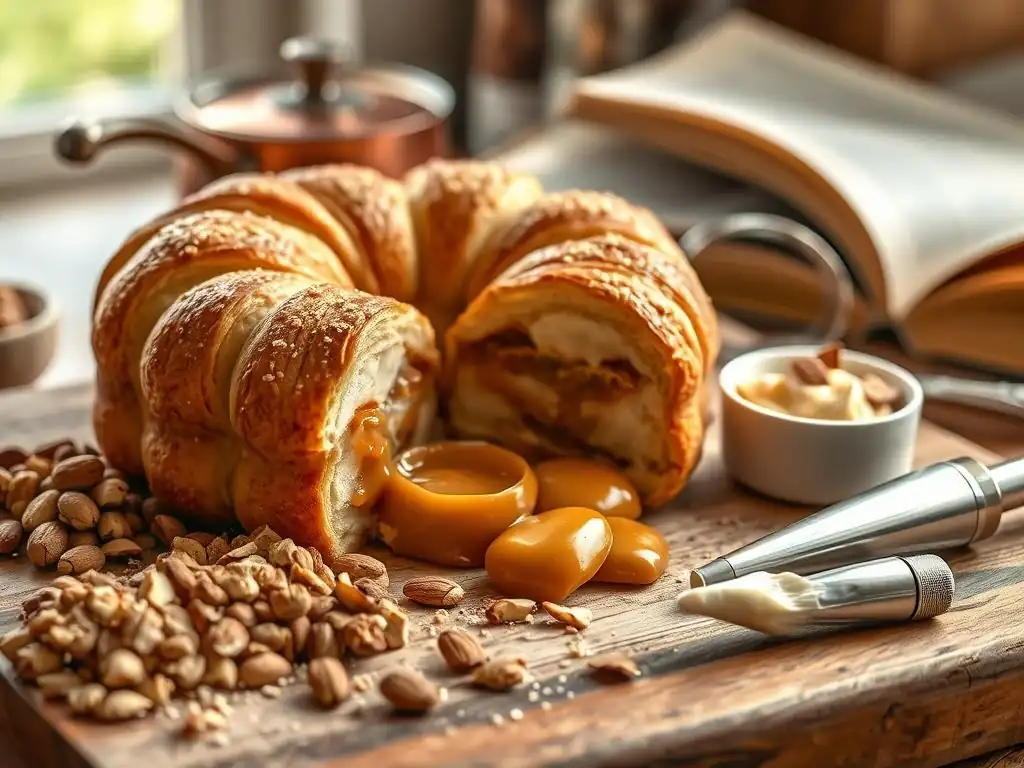
Here is a consolidated list of ingredients and step-by-step instructions for your easy authentic Paris Brest recipe.
Yields: 1 large ring (serves 6-10) Prep time: 1 hour 30 minutes Chill time: 3 hours Bake time: 30-45 minutes
Ingredients:
For the Choux Pastry:
- 125ml Water
- 125ml Whole milk
- 100g Unsalted butter, cut into cubes
- 1 teaspoon Sugar (optional)
- ½ teaspoon Salt
- 150g All-purpose flour, sifted
- 4-5 Large eggs, beaten (you might not need all)
For the Hazelnut Praline Paste (Homemade):
- 150g Whole hazelnuts, roasted and skins removed
- 100g Granulated sugar
For the Hazelnut Praline Cream (Crème Mousseline):
- 500ml Whole milk
- 6 Large egg yolks
- 120g Granulated sugar
- 50g Cornstarch
- 100g Unsalted butter, softened, for the pastry cream
- 150g Homemade or good quality store-bought hazelnut praline paste
- 150g Unsalted butter, softened, for the mousseline
For Assembly and Topping:
- Chopped roasted hazelnuts or praline pieces
- Powdered sugar, for dusting
- Toasted slivered or chopped hazelnuts, for garnish
Instructions:
- Make the Choux Pastry:
- Preheat oven to 220°C (425°F). Line a baking sheet with parchment paper. Draw a circle (approx. 20-25cm diameter) on the parchment paper.
- In a saucepan, combine water, milk, butter, sugar (if using), and salt. Bring to a rolling boil.
- Remove from heat, add sifted flour all at once, and stir vigorously until a smooth ball forms.
- Return to medium heat and cook, stirring constantly, for 1-2 minutes until a film forms on the pan bottom.
- Transfer dough to a bowl. Let cool for 5-10 minutes.
- Gradually beat in the beaten eggs, one by one, mixing thoroughly after each addition, until the dough is smooth, glossy, and forms a V-shape or pipeline when lifted.
- Transfer dough to a piping bag fitted with a large plain or star tip. Pipe the dough into a ring shape on the prepared baking sheet, following your circle guide. You can pipe one thick ring or two concentric rings side-by-side.
- Bake the Choux Ring:
- Bake at 220°C (425°F) for 10-15 minutes until puffed.
- Reduce oven temperature to 180°C (350°F) and bake for another 20-30 minutes, or until deeply golden brown and firm.
- Turn off the oven, prop the door open, and let the choux cool inside for 10-15 minutes.
- Transfer to a wire rack to cool completely (at least 1-2 hours).
- Make the Hazelnut Praline Paste (if homemade):
- Melt sugar in a saucepan over medium heat until it caramelizes to an amber color.
- Pour caramel over roasted hazelnuts on parchment paper. Let cool and harden.
- Break brittle into pieces and process in a food processor until smooth and liquidy.
- Make the Hazelnut Praline Cream:
- Heat milk until simmering.
- In a bowl, whisk egg yolks, sugar, and cornstarch.
- Temper yolks by gradually whisking in hot milk.
- Return mixture to saucepan and cook over medium heat, whisking constantly, until thickened and boiling. Boil for 1-2 minutes.
- Remove from heat, stir in 100g softened butter. Pour into a bowl, cover surface with plastic wrap, and chill completely (at least 2-3 hours).
- Once cold, transfer pastry cream to a mixing bowl. Add 150g softened butter and beat until smooth and fluffy (mousseline).
- Beat in the hazelnut praline paste until fully incorporated.
- Assemble the Paris-Brest:
- Once choux ring is completely cool, slice it horizontally in half using a serrated knife.
- Place the bottom half on a serving plate.
- Transfer praline cream to a piping bag fitted with a large star tip. Pipe the cream generously onto the bottom choux ring.
- Scatter chopped praline pieces or nuts over the cream (optional).
- Place the top choux ring half back on top of the cream.
- Dust the top generously with powdered sugar.
- Garnish with toasted slivered or chopped hazelnuts.
Conclusion: Enjoy Your Homemade Paris-Brest Masterpiece!
Congratulations! By following this easy authentic Paris Brest recipe, you've created a truly impressive classic French pastry. Mastering choux pastry and crafting a rich praline cream are significant achievements for any intermediate baker. The combination of the light, airy choux, the decadent, nutty cream, and the satisfying crunch of praline or nuts is simply sublime.
Don't be discouraged if your first attempt isn't absolutely perfect – baking, especially classic pastries, takes practice. Each time you make this easy authentic Paris Brest recipe, you'll learn more about your oven, your ingredients, and your technique. We hope this guide has demystified the process and empowered you to tackle more challenging bakes with confidence. Share your beautiful creation with friends and family, and savor the delicious reward of your hard work!
Frequently Asked Questions
What is a Paris-Brest and what makes it "authentic"?
A Paris-Brest is a French pastry made of pâte à choux, filled with a praline flavored cream. An authentic recipe emphasizes traditional techniques and high-quality ingredients to achieve a classic taste and texture.
Is this "Easy authentic Paris Brest recipe" truly easy, even though the article calls it an "intermediate challenge"?
While BakeWithEase aims for simplicity, a Paris-Brest does require some baking experience. The "easy" aspect refers to our clear instructions and simplified techniques compared to complex professional recipes.
What kind of praline cream is used in this Paris-Brest recipe, and can I substitute it?
Our recipe uses a classic French praline cream, typically made with almonds and hazelnuts. Substitutions are possible, but will alter the authentic flavor profile significantly.
What are the key differences between this Paris-Brest recipe and other, more complicated recipes?
This recipe focuses on streamlining the process without sacrificing flavor. We simplify steps like making the praline paste and offer clearer instructions for shaping the pâte à choux.
Where can I find the ingredients needed for this "Easy authentic Paris Brest recipe"?
Most ingredients, such as flour, butter, eggs, sugar, and nuts, are readily available at most grocery stores. Some specialty ingredients, like praline paste, might require a visit to a specialty baking supply store or online retailer.
Final Reflection: The Sweetness of Mastery and the Joy of Baking
Mastering the art of the Paris-Brest isn't just about following a recipe; it's about understanding the delicate balance of flavors and textures that make this pastry so iconic. The seemingly simple combination of choux pastry and praline cream requires precision and patience, a testament to the enduring appeal of classic French patisserie. This journey into the heart of the Paris-Brest reveals that even seemingly complex recipes can be tackled with the right approach and a little bit of courage.
The enduring allure of the Paris-Brest lies not only in its deliciousness, but also in its ability to connect us to a rich culinary heritage. It's a testament to the power of tradition, a reminder that sometimes the simplest ingredients, when handled with care and skill, can create something truly extraordinary. The best things in life are simple,
a phrase often heard, rings particularly true when considering the humble yet magnificent Paris-Brest. Its enduring popularity speaks to a universal desire for both comfort and sophistication in our food.
Now, I invite you to take what you've learned and embark on your own Paris-Brest adventure. Don't be afraid to experiment, to adjust the recipe to your own tastes, and most importantly, to enjoy the process. The satisfaction of creating something beautiful and delicious with your own hands is a reward in itself. The journey of mastering this classic pastry is a journey of self-discovery, a testament to your own capabilities, and a delicious treat to share with those you love. So, gather your ingredients, preheat your oven, and let the sweet magic begin!
Unleash Your Inner Pâtissier: Master the Paris-Brest!
Thanks for joining us on this delicious journey into the world of French pastry! We hope you gained valuable insights and inspiration for tackling this classic treat. Now it's time to put your new skills to the test.
- Bake your own Paris-Brest! Use the recipe and techniques you just learned to create your masterpiece. Don't be afraid to experiment with flavors and decorations!
- Share your creation! Post a picture of your Paris-Brest on social media and tag us – we'd love to see your baking success!
- Challenge a friend: Encourage a fellow baking enthusiast to try their hand at this delicious challenge.
Ready to conquer the art of the Paris-Brest? What unique twist will you add to your creation?