
Freshly Ground vs. PreGround: The Spice Debate in Baking

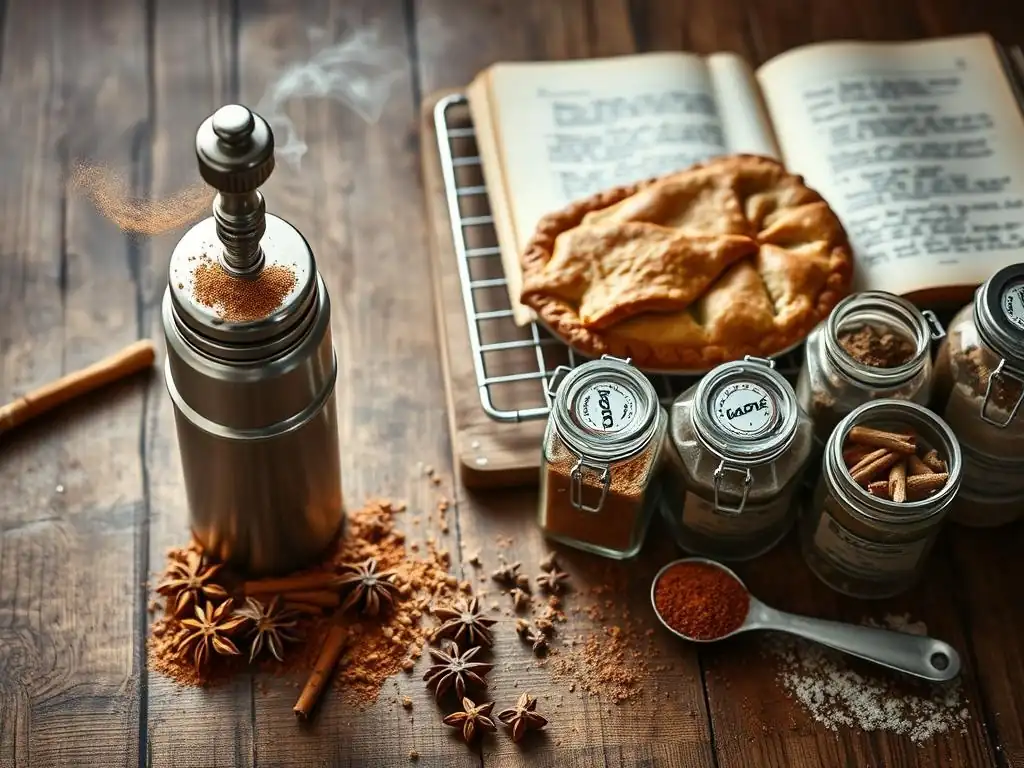
Welcome to BakeWithEase, your trusted guide to baking bliss! Ever wondered if using preground spices could be secretly holding back your baking masterpieces? This week, we're diving deep into the world of spices in our "Ingredient Deep Dives" category, tackling the age-old question: Freshly Ground vs. Preground. Discover if those convenient jars are truly delivering the flavor you deserve, and unlock the secrets to elevating your preground spices baking recipes to new heights. Ready to spice things up? Let's get baking!
- Introduction: Elevating Your Baking with the Right Spices
- Pre-Ground Spices: Convenience and Shelf Life
- Freshly Ground Spices: Aroma and Flavor
- Freshly Ground vs. Pre-Ground: A Detailed Comparison
- Optimizing Your Baking with Spices: Tips and Techniques
- Choosing the Right Spice Approach
- Conclusion: Mastering Baking with Spices
-
Frequently Asked Questions
- What are the main differences between using freshly ground and preground spices in baking?
- Does the BakeWithEase website recommend one type of spice over the other for baking recipes?
- How can I ensure my preground spices are still good to use in my baking recipes?
- Are there specific baking recipes on BakeWithEase.com that benefit more from freshly ground spices?
- Where can I find suitable "Preground spices baking recipes" on BakeWithEase.com?
- Final Reflection: The Aromatic Journey: Choosing Your Spice Path
- Unleash Your Baking Potential: Grind Your Own Way to Flavor!
Introduction: Elevating Your Baking with the Right Spices
Importance of High-Quality Spices in Baking
Spices are the unsung heroes of baking, capable of transforming a simple batter into a symphony of flavors. They add depth, warmth, and complexity that vanilla alone cannot provide. Think about a classic apple pie: while apples and crust are essential, it's the blend of cinnamon, nutmeg, and perhaps a pinch of clove that truly defines its comforting aroma and taste. Using high-quality spices ensures that these crucial flavor notes are vibrant and impactful, rather than muted or stale. A well-spiced bake lingers on the palate and creates a memorable experience.
Beyond just flavor, spices contribute significantly to the aroma of baked goods, which is a huge part of the sensory pleasure of baking and eating. The fragrant cloud that escapes from an oven baking gingerbread cookies or a spiced pumpkin loaf is instantly evocative and inviting. The quality and freshness of your spices directly correlate with the intensity and pleasantness of this aroma. Stale spices simply won't deliver that powerful, welcoming scent, diminishing the overall appeal of your creation.
Freshly Ground vs. Pre-Ground: Setting the Stage
When it comes to stocking your spice rack for baking, one fundamental question often arises: should you buy spices already ground, or invest in whole spices and grind them yourself? This is the core of the "spice debate," and both options have their merits depending on your priorities, baking habits, and desired outcomes. Many bakers start with preground spices for convenience, especially when trying out new preground spices baking recipes.
Pre-ground spices offer unparalleled convenience – they are ready to use straight from the jar, saving time and effort. However, whole spices are widely believed to retain their flavor and aroma for much longer periods. The act of grinding releases volatile oils that contain the majority of a spice's flavor compounds. Once these oils are exposed to air, light, and heat, they begin to degrade relatively quickly compared to when they are locked within the whole spice structure. Understanding this difference is key to making informed choices for your baking projects.
Pre-Ground Spices: Convenience and Shelf Life
Understanding Pre-Ground Spices
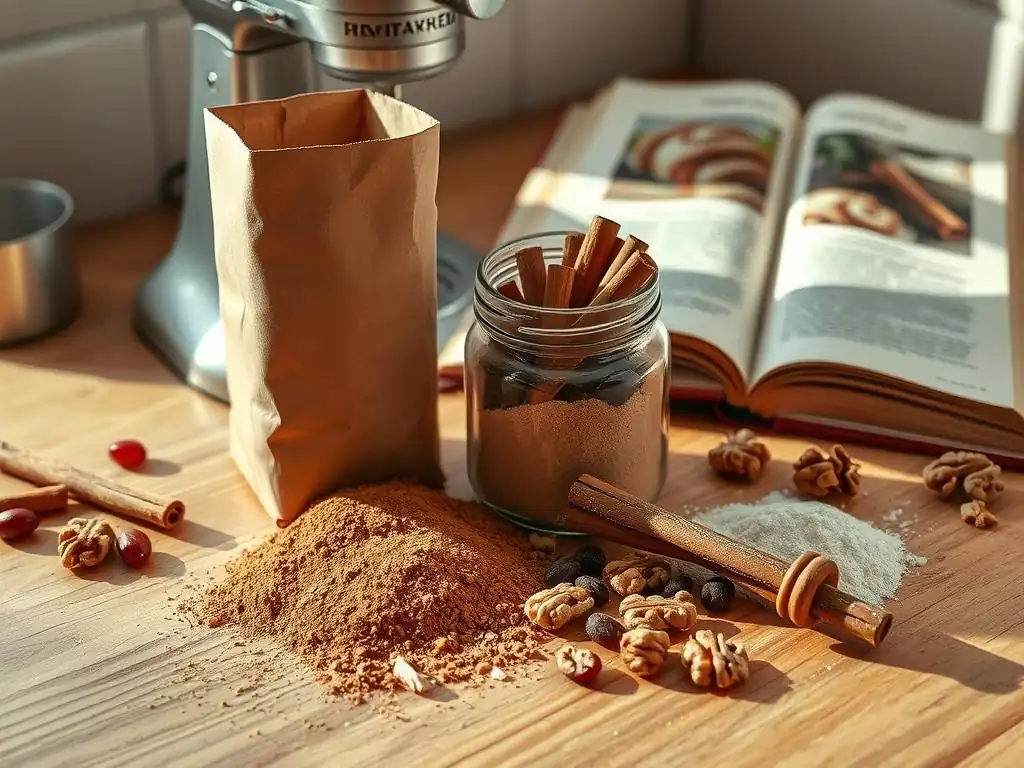
Pre-ground spices are exactly what the name suggests: spices that have been ground into a powder or fine consistency before being packaged and sold. This is the most common form found in supermarkets, offering bakers immediate access to ingredients like ground cinnamon, ginger powder, nutmeg, and cloves. For many home bakers, especially those just starting or following preground spices baking recipes, these ready-to-use options are the standard.
The processing of grinding increases the surface area of the spice significantly. While this makes it easy to measure and incorporate into doughs, batters, and fillings, it also accelerates the release and subsequent loss of volatile flavor compounds. This is why the aroma of a freshly opened jar of pre-ground spice can be strong, but it often fades noticeably over time, sometimes within a few months if not stored optimally.
Shelf Life and Storage of Pre-Ground Spices
The commonly cited shelf life for pre-ground spices, while still retaining reasonable potency, is typically around 6 months to 1 year. This is significantly shorter than whole spices, which can last for several years. Factors like exposure to light, air, heat, and moisture drastically reduce this lifespan. For instance, storing ground cinnamon next to a hot oven will cause it to lose its potency much faster than if it were kept in a cool, dark pantry.
Proper storage is paramount to maximizing the life of your pre-ground spices. They should be stored in airtight containers, away from direct sunlight and heat sources. Glass jars with tight-fitting lids or opaque containers are ideal. While refrigeration isn't strictly necessary for most ground spices, keeping them in a consistently cool environment can help preserve their flavor slightly longer. Always check the "best by" date, but also rely on your senses – if a spice smells weak or doesn't have a discernible aroma, it's likely past its prime for impactful baking.
Advantages of Using Pre-Ground Spices
The primary advantage of pre-ground spices is undeniable convenience. They are ready to measure and use immediately, saving the time and effort required for grinding. This is particularly helpful when you're in the middle of a complex recipe or simply short on time. For popular preground spices baking recipes, having the spices already ground makes the process smooth and efficient.
Another benefit is consistency in texture. Pre-ground spices offer a uniform powder that blends seamlessly into batters and doughs, preventing uneven distribution or gritty textures that can sometimes occur with home grinding if not done finely enough. This makes them reliable for achieving consistent results, especially important when following precise recipes that call for specific measurements of ground spices like a teaspoon of ground ginger or a half teaspoon of ground nutmeg.
Freshly Ground Spices: Aroma and Flavor
The Aromatic Power of Freshly Ground Spices
The magic of freshly ground spices lies in the explosion of aroma released the moment they are crushed or milled. Spices contain volatile oils, which are the carriers of their distinct fragrances and flavors. When you grind a whole spice, you break open its cellular structure, releasing these oils into the air and making them readily available to infuse your baked goods. This immediate release results in a significantly more potent and complex aroma compared to pre-ground versions, where many of these oils have already dissipated over time.
Consider grinding whole cloves just before adding them to a spice mix for fruitcake. The intense, pungent, and warm scent fills the air instantly. Contrast this with taking a whiff from a jar of pre-ground cloves that has been sitting on the shelf for months – the aroma is often much weaker and less vibrant. This superior aromatic quality translates directly into more fragrant and flavorful baked goods, elevating the sensory experience of everything from cookies to cakes to breads that use freshly ground spices.
Grinding Your Own Spices: Tools and Techniques
Grinding your own spices can range from simple to sophisticated, depending on the tools you use. A basic mortar and pestle is a traditional and effective tool for grinding small quantities of spices like peppercorns, cloves, or cardamom pods. The action of crushing and grinding releases the oils beautifully, though achieving a fine powder requires some effort and technique.
For larger quantities or finer grinds, an electric spice grinder (often a repurposed coffee grinder) is very efficient. Dedicated spice grinders prevent flavor cross-contamination if you also grind coffee. Simply add your whole spices and pulse until the desired consistency is reached, from coarse to fine powder. Some high-powered blenders or food processors can also handle spice grinding, particularly for larger seeds like cumin or coriander, though they might struggle with very small or hard spices like nutmeg unless you have a dedicated attachment.
Advantages of Using Freshly Ground Spices
The most significant advantage of using freshly ground spices in baking is the superior flavor and aroma they impart. Because the volatile oils are released right before use, they are at their peak potency, leading to more intense, nuanced, and vibrant flavors in your finished products. This can make a noticeable difference in recipes where spices play a starring role, like gingerbread, spiced apple pie, or chai-spiced muffins.
Furthermore, whole spices have a much longer shelf life than their pre-ground counterparts. Stored correctly, whole nutmegs or cinnamon sticks can last for several years without significant loss of quality. This means you can buy spices in slightly larger quantities without worrying about them going stale quickly, potentially saving money in the long run and ensuring you always have potent spices on hand when inspiration strikes for those delicious preground spices baking recipes (which you can adapt! ).
Freshly Ground vs. Pre-Ground: A Detailed Comparison
Flavor Intensity: Freshly Ground vs. Pre-Ground
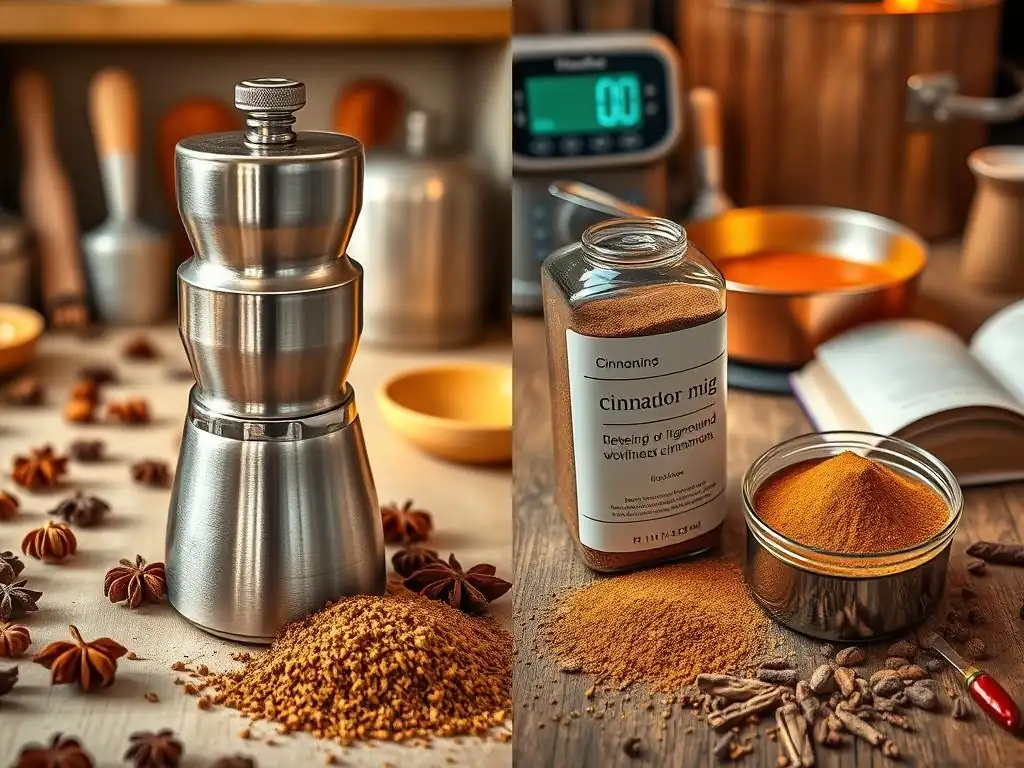
When comparing flavor intensity, freshly ground spices generally win hands down. The act of grinding releases the maximum amount of volatile oils, which are the source of the spice's flavor. For example, freshly grated nutmeg offers a warm, slightly sweet, and intensely aromatic flavor that is far more pronounced and complex than pre-ground nutmeg from a jar that has been sitting for months.
Pre-ground spices, having been exposed to air and light for a longer period, inevitably lose some of their flavor compounds. While they still provide flavor, it's often less vibrant, less nuanced, and requires a larger quantity to achieve the same impact as a smaller amount of freshly ground spice. In a blind taste test of, say, snickerdoodle cookies made with fresh vs. pre-ground cinnamon, participants often notice a distinct difference in the warmth and depth of flavor.
Aroma and Fragrance: Impact on Baking
Aroma is a critical component of the baking experience and the enjoyment of the finished product. Freshly ground spices excel here, providing an immediate and powerful fragrance upon grinding and throughout the baking process. The smell of freshly ground cardamom added to dough or batter permeates the kitchen, creating an inviting atmosphere.
Pre-ground spices, while initially fragrant when fresh, lose their aromatic punch much faster. The subtle, complex notes that make a spice truly captivating are often the first to disappear. This means that while pre-ground spices will contribute some scent, they generally won't deliver that powerful, mouth-watering aroma that fills your home and tantalizes your senses in the same way freshly ground spices do.
Cost-Effectiveness: Long-Term Value
While the initial purchase price for whole spices might sometimes be slightly higher per ounce than pre-ground, whole spices offer better long-term value due to their significantly longer shelf life. A jar of whole nutmegs might cost around $8-10 and last you several years, providing potent flavor with each grating. A jar of pre-ground nutmeg costing $5-7 might lose most of its potency within a year, requiring replacement more frequently.
Consider the cost per use. If you need a teaspoon of cinnamon for a recipe, and your pre-ground cinnamon has lost half its potency, you might need to use 1.5 or 2 teaspoons to get the desired flavor, depleting your supply faster. With whole spices, you use a smaller amount to achieve the same or better flavor, making them more economical over time, especially if you bake frequently and use a variety of spices.
Convenience Factor: Weighing Time Savings
The convenience of pre-ground spices is their undisputed champion feature. You simply open the jar, measure, and add. This saves several minutes per recipe compared to measuring out whole spices, retrieving a grinder, grinding them, and then cleaning the grinder. For busy bakers or those making quick preground spices baking recipes, this time saving can be significant.
Freshly grinding spices adds a step to the process, requiring tools and a bit more time. However, for some, this ritual is part of the joy of baking – the sensory experience of grinding spices can be quite pleasant. Ultimately, the value placed on this convenience vs. the desire for peak flavor is a personal choice. It's possible to compromise, keeping some frequently used pre-ground spices while grinding others fresh.
Optimizing Your Baking with Spices: Tips and Techniques
Storing Spices for Maximum Freshness
Proper storage is crucial for preserving the potency of both pre-ground and whole spices. The main enemies are light, air, heat, and moisture. Store spices in airtight containers, preferably glass jars with tight-fitting lids. Opaque containers or storing jars in a dark pantry or cabinet protects them from light exposure, which degrades flavor compounds.
Keep your spice rack away from the stove, oven, or dishwasher, as heat fluctuations accelerate flavor loss. A cool, dry pantry is the ideal location. For pre-ground spices, consider buying smaller quantities that you will use within 6-12 months. For whole spices, buying in bulk is more feasible given their longer shelf life, but ensure they are stored correctly.
Spice Blends for Baking: Creating Unique Combinations
Creating your own spice blends allows you to customize flavors and ensures the freshest possible mixture if you grind the components yourself. Common baking blends include pumpkin pie spice (often cinnamon, nutmeg, ginger, cloves, allspice) or apple pie spice (similar, sometimes with cardamom). You can adjust the ratios to suit your taste or create unique blends for specific recipes.
To make a blend using whole spices, measure out the desired whole spices (like cinnamon sticks broken into pieces, whole cloves, nutmeg, cardamom pods). Grind them together using a spice grinder until you achieve a uniform powder. Store the resulting blend in an airtight jar. This approach ensures every component in your blend is at peak freshness, resulting in a more aromatic and flavorful outcome for any preground spices baking recipes you might adapt.
Cinnamon, Nutmeg, Ginger: Fresh vs. Pre-Ground
Let's look at a few common baking spices. Ground cinnamon from the store is convenient and widely used in preground spices baking recipes. However, freshly grated cinnamon from a stick offers a brighter, warmer, and more complex flavor. Similarly, freshly grated nutmeg is vastly superior to pre-ground; its pungent, sweet, and slightly piney notes are far more pronounced.
Ground ginger is a staple, but fresh ginger root, grated or minced, provides a sharp, spicy heat and citrusy notes that powdered ginger cannot replicate. While you can't directly substitute fresh for ground in all baked goods due to moisture differences, using fresh ginger alongside ground ginger or in specific recipes (like ginger cake or gingerbread) can dramatically enhance the flavor profile. Experimenting with grinding your own cinnamon sticks or grating whole nutmeg is a great way to experience the difference firsthand.
Reviving Older Spices: Techniques for Boosting Flavor
If you find yourself with older pre-ground spices that seem to have lost their punch, there are a couple of techniques you can try to slightly revive them, though they won't fully restore the lost flavor. Gently toasting whole spices in a dry pan over medium heat for a minute or two before grinding them can awaken dormant volatile oils and intensify their aroma. Be careful not to burn them, as this will result in a bitter taste.
For pre-ground spices, a very brief, gentle toasting in a dry pan might release a little more aroma, but the risk of burning the fine powder is high. A safer approach is to bloom the spice by mixing it with a small amount of hot liquid (water, milk, or oil) called for in your recipe before adding it to the main mixture. This helps hydrate the spice particles and can release some remaining flavor. However, the best strategy is always to use fresh spices.
Choosing the Right Spice Approach
Factors to Consider: Time, Budget, and Preferences
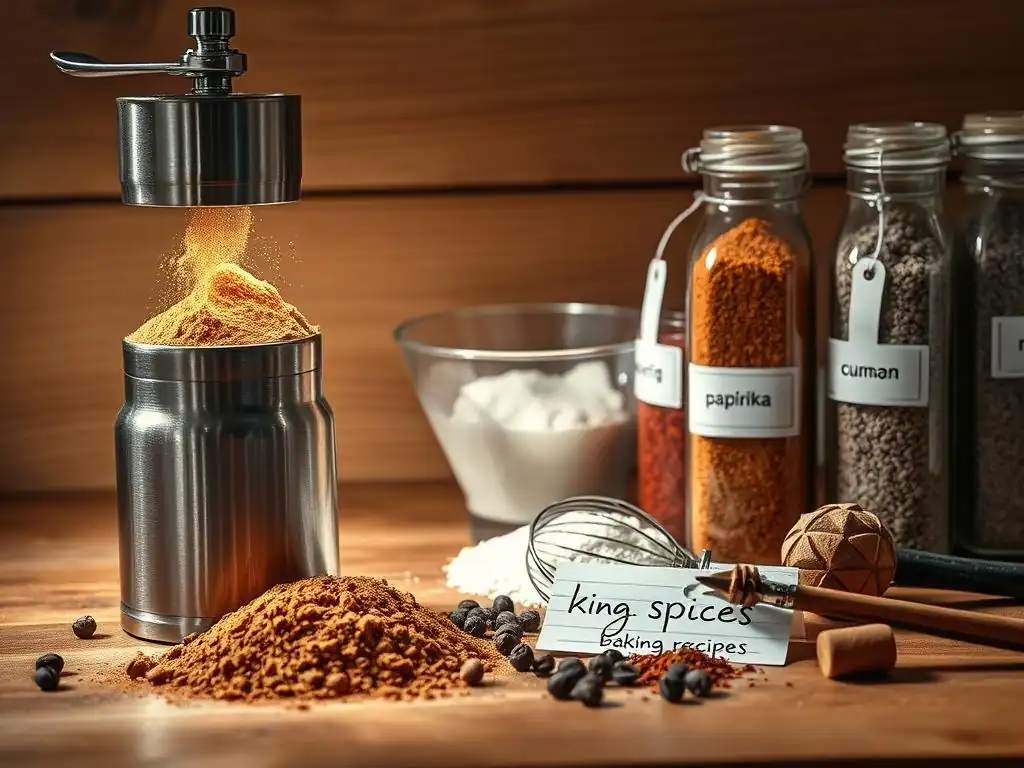
Deciding between freshly ground and pre-ground spices involves weighing several factors. Your available time is a major one; grinding spices takes extra minutes. Your budget also plays a role; while whole spices can be more economical in the long run, the initial cost per unit might seem higher.
Ultimately, personal preference is key. Some bakers prioritize convenience above all else and are perfectly happy with the results from pre-ground spices, especially when following familiar preground spices baking recipes. Others are passionate about achieving the absolute best flavor and aroma, making the extra effort of grinding worthwhile. Consider what matters most to you and your baking style.
Elevating Simple Recipes: Freshly Ground Spices
Even simple recipes can be significantly elevated by using freshly ground spices. A basic sugar cookie becomes something special with a touch of freshly grated nutmeg. A plain pound cake benefits immensely from the addition of freshly ground cardamom or a mix of freshly ground cinnamon and cloves.
Because the flavor of freshly ground spices is so much more potent and nuanced, you often need less of them compared to pre-ground versions to achieve a desired level of flavor. This allows the subtle characteristics of the spice to shine through, adding complexity to otherwise straightforward baked goods and transforming ordinary preground spices baking recipes into extraordinary ones.
Tips for Beginners: Starting with Spices
For beginners in baking, navigating the world of spices can seem daunting. Start simple! Don't feel pressured to buy every spice whole immediately. Begin with high-quality pre-ground versions of commonly used spices like cinnamon, ginger, and nutmeg, ensuring they are relatively fresh (check expiry dates).
As you become more comfortable, consider trying one or two whole spices that you use frequently, like whole nutmeg or cinnamon sticks, and compare the results. A small, inexpensive spice grinder can be a great first step. There are plenty of easy preground spices baking recipes to build confidence before you start experimenting with grinding your own spices. The most important thing is to have fun and enjoy the process of discovering how spices can enhance your baking.
Conclusion: Mastering Baking with Spices
Embracing the Art of Baking with Quality Spices
Mastering the art of baking involves paying attention to every ingredient, and spices are no exception. Choosing high-quality spices, whether pre-ground or freshly ground, is a fundamental step towards creating baked goods that are not just edible, but truly delicious and memorable. Spices add layers of flavor and captivating aromas that elevate the entire baking experience, from the moment you open the jar or grind the spice to the final bite.
Understanding the characteristics of different spices, how they interact, and how storage affects their potency empowers you to make informed decisions. Don't be afraid to experiment with different spices and blends to find your signature flavors. Whether you're following a classic preground spices baking recipe or creating something new, the right spices make all the difference.
Final Thoughts: Freshly Ground vs. Pre-Ground.
The debate between freshly ground and pre-ground spices doesn't have a single right answer for everyone. Pre-ground spices offer undeniable convenience and are perfectly adequate for many baking applications, especially for quick recipes or when time is limited, proving valuable for preground spices baking recipes.
However, for bakers seeking the most vibrant flavor, potent aroma, and long-term value, investing in whole spices and grinding them just before use is the superior choice. Many bakers find a balance, keeping essential pre-ground spices on hand while grinding key spices like nutmeg, cardamom, or cinnamon sticks fresh for specific recipes where their impact is most desired. Regardless of your choice, proper storage is key to maximizing the life and flavor of your spices and enhancing all your baking adventures.
Frequently Asked Questions
What are the main differences between using freshly ground and preground spices in baking?
Freshly ground spices offer a more intense flavor and aroma due to the release of volatile oils. Preground spices, while convenient, often lose potency over time and may have a less vibrant taste.
Does the BakeWithEase website recommend one type of spice over the other for baking recipes?
BakeWithEase.com doesn't definitively favor one over the other, but generally suggests using freshly ground spices when possible for optimal flavor. However, we acknowledge the convenience of preground spices and offer guidance on using them effectively.
How can I ensure my preground spices are still good to use in my baking recipes?
Check the expiration date and smell the spice. If the aroma is weak or nonexistent, the spice has likely lost its potency and it's best to replace it. Proper storage in airtight containers also helps preserve freshness.
Are there specific baking recipes on BakeWithEase.com that benefit more from freshly ground spices?
Recipes where the spice flavor is prominent, such as spice cakes, gingerbread, or snickerdoodles, will particularly benefit from using freshly ground spices. This allows the full flavor profile to shine through.
Where can I find suitable "Preground spices baking recipes" on BakeWithEase.com?
You can easily find recipes using our search feature on BakeWithEase.com. Just type "preground spices" along with the desired baked good (e.g., "preground spices cookies") to discover recipes that work well with preground options.
Final Reflection: The Aromatic Journey: Choosing Your Spice Path
The debate between freshly ground and pre-ground spices in baking isn't just about convenience; it's about unlocking the full potential of flavor. The subtle nuances, the vibrant bursts of aroma, and the overall depth of taste—these are the stakes in this culinary contest. Choosing wisely can elevate your baking from good to extraordinary.
The impact of spice quality on the sensory experience of baking is profound. It's more than just a matter of taste; it's about creating a holistic experience that engages all the senses. The best spice is the one that evokes the strongest memory.
This quote, though not directly about baking, speaks to the emotional connection we have with spices and their ability to transport us to different times and places. The choice between freshly ground and pre-ground spices directly influences this sensory journey, impacting the final product's aroma, texture, and overall impression.
So, as you embark on your next baking adventure, consider the spice journey you wish to undertake. Will you embrace the ritual of grinding your own spices, unlocking their freshest, most potent flavors? Or will you opt for the convenience of pre-ground spices, accepting a slight compromise in intensity for ease of use?
The answer, ultimately, lies with you. But remember, the choice you make will directly impact the final outcome, shaping the taste and experience for yourself and those you share your creations with. Embrace the exploration, experiment with both, and discover the spice path that best suits your culinary style and palate.
Unleash Your Baking Potential: Grind Your Own Way to Flavor!
Thanks for diving into the world of spice and its impact on your baking! We hope you now have a clearer understanding of the freshly ground vs. pre-ground debate. Ready to take your baking to the next level?
- Embrace the Freshness: Grind your own spices for your next baking project – the aroma and flavor difference is truly transformative. Try it with cinnamon, nutmeg, or even cardamom for a truly unique experience!
- Share Your Spice Story: Tell us about your favorite spice to grind and how it elevates your baking! Share your experiences and recipes in the comments below.
- Explore New Flavor Profiles: Experiment with different spice combinations you haven't tried before – the possibilities are endless!
What unique spice blend will you create to surprise your taste buds next?