
Best Spices for Cakes: A Flavor Pairing Guide

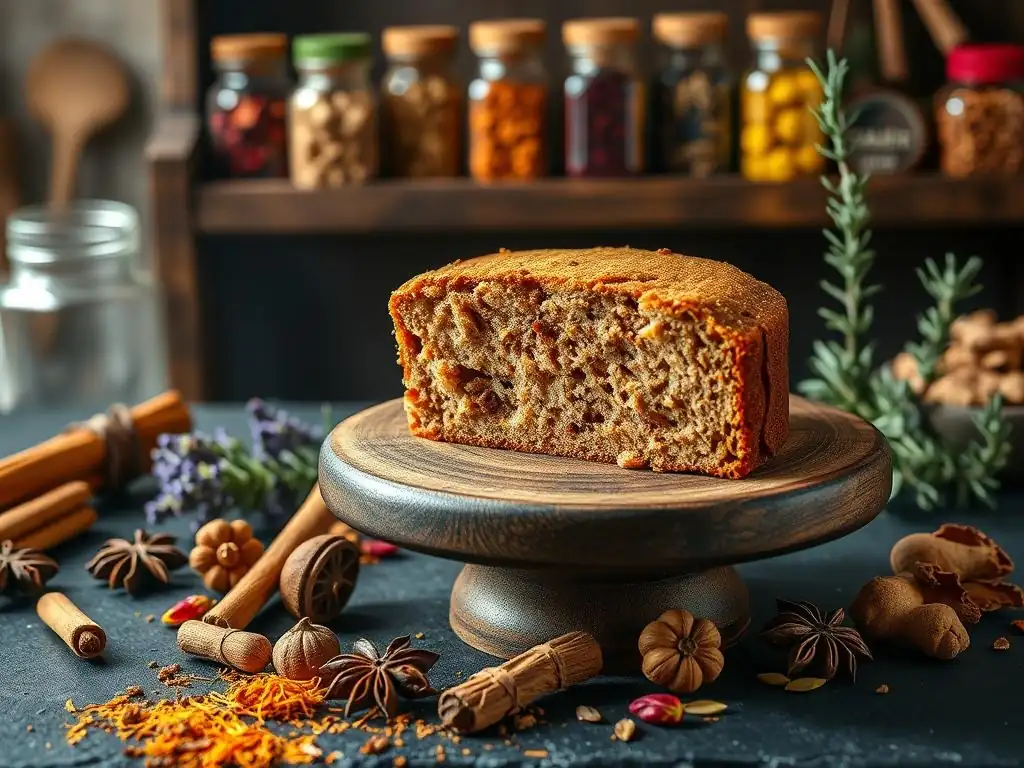
Welcome to BakeWithEase, your companion on the delicious journey of baking! Ever wondered how to elevate your cake from ordinary to extraordinary? This week, we're diving deep into the tantalizing world of spice cake flavor pairings. Unlock the secret to crafting cakes that sing with flavor and discover unexpected combinations that will leave everyone craving more. Prepare to be inspired and let's explore the perfect spice blend for your next baking masterpiece!
- Best Spices for Cakes: A Flavor Pairing Guide | BakeWithEase
- Introduction to Spice Cake Flavor Pairings
- Understanding the Basics of Spice Flavors
- Top Spice Cake Flavor Pairings for Unforgettable Cakes
- Mastering the Art of Spice Blending for Cakes
- Spice Storage and Freshness for Optimal Flavor
- Spice Cake Flavor Pairing Chart: A Quick Reference Guide
- Frequently Asked Questions
- Final Reflection: Unlocking the Aromatic Symphony of Spice Cakes
- Unleash Your Inner Cake Artist: Flavor Adventures Await!
Best Spices for Cakes: A Flavor Pairing Guide | BakeWithEase
Introduction to Spice Cake Flavor Pairings
Discover the Magic of Spices in Cake Baking
Spices are the unsung heroes of the baking world, capable of transforming a simple batter into a symphony of flavor. When it comes to cakes, the right blend of spices can evoke warmth, comfort, festivity, or even exotic elegance. Think of the classic apple cake without cinnamon, or a festive pumpkin cake lacking the quintessential punch of allspice and ginger. Spices don't just add taste; they add aroma, depth, and a sense of place or season to your baked goods. Mastering the art of spice cake flavor pairings is a fundamental step towards becoming a truly skilled baker.
Beyond the familiar comfort of classic spice blends, exploring new spice combinations opens up a world of creative possibilities. A pinch of cardamom can elevate a simple vanilla cake, while a hint of black pepper might add an unexpected, intriguing warmth to a chocolate creation. The interaction between different spice notes—some warm and sweet, others pungent and sharp—creates complex profiles that are far greater than the sum of their parts. Understanding these interactions is key to developing your own signature spice cake flavor pairings that will delight anyone who takes a bite.
Why Spice Combinations Matter for Cake Flavor
The success of a spice cake often hinges on the thoughtful combination of its aromatic components. Using just one spice can be lovely, but blending several spices creates layers of flavor that unfold as you eat the cake. For example, a simple cinnamon cake is pleasant, but adding a touch of nutmeg and clove introduces subtle undertones that make the cinnamon taste richer and more complex. This synergy is why classic spice blends have stood the test of time; they achieve a balance where no single spice overpowers the others, but instead, they work together harmoniously.
Moreover, the specific spice cake flavor pairings you choose should complement the other ingredients in your cake. A cake featuring apples, for instance, pairs wonderfully with warm spices like cinnamon and nutmeg, which enhance the fruit's natural sweetness and tartness. A rich, dark chocolate cake, on the other hand, can stand up to bolder spices like cayenne or a touch of star anise.
The fat content, sugar level, and primary flavorings (like fruit, chocolate, or nuts) all play a role in determining which spice pairings will shine brightest. Getting these combinations right is crucial for creating memorable and delicious spice cakes.
Understanding the Basics of Spice Flavors
The Flavor Profiles of Common Baking Spices
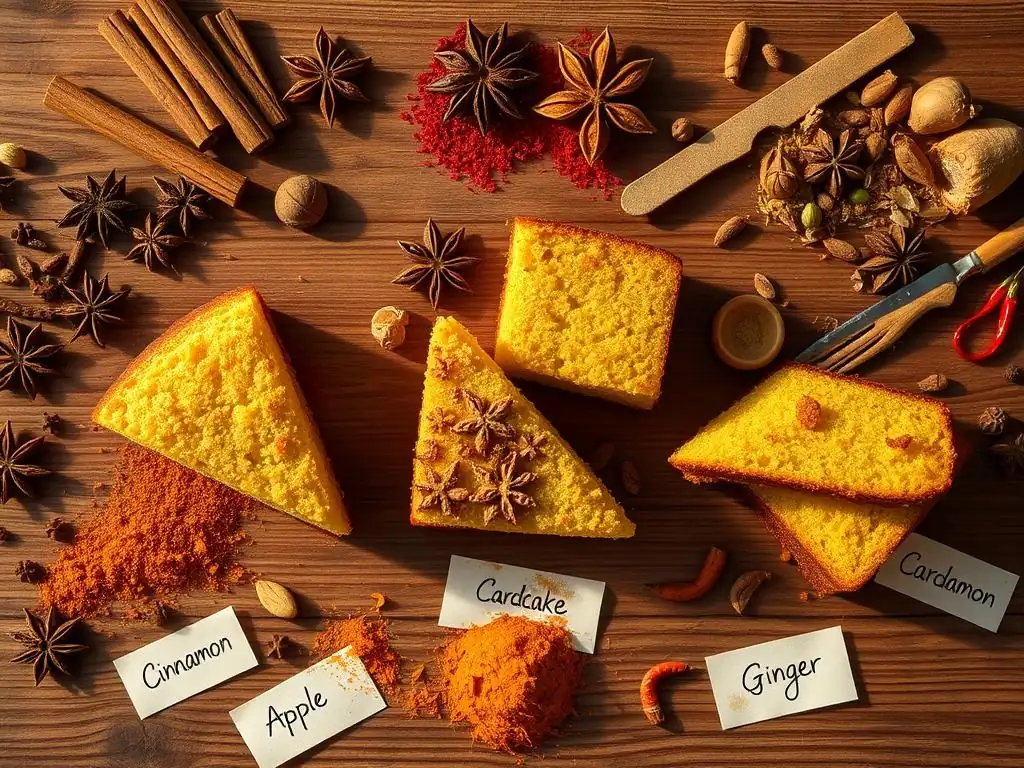
Baking spices offer a vast spectrum of flavors, from sweet and warm to pungent and peppery. Understanding the individual profile of each common spice is the first step in mastering spice cake flavor pairings. Cinnamon, perhaps the most ubiquitous baking spice, offers a warm, sweet, and slightly woody note. Nutmeg provides a sweet, nutty, and subtly pungent flavor, often described as earthy and warm. Allspice, despite its name, is a single berry with a flavor profile reminiscent of a blend of cinnamon, nutmeg, and cloves, offering warmth and complexity.
Cloves are intensely aromatic and pungent, providing a strong, sweet, and warm note with slight medicinal undertones. Ginger offers a distinctively spicy, warm, and slightly biting flavor, which can range from subtly sweet to quite fiery depending on whether fresh or ground ginger is used. Cardamom, with its complex citrusy, floral, and slightly peppery notes, adds an exotic and highly aromatic dimension. By knowing these core profiles, you can begin to anticipate how they might interact when combined in spice cake flavor pairings.
Exploring Warm Spices: Cinnamon, Nutmeg, and Allspice
These three spices form the backbone of many traditional spice cake flavor pairings, bringing comforting warmth and sweetness. Cinnamon is incredibly versatile, pairing well with fruits like apples, pears, and bananas, as well as chocolate and coffee. A typical recipe for an 8-inch apple cake might call for 1-2 teaspoons of ground cinnamon, providing a prominent warm base note. Its chemical compound, cinnamaldehyde, is responsible for its characteristic aroma and flavor.
Nutmeg adds a layer of subtle warmth and nuttiness that rounds out other flavors. It's particularly effective in dairy-based recipes, custards, and cakes featuring root vegetables like carrots or sweet potatoes. Often used in smaller quantities than cinnamon, perhaps 1/4 to 1/2 teaspoon in a standard cake recipe, nutmeg's volatile oils contribute significantly to the overall aroma.
Allspice, combining notes of the others, is fantastic in pumpkin pie, gingerbread, and fruitcakes. Using 1/2 to 1 teaspoon of allspice can provide a complex, warm base without needing separate additions of cinnamon, nutmeg, and clove, making it a convenient option for simple spice cake flavor pairings.
Unveiling Aromatic Spices: Cardamom, Cloves, and Ginger
These spices bring more intense and distinctive aromatic qualities to spice cake flavor pairings, often used in smaller amounts due to their potency. Cardamom, especially green cardamom, offers a unique blend of citrus, floral, and slightly eucalyptus-like notes. It's a star in Scandinavian baking (like cardamom buns) and pairs beautifully with citrus fruits, pistachios, and even chocolate. Just 1/4 teaspoon of finely ground cardamom can infuse an entire cake with its exquisite aroma. Its primary flavor compounds include cineole and limonene.
Cloves are arguably the most potent of common baking spices. Their intense sweetness and warmth, with a slightly numbing quality, make them ideal for cutting through richness in fruitcakes, gingerbread, and certain chocolate cakes. Due to their strength, they are typically used sparingly, perhaps 1/8 to 1/4 teaspoon in a standard cake batter. Eugenol is the main compound responsible for the strong aroma of cloves.
Ginger, whether fresh or dried, provides a spicy kick and warm depth. Ground ginger is essential for gingerbread, while fresh ginger adds a brighter, more pungent heat to things like ginger cakes or pear tarts. A carrot cake might use 1 teaspoon of ground ginger for warmth, while a specific ginger cake could use 2 teaspoons or more, plus fresh grated ginger for extra zing.
The Impact of Spice Quality on Cake Flavor
The quality and freshness of your spices dramatically impact the final flavor of your spice cake flavor pairings. Ground spices begin to lose their potency relatively quickly once exposed to air and light. Stale spices will result in a cake with weak, flat, or even musty flavors, no matter how perfect your recipe proportions are. Using vibrant, fresh spices ensures that their full aromatic potential is unlocked during baking, contributing rich, complex notes to your cake.
For optimal flavor, it's often recommended to buy whole spices and grind them yourself just before use. While more effort, grinding whole nutmeg, cardamom pods, or cloves releases their volatile oils directly into your batter, resulting in a significantly more intense and nuanced flavor compared to pre-ground versions that may have been sitting on a shelf for months or years.
If using pre-ground spices, aim to purchase from stores with high turnover and store them properly to maintain freshness for as long as possible, typically within six months to a year for best results. Investing in fresh, high-quality spices is one of the simplest ways to elevate your spice cake flavor pairings.
Top Spice Cake Flavor Pairings for Unforgettable Cakes
Classic Spice Cake Pairings: Tested and True
These classic combinations have earned their place in baking history for a reason – they work beautifully and consistently deliver delicious results. Mastering these provides a strong foundation for exploring more adventurous spice cake flavor pairings.
Cinnamon and Apple Cake: A Timeless Combination
The pairing of cinnamon and apple is perhaps one of the most beloved in baking. Cinnamon's warm, sweet notes perfectly complement the natural sweetness and slight acidity of apples, creating a comforting and familiar flavor profile. In a typical apple cake recipe using about 3-4 cups of sliced apples, you might use 1.5 to 2 teaspoons of ground cinnamon. This ratio ensures the cinnamon is noticeable but doesn't completely overpower the delicate apple flavor.
This combination works well in various cake formats, from simple loaf cakes and crumbles to layered cakes with cream cheese frosting. The cinnamon helps to bring out the juicy sweetness of the cooked apples while adding a layer of warmth that makes the cake feel truly autumnal or cozy any time of year. Adding a pinch of nutmeg or allspice can add further depth, but cinnamon and apple alone form a perfect and timeless spice cake flavor pairing.
Nutmeg and Banana Cake: A Comforting Classic
Nutmeg's sweet, slightly earthy, and warm notes are a natural partner for the rich, moist sweetness of ripe bananas. This pairing creates a comforting and deeply satisfying flavor in banana bread and banana cakes. A standard banana loaf cake using about 3-4 ripe bananas often benefits from 1/2 to 3/4 teaspoon of ground nutmeg. This amount enhances the banana flavor without being overly dominant.
The nutmeg adds a layer of complexity that elevates the simple sweetness of the banana. It provides a subtle warmth and nuttiness that makes the cake feel more sophisticated than just a plain banana cake. This spice cake flavor pairing is particularly effective when combined with other ingredients like walnuts or chocolate chips, where the nutmeg helps to tie the different flavors together seamlessly.
Ginger and Carrot Cake: A Spicy Delight
Ginger's distinct warmth and subtle bite provide a wonderful counterpoint to the sweetness of grated carrots and sugar in a classic carrot cake. While cinnamon is also a staple in carrot cake, ginger adds a spicy depth that makes the cake more dynamic and interesting. Many popular carrot cake recipes call for 1 teaspoon of ground ginger alongside 1-2 teaspoons of cinnamon for a balanced spice profile.
The ginger cuts through the richness of the cake batter and cream cheese frosting, adding a vibrant note that prevents the cake from being overly sweet or heavy. For an extra kick, some bakers add a small amount of fresh grated ginger (perhaps a tablespoon for a large cake) which provides a brighter, more pungent heat. This classic spice cake flavor pairing highlights how spices can enhance the flavor of vegetables in baking.
Unique and Unexpected Spice Pairings for Cake
Moving beyond the classics allows for creative exploration and the development of signature spice cake flavor pairings that surprise and delight.
Cardamom and Rose Cake: An Elegant Twist
This pairing combines the exotic, citrusy-floral notes of cardamom with the delicate, romantic aroma of rosewater or dried rose petals. It's a combination popular in Middle Eastern and Indian sweets and translates beautifully into elegant cakes. In a light, almond-based or vanilla cake batter, you might use 1/2 teaspoon of ground cardamom and 1-2 teaspoons of rosewater or a sprinkle of dried rose petals. The cardamom provides a warm, aromatic base, while the rose adds a distinct floral top note.
This spice cake flavor pairing is sophisticated and perfumed, often enhanced by ingredients like pistachios or citrus zest (lemon or orange). It's an excellent choice for special occasions or when you want to create a cake that feels both luxurious and subtly exotic. The balance is key; too much rosewater can taste soapy, while too much cardamom can overwhelm the floral notes.
Cloves and Chocolate Cake: A Rich Indulgence
While cinnamon is a common partner for chocolate, cloves offer a much more intense and complex warmth that pairs surprisingly well with the deep bitterness of dark chocolate. Just a small amount of ground cloves can add a layer of spicy warmth and subtle sweetness that enhances the chocolate flavor. For a rich chocolate cake using 6-8 ounces of dark chocolate, 1/4 teaspoon of ground cloves is often sufficient to add a noticeable depth without being overpowering.
The pungency of the cloves cuts through the richness of the chocolate and butter, adding an intriguing counterpoint. This spice cake flavor pairing creates a deeply indulgent and sophisticated dessert, often reminiscent of Mexican hot chocolate or spiced truffles. It pairs wonderfully with ingredients like coffee, orange zest, or even a touch of chili for extra heat.
Allspice and Pumpkin Cake: A Festive Treat
Allspice is a quintessential flavor of autumn and winter baking, particularly when paired with pumpkin. Its natural blend of cinnamon, nutmeg, and clove notes makes it a perfect one-stop spice for pumpkin cake. A typical pumpkin cake recipe using a 15-ounce can of pumpkin puree might call for 1 to 1.5 teaspoons of allspice. This provides the characteristic warm, festive flavor associated with pumpkin pie and other seasonal treats.
While often used alongside cinnamon, ginger, and nutmeg in pumpkin spice blends, using allspice alone can create a slightly simpler yet still deeply flavorful pumpkin cake. The allspice enhances the earthy sweetness of the pumpkin and pairs beautifully with ingredients like brown sugar and pecans. This spice cake flavor pairing is a reliable choice for creating cozy, festive cakes.
Regional Spice Blends for Cake Baking
Exploring regional spice blends offers exciting possibilities for unique spice cake flavor pairings, drawing on culinary traditions from around the world.
Speculoos Spice Blend for Dutch Cakes
The Speculoos spice blend, originating from Belgium and the Netherlands, is famous for its use in Speculoos cookies (like Biscoff). This blend typically includes cinnamon, nutmeg, cloves, ginger, and often white pepper, cardamom, and star anise. The specific ratios vary, but cinnamon is usually the dominant spice, followed by ginger and cloves. Using this blend in a simple butter cake or a cake with brown sugar creates a warm, complex flavor profile reminiscent of the popular cookies. A recipe for a standard loaf cake might use 2-3 teaspoons of a homemade or store-bought Speculoos blend.
This particular spice cake flavor pairing is perfect for creating cakes with a distinct European character. The blend's warmth and slight peppery kick make it interesting and addictive. It pairs wonderfully with ingredients like almonds, brown butter, or a simple dusting of powdered sugar. Recreating this blend allows bakers to bring a taste of Dutch tradition into their own kitchens.
Gingerbread Spice Blend for Festive Baking
Gingerbread spice is a cornerstone of festive baking, particularly around the holidays. While recipes vary, a classic gingerbread blend focuses on a strong ginger presence, supported by cinnamon, cloves, and nutmeg. A common ratio might be 3 parts ginger to 2 parts cinnamon, 1 part cloves, and 1 part nutmeg. Some blends also include allspice, white pepper, or cardamom. Using 2-4 teaspoons of this blend in a cake batter creates a cake with the characteristic spicy warmth and deep aroma of gingerbread.
This spice cake flavor pairing is robust and warming, ideal for cakes made with molasses or dark brown sugar, which complement the intensity of the spices. Gingerbread cakes are often dense and moist, pairing well with glazes or simple dustings of sugar. Mastering a good gingerbread spice blend is essential for anyone who loves baking during the festive season.
Chai Spice Blend for Indian-Inspired Cakes
Inspired by the spices used to make Indian chai tea, a chai spice blend typically includes cardamom, ginger, cinnamon, cloves, and black pepper, and sometimes star anise or fennel. Cardamom and ginger are often prominent, providing a vibrant, aromatic base. Using this blend in a cake results in a warm, fragrant, and slightly spicy dessert. A recipe for a chai-spiced cake might use 1-2 tablespoons of the blend, depending on how intense you want the flavor.
This spice cake flavor pairing is fantastic in cakes that incorporate black tea (steeped and cooled) or milk, mimicking the base of chai tea. It pairs exceptionally well with ingredients like orange zest, pistachios, or a cream cheese frosting. The black pepper adds an unexpected warmth that enhances the other spices and provides a subtle kick, making this a truly unique and aromatic spice cake flavor pairing.
Mastering the Art of Spice Blending for Cakes
Creating Your Own Custom Spice Blends
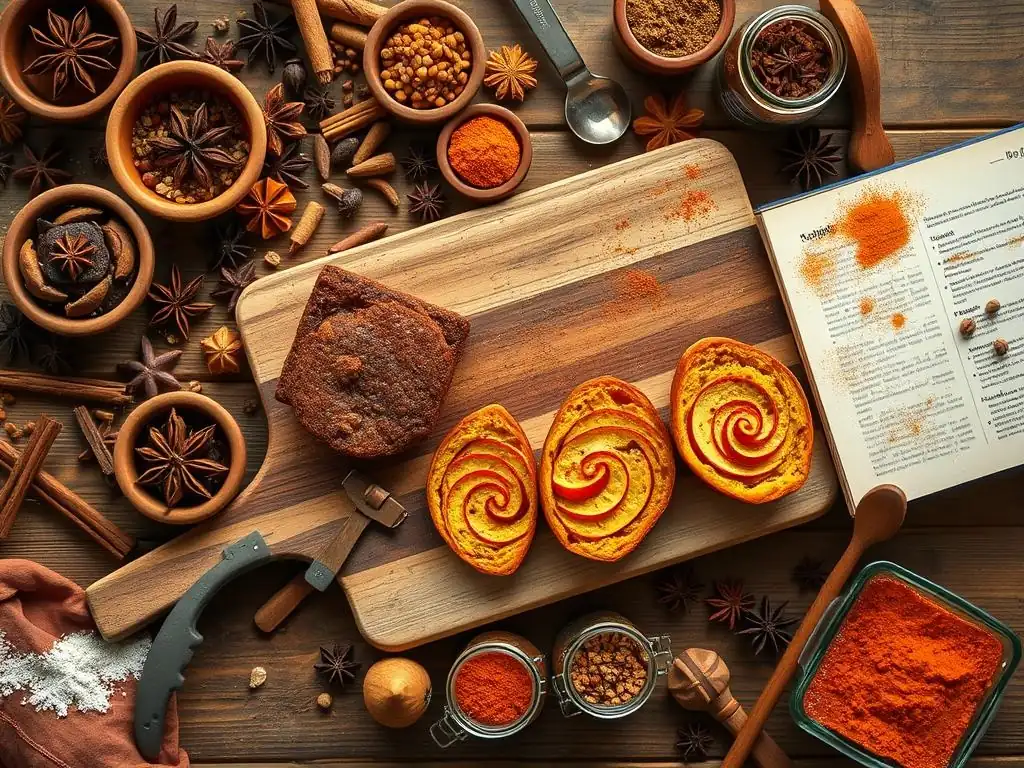
Crafting your own spice blends is a rewarding way to personalize your spice cake flavor pairings and achieve unique flavor profiles. Start by understanding the individual flavors of your spices and how they interact. For example, combining warm, sweet spices like cinnamon and nutmeg with more pungent ones like ginger or clove in careful ratios can create complexity. A common starting point is a simple "sweet spice" blend: perhaps 3 parts cinnamon, 2 parts nutmeg, 1 part allspice, and 1/2 part clove. Experiment with small batches, perhaps a teaspoon total, to test the aroma and taste.
When creating a custom blend for a specific cake, consider the cake's main ingredients. For a citrus cake, you might emphasize cardamom and perhaps add a touch of star anise. For a chocolate cake, consider adding a pinch of chili or black pepper to your warm spice mix. Keep a log of your experiments, noting the ratios and the results in your baked goods. This iterative process allows you to refine your spice cake flavor pairings and develop blends that are perfectly suited to your personal taste and recipes.
Tips for Balancing Spice Flavors in Cake Recipes
Balancing spice flavors is crucial to ensure no single spice overpowers the others or the main flavor of the cake. The goal of spice cake flavor pairings is harmony. A good starting point is to use the less potent spices (like cinnamon) in larger quantities than the more potent ones (like cloves or cardamom). For instance, a recipe might call for 1-2 teaspoons of cinnamon but only 1/4 teaspoon of cloves.
Consider the sweetness and richness of your cake batter. Sweeter batters can often handle a bit more spice, as the sugar can mellow some of the sharper notes. Richer batters with butter or oil can also benefit from spices that cut through the fat, like ginger or clove.
Taste your batter (before adding eggs if you're concerned about raw egg) to get a preliminary sense of the spice level, though the flavors will develop and change during baking. If you're unsure, it's always better to start with a smaller amount of spice and add more in future batches, as you can't remove spice once it's added.
Spice Ratios: Finding the Perfect Harmony
Finding the perfect spice ratios for your spice cake flavor pairings is a matter of personal preference and experimentation. While recipes provide a starting point, don't be afraid to adjust based on the freshness of your spices and your desired intensity. A general guideline for a standard 8 or 9-inch cake (using about 2-3 cups of flour) might involve a total of 1.5 to 3 teaspoons of mixed ground spices.
For a classic warm spice blend, a ratio like 4 parts cinnamon, 2 parts nutmeg, 1 part clove, and 1 part allspice is a common starting point, totaling 8 parts. If you were aiming for 2 teaspoons total spice, you would calculate the amount of each spice based on this ratio (e.g., 4/8 * 2 tsp = 1 tsp cinnamon, 2/8 * 2 tsp = 0.5 tsp nutmeg, etc.).
For blends featuring more potent spices like cardamom or ginger, the total quantity used might be slightly less, or the ratio of the potent spice reduced relative to the others. Keep notes on ratios that work well for you to build your own library of successful spice cake flavor pairings.
Spice Storage and Freshness for Optimal Flavor
How to Properly Store Baking Spices
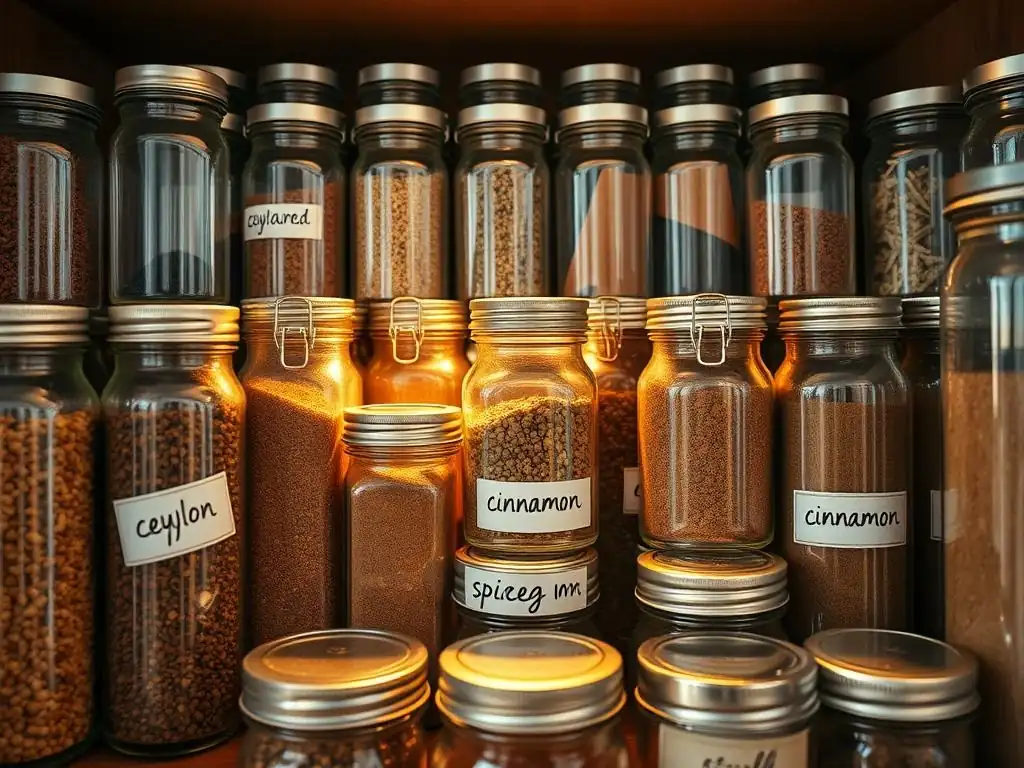
Proper storage is paramount to maintaining the potency and flavor of your baking spices, which directly impacts your spice cake flavor pairings. Spices degrade over time due to exposure to light, heat, air, and moisture. The best way to store ground spices is in airtight containers, preferably glass or opaque jars, in a cool, dark place like a pantry or cupboard, away from the stove or oven.
Whole spices retain their freshness longer than ground spices because their volatile oils are protected within the seed, bark, or berry. Store whole spices in the same manner as ground spices – airtight, cool, and dark. Avoid storing spices in the refrigerator unless the recipe specifically requires it, as condensation can introduce moisture and degrade quality. Investing in good quality storage containers can significantly extend the life and vibrancy of your spice collection.
Testing Spice Freshness: Ensuring Quality Flavor
Before using spices in your spice cake flavor pairings, it's wise to test their freshness. Visually inspect the spice; vibrant color is a good sign. Then, rub a small amount between your fingers and smell it. A fresh spice will have a strong, characteristic aroma. If the aroma is weak, dusty, or flat, the spice has lost much of its potency and won't contribute much flavor to your baking.
For ground spices, a general rule of thumb is that they are best used within 6 months to a year. Whole spices can last significantly longer, often 2-3 years or even more if stored correctly. Don't rely solely on the "best by" date on the packaging, as proper storage at home plays a huge role. Regularly testing your spices ensures that your spice cake flavor pairings are made with ingredients that will deliver maximum flavor impact.
Replacing Old Spices: When to Refresh Your Spice Rack
Using stale spices is one of the most common reasons baked goods can taste lackluster. If your ground spices have lost their aroma, it's time to replace them. While they might not be harmful, they won't provide the depth of flavor needed for successful spice cake flavor pairings. Consider refreshing frequently used ground spices like cinnamon, nutmeg, and ginger annually.
For less frequently used spices or whole spices, test their freshness periodically. If you find yourself using significantly more of a spice than a recipe calls for just to get a hint of flavor, it's a clear sign that it's past its prime. While it might seem wasteful to discard spices, using fresh ones is an investment in the quality and flavor of your baking. A well-stocked spice rack with fresh, potent spices is essential for creating truly delicious spice cakes.
Spice Cake Flavor Pairing Chart: A Quick Reference Guide
Spice Pairing Chart
Here is a quick reference chart illustrating some common and suggested spice cake flavor pairings. Remember these are guidelines, not strict rules!
| Primary Spice | Pairs Well With (Other Spices) | Pairs Well With (Other Flavors) | Common Cake Examples |
|---|---|---|---|
| Cinnamon | Nutmeg, Clove, Allspice, Ginger, Cardamom | Apple, Pear, Banana, Chocolate, Coffee, Pumpkin | Apple Cake, Banana Bread, Spice Cake, Carrot Cake |
| Nutmeg | Cinnamon, Clove, Allspice | Banana, Carrot, Sweet Potato, Custard, Dairy | Banana Nut Cake, Carrot Cake, Spice Cake |
| Allspice | Cinnamon, Nutmeg, Clove | Pumpkin, Apple, Pear, Molasses, Chocolate | Pumpkin Spice Cake, Gingerbread, Fruitcake |
| Clove | Cinnamon, Nutmeg, Allspice, Ginger, Cardamom | Chocolate, Orange, Apple, Pear, Molasses | Gingerbread, Fruitcake, Chocolate Spice Cake |
| Ginger | Cinnamon, Clove, Cardamom, Black Pepper | Carrot, Pumpkin, Pear, Citrus, Molasses, Chocolate | Gingerbread, Carrot Cake, Ginger Cake |
| Cardamom | Ginger, Cinnamon, Clove, Black Pepper, Star Anise | Citrus (Orange, Lemon), Pistachio, Rose, Vanilla, Coffee | Cardamom Cake, Citrus Cake, Chai Cake |
- Note: This chart provides suggestions. Many other successful spice cake flavor pairings exist!
- Tip: Start with simple pairings and gradually introduce more complex combinations.
## Conclusion: Elevate Your Baking with Perfect Spice Pairings

### Spice Cake Flavor Pairings: A Journey of Discovery

Exploring spice cake flavor pairings is a delightful journey that can transform your baking from good to extraordinary. We've seen how classic combinations like cinnamon and apple offer timeless comfort, while more adventurous pairings like cardamom and rose can bring elegance and surprise. Understanding the individual profiles of spices and how they interact is the foundation for creating cakes that are not just sweet treats, but complex sensory experiences. The quality and freshness of your spices play a crucial role, underscoring the importance of proper storage and regular refreshing of your spice rack.

Whether you stick to tried-and-true recipes or venture into creating your own custom blends, the world of spice cake flavor pairings is vast and full of potential. Remember the principles of balance – allowing each spice to contribute without overwhelming the others or the main flavor of the cake. Consider the other ingredients in your cake and choose spices that will complement and enhance them. With a little knowledge and willingness to experiment, you can unlock incredible depth and aroma in your baked goods.

### Embrace Experimentation: Create Your Signature Spice Blend for Cakes

The true magic of spice cake flavor pairings lies in experimentation. Don't be afraid to deviate from recipes once you understand the basics. Try adding a pinch of black pepper to your next gingerbread, a hint of star anise to an apple cake, or a dash of smoked paprika to a chocolate cake. Keep notes on your experiments – what worked, what didn't, and why. This process of trial and error is how you develop your own unique style and discover new favorite combinations.

Creating your signature spice blend for cakes is the ultimate expression of your baking creativity. Perhaps you'll develop a specific ratio of cinnamon, ginger, and orange zest that becomes your go-to for autumn baking, or a delicate blend of cardamom, rose, and pistachio for elegant layer cakes. By embracing the art of spice cake flavor pairings, you're not just following instructions; you're becoming an artist, capable of infusing warmth, complexity, and personal flair into every cake you bake. Happy baking!
Frequently Asked Questions
What are the most common spices used in spice cakes?
The most common spices include cinnamon, nutmeg, and ginger. These provide a warm and familiar flavor profile.
What are some unexpected but delicious spice cake flavor pairings?
Consider pairing spices like cardamom with citrus zest or black pepper with chocolate. These pairings offer unique and sophisticated flavors.
How can I adjust the spice level in a spice cake recipe?
Start with the recommended amount and then adjust based on your preference. Taste the batter before baking to ensure the spice level is to your liking.
Can I use pre-mixed spice blends for my spice cake?
Yes, you can use pre-mixed blends like pumpkin pie spice or apple pie spice. However, be sure to check the ingredients and adjust other spices accordingly.
How should I store my spice cake to preserve its flavor?
Store your spice cake in an airtight container at room temperature or in the refrigerator. This will help to maintain its moisture and prevent the spices from fading.
Final Reflection: Unlocking the Aromatic Symphony of Spice Cakes
The art of baking lies not just in technique, but in the evocative power of flavor. This exploration of spice cake flavor pairings reveals a world of possibilities, far beyond the familiar cinnamon-nutmeg duo. Understanding the nuances of each spice, and how they interact with other ingredients, unlocks a creative potential that elevates the humble spice cake to a culinary masterpiece.
The journey through these pairings has highlighted the enduring appeal of spice cakes, a testament to their comforting warmth and versatile nature. Their ability to evoke memories and emotions, to transport us to different times and places, is undeniable. A cake is a celebration; it's a moment of joy, a gathering of friends, a taste of happiness.
This quote, while not specifically about spice cakes, perfectly encapsulates the emotional resonance these baked goods hold. The subtle shifts in flavor profiles, from the bright citrus notes of cardamom to the earthy depth of ginger, demonstrate the profound impact even small ingredient changes can have.
Now, consider your own culinary adventures. What new spice combinations will you dare to explore? Will you embrace the unexpected, blending familiar spices in novel ways, or will you venture into the uncharted territory of less common spices? The possibilities are endless. Don't be afraid to experiment, to taste, to learn, and to create your own signature spice cake masterpiece. The journey of flavor discovery awaits.
Unleash Your Inner Cake Artist: Flavor Adventures Await!
Thanks for joining us on this flavorful journey through the world of cake spices! We hope you've discovered some exciting new pairings to elevate your baking. Now it's time to put your newfound knowledge into action.
- Master a New Spice Blend: Experiment with one of the combinations we highlighted – perhaps a cardamom and orange zest cake, or a cinnamon-star anise masterpiece. Let your creativity run wild!
- Share Your Baking Triumphs: Show off your spice-infused creations on social media using #BakeWithEaseSpice and inspire other bakers.
- Explore Our Spice Library: Discover even more flavor combinations and recipes by browsing our extensive spice guide on the BakeWithEase website (we'll have a link in the comments if you're curious).
What unique spice combination will you try next to surprise and delight your taste buds?