
Beginner's Guide to Using StoreBought Crust

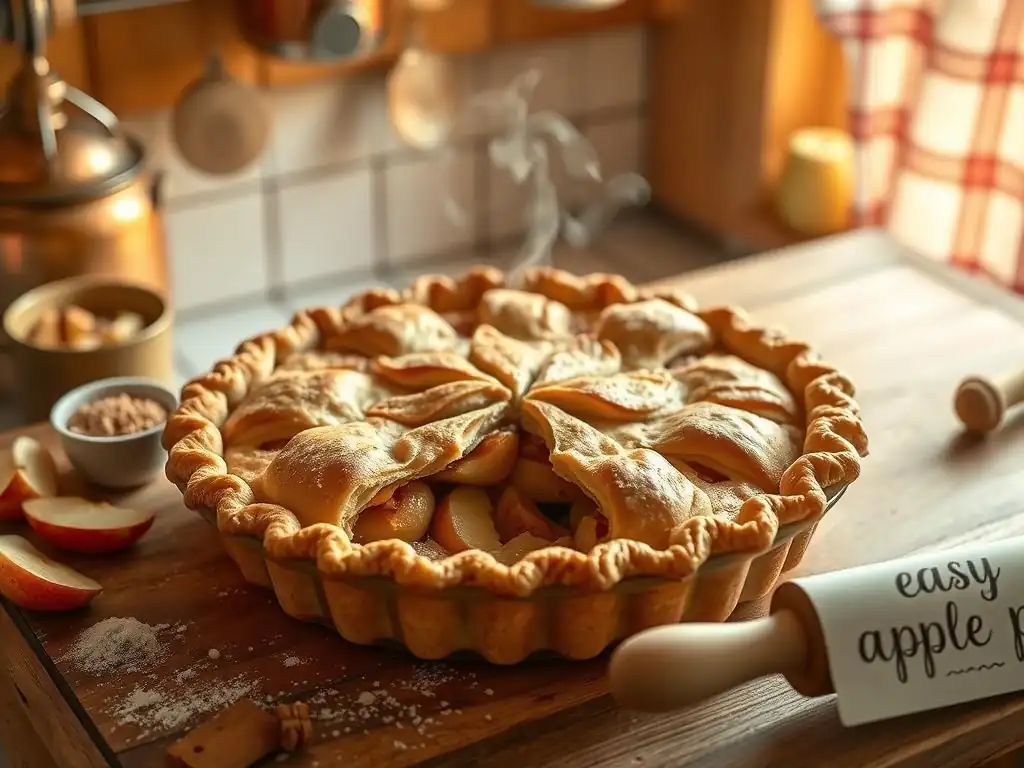
Welcome to BakeWithEase, your partner in creating delicious baked goods! Ever wondered if amazing pies are achievable without the fuss of homemade dough? This is where your baking journey takes a delightful turn. Dive into our Beginner's Guide to Using Store-Bought Crust and discover how incredibly easy storebought pie crust can unlock a world of delectable desserts. Prepare to be amazed at the simplicity and speed – your perfect pie awaits!
- Beginner's Guide to Using Store-Bought Crust: Baking Bliss
- Introduction to Easy Store-Bought Pie Crust Baking
- Understanding Different Types of Store-Bought Pie Crust
- Essential Tools and Ingredients for Baking with Store-Bought Crust
- Step-by-Step Guide to Baking a Pie with Store-Bought Crust
- Troubleshooting Common Store-Bought Pie Crust Problems
- Creative Ideas for Using Store-Bought Pie Crust
- Storing and Serving Your Homemade Pie
- Conclusion: Mastering the Art of Easy Pie Baking with Store-Bought Crust
-
Frequently Asked Questions
- How do I prevent my storebought pie crust from shrinking during baking?
- Can I use any type of storebought pie crust for any pie recipe?
- What's the best way to thaw a frozen storebought pie crust?
- How can I improve the flavor of a storebought pie crust?
- How do I avoid a soggy bottom crust when using storebought crust?
- Final Reflection: Unlocking the Joy of Effortless Baking
- Unleash Your Inner Pastry Chef!
Beginner's Guide to Using Store-Bought Crust: Baking Bliss
Introduction to Easy Store-Bought Pie Crust Baking
Welcome, fellow baking enthusiasts! At BakeWithEase, we believe that delicious baking should be accessible to everyone, regardless of experience level. Sometimes, the journey to a warm, bubbly pie starts not with flour and butter, but with the simple convenience of an easy storebought pie crust. This guide is designed to demystify using premade crusts, showing you how to achieve fantastic results with minimal fuss.
Using a store-bought crust is a fantastic shortcut that saves significant time and effort, making pie baking achievable even on a busy weeknight. It allows you to focus your energy on creating delicious fillings and perfecting your baking technique, rather than stressing over flaky dough from scratch. Let's dive into how you can turn a package of easy storebought pie crust into a delightful homemade treat.
Why Choose Store-Bought Pie Crust for Baking?
Choosing an easy storebought pie crust offers unparalleled convenience, especially for beginners or those short on time. Making pie dough from scratch involves precise measurements, chilling times, and mastering techniques like cutting in butter, which can be intimidating. A premade crust eliminates these steps, allowing you to jump straight to the fun part: assembling and baking your pie.
Beyond saving time, a store-bought crust provides a consistent base for your pies. While mastering homemade crust is a rewarding skill, premade options offer reliability. You know you're starting with a dough that is designed to bake up reasonably flaky and hold its shape, reducing the chances of a frustrating outcome like tough or crumbly dough. This consistency makes it much easier to troubleshoot filling issues or baking times, as the crust variable is largely controlled.
Baking Bliss's Guide to Perfect Pies with Premade Crust
Achieving "Baking Bliss" with an easy storebought pie crust is entirely possible with a few simple techniques. The key is to treat the premade crust with care and understand its properties. For instance, most refrigerated crusts benefit from sitting at room temperature for about 15-20 minutes before unrolling to prevent cracking, a common issue that can easily be avoided.
Furthermore, paying attention to the filling's consistency and baking temperature is crucial when using a premade crust. Since the crust is already formed, issues like a soggy bottom are often related to a very wet filling or insufficient baking time/temperature. We'll cover simple strategies, like blind baking, that can significantly improve the final texture of your easy storebought pie crust, ensuring a delightful result every time.
Understanding Different Types of Store-Bought Pie Crust
When you walk down the baking aisle, you'll likely encounter a few different types of easy storebought pie crust options. Knowing the differences between them will help you choose the best one for your specific recipe and needs. Each type offers unique advantages in terms of convenience, storage, and even flavor profile.
The most common varieties include refrigerated crusts, frozen crusts, and crumb-based crusts like graham cracker or chocolate cookie. Refrigerated crusts are often found in the dairy or refrigerated dough section and are ready to unroll. Frozen crusts are typically found in the freezer aisle, either as flat dough rounds or already pressed into pie plates. Crumb crusts are usually shelf-stable and come pre-formed in foil pans.
Refrigerated Pie Crust: Convenience and Versatility
Refrigerated pie crust is arguably the most convenient option for quick pie making. It comes rolled up in a box or package and simply needs to be brought to a slightly warmer temperature before unrolling. This type of easy storebought pie crust is versatile and works well for both single-crust and double-crust pies, as you can easily use two packages to create a top crust or lattice.
One significant advantage of refrigerated crust is its flexibility. You can unroll it and easily transfer it to your own pie plate, allowing you to use a preferred size or material (like glass or ceramic) rather than being limited to a disposable aluminum pan. While slightly less flaky than a perfectly executed homemade crust, many brands offer a good balance of convenience and palatable texture, making it a popular choice for busy bakers.
Frozen Pie Crust: Long-Term Storage and Usage
Frozen pie crust is excellent for stocking your pantry, as it can be stored in the freezer for several months. It's available in two main forms: flat dough rounds that you place in your own pie plate, or pre-formed crusts already pressed into disposable aluminum pans. The pre-formed version is perhaps the quickest route to a pie, as it requires no unrolling or shaping – just thaw, fill, and bake.
The primary consideration with frozen easy storebought pie crust is the thawing process. It's crucial to allow adequate time for the crust to thaw according to package directions, which typically takes 15-60 minutes at room temperature or longer in the refrigerator. Attempting to unroll or work with a partially frozen crust will almost certainly result in it cracking or breaking apart, leading to frustration.
While not a traditional flaky pie crust, crumb-based crusts like the chocolate cookie crust are a fantastic and incredibly easy storebought option, particularly for no-bake desserts. These crusts are typically made from crushed cookies (like chocolate wafers or Oreos) mixed with a binder, often butter, and pressed firmly into a pie pan. They are usually shelf-stable and require no baking themselves before adding a filling.
Chocolate cookie crusts offer a rich, sweet flavor that pairs wonderfully with creamy fillings like puddings, mousses, or cheesecakes. Their 'no-bake' nature makes them ideal for hot weather or when you simply don't want to turn on the oven. While less versatile than pastry crust for baked pies, they are a go-to for simple, decadent desserts that require minimal effort beyond preparing the filling.
Essential Tools and Ingredients for Baking with Store-Bought Crust
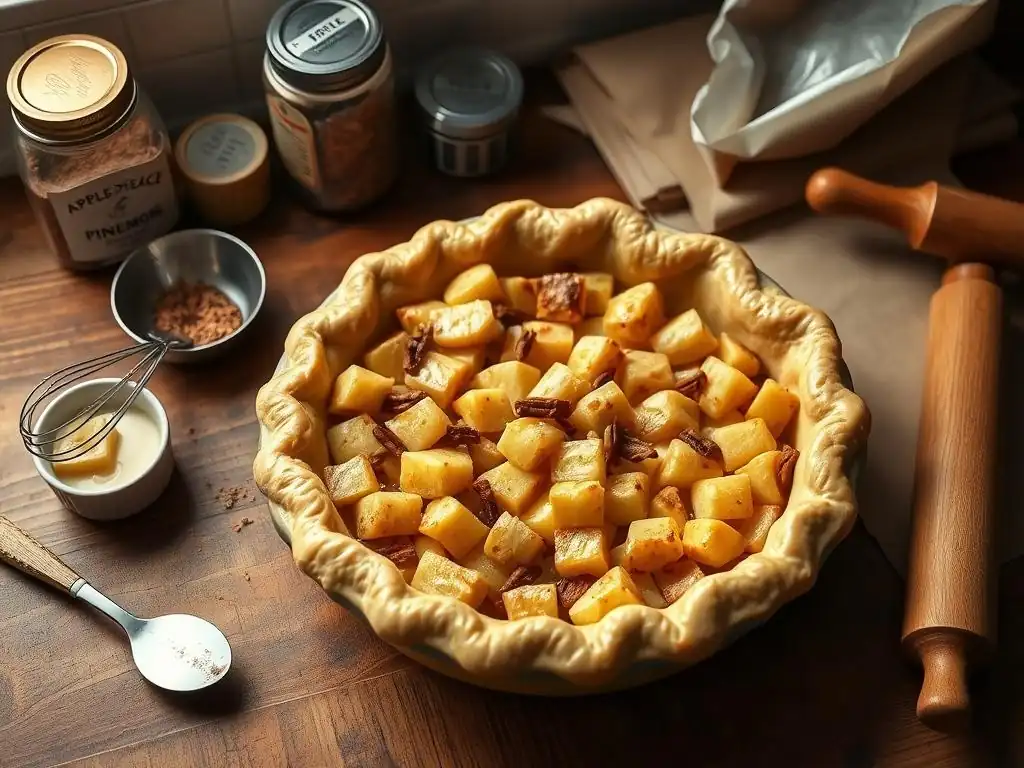
Even when using an easy storebought pie crust, having a few basic tools on hand will make the process smoother and more enjoyable. You don't need a professional kitchen setup, but some standard baking equipment is definitely helpful. These tools assist in everything from preparing the crust to ensuring your pie bakes evenly.
Beyond tools, selecting the right filling is key to a successful pie. The convenience of a premade crust means you can put more focus on perfecting your filling, whether it's a classic apple, a creamy pumpkin, or a rich chocolate ganache. Having your filling ingredients measured and ready before you start working with the crust is a good practice.
Must-Have Baking Tools for Pie Making
A standard 9-inch pie plate is essential, especially if you're using refrigerated or frozen crust rounds that aren't already in a pan. Glass or ceramic pie plates tend to distribute heat well, contributing to an evenly baked crust. A rolling pin can be useful if you need to slightly reshape a refrigerated crust or incorporate it into your plate cleanly.
Other helpful tools include a pastry blender or fork if you plan on doctoring your crust slightly (though usually unnecessary with premade), measuring cups and spoons for your filling, and a large mixing bowl. Pie weights (ceramic beads or even dried beans/rice) are invaluable if you plan on blind baking your easy storebought pie crust to prevent shrinking and puffing, a technique we'll discuss shortly.
Choosing the Right Filling for Your Store-Bought Pie Crust
The beauty of an easy storebought pie crust is that it's a blank canvas for almost any filling! Fruit fillings are classic and work wonderfully, but ensure the fruit isn't overly watery. Cream fillings, custards, and even savory quiche mixtures are also excellent options. Consider the moisture content of your filling; very wet fillings might require blind baking the crust first.
For a standard 9-inch pie plate, a typical fruit filling might require 6-8 cups of prepared fruit mixed with sugar, thickener (like flour, cornstarch, or tapioca starch), and spices. Cream or custard fillings often use 2-3 cups of liquid (milk/cream) and several eggs. Ensure your filling amount is appropriate for the size of your pie plate to avoid overflow during baking.
Ingredients to Enhance Your Store-Bought Pie Crust
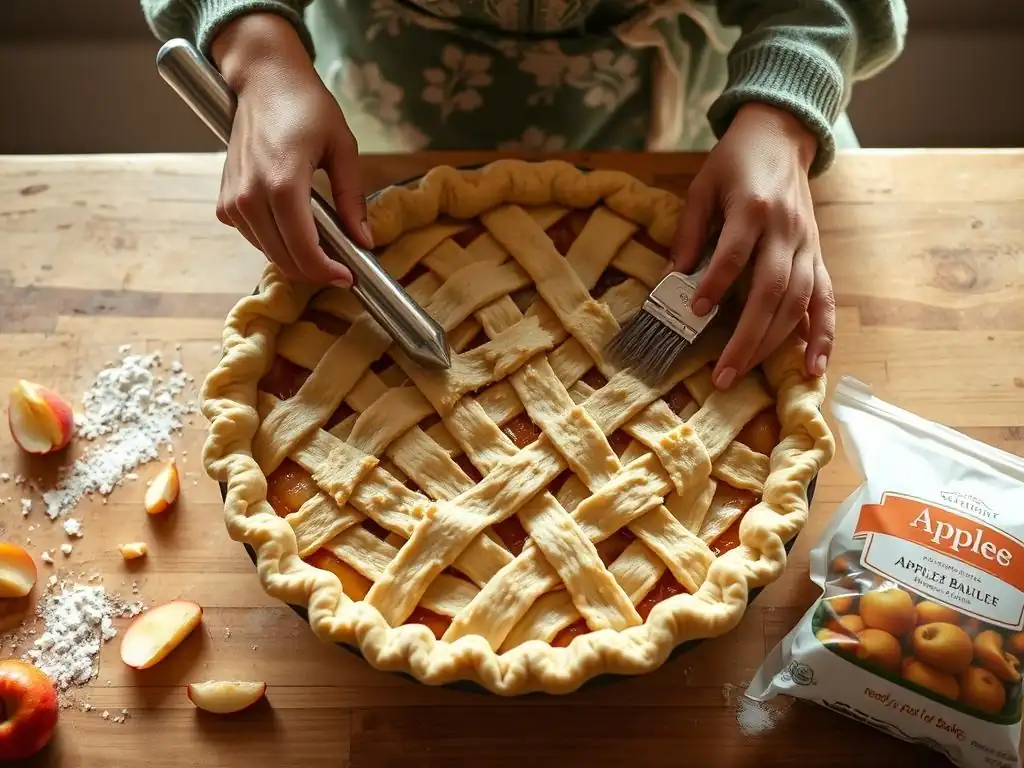
While the main point of using an easy storebought pie crust is simplicity, you can subtly enhance its flavor and appearance with minimal effort. A simple egg wash (one egg beaten with a tablespoon of water or milk) brushed over the top crust before baking gives it a lovely golden sheen. A sprinkle of sugar over the egg wash adds a touch of sweetness and sparkle.
For savory pies or quiches, you could brush the crust with melted butter or olive oil and sprinkle with herbs like dried parsley or Italian seasoning, or even a pinch of garlic powder. These small additions take mere seconds but can elevate the final look and taste of your easy storebought pie crust, making it feel a little more personalized and "homemade."
Step-by-Step Guide to Baking a Pie with Store-Bought Crust
Using an easy storebought pie crust simplifies the pie-making process considerably, but there are still a few key steps to follow to ensure success. From preparing the crust correctly to baking it just right, paying attention to these details will help you achieve a delicious pie with a perfectly baked crust.
This guide assumes you are making a standard filled pie, though the principles apply to many different types. We'll walk you through getting the crust ready, deciding if blind baking is necessary, adding your filling, and finally, baking your creation to golden perfection.
Preparing Your Store-Bought Pie Crust for Baking
Before you can add your delicious filling, the easy storebought pie crust needs a little preparation. This varies slightly depending on whether you are using a frozen or refrigerated variety. Following the package instructions for thawing and handling is your first and most important step.
For refrigerated crusts, allowing them to warm up slightly is crucial for preventing cracks. Frozen crusts require more significant thawing time. Getting the crust ready before your filling is prepared ensures a smooth transition from assembly to baking.
Thawing Frozen Pie Crust (If Applicable)
If using a frozen easy storebought pie crust, remove it from the freezer according to the package instructions. Typically, a crust in an aluminum pan will need about 15-20 minutes at room temperature or about an hour in the refrigerator to become workable. If you are using frozen dough rounds that you will transfer to your own plate, they might need slightly longer, perhaps 30-60 minutes at room temperature. The dough should be pliable but still cool to the touch; if it gets too warm, it becomes sticky and difficult to handle.
Unrolling and Shaping Refrigerated Pie Crust
Refrigerated easy storebought pie crust comes rolled up. Carefully unroll it on a clean, lightly floured surface or directly into your pie plate. If it cracks as you unroll, don't panic! You can usually press cracks together with your fingers or patch them with scraps of dough. Gently fit the crust into your pie plate, pressing it into the bottom and up the sides. Trim any excess dough, leaving about a 1-inch overhang, which you can then crimp or flute decoratively. For a double-crust pie, repeat with a second crust for the top.
Blind Baking Store-Bought Pie Crust: Preventing a Soggy Bottom
Blind baking, or pre-baking the easy storebought pie crust before adding the filling, is a critical step for certain types of pies, especially those with wet fillings (like quiches or fruit pies with high moisture content) or pies with uncooked fillings (like cream pies or puddings). It helps to set the crust and prevent it from becoming soggy when the filling is added.
While it adds an extra step, blind baking significantly improves the texture of the easy storebought pie crust, ensuring a flaky base rather than a gummy, undercooked one. It's a simple technique that makes a big difference in the final result of your pie.
When and Why to Blind Bake
Blind baking is recommended for pies with liquid fillings (like pumpkin, pecan, or quiche) or fillings that are not baked (like fresh fruit tarts, cream pies, or chocolate ganache pies). The "why" is straightforward: it gives the bottom crust a head start on baking and setting before the moist filling is added. Without blind baking, the moisture from the filling can seep into the raw dough during baking, preventing it from becoming crisp and flaky.
How to Blind Bake a Pie Crust Using Pie Weights
To blind bake an easy storebought pie crust, first fit the crust into your pie plate and crimp the edges. Prick the bottom of the crust all over with a fork; this allows steam to escape and prevents large bubbles from forming. Line the crust with parchment paper or foil, pressing it gently against the sides. Fill the lined crust with pie weights, dried beans, or uncooked rice, distributing them evenly to weigh down the bottom and sides.
Bake in a preheated oven (typically 375°F - 400°F or 190°C - 200°C) for about 15-20 minutes, or until the edges are lightly golden. Remove the weights and liner, then bake for another 5-10 minutes until the bottom is lightly golden and looks dry. If adding a baked filling, you may only need to partially blind bake until the crust is set but not fully colored.
Filling Your Pie with Delicious Goodness
Once your easy storebought pie crust is prepped (and potentially blind-baked), it's time for the star of the show: the filling! Carefully pour or arrange your prepared filling into the crust. Aim for an even distribution to ensure the pie bakes uniformly and looks appealing when sliced.
Handling the filling requires a little care to prevent spills and ensure the pie holds its shape. Don't overfill the crust, and make sure any top crust or lattice is properly sealed to the bottom crust to contain bubbling fillings.
Tips for Evenly Distributing Fillings
For fruit fillings, try to distribute the fruit pieces relatively evenly throughout the crust rather than piling them all in the center. This helps prevent a large dome in the middle and ensures each slice has a good ratio of fruit to crust. For creamy or liquid fillings, simply pour gently into the prepared easy storebought pie crust, ensuring the filling level is even across the surface. Use a spatula to scrape all the delicious filling from your bowl into the crust.
Preventing Overflowing Pie Fillings
Overfilling is a common issue that leads to bubbly, sugary messes in the bottom of your oven. When using an easy storebought pie crust, leave about a half-inch of space between the top of the filling and the rim of the crust. For fruit pies, remember that the fruit will cook down slightly, but the juices will bubble up. Placing the pie on a baking sheet lined with foil or parchment paper is an excellent preventative measure to catch any drips. Ensure any top crust is well-sealed to the bottom crust to create a barrier for bubbling fillings.
Baking Your Pie to Perfection
Baking is where the magic happens! Getting the temperature and timing right is crucial for ensuring both your easy storebought pie crust and your filling are perfectly cooked. Ovens can vary, so using an oven thermometer is helpful, and always start checking for doneness a little before the minimum recommended baking time.
The goal is a golden-brown crust and a set, bubbly (if applicable) filling. Don't be afraid to adjust timing slightly based on how your oven performs and the specific filling you're using.
Oven Temperature and Baking Time Guidelines
Most pies bake at temperatures between 350°F (175°C) and 425°F (220°C). Fruit pies often start at a higher temperature (like 400°F or 425°F) for the first 15-20 minutes to set the crust, then the temperature is reduced (to 375°F or 350°F) for the remaining baking time (often 30-50 minutes).
Custard or cream pies are typically baked at a consistent lower temperature (around 350°F or 375°F) for longer periods, perhaps 40-60 minutes, to ensure the filling sets without curdling. Always refer to your specific recipe for precise guidance, but these ranges are common starting points for baking with an easy storebought pie crust.
Checking for Doneness: Crust and Filling
Your easy storebought pie crust should be golden brown and look dry and flaky. If the edges are browning too quickly, you can cover them loosely with foil or a pie crust shield. For fruit pies, the filling should be visibly bubbling, especially in the center, and a knife inserted into the vents should show thick, syrupy juices. For custard or cream pies, the center should be mostly set, with perhaps a slight jiggle remaining (it will finish setting as it cools). A knife inserted near the center should come out clean.
Troubleshooting Common Store-Bought Pie Crust Problems
Even with an easy storebought pie crust, you might encounter a few common issues. The good news is that these problems are usually minor and often preventable or fixable. Understanding why they happen is the first step to avoiding them or knowing how to handle them if they occur.
Don't get discouraged if your first attempt isn't absolutely perfect. Baking is a learning process, and using a premade crust gives you a great starting point to practice techniques like preventing sogginess or handling cracks.
Avoiding a Soggy Pie Crust
A soggy bottom crust is perhaps the most common pie woe. It happens when moisture from the filling prevents the lower part of the easy storebought pie crust from fully baking and becoming crisp. The most effective way to combat this is through blind baking, as discussed earlier. Partially or fully baking the crust before adding a wet filling creates a barrier.
Another tip is to ensure your oven is properly preheated to the correct temperature before the pie goes in. A hot oven helps set the crust quickly. For fruit pies, using an appropriate thickener (like cornstarch, flour, or tapioca) in the filling is crucial to absorb excess liquid. Baking the pie on the lowest rack can also help ensure the bottom crust receives adequate heat.
Preventing a Shrinking Pie Crust
Sometimes, an easy storebought pie crust can shrink down the sides of the pie plate during baking. This often happens if the dough is stretched too tightly when fitting it into the plate or if it wasn't allowed to relax sufficiently before baking. Ensuring your refrigerated crust is at room temperature (but still cool) before unrolling helps prevent stretching.
When fitting the crust into the plate, gently ease it in rather than pulling it taut. Make sure it's nestled into the corners. Leaving a generous overhang (about 1 inch) before crimping can also help, as it provides some slack if the crust retracts slightly. If using a frozen crust already in a pan, shrinking is less common but can still occur if baked at too high a temperature initially without a filling.
Fixing Cracks and Imperfections in Your Baked Pie
Cracks can appear in an easy storebought pie crust before or after baking. If you notice cracks when unrolling or fitting the crust, simply use scraps of dough (from trimming the edges) to patch them. Moisten the edges of the crack slightly with water, press the patch over it, and smooth it out with your fingers.
After baking, small cracks on the surface are usually nothing to worry about aesthetically, especially if covered by a topping. If a crack in a filled pie goes all the way through and filling is leaking, it's mostly a visual issue at that point, though it can affect serving cleanly. For future pies, ensuring the crust is properly relaxed before baking and avoiding over-stretching can help minimize post-bake cracks.
Creative Ideas for Using Store-Bought Pie Crust
The versatility of an easy storebought pie crust extends far beyond traditional large pies. Its convenience makes it perfect for experimenting with different formats and flavors. Think of it as a ready-made pastry base for all sorts of sweet and savory creations.
Using premade crust allows you to explore various recipes without the hurdle of making dough from scratch every time. This opens up a world of mini treats, savory main courses, and simple ways to add a decorative touch to your bakes.
Mini Pies and Tarts: Perfect for Parties
An easy storebought pie crust is ideal for making individual-sized desserts like mini pies or tarts. You can cut out circles from a refrigerated crust using a cookie cutter or glass and press them into muffin tins or mini tart pans. These bake much faster than a large pie, often in just 15-25 minutes depending on the filling and size.
Mini pies are wonderful for portion control, bake sales, or parties. You can fill them with fruit, chocolate ganache, lemon curd, or any favorite filling. A single package of refrigerated easy storebought pie crust can yield anywhere from 6 to 12 mini tarts, depending on the size of your cutters and pans, making it a cost-effective option for baking in bulk.
Savory Pies and Quiches: Expanding Your Baking Repertoire
Don't limit your easy storebought pie crust use to just desserts! Premade crusts are excellent for savory applications like quiches, pot pies, or savory tarts. A standard refrigerated crust works perfectly for a quiche base. Simply blind bake it, pour in your egg and filling mixture (like cheese, vegetables, and cooked meats), and bake until the filling is set.
For a pot pie, you can use one crust for the bottom (partially baked if the filling is very wet) and another for the top, or just use a single crust as a topping over a casserole dish filled with savory stew. This expands your baking repertoire into main courses and brunch items with minimal effort on the pastry front.
Pie Crust Toppers and Decorations: Adding a Personal Touch
Even if you're using an easy storebought pie crust for the bottom, you can still add a personal touch with a creative top. If using a double-crust pie, try cutting the top crust into strips to create a simple lattice pattern instead of just placing a solid sheet of dough.
You can also use cookie cutters to cut shapes (like stars, leaves, or hearts) from a second crust or the trimmed edges of your bottom crust. Arrange these shapes decoratively on top of a single-crust pie (like pumpkin or pecan) before baking. Brushing these decorations with an egg wash and sprinkling with sugar adds extra visual appeal to your easy storebought pie crust creation.
Storing and Serving Your Homemade Pie
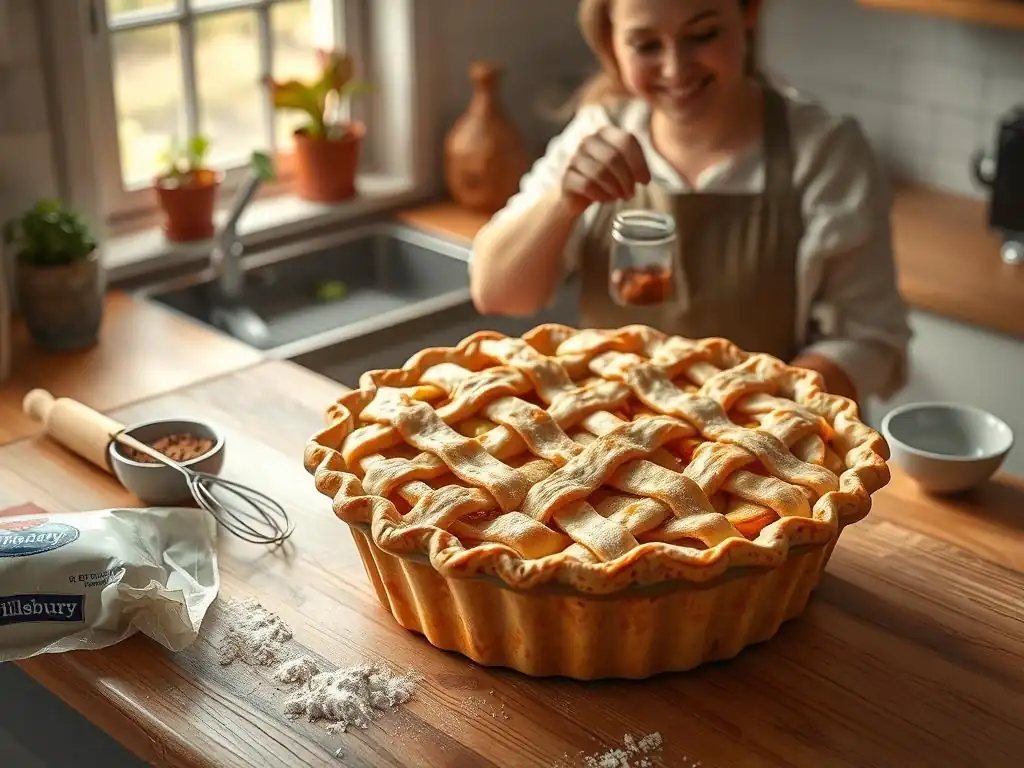
You've successfully baked a delicious pie using an easy storebought pie crust – congratulations! Now, how do you store it to keep it fresh, and what are the best ways to serve it? Proper handling after baking ensures your hard work pays off and the pie tastes great, whether enjoyed immediately or over the next few days.
Storage methods can vary depending on the type of filling, but a few general rules apply to most pies made with a pastry crust. Serving is also an opportunity to elevate the experience, even with a simple pie.
Proper Storage for Leftover Pie
Most fruit pies baked with an easy storebought pie crust can be stored at room temperature for up to 24 hours, covered loosely with foil or plastic wrap. After that, or if your kitchen is particularly warm, it's best to refrigerate them to maintain freshness and prevent spoilage. Refrigerated fruit pies are typically good for 3-4 days.
Pies with dairy or egg-based fillings (like pumpkin, pecan, custard, or cream pies) must be refrigerated immediately after cooling. They should be covered and stored in the refrigerator for up to 3-4 days. For longer storage, many baked pies can be frozen for 1-2 months; wrap slices or the whole cooled pie tightly in plastic wrap and then in foil. Thaw frozen pie in the refrigerator overnight.
Serving Suggestions for Different Pie Types
Serving temperature often depends on the type of pie. Fruit pies are delicious served warm, perhaps gently reheated in a low oven (around 300°F or 150°C) for 10-15 minutes. They pair wonderfully with a scoop of vanilla ice cream or a dollop of whipped cream.
Cream, custard, and silk pies are best served chilled directly from the refrigerator. They are often topped with whipped cream or chocolate shavings just before serving. Savory pies and quiches are typically served warm or at room temperature and can be accompanied by a simple side salad. Regardless of the type, cutting clean slices is easiest when the pie has been allowed to cool sufficiently; warm fruit pies can be a bit messy but are worth it for the aroma and melty ice cream!
Conclusion: Mastering the Art of Easy Pie Baking with Store-Bought Crust
You've seen how an easy storebought pie crust can be your best friend in the kitchen, enabling you to create delicious, satisfying pies without the fuss of making dough from scratch. From understanding the different types of premade crusts to mastering simple techniques like blind baking and troubleshooting common issues, you now have the knowledge to bake with confidence.
At BakeWithEase, our goal is to empower you to enjoy the process of baking and the joy of sharing homemade treats. Using an easy storebought pie crust is a valid and wonderful shortcut that allows you to focus on flavors and fillings, bringing delightful aromas and tastes into your home.
Baking Bliss's Final Tips for Baking Success
Here are a few parting tips to ensure your easy storebought pie crust endeavors are always successful:
- Always read the package instructions for specific thawing and handling advice.
- Don't overwork the dough if you're transferring or shaping it; handle it gently.
- Consider blind baking for wet or uncooked fillings – it's a game-changer for crust texture.
- Use a baking sheet under your pie to catch any potential drips.
- Allow your pie to cool adequately before slicing for cleaner cuts, especially for fruit pies.
Enjoying the Simplicity and Deliciousness of Store-Bought Pie Crust
Embrace the convenience! Using an easy storebought pie crust doesn't make you any less of a baker. It simply means you're smart about your time and resources. With a little care and attention to detail, you can produce pies that are just as delicious and impressive as those made with homemade pastry. So go ahead, pick up that premade crust, whip up a fantastic filling, and enjoy the simple pleasure of a warm, homemade pie made easy!
Frequently Asked Questions
How do I prevent my storebought pie crust from shrinking during baking?
To prevent shrinking, blind bake the crust first, using pie weights or dried beans. Also, ensure the crust is properly docked with a fork.
Can I use any type of storebought pie crust for any pie recipe?
While generally versatile, certain crusts are better suited for specific pies. Consider the filling type and the desired crust texture. For example, a flaky crust is great for fruit pies.
What's the best way to thaw a frozen storebought pie crust?
The ideal method is to thaw it slowly in the refrigerator overnight. This helps maintain the crust's texture and prevent it from becoming sticky.
How can I improve the flavor of a storebought pie crust?
You can brush the crust with melted butter or an egg wash before baking for added flavor and a golden-brown color. Consider adding a pinch of salt to the crust before baking.
How do I avoid a soggy bottom crust when using storebought crust?
Blind baking, as mentioned earlier, is crucial. Additionally, ensure the filling isn't too wet and consider a pre-bake of the crust before adding the filling for pies with high moisture content.
Final Reflection: Unlocking the Joy of Effortless Baking
The humble store-bought pie crust, often overlooked, is a gateway to deliciousness for even the busiest baker. It's a secret weapon, allowing us to bypass hours of chilling and rolling, and instead focus on the creative heart of pie-making: the fillings, the flavors, the personal touch. This isn't about sacrificing quality; it's about embracing efficiency without compromising on taste.
The ease of using store-bought crust has profoundly impacted my own baking journey, freeing me from the pressure of perfection and allowing me to experiment with bolder flavor combinations. It's a reminder that baking should be enjoyable, not a source of stress. The best things in life are simple,
a sentiment that perfectly encapsulates the satisfaction of a perfectly-filled pie made with a readily available crust. This accessibility democratizes the art of pie-making, allowing anyone, regardless of skill level, to experience the joy of creating something delicious and beautiful.
So, I encourage you, dear reader, to embrace the potential of the store-bought pie crust. Don't be afraid to experiment, to explore new flavor profiles, and to share your creations with loved ones. Let this guide be your springboard to countless culinary adventures, proving that sometimes, the simplest approach leads to the most rewarding results. The world of pie awaits – go forth and bake!
Unleash Your Inner Pastry Chef!
Thanks for taking the time to explore the wonderful world of store-bought pie crusts! We hope you gained some confidence in tackling delicious baked goods without the fuss. Now it's time to put your new skills to the test.
- Bake your dream pie! Grab your favorite filling and get creative. We’d love to see your masterpiece!
- Share your baking journey on social media using #BakeWithEase and tag us—we're always inspired by our community's creations.
- Experiment with different crusts: Try a different brand or even a different type of crust (think puff pastry!) next time.
What unique twist will you add to your next pie creation?