
Baking Bliss: How to Use Dulce de Leche in Latin American Desserts

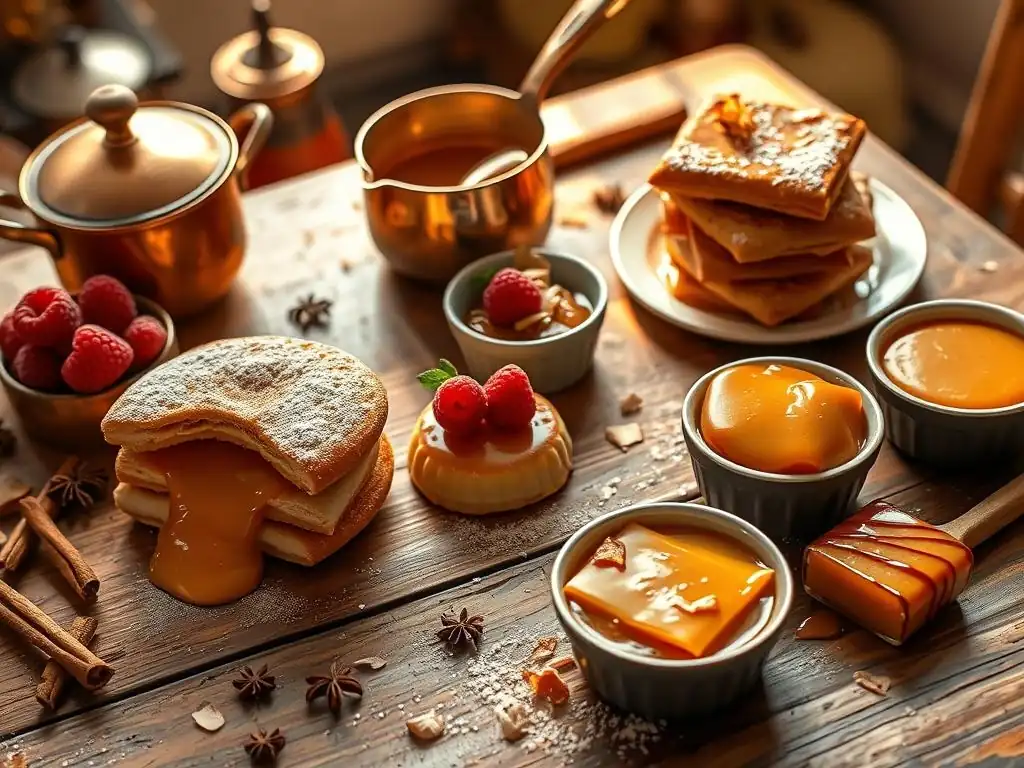
Welcome to BakeWithEase, your passport to a world of delicious baking! Ready to embark on a sweet journey? Dulce de leche, that luscious caramel confection, is a cornerstone of Latin American desserts, adding a touch of magic to countless treats. But how can you truly unlock its potential? Dive in to discover how to expertly incorporate dulce de leche into authentic Latin desserts, and prepare to tantalize your taste buds. What sweet secrets will you uncover?
- Discover the Magic of Dulce de Leche in Latin American Baking
- Mastering Dulce de Leche: A Baker's Guide
- Classic Latin American Desserts Featuring Dulce de Leche
- Creative Ways to Incorporate Dulce de Leche into Latin Desserts
- Tips and Tricks for Baking with Dulce de Leche
- Exploring Regional Variations of Dulce de Leche Latin Desserts
- Troubleshooting Common Dulce de Leche Baking Issues
- Elevate Your Baking with Dulce de Leche in Latin American Desserts
-
Frequently Asked Questions
- What is dulce de leche and why is it important in Latin American desserts?
- What are some common Latin American desserts that feature dulce de leche?
- Can I make dulce de leche at home, or should I buy it?
- What are some tips for successfully incorporating dulce de leche into my baking?
- Where can I find reliable recipes for Latin American desserts that use dulce de leche?
- Final Reflection: The Enduring Sweetness of Dulce de Leche
- Unleash Your Inner Pastry Chef: Dulce de Leche Adventures Await!
Discover the Magic of Dulce de Leche in Latin American Baking
Dulce de leche is more than just a sweet spread; it's a cornerstone of many beloved Latin American desserts. This rich, caramel-like confection, made by slowly heating sweetened milk until it thickens and changes color, brings a unique depth of flavor and luxurious texture to baked goods. Its versatility allows it to be used as a filling, topping, or key ingredient, transforming simple recipes into extraordinary culinary experiences. Exploring the world of Latin American baking often means encountering the delightful presence of dulce de leche.
The history of dulce de leche is debated, with origins claimed by several Latin American countries, including Argentina, Uruguay, Chile, and even earlier mentions in Spain or France. Regardless of its precise birthplace, it has become intrinsically linked with the culinary identity of the region. Its widespread popularity is a testament to its irresistible taste and adaptability in countless sweet applications, making dulce de leche Latin desserts a globally recognized treat. From sophisticated layer cakes to humble cookies, this sweet staple provides that signature touch.
What is Dulce de Leche and Why is it Perfect for Desserts?
Dulce de leche, literally meaning "sweet milk," is traditionally prepared by simmering milk and sugar together for several hours until the mixture reduces, caramelizes, and thickens into a smooth, spreadable paste. The Maillard reaction and caramelization processes that occur during cooking are responsible for its distinctive brown color and complex flavor profile, which goes beyond simple sweetness to include notes of toasted sugar and often a hint of nuttiness. While the basic ingredients are simple, the slow cooking process is crucial for developing its characteristic flavor and rich, creamy texture.
Its chemical composition, primarily cooked milk solids and caramelized sugars, gives dulce de leche unique properties ideal for baking. Unlike simple caramel made from just sugar and water, the milk proteins in dulce de leche contribute to a smoother, less brittle texture and a richer mouthfeel. This makes it less prone to crystallizing and gives it excellent stability as a filling or topping, even when baked. Its high sugar content also helps retain moisture in baked goods, contributing to a tender crumb in cakes and softer cookies, making it an exceptional ingredient for many Latin American desserts.
A Baker's Guide to Latin American Desserts with Dulce de Leche
Embarking on the journey of creating Latin American desserts with dulce de leche opens up a world of delightful possibilities. This guide will walk you through understanding this versatile ingredient, from making it yourself to choosing the best store-bought options, and then exploring classic and creative applications. Whether you're a novice or an experienced baker, incorporating dulce de leche can elevate your creations, bringing authentic Latin American flavors to your kitchen.
Mastering the art of baking with dulce de leche involves understanding its consistency, sweetness level, and how it interacts with other ingredients. We'll cover popular recipes like Alfajores, Rogel, and Flan, providing insights into techniques that ensure success. Beyond the classics, we'll look at innovative ways to use dulce de leche in brownies, ice cream, and cheesecakes, demonstrating just how adaptable this ingredient is. Get ready to bake some truly memorable dulce de leche Latin desserts!
Mastering Dulce de Leche: A Baker's Guide
Understanding the nuances of dulce de leche is key to successful baking. Not all dulce de leche is created equal, and its characteristics can significantly impact the final outcome of your dessert. Factors like consistency, sweetness, and flavor profile can vary depending on how it's made and its intended use.
Different Types of Dulce de Leche for Baking
While the core concept remains the same, dulce de leche can vary in thickness and color. A thicker, darker version, often labeled "repostero" (baker's) or "pastelero" (pastry chef's), is specifically formulated for baking. This type holds its shape better, making it ideal for fillings that shouldn't run, such as in layer cakes or cookies like Alfajores. Its more robust flavor also stands up well to baking temperatures.
Conversely, a runnier, lighter-colored dulce de leche is often preferred for spreading on toast, topping pancakes, or stirring into coffee. While delicious, this type may be too thin for some baking applications, potentially causing soggy crusts or fillings that seep out. Some regional variations exist, like the manjar blanco of Peru or Chile, which can sometimes be lighter and less caramelized than Argentine or Uruguayan versions, offering a slightly different flavor profile suitable for various Latin American desserts.
Homemade Dulce de Leche: A Simple Recipe
Making dulce de leche at home allows you to control the consistency and flavor intensity. The simplest method involves using sweetened condensed milk.
- Ingredients:
- 1 can (approximately 14-15 oz or 400g) sweetened condensed milk
- Method 1 (Stovetop, Can Method - Use Caution):
- Remove label from can.
- Place sealed can horizontally in a large pot.
- Cover can completely with water by several inches.
- Bring water to a boil, then reduce heat to a simmer.
- Simmer for 2-3 hours, ensuring the can remains fully submerged at all times by adding more hot water as needed. (Undersubmerging can cause the can to explode).
- Let the can cool completely before opening.
- Open can and stir the thickened, caramelized milk.
- Method 2 (Stovetop, Pot Method):
- Pour condensed milk into a heavy-bottomed saucepan.
- Add a pinch of salt (optional, enhances flavor).
- Heat over low heat, stirring constantly with a wooden spoon or whisk to prevent scorching.
- Continue stirring for 1-2 hours, or until the mixture thickens and turns a rich brown color. Be patient; low and slow is key.
- Pour into a jar and let cool. It will thicken further as it cools.
Method 3 (Oven Method):
- Pour condensed milk into a pie plate or shallow oven-safe dish.
- Cover tightly with foil.
- Place the dish in a larger baking pan.
- Carefully pour hot water into the larger pan, creating a water bath (bain-marie), until it comes about halfway up the sides of the dish with the condensed milk.
- Bake in a preheated oven at around 350°F (175°C) for 1.5 to 2.5 hours, or until desired color and consistency are reached. Check water level periodically and replenish if needed.
- Let cool completely before stirring.
No matter which method you choose, homemade dulce de leche offers a rich, authentic flavor that can elevate your dulce de leche Latin desserts. Be aware that the stovetop can method carries a risk if not done carefully; the oven or pot methods are generally considered safer for home cooks.
Store-Bought Dulce de Leche: Choosing the Right Type
For convenience, store-bought dulce de leche is readily available and excellent for baking. When selecting one, consider its intended use. For fillings that need to hold shape, look for versions labeled "para repostería" or "baker's style." These are typically thicker and less likely to make your pastries soggy.
Examine the ingredient list; ideally, it should contain primarily milk and sugar. Some brands may include stabilizers or flavorings, which can slightly alter the taste and texture. The color is also an indicator – a darker color usually means a more intense, caramelized flavor, while a lighter color indicates a milder, creamier taste. Don't be afraid to try a few different brands to find your favorite for your specific dulce de leche Latin desserts. Brands from Argentina or Uruguay are often highly regarded for their quality and traditional flavor profiles.
Classic Latin American Desserts Featuring Dulce de Leche
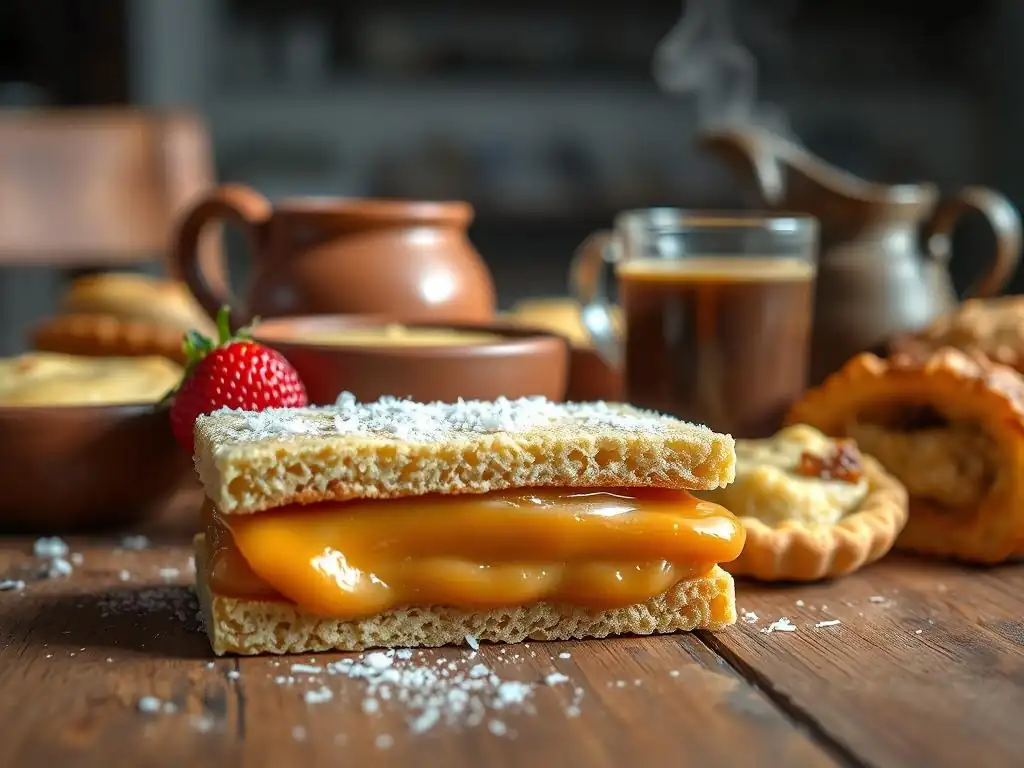
Dulce de leche is the star ingredient in a constellation of iconic Latin American desserts. These recipes showcase its ability to provide richness, sweetness, and a signature texture that is both comforting and indulgent.
Alfajores are perhaps the most famous dulce de leche Latin desserts. These delicate sandwich cookies consist of two soft, crumbly cookies, traditionally made with cornstarch (maicena) for tenderness, filled generously with dulce de leche. Often, the edges are rolled in shredded coconut or powdered sugar. Originating from the Middle East and brought to Spain, they were adapted in Latin America, with the Argentine/Uruguayan version filled with dulce de leche becoming iconic.
The texture contrast between the tender, melt-in-your-mouth cookie and the smooth, creamy dulce de leche filling is what makes Alfajores so addictive. They are a staple throughout the region, enjoyed with coffee or as a sweet treat any time of day. While seemingly simple, achieving the perfect balance of flavors and textures is an art form appreciated by bakers across Latin America.
Alfajores Recipe: A Step-by-Step Guide
This recipe yields approximately 15-20 sandwich cookies.
- Ingredients:
- 1 cup (2 sticks or 225g) unsalted butter, softened
- ¾ cup (90g) powdered sugar
- 4 large egg yolks
- 1 teaspoon vanilla extract
- 1 cup (125g) all-purpose flour
- 1 ½ cups (180g) cornstarch
- 1 teaspoon baking powder
- Pinch of salt
- Approximately 1 ½ cups (400-500g) thick dulce de leche (repostero style)
- Optional: Shredded coconut or additional powdered sugar for rolling edges
- Instructions:
- Cream the softened butter and powdered sugar together in a large bowl until light and fluffy.
- Beat in the egg yolks one at a time, mixing well after each addition. Stir in the vanilla extract.
- In a separate bowl, whisk together the flour, cornstarch, baking powder, and salt.
- Gradually add the dry ingredients to the wet ingredients, mixing on low speed or by hand until just combined. Do not overmix. The dough will be soft.
- Divide the dough in half, flatten each half into a disc, wrap in plastic wrap, and chill for at least 1 hour.
- Preheat your oven to 325°F (160°C). Line baking sheets with parchment paper.
- On a lightly floured surface, roll out one disc of dough to about ¼ inch (6mm) thickness.
- Use a round cookie cutter (about 1.5 - 2 inches or 4-5 cm diameter) to cut out circles.
- Carefully transfer the circles to the prepared baking sheets, spacing them about 1 inch apart.
- Bake for 10-12 minutes, or until the edges are lightly golden. The centers should remain pale.
- Let the cookies cool on the baking sheet for a few minutes before transferring them to a wire rack to cool completely.
- Repeat with the second disc of dough.
- Once completely cool, spread a generous amount of dulce de leche on the flat side of one cookie.
- Top with another cookie, pressing gently to create a sandwich.
- If desired, roll the edges of the filled cookies in shredded coconut or dust the tops with powdered sugar.
- Let the Alfajores sit for a few hours (or preferably overnight) to allow the flavors to meld and the cookies to soften slightly from the dulce de leche filling.
Tips for Perfect Alfajores
Achieving that signature crumbly yet tender texture requires attention to detail. Using cornstarch is crucial; it inhibits gluten development, resulting in a more delicate cookie. Ensure your butter is truly softened, not melted, for proper creaming.
- Use
cornstarchfor tenderness. - Do not
overmixthe dough after adding dry ingredients. - Chill the dough thoroughly; it makes rolling and cutting much easier.
- Bake until just lightly golden around the edges; overbaking will make them hard.
- Let cookies cool completely before filling to prevent the dulce de leche from melting and running.
- Use a thick,
reposterostyle dulce de leche that holds its shape. - Allow filled Alfajores to rest; this is key to their final texture.
Chaja Postre: A Uruguayan Delight with Meringue and Dulce de Leche
Chajá is a famous Uruguayan cake that is a delightful combination of soft sponge cake, peaches, meringue, and, of course, dulce de leche. Created in the city of Paysandú in 1927, it was named after the Southern Screamer bird (chajá) known for its light and airy nature, reflecting the cake's delicate texture. It's a layered dessert that offers a wonderful interplay of textures: the softness of the cake, the crunch of meringue, the creaminess of the dulce de leche, and the juiciness of the peaches.
This dessert is typically served chilled and is a popular choice for celebrations and gatherings in Uruguay and beyond. Its visual appeal, with distinct layers visible when sliced, is as impressive as its taste. While it might seem complex due to its multiple components, assembling a Chajá is quite manageable for the home baker looking to explore authentic dulce de leche Latin desserts.
How to Assemble the Perfect Chaja Postre
While making each component (sponge cake, meringue, syrup, whipped cream, etc.) is a process in itself, the assembly brings it all together.
- Components typically include:
- Thin layers of sponge cake (often soaked in a light syrup, sometimes peach syrup or simple syrup).
- Whipped cream.
- Diced fresh or canned peaches.
- Broken pieces of crisp meringue.
- Generous amounts of dulce de leche.
- Assembly Steps (example):
- Place a layer of sponge cake on a serving plate or in a dish. Soak lightly with syrup if desired.
- Spread a layer of whipped cream over the cake.
- Dot the whipped cream with spoonfuls of dulce de leche.
- Scatter diced peaches over the dulce de leche and cream.
- Sprinkle broken meringue pieces over the peaches.
- Add another layer of sponge cake and repeat the layers of whipped cream, dulce de leche, peaches, and meringue.
- Finish with a top layer often covered completely with whipped cream, then decorated with more meringue pieces, peaches, and sometimes swirls of dulce de leche.
- Refrigerate for several hours before serving to allow the flavors to meld and the cake to absorb some moisture.
Flan with Dulce de Leche: A Creamy and Decadent Treat
Flan, a baked custard dessert topped with caramel, is a staple in many cuisines worldwide, but in Latin America, it often gets an extra touch of indulgence with dulce de leche. While classic flan features a liquid caramel sauce, adding dulce de leche elevates it to a new level of richness and creaminess. This can be done by incorporating dulce de leche directly into the custard base or serving it as a generous topping alongside the traditional caramel.
The smooth, silky texture of the baked custard contrasts beautifully with the thick, sweet dulce de leche. It's a relatively simple dessert to prepare, typically baked in a water bath (bain-marie) to ensure even cooking and prevent cracking. A flan de dulce de leche is a perfect example of how this ingredient can seamlessly integrate into existing dessert traditions, enhancing them with its unique flavor.
Adding Dulce de Leche to Your Flan
There are a couple of popular ways to incorporate dulce de leche into flan.
- Method 1: In the Custard Base.: You can whisk a significant amount of dulce de leche directly into the milk and egg mixture before baking. For instance, for a standard 6-egg flan recipe using 3-4 cups of milk, you might incorporate ½ cup to 1 cup of dulce de leche into the warmed milk before tempering the eggs. This infuses the entire custard with the dulce de leche flavor and color, resulting in a uniformly creamy, caramel-flavored flan. The amount can be adjusted based on desired intensity.
- Method 2: As a Topping.: Prepare a classic flan with caramel, then invert it onto a plate. Instead of relying solely on the liquid caramel, serve generous dollops or swirls of thick dulce de leche alongside or on top of the flan. This allows for a more intense burst of dulce de leche flavor with each bite and adds a beautiful visual element. Some recipes even bake a layer of dulce de leche under the custard, which then becomes a layer on top when inverted.
Both methods yield delicious results, offering a rich, creamy dessert that highlights the versatility of dulce de leche in Latin desserts.
Rogel Cake: Argentina's Layered Dulce de Leche Masterpiece
Rogel is an impressive Argentine cake composed of numerous thin, crisp pastry layers stacked high with generous amounts of dulce de leche spread between each layer. The top is traditionally covered with Italian meringue (merengue italiano). It's a celebration cake, often quite tall, showcasing the baker's skill and the country's love for dulce de leche.
The pastry layers are unique; they are thin, almost cracker-like, and become slightly chewy from absorbing moisture from the dulce de leche over time. The contrast between the crisp layers, the creamy dulce de leche, and the fluffy meringue is what makes Rogel a truly spectacular dessert. It requires patience to roll out and bake the many individual layers, but the result is a showstopping dulce de leche Latin dessert.
Rogel Cake Recipe: Creating the Layers and Filling
The foundation of Rogel is its distinctive dough.
- Dough Ingredients (example):
- 2 cups (250g) all-purpose flour
- 3 large egg yolks
- ~¼ cup (60ml) warm milk or water
- 1 tablespoon melted butter or oil
- Pinch of salt
- Filling & Topping:
- Approximately 3-4 cups (800g - 1kg) thick dulce de leche (repostero)
- Italian meringue (made from egg whites and hot sugar syrup)
- Process (Simplified):
- Mix dough ingredients to form a firm dough. Knead briefly until smooth.
- Divide the dough into many small portions (e.g., 10-15).
- Roll each portion out very thinly into circles of uniform size (use a template). This is the most labor-intensive step.
- Prick each circle all over with a fork.
- Bake the layers on parchment-lined baking sheets at a moderate temperature (around 350°F or 175°C) for just a few minutes until lightly golden and crisp. They bake very quickly due to their thinness.
- Let layers cool completely.
- Stack the cooled layers on a serving plate, spreading a generous amount of dulce de leche evenly over each layer, except the top one. Use an offset spatula for smooth spreading.
- Once all layers are stacked, cover the entire cake (top and sides) with Italian meringue.
- The meringue can be browned slightly with a kitchen torch or under a hot broiler for a minute (watch carefully! ).
- Allow the Rogel to sit for several hours or overnight in the refrigerator. This resting period allows the dulce de leche to soften the pastry layers slightly, creating the desired texture.
Creating Rogel is a labor of love, but the impressive height and incredible flavor of this dulce de leche Latin dessert are well worth the effort.
Creative Ways to Incorporate Dulce de Leche into Latin Desserts
While classics are wonderful, dulce de leche's versatility allows it to shine in modern and fusion desserts. Its rich flavor pairs well with chocolate, fruit, nuts, and other common baking ingredients, offering endless possibilities for creating new favorite treats.
Dulce de Leche Brownies: A Fudgy Twist on a Classic
Imagine fudgy, rich brownies swirled with ribbons of creamy dulce de leche. This combination takes a familiar favorite and elevates it with a decadent Latin American touch. Dulce de leche swirled into brownie batter before baking creates pockets of gooey sweetness that complement the intense chocolate flavor.
The key is to use a thick dulce de leche that won't completely disappear into the batter during baking. You can swirl it into a standard fudgy brownie recipe or even incorporate some into the batter itself for an all-over caramel note. Baking time might need slight adjustment depending on how much dulce de leche is added, as it can increase moisture. A typical approach involves pouring about two-thirds of the brownie batter into the pan, dropping spoonfuls of dulce de leche over it, topping with the remaining batter, and then swirling gently with a knife.
Dulce de Leche Ice Cream: A Frozen Latin Treat
Homemade ice cream is a fantastic vehicle for dulce de leche. Its creamy texture and caramelized flavor blend seamlessly into a frozen custard base. You can either stir a significant amount of dulce de leche directly into the chilled ice cream base before churning or swirl it in during the last few minutes of churning for beautiful ribbons of caramel throughout.
Using a high-quality dulce de leche is essential here, as its flavor is prominent. For an extra layer of flavor, consider adding a pinch of sea salt to the base or swirling in some toasted nuts or chocolate chips alongside the dulce de leche. This frozen dulce de leche Latin dessert is incredibly refreshing and satisfying.
Dulce de Leche Cheesecake: A Creamy Dessert
Cheesecake's smooth, dense texture provides a perfect canvas for the rich flavor of dulce de leche. There are several ways to make a dulce de leche cheesecake. You can incorporate dulce de leche directly into the cream cheese batter, creating a uniformly flavored cheesecake.
Alternatively, you can bake a plain cheesecake and then top it generously with a layer of dulce de leche after it has cooled. For a dramatic effect, swirl dulce de leche into the plain cheesecake batter before baking, creating beautiful patterns and pockets of intense flavor. A common method is to use about 1 cup (250g) of dulce de leche mixed into a standard cheesecake batter made with 3-4 blocks of cream cheese. Bake in a water bath for a smooth, crack-free finish. This fusion dessert combines classic American richness with unmistakable Latin American sweetness.
Tips and Tricks for Baking with Dulce de Leche
Working with dulce de leche is generally straightforward, but a few tips can help you achieve the best results in your baking endeavors.
Preventing Dulce de Leche from Burning in the Oven
When dulce de leche is used as a filling or topping that is exposed to direct heat in the oven, it can sometimes scorch or become too hard. This is especially true for thin layers or edges.
- If using as a filling in pies or tarts, consider partially baking the crust before adding the dulce de leche to reduce its time in the oven.
- For toppings, add the dulce de leche after the main item (like a cake or brownie) has mostly baked, or swirl it in during the final minutes.
- Covering the dessert loosely with foil during the last part of the baking time can help prevent the surface of the dulce de leche from burning.
- Using a water bath when baking items like flan or cheesecakes with dulce de leche helps regulate the temperature and prevents the edges from overcooking.
Achieving the Perfect Dulce de Leche Consistency
The ideal consistency of dulce de leche for baking depends on the recipe. For fillings that need to hold shape (like in Alfajores or Rogel), a thick, almost paste-like consistency is best. For swirling or drizzling, a slightly runnier texture works well.
- If your store-bought dulce de leche is too thick, you can gently warm it in a microwave (in short bursts, stirring) or in a double boiler to make it more spreadable. Be careful not to overheat it.
- If it's too runny for a filling, you can try thickening it slightly by gently simmering it in a saucepan over low heat, stirring constantly, until some moisture evaporates. This requires attention to avoid scorching.
- Some recipes might call for mixing dulce de leche with other ingredients like cream cheese, butter, or whipped cream to adjust consistency and richness.
Storing Dulce de Leche Desserts
Desserts made with dulce de leche generally store well due to the high sugar content of the filling.
- Store most dulce de leche Latin desserts, like Alfajores, Rogel, Flan, and Cheesecakes, in an airtight container in the refrigerator.
- Alfajores actually benefit from sitting for a day or two, allowing the cookie to soften slightly. They can typically last for 5-7 days in the fridge.
- Layer cakes like Rogel or Chajá should be refrigerated and are best consumed within 3-4 days.
- Flan should always be kept refrigerated and is usually good for 4-5 days.
- Dulce de leche ice cream should be stored in the freezer in a tightly sealed container to prevent freezer burn.
- Unopened store-bought dulce de leche can be stored at room temperature until its expiry date. Once opened, it should be refrigerated and usually lasts for several weeks. Homemade dulce de leche also needs to be refrigerated and typically lasts for 2-3 weeks. Always use a clean spoon to avoid contamination.
Exploring Regional Variations of Dulce de Leche Latin Desserts
While many dulce de leche desserts are popular across the region, some have strong ties to specific countries, often reflecting subtle differences in local ingredients or culinary traditions.
Argentine Dulce de Leche Desserts
Argentina is often considered the capital of dulce de leche. Their version is typically rich, dark, and thick, especially the "repostero" type. Argentine dulce de leche Latin desserts are abundant.
- Alfajores: The most iconic, often made with cornstarch cookies and rolled in coconut.
- Rogel: The towering layered cake with meringue.
- Panqueques con Dulce de Leche: Simple crêpes filled generously with warm dulce de leche.
- Martín Fierro: A simple dessert of cheese and quince paste, often served with a side of dulce de leche.
- Many pastries (
facturas) feature dulce de leche fillings or toppings.
Uruguayan Dulce de Leche Desserts
Uruguay shares many culinary traditions with Argentina, including a deep love for dulce de leche. Their dulce de leche is also typically rich and thick.
- Chajá: The famous layered cake with peaches and meringue.
- Alfajores: Very similar to Argentine versions, equally popular.
- Postre Chajá helado: An ice cream version of the classic Chajá dessert.
- Uruguayan pastries and cakes (
tortas) frequently incorporate dulce de leche.
Chilean Dulce de Leche Desserts
In Chile, dulce de leche is often called manjar or manjar de leche. Chilean manjar can sometimes be slightly lighter in color and consistency than Argentine or Uruguayan dulce de leche, though thicker versions for baking are also available.
- Alfajores: Chilean Alfajores can vary, sometimes using different cookie doughs or coatings, but the manjar filling is central.
- Leche Asada: A baked milk dessert similar to flan, often served with or made with manjar.
- Cuchuflí: Crisp, hollow wafer tubes filled with manjar.
- Torta de Hoja: A layered cake made with very thin, crisp pastry sheets (similar to Rogel layers but often round) filled with manjar.
These regional variations highlight the central role of dulce de leche in the sweet landscape of Latin America, each country adding its own unique touch to these beloved desserts.
Troubleshooting Common Dulce de Leche Baking Issues
Even experienced bakers can encounter hiccups when working with dulce de leche. Here are solutions to some common problems.
My Dulce de Leche is Too Runny
If you're using dulce de leche as a filling and it's too thin, it can make your dessert soggy or cause the filling to ooze out.
- Try to thicken it by gently simmering it in a saucepan over very low heat, stirring constantly, for 10-20 minutes. Be extremely careful not to burn it.
- Mix the runny dulce de leche with a thickening agent. You can try combining it with a small amount of cornstarch dissolved in milk (cook gently until thickened) or mixing it with cream cheese or a firm butter to create a more stable filling.
- If it's for a specific recipe like Alfajores, ensure you buy a dulce de leche labeled "repostero" or specifically for baking, as these are formulated to be thicker.
My Dulce de Leche is Too Thick
Sometimes dulce de leche, especially homemade or certain baker's types, can be too stiff to spread easily.
- Gently warm the dulce de leche. Place the container in a bowl of warm water or microwave it in short 15-second intervals, stirring in between, until it reaches a spreadable consistency.
- Beat it with a mixer for a few minutes. This can sometimes loosen its texture and make it smoother.
- Mix in a tiny amount of milk or cream, one teaspoon at a time, beating well after each addition, until it is the desired consistency. Be careful not to add too much liquid, or it will become too runny.
My Dulce de Leche Burnt While Baking
Scorched dulce de leche has a bitter, unpleasant taste. This happens when it's exposed to too high heat for too long.
- Ensure your oven temperature is accurate. An oven thermometer can help.
- If using dulce de leche as a top layer or swirl, add it later in the baking process or cover the dessert with foil.
- For fillings, ensure they are adequately enclosed within the pastry (like in a pie or turnover) to protect them from direct heat.
- Use a water bath when baking items containing significant amounts of dulce de leche, such as flan or cheesecake, as this maintains a more even, gentle temperature.
- If making homemade dulce de leche, stir constantly when cooking on the stovetop to prevent the bottom from burning.
Elevate Your Baking with Dulce de Leche in Latin American Desserts
Incorporating dulce de leche into your baking is a sure way to add richness, flavor, and an authentic touch of Latin American sweetness to your repertoire. From mastering classic recipes to experimenting with creative fusions, the possibilities are vast and incredibly delicious.
From Classic to Creative: Dulce de Leche Baking Adventures Await
Whether you start with the simple pleasure of a perfectly filled Alfajor or tackle the layers of a Rogel, baking with dulce de leche is a rewarding experience. Don't be afraid to experiment – try swirling it into your favorite cookie dough, adding a layer to a chocolate cake, or using it as a filling for cupcakes. The unique caramel notes of dulce de leche pair beautifully with many flavors, making it a versatile addition to almost any sweet recipe.
Exploring dulce de leche Latin desserts allows you to delve into the rich culinary heritage of a vibrant region while creating treats that are universally loved. The journey from a simple can of condensed milk (or milk and sugar) to a towering Rogel cake or a batch of tender Alfajores is a testament to the transformative power of this beloved ingredient.
A Guide to Mastering Latin American Dessert Recipes.
This guide has provided a foundation for understanding and utilizing dulce de leche in Latin American baking. By paying attention to the type of dulce de leche you use, mastering basic techniques like proper chilling or baking temperatures, and understanding how to troubleshoot common issues, you'll be well on your way to creating delicious and authentic dulce de leche Latin desserts. So, gather your ingredients, preheat your oven, and get ready to bake some bliss!
Frequently Asked Questions
What is dulce de leche and why is it important in Latin American desserts?
Dulce de leche is a caramelized milk confection popular throughout Latin America. It's important because it adds a rich, creamy, and sweet flavor that is fundamental to many traditional desserts.
What are some common Latin American desserts that feature dulce de leche?
Some popular examples include alfajores (sandwich cookies), churros filled with dulce de leche, and flan con dulce de leche. It's also used in fillings for cakes and as a topping for ice cream, making it a versatile ingredient.
Can I make dulce de leche at home, or should I buy it?
You can absolutely make it at home using sweetened condensed milk, which is more economical. However, store-bought dulce de leche is convenient and readily available in many grocery stores.
What are some tips for successfully incorporating dulce de leche into my baking?
When using dulce de leche in baking, ensure it's at room temperature for easier mixing. Also, be mindful of its sweetness; you might need to adjust the sugar in your recipe.
Where can I find reliable recipes for Latin American desserts that use dulce de leche?
BakeWithEase.com is a great resource, offering step-by-step guides and easy-to-find ingredient lists for dulce de leche inspired Latin desserts, catering to all skill levels.
Final Reflection: The Enduring Sweetness of Dulce de Leche
The creamy, caramel-like richness of dulce de leche transcends mere ingredient status; it's a cultural cornerstone, a taste of home for millions, and a testament to the enduring power of simple ingredients transformed into culinary magic. Its versatility, as explored throughout this article, continues to inspire innovation in Latin American desserts and beyond, proving its relevance in today's diverse culinary landscape.
The journey through various dulce de leche desserts highlighted the deep emotional connection many have with this ingredient. It's more than just a flavor; it's a memory, a tradition passed down through generations, a taste of family and heritage. Food is symbolic of love when words are inadequate.
This quote perfectly encapsulates the role dulce de leche plays, not just in the desserts themselves, but in the cultural fabric of Latin America and the diaspora. Its presence evokes feelings of warmth, comfort, and shared experiences, solidifying its place as a beloved culinary icon.
Now, I invite you to explore the world of dulce de leche further. Don't just read about these recipes; bake them. Experiment with different variations, discover your own unique twist, and share the sweetness with those you love. Let the simple act of creating a dulce de leche dessert be a conduit for connection, a celebration of heritage, and a testament to the enduring power of culinary traditions. The possibilities are as limitless as your imagination, and the rewards are undeniably sweet.
Unleash Your Inner Pastry Chef: Dulce de Leche Adventures Await!
Thanks for joining us on this delicious journey into the world of dulce de leche! We hope you've gained some sweet inspiration and newfound confidence in your baking abilities. Ready to take your skills to the next level?
- Craft your signature dulce de leche creation: Try one of the recipes we highlighted, or let your imagination run wild and experiment with your own unique twist! Think outside the traditional flan – what unexpected dessert could you transform with this caramel goodness?
- Share your dulce de leche masterpiece: Show us your baking triumphs on social media using #BakeWithEaseDulceDeLeche! We'd love to see your creations and feature them on our page.
- Explore our other Latin American dessert recipes: Dive deeper into the rich world of flavors and discover new culinary adventures on BakeWithEase.com.
So, what irresistible dulce de leche dessert will you bake first?